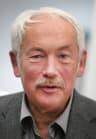
Twieled
April 13, 1939
Castledawson, United Kingdom
Miet
August 30, 2013
Dublin, United Kingdom of Great Britain and Ireland
Magħruf Għal
Irish poet, playwright, translator, lecturer
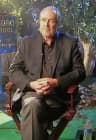
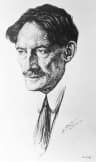
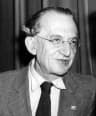
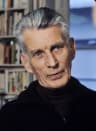
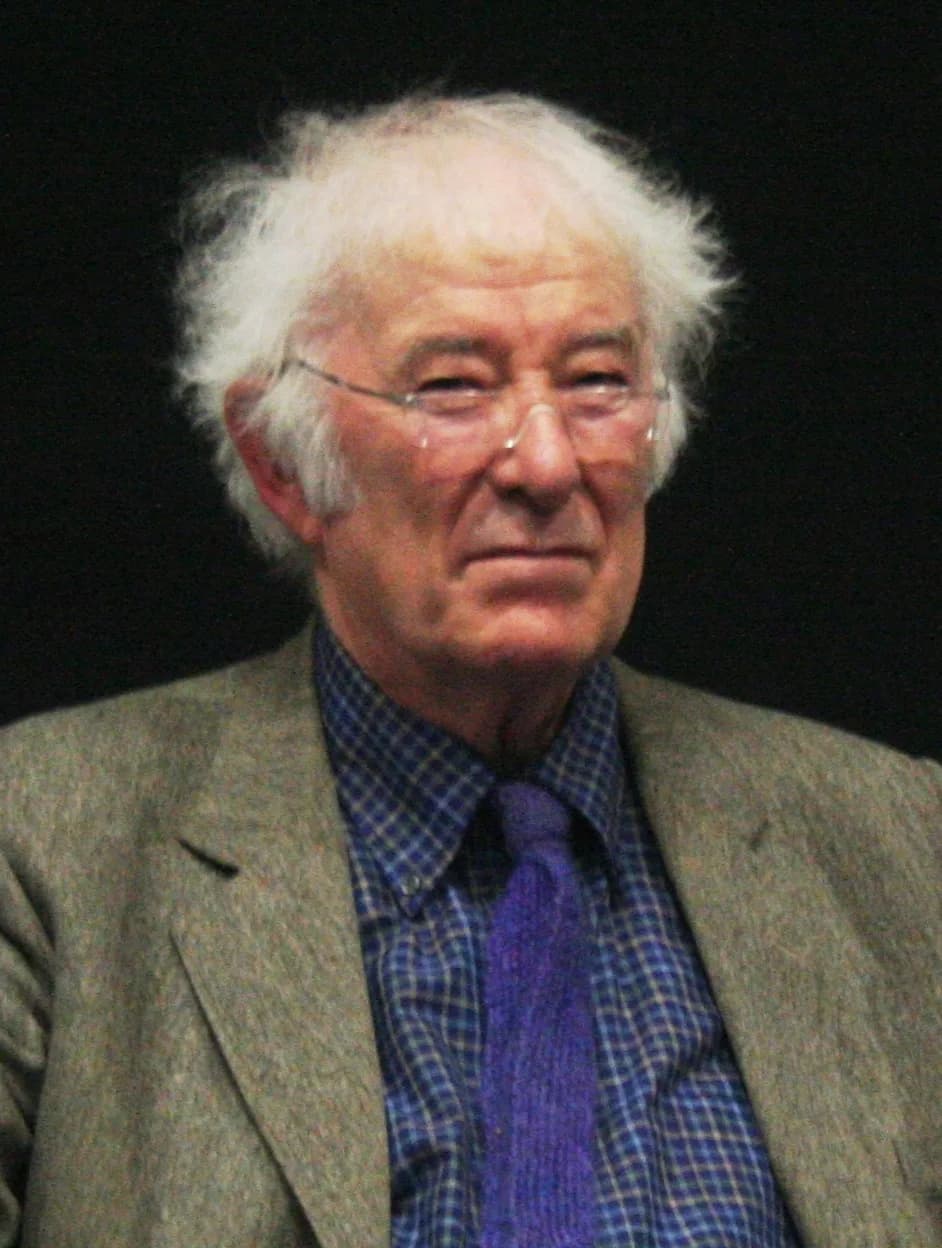
Seamus Heaney (1939–2013) was United Kingdom best known for Irish poet, playwright, translator, lecturer.
Seamus Justin Heaney (April 13, 1939 – August 30, 2013) was an Irish poet, playwright, and translator from Northern Ireland. He received the 1995 Nobel Prize in Literature for works of lyrical beauty and ethical depth. Described as the most important Irish poet since Yeats, he transformed rural Irish experiences into universal poetry.
Kapitlu
Kapitli tal-ħajja
Kapitlu 1 · 1939· Kapitlu 1 minn 6
Early Life and Origins
Born on April 13, 1939, in Castledawson, United Kingdom, Seamus Heaney grew up in a rural farming community that would profoundly shape his poetic voice. His childhood experiences in the Northern Irish countryside provided the foundation for much of his later work, as he drew inspiration from the agricultural rhythms and natural landscapes of his youth. The sounds, smells, and textures of farm life became central metaphors in his poetry, connecting readers to the elemental aspects of human experience.
Kapitlu 2 · 1966· Kapitlu 2 minn 6
Career Beginnings
Heaney's journey as a poet began to take shape during his university years and early teaching career. His development as a linguist and university teacher informed his precise attention to language and sound, qualities that would become hallmarks of his verse. His first major published volume, "Death of a Naturalist" (1966), introduced readers to his distinctive voice and established him as a significant new talent in Irish literature. The collection drew heavily on his childhood memories and rural upbringing, setting the tone for his lifelong exploration of memory, place, and identity.
Kapitlu 3 · 1995· Kapitlu 3 minn 6
Major Achievements and Career Highlights
The pinnacle of Heaney's literary recognition came in 1995 when he received the Nobel Prize in Literature "for works of lyrical beauty and ethical depth, which exalt everyday miracles and the living past." This honor recognized his unique ability to transform personal and cultural memory into universal poetry. Throughout his career, he balanced his roles as poet, playwright, translator, and university teacher, contributing to literature not only through his original works but also through his translations and scholarly insights.
Academic John Sutherland proclaimed him "the greatest poet of our age," while Robert Pinsky praised his "wonderful gift of eye and ear" and "the gift of the story-teller." These assessments reflected Heaney's rare ability to combine technical mastery with emotional authenticity, creating poems that spoke to both literary critics and general readers.
Kapitlu 4· Kapitlu 4 minn 6
Notable Works and Contributions
Beyond "Death of a Naturalist," Heaney's bibliography includes the acclaimed collection "North," which explored the political tensions in Northern Ireland through archaeological and mythological metaphors. His work "Alphavēta" and other collections demonstrated his continued evolution as a poet, while his translations brought classical and contemporary works to new audiences. His position in anthologies like "Prentice Hall Literature--The British Tradition" helped introduce his work to countless students and cemented his place in the literary canon.
As a translator, Heaney brought his poetic sensibility to works in other languages, enriching both his own artistic development and the literary landscape. His contributions to poetry extended beyond his original compositions to include his work as a lecturer and university teacher, where he influenced a new generation of writers and thinkers.
Kapitlu 5· Kapitlu 5 minn 6
International Recognition and Later Years
Heaney's influence extended far beyond Ireland, earning him recognition as a poet of international stature. His works were translated into multiple languages, and his readings drew audiences worldwide. His ability to address universal themes through specifically Irish experiences made his poetry accessible and meaningful to readers across cultures. As he continued to write and teach, his later works showed a deepening wisdom and continued experimentation with form and subject matter.
Kapitlu 6 · 2013· Kapitlu 6 minn 6
Legacy and Impact
When Seamus Heaney died on August 30, 2013, in Dublin, The Independent described him as "probably the best-known poet in the world." His passing marked the end of a career that had fundamentally changed how poetry could address political conflict, rural life, and cultural memory. His influence on contemporary poetry continues through the countless writers he taught and inspired, and through readers who discovered in his work a model for how literature can illuminate the connections between personal experience and larger historical forces.
Heaney's legacy rests not only in his individual poems but in his demonstration that poetry could remain relevant and vital in the modern world. He showed that a poet could address the complexities of political violence, cultural identity, and personal loss while maintaining the music and beauty that make poetry endure. His work continues to be studied, celebrated, and cherished by readers seeking to understand both Irish culture and the universal human experiences he captured with such precision and grace.
Ħajja f’mumenti
Il-mumenti li sawru ħajja
FAQ
Mistoqsija frekwenti
Meta miet/mietet Seamus Heaney?
Seamus Heaney miet/mietet fil-30 ta’ Awwissu 2013 f{place}} other {}}{hasAge, select, yes {, fl-età ta 74 sena.
Fejn twieled/twieldet Seamus Heaney?
Seamus Heaney twieled/twieldet f{place}{hasDate, select, yes { fil-{date, date, long}} other {}}.
Għal xiex hu/hi l-aktar magħruf(a) Seamus Heaney?
Seamus Heaney hu/hi l-aktar magħruf(a) għal Irish poet, playwright, translator, lecturer.
Kemm kellu/kellha snin Seamus Heaney meta miet/mietet?
Seamus Heaney kellu/kellha 74 sena meta miet/mietet.
X'kienet in-nazzjonalità ta' Seamus Heaney?
Seamus Heaney kien/kienet minn United Kingdom.
Linja taż-żmien
Ħajja b’ħarsa
Gallerija tar-ritratti
Ħajja f’ritratti
Ikklikkja kwalunkwe polaroid biex tespandi · 37 ritratti
Kodiċi QR
Aqsam Din il-Bijografija
Stampa u Aqsam
Skennja biex iżżur din il-paġna bijografika. Stampah għal avvenimenti, esibizzjonijiet, jew materjal edukattiv.