Twieled
March 27, 1923
Nishisugamo, Japan
Miet
September 29, 1996
Keio University Hospital, Japan
Magħruf Għal
author from Japan
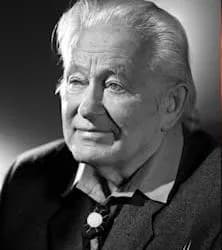
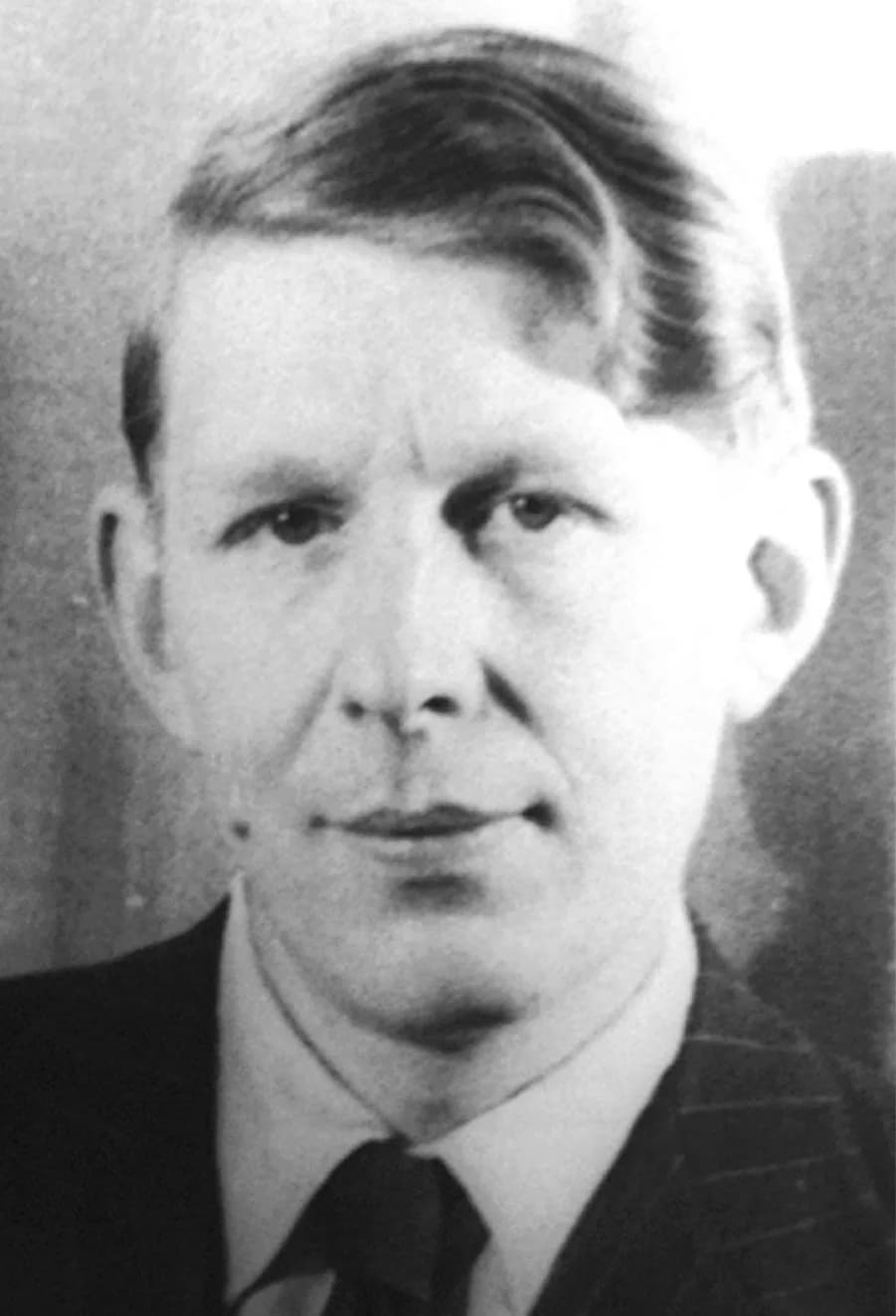
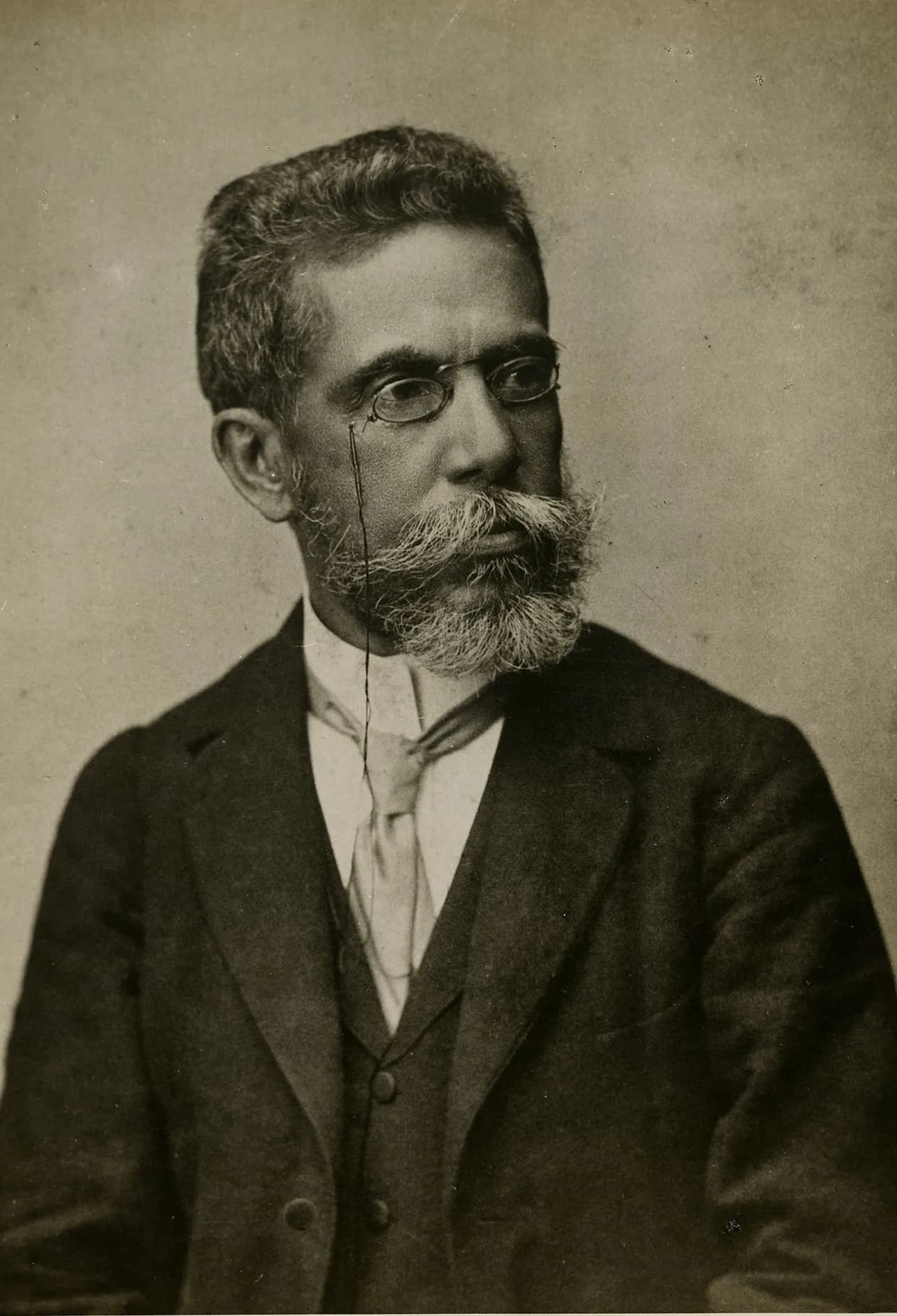
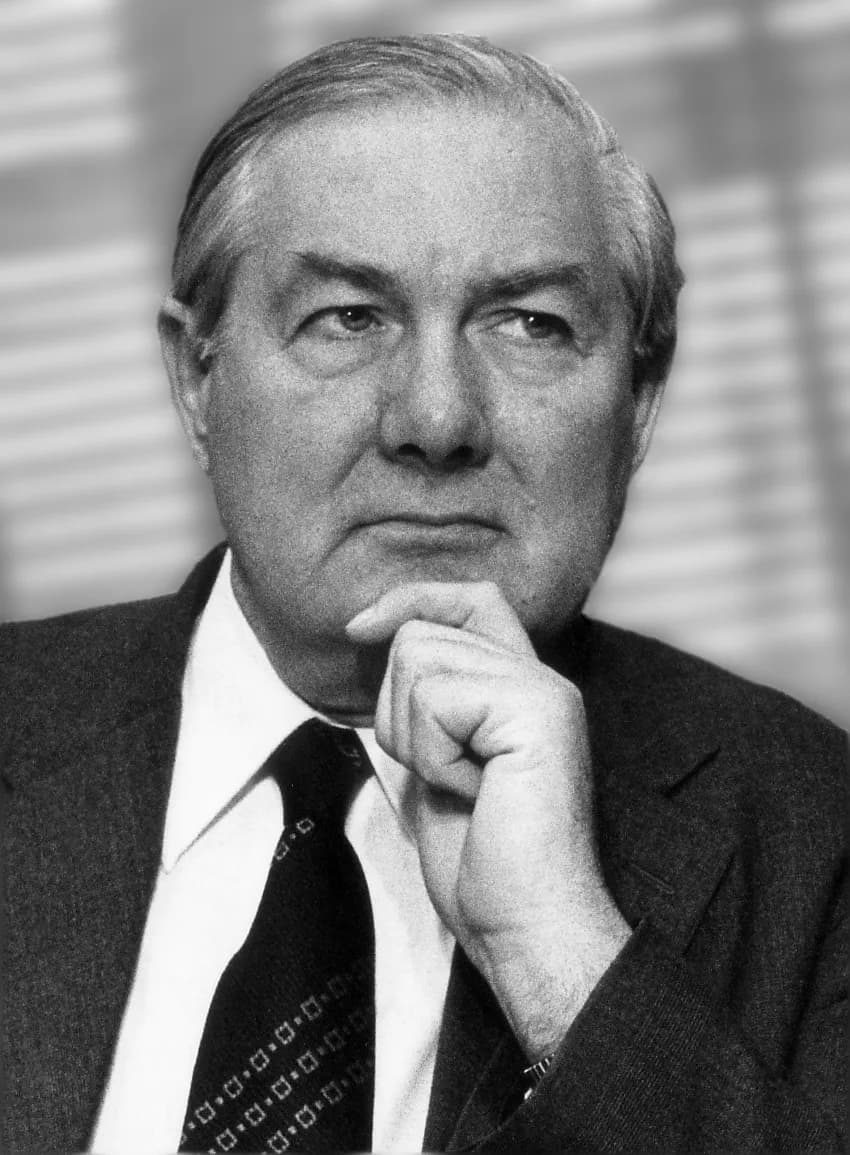
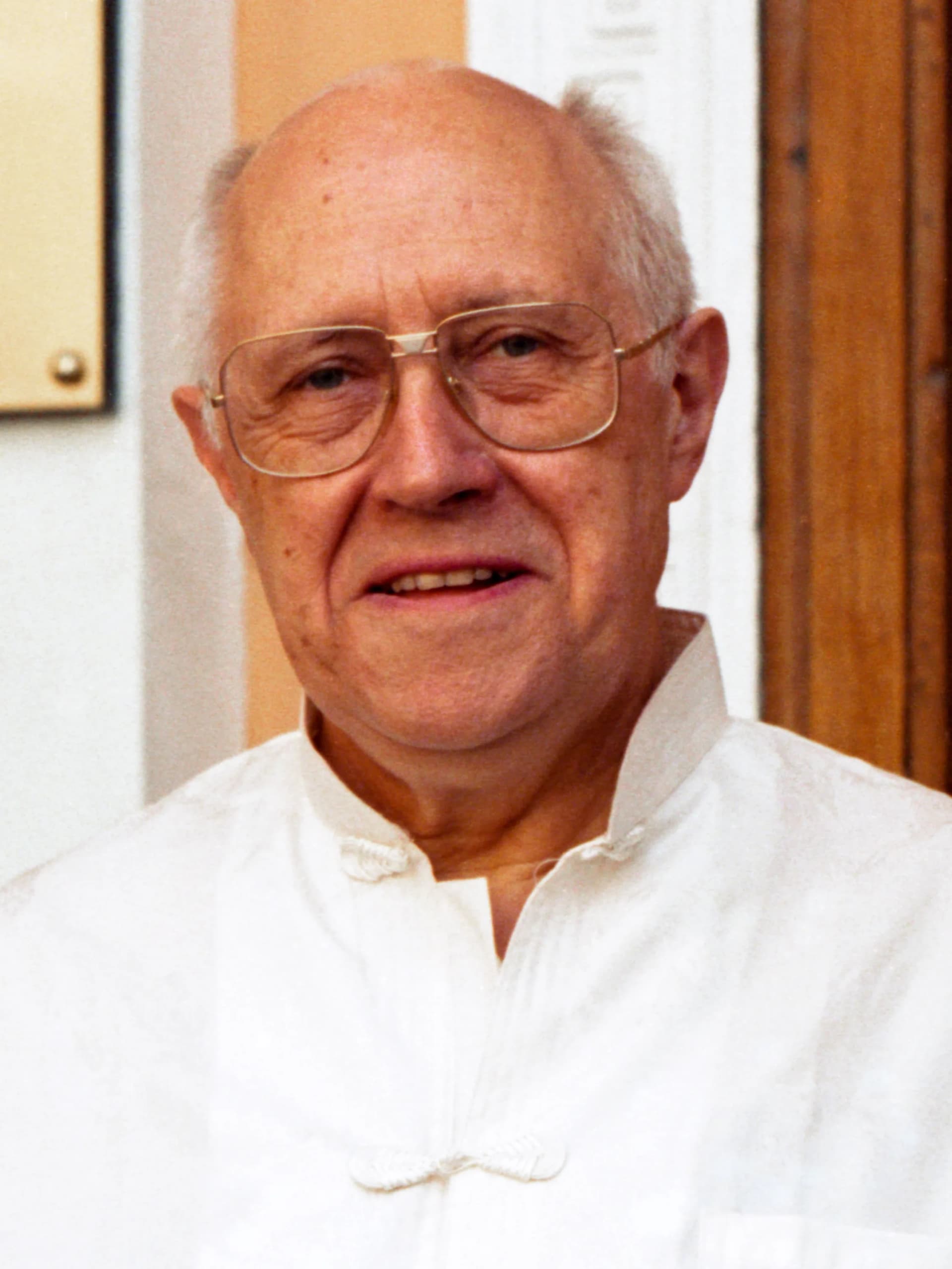
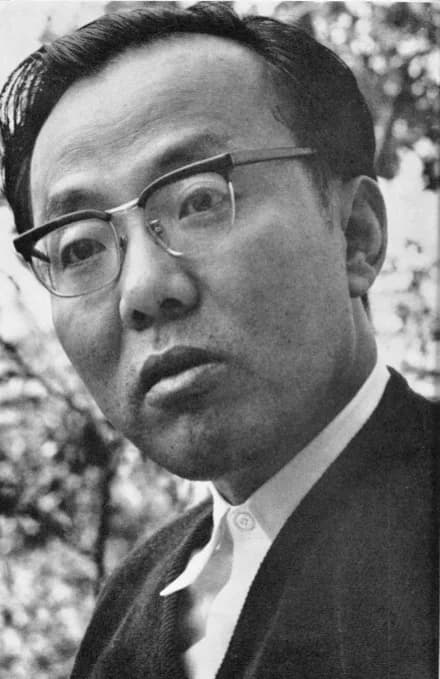
Shūsaku Endō (1923–1996) was Japan best known for author from Japan.
Shūsaku Endō (March 27, 1923 – September 29, 1996) was a Japanese author. He was known for his novels written from a Japanese Catholic perspective, particularly Silence, which gained international acclaim. Endō's work continues to resonate for its exploration of faith and identity.
Ħajja f’mumenti
Il-mumenti li sawru ħajja
Kapitlu
Kapitli tal-ħajja
Kapitlu 1 · 1923· Kapitlu 1 minn 7
Early Life and Origins
Shūsaku Endō was born on March 27, 1923, in Nishisugamo, Japan. His early life in Japan would come to inform the cultural and religious themes that later defined his extensive body of work. The unique intersection of Japanese identity and Christian faith became a central preoccupation in his literary explorations, distinguishing his voice among contemporary authors.
Kapitlu 2· Kapitlu 2 minn 7
Career Beginnings
Endō began his professional journey as a writer, developing into a versatile literary figure. He was recognized not only as a novelist but also as a screenwriter, playwright, biographer, and university teacher. This broad range of professions reflects his deep engagement with storytelling and intellectual discourse across various forms and platforms.
Kapitlu 3· Kapitlu 3 minn 7
Major Achievements and Career Highlights
Throughout his career, Shūsaku Endō garnered numerous prestigious literary accolades, celebrating his contribution to Japanese and world literature. He was the laureate of the Akutagawa Prize, one of Japan's most distinguished literary awards, recognizing his early talent and significant promise. Further cementing his standing, Endō was also awarded the Order of Culture, a high honor bestowed by the Emperor of Japan to individuals for their contributions to Japanese art, science, or culture.
His influence extended beyond national borders, earning him international acclaim. Pope Paul VI inducted Endō into the Roman Catholic Order of St. Sylvester, a rare honor for a non-cleric, acknowledging his powerful literary portrayal of Catholic themes. His 1966 historical fiction novel, Silence, brought his work to a global audience, later gaining renewed attention through its adaptation into a major motion picture by acclaimed director Martin Scorsese in 2016.
Kapitlu 4· Kapitlu 4 minn 7
Personal Life
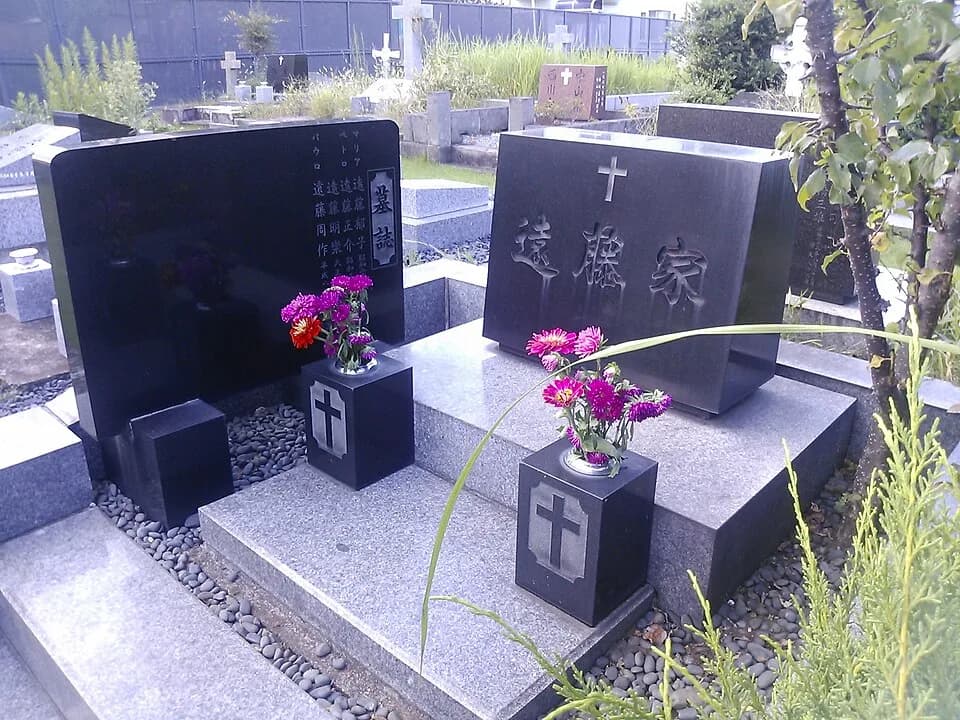
Shūsaku Endō’s personal identity as a Japanese Catholic was central to his creative output and public persona. This spiritual orientation provided the framework for his unique literary perspective, as he wrestled with the historical and existential questions of faith in a non-Christian society. While specific details of his private life are not provided, his deep commitment to exploring the nuances of his faith is evident in every page of his work.
Kapitlu 5 · 1966· Kapitlu 5 minn 7
Notable Works or Contributions
Shūsaku Endō's bibliography is extensive, showcasing his skill as a novelist and writer across various genres. His magnum opus, Silence, a 1966 historical fiction novel, explores the persecution of Christians in 17th-century Japan. Beyond this internationally celebrated work, Endō authored many other significant titles.
His other notable contributions include "Eiga," "그리스도 의 탄생" (The Birth of Christ), and "日本紀行" (Travels in Japan). He also wrote "人間のなかの X" (X in Man), "留学" (Study Abroad), and "十一の色硝子" (Eleven Colored Glass). Further works like "堀田善衞" (Yoshie Hotta), "遠藤周作" (Shūsaku Endō), "井上光晴集" (Mitsuharu Inoue Collection), "Gūtara kōyūroku," "周作快談," and "醜聞" (Scandal) illustrate his diverse literary interests and sustained productivity throughout his career.
Kapitlu 6 · 1996· Kapitlu 6 minn 7
Later Years
Shūsaku Endō continued to write and influence readers until his passing. He died on September 29, 1996, at Keio University Hospital in Japan. His death marked the end of a prolific career that profoundly shaped Japanese literature and offered a singular perspective on universal themes of faith, identity, and suffering.
Kapitlu 7· Kapitlu 7 minn 7
Legacy and Impact
The legacy of Shūsaku Endō endures through his powerful and thought-provoking literature. As an author who consistently explored the challenges of faith for a Japanese Catholic, he offered a unique and often complex understanding of religious belief. His works continue to be studied and admired for their literary merit and their insightful examination of the human condition.
Endō's international impact, significantly amplified by the adaptation of Silence, solidified his position as a world-renowned author. He opened doors for cross-cultural understanding of faith, making his perspective resonate with readers far beyond Japan. His writings remain a lasting example of his unique literary voice and his unwavering commitment to exploring profound existential questions.
FAQ
Mistoqsija frekwenti
Meta miet/mietet Shūsaku Endō?
Shūsaku Endō miet/mietet fil-29 ta’ Settembru 1996 f{place}} other {}}{hasAge, select, yes {, fl-età ta 73 sena.
Fejn twieled/twieldet Shūsaku Endō?
Shūsaku Endō twieled/twieldet f{place}{hasDate, select, yes { fil-{date, date, long}} other {}}.
Għal xiex hu/hi l-aktar magħruf(a) Shūsaku Endō?
Shūsaku Endō hu/hi l-aktar magħruf(a) għal author from Japan.
Kemm kellu/kellha snin Shūsaku Endō meta miet/mietet?
Shūsaku Endō kellu/kellha 73 sena meta miet/mietet.
X'kienet in-nazzjonalità ta' Shūsaku Endō?
Shūsaku Endō kien/kienet minn Japan.
Linja taż-żmien
Ħajja b’ħarsa
Gallerija tar-ritratti
Ħajja f’ritratti
Ikklikkja kwalunkwe polaroid biex tespandi · 14 ritratti
Kodiċi QR
Aqsam Din il-Bijografija
Stampa u Aqsam
Skennja biex iżżur din il-paġna bijografika. Stampah għal avvenimenti, esibizzjonijiet, jew materjal edukattiv.