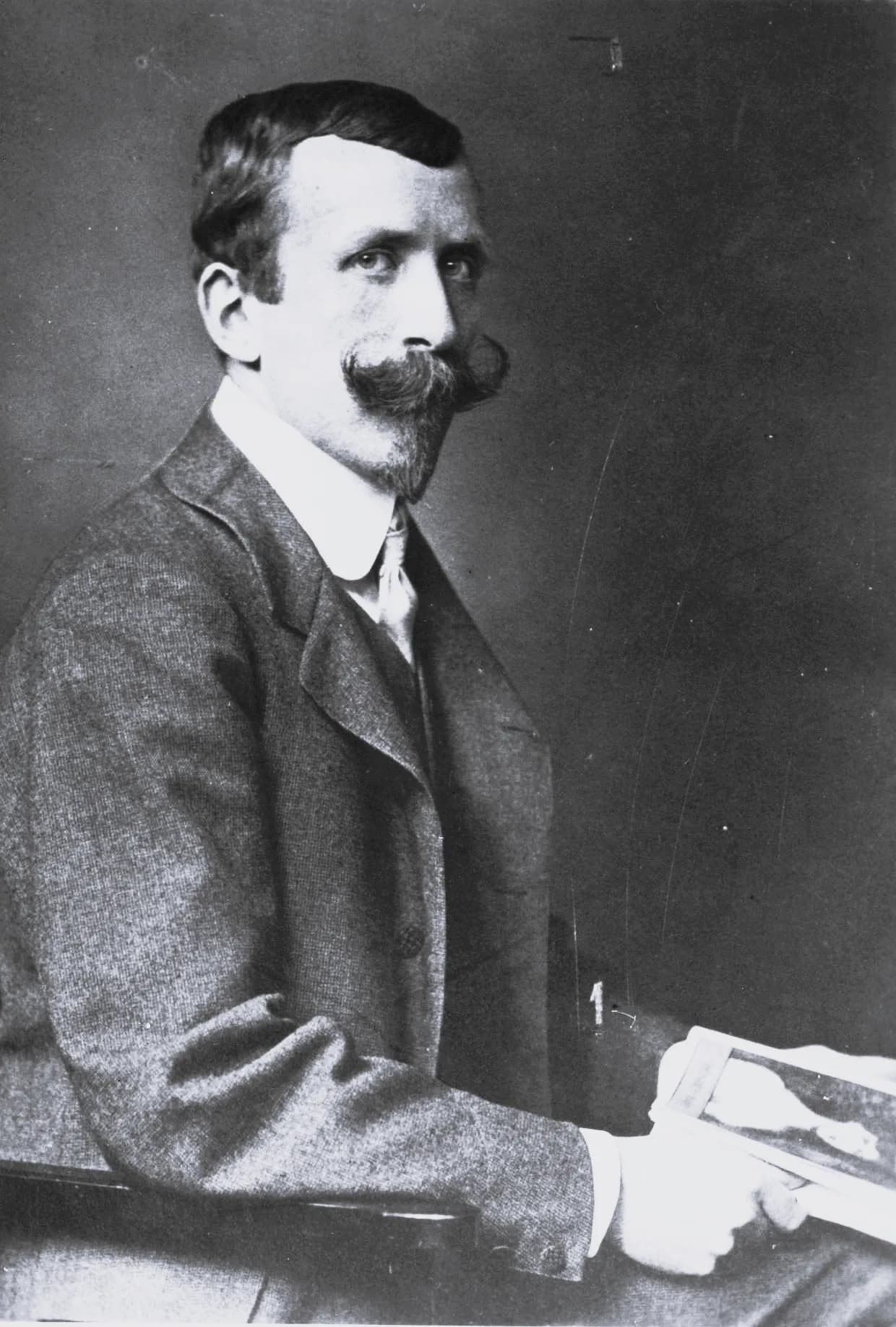
Twieled
March 27, 1871
Lübeck, Germany
Miet
March 11, 1950
Santa Monica, United States
Magħruf Għal
German writer
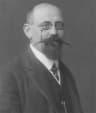
Heinrich Mann (1871–1950) was Germany best known for German writer.
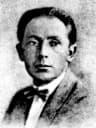
Heinrich Mann (March 27, 1871 – March 11, 1950) was a German writer known for his sociopolitical novels. He served as president of the fine poetry division of the Prussian Academy of Arts and fiercely criticized Nazism. His impactful works continue to illuminate early 20th-century German society.
Kapitlu
Kapitli tal-ħajja
Kapitlu 1 · 1871· Kapitlu 1 minn 8
Remembering Heinrich Mann: German Writer and Fearless Critic of Nazism
Luiz Heinrich Mann, born on March 27, 1871, and passing away on March 11, 1950, was a distinguished German writer. Primarily known for his powerful sociopolitical novels, Mann also held the esteemed position of president of the fine poetry division of the Prussian Academy of Arts from 1930 until 1933. His unwavering and fierce criticism of the growing Fascism and Nazism in Germany profoundly shaped his life and career, ultimately compelling him to flee his homeland.
Kapitlu 2 · 1871· Kapitlu 2 minn 8
Early Life and Origins
Heinrich Mann was born in the historic city of Lübeck, Germany, on March 27, 1871. He grew up within a notable family, being the elder brother of the celebrated Nobel laureate and fellow writer, Thomas Mann. This early environment in a culturally rich part of Germany undoubtedly fostered his intellectual development and laid the groundwork for his future literary endeavors.
Kapitlu 3· Kapitlu 3 minn 8
Career Beginnings
Heinrich Mann embarked on a remarkably diverse professional journey as a writer, exploring numerous facets of literary and artistic expression. His extensive array of listed professions included screenwriter, poet, translator, and novelist, highlighting his versatility from the outset of his career. He continually sought new avenues to convey his ideas and narratives to the public.
Beyond these, Mann was also recognized as an illustrator, playwright, essayist, prose writer, draftsperson, autobiographer, biographer, and journalist. This broad spectrum of roles demonstrates his deep commitment to the arts and letters, allowing him to engage with different genres and mediums throughout his productive life.
Kapitlu 4 · 1930· Kapitlu 4 minn 8
Major Achievements and Career Highlights
A significant milestone in Heinrich Mann's career was his appointment as president of the fine poetry division of the Prussian Academy of Arts. He held this prominent position from 1930 to 1933, a testament to his high standing and influence within the German literary community during a period of escalating political tension. His leadership within such an important cultural institution underscored his reputation.
However, Mann's career and life took a dramatic turn due to his outspoken and fierce criticism of the burgeoning Fascism and Nazism in Germany. This courageous political stance ultimately forced him to flee Germany in 1933, shortly after the Nazis came to power. His exile became a poignant symbol of intellectual resistance against totalitarianism.
Kapitlu 5· Kapitlu 5 minn 8
Personal Life
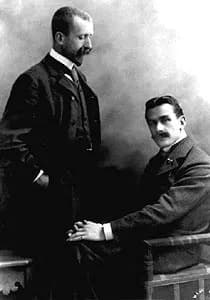
Heinrich Mann's personal life was notably intertwined with his family, particularly his relationship with his younger brother, Thomas Mann. The two brothers, both celebrated writers, shared a unique bond and often influenced each other's literary and political perspectives. This fraternal connection provided a distinct personal dimension to their public lives.
Kapitlu 6· Kapitlu 6 minn 8
Notable Works or Contributions
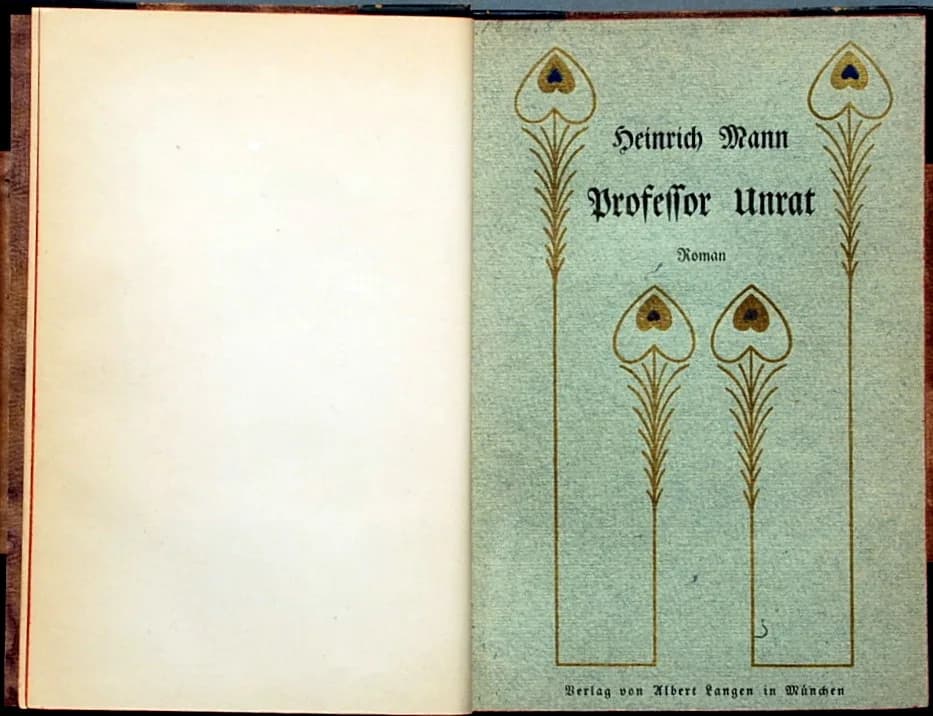
Heinrich Mann is best remembered for his sociopolitical novels, which often provided incisive and critical examinations of society. Among his most impactful works is `Der Untertan` (often translated as 'The Loyal Subject' or 'Man of Straw'), a powerful novel that meticulously dissected German Wilhelminian society and its authoritarian tendencies. His narratives frequently explored themes of power, conformity, and individual rebellion.
His extensive bibliography also includes significant titles such as `La haine`, an early work reflecting his critical outlook, and `Die kleine Stadt`, a novel that delves into municipal life and human relationships. Other notable contributions include `Man of straw` and the direct political critique found in `Deutsche! Hitler verkauft euch!`, demonstrating his unwavering commitment to social commentary. He further showcased his narrative range with works like `Das gestohlene Dokument`, `Die Tote und ander Novellen`, and `Novellen`.
Mann's prose also encompassed titles such as `Fürsorge für auslandsdeutsche im Reich und in den Ländern` and `Auferstehung`, reflecting his broad intellectual interests. Through these and many other works, Heinrich Mann cemented his reputation as a fearless literary voice, unafraid to challenge political and social norms, leaving a profound and enduring literary legacy.
Kapitlu 7 · 1933· Kapitlu 7 minn 8
Later Years
Following his forced departure from Germany in 1933, Heinrich Mann spent his later years in exile. This period marked a profound shift in his life, as he continued his literary work from abroad, disconnected from the immediate German cultural landscape he had so incisively critiqued. He ultimately sought refuge and settled in the United States.
Heinrich Mann passed away in Santa Monica, United States, on March 11, 1950. His death in exile brought to a close the life of a distinguished writer who consistently used his pen to advocate for justice and freedom, even when facing significant personal cost and displacement.
Kapitlu 8· Kapitlu 8 minn 8
Legacy and Impact
Heinrich Mann's lasting legacy is firmly established through his compelling sociopolitical novels and his courageous, outspoken opposition to the rise of Fascism and Nazism. His literary works continue to offer invaluable insights into the complex social and political dynamics of early 20th-century Germany. He consistently challenged his readers to critically examine societal structures and authority.
The enduring significance of his life and literary contributions is further recognized in popular culture, exemplified by the 2001 film `Die Manns – Ein Jahrhundertroman`. This biographical dramatization underscores the continued interest in Heinrich Mann's role as a vital German writer and intellectual whose voice resonated with critical importance during a tumultuous era.
Ħajja f’mumenti
Il-mumenti li sawru ħajja
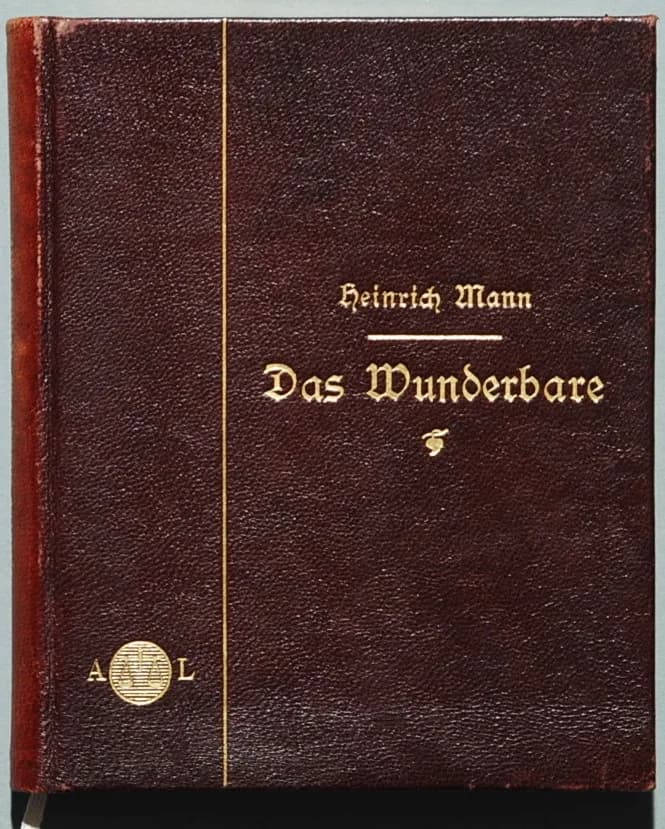
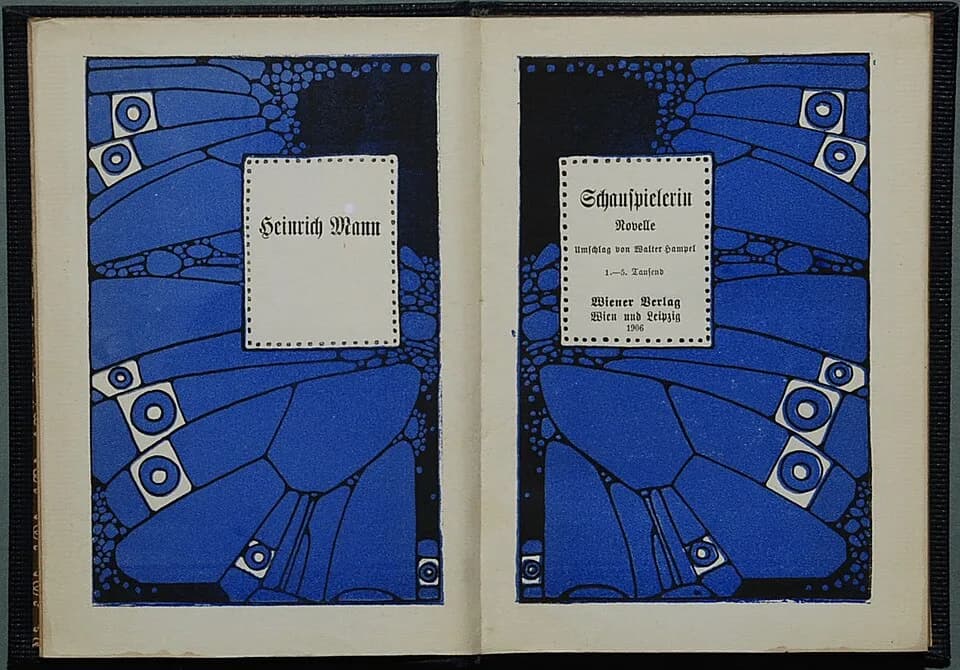
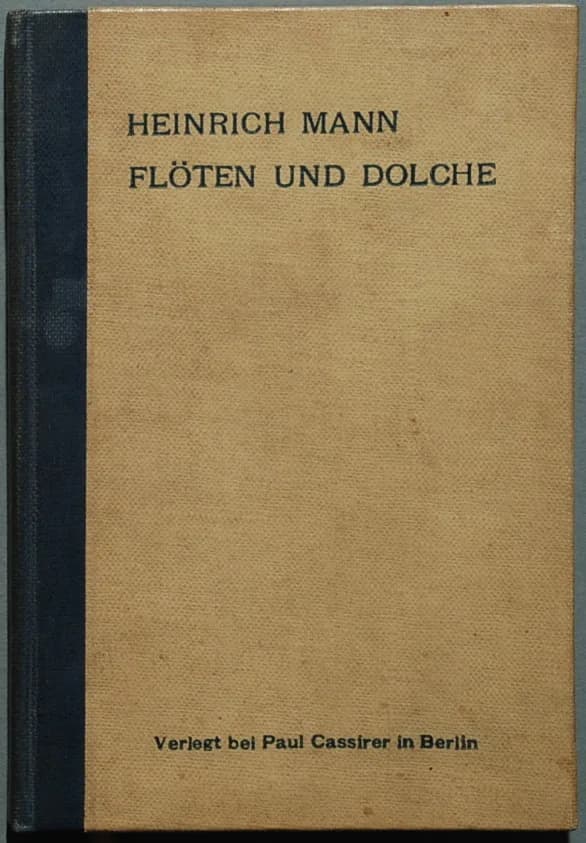
![Heinrich Mann - Original-Verlagsumschläge der Erstdrucke [in Klarsichtfolie eingelegt];](/_next/image?url=https%3A%2F%2Fcdn.whowasthisguy.com%2Fgallery_wikimedia_commons_1777946907634_3_b0843f0e0c.webp&w=1920&q=75)
FAQ
Mistoqsija frekwenti
Meta miet/mietet Heinrich Mann?
Heinrich Mann miet/mietet fil-11 ta’ Marzu 1950 f{place}} other {}}{hasAge, select, yes {, fl-età ta 78 sena.
Fejn twieled/twieldet Heinrich Mann?
Heinrich Mann twieled/twieldet f{place}{hasDate, select, yes { fil-{date, date, long}} other {}}.
Għal xiex hu/hi l-aktar magħruf(a) Heinrich Mann?
Heinrich Mann hu/hi l-aktar magħruf(a) għal German writer.
Kemm kellu/kellha snin Heinrich Mann meta miet/mietet?
Heinrich Mann kellu/kellha 78 sena meta miet/mietet.
X'kienet in-nazzjonalità ta' Heinrich Mann?
Heinrich Mann kien/kienet minn Germany.
Linja taż-żmien
Ħajja b’ħarsa
Gallerija tar-ritratti
Ħajja f’ritratti
Ikklikkja kwalunkwe polaroid biex tespandi · 46 ritratti
Kodiċi QR
Aqsam Din il-Bijografija
Stampa u Aqsam
Skennja biex iżżur din il-paġna bijografika. Stampah għal avvenimenti, esibizzjonijiet, jew materjal edukattiv.