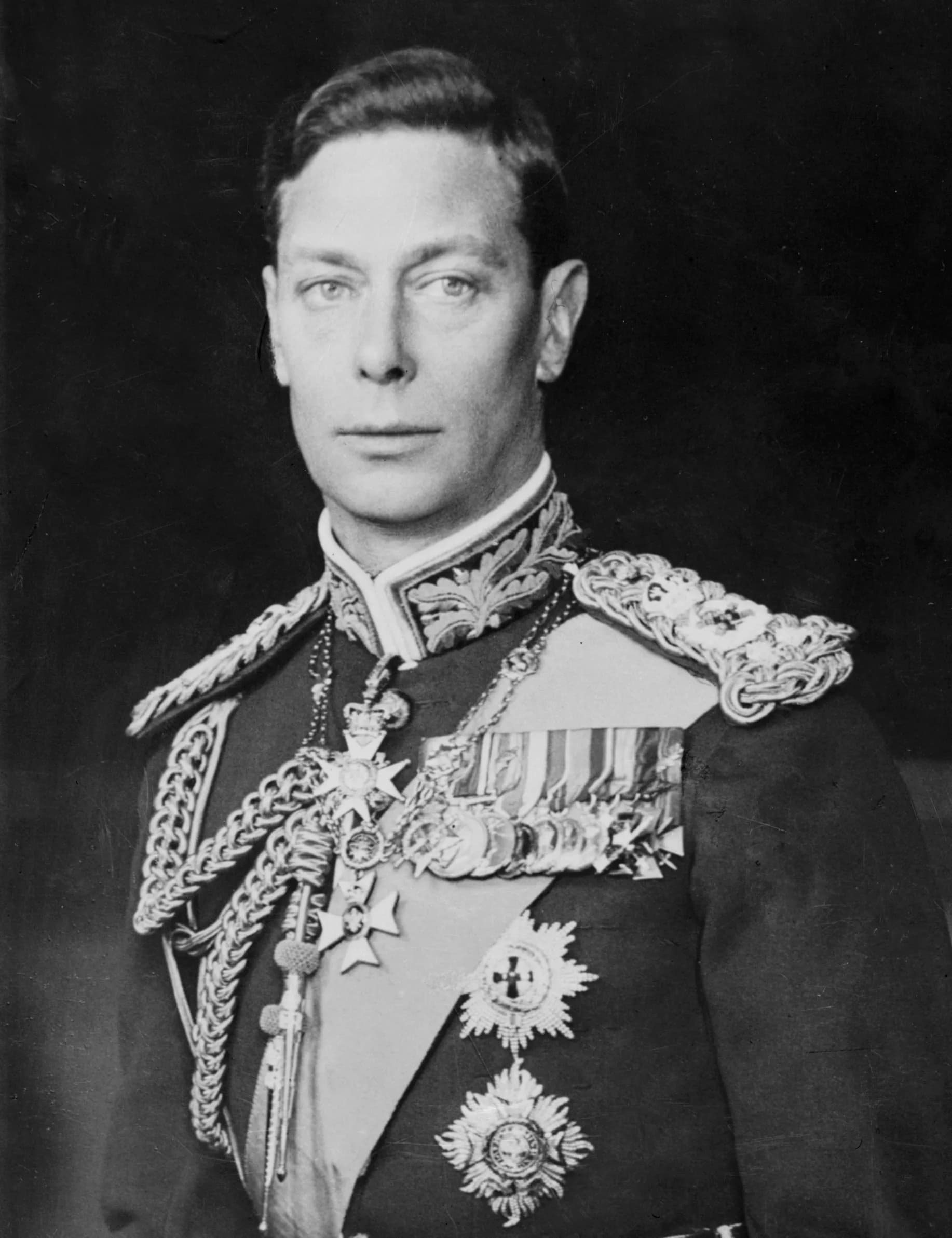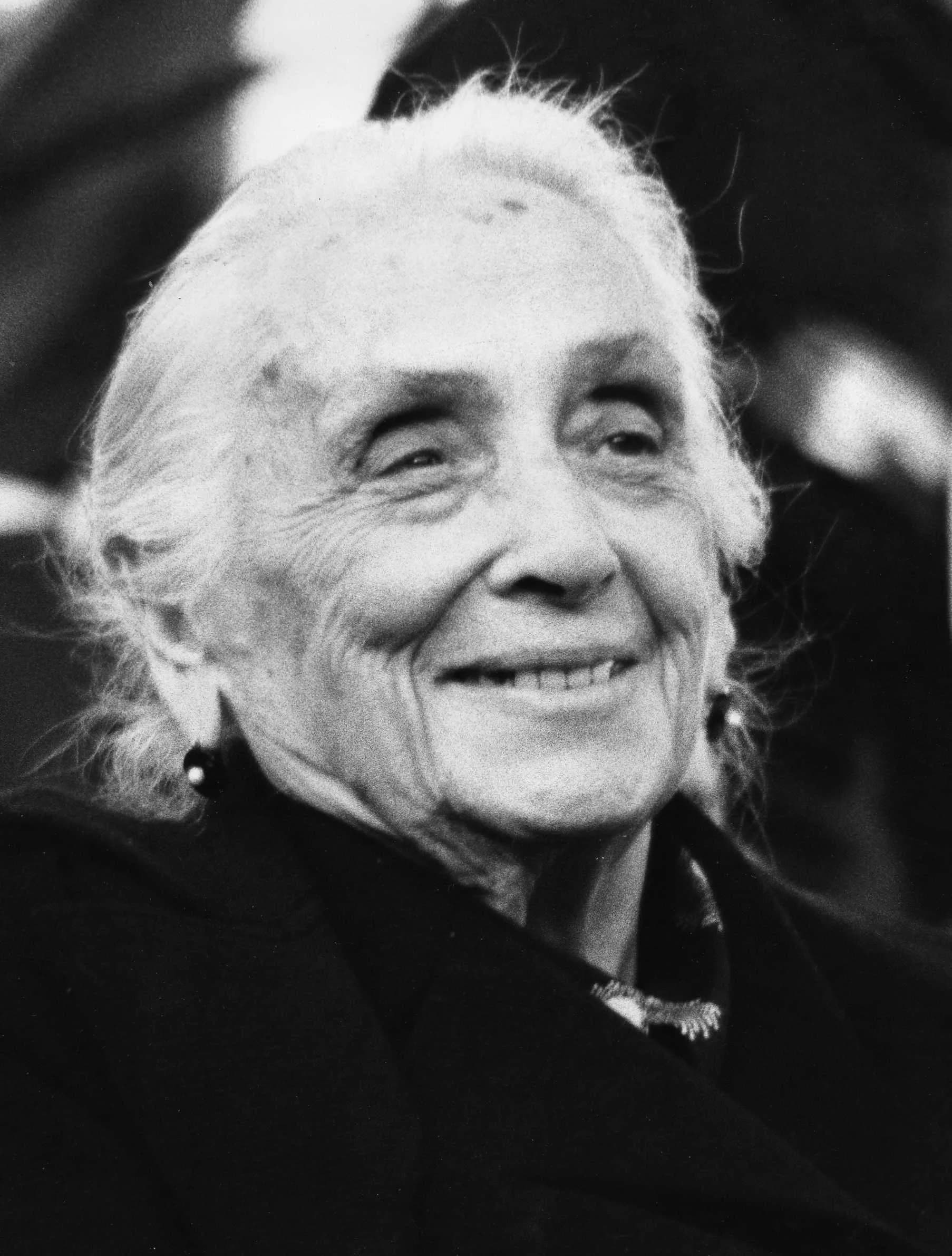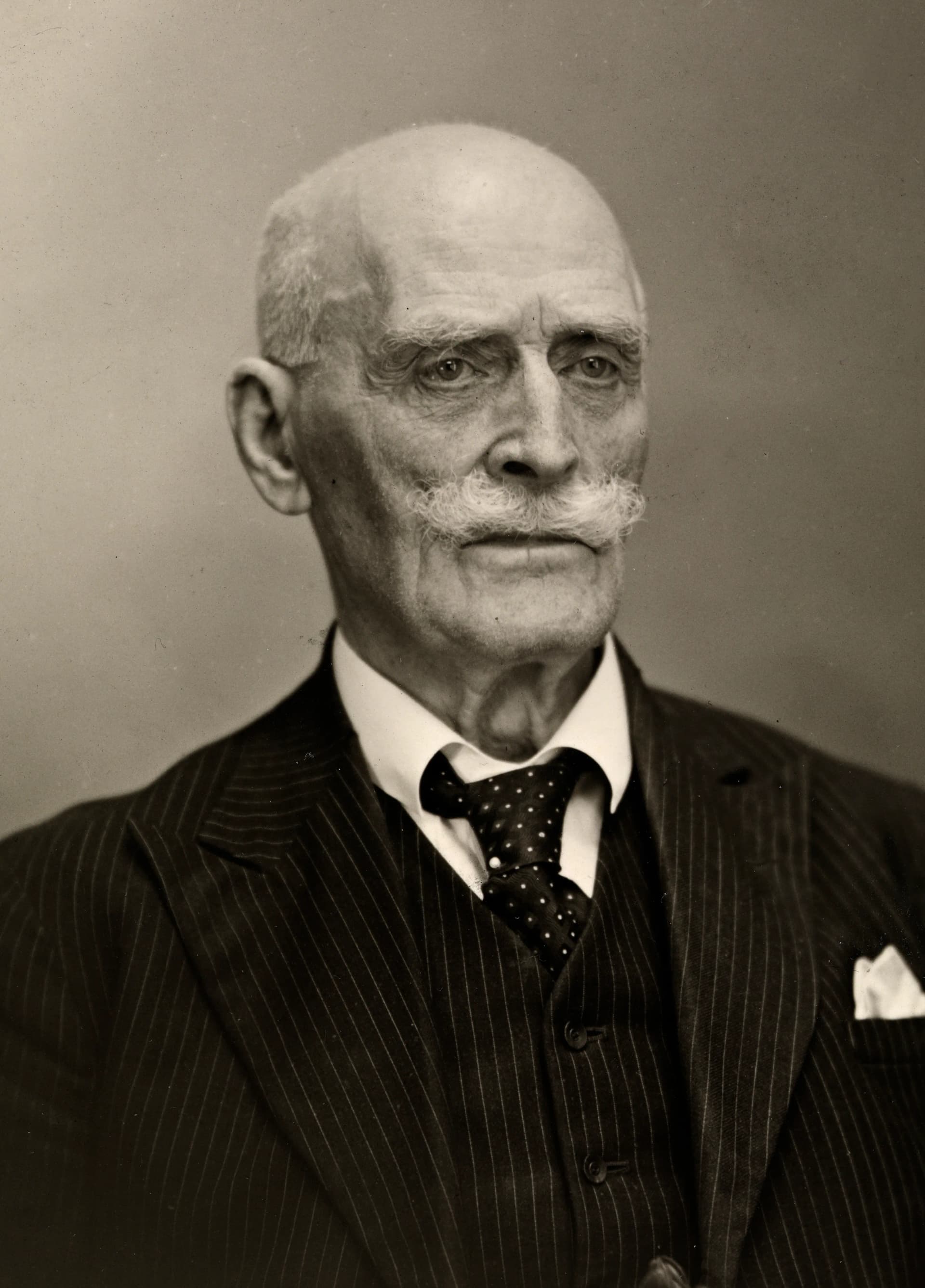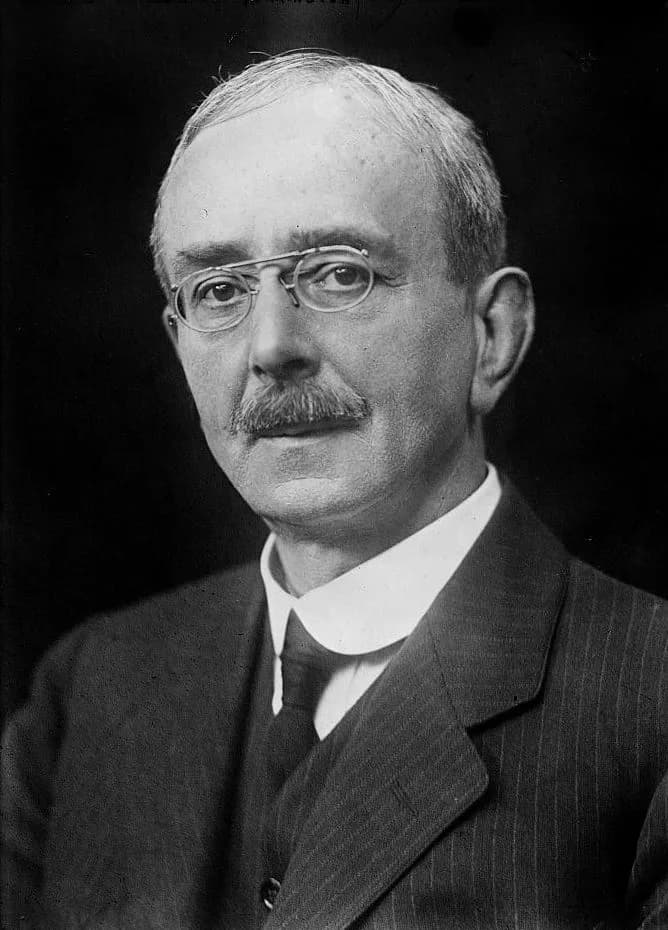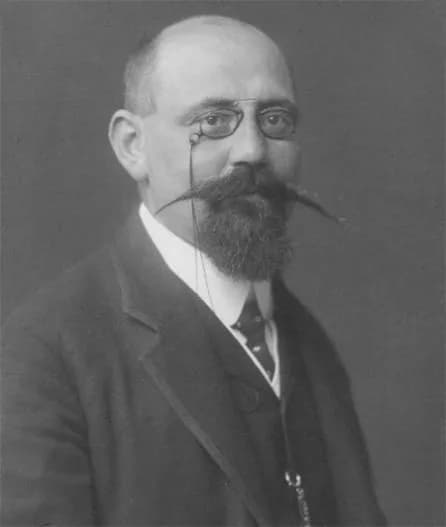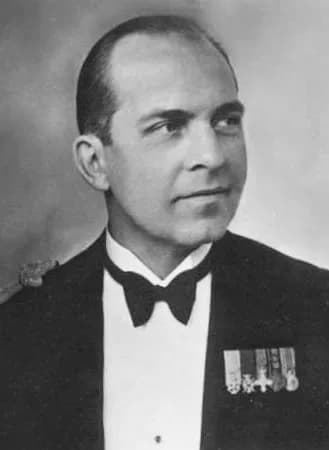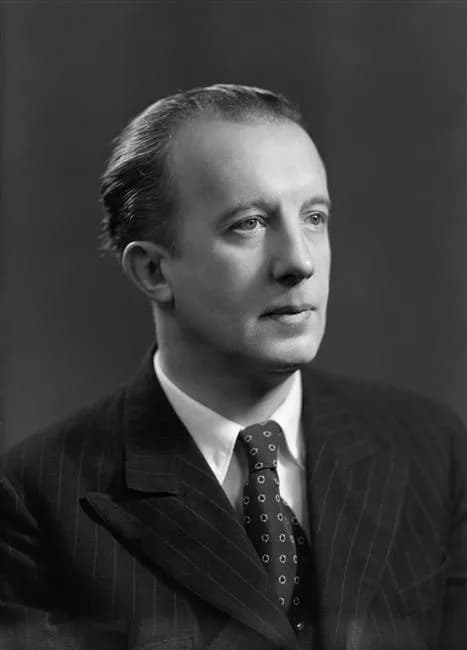
Dzimis
December 14, 1895
Saint-Denis, France
Miris
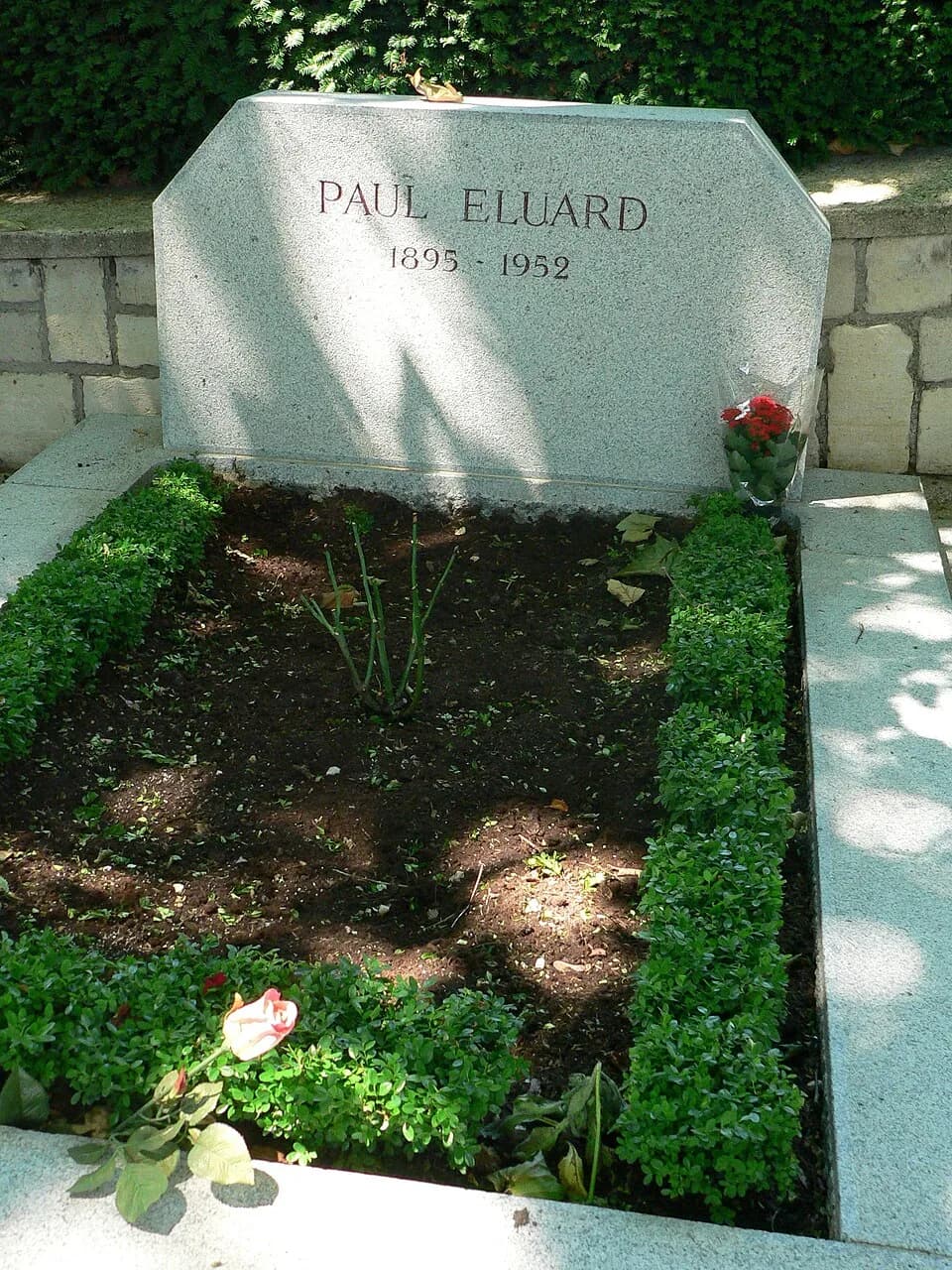
November 18, 1952
Charenton-le-Pont, France
Pazīstams ar
French poet
Paul Éluard (1895–1952) was France best known for French poet.
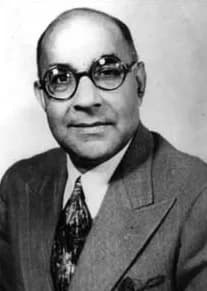
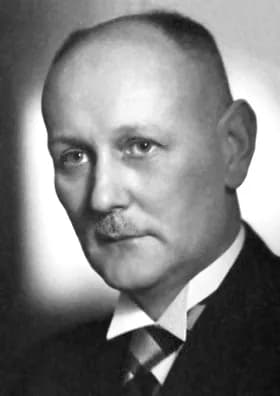
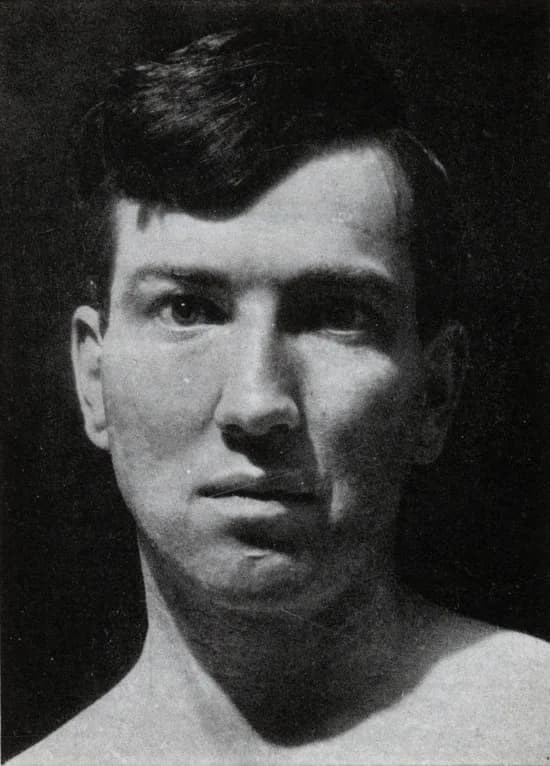
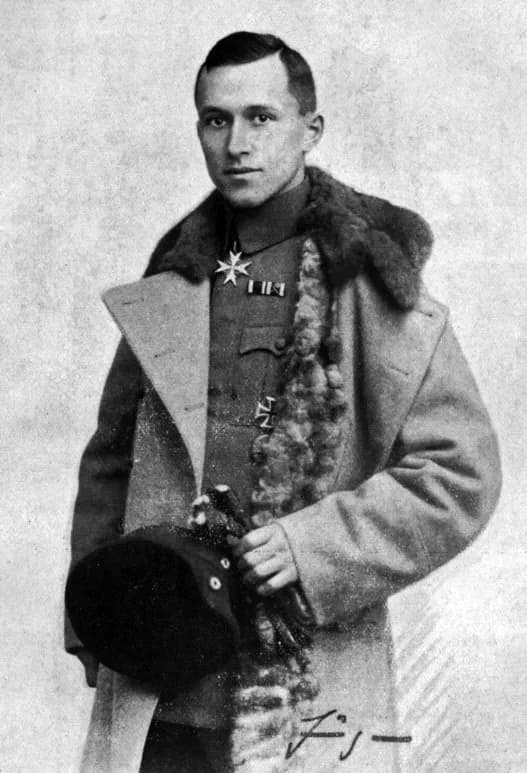
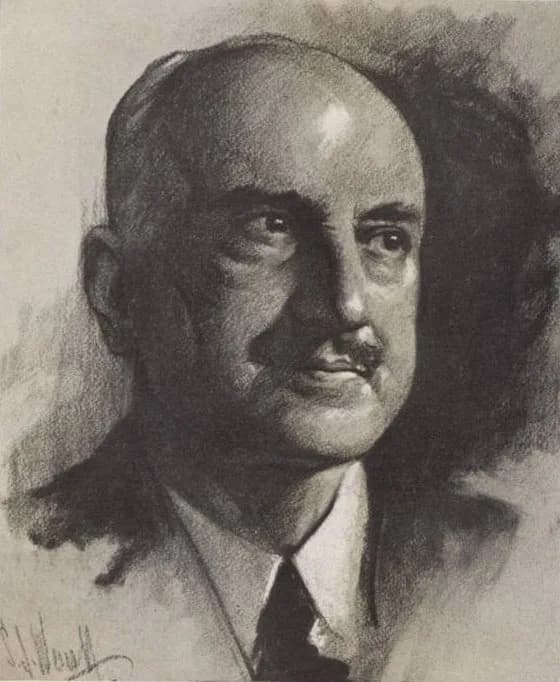
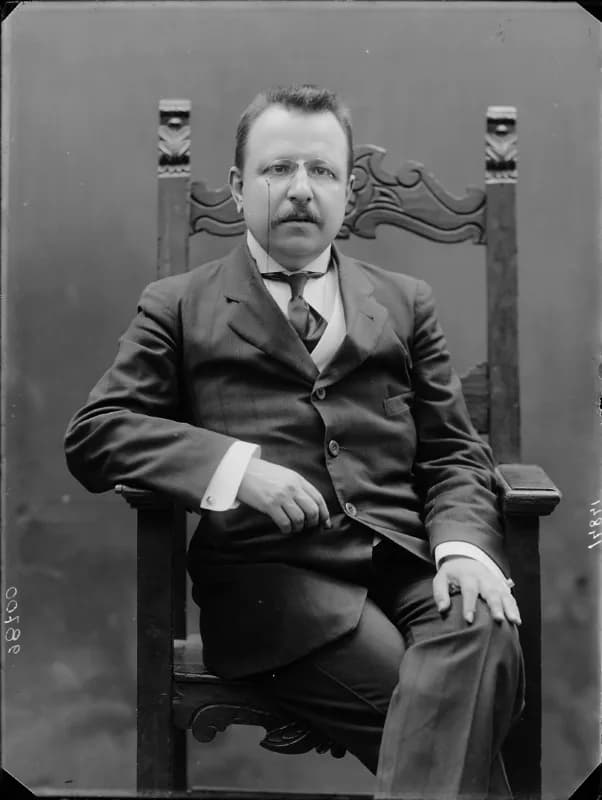
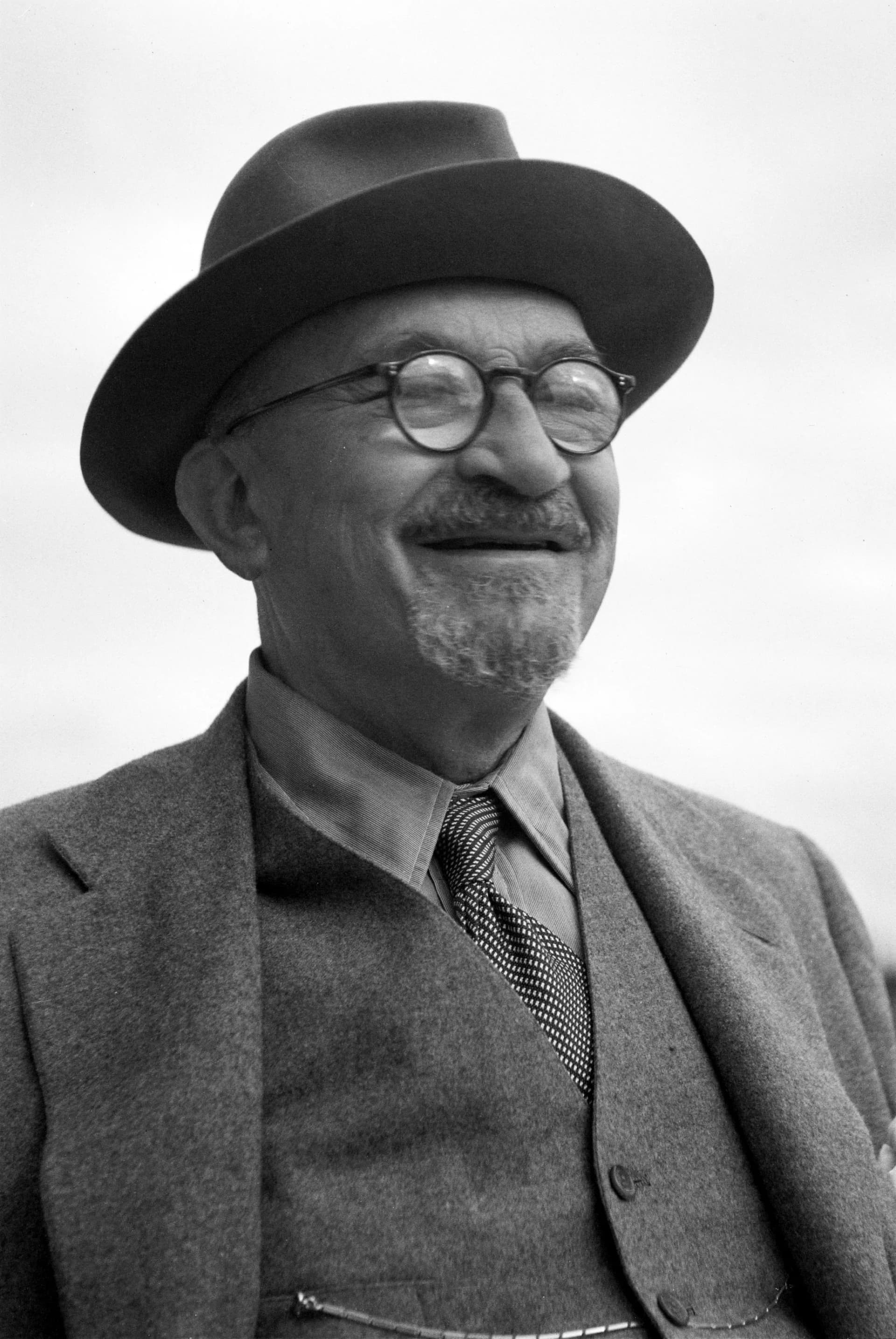
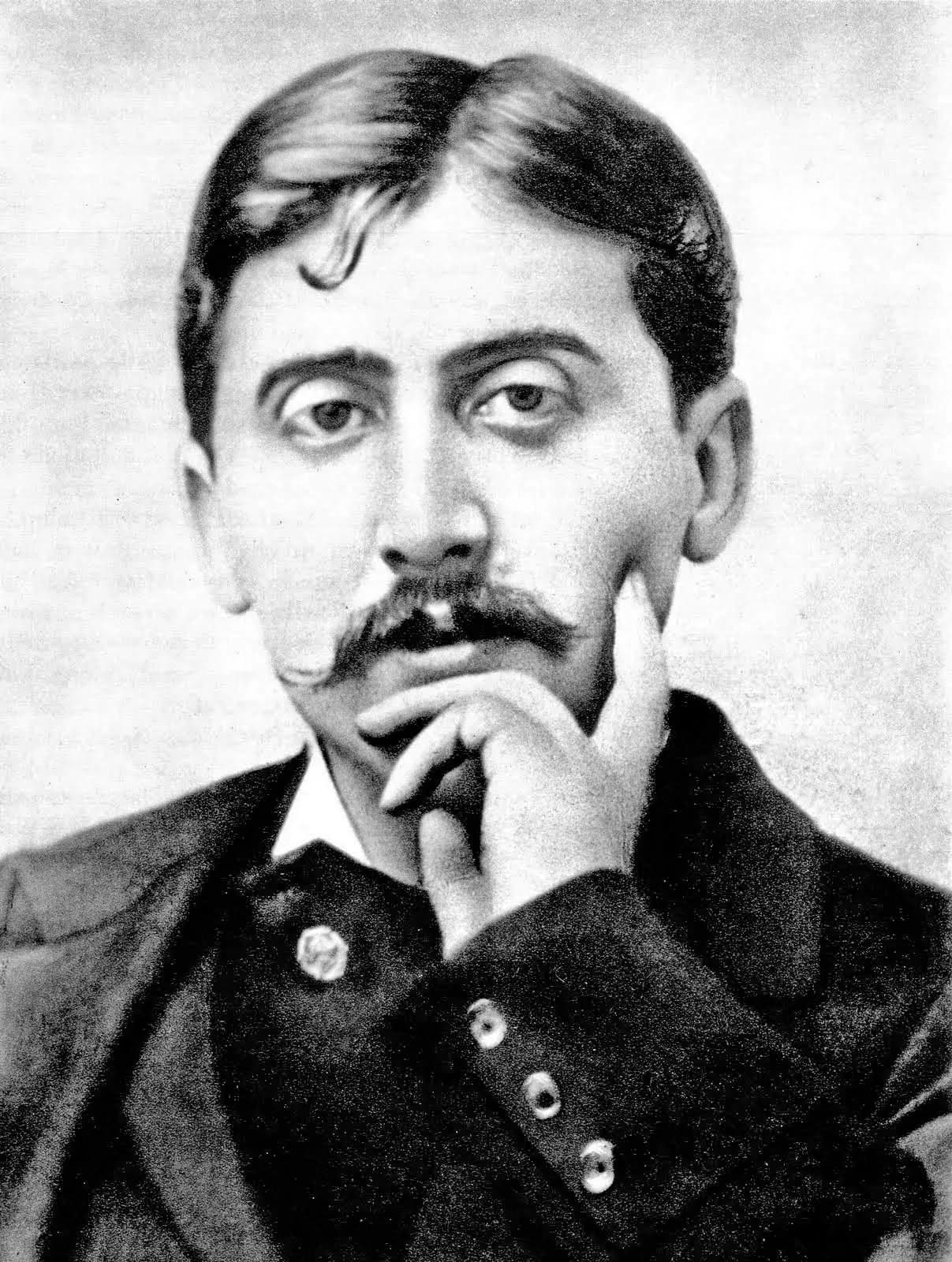
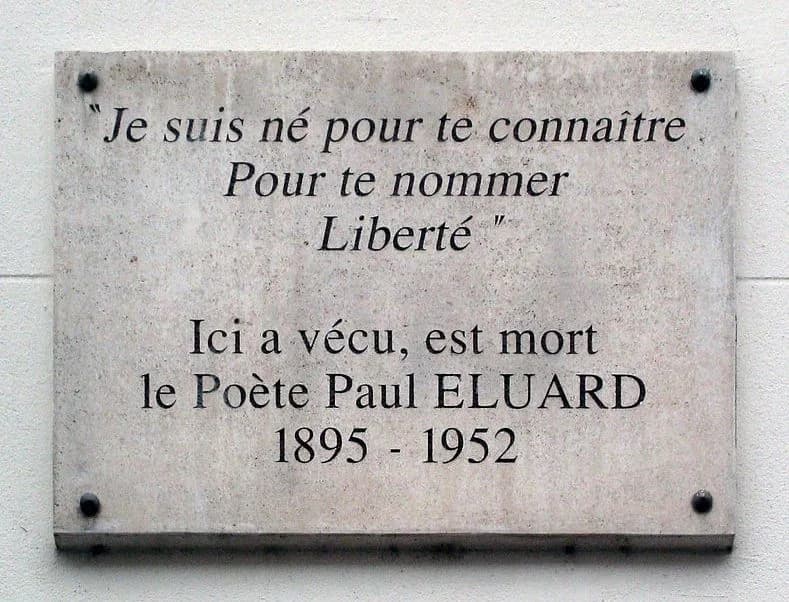
Paul Éluard (December 14, 1895 – November 18, 1952) was a French poet and a founder of the Surrealist movement. His prolific works shaped 20th-century literature and artistic collaborations. Éluard's legacy lives on through his influential poetry and brave resistance efforts.
Dzīve mirkļos
Mirkļi, kas veidoja dzīvi
Nodaļa
Dzīves nodaļas
Nodaļa 1 · 1895· Nodaļa 1 no 8
Early Life and Origins
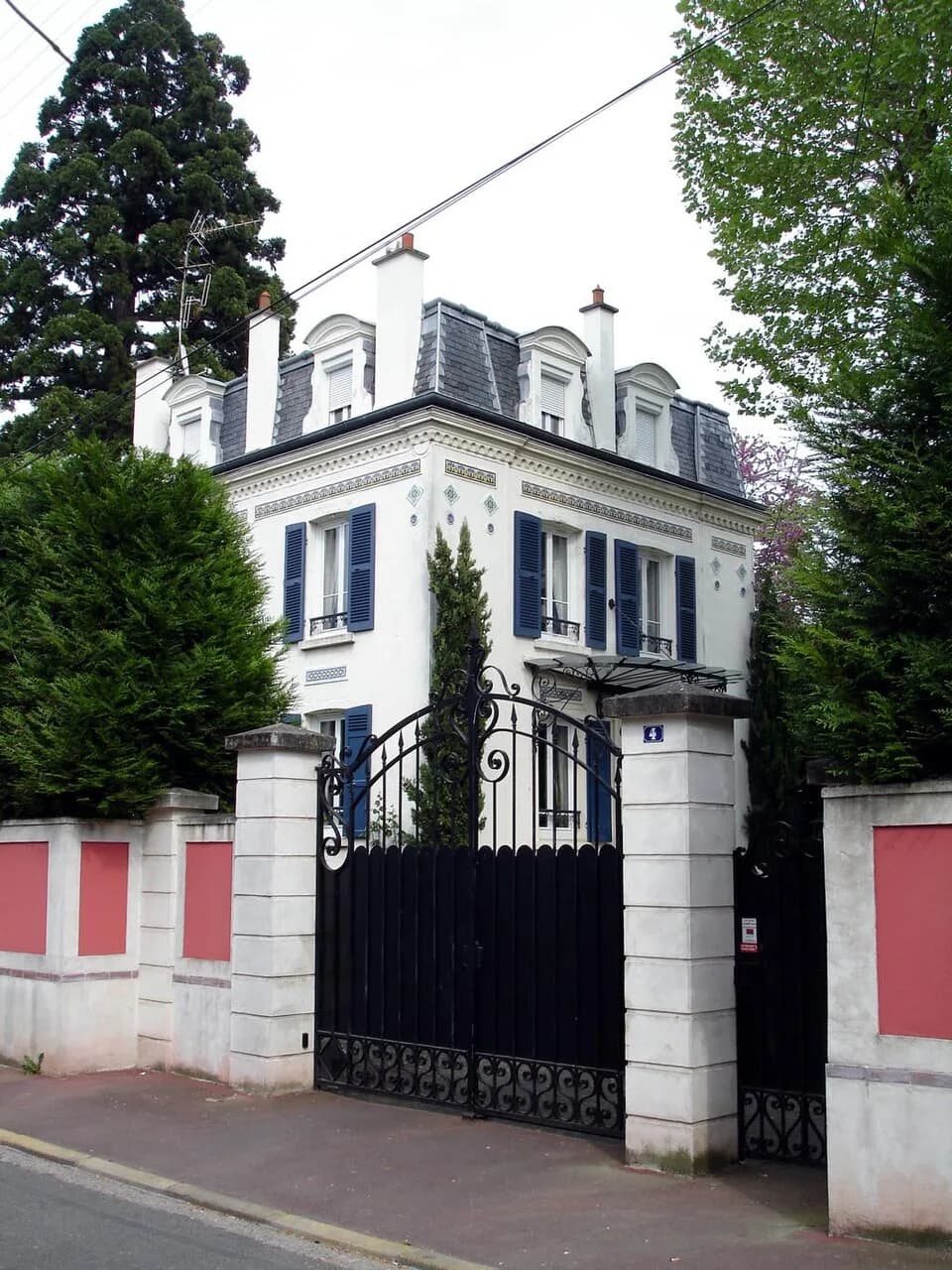
Eugène Émile Paul Grindel, who would later be known as Paul Éluard, was born on December 14, 1895, in the vibrant city of Saint-Denis, France. His early years in this locale set the stage for a life that would eventually become synonymous with artistic innovation and intellectual exploration. The transformation from his birth name to the celebrated poetic pseudonym Paul Éluard marked the beginning of his journey into literary prominence.
Nodaļa 2· Nodaļa 2 no 8
A Visionary Poet Emerges
Éluard rapidly rose as a key figure in the nascent Surrealist movement, contributing significantly to its foundational principles and aesthetic direction. His early writings were instrumental in defining the revolutionary artistic and philosophical tenets that would come to characterize Surrealism. This period solidified his reputation as an innovative and daring poetic voice, challenging conventional artistic boundaries.
As a French poet, Éluard’s work was characterized by its lyrical quality and profound exploration of the subconscious mind. He masterfully wove together themes of love, liberty, and human emotion, creating a poetic language that resonated deeply with his contemporaries. His role in establishing Surrealism positioned him at the forefront of avant-garde literature.
Nodaļa 3· Nodaļa 3 no 8
A Spectrum of Professions
While celebrated primarily as a French poet, Paul Éluard's interests and professional activities were remarkably diverse and wide-ranging. He was a prolific writer across various forms, consistently producing work that pushed the boundaries of expression. Beyond his literary pursuits, Éluard also engaged with visual arts as an artist and painter.
His deep appreciation for creativity extended to his role as an art collector, where his discerning eye gathered significant pieces. This engagement with art, both as a creator and a connoisseur, enriched his poetic output. Furthermore, Éluard ventured into public service, dedicating time as a politician, demonstrating his commitment to societal involvement.
Nodaļa 4· Nodaļa 4 no 8
Resistance and Resolve
During a profoundly challenging period in history, Paul Éluard courageously distinguished himself as a French resistance fighter. This brave commitment to fighting for freedom showcased a deeply principled aspect of his character. His actions during the resistance underscored his unwavering dedication to justice and human dignity, moving beyond the realm of artistic expression into direct action.
Nodaļa 5· Nodaļa 5 no 8
Literary Milestones
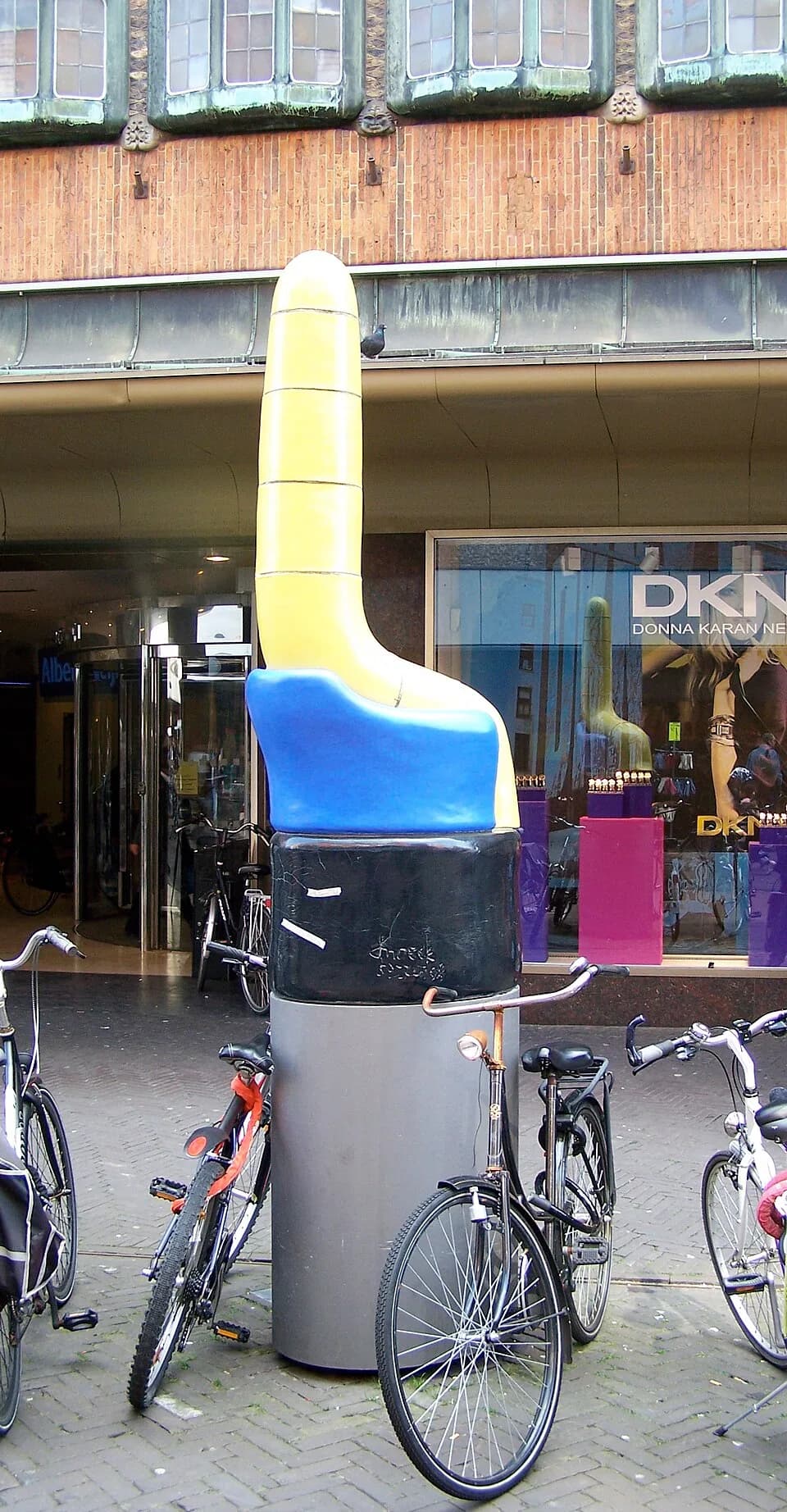
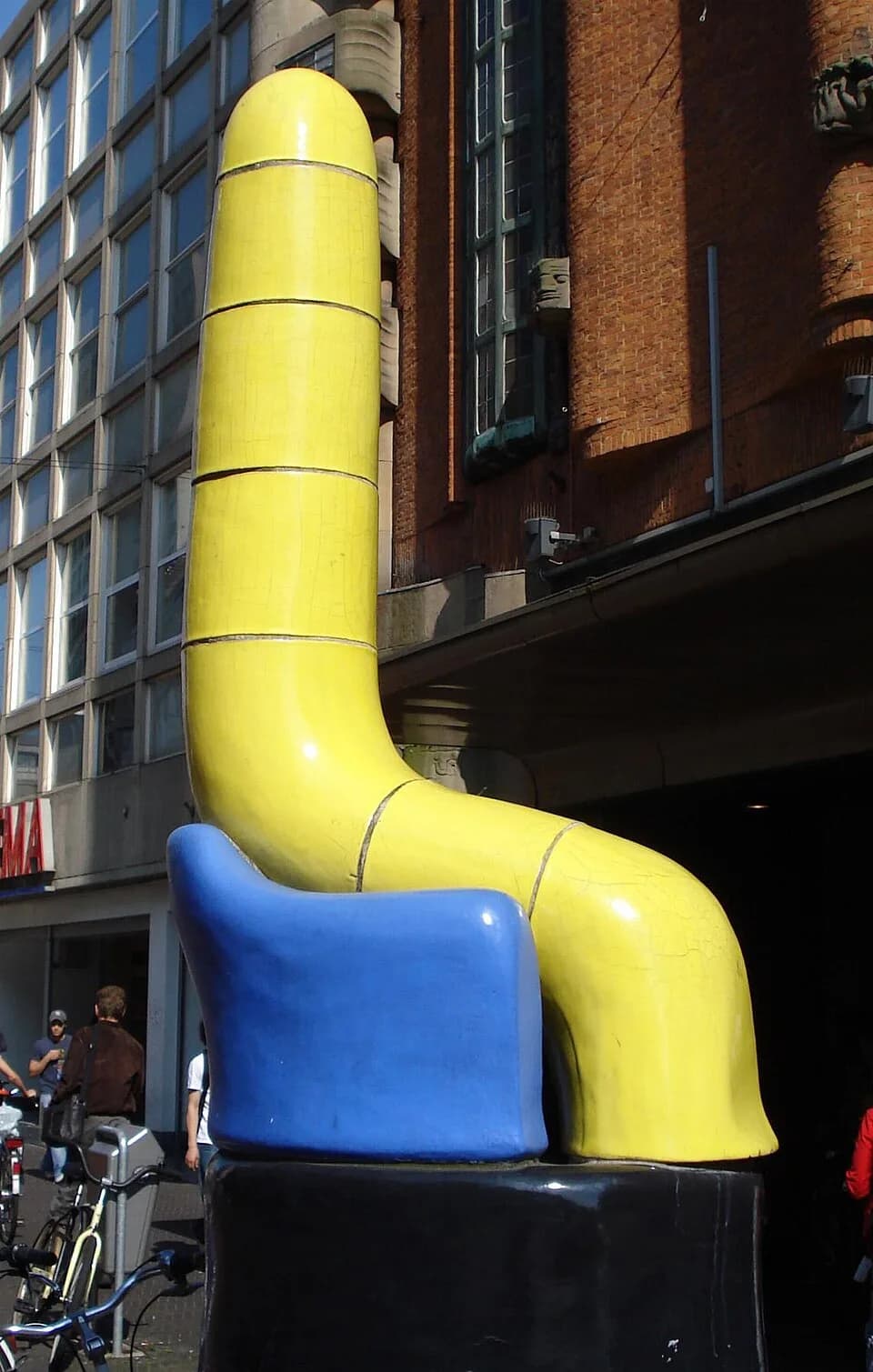
Paul Éluard's bibliography boasts an impressive array of influential poetry collections, each reflecting his unique and evolving poetic vision. Works such as "Dernier poèmes d'amour" offer an intimate exploration of romantic themes, while "Une leçon de morale" delves into ethical and societal considerations. His collection "À la gloire de la main" is another significant contribution, celebrated for its distinctive imagery and thematic focus.
Further cementing his status as a master of modern French verse are collections like "Poésies," which compiles a selection of his evocative poems. "Œil de fumée" and "Chanson complète" showcase his versatility and continued innovation in poetic form and content. The breadth of his creative period is further illustrated by "Vingt ans d'activité," a collection reflecting a significant span of his prolific output.
Beyond his formal collections, Éluard's presence was felt through specific literary events, including the "Announcement of poetry reading" and his participation in the "International Surrealist Exhibition, 1955." He also contributed unique pieces such as "De la musique encore et toujours!" and the poignant "En avril 1944," reflecting the turbulent times in which he lived.
Nodaļa 6 · 1937· Nodaļa 6 no 8
Artistic Collaborations
Éluard’s innovative spirit naturally extended into significant artistic collaborations, most notably with the celebrated artist Man Ray. Their groundbreaking project, "Les Mains libres: Dessins de Man Ray, illustrés par les poèmes de Paul Éluard," published by Éditions J. Bucher in 1937, exemplified a seamless blend of poetry and visual art. This work featured Éluard's compelling poems illustrating Man Ray's distinctive drawings, creating a powerful synergy.
This collaborative spirit was further evident in other notable artworks that featured his poetry. "Les yeux fertiles" (Fertile Eyes), originally published in 1936 and later rebound in 1940, showcased his poetic contributions to another visual project. Similarly, "Le Coeur à barbe" (The Bearded Heart), released in 1922, stands as an early example of his integrated approach to art and verse.
Nodaļa 7 · 1952· Nodaļa 7 no 8
Later Life and Passing
Paul Éluard maintained his commitment to literary innovation and intellectual engagement throughout his life's journey. He passed away on November 18, 1952, in Charenton-le-Pont, France. His death marked the conclusion of a life exceptionally dedicated to the realms of poetry, the Surrealist movement, and the cause of resistance.
Nodaļa 8· Nodaļa 8 no 8
Legacy and Impact
Paul Éluard's legacy endures as a cornerstone of 20th-century French poetry and a defining force within the Surrealist movement. His revolutionary approach to language and his profound explorations of love, freedom, and the human condition continue to profoundly inspire subsequent generations of poets and artists. He is remembered not only for his beautifully crafted verses but also for his principled courage as a French resistance fighter, embodying the spirit of defiance.
His pioneering influence is evident in the ongoing study and deep appreciation of Surrealist literature and art across the globe. Through his evocative writings and the steadfast example of his life, Éluard powerfully demonstrated the transformative potential of art to challenge societal norms and advocate for meaningful social change. His collected works and collaborative projects remain a vital and cherished part of literary and artistic history.
BUJ
Biežāk uzdotie
Kad nomira Paul Éluard?
Paul Éluard nomira 1952. gada 18. novembris Charenton-le-Pont, France 56 gadu vecumā.
Kur dzima Paul Éluard?
Paul Éluard dzima Saint-Denis, France 1895. gada 14. decembris.
Ar ko Paul Éluard ir vislabāk pazīstams(a)?
Paul Éluard ir vislabāk pazīstams(a) ar French poet.
Cik gadu bija Paul Éluard nāves brīdī?
Paul Éluard nāves brīdī bija 56 gadus vecs(a).
Kādas tautības bija Paul Éluard?
Paul Éluard bija no France.
Laika līnija
Dzīve īsumā
Fotogalerija
Dzīve attēlos
Noklikšķiniet uz jebkura polaroīda, lai izvērstu · 46 fotoattēli
QR kods
Dalīties ar šo biogrāfiju
Drukāt un dalīties
Skenējiet, lai apmeklētu šo biogrāfijas lapu. Drukājiet pasākumiem, izstādēm vai izglītības materiāliem.