Dzimis
December 14, 1870
Dolní Dunajovice, Czech Republic
Miris
December 31, 1950
Vienna, Austria
Pazīstams ar
first President of Austria
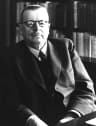
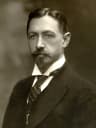
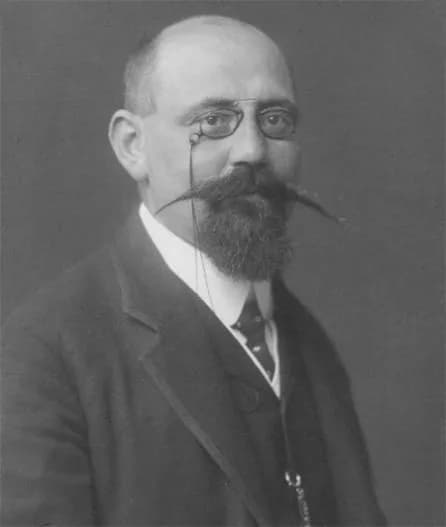
Karl Renner (1870–1950) was Czech Republic best known for first President of Austria.
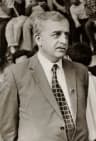
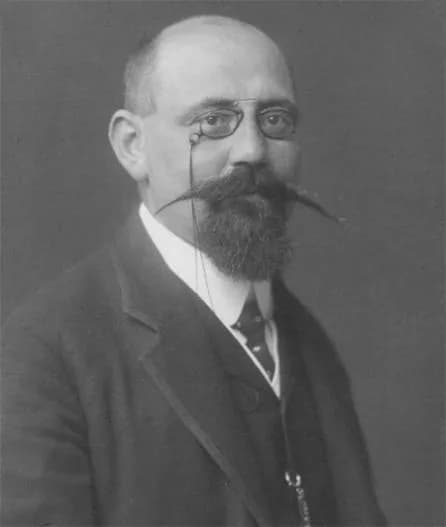
Karl Renner (December 14, 1870 – December 31, 1950) was a prominent Austrian lawyer, politician, and jurist from Dolní Dunajovice, Czech Republic. He served as the first President of Austria and was instrumental in establishing both the First and Second Austrian Republics. His leadership shaped modern Austrian democracy.
Nodaļa
Dzīves nodaļas
Nodaļa 1 · 1870· Nodaļa 1 no 6
Early Life and Origins
Karl Renner entered the world on December 14, 1870, in Dolní Dunajovice, which is located in the modern-day Czech Republic. This early upbringing in a region that would later become part of a newly defined Central European map perhaps influenced his later political thought. His formative years set the stage for a distinguished career dedicated to public service.
Nodaļa 2· Nodaļa 2 no 6
Career Beginnings
Renner began his professional life building a diverse skill set, initially pursuing paths as a lawyer and a librarian. These early professions provided him with a strong foundation in law and research, which would prove invaluable in his subsequent political career. His analytical mind and dedication to public knowledge were evident from these first steps.
Nodaļa 3· Nodaļa 3 no 6
Major Achievements and Career Highlights
Karl Renner's political career was marked by significant national leadership during times of immense change for Austria. As a leading figure of the Social Democratic Workers' Party of Austria, he played a crucial role in the nation's foundational moments. He is often honored with the title "Father of the Republics" for his efforts.
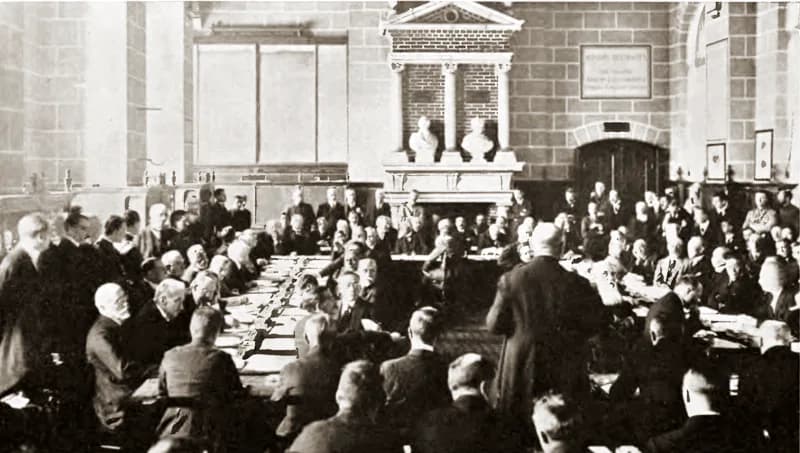
His leadership was first evident when he headed the initial government of the Republic of German-Austria, and subsequently the First Austrian Republic, between 1919 and 1920. Later, after the collapse of Nazi Germany in 1945, Renner was once again instrumental in establishing the present Second Republic. His dedication ensured a democratic future for Austria in the post-war era.
This critical role culminated in his election as the first President of Austria following World War II, a testament to his enduring influence and trusted statesmanship. He guided the nation through recovery and reconstruction, laying the groundwork for its modern identity. His return to leadership solidified his place in Austrian history.
Nodaļa 4· Nodaļa 4 no 6
Notable Works or Contributions
Beyond his roles as a political leader, Karl Renner’s foundational knowledge as a lawyer and jurist significantly shaped his contributions to Austrian society. His deep understanding of legal principles informed his approach to state-building and governance. He was instrumental in formulating the constitutional basis for both the First and Second Republics.
His extensive background in law and public policy allowed him to draft and implement crucial legislation that supported the nascent democracies. Renner's political philosophy, rooted in social democracy, influenced policies aimed at social justice and economic stability. These contributions were vital in periods of national transition.
Nodaļa 5 · 1945· Nodaļa 5 no 6
Later Years
In his later years, Karl Renner once again answered the call to lead, becoming the first President of Austria after World War II in 1945. This period saw him guide a nation grappling with the aftermath of war and occupation. He provided essential leadership during the challenging process of reconstruction.
Renner served in this capacity until his death on December 31, 1950, in Vienna, Austria. His final years were dedicated to consolidating the Second Republic and ensuring its democratic future. He passed away having seen Austria through two of its most transformative eras.
Nodaļa 6· Nodaļa 6 no 6
Legacy and Impact
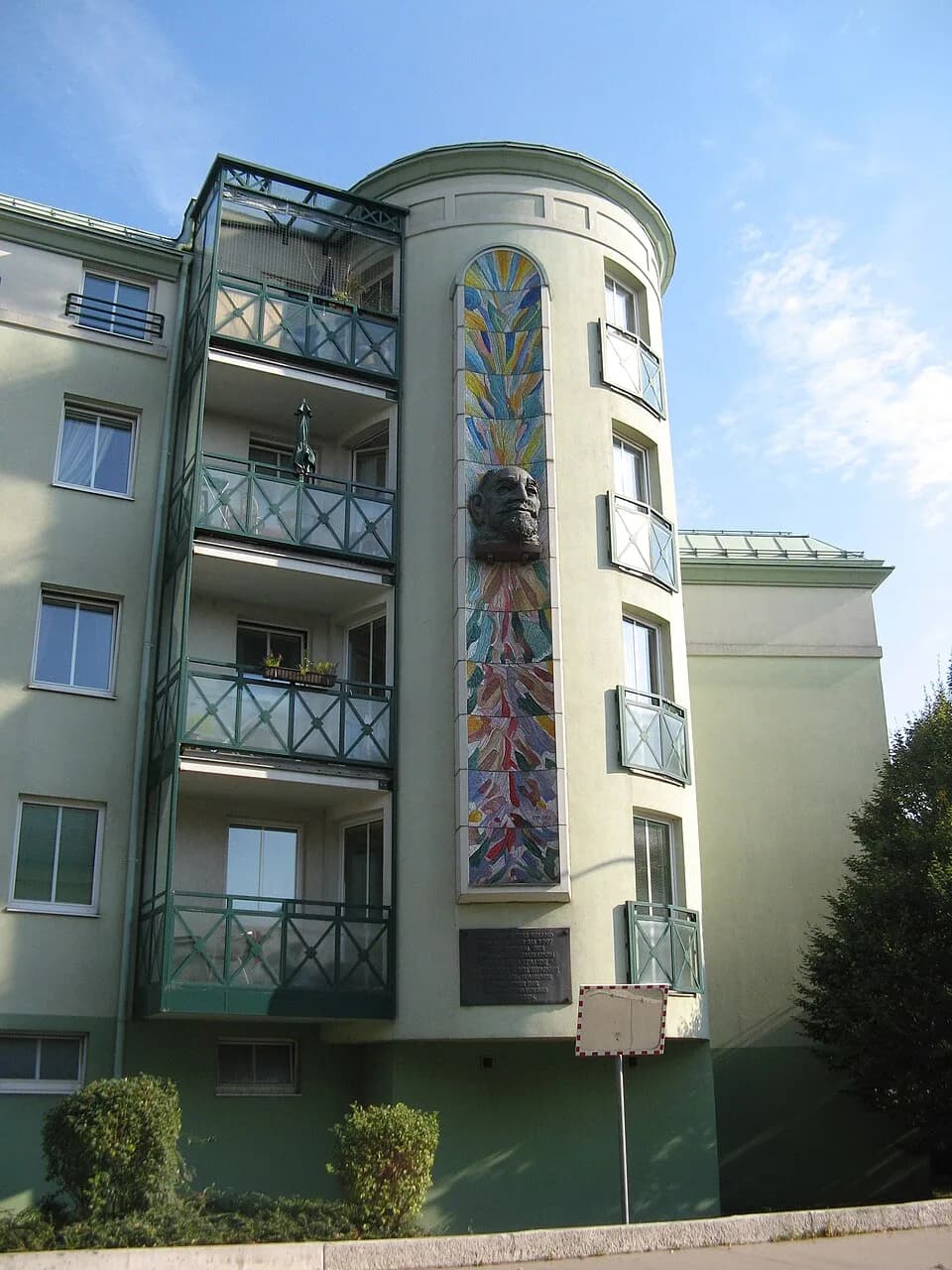
The legacy of Karl Renner is strongly linked to the very foundation and resilience of the Austrian Republic. Revered as the "Father of the Republics," his influence spans across critical junctures of national formation. His vision for a democratic and independent Austria continues to inspire.
His unwavering commitment to democratic principles and social justice greatly shaped the political identity of Austria. Renner’s work established the framework for a stable parliamentary democracy, one that has endured through decades. His contributions ensured Austria's place as a sovereign, self-governing nation.
Dzīve mirkļos
Mirkļi, kas veidoja dzīvi
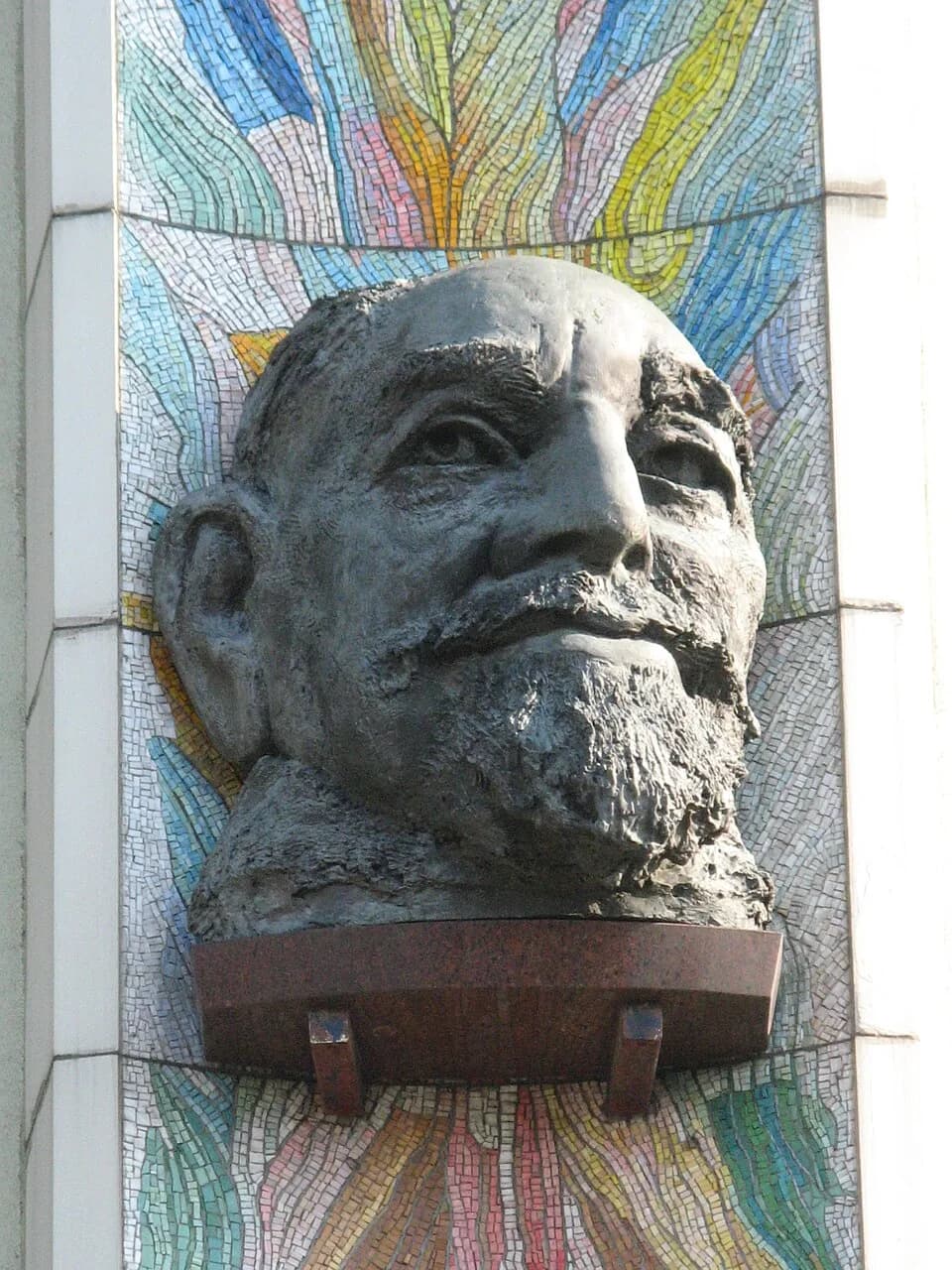
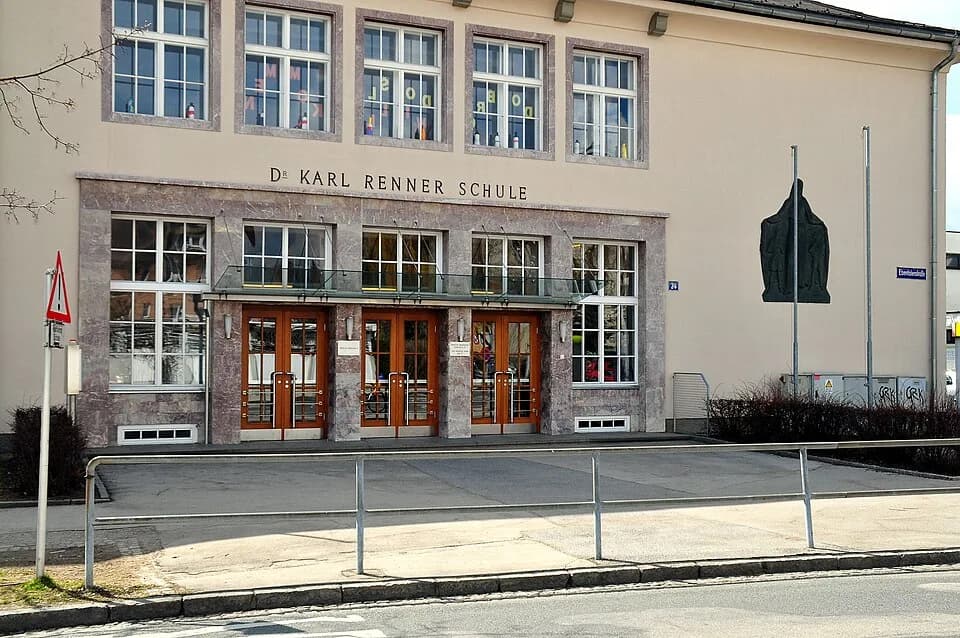
BUJ
Biežāk uzdotie
Kad nomira Karl Renner?
Karl Renner nomira 1950. gada 31. decembris Vienna, Austria 80 gadu vecumā.
Kur dzima Karl Renner?
Karl Renner dzima Dolní Dunajovice, Czech Republic 1870. gada 14. decembris.
Ar ko Karl Renner ir vislabāk pazīstams(a)?
Karl Renner ir vislabāk pazīstams(a) ar first President of Austria.
Cik gadu bija Karl Renner nāves brīdī?
Karl Renner nāves brīdī bija 80 gadus vecs(a).
Kādas tautības bija Karl Renner?
Karl Renner bija no Czech Republic.
Laika līnija
Dzīve īsumā
Fotogalerija
Dzīve attēlos
Noklikšķiniet uz jebkura polaroīda, lai izvērstu · 40 fotoattēli
QR kods
Dalīties ar šo biogrāfiju
Drukāt un dalīties
Skenējiet, lai apmeklētu šo biogrāfijas lapu. Drukājiet pasākumiem, izstādēm vai izglītības materiāliem.