Dzimis
December 15, 1860
Tórshavn, Faroe Islands
Miris
September 24, 1904
Copenhagen, Denmark
Pazīstams ar
Faroese physician and scientist of Icelandic descent
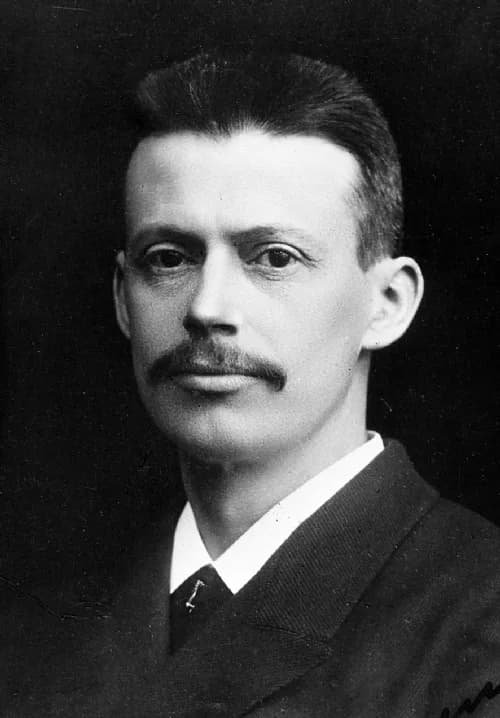
Niels Ryberg Finsen (1860–1904) was Faroe Islands best known for Faroese physician and scientist of Icelandic descent.
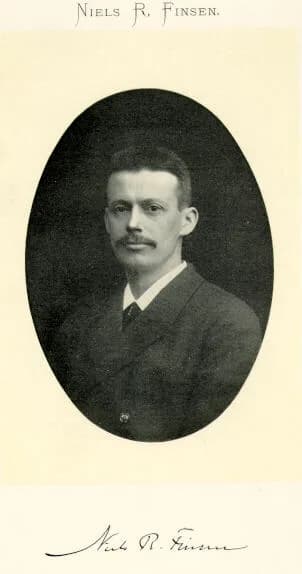
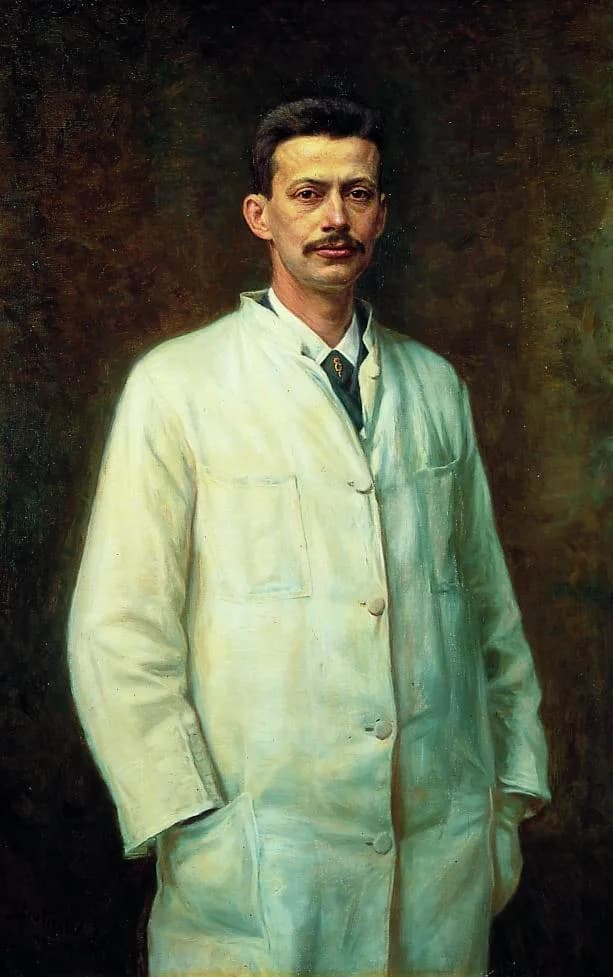
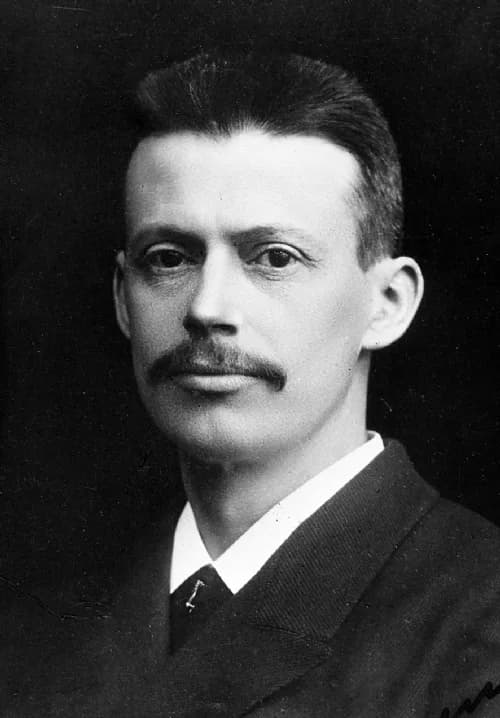
Niels Ryberg Finsen (December 15, 1860 – September 24, 1904) was a Faroese physician and scientist of Icelandic descent. He received the 1903 Nobel Prize in Physiology or Medicine for his innovative treatment of diseases like lupus vulgaris using concentrated light radiation. His work established a new avenue for medical science, pioneering phototherapy.
Nodaļa
Dzīves nodaļas
Nodaļa 1 · 1860· Nodaļa 1 no 7
Early Life and Origins
Niels Ryberg Finsen was born on December 15, 1860, in Tórshavn, a town in the Faroe Islands. His heritage included Icelandic descent, connecting him to a rich Nordic lineage. This early life in the unique environment of the Faroe Islands likely fostered a curious and observant spirit.
Details about Finsen's specific early education are not extensively provided in the historical records available. However, his later career as a physician and university teacher suggests a rigorous academic path. He developed an early passion for scientific inquiry, which would eventually guide his life's work in medicine.
Nodaļa 2· Nodaļa 2 no 7
Career Beginnings
Finsen embarked on his professional path as a scientist and physician, dedicating himself to both research and patient care. His academic career also included work as a university teacher, where he shared his knowledge and insights with aspiring medical professionals. These roles allowed him to explore the frontiers of medical understanding.
His early investigations began to focus on the biological effects of light, particularly its potential therapeutic applications. This field was largely unexplored at the time, requiring a bold and persistent approach. Finsen's foundational work laid the groundwork for his later, more acclaimed discoveries.
Nodaļa 3 · 1903· Nodaļa 3 no 7
Major Achievements and Career Highlights
Niels Ryberg Finsen's most celebrated achievement came in 1903 when he was awarded the Nobel Prize in Physiology or Medicine. The Nobel Committee recognized him for his significant contribution to the treatment of diseases. Specifically, his work addressed conditions like lupus vulgaris, a severe form of skin tuberculosis.
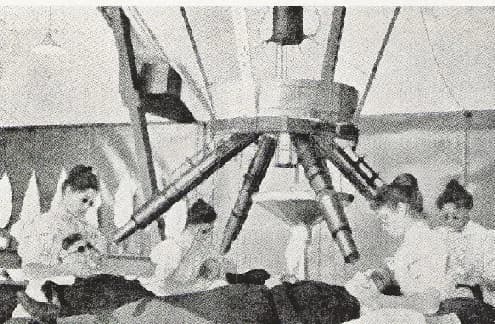
Finsen developed a method using concentrated light radiation to treat these illnesses. This innovative approach demonstrated the powerful therapeutic potential of light. Through his systematic research, he effectively opened a new avenue for medical science, showing that physical agents like light could be powerful tools in healing.
Nodaļa 4· Nodaļa 4 no 7
Personal Life
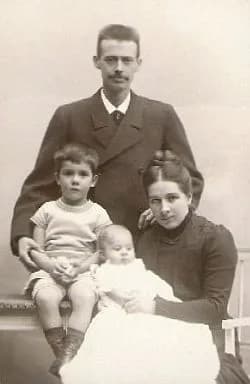
While Niels Ryberg Finsen's professional achievements are well-documented, specific details regarding his personal life, family, and hobbies are not widely available in the provided information. His dedication appears to have been predominantly focused on his scientific research and medical practice. His work itself was a testament to his persistent character.
Nodaļa 5· Nodaļa 5 no 7
Notable Works or Contributions
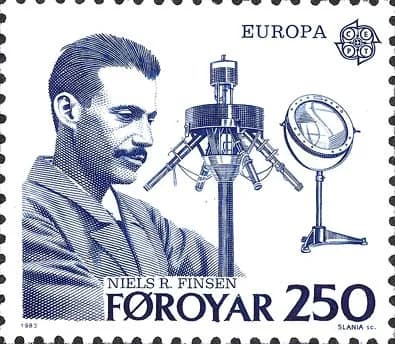
Finsen's most notable contribution was his pioneering work in phototherapy, particularly the treatment of lupus vulgaris with concentrated light radiation. He designed and implemented specialized lamps and techniques to deliver precisely controlled light to affected areas. This method represented a significant departure from conventional treatments of the era.
His research meticulously documented the curative effects of specific light spectrums, proving that light could be a targeted medical intervention. This not only alleviated suffering for many patients but also inspired further research into light-based therapies. His work laid the scientific foundation for modern dermatological light treatments.
Nodaļa 6 · 1904· Nodaļa 6 no 7
Later Years
Niels Ryberg Finsen's life, though impactful, was relatively short. He passed away on September 24, 1904, in Copenhagen, Denmark, less than a year after receiving his Nobel Prize. Despite his early passing, his legacy was already firmly established through his scientific breakthroughs.
His final years were spent solidifying his research and continuing his work at the Finsen Institute, which he founded in Copenhagen. The institute continued his research into light therapy and served as a center for treating patients with his methods. His death marked the end of a brilliant but brief scientific career.
Nodaļa 7· Nodaļa 7 no 7
Legacy and Impact
The legacy of Niels Ryberg Finsen endures as a testament to the power of scientific innovation in medicine. His pioneering use of concentrated light radiation for treating diseases like lupus vulgaris transformed medical practice. He demonstrated that careful observation and scientific rigor could unlock entirely new therapeutic approaches.
Finsen's work established phototherapy as a legitimate and effective medical discipline. His discoveries continue to influence modern dermatology, oncology, and other fields that utilize light-based treatments. He is remembered as a visionary scientist who illuminated a new path for healing and understanding the human body's interaction with its environment.
Dzīve mirkļos
Mirkļi, kas veidoja dzīvi
BUJ
Biežāk uzdotie
Kad nomira Niels Ryberg Finsen?
Niels Ryberg Finsen nomira 1904. gada 24. septembris Copenhagen, Denmark 43 gadu vecumā.
Kur dzima Niels Ryberg Finsen?
Niels Ryberg Finsen dzima Tórshavn, Faroe Islands 1860. gada 15. decembris.
Ar ko Niels Ryberg Finsen ir vislabāk pazīstams(a)?
Niels Ryberg Finsen ir vislabāk pazīstams(a) ar Faroese physician and scientist of Icelandic descent.
Cik gadu bija Niels Ryberg Finsen nāves brīdī?
Niels Ryberg Finsen nāves brīdī bija 43 gadus vecs(a).
Kādas tautības bija Niels Ryberg Finsen?
Niels Ryberg Finsen bija no Faroe Islands.
Laika līnija
Dzīve īsumā
Fotogalerija
Dzīve attēlos
Noklikšķiniet uz jebkura polaroīda, lai izvērstu · 23 fotoattēli
QR kods
Dalīties ar šo biogrāfiju
Drukāt un dalīties
Skenējiet, lai apmeklētu šo biogrāfijas lapu. Drukājiet pasākumiem, izstādēm vai izglītības materiāliem.