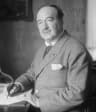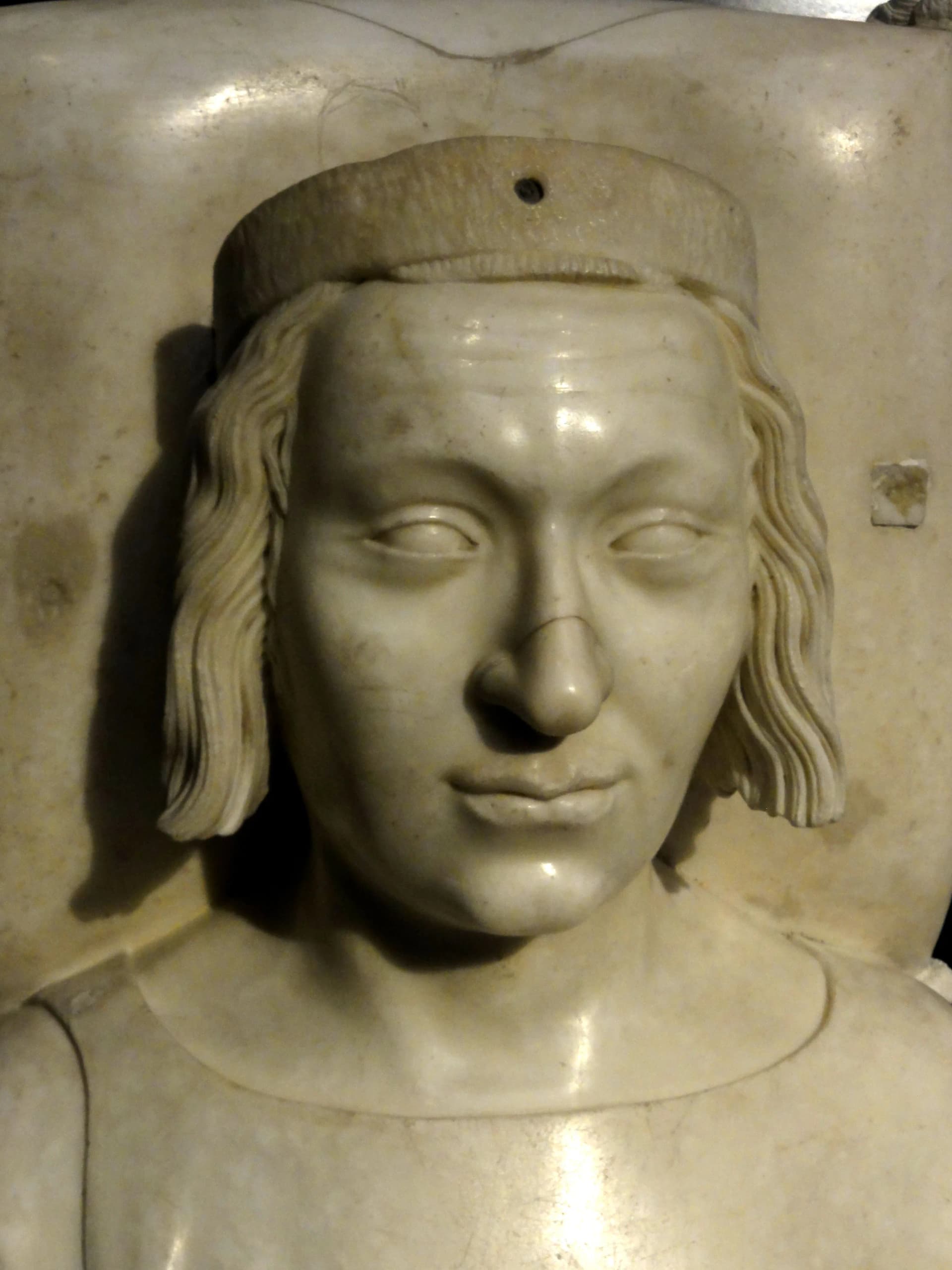
Dzimis
January 29, 1338
Vincennes, France
Miris
September 24, 1380
Paris, France
Pazīstams ar
King of France from 1364 to 1380
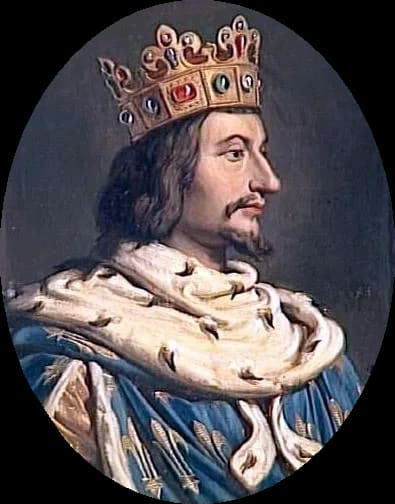
Charles V of France (1338-1380) was King of France from 1364 to 1380, known as Charles the Wise. His strategic military reforms and diplomatic skill reversed French losses in the Hundred Years' War, recovering most territory held by the English. His reign marked France's transformation from defeat to European dominance.
Nodaļa
Dzīves nodaļas
Nodaļa 1 · 1338· Nodaļa 1 no 7
Early Life and Origins
Born on January 29, 1338, at the royal château of Vincennes, Charles entered the world during one of France's most challenging periods. His father, John II the Good, ruled a kingdom facing constant English pressure and internal divisions. The young prince grew up witnessing the military disasters that had befallen France, including the devastating defeat at Poitiers in 1356, where his father was captured by the English.
Charles's childhood at Vincennes exposed him to the harsh realities of medieval warfare and diplomacy. Unlike many of his contemporaries who focused primarily on martial prowess, the future king developed a keen interest in strategy, administration, and the arts of governance. This intellectual approach would later earn him his epithet "the Wise" and distinguish his reign from the more impulsive leadership styles of his predecessors.
Nodaļa 2 · 1356· Nodaļa 2 no 7
Rise to Power
Charles's path to the throne was marked by crisis and responsibility from an early age. When his father John II was captured at the Battle of Poitiers in 1356, the eighteen-year-old Charles became regent of France. He faced immediate challenges, including the Jacquerie peasant revolt and the political machinations of Étienne Marcel in Paris. These early experiences as regent taught him valuable lessons about the importance of careful planning and political stability.
Upon his father's death in 1364, Charles inherited a kingdom that had lost significant territory to the English and faced ongoing internal strife. The new king understood that France needed fundamental reforms in military organization, financial administration, and diplomatic strategy. Rather than rushing into battle like his predecessors, Charles took time to analyze France's weaknesses and develop comprehensive solutions.
Nodaļa 3· Nodaļa 3 no 7
Major Achievements and Military Success
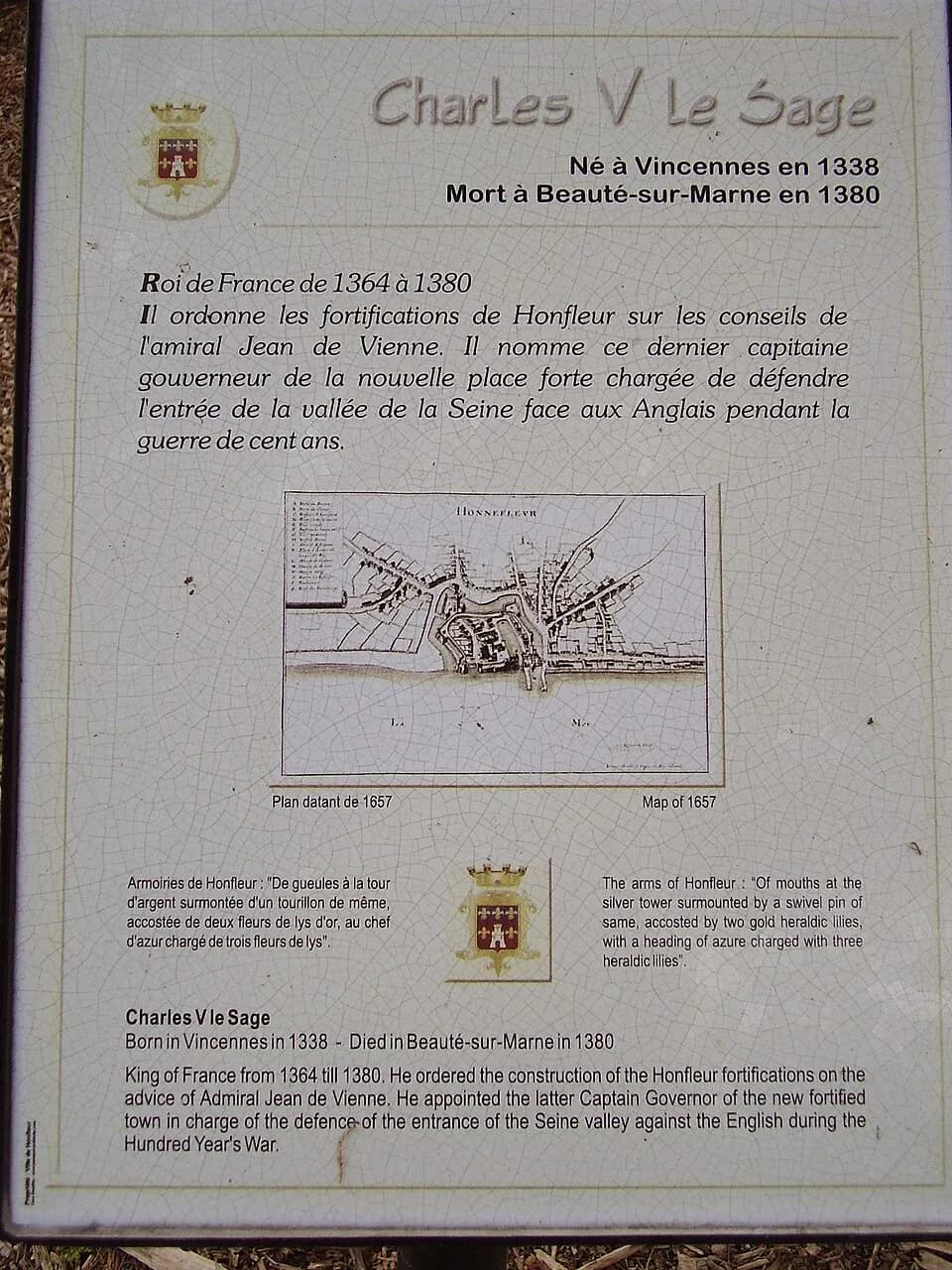
Charles V's greatest accomplishment was the systematic recovery of French territory from English control during the Hundred Years' War. Working closely with capable commanders like Bertrand du Guesclin, he implemented a strategy of avoiding large pitched battles in favor of siege warfare and guerrilla tactics. This approach proved highly effective, as French forces gradually reclaimed castles and towns across the kingdom.
The king's military reforms extended beyond tactics to include improvements in fortifications, artillery, and naval power. He recognized that France's previous defeats stemmed partly from outdated military methods and inadequate preparation. By 1380, French armies had recovered most of the territory held by the English, transforming the strategic balance of the Hundred Years' War. This military renaissance established France as a dominant European power and provided the foundation for future French success.
Beyond warfare, Charles proved himself an effective administrator who strengthened royal institutions and improved tax collection. He established a more professional civil service and invested in infrastructure projects that benefited trade and commerce. These domestic achievements provided the economic foundation necessary to support his military campaigns and maintain France's restored territorial integrity.
Nodaļa 4· Nodaļa 4 no 7
Personal Life and Character
Charles V's nickname "the Wise" reflected his reputation for careful deliberation and intellectual curiosity. Unlike many medieval monarchs who gloried in personal combat, Charles preferred to lead through strategic planning and diplomatic negotiation. He was known for his extensive library and patronage of scholars, demonstrating an appreciation for learning that was unusual among fourteenth-century rulers.
The king's personal approach to leadership emphasized patience and long-term thinking over immediate gratification. This temperament served France well during the critical years of his reign, as hasty decisions had previously led to military disasters. Charles's ability to remain calm under pressure and consider multiple options before acting became legendary among his contemporaries and contributed significantly to his success as a monarch.
Nodaļa 5· Nodaļa 5 no 7
Administrative and Cultural Contributions
Charles V implemented significant reforms in French government administration that outlasted his reign. He established more systematic record-keeping, improved the efficiency of tax collection, and created better communication systems throughout the kingdom. These administrative improvements provided the organizational framework necessary to support France's military recovery and maintain territorial gains.
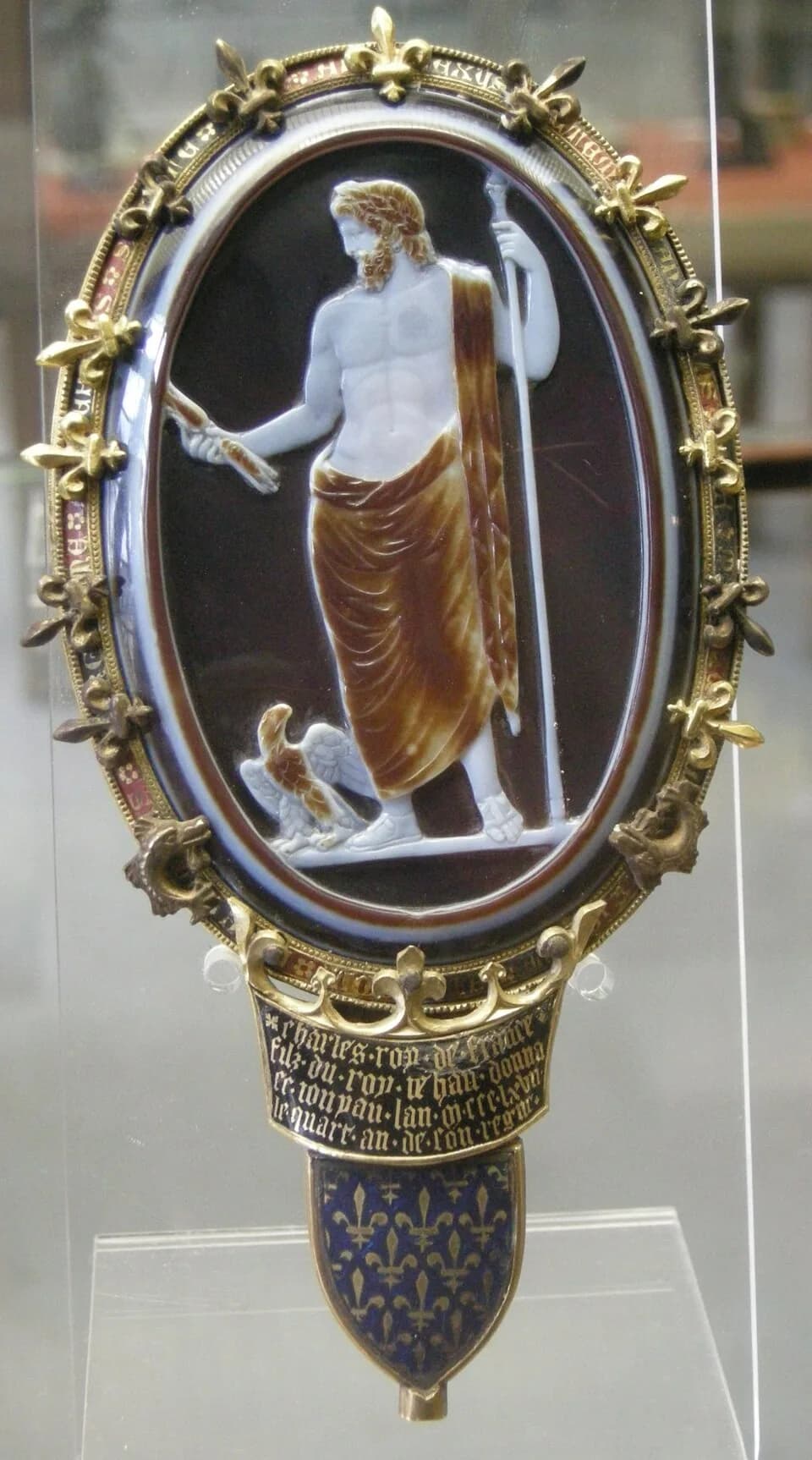
The king also distinguished himself as a patron of arts and learning, commissioning translations of important works and supporting scholars at his court. His cultural patronage helped establish French as a language of scholarship and diplomacy, contributing to the kingdom's intellectual development. The royal library he assembled became one of the most impressive collections in medieval Europe, reflecting his belief that knowledge and learning were essential tools of effective governance.
Nodaļa 6· Nodaļa 6 no 7
Later Years and Death
The final years of Charles V's reign were marked by continued success in recovering French territory and strengthening royal authority. By the late 1370s, France had emerged from the crisis that had dominated the early decades of the Hundred Years' War. The king's systematic approach to governance had restored French military power and diplomatic influence across Europe.
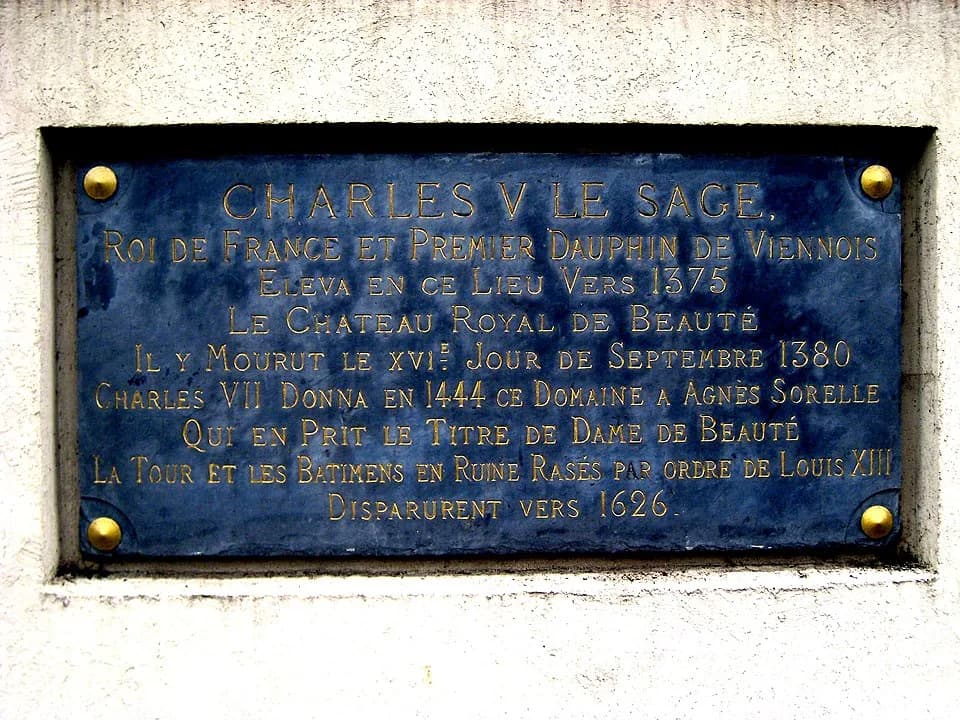
Charles V died in Paris on September 24, 1380, at the age of 42. His death came at the height of French power, with most of the territory lost to the English successfully recovered. The timing of his passing was particularly significant, as France had achieved a level of stability and strength that seemed impossible when he first became regent in 1356.
Nodaļa 7· Nodaļa 7 no 7
Legacy and Historical Impact
Charles V's reign represented a turning point in the Hundred Years' War and French medieval history. His strategic approach to warfare and governance demonstrated that careful planning and administrative skill could triumph over superior military force. The territorial recoveries achieved during his reign provided France with a strong foundation for future conflicts and established patterns of royal administration that influenced French government for centuries.
The king's emphasis on learning and cultural development also left a lasting mark on French civilization. His support for scholarship and translation work contributed to the development of French intellectual life and helped establish the kingdom as a center of European culture. Modern historians recognize Charles V as one of France's most effective medieval rulers, whose wisdom and strategic vision rescued the kingdom from near-collapse and restored its position as a major European power.
Dzīve mirkļos
Mirkļi, kas veidoja dzīvi
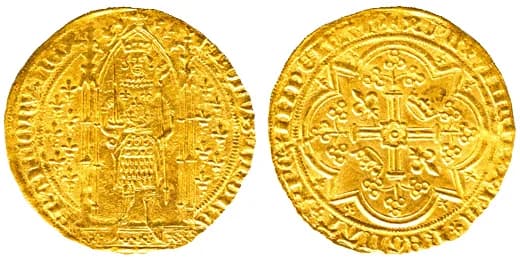

BUJ
Biežāk uzdotie
Kad nomira Charles V of France?
Charles V of France nomira 1380. gada 24. septembris Paris, France 42 gadu vecumā.
Kur dzima Charles V of France?
Charles V of France dzima Vincennes, France 1338. gada 29. janvāris.
Ar ko Charles V of France ir vislabāk pazīstams(a)?
Charles V of France ir vislabāk pazīstams(a) ar King of France from 1364 to 1380.
Cik gadu bija Charles V of France nāves brīdī?
Charles V of France nāves brīdī bija 42 gadus vecs(a).
Kādas tautības bija Charles V of France?
Charles V of France bija no France.
Laika līnija
Dzīve īsumā
Fotogalerija
Dzīve attēlos
Noklikšķiniet uz jebkura polaroīda, lai izvērstu · 50 fotoattēli
QR kods
Dalīties ar šo biogrāfiju
Drukāt un dalīties
Skenējiet, lai apmeklētu šo biogrāfijas lapu. Drukājiet pasākumiem, izstādēm vai izglītības materiāliem.