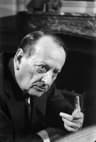
Dzimis
September 26, 1889
Messkirch, Germany
Miris
May 26, 1976
Freiburg im Breisgau, Germany
Pazīstams ar
German philosopher
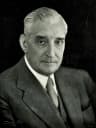
Martin Heidegger (1889-1976) was a German philosopher whose work fundamentally shaped phenomenology, hermeneutics, and existentialism. His philosophical innovations influenced theology, social sciences, and humanities far beyond academic philosophy. His legacy continues to generate scholarly debate across multiple disciplines.
Nodaļa
Dzīves nodaļas
Nodaļa 1 · 1889· Nodaļa 1 no 6
Early Life and Origins
Martin Heidegger was born on September 26, 1889, in the small town of Messkirch, located in the Black Forest region of southwestern Germany. Growing up in this rural Catholic community provided Heidegger with early exposure to traditional German culture and religious thought that would later inform his philosophical development. The landscape and culture of Messkirch remained important to Heidegger throughout his life, as evidenced in works like "Der Feldweg" (The Country Path), where he reflected on his connection to his homeland.
His early education was deeply rooted in Catholic tradition, and he initially pursued studies in theology and philosophy. This religious foundation would later be transformed but never entirely abandoned as Heidegger developed his own unique philosophical perspective. The rural setting of his youth also contributed to his later emphasis on dwelling, rootedness, and the relationship between humans and their environment.
Nodaļa 2· Nodaļa 2 no 6
Career Beginnings
Heidegger began his academic career as a university teacher, establishing himself within German philosophical circles during the early 20th century. His early work, including "La dottrina del giudizio nello psicologismo," demonstrated his engagement with contemporary philosophical problems and his growing departure from traditional scholastic approaches. He developed his teaching and writing during a period of significant intellectual ferment in Germany, when new philosophical movements were challenging established ways of thinking.
His position as a university teacher allowed him to develop the distinctive approach to philosophy that would make him famous. Rather than simply following existing philosophical traditions, Heidegger began to question the fundamental assumptions of Western thought, particularly regarding the nature of Being itself. This questioning stance became the hallmark of his philosophical method.
Nodaļa 3· Nodaļa 3 no 6
Major Achievements and Philosophical Contributions
Heidegger's central achievement lay in his radical reconceptualization of fundamental philosophical questions, particularly the question of Being. His work became central to the development of phenomenology, building upon but also departing from the work of Edmund Husserl. Through his exploration of existential themes, Heidegger helped establish existentialism as a major philosophical movement, influencing thinkers across Europe and beyond.
His impact extended well beyond philosophy proper, reaching into theology, literary criticism, and social theory. Heidegger's hermeneutical approach - his method of interpretation and understanding - provided new tools for scholars across the humanities. His philosophical innovations challenged readers to reconsider basic assumptions about human existence, technology, language, and our relationship to the world around us.
Nodaļa 4· Nodaļa 4 no 6
Notable Works and Intellectual Output
Among Heidegger's significant works, "Qu'est-ce que la métaphysique?" (What is Metaphysics?) exemplifies his systematic questioning of traditional philosophical categories. His "Beiträge zur Philosophie" represents one of his most substantial contributions to philosophical literature, developing themes that occupied him throughout his career. These works demonstrate his ability to write for both specialist philosophical audiences and broader intellectual communities.
His exploration of poetry and art, evident in "Arte y poesía," shows another dimension of his intellectual interests. Heidegger saw poetry not as mere aesthetic expression but as a fundamental way of revealing truth about human existence. His later "Correspondence 1949-1975" provides insight into his intellectual relationships and ongoing philosophical development well into his later years.
Works like "Die Armut" and his various writings on the nature of philosophy, including "Falsafah chīst?" and "Mā al-falsafah?," demonstrate his engagement with fundamental questions about the discipline itself. "Existenzialismus" directly addresses the philosophical movement with which he became associated, though Heidegger himself often resisted simple categorization of his work.
Nodaļa 5 · 1949· Nodaļa 5 no 6
Later Years and Continued Influence
Heidegger continued his philosophical work well into his later years, maintaining his position as a central figure in 20th-century thought. His correspondence from 1949-1975 reveals ongoing intellectual engagement and development of his ideas even as his major systematic works were behind him. He remained connected to his academic roots while also engaging with broader cultural and intellectual questions.
During these later decades, Heidegger's influence spread internationally as translations of his work made his ideas accessible to non-German speaking audiences. His concepts began to influence fields far removed from traditional academic philosophy, including psychology, literary theory, and political thought.
Nodaļa 6 · 1976· Nodaļa 6 no 6
Legacy and Lasting Impact
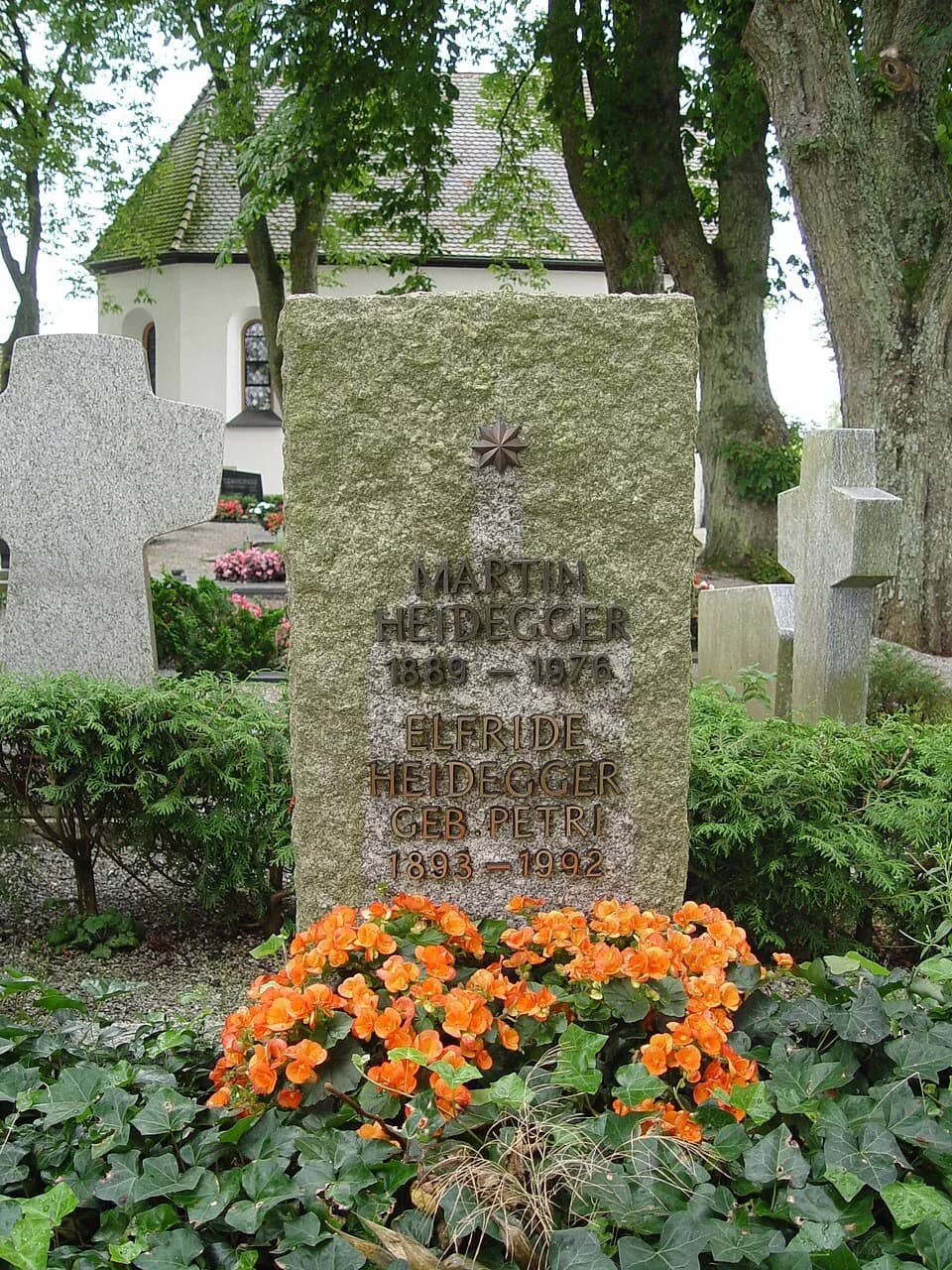
Martin Heidegger died on May 26, 1976, in Freiburg im Breisgau, Germany, leaving behind a complex and influential body of work. His philosophical innovations continue to generate scholarly debate and creative interpretation across multiple disciplines. The concepts he developed for understanding human existence, the nature of Being, and our relationship to technology remain relevant to contemporary discussions in philosophy and beyond.
His influence on subsequent philosophy has been immense, with major thinkers across different traditions engaging with, building upon, or reacting against his ideas. In theology, social sciences, and humanities, Heidegger's hermeneutical insights continue to provide methodological approaches for understanding texts, cultures, and human experience. His work represents a turning point in Western philosophy, marking both an end to certain traditional approaches and an opening toward new possibilities for philosophical thought.
Dzīve mirkļos
Mirkļi, kas veidoja dzīvi





BUJ
Biežāk uzdotie
Kad nomira Martin Heidegger?
Martin Heidegger nomira 1976. gada 26. maijs Freiburg im Breisgau, Germany 86 gadu vecumā.
Kur dzima Martin Heidegger?
Martin Heidegger dzima Messkirch, Germany 1889. gada 26. septembris.
Ar ko Martin Heidegger ir vislabāk pazīstams(a)?
Martin Heidegger ir vislabāk pazīstams(a) ar German philosopher.
Cik gadu bija Martin Heidegger nāves brīdī?
Martin Heidegger nāves brīdī bija 86 gadus vecs(a).
Kādas tautības bija Martin Heidegger?
Martin Heidegger bija no Germany.
Laika līnija
Dzīve īsumā
Fotogalerija
Dzīve attēlos
Noklikšķiniet uz jebkura polaroīda, lai izvērstu · 50 fotoattēli
QR kods
Dalīties ar šo biogrāfiju
Drukāt un dalīties
Skenējiet, lai apmeklētu šo biogrāfijas lapu. Drukājiet pasākumiem, izstādēm vai izglītības materiāliem.