Dzimis
November 3, 1901
Paris, France
Miris
November 23, 1976
Créteil, France
Pazīstams ar
French novelist, art theorist, and statesman
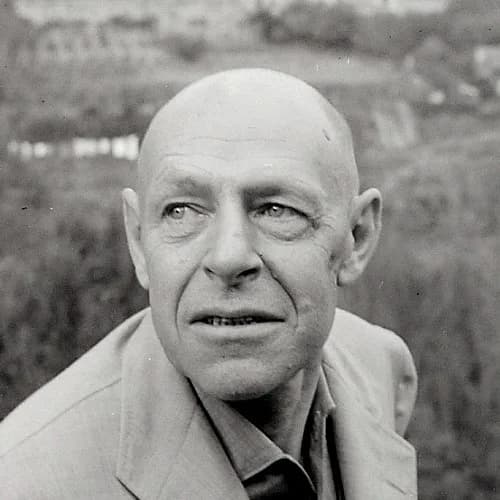
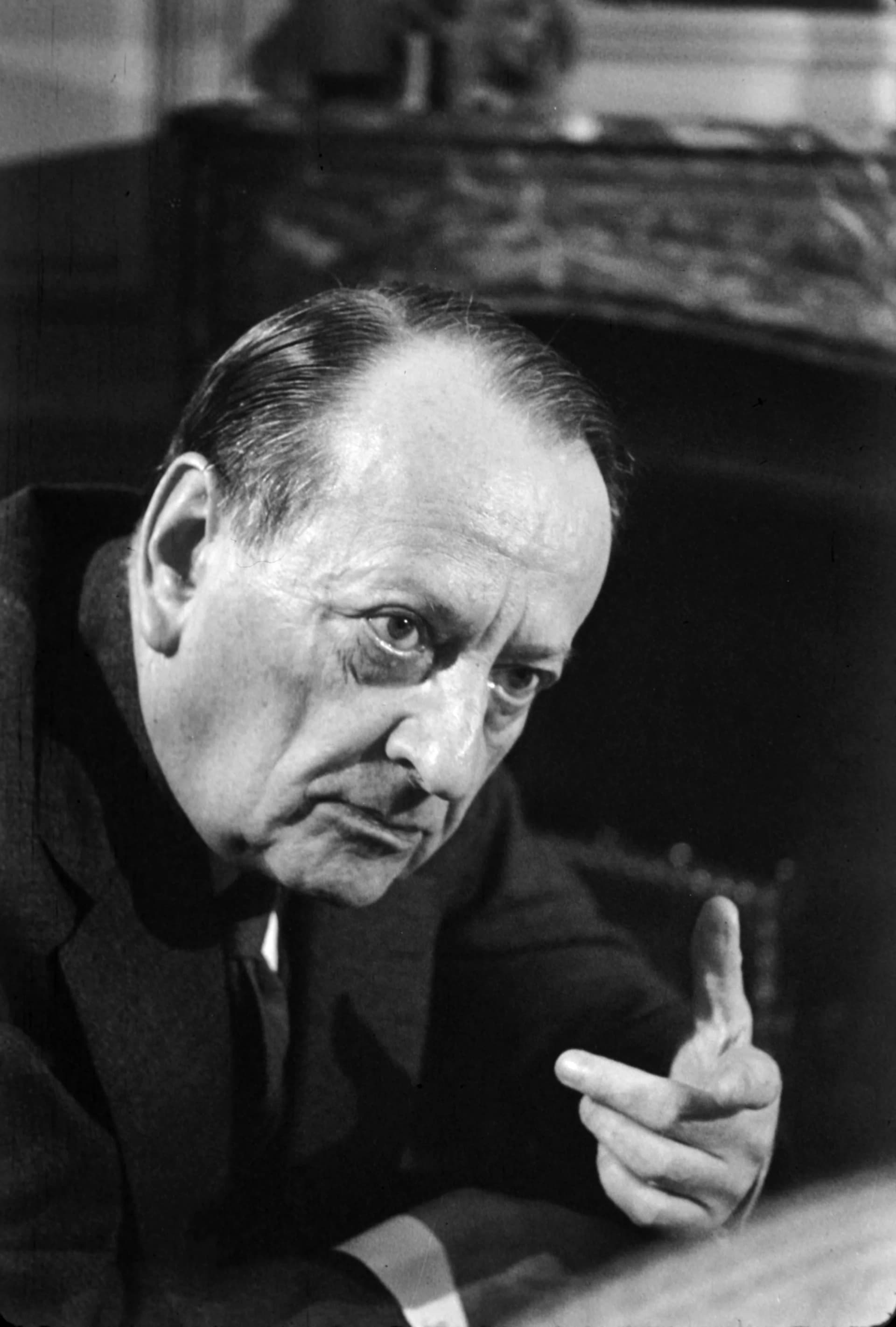
André Malraux (1901–1976) was France best known for French novelist, art theorist, and statesman.
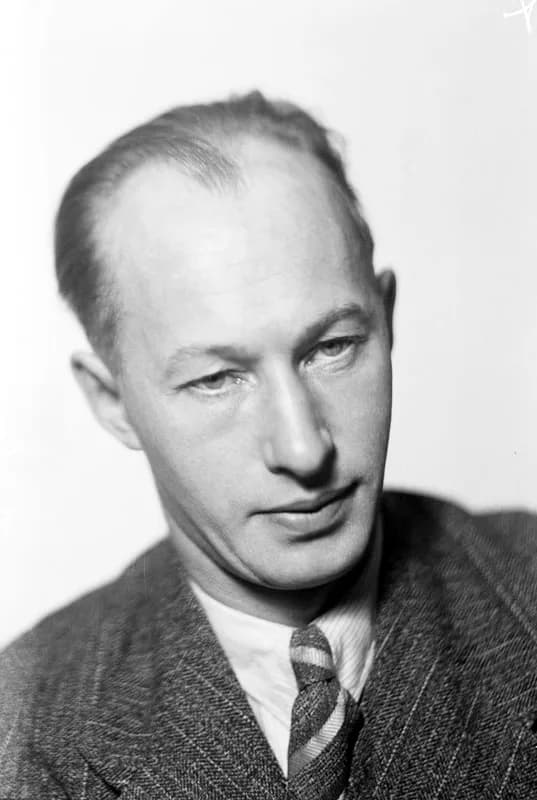
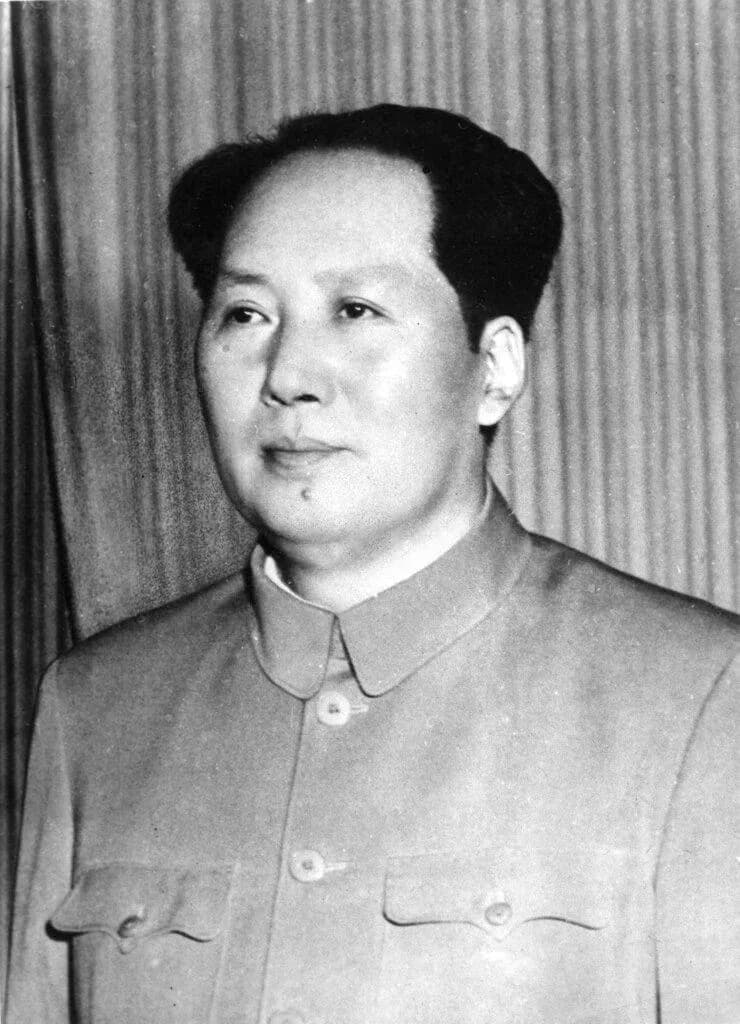
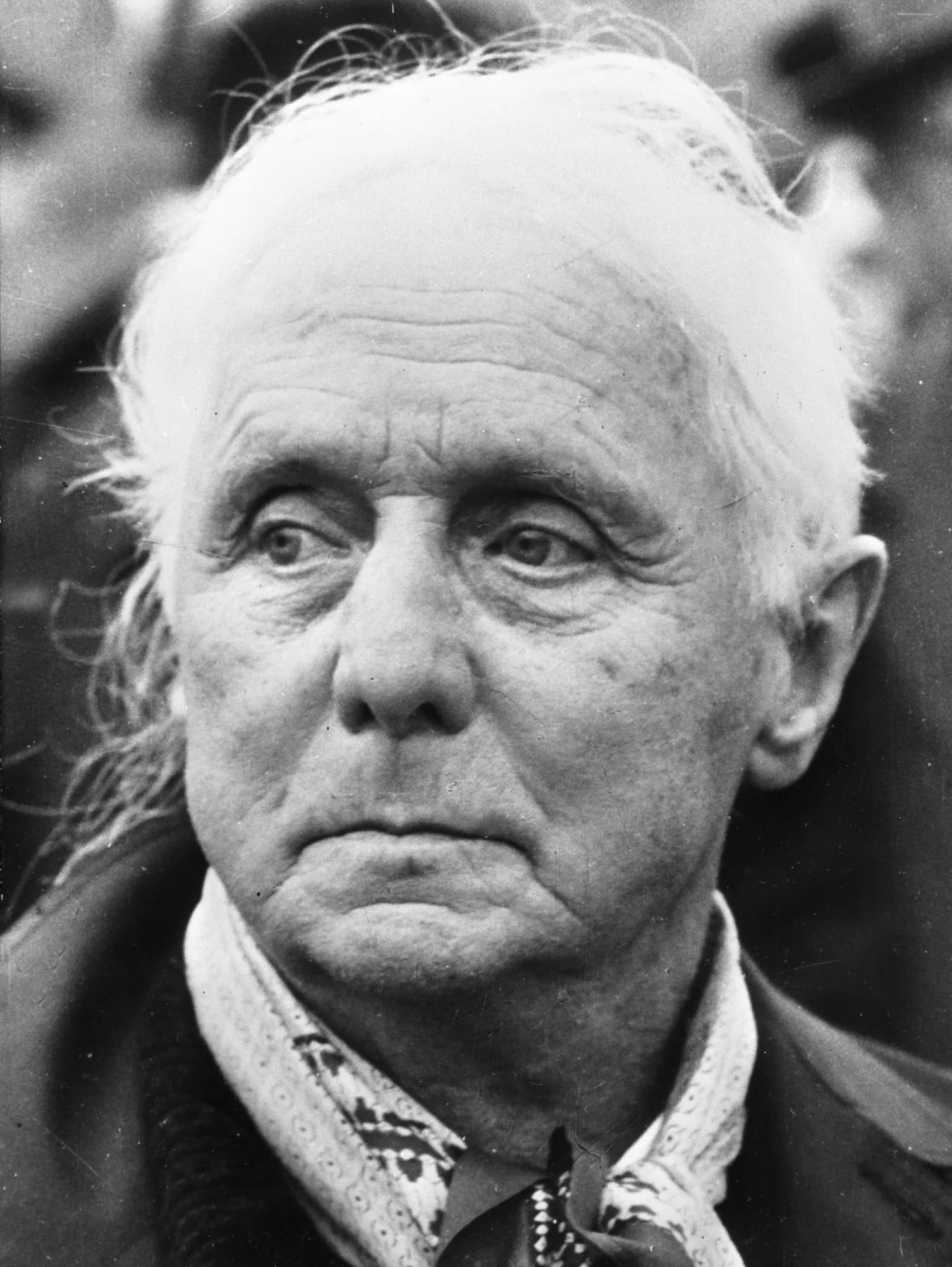
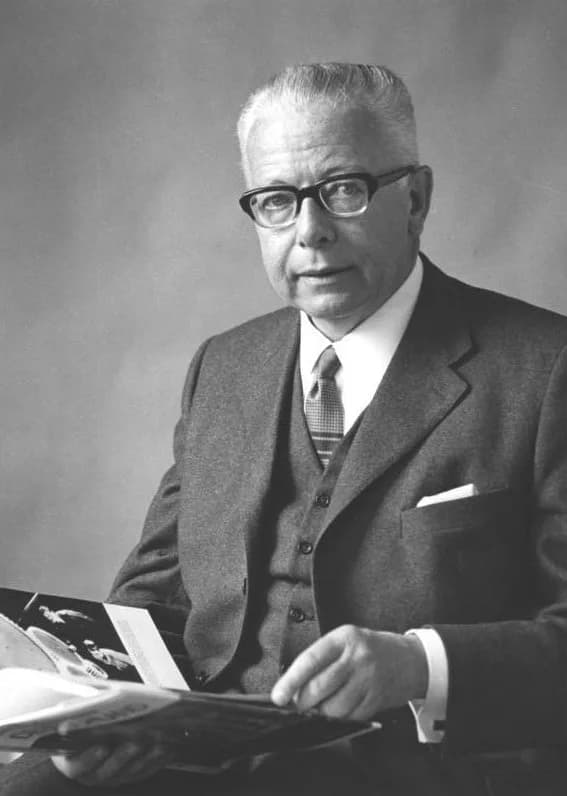
Georges André Malraux (November 3, 1901 – November 23, 1976) was a French novelist, art theorist, and statesman from Paris, France. He won the Prix Goncourt for La Condition Humaine and served as France's first cultural affairs minister. His work significantly influenced 20th-century literature and cultural policy.
Dzīve mirkļos
Mirkļi, kas veidoja dzīvi
Nodaļa
Dzīves nodaļas
Nodaļa 1 · 1901· Nodaļa 1 no 7
Georges André Malraux: A Life of Letters, Art, and Statecraft
Georges André Malraux (November 3, 1901 – November 23, 1976) was a monumental figure in 20th-century French intellectual and political life. He was widely recognized as a distinguished novelist, insightful art theorist, and influential statesman. His extensive list of professions also included screenwriter, writer, politician, playwright, resistance fighter, journalist, art historian, film director, archaeologist, art critic, novelist, film editor, and prose writer, showcasing a life dedicated to culture and public service.
Nodaļa 2 · 1901· Nodaļa 2 no 7
Early Life and Origins
Born in Paris, France, on November 3, 1901, André Malraux's early environment in the capital city fostered his intellectual curiosity. The cultural richness of Paris provided a fertile ground for his developing interests. These formative experiences undoubtedly shaped his later endeavors across various fields.
Nodaļa 3· Nodaļa 3 no 7
Career Beginnings
Malraux's professional life began with a blend of literary pursuits and active political engagement. He quickly gained recognition for his writing, which often drew from his direct experiences and observations. This period laid the foundation for his distinctive career path.
Nodaļa 4 · 1933· Nodaļa 4 no 7
Major Achievements and Career Highlights
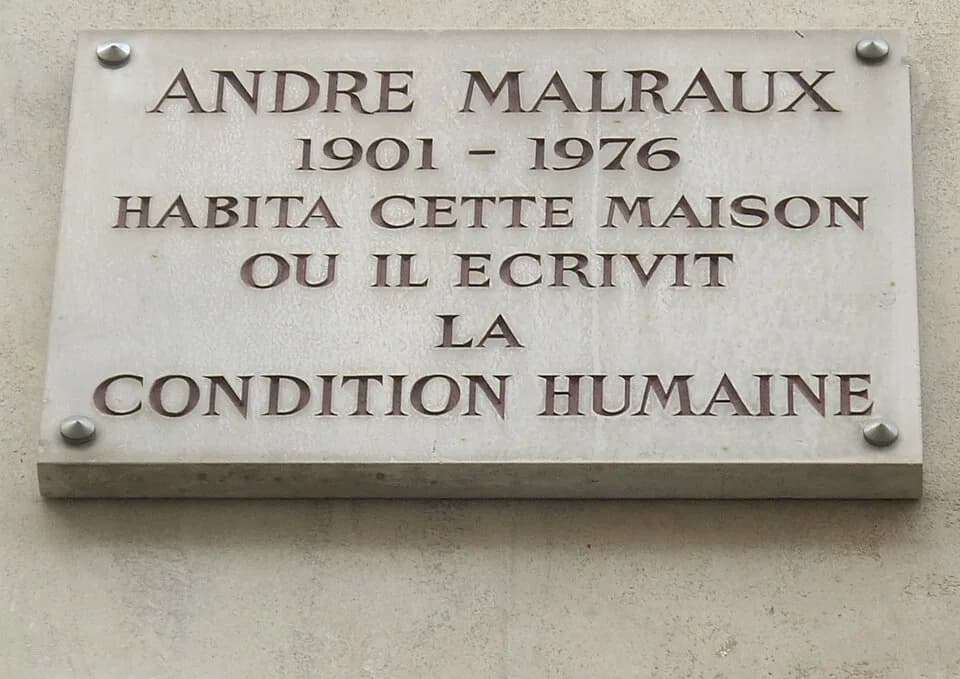
A crowning literary achievement for Malraux was his novel La Condition Humaine (1933). This powerful narrative, set against the backdrop of the 1927 Shanghai uprising, earned him the prestigious Prix Goncourt. His experiences during the Spanish Civil War provided the basis for another acclaimed novel, L'Espoir.
Beyond his literary accomplishments, Malraux demonstrated courage and commitment as a member of the French Resistance during the Second World War. Following the war, he made a notable shift in his literary focus, abandoning fiction to concentrate on art history. His profound reflections on art were compiled into several significant works, collectively known as La Psychologie de l'Art.
His political career was equally distinguished, marked by his close association with President Charles de Gaulle. Malraux served as information minister from 1945 to 1946 during De Gaulle's post-war government. Later, he achieved a pioneering role as France's first cultural affairs minister, a position he held throughout de Gaulle's presidency from 1959 to 1969. This tenure allowed him to significantly influence and shape French cultural policy.
Nodaļa 5· Nodaļa 5 no 7
Notable Works or Contributions
Malraux's bibliography reflects his wide-ranging intellectual interests and literary prowess. Early works like Lunes en papier and La voie royale established his reputation. He also published politically charged essays such as The fascist threat to culture and works exploring different cultures like Israel and Ighwāʾ al-Gharb.
Further contributions include his reflective Anti-memoirs and the insightful Saturne. His diverse writings also featured The leader of a Night People and [Discours prononcé] le 21 juin 1960. These works collectively showcase his deep engagement with history, politics, and the human condition.
His connection to cinema is also notable, having been a film director and film editor. While the specific details are not provided, a film titled Q48760028 from 2018 is listed among his notable filmography, suggesting continued interest in his work decades after his passing.
Nodaļa 6· Nodaļa 6 no 7
Later Years
In the post-war era, Malraux consciously moved away from fiction, dedicating his literary energies primarily to art history and theory. His influential role as cultural affairs minister solidified his legacy as a public servant deeply committed to the arts. He remained an active and respected voice in intellectual circles.
André Malraux passed away on November 23, 1976, in Créteil, France. His final years were characterized by continued reflection and the enduring impact of his prolific career. He left behind a substantial body of literary, artistic, and political contributions.
Nodaļa 7· Nodaļa 7 no 7
Legacy and Impact
André Malraux's legacy is profound, touching French literature, art theory, and the political landscape. His novels, particularly La Condition Humaine and L'Espoir, captured the turbulent socio-political climate of the 20th century, earning him lasting literary acclaim. As an art theorist, he offered innovative perspectives that challenged conventional understandings of art and its place in society.
His tenure as France's inaugural cultural affairs minister under Charles de Gaulle marked a significant shift in national cultural policy. He established a framework for governmental support and promotion of the arts that set a precedent for future administrations. Malraux's visionary contributions continue to inspire discussions on the intersections of art, literature, and public life.
BUJ
Biežāk uzdotie
Kad nomira André Malraux?
André Malraux nomira 1976. gada 23. novembris Créteil, France 75 gadu vecumā.
Kur dzima André Malraux?
André Malraux dzima Paris, France 1901. gada 3. novembris.
Ar ko André Malraux ir vislabāk pazīstams(a)?
André Malraux ir vislabāk pazīstams(a) ar French novelist, art theorist, and statesman.
Cik gadu bija André Malraux nāves brīdī?
André Malraux nāves brīdī bija 75 gadus vecs(a).
Kādas tautības bija André Malraux?
André Malraux bija no France.
Laika līnija
Dzīve īsumā
Fotogalerija
Dzīve attēlos
Noklikšķiniet uz jebkura polaroīda, lai izvērstu · 49 fotoattēli
QR kods
Dalīties ar šo biogrāfiju
Drukāt un dalīties
Skenējiet, lai apmeklētu šo biogrāfijas lapu. Drukājiet pasākumiem, izstādēm vai izglītības materiāliem.