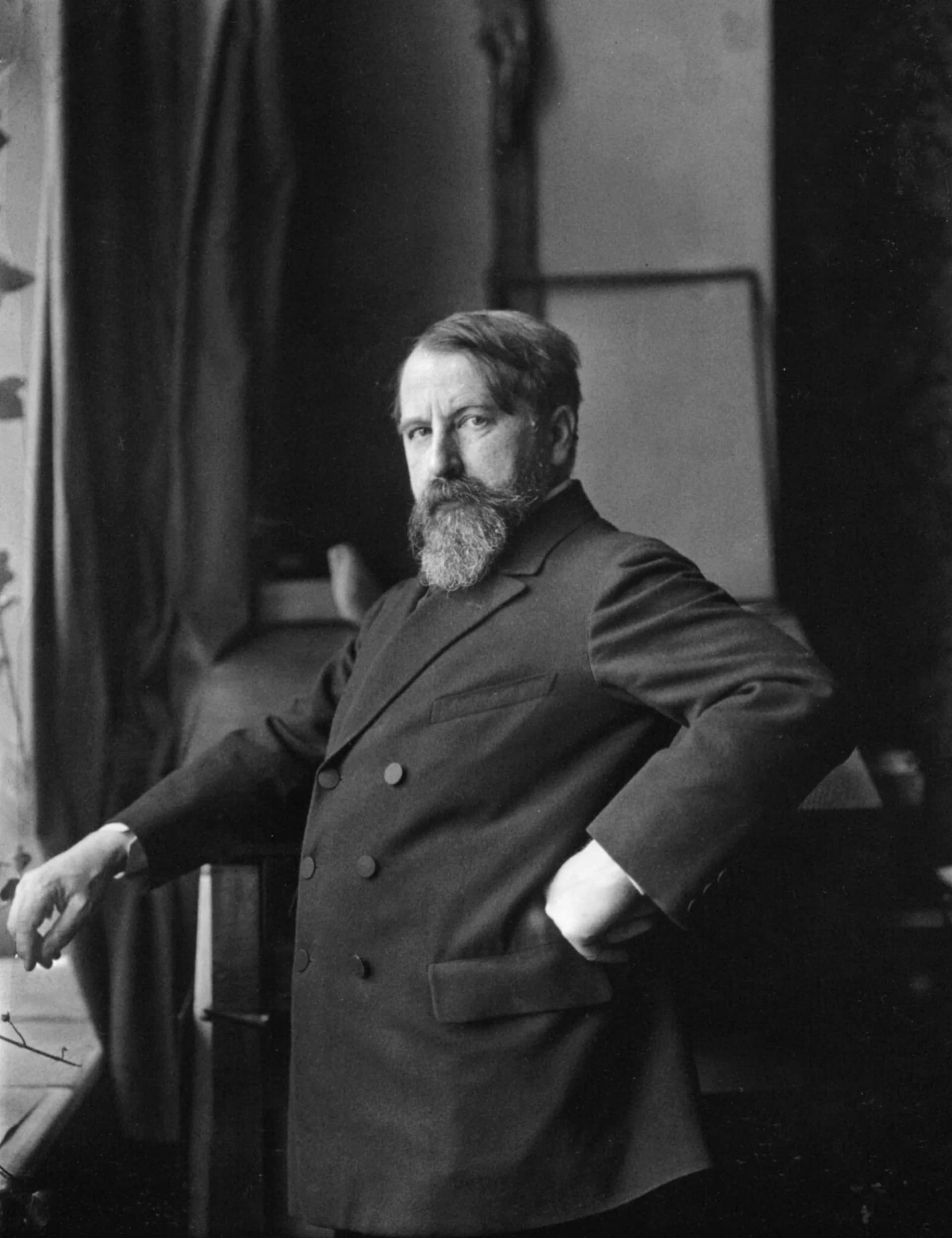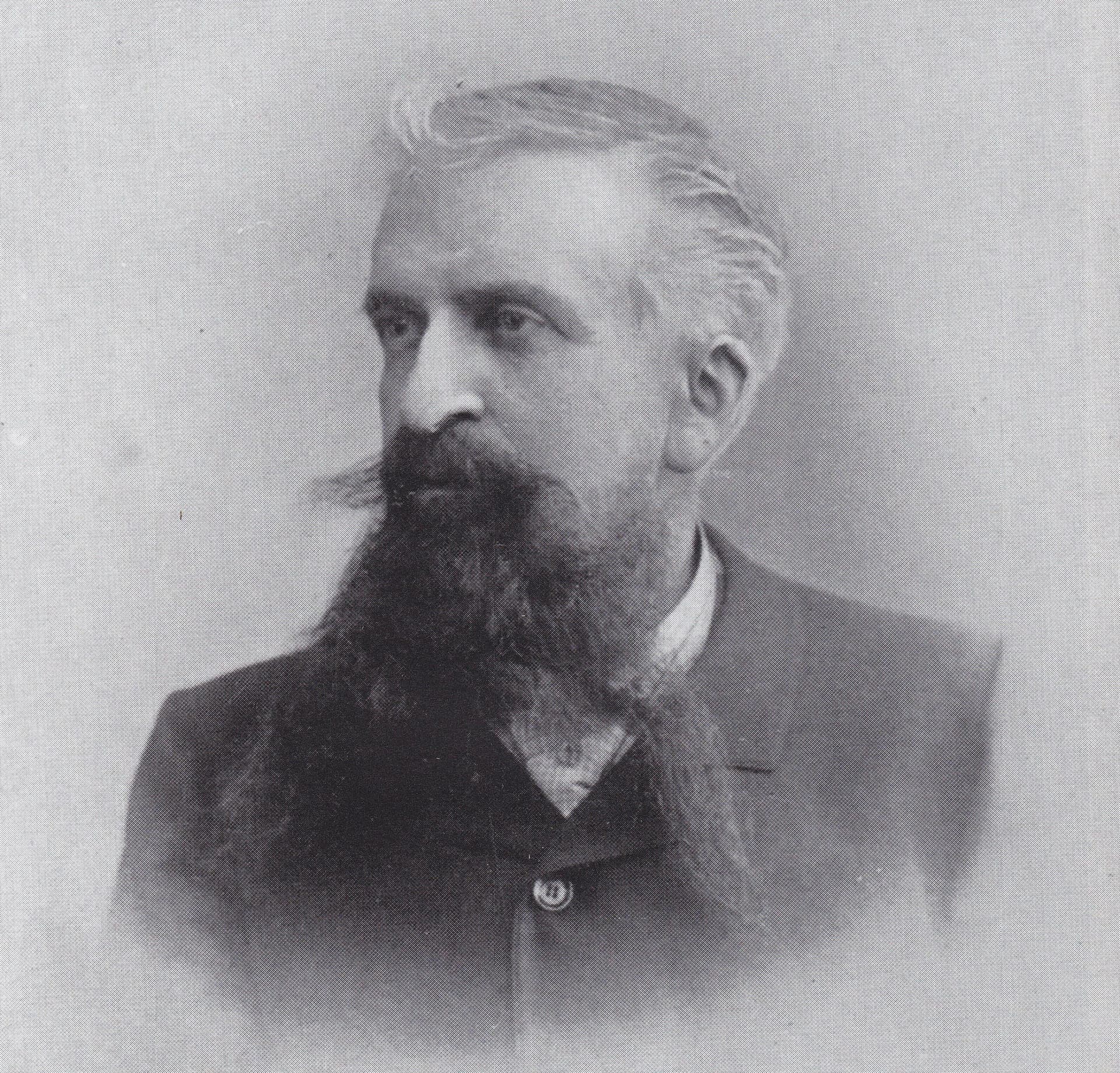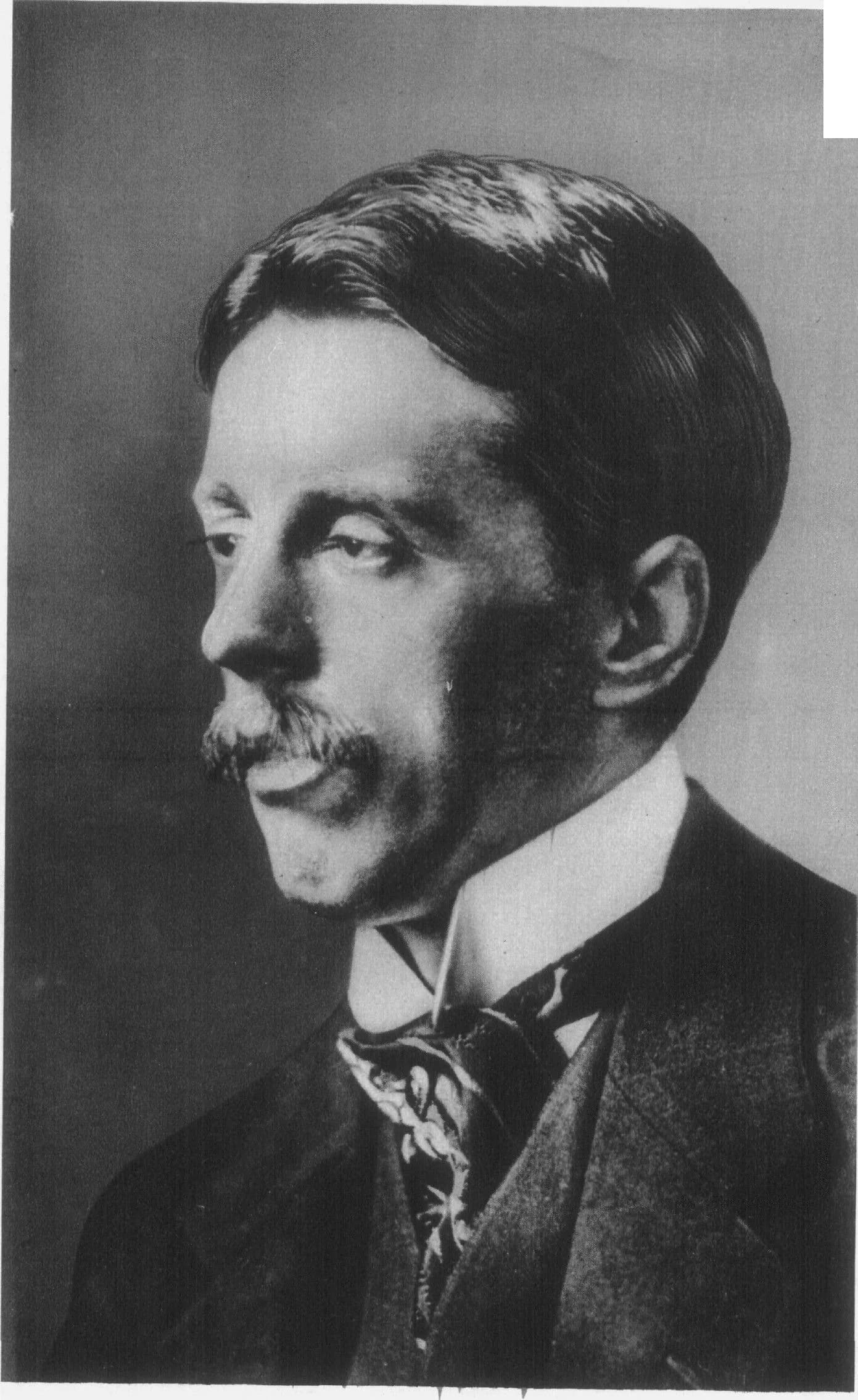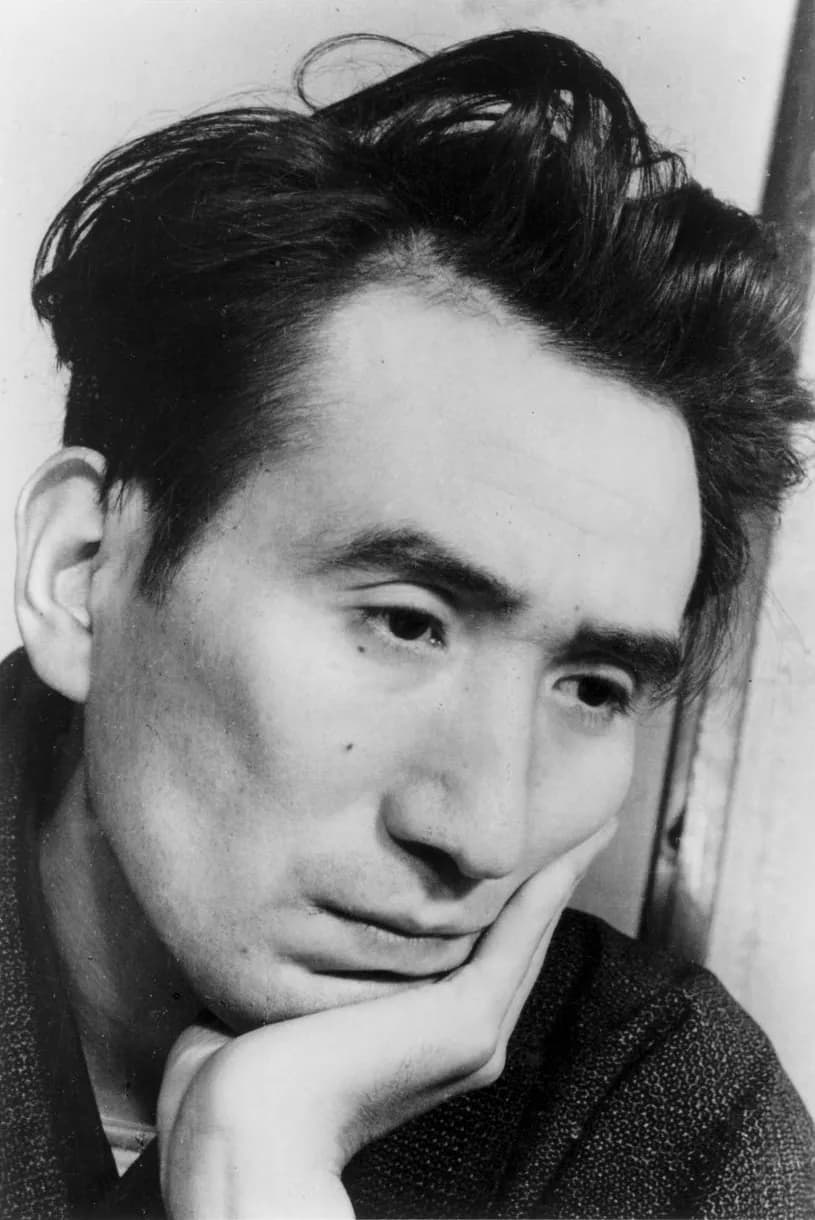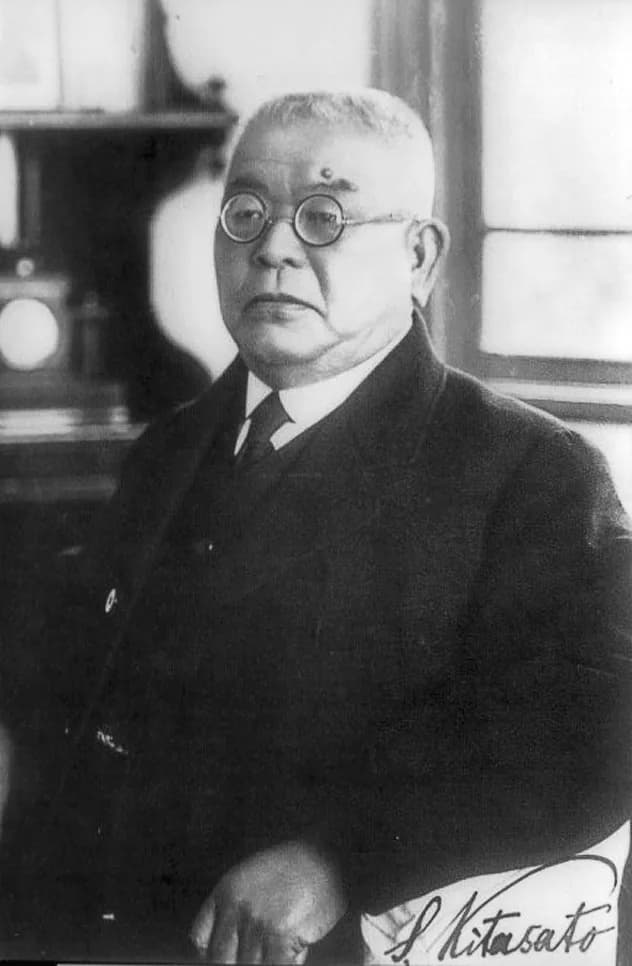
Dzimis
January 29, 1853
Oguni, Japan
Miris
June 13, 1931
Tokyo, Japan
Pazīstams ar
Japanese bacteriologist, immunologist
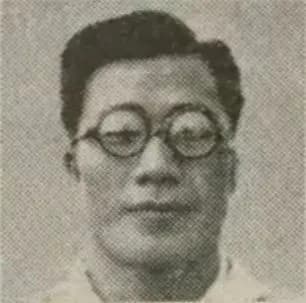
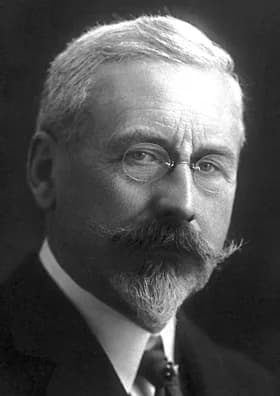
Kitasato Shibasaburō (1853–1931) was Japan best known for Japanese bacteriologist, immunologist.
Kitasato Shibasaburō (January 29, 1853 – June 13, 1931) was a Japanese bacteriologist and immunologist. He co-discovered the infectious agent of bubonic plague in Hong Kong during an outbreak in 1894. His scientific contributions were vital in advancing the understanding and control of infectious diseases.
Dzīve mirkļos
Mirkļi, kas veidoja dzīvi
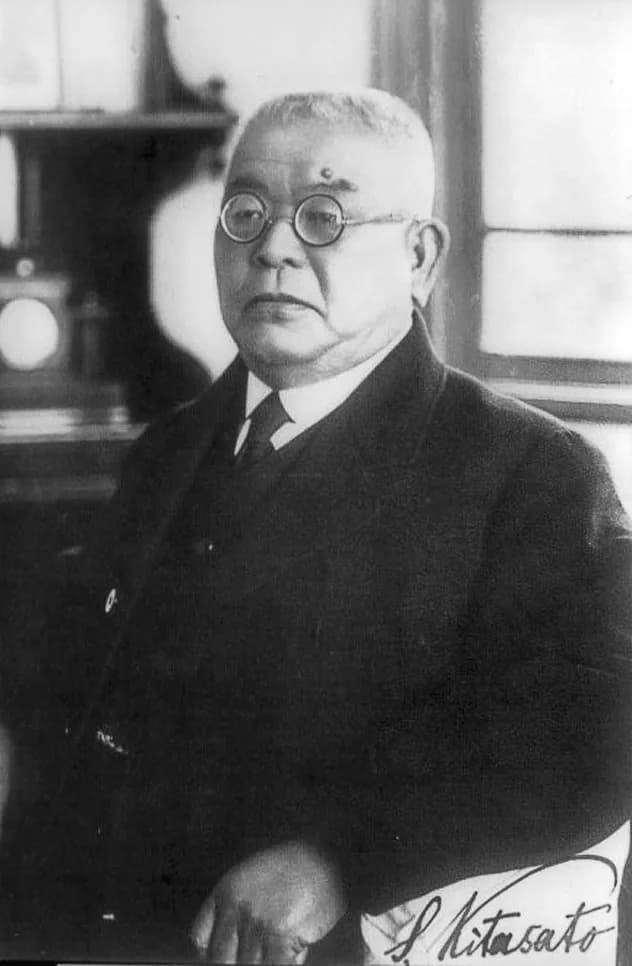
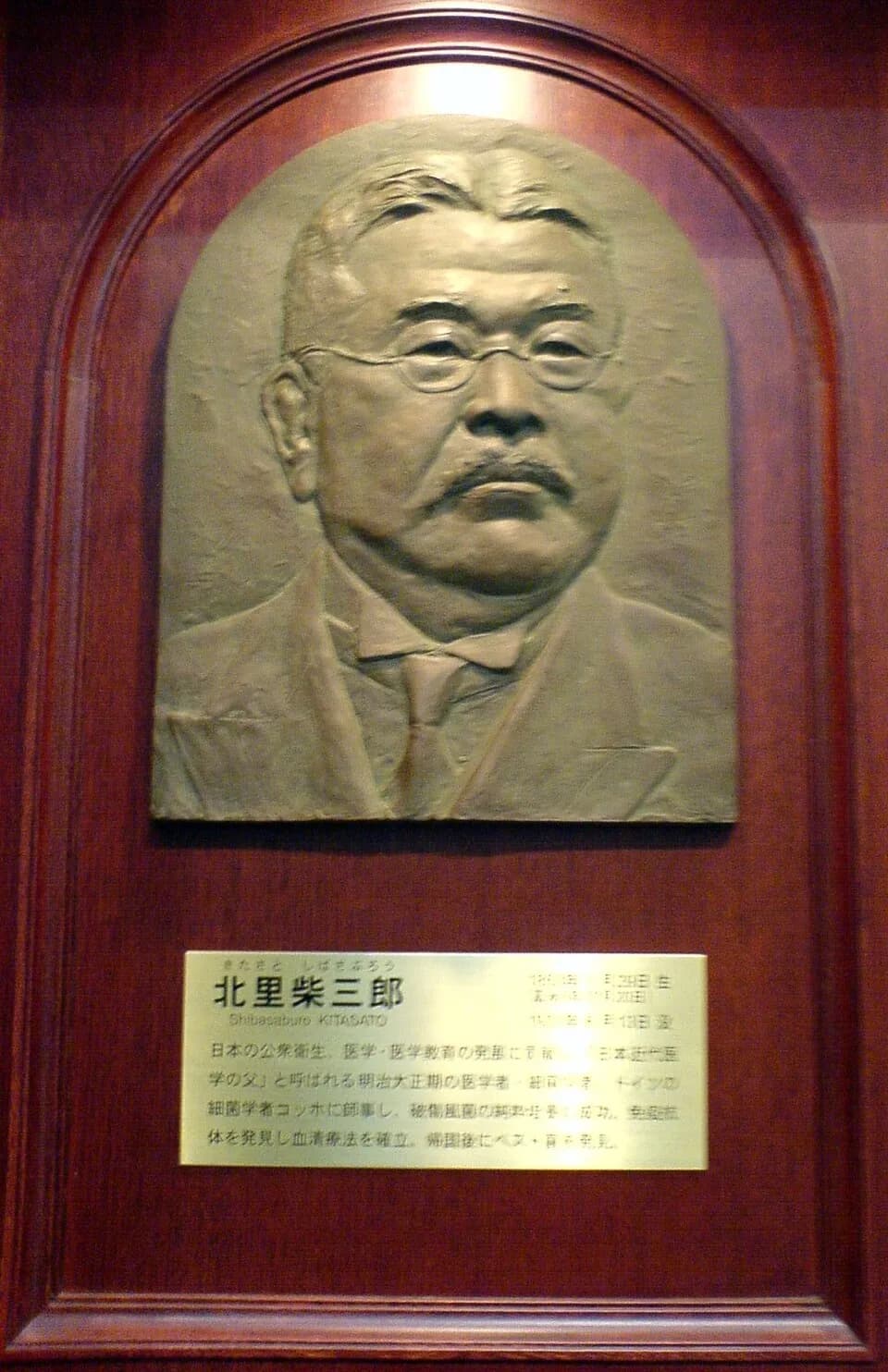
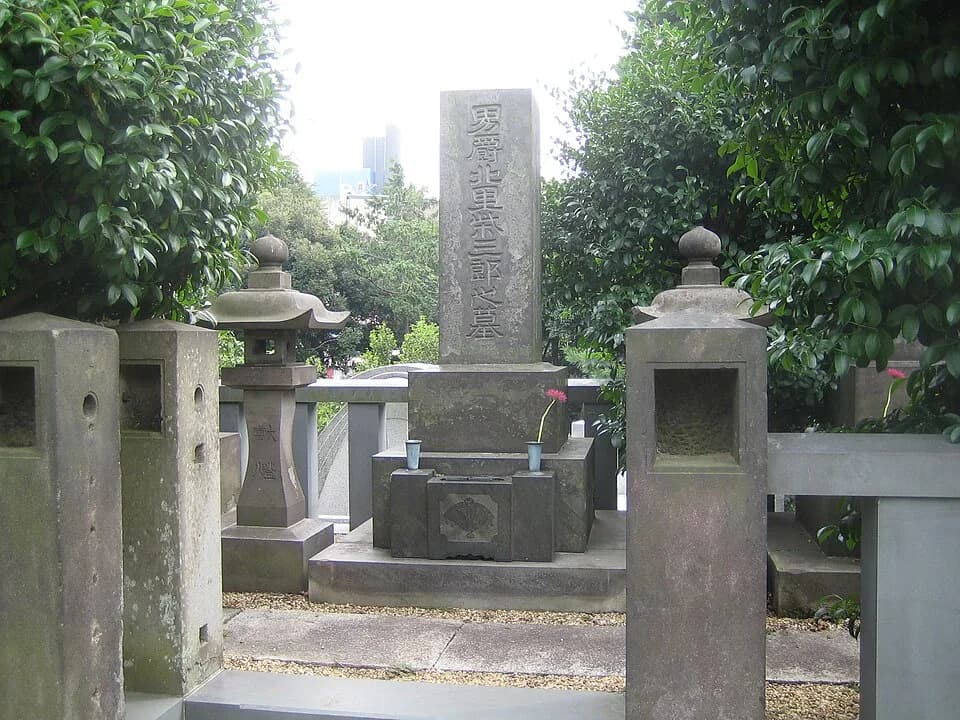
Nodaļa
Dzīves nodaļas
Nodaļa 1 · 1853· Nodaļa 1 no 7
Early Life and Origins
Born on January 29, 1853, Kitasato Shibasaburō's early life began in Oguni, Japan. Growing up in Japan during a period of rapid modernization and scientific advancement, he was destined for a path of significant contribution. His foundational years set the stage for a career dedicated to medical research and public health.
Nodaļa 2· Nodaļa 2 no 7
Career Beginnings
Kitasato Shibasaburō pursued a career in medicine, becoming a physician and later expanding his expertise into the nascent fields of bacteriology and immunology. His dedication to understanding the microscopic world of disease laid the groundwork for his future groundbreaking discoveries. This commitment to scientific inquiry drove his professional development and research endeavors.
Nodaļa 3 · 1894· Nodaļa 3 no 7
Major Achievements and Career Highlights
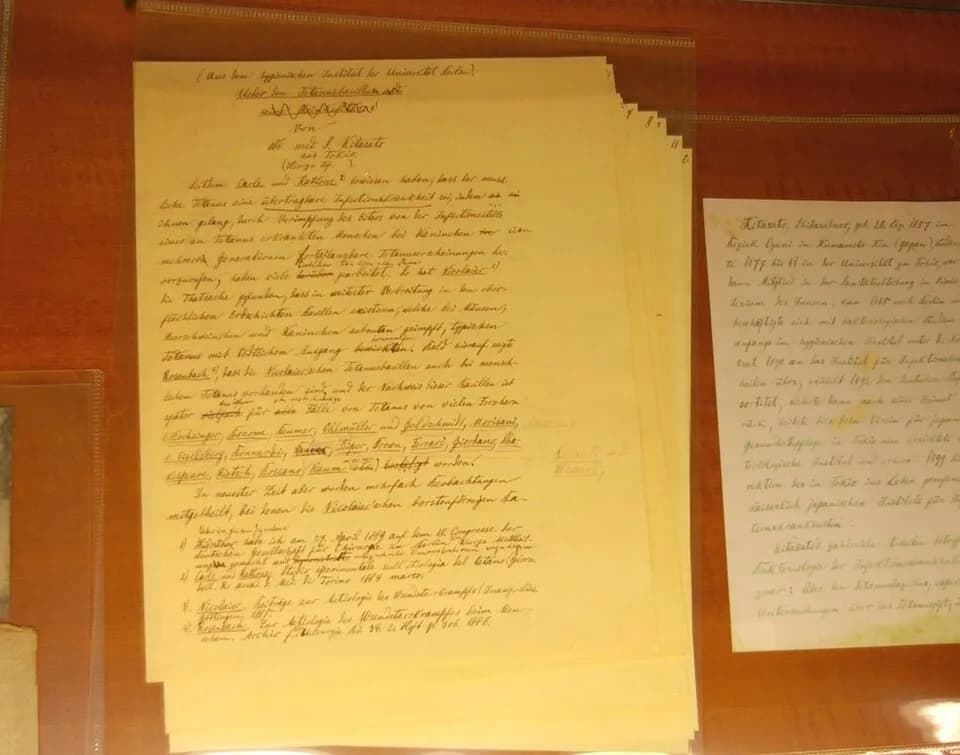
A central achievement in Kitasato Shibasaburō's career was his co-discovery of the infectious agent of bubonic plague. This vital scientific breakthrough occurred in Hong Kong during an outbreak in 1894. He worked diligently to identify the causative microorganism, almost simultaneously with Alexandre Yersin, a testament to his rigorous scientific methods.
His work in identifying the plague bacillus was a critical step in combating one of humanity's most feared diseases. This discovery enabled the development of diagnostic tools and eventually treatments, thereby saving countless lives. Kitasato Shibasaburō's role in this global health crisis cemented his place in medical history.
Nodaļa 4· Nodaļa 4 no 7
Personal Life
Details regarding Kitasato Shibasaburō's personal life beyond his professional achievements are not extensively documented in the available information. His dedication to science and public service consumed much of his time and focus. While his professional biography is well-recorded, aspects of his private life remain less publicly known.
Nodaļa 5· Nodaļa 5 no 7
Notable Works or Contributions
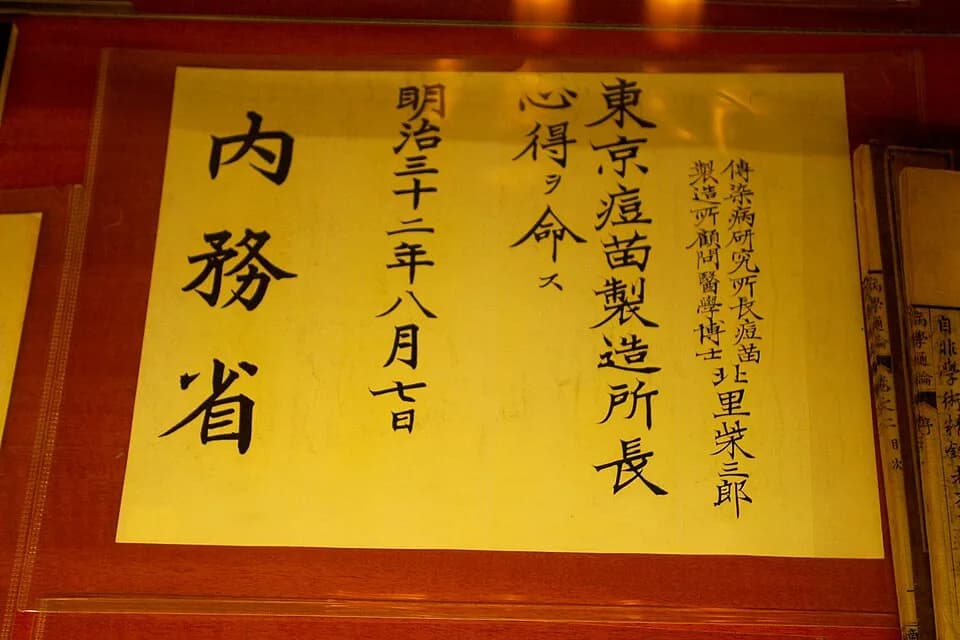
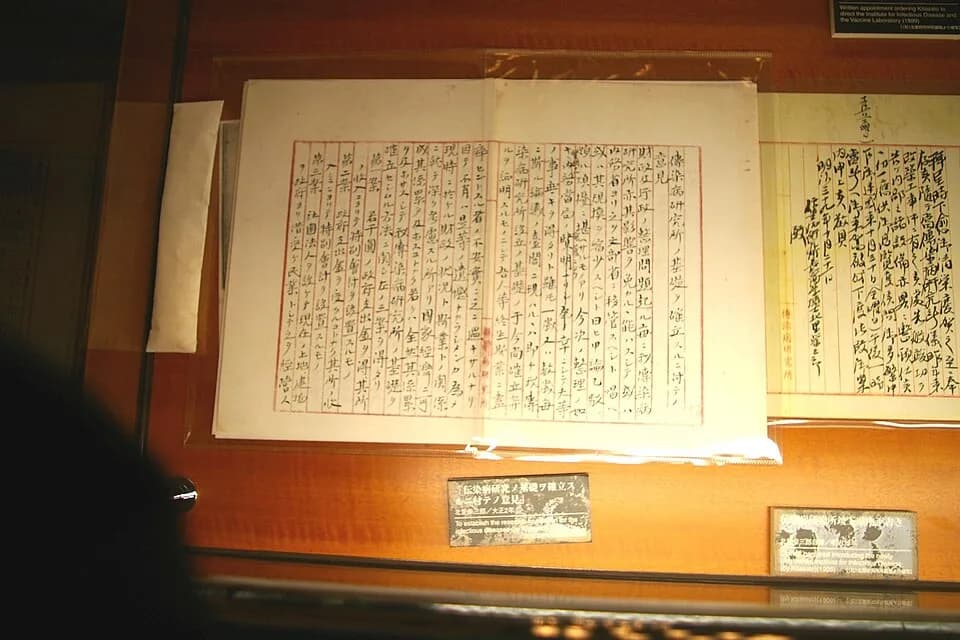
Beyond the plague discovery, Kitasato Shibasaburō's broader contributions as a bacteriologist and immunologist shaped the direction of these disciplines. He was instrumental in establishing modern medical research institutions in Japan. His efforts fostered a new generation of scientists and physicians in his home country, building a lasting scientific infrastructure.
His status as a baron, professor, and politician further illustrates the breadth of his influence. He used these platforms to advocate for public health and scientific education. Kitasato Shibasaburō's commitment extended beyond the laboratory, impacting policy and societal well-being.
Nodaļa 6 · 1931· Nodaļa 6 no 7
Later Years
Kitasato Shibasaburō continued his influential career through his later years, maintaining his roles as a professor and a figure in Japanese politics. He remained active in the scientific community, guiding research and promoting public health initiatives. He passed away on June 13, 1931, in Tokyo, Japan, leaving behind a legacy of scientific excellence.
Nodaļa 7· Nodaļa 7 no 7
Legacy and Impact
The legacy of Kitasato Shibasaburō endures through his fundamental contributions to bacteriology and immunology. His co-discovery of the bubonic plague agent remains a cornerstone of infectious disease research and control. His systematic approach to identifying pathogens helped lay the groundwork for understanding and combating many other diseases.
Kitasato Shibasaburō's work not only advanced global medical science but also solidified Japan's position as a significant contributor to international scientific research. His pioneering spirit continues to inspire scientists worldwide. He truly changed the world through his relentless pursuit of knowledge in the fight against disease.
BUJ
Biežāk uzdotie
Kad nomira Kitasato Shibasaburō?
Kitasato Shibasaburō nomira 1931. gada 13. jūnijs Tokyo, Japan 78 gadu vecumā.
Kur dzima Kitasato Shibasaburō?
Kitasato Shibasaburō dzima Oguni, Japan 1853. gada 29. janvāris.
Ar ko Kitasato Shibasaburō ir vislabāk pazīstams(a)?
Kitasato Shibasaburō ir vislabāk pazīstams(a) ar Japanese bacteriologist, immunologist.
Cik gadu bija Kitasato Shibasaburō nāves brīdī?
Kitasato Shibasaburō nāves brīdī bija 78 gadus vecs(a).
Kādas tautības bija Kitasato Shibasaburō?
Kitasato Shibasaburō bija no Japan.
Laika līnija
Dzīve īsumā
Fotogalerija
Dzīve attēlos
Noklikšķiniet uz jebkura polaroīda, lai izvērstu · 22 fotoattēli
QR kods
Dalīties ar šo biogrāfiju
Drukāt un dalīties
Skenējiet, lai apmeklētu šo biogrāfijas lapu. Drukājiet pasākumiem, izstādēm vai izglītības materiāliem.