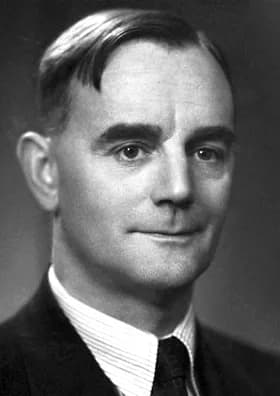
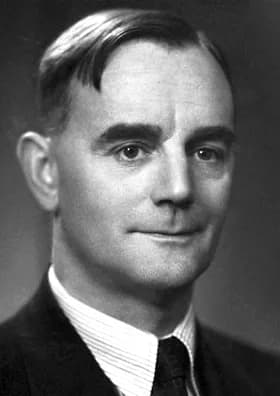
Dzimis
December 5, 1903
Tonbridge, United Kingdom
Miris
August 9, 1969
Lake Como, Italy
Pazīstams ar
British physicist
C. F. Powell (1903–1969) was United Kingdom best known for British physicist.
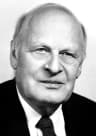
C. F. Powell (December 5, 1903 – August 9, 1969) was a British physicist. He received the Nobel Prize in Physics in 1950 for developing the photographic method to study nuclear processes and discovering the pion. His work significantly advanced understanding of subatomic particles.
Nodaļa
Dzīves nodaļas
Nodaļa 1 · 1903· Nodaļa 1 no 6
Early Life and Origins
Cecil Frank Powell began his journey on December 5, 1903, in Tonbridge, United Kingdom. This British town served as the backdrop for his formative years, where his early education likely fostered a deep curiosity about the natural world. Though specific details about his family background are not provided, his path ultimately led him to a distinguished career in physics.
Nodaļa 2· Nodaļa 2 no 6
Career Beginnings and Experimental Focus
Powell embarked on his career as a physicist, distinguishing himself early on through a keen interest in experimental techniques. He devoted himself to the challenging realm of nuclear physics, a field ripe with discovery during the mid-20th century. His initial efforts laid the groundwork for the innovative methods he would later develop, setting him apart as a leader in scientific experimentation.
A central achievement in Powell's career was his leadership in developing the photographic method for studying nuclear processes. This technique revolutionized how scientists observed the fleeting interactions of subatomic particles. By analyzing tracks left on specialized photographic emulsions, researchers could precisely visualize and interpret complex nuclear events. This method became an indispensable tool for particle physics laboratories worldwide.
Nodaļa 3· Nodaļa 3 no 6
Major Achievements: The Pion Discovery
The application of Powell's photographic method led directly to the pivotal discovery of the pion, also known as the pi-meson. This particle was a crucial piece in the puzzle of subatomic forces. Its existence confirmed theoretical predictions about the mediators of the strong nuclear force, which binds atomic nuclei together. The discovery, facilitated by the novel experimental approach, marked a profound moment in the history of physics.
Nodaļa 4 · 1950· Nodaļa 4 no 6
Nobel Recognition
In recognition of these extraordinary contributions, C. F. Powell was awarded the Nobel Prize in Physics in 1950. The Nobel Committee specifically cited his pioneering work in developing the photographic method and the subsequent discovery of the pion. This prestigious award underscored the global significance of his experimental physics research, cementing his status as one of the leading scientific minds of his era.
Nodaļa 5 · 1953· Nodaļa 5 no 6
Academic Publications and Teaching
Beyond his Nobel-winning work, Powell was also a contributor to academic literature, sharing his insights and findings with the scientific community. His publication "Plaques Photographiques: Récapitulation Et Discussion" in 1953 directly addressed the method he championed, offering further analysis and discussion. Another important work, "Développements récents de nos connaissances sur les mésons," from 1948, illustrates his ongoing research into mesons before the official Nobel recognition. These publications reflect his commitment to both experimental practice and theoretical understanding.
As a university teacher, C. F. Powell played a crucial role in educating and mentoring future generations of physicists. He shared his expertise in nuclear physics, guiding students through the complexities of experimental design and particle interactions. His role extended beyond research, encompassing the vital work of academic instruction.
Nodaļa 6 · 1969· Nodaļa 6 no 6
Later Years and Enduring Influence
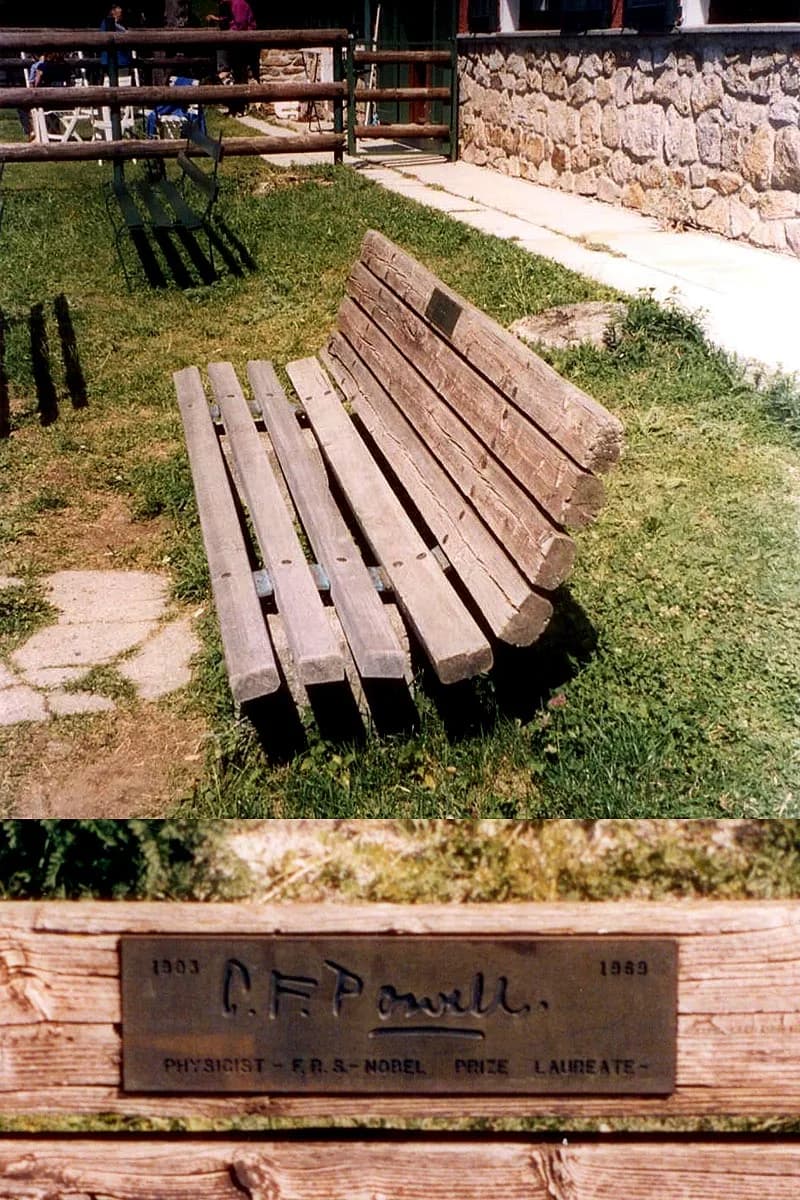
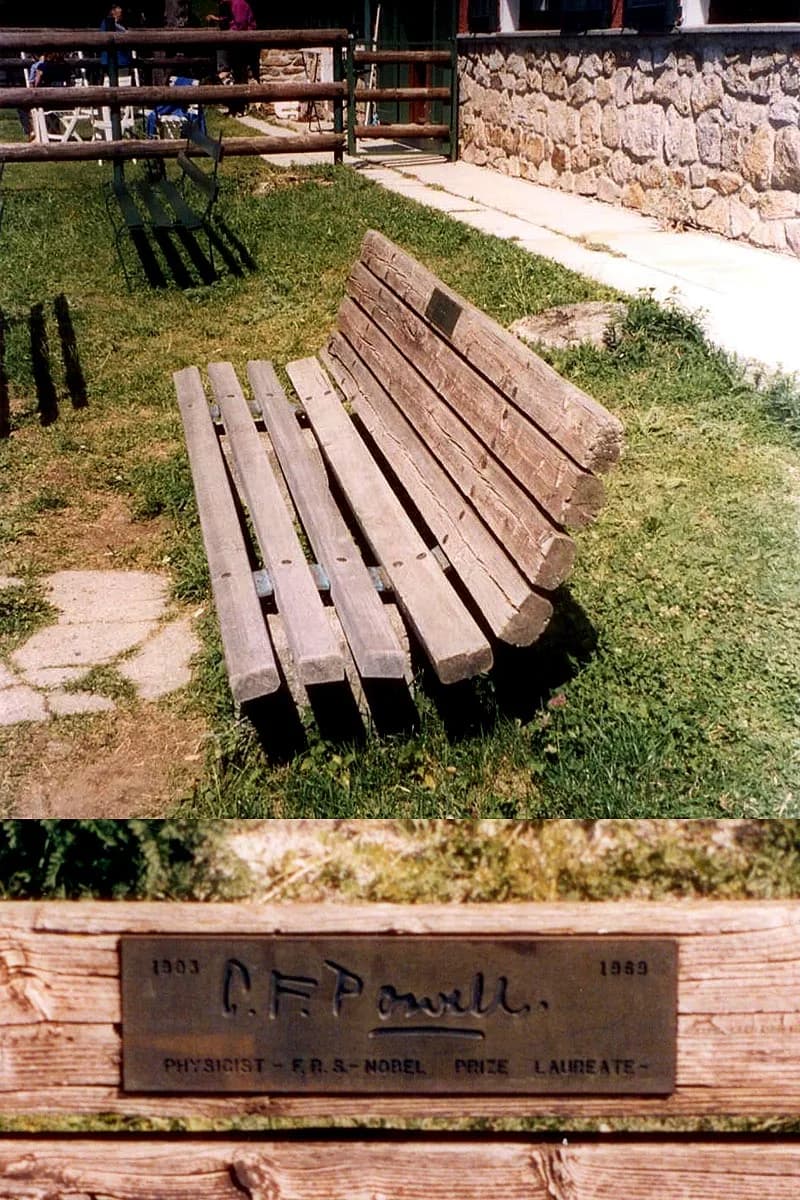
C. F. Powell's long and impactful life concluded on August 9, 1969, at the age of 65. He passed away in Lake Como, Italy, a picturesque location that became his final setting. His death marked the end of a remarkable career dedicated to unraveling the fundamental mysteries of the universe.
The legacy of C. F. Powell continues to influence physics today. His photographic method provided a foundation for particle detection techniques, even as newer technologies emerged. The pion remains a cornerstone of the Standard Model of particle physics, fundamental to our understanding of matter. Powell's relentless pursuit of experimental excellence and his significant discoveries inspire scientists across the globe.
Dzīve mirkļos
Mirkļi, kas veidoja dzīvi

BUJ
Biežāk uzdotie
Kad nomira C. F. Powell?
C. F. Powell nomira 1969. gada 9. augusts Lake Como, Italy 65 gadu vecumā.
Kur dzima C. F. Powell?
C. F. Powell dzima Tonbridge, United Kingdom 1903. gada 5. decembris.
Ar ko C. F. Powell ir vislabāk pazīstams(a)?
C. F. Powell ir vislabāk pazīstams(a) ar British physicist.
Cik gadu bija C. F. Powell nāves brīdī?
C. F. Powell nāves brīdī bija 65 gadus vecs(a).
Kādas tautības bija C. F. Powell?
C. F. Powell bija no United Kingdom.
Laika līnija
Dzīve īsumā
Fotogalerija
Dzīve attēlos
Noklikšķiniet uz jebkura polaroīda, lai izvērstu · 42 fotoattēli
QR kods
Dalīties ar šo biogrāfiju
Drukāt un dalīties
Skenējiet, lai apmeklētu šo biogrāfijas lapu. Drukājiet pasākumiem, izstādēm vai izglītības materiāliem.