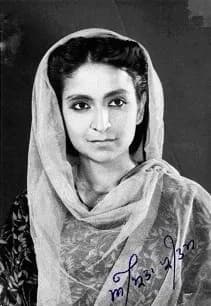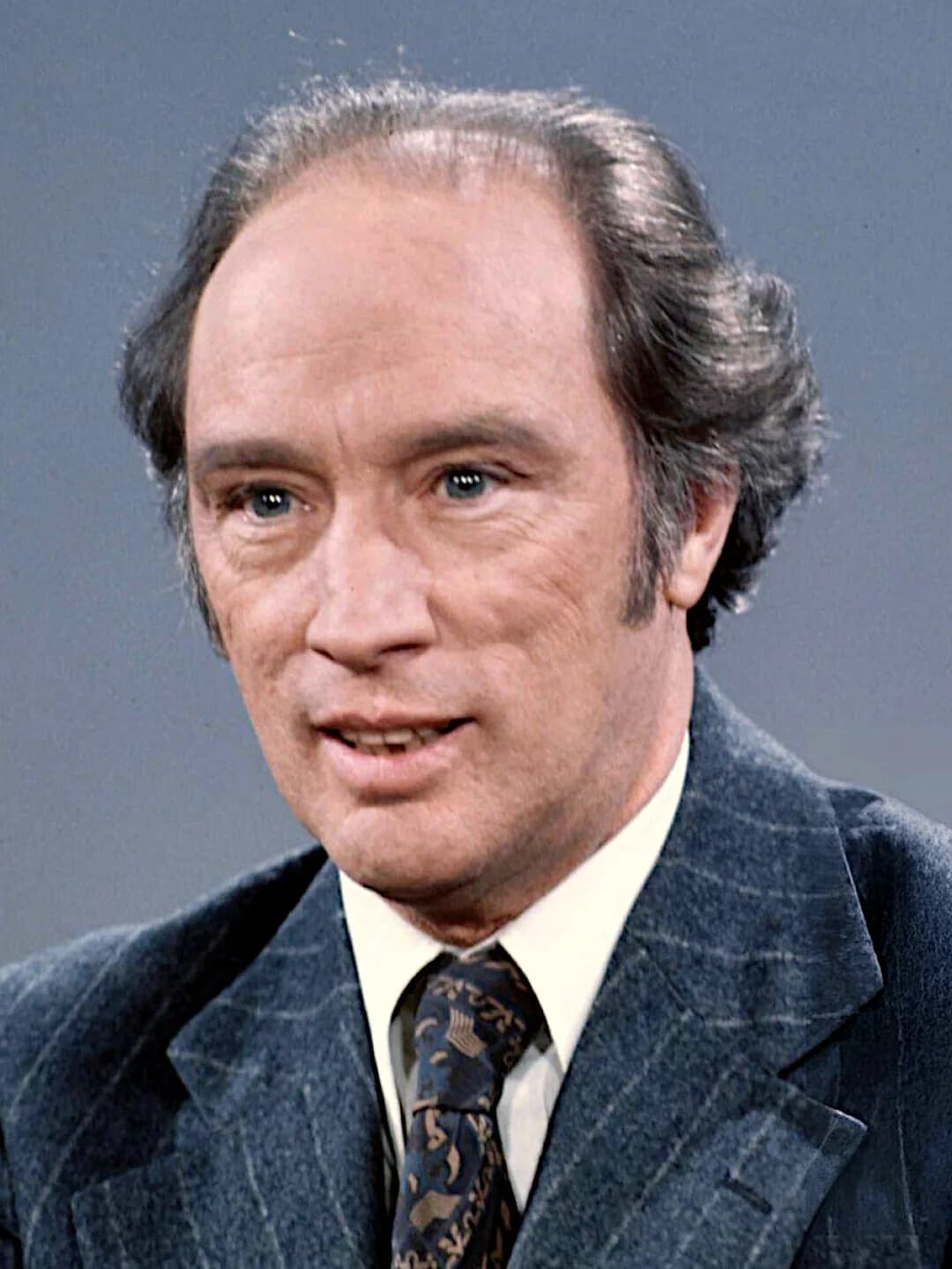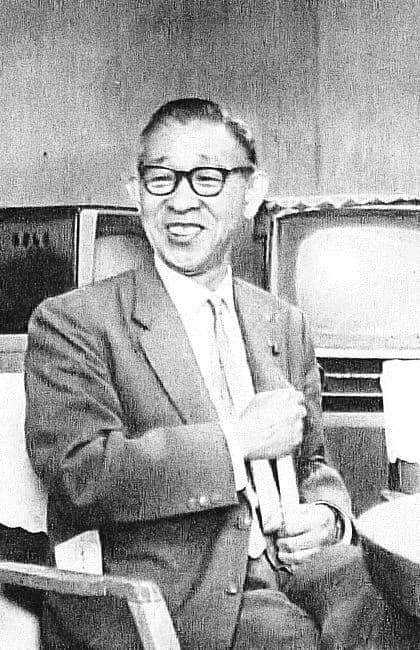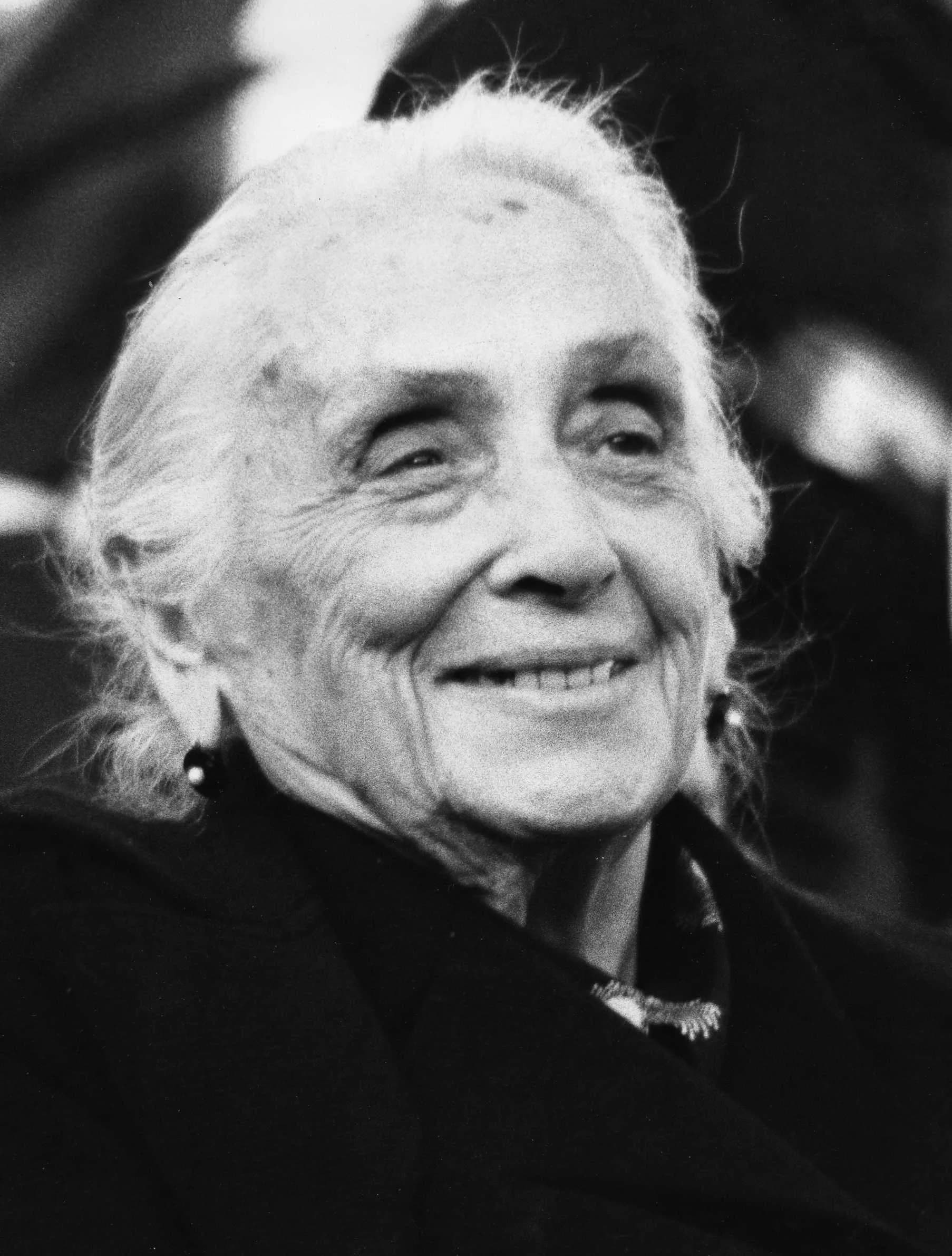
Gimęs
January 20, 1919
Petrești, Romania
Miręs
December 25, 1989
Târgoviște, Romania
Žinomas dėl
Romanian politician
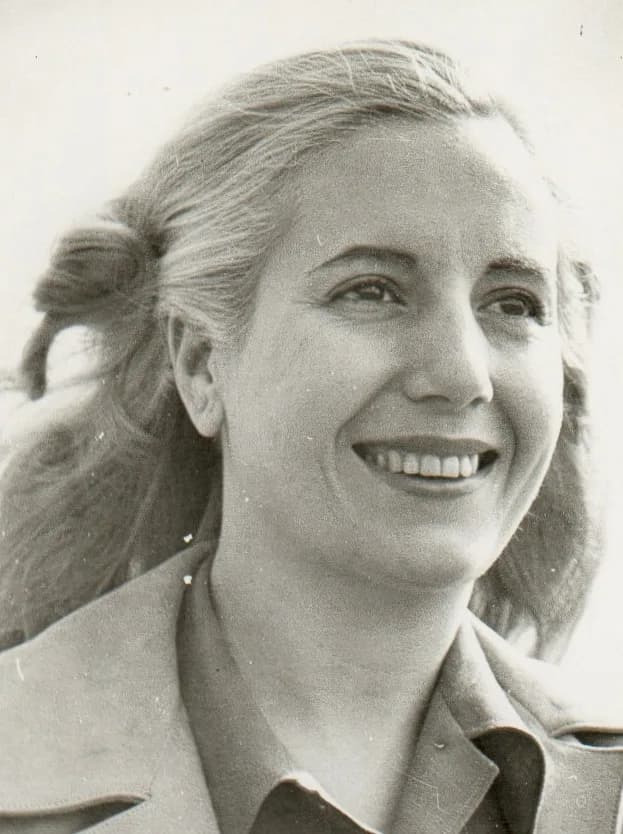
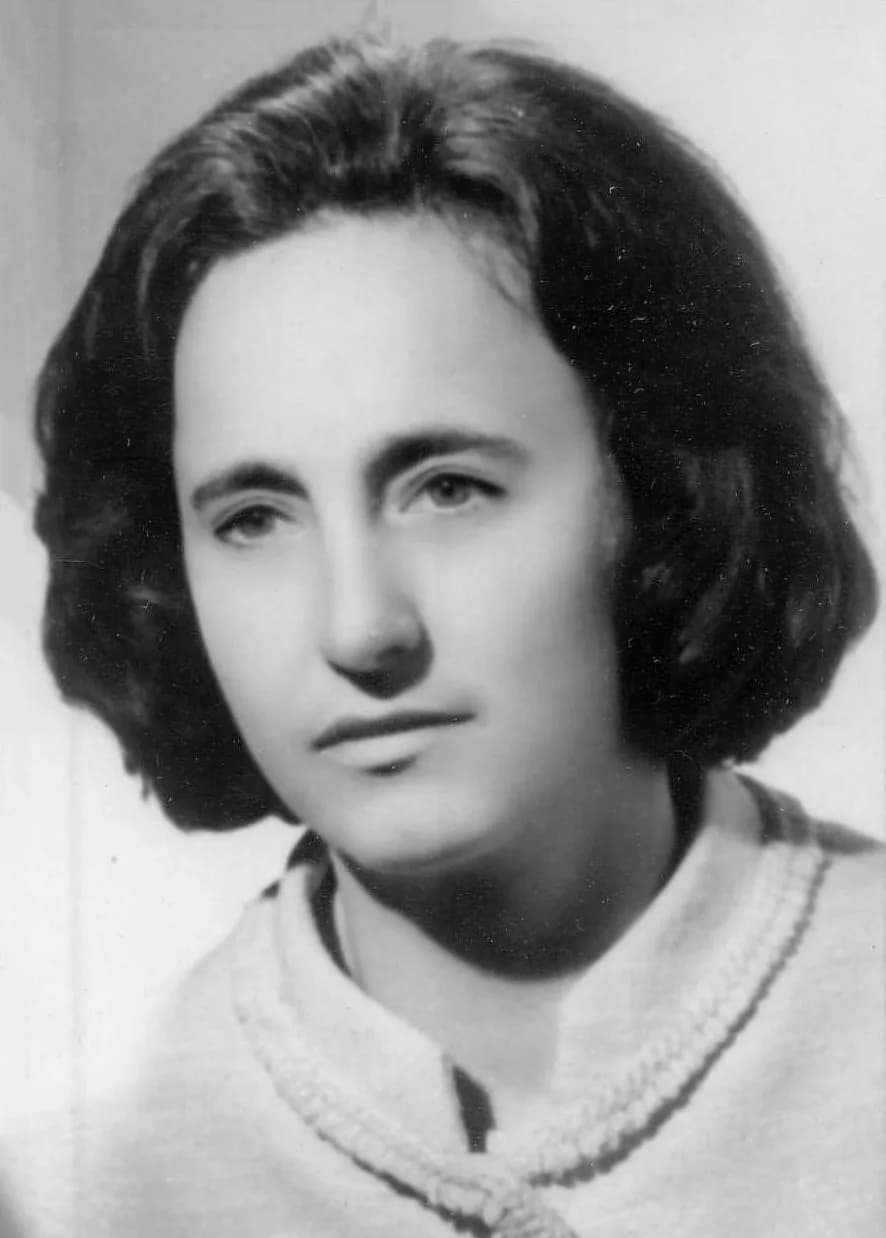
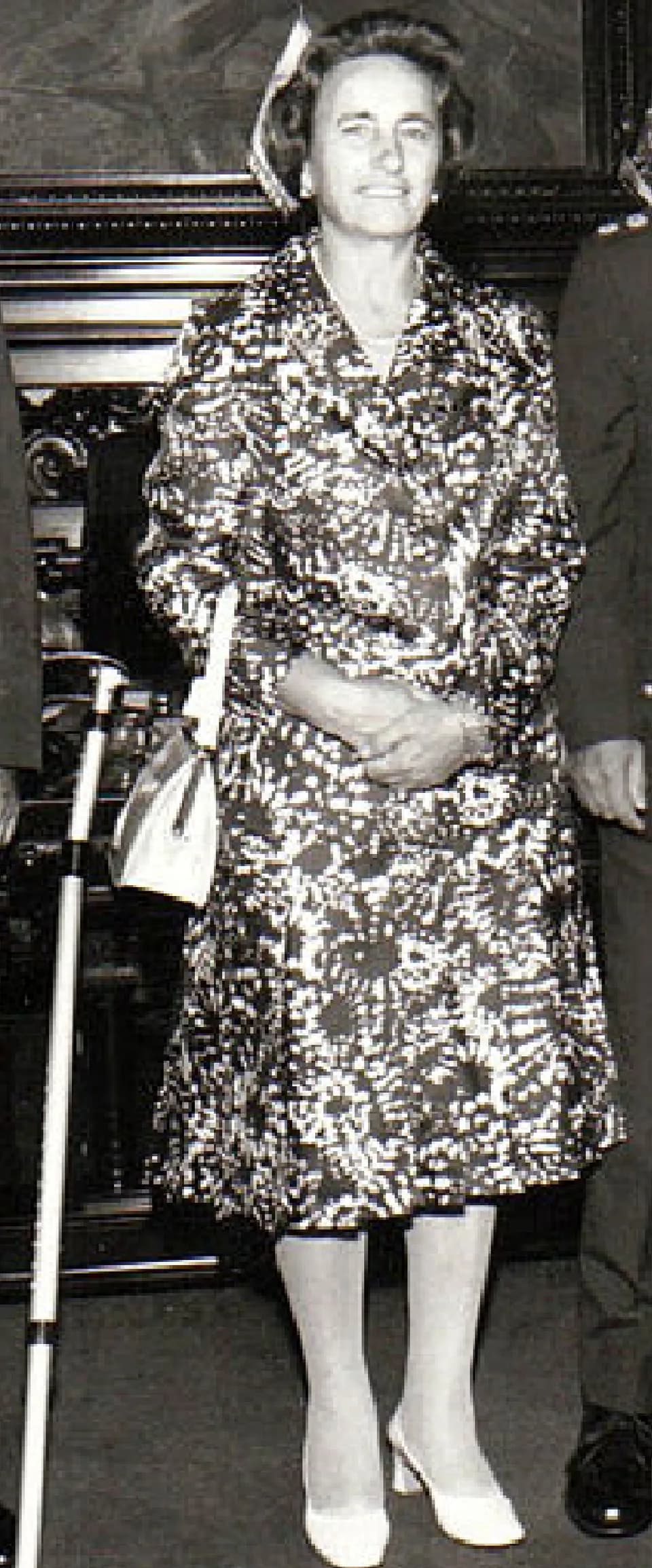
Elena Ceaușescu (1919–1989) was Romania best known for Romanian politician.
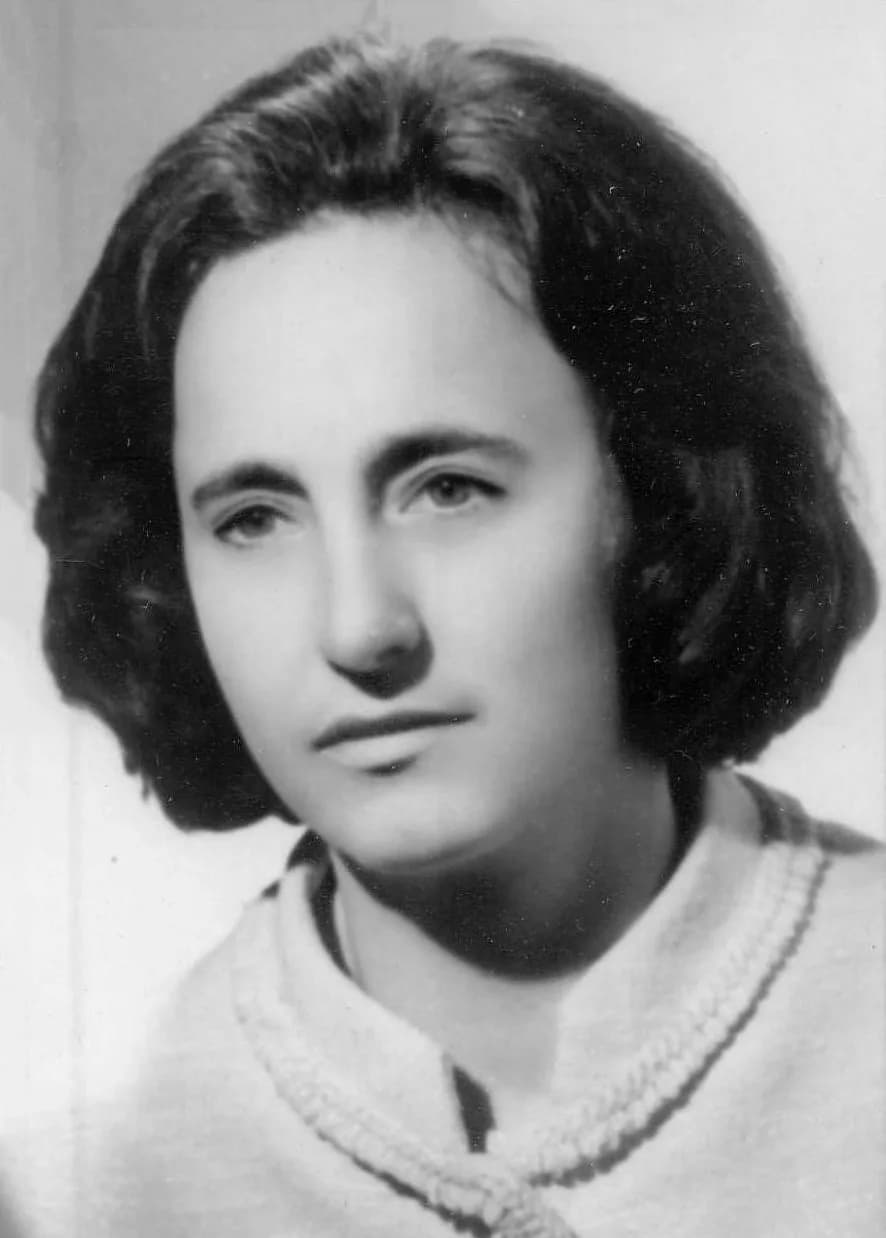
Elena Ceaușescu (January 20, 1919 – December 25, 1989) was a Romanian politician from Petrești, Romania. She served as Deputy Prime Minister and was the wife of Nicolae Ceaușescu, playing a significant role in Romania's communist era. Her life concluded tragically with her execution during the Romanian Revolution.
Gyvenimas akimirkomis
Akimirkos, formavusios gyvenimą
Skyrius
Gyvenimo skyriai
Skyrius 1 · 1919· Skyrius 1 iš 7
Early Life and Origins
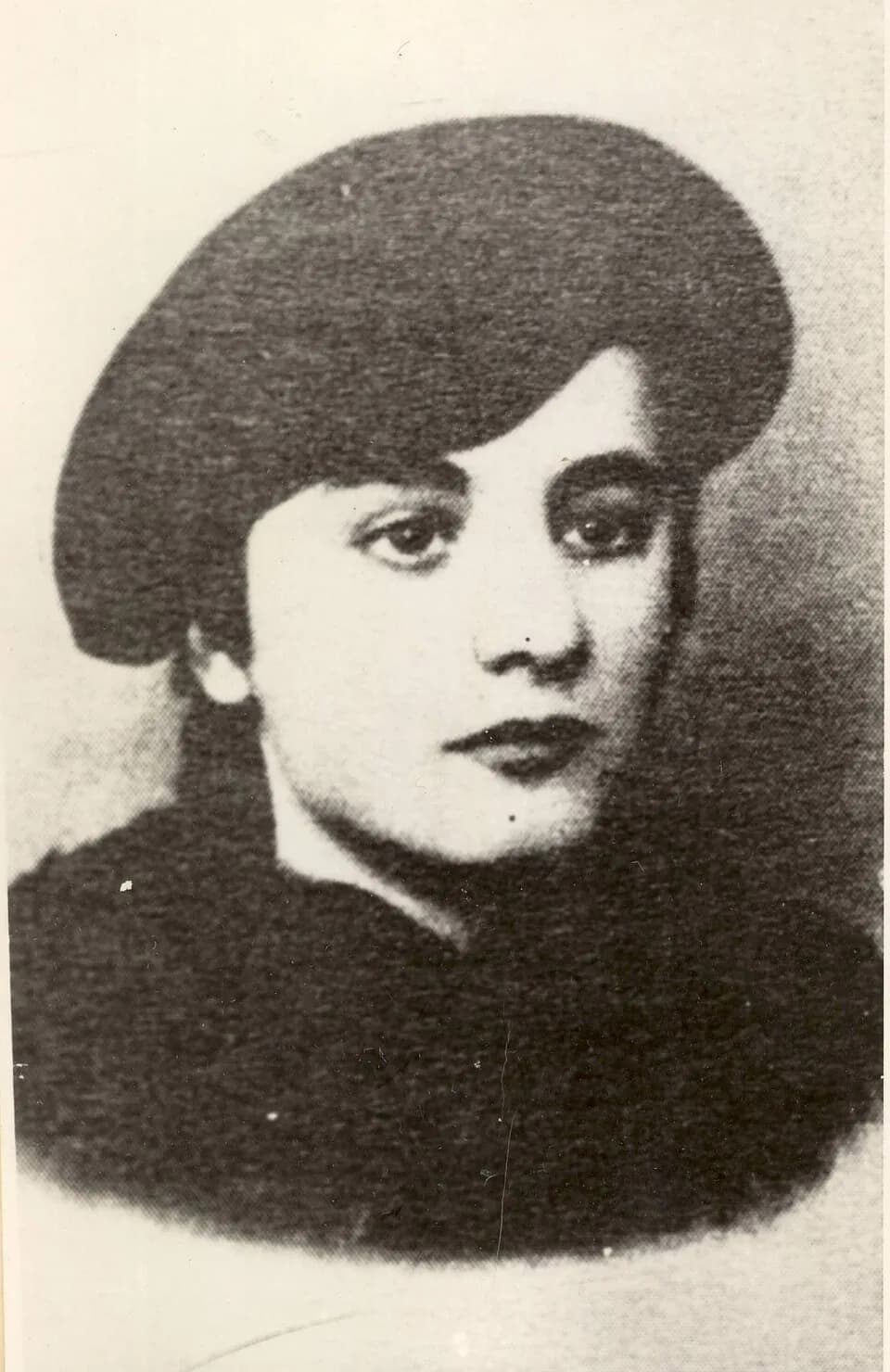
Elena Ceaușescu was born on January 20, 1919, in the village of Petrești, Romania. Her early life unfolded in a period of significant social and political change in Eastern Europe. Details of her upbringing and early education are not extensively provided, but she would later achieve academic recognition.
While specific biographical details from her youth remain limited in public record, her origins in rural Romania provided a backdrop to her later involvement in the communist movement. Her journey from Petrești to the pinnacle of political power was a defining aspect of her life's narrative.
Skyrius 2· Skyrius 2 iš 7
Career Beginnings
Elena Ceaușescu began her involvement with the Romanian Communist Party during its clandestine years. Her association with Nicolae Ceaușescu, whom she married, played a crucial role in her entry into public life. She quickly established herself as a committed figure within the party's ranks.
Her early political activities and dedication to communist ideals laid the groundwork for her ascent. As her husband's influence grew, so did her own, marking the start of a prominent political career within the burgeoning socialist state. She became an increasingly visible figure alongside her husband.
Skyrius 3· Skyrius 3 iš 7
Major Achievements and Career Highlights
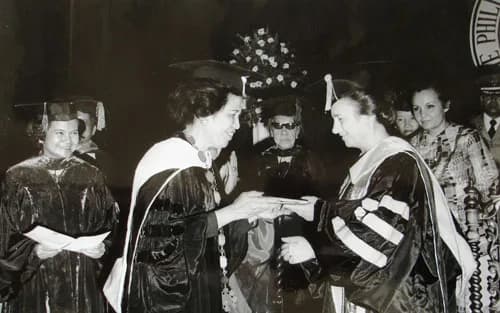
Throughout her career, Elena Ceaușescu held several high-ranking political positions. She was recognized as a Romanian communist politician and also held the title of doctor of chemistry, indicating a dual focus in her public persona. Her political influence was undeniably vast.
One of her most significant roles was serving as the Deputy Prime Minister of Romania. This position solidified her status as a key decision-maker within the government structure. As the wife of Nicolae Ceaușescu, she exerted considerable authority over many aspects of Romanian public life, from culture to education and science.
Skyrius 4· Skyrius 4 iš 7
Personal Life
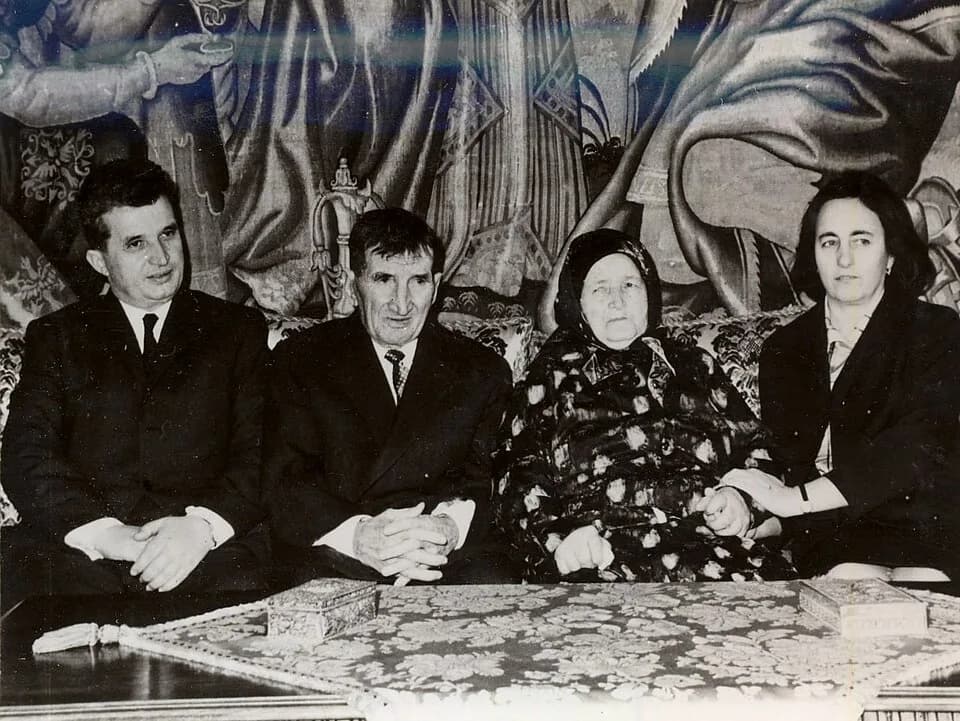
Elena Ceaușescu's personal life was intrinsically linked to her marriage to Nicolae Ceaușescu. As the wife of the General Secretary of the Romanian Communist Party, she shared a unique position at the core of the nation's leadership. Their partnership was central to the exercise of power in Romania for decades.
Skyrius 5· Skyrius 5 iš 7
Notable Works or Contributions
Beyond her political roles, Elena Ceaușescu was known as a doctor of chemistry. Her academic contributions are listed with an h-index of 1, encompassing five published papers. These works highlight her engagement with scientific discourse during her lifetime.
Among the top works attributed to her academic career are "Digital Transformation of Management Processes: A Comprehensive Review of Key Factors" (2024, 5 citations), and "EVALUATING PUBLIC-PRIVATE PARTNERSHIPS IN ENERGY EFFICIENCY: FINANCING AND RISK ALLOCATION STRATEGIES" (2026, 0 citations). Other listed papers include "MANAGERIAL VIEWS REGARDING THE PROCESS OF LESSONS LEARNED IN THE SYSTEM OF ORDER AND PUBLIC SAFETY" (2026, 0 citations), "The Role of Financial Institutions in Promoting Energy Efficiency Projects" (2024, 0 citations), and "(R)evolution of performance in the public order and safety system" (2024, 0 citations).
Skyrius 6 · 1989· Skyrius 6 iš 7
Later Years
The final chapter of Elena Ceaușescu's life was marked by the dramatic events of the Romanian Revolution in December 1989. This period saw widespread public unrest against the communist regime, leading to its rapid downfall. She remained with her husband during these tumultuous days.
On December 25, 1989, Elena Ceaușescu was executed alongside her husband, Nicolae Ceaușescu, in Târgoviște, Romania. This event brought a definitive end to their decades-long leadership and marked a turning point in Romanian history. Her death concluded a life that spanned significant political and social transformation.
Skyrius 7· Skyrius 7 iš 7
Legacy and Impact
Elena Ceaușescu's legacy is deeply intertwined with the history of communist Romania and the Ceaușescu regime. Her role as Deputy Prime Minister and as the influential wife of the party leader cemented her place in the nation's political narrative. She represented a powerful female figure in a traditionally male-dominated political arena.
Her impact on Romania extended across various sectors, influencing national policy and public life through her powerful positions. The conclusion of her life in 1989 symbolized the end of an era for Romania, prompting a reevaluation of the nation's past and its path forward. She remains a significant historical figure in discussions of 20th-century Romanian politics.
DUK
Dažnai užduodami
Kada mirė Elena Ceaușescu?
Elena Ceaușescu mirė 1989 m. gruodžio 25 d. Târgoviște, Romania sulaukęs 70 metų.
Kur gimė Elena Ceaușescu?
Elena Ceaușescu gimė Petrești, Romania 1919 m. sausio 20 d..
Kuo labiausiai žinomas(a) Elena Ceaușescu?
Elena Ceaușescu labiausiai žinomas(a) dėl Romanian politician.
Kiek metų buvo Elena Ceaușescu mirties metu?
Elena Ceaușescu mirties metu buvo 70 metų.
Kokios tautybės buvo Elena Ceaușescu?
Elena Ceaușescu buvo kilęs iš Romania.
Laiko juosta
Gyvenimas iš pirmo žvilgsnio
Nuotraukų galerija
Gyvenimas paveiksluose
Spustelėkite bet kurią poliaroidą, kad išplėstumėte · 24 nuotraukų
QR kodas
Dalintis šia biografija
Spausdinti ir dalintis
Nuskaitykite, kad apsilankytumėte šiame biografijos puslapyje. Spausdinkite renginiams, parodoms ar mokomajai medžiagai.