ເກີດ
February 10, 1543
Okazaki Castle, Japan
ຈາກໄປ
June 1, 1616
Sunpu Castle, Japan
ເປັນທີ່ຮູ້ຈັກ
founder and first shogun of the Tokugawa shogunate of Japan
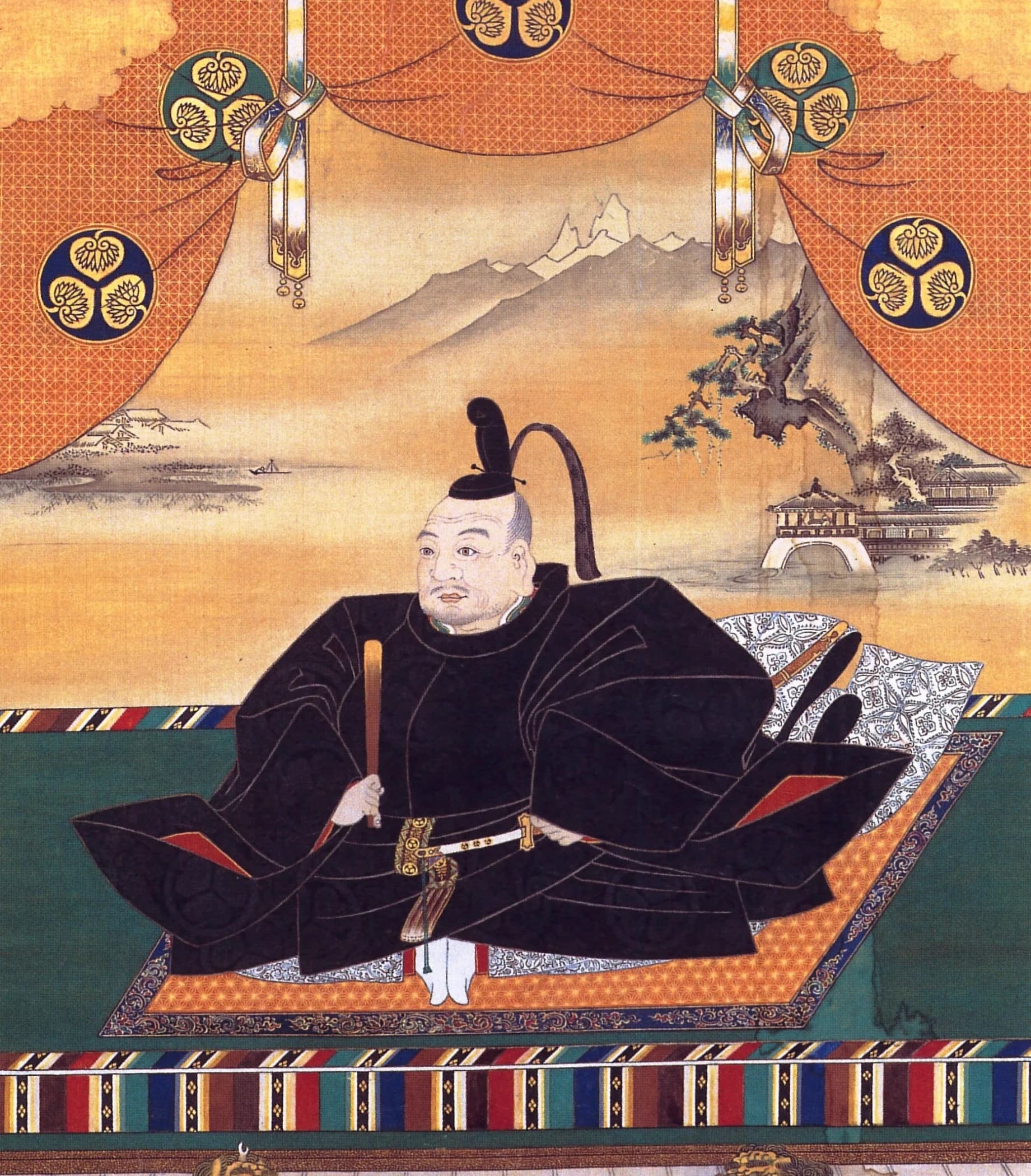
Tokugawa Ieyasu (1543-1616) was a Japanese samurai and daimyo who founded the Tokugawa shogunate. As one of Japan's three Great Unifiers, he established a governmental system that ruled Japan from 1603 until 1868. His legacy created centuries of peace and stability.
ບົດທີ
ບົດຕອນຊີວິດ
ບົດທີ 1 · 1543· ບົດທີ 1 ຈາກ 7
Early Life and Origins
Born on February 10, 1543, at Okazaki Castle, Ieyasu was the son of a minor daimyo in a turbulent era of Japanese history. His childhood was marked by the harsh realities of feudal politics and warfare that characterized the Sengoku period. As a young boy, he experienced the precarious nature of samurai life when he was sent to live as a hostage under daimyo Imagawa Yoshimoto on behalf of his father.
This early experience as a hostage, rather than breaking his spirit, taught Ieyasu valuable lessons about patience, diplomacy, and survival in the dangerous world of feudal Japan. Living under the Imagawa clan's protection and control, he received education in military tactics, governance, and the complex art of political alliance-making. These formative years would prove crucial in shaping his later approach to leadership and unification.
ບົດທີ 2· ບົດທີ 2 ຈາກ 7
Rise to Power and Early Leadership
Following his father's death, Ieyasu succeeded as daimyo and began the careful process of building his power base. His early career was defined by his service as an ally, vassal, and general of the powerful Oda clan under the legendary Oda Nobunaga. This alliance provided him with opportunities to demonstrate his military prowess while learning from one of Japan's greatest strategic minds.
Under Nobunaga's leadership, Ieyasu steadily built up his strength and influence, participating in numerous campaigns and gaining valuable experience in both warfare and administration. His loyalty to the Oda cause, combined with his growing reputation as a capable military commander, positioned him as a key figure in the ongoing efforts to unify Japan's fractured domains.
ບົດທີ 3 · 1603· ບົດທີ 3 ຈາກ 7
Major Achievements and Rise to Shogun
Ieyasu's greatest achievement came with his establishment of the Tokugawa shogunate in 1603, creating a system of governance that would endure until 1868. This accomplishment represented the culmination of decades of careful political maneuvering, strategic alliances, and military campaigns. His success in unifying Japan under a single authority marked the end of the chaotic Sengoku period and ushered in an era of unprecedented peace and stability.
As the third Great Unifier, Ieyasu completed the work begun by Nobunaga and continued by Toyotomi Hideyoshi, but with a crucial difference: where his predecessors had achieved temporary unity, Ieyasu created lasting institutions. His shogunate established a feudal system that maintained control over Japan's various daimyo while creating the conditions for economic growth and cultural development.
ບົດທີ 4· ບົດທີ 4 ຈາກ 7
Military Strategy and Political Acumen
Throughout his career, Ieyasu demonstrated exceptional skill in both military strategy and political negotiation. His ability to forge and maintain alliances, even with former enemies, set him apart from many of his contemporaries who relied primarily on force. This diplomatic approach proved essential in creating a stable foundation for his shogunate.
His military campaigns showcased not only tactical brilliance but also strategic patience, often waiting for the most opportune moments to strike rather than rushing into battle. This measured approach to warfare reflected his broader philosophy of governance, which emphasized stability and long-term planning over short-term gains.
ບົດທີ 5· ບົດທີ 5 ຈາກ 7
Establishment of the Tokugawa System
The governmental system Ieyasu established represented a sophisticated approach to managing Japan's complex feudal structure. His shogunate created mechanisms for controlling the various daimyo while maintaining their traditional authority within their domains. This balance between central control and regional autonomy became a hallmark of Tokugawa rule.
The administrative and military structures he put in place proved remarkably durable, surviving numerous challenges and changes over more than two centuries. His system successfully maintained internal peace while regulating foreign contact, creating conditions that allowed Japanese culture and economy to develop in unique directions.
ບົດທີ 6 · 1616· ບົດທີ 6 ຈາກ 7
Later Years and Final Legacy
In his final years, Ieyasu focused on consolidating the gains he had made and ensuring the continuity of his dynasty. He worked to establish clear succession procedures and strengthen the institutional foundations of his shogunate. His death on June 1, 1616, at Sunpu Castle marked the end of an era, but his system continued to function effectively under his successors.
The transition of power following his death demonstrated the strength of the institutions he had created, as the Tokugawa shogunate continued without major disruption. This smooth succession validated his approach to governance and confirmed his success in creating lasting political stability.
ບົດທີ 7· ບົດທີ 7 ຈາກ 7
Enduring Impact and Historical Significance
Ieyasu's impact on Japanese history extends far beyond his military victories and political achievements. The Tokugawa shogunate he founded shaped Japan's development for over 250 years, influencing everything from social structure to international relations. The period of peace his system created, known as the Pax Tokugawa, allowed for unprecedented cultural and economic development.
His legacy as one of Japan's Great Unifiers reflects not just his success in ending civil warfare, but his ability to create institutions that maintained that unity across centuries. The governmental principles and administrative practices he established continued to influence Japanese political thought long after the Meiji Restoration ended his dynasty's rule. Modern Japan's emphasis on consensus-building and institutional stability can trace some of its roots to the precedents Ieyasu established over 400 years ago.
ຊີວິດໃນຊ່ວງເວລາ
ຊ່ວງເວລາທີ່ສ້າງຊີວິດ
ຄຳຖາມ
ຄຳຖາມທີ່ພົບເລື້ອຍ
Tokugawa Ieyasu ເສຍຊີວິດເມື່ອໃດ?
Tokugawa Ieyasu ເສຍຊີວິດໃນວັນທີ 1 ມິຖຸນາ 1616 ທີ່ Sunpu Castle, Japan, ໃນອາຍຸ 73 ປີ.
Tokugawa Ieyasu ເກີດຢູ່ໃສ?
Tokugawa Ieyasu ເກີດທີ່ Okazaki Castle, Japan ໃນວັນທີ 10 ກຸມພາ 1543.
Tokugawa Ieyasu ມີຊື່ສຽງທີ່ສຸດໃນເລື່ອງໃດ?
Tokugawa Ieyasu ມີຊື່ສຽງທີ່ສຸດໃນເລື່ອງ founder and first shogun of the Tokugawa shogunate of Japan.
Tokugawa Ieyasu ມີອາຍຸເທົ່າໃດເມື່ອເສຍຊີວິດ?
Tokugawa Ieyasu ມີອາຍຸ 73 ປີ ເມື່ອເສຍຊີວິດ.
Tokugawa Ieyasu ມີສັນຊາດໃດ?
Tokugawa Ieyasu ມາຈາກ Japan.
ເສັ້ນເວລາ
ຊີວິດໂດຍຫຍໍ້
ຫ້ອງສະແດງຮູບພາບ
ຊີວິດໃນຮູບພາບ
ຄລິກຮູບໃດກໍໄດ້ເພື່ອຂະຫຍາຍ · 44 ຮູບພາບ
ລະຫັດ QR
ແບ່ງປັນຊີວະປະຫວັດນີ້
ພິມ ແລະ ແບ່ງປັນ
ສະແກນເພື່ອກັບເຂົ້າເບິ່ງໜ້າຊີວະປະຫວັດນີ້. ພິມໄວ້ສຳລັບງານຕ່າງໆ, ງານວາງສະແດງ ຫຼື ອຸປະກອນການສຶກສາ.