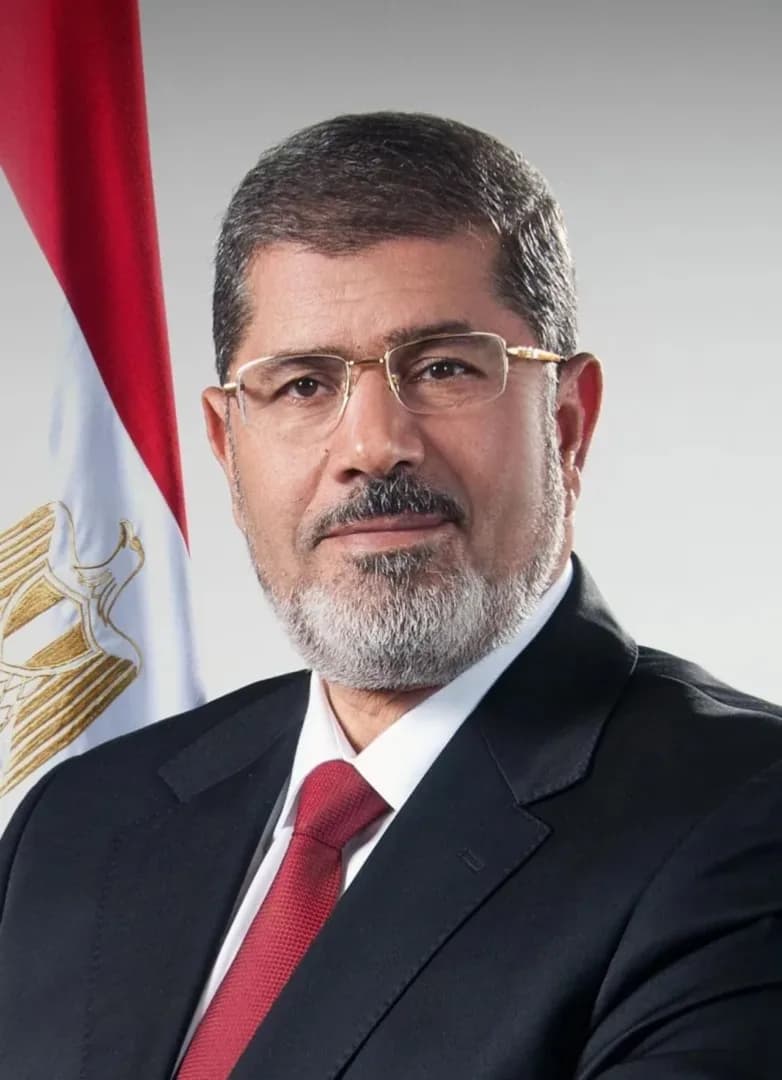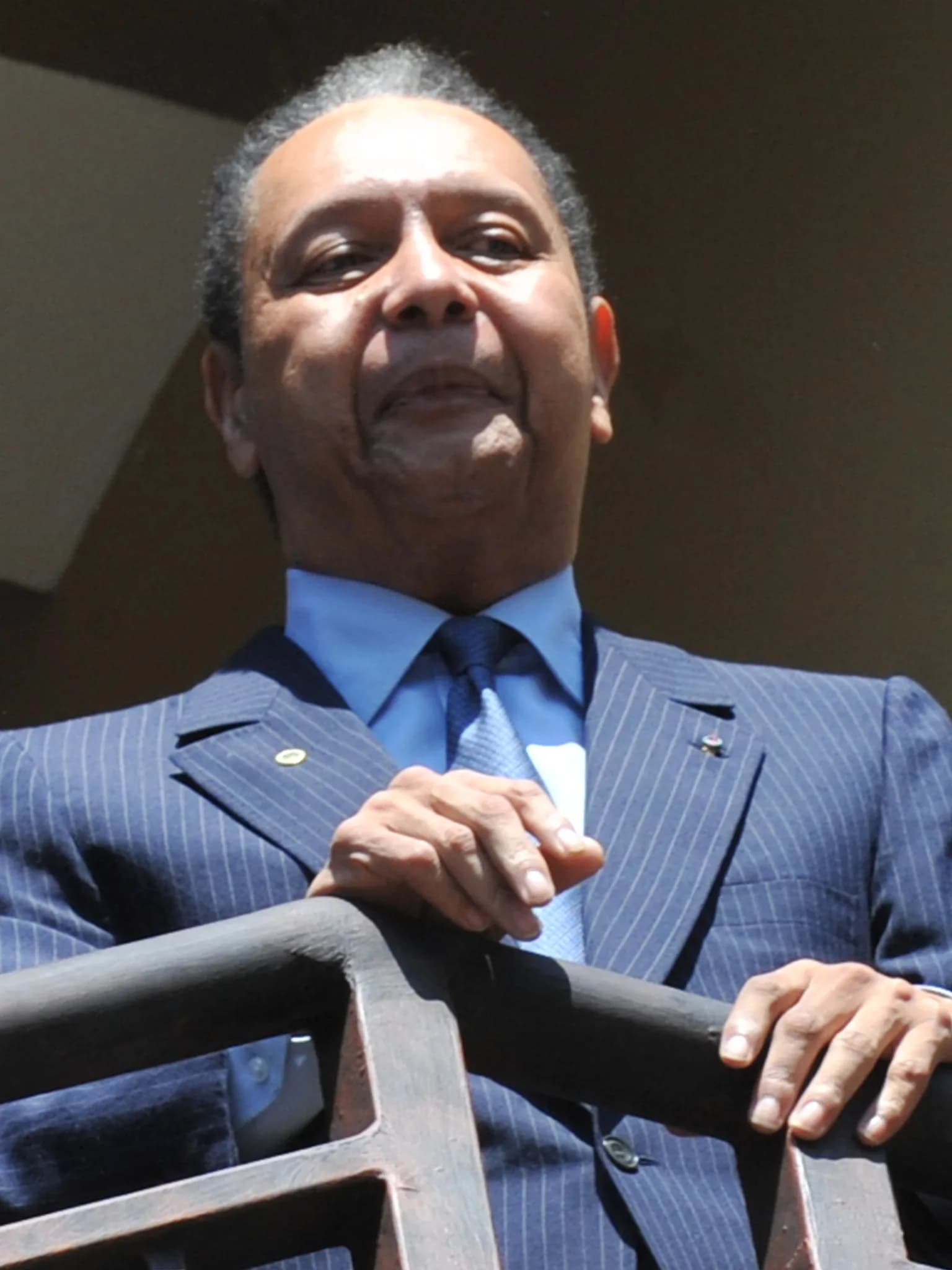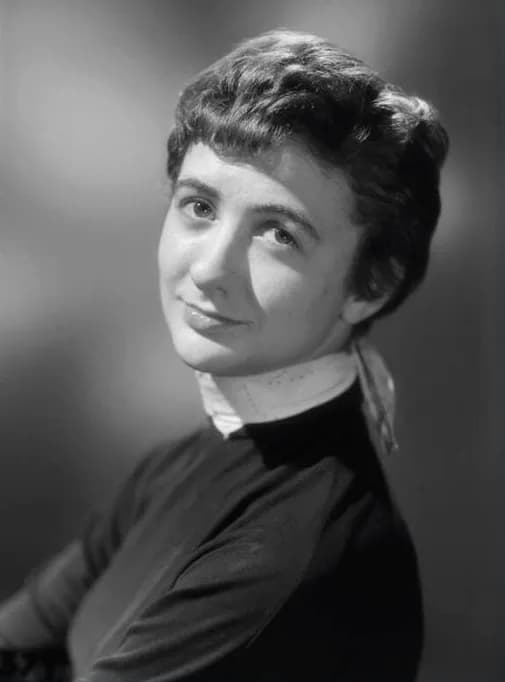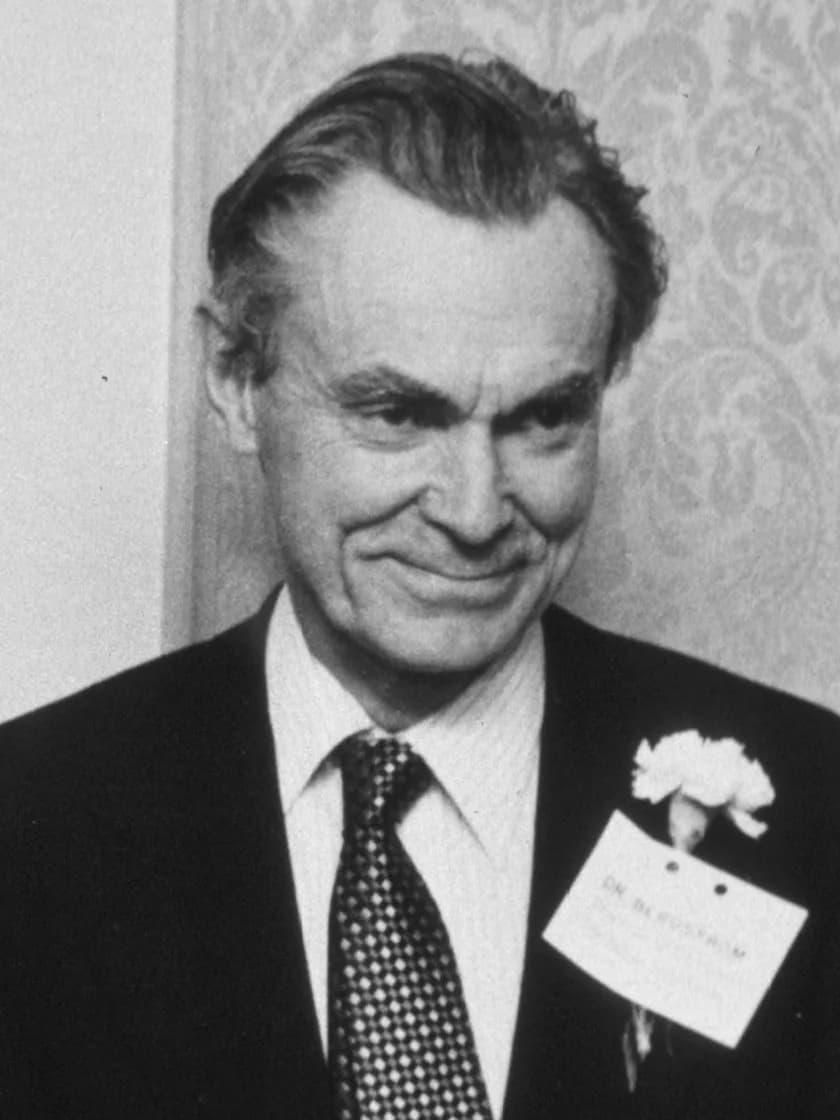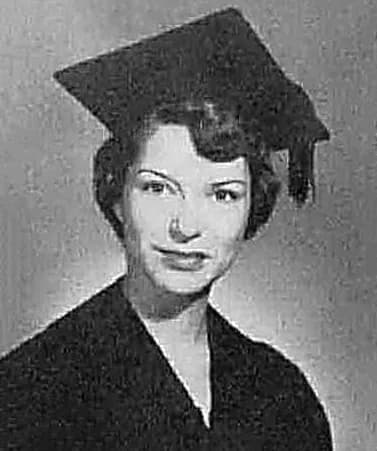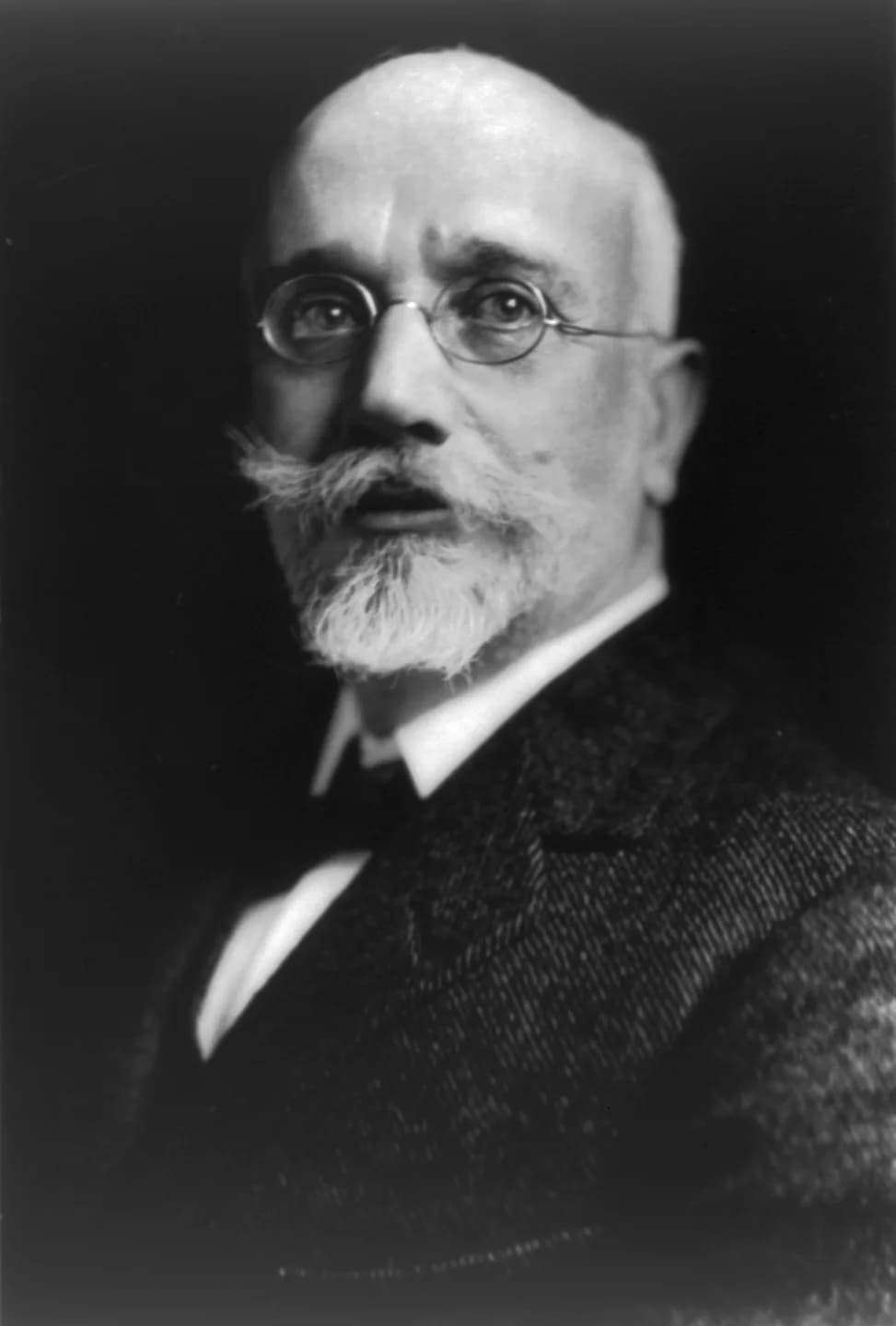
ເກີດ
August 23, 1951
Karaganda, Kazakhstan
ຈາກໄປ
May 9, 2004
Grozny, Russia
ເປັນທີ່ຮູ້ຈັກ
Chechen politician and Islamic religious leader
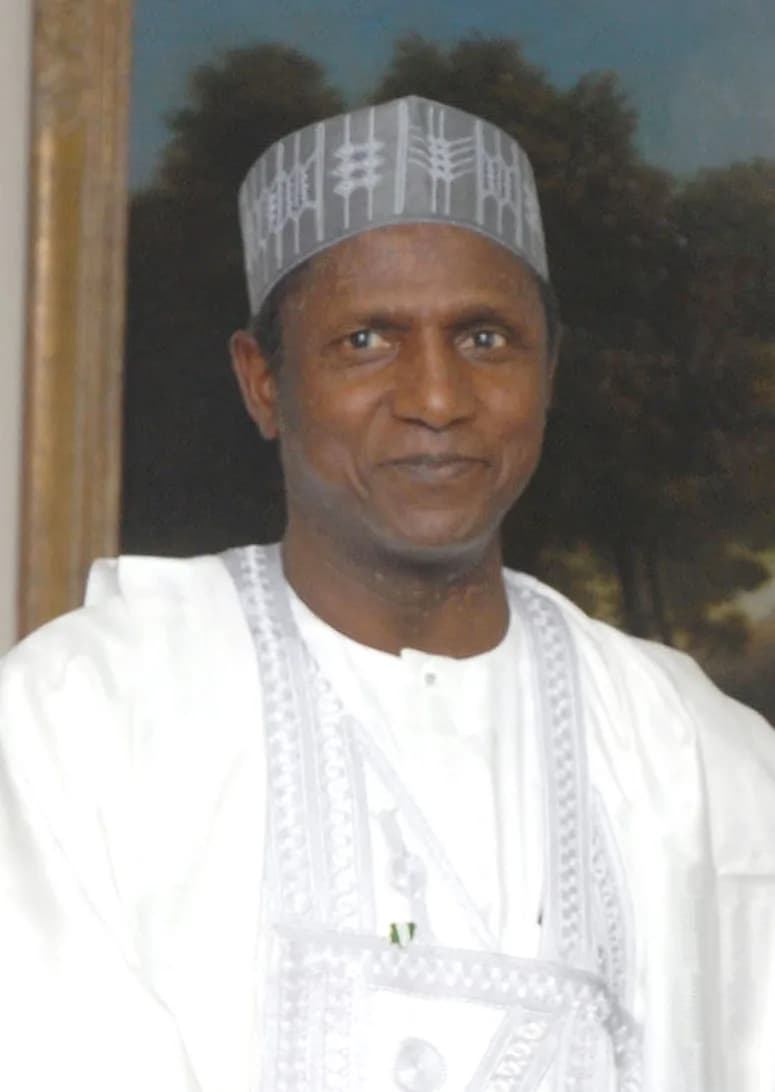
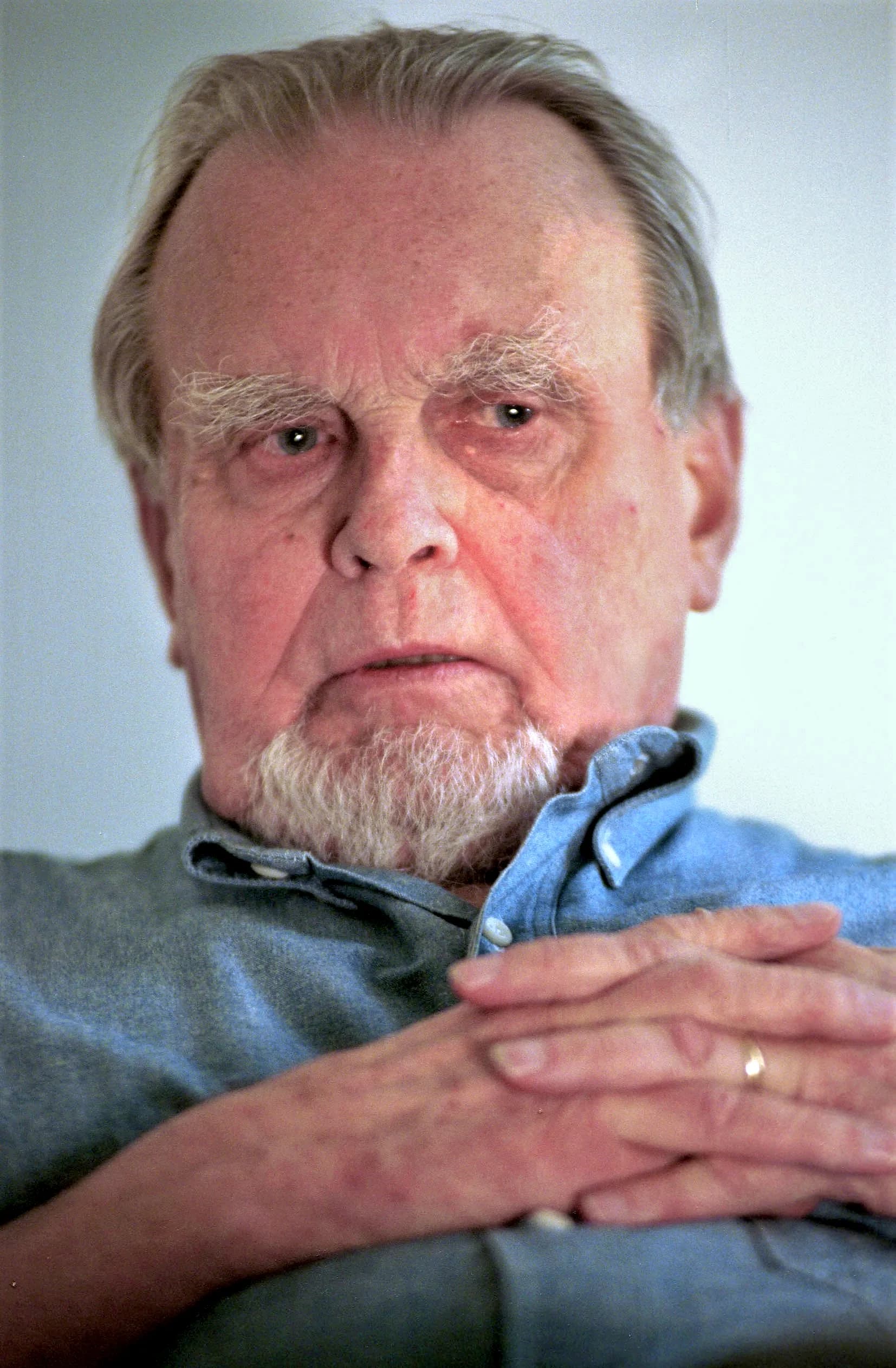
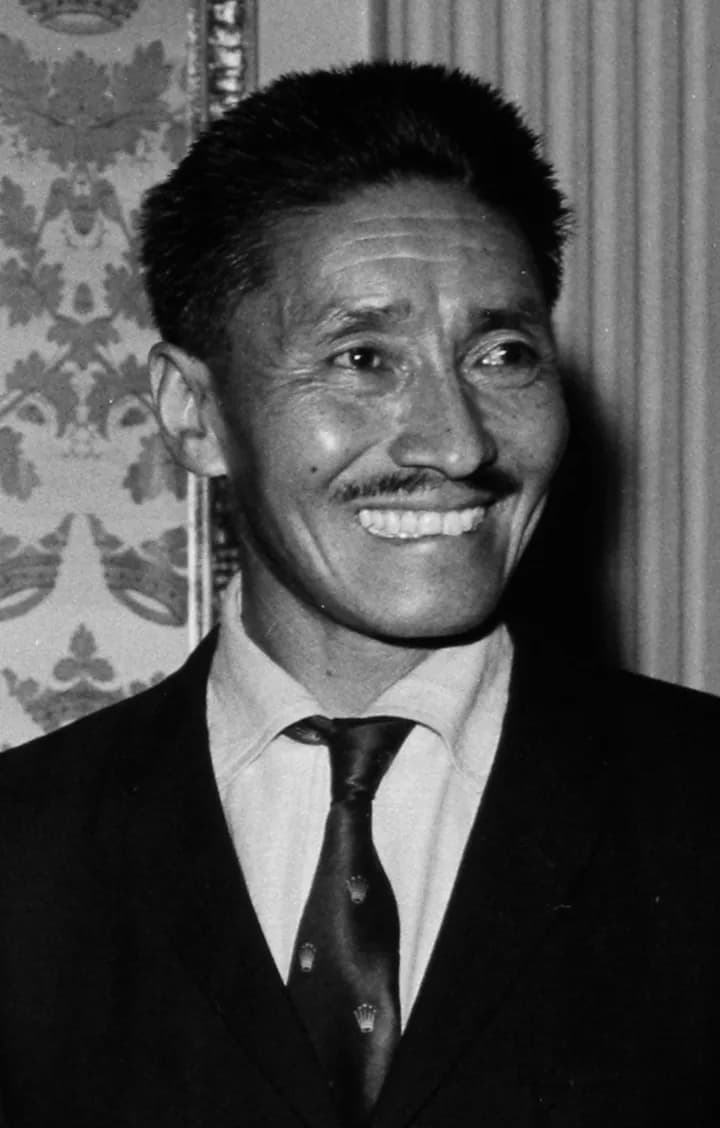
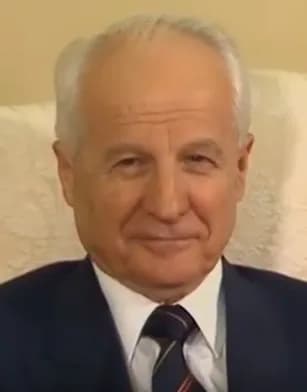
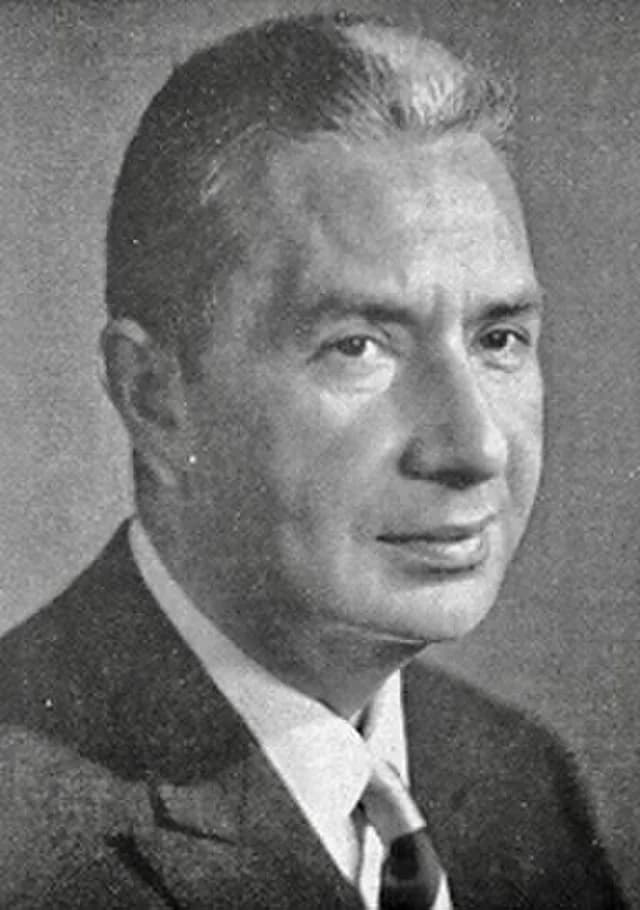
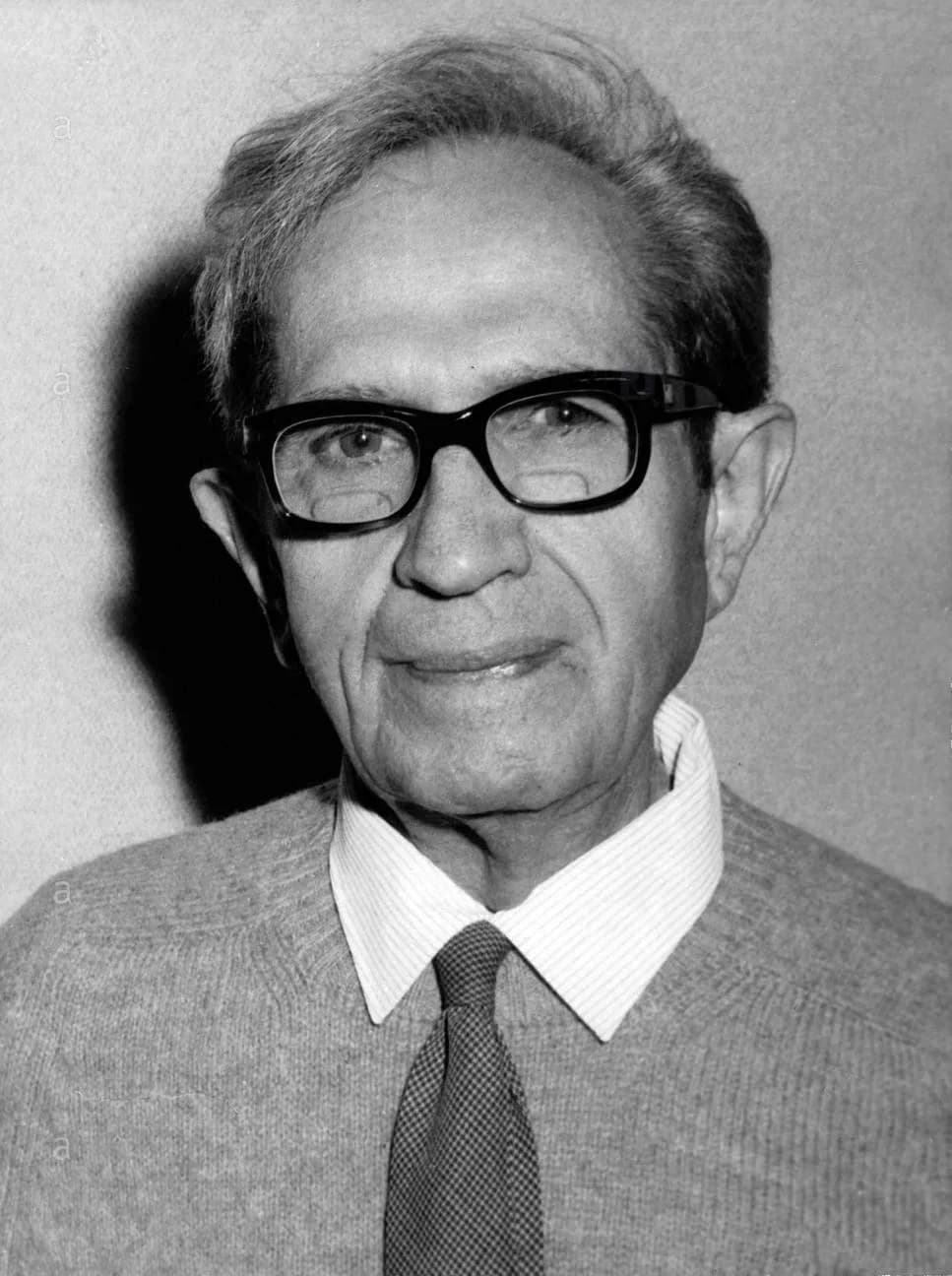
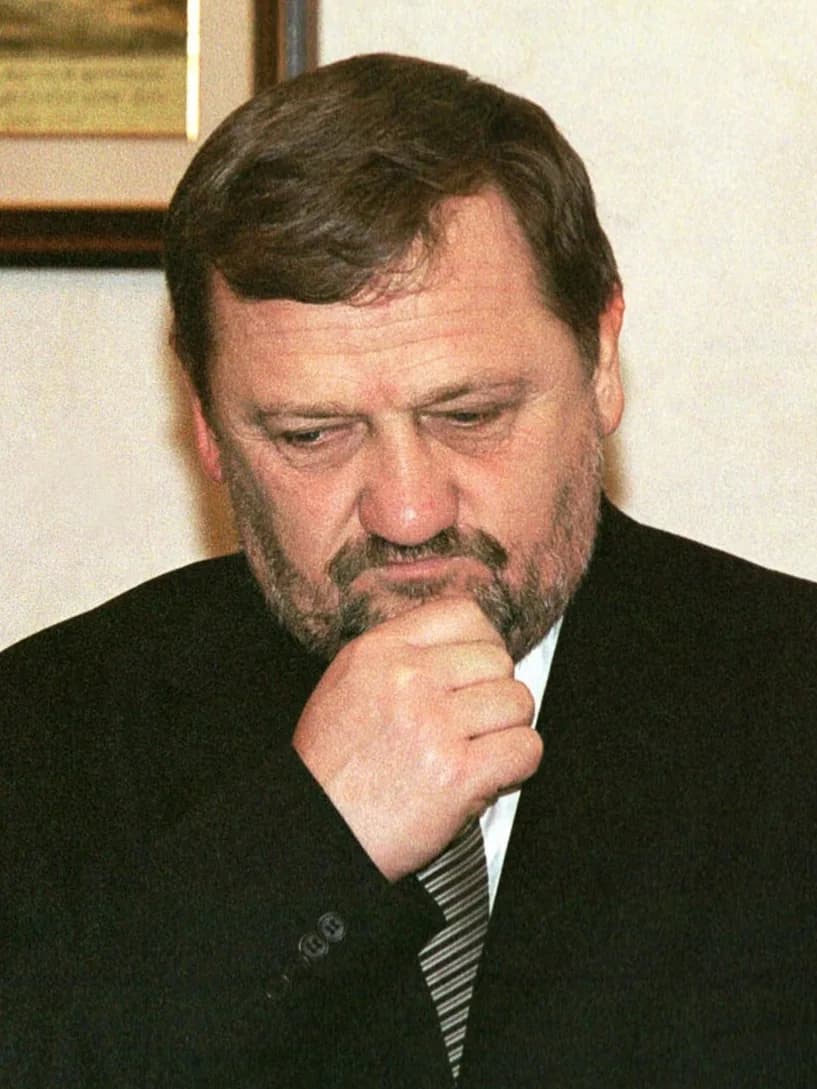
Akhmad Kadyrov (1951-2004) was a Chechen politician and Islamic religious leader. He served as Chief Mufti of Ichkeria and later became President of the Chechen Republic in 2003. His career spanned religious scholarship and regional political leadership during post-Soviet Chechnya's turbulent reconstruction period.
ຊີວິດໃນຊ່ວງເວລາ
ຊ່ວງເວລາທີ່ສ້າງຊີວິດ
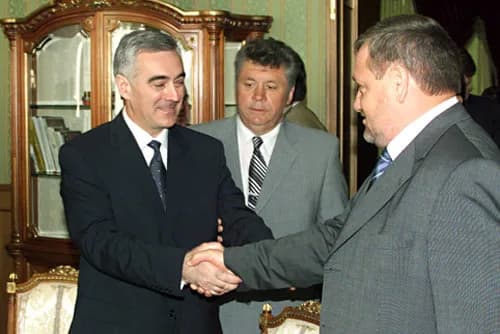
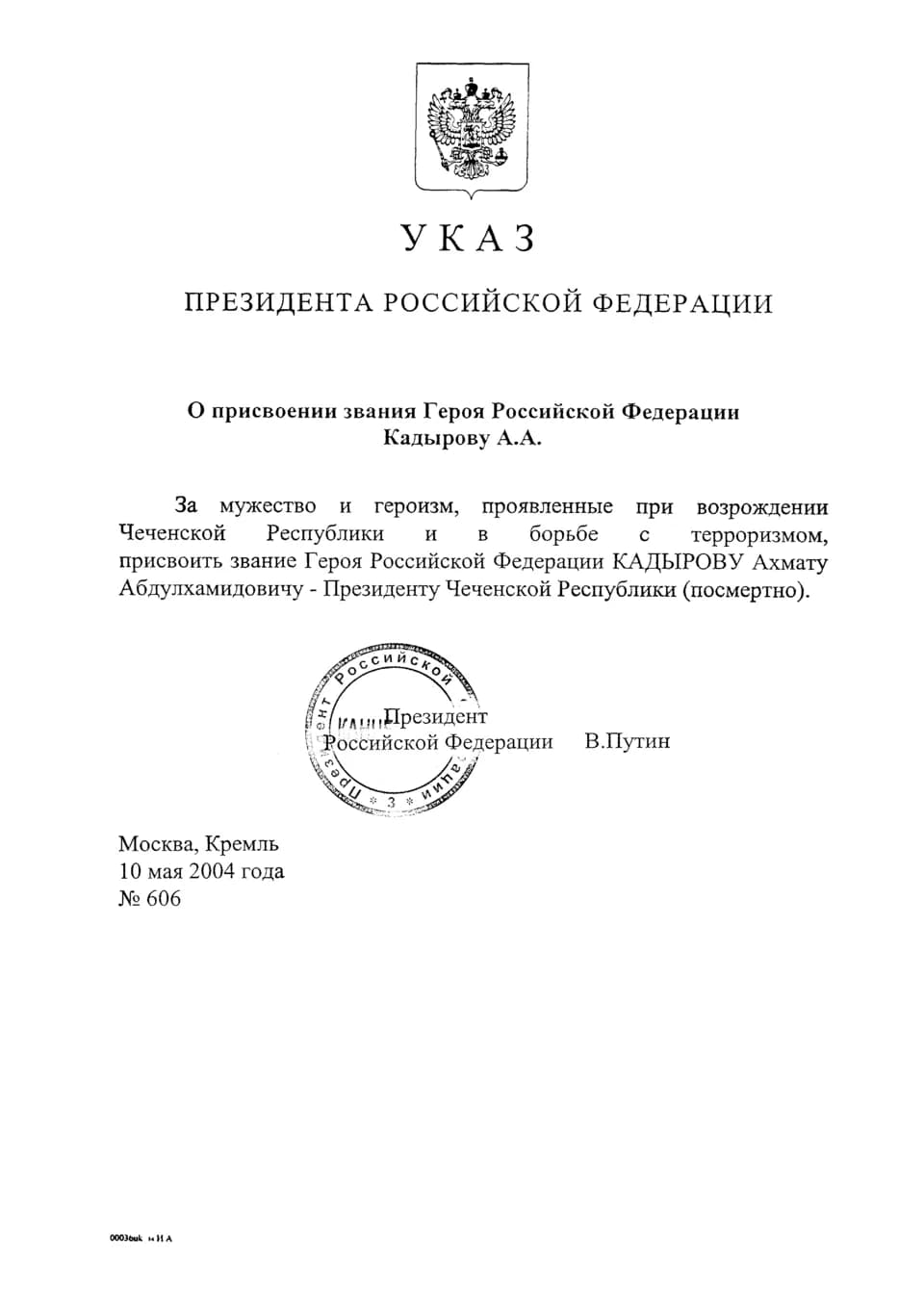
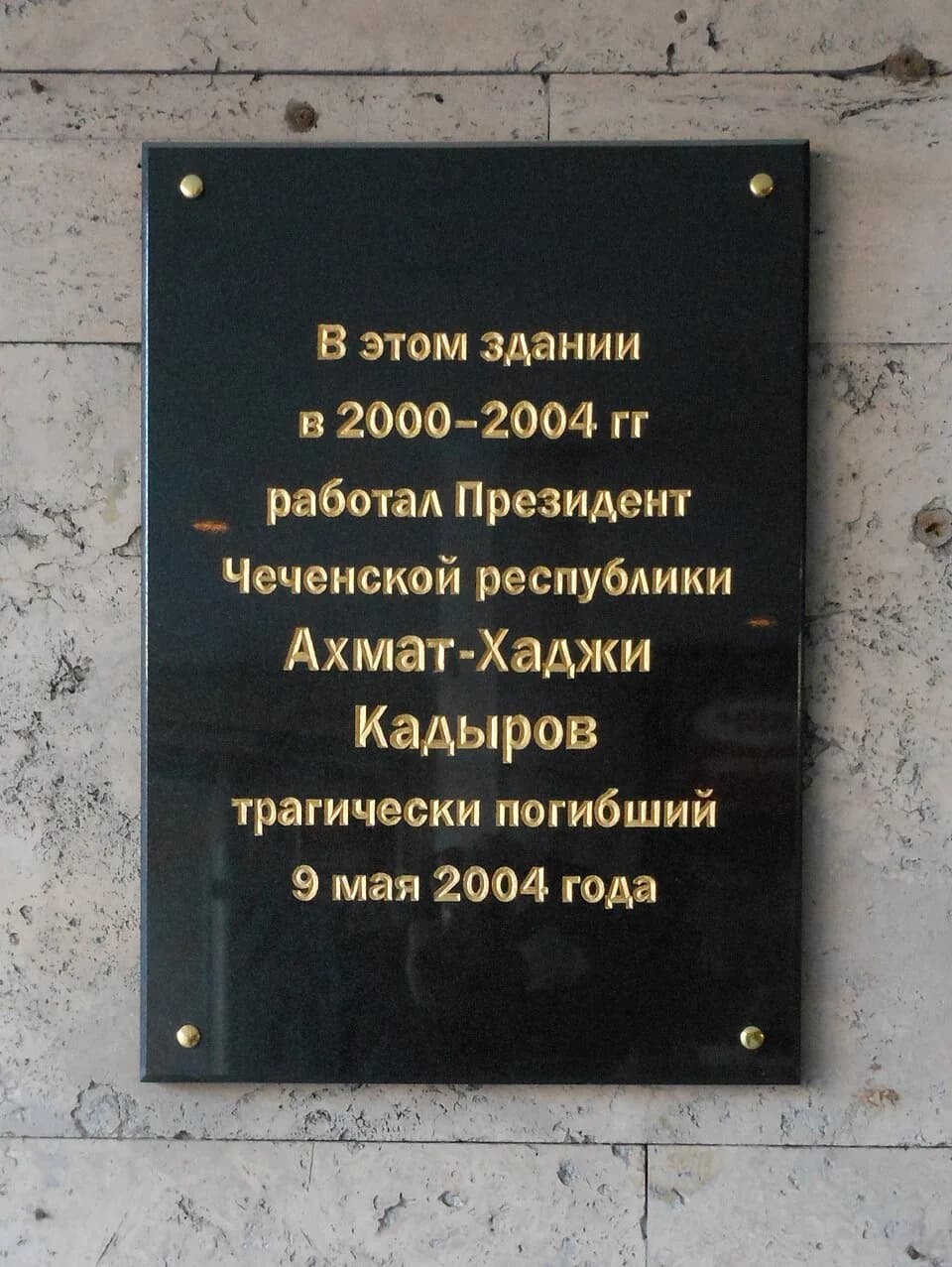
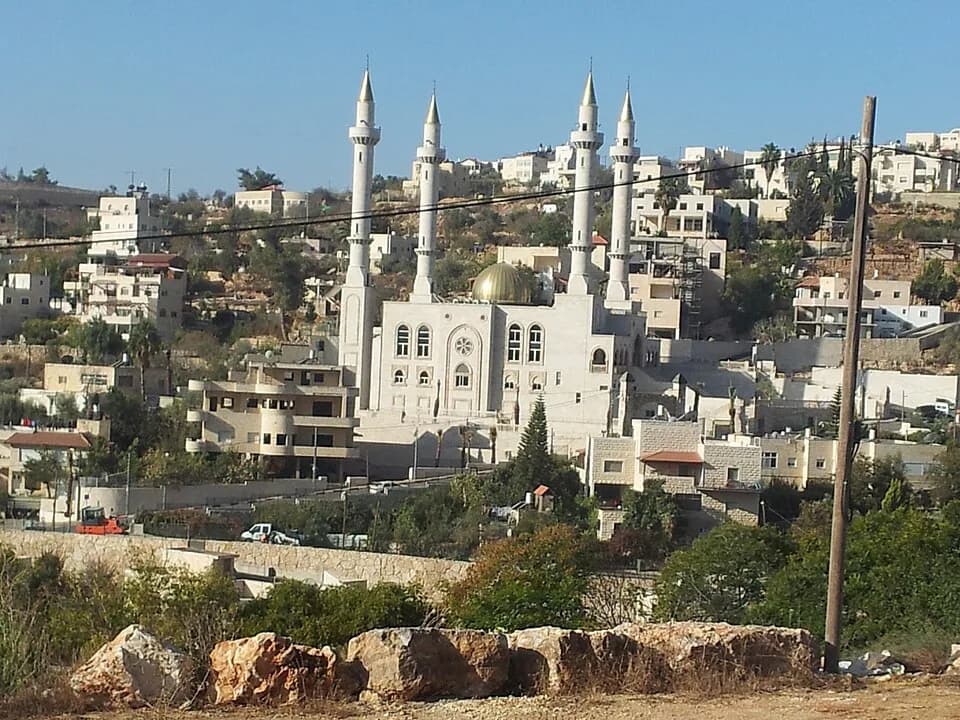
ບົດທີ
ບົດຕອນຊີວິດ
ບົດທີ 1 · 1951· ບົດທີ 1 ຈາກ 7
Early Life and Origins
Akhmad Kadyrov was born on August 23, 1951, in Karaganda, Kazakhstan, during the Soviet era when many Chechen families lived in Central Asian republics following Stalin-era deportations. His early years were shaped by the experience of Chechen diaspora communities maintaining their cultural and religious identity while living far from their ancestral homeland. The family background provided him with exposure to both traditional Chechen culture and Islamic teachings that would later influence his religious calling.
Growing up in Kazakhstan, Kadyrov developed an early interest in Islamic theology and religious studies. His education included both secular Soviet schooling and traditional Islamic learning, a combination that was relatively uncommon during the atheist Soviet period. This dual educational foundation would later serve him well as he navigated between religious leadership and political responsibilities in the changing landscape of post-Soviet Chechnya.
ບົດທີ 2· ບົດທີ 2 ຈາກ 7
Career Beginnings in Religious Leadership
Kadyrov's professional life began in the realm of Islamic scholarship and religious education. As the Soviet Union's restrictions on religious practice began to ease in the late 1980s, he emerged as a respected voice within Chechen Islamic circles. His theological training and deep understanding of Islamic jurisprudence positioned him as a natural leader during the religious revival that accompanied the broader political changes sweeping the Soviet Union.
The collapse of the Soviet Union in 1991 opened new opportunities for religious leaders throughout the former Soviet republics. Kadyrov's scholarly credentials and his ability to speak to both traditional Chechen religious concerns and contemporary political realities made him an influential figure as Chechnya navigated its path toward independence. His reputation as a mufti grew during this period of rapid political and social transformation.
ບົດທີ 3· ບົດທີ 3 ຈາກ 7
Major Achievements and Leadership Role
Kadyrov's most significant early achievement came with his appointment as Chief Mufti of the Chechen Republic of Ichkeria during the 1990s. This position placed him at the center of Chechen religious and political life during and after the First Chechen War. As Chief Mufti, he was responsible for providing religious guidance during a period of armed conflict and political uncertainty, serving as a bridge between traditional Islamic leadership and the practical needs of a society at war.
The outbreak of the Second Chechen War marked a turning point in Kadyrov's career. He made the significant decision to switch sides, offering his services to the Russian government rather than continuing to support Chechen independence forces. This choice reflected his pragmatic approach to leadership and his belief that working within the Russian federal system offered the best path forward for the Chechen people. His willingness to change political allegiances demonstrated his flexibility as a leader facing rapidly changing circumstances.
In July 2000, Kadyrov was appointed as head of administration for the Chechen Republic, a role that gave him executive authority over the region under Russian federal oversight. His administrative leadership during this period focused on rebuilding institutions and infrastructure damaged during years of conflict. On October 5, 2003, he achieved the pinnacle of his political career when he was inaugurated as President of the Chechen Republic, making him the highest-ranking Chechen official within the Russian federal system.
ບົດທີ 4· ບົດທີ 4 ຈາກ 7
Personal Life and Character
Throughout his career, Kadyrov maintained strong connections to traditional Chechen culture and Islamic values. His personal life reflected his commitment to both his religious calling and his political responsibilities. As a theologian and political leader, he worked to balance the competing demands of maintaining Chechen cultural identity while operating within the framework of Russian federal politics.
His approach to leadership combined the moral authority that came with his position as a religious scholar with the practical skills needed for political administration. Colleagues and observers noted his ability to speak to diverse audiences, from traditional Chechen elders to Russian federal officials, adapting his communication style while maintaining consistent core principles about the need for stability and reconstruction in the region.
ບົດທີ 5· ບົດທີ 5 ຈາກ 7
Political Contributions and Governance
As President of the Chechen Republic, Kadyrov focused on establishing functional government institutions and beginning the process of economic reconstruction after years of warfare. His administration worked to restore basic services including education, healthcare, and infrastructure that had been severely damaged during the conflicts of the 1990s. The challenge of governing a region recovering from prolonged conflict required both diplomatic skill in dealing with federal authorities and practical knowledge of local conditions.
His presidency represented an attempt to find a middle path between complete independence and full integration into Russian federal structures. Kadyrov sought to maintain elements of Chechen autonomy while accepting the reality of Russian sovereignty over the region. This approach reflected his pragmatic political philosophy and his assessment that compromise offered the best prospects for Chechen recovery and development.
ບົດທີ 6· ບົດທີ 6 ຈາກ 7
Later Years and Final Period
The final years of Kadyrov's life were marked by the enormous challenges of governing a region still dealing with the aftermath of prolonged conflict. His presidency, though brief, was characterized by efforts to establish stability and begin reconstruction efforts. The security situation remained precarious, and political tensions continued to affect daily life throughout the region.
Kadyrov's efforts to build bridges between different communities and political factions reflected his background as both a religious leader and political administrator. His work during this period focused on practical governance issues while maintaining the delicate political balance required to function effectively within the Russian federal system. The complexities of post-conflict reconstruction required constant attention to both immediate needs and longer-term strategic planning.
ບົດທີ 7 · 2004· ບົດທີ 7 ຈາກ 7
Legacy and Impact
Akhmad Kadyrov's life ended tragically on May 9, 2004, when he was killed in Grozny, Russia, cutting short his presidency and his efforts to lead Chechen reconstruction. His death marked the end of a political career that had spanned the most turbulent period in modern Chechen history. The circumstances of his death highlighted the ongoing security challenges facing the region and the personal risks undertaken by those who sought to provide political leadership during this difficult period.
His legacy rests on his dual role as both a religious scholar and political leader who attempted to navigate the complex realities of Chechen politics in the post-Soviet era. Kadyrov's career illustrated the challenges faced by regional leaders trying to balance local interests with broader political realities. His willingness to change political positions based on his assessment of what would best serve Chechen interests demonstrated a pragmatic approach to leadership that prioritized practical outcomes over ideological consistency.
ຄຳຖາມ
ຄຳຖາມທີ່ພົບເລື້ອຍ
Akhmad Kadyrov ເສຍຊີວິດເມື່ອໃດ?
Akhmad Kadyrov ເສຍຊີວິດໃນວັນທີ 9 ພຶດສະພາ 2004 ທີ່ Grozny, Russia, ໃນອາຍຸ 52 ປີ.
Akhmad Kadyrov ເກີດຢູ່ໃສ?
Akhmad Kadyrov ເກີດທີ່ Karaganda, Kazakhstan ໃນວັນທີ 23 ສິງຫາ 1951.
Akhmad Kadyrov ມີຊື່ສຽງທີ່ສຸດໃນເລື່ອງໃດ?
Akhmad Kadyrov ມີຊື່ສຽງທີ່ສຸດໃນເລື່ອງ Chechen politician and Islamic religious leader.
Akhmad Kadyrov ມີອາຍຸເທົ່າໃດເມື່ອເສຍຊີວິດ?
Akhmad Kadyrov ມີອາຍຸ 52 ປີ ເມື່ອເສຍຊີວິດ.
Akhmad Kadyrov ມີສັນຊາດໃດ?
Akhmad Kadyrov ມາຈາກ Kazakhstan.
ເສັ້ນເວລາ
ຊີວິດໂດຍຫຍໍ້
ຫ້ອງສະແດງຮູບພາບ
ຊີວິດໃນຮູບພາບ
ຄລິກຮູບໃດກໍໄດ້ເພື່ອຂະຫຍາຍ · 25 ຮູບພາບ
ລະຫັດ QR
ແບ່ງປັນຊີວະປະຫວັດນີ້
ພິມ ແລະ ແບ່ງປັນ
ສະແກນເພື່ອກັບເຂົ້າເບິ່ງໜ້າຊີວະປະຫວັດນີ້. ພິມໄວ້ສຳລັບງານຕ່າງໆ, ງານວາງສະແດງ ຫຼື ອຸປະກອນການສຶກສາ.