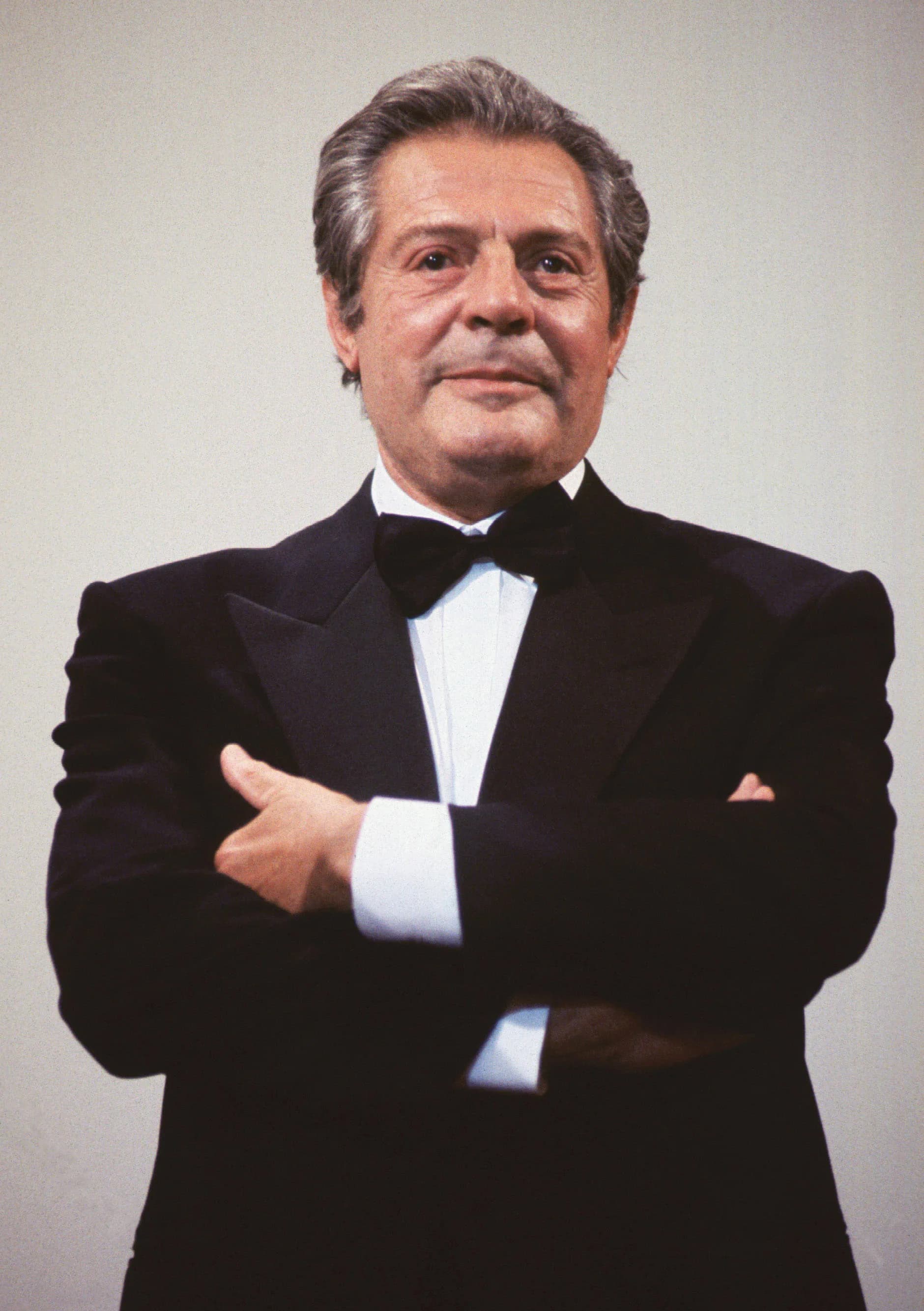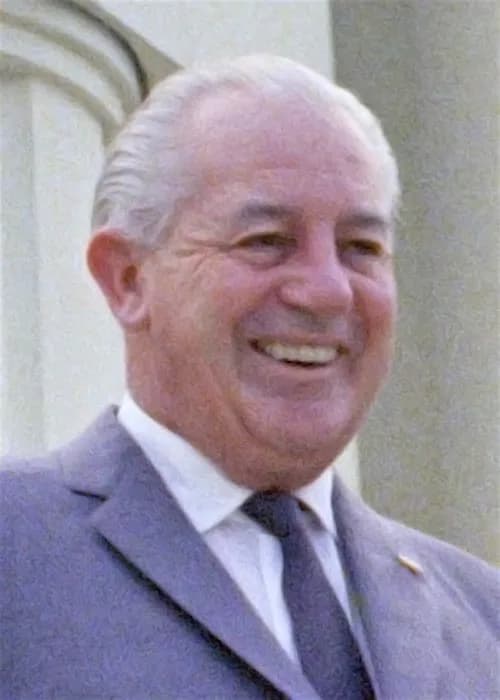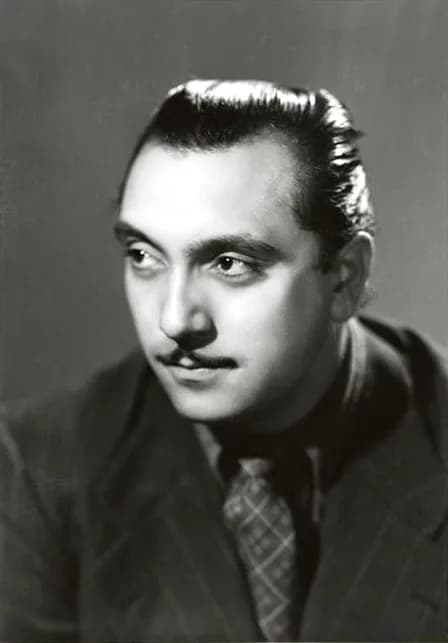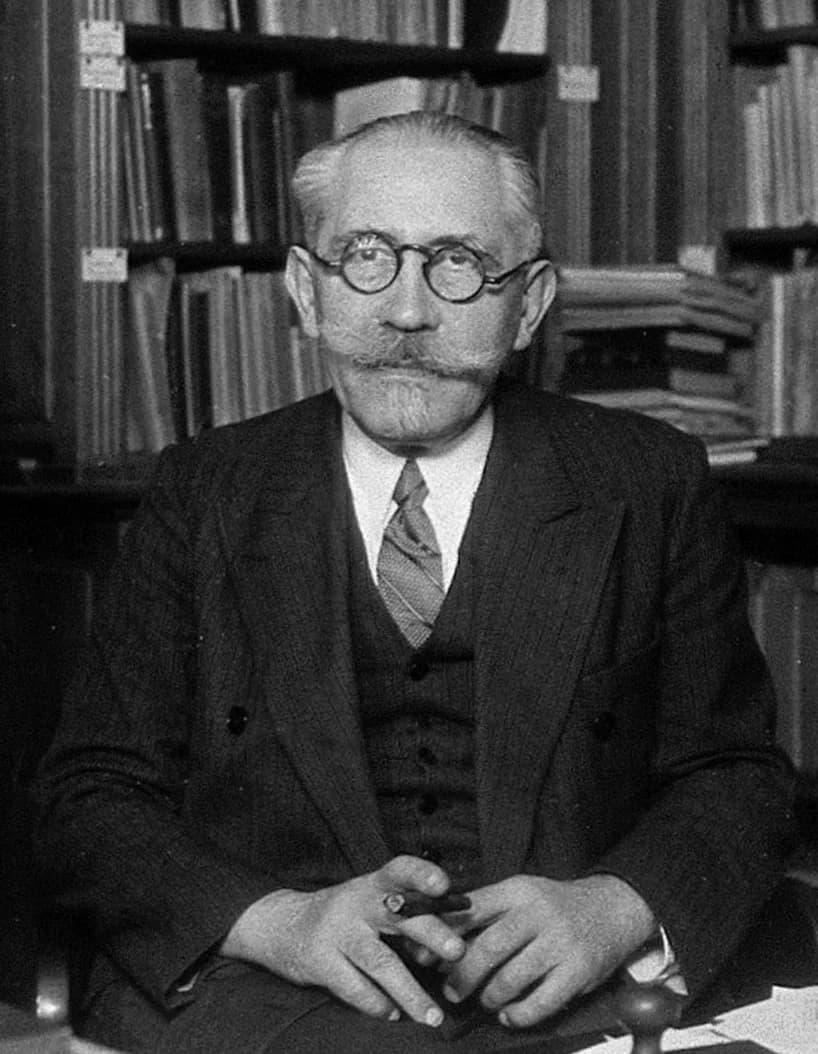
កើត
January 23, 1872
Paris, France
ស្លាប់
December 19, 1946
Paris, France
ល្បីដោយសារ
French physicist, philosopher of science and pedagogue
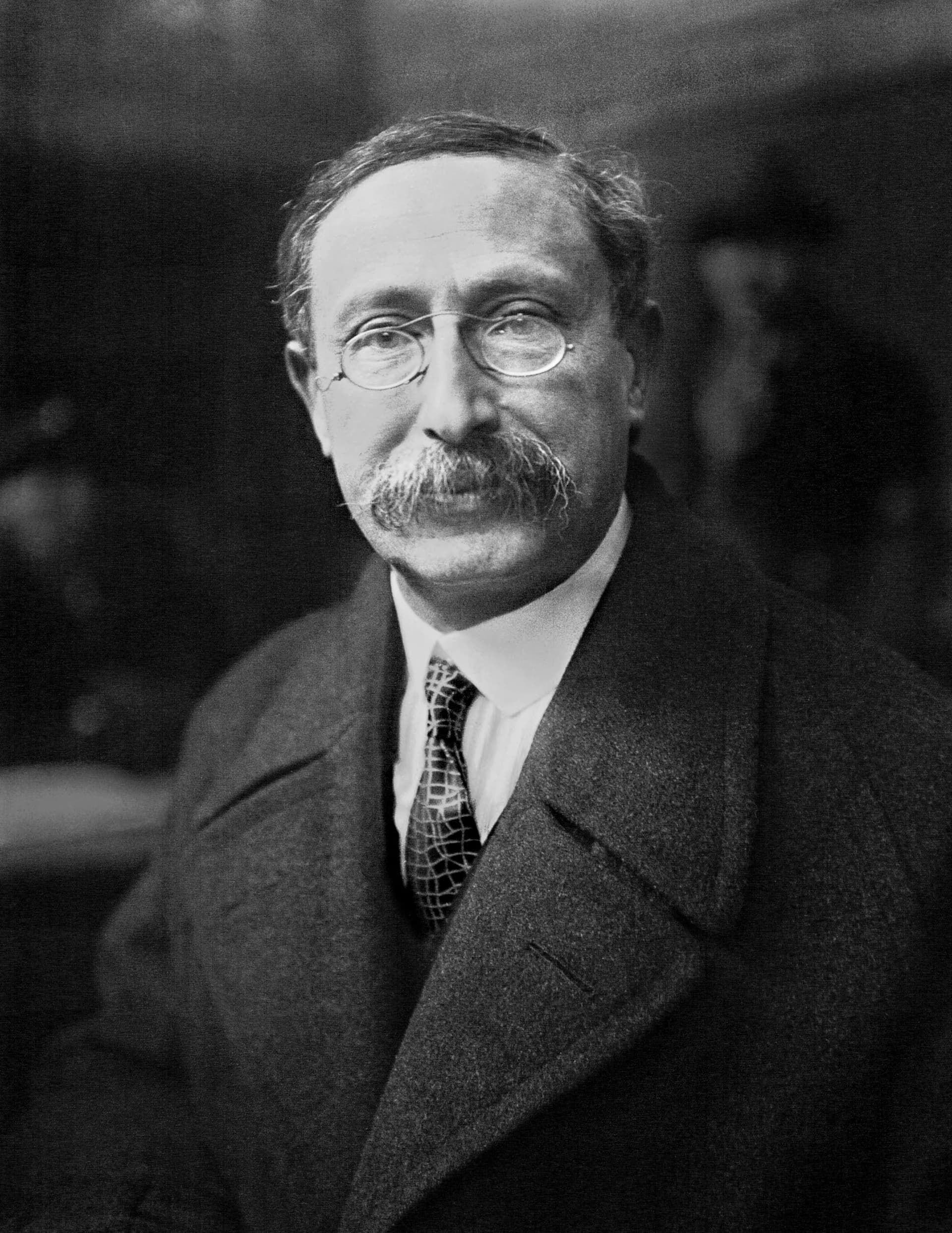
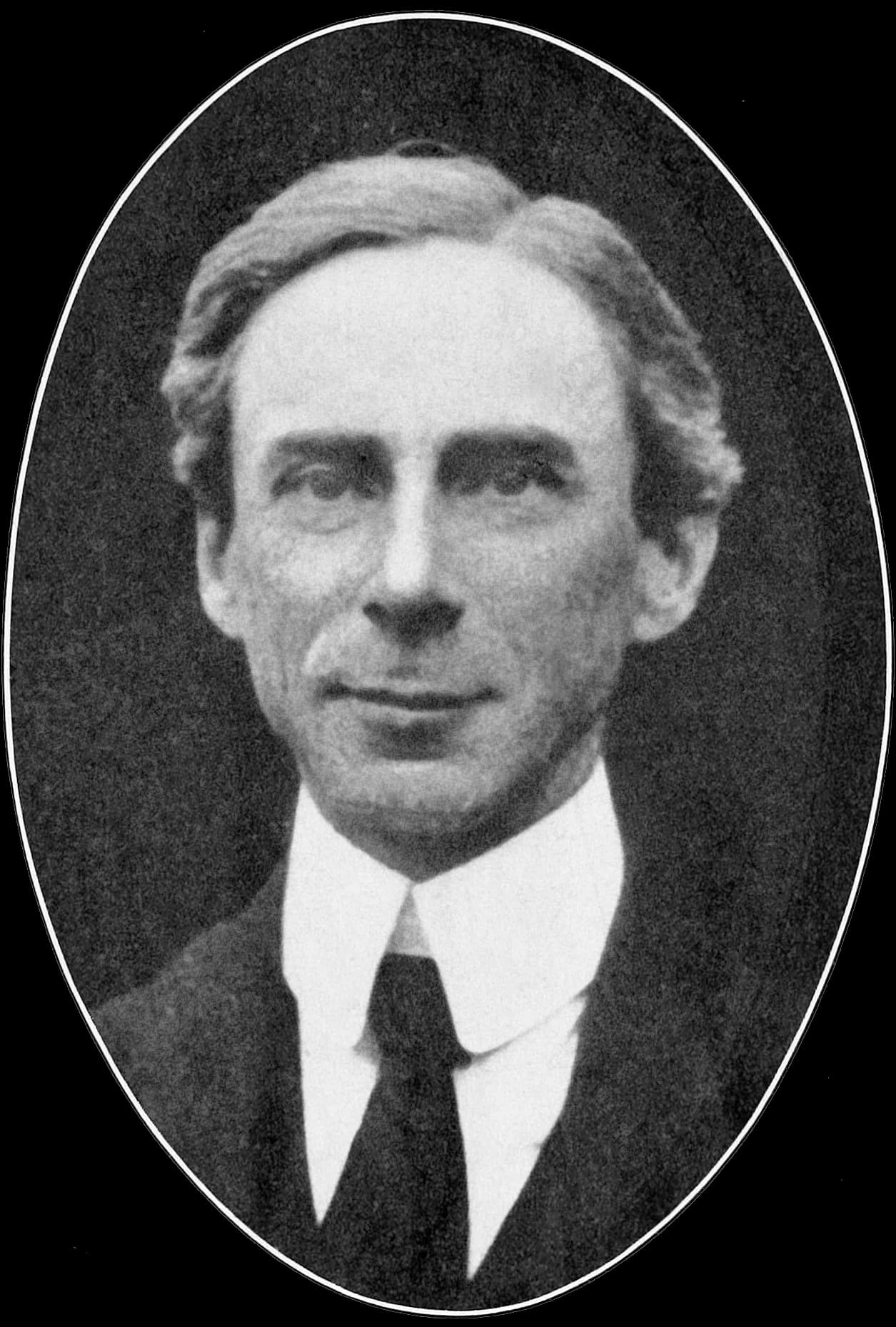
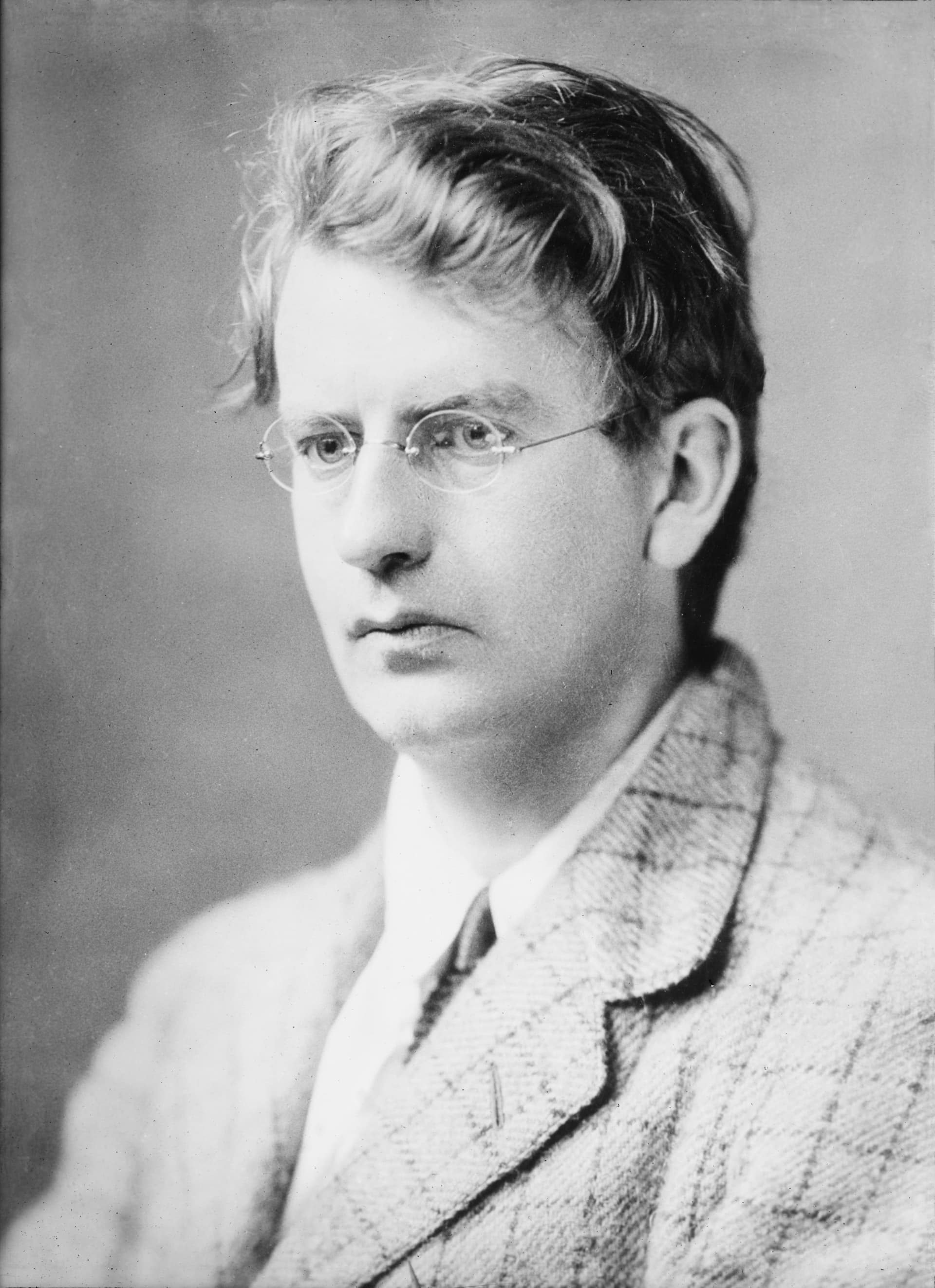
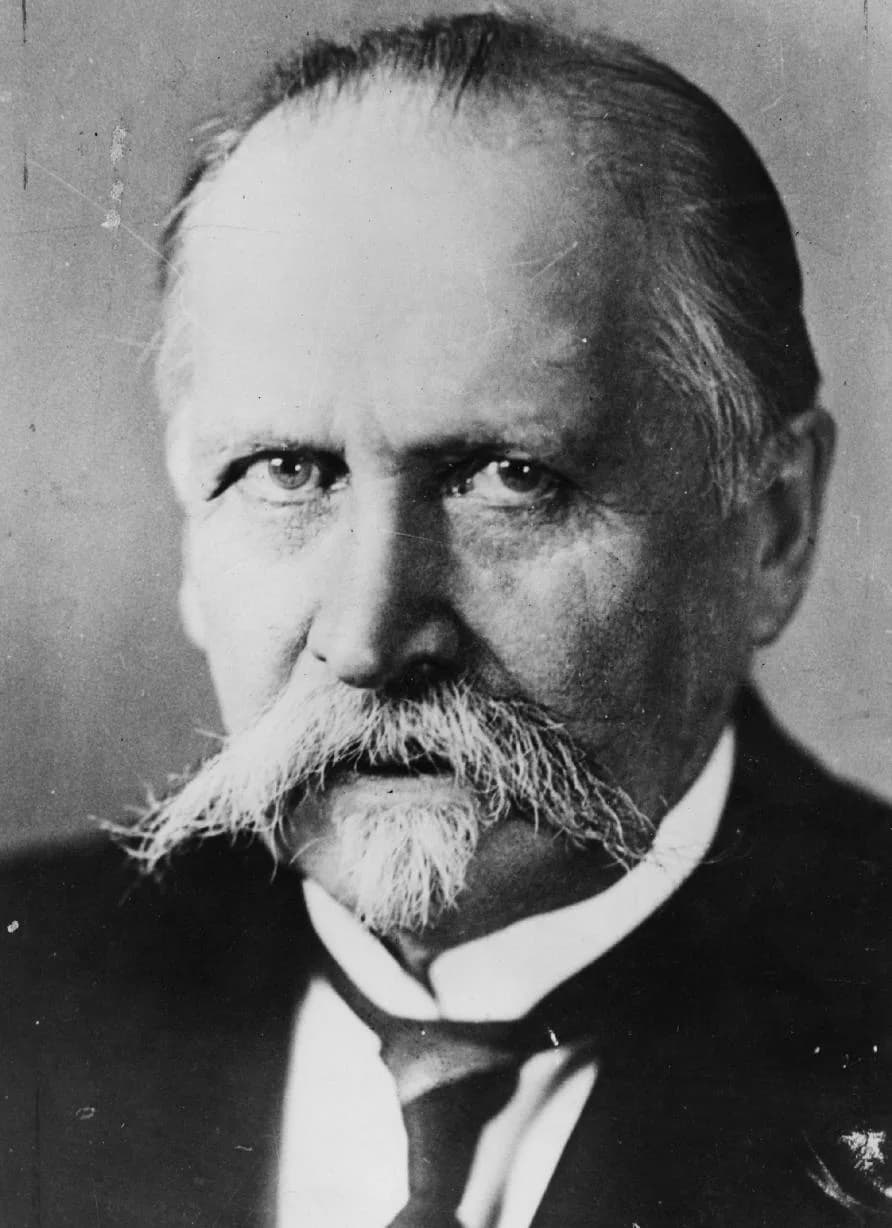
Paul Langevin (1872–1946) was France best known for French physicist, philosopher of science and pedagogue.
Paul Langevin (January 23, 1872 – December 19, 1946) was a French physicist, philosopher of science, and pedagogue. He developed Langevin dynamics and the Langevin equation, and was a prominent anti-fascist. His legacy includes vital contributions to physics and human rights advocacy.
ជីវិតក្នុងពេលវេលា
ពេលវេលាដែលបានបង្កើតជីវិត
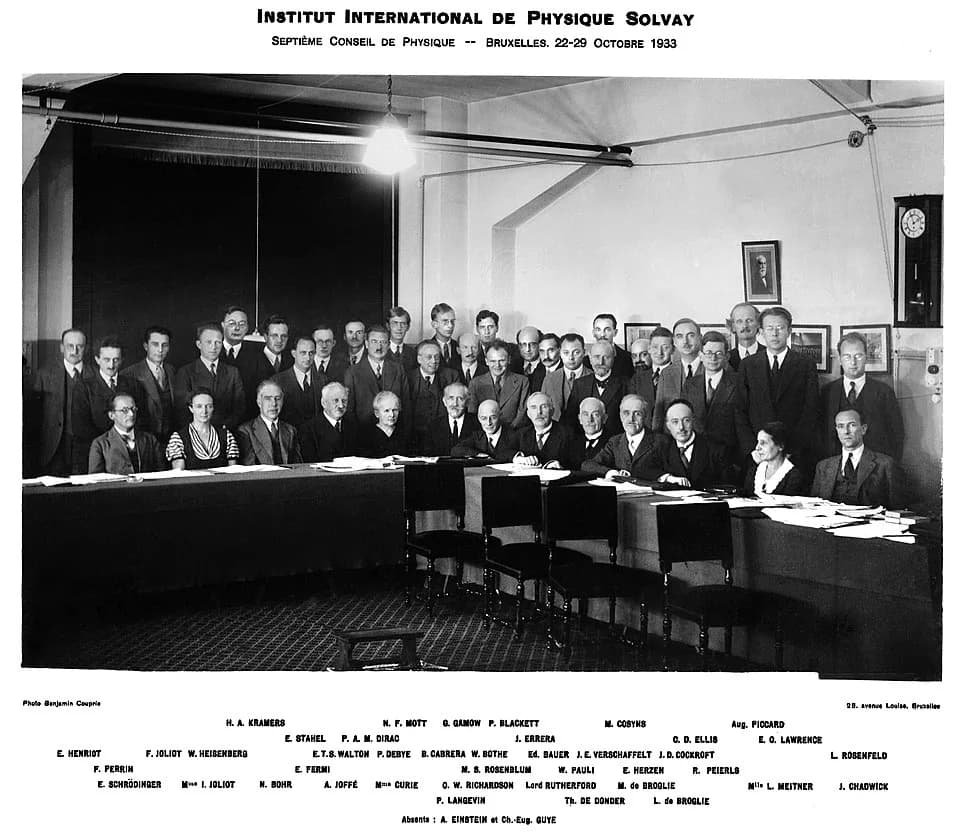
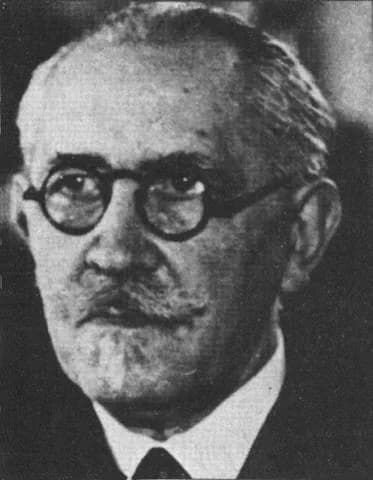
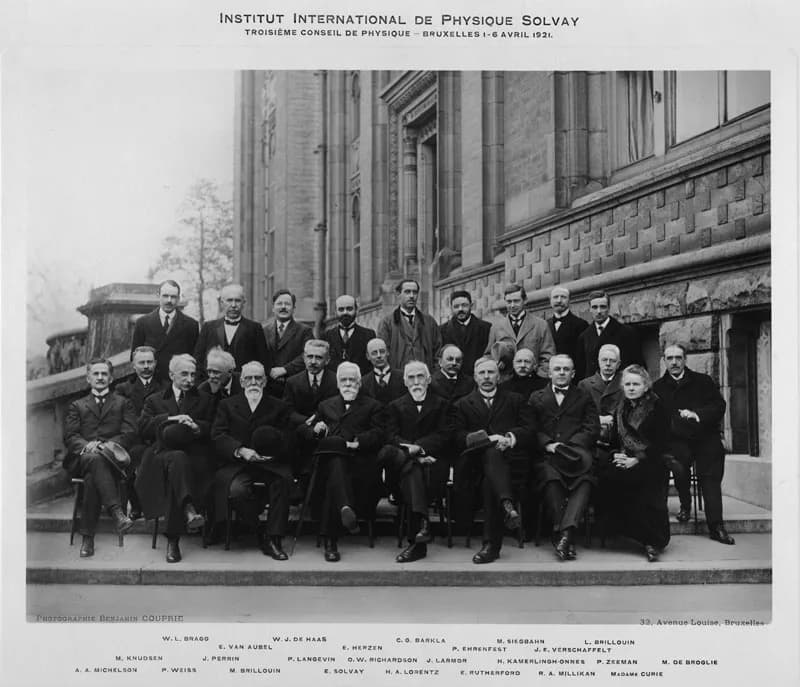
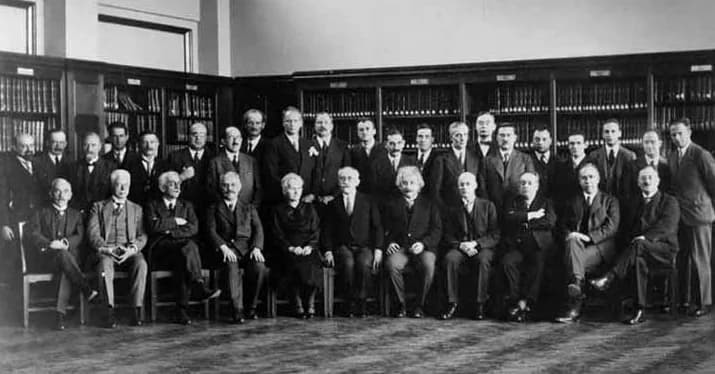
ជំពូកទី
ជំពូកជីវិត
ជំពូកទី 1 · 1872· ជំពូកទី 1 នៃ 7
Early Life and Origins
Born on January 23, 1872, in the culturally rich and intellectually stimulating city of Paris, France, Paul Langevin spent his formative years amidst an environment brimming with scientific discovery and philosophical debate. This vibrant setting undoubtedly played a crucial role in shaping his prodigious intellect and fostering his early passion for understanding the fundamental principles of the universe. His foundational education in Paris established the robust academic framework necessary for his distinguished and varied career as a physicist, chemist, and university teacher.
ជំពូកទី 2· ជំពូកទី 2 នៃ 7
Career Beginnings
Langevin embarked on his professional journey with an impressive dedication to scientific inquiry, quickly establishing himself as a brilliant mind within the field of physics. His early academic pursuits and research focused on laying theoretical groundwork for various physical phenomena. This period of intense study and initial contributions set the stage for the profound scientific innovations that would later bring him international acclaim and significantly impact the broader scientific community.
ជំពូកទី 3· ជំពូកទី 3 នៃ 7
Major Achievements and Career Highlights
Among Paul Langevin's most celebrated scientific contributions is the development of Langevin dynamics, a sophisticated mathematical approach employed to describe the intricate time evolution of a system comprising many degrees of freedom. This seminal work included his formulation of the Langevin equation, a powerful stochastic differential equation that elegantly models the motion of a particle immersed in a fluid and subjected to random forces. These theoretical advancements provided indispensable tools for comprehending and predicting the behavior of complex systems in both physics and chemistry, fundamentally altering the scope of statistical mechanics.
Beyond his formidable scientific research, Langevin's public life was characterized by an extraordinary commitment to social justice and a fierce opposition to political extremism. He emerged as a leading voice against fascism during the volatile 1930s, becoming one of the principal founders of the Comité de vigilance des intellectuels antifascistes, an influential anti-fascist organization. This crucial committee was established in the immediate aftermath of the far-right riots that shook Paris on February 6, 1934, demonstrating Langevin's immediate and decisive response to political threats.
His unwavering courage in publicly challenging tyranny, however, came at a significant personal cost. As a prominent public opponent of fascism, Langevin was arrested by the collaborationist Vichy government during World War II and subsequently held under house arrest for the majority of the conflict. This period of confinement, from which he later emerged, stands as a testament to his profound principles and his readiness to endure hardship for his beliefs. After the liberation of France and the conclusion of the war, Langevin continued his advocacy for human rights, serving with distinction as president of the Human Rights League (LDH) from 1944 to 1946, having recently joined the French Communist Party.
ជំពូកទី 4· ជំពូកទី 4 នៃ 7
Personal Life and Philosophical Stance
While detailed personal narratives about Paul Langevin’s family and private relationships are not extensively documented in the provided information, his public actions clearly illuminate a man driven by deep-seated ethical convictions. His active involvement in the anti-fascist movement and his leadership within the Human Rights League unequivocally demonstrate a profound dedication to humanitarian causes. The decision to align himself with the French Communist Party in his later years further reflects his deeply held personal values and a commitment that extended far beyond the confines of the scientific laboratory, encompassing a vision for a more just society.
Langevin's experiences during World War II, enduring arrest and prolonged house arrest at the hands of the Vichy government, speak volumes about his unwavering resolve and moral fortitude in the face of immense adversity. These events undoubtedly reinforced his philosophical stance and commitment to defending democratic principles and individual liberties against authoritarian aggression. He was not merely a theoretical scientist but an engaged citizen, deeply concerned with the societal implications of political developments.
ជំពូកទី 5· ជំពូកទី 5 នៃ 7
Notable Works and Enduring Contributions
Paul Langevin's most profound and enduring scientific contributions are unequivocally centered on his theoretical advancements in statistical physics. Specifically, his pioneering work on Langevin dynamics and the associated Langevin equation provided a revolutionary framework for understanding and modeling complex physical systems. These concepts fundamentally transformed the study of statistical mechanics, offering a powerful toolset for analyzing the behavior of microscopic particles influenced by both deterministic and random forces.
The Langevin equation, in particular, remains a cornerstone in numerous scientific disciplines, finding extensive applications in fields such as chemical physics, where it helps describe molecular motion; biophysics, for understanding cellular processes; and even financial mathematics, where it models market fluctuations. Its versatility and predictive power underscore its lasting relevance. It is important to clarify that the academic publications listed in some external sources, such as "Identité de la Bible" (1977) and "La física moderna y el determinismo" (2000), appear to be misattributed given Paul Langevin's death in 1946. His true and celebrated academic legacy is firmly rooted in his foundational work on Langevin dynamics and the Langevin equation, which are universally recognized as his seminal contributions.
ជំពូកទី 6· ជំពូកទី 6 នៃ 7
Later Years and Final Chapter
The final chapter of Paul Langevin’s life was inextricably linked to the profound political and social transformations gripping France and the world during and after World War II. His steadfast and courageous public opposition to fascism led directly to his apprehension and subsequent house arrest by the collaborationist Vichy government, a challenging period that spanned a significant portion of the war. This period of enforced isolation did not diminish his commitment to justice; rather, it seemed to steel his resolve.
Immediately following the liberation of France, Langevin re-emerged as a vital public figure. He assumed the prestigious presidency of the Human Rights League (LDH) in 1944, a role he fulfilled with dedication until 1946, the year of his passing. Concurrently, he became a member of the French Communist Party, further cementing his dedication to progressive political and social reform in a post-war landscape. Paul Langevin passed away on December 19, 1946, in his beloved home city of Paris, France, leaving behind a legacy of both scientific brilliance and profound moral courage.
ជំពូកទី 7· ជំពូកទី 7 នៃ 7
Legacy and Lasting Impact
Paul Langevin’s enduring legacy is rich and varied, encompassing both the rigorous world of scientific discovery and the challenging arena of humanitarian advocacy. In the realm of physics, his pioneering contributions to Langevin dynamics and the formulation of the Langevin equation continue to inform and inspire new generations of theoretical and experimental researchers. These concepts remain indispensable for modeling and understanding the behavior of complex physical systems across diverse scales.
Beyond the laboratory, Langevin’s courageous and principled stand against fascism during a dark period of history, his proactive leadership in the anti-fascist movement, and his subsequent presidency of the Human Rights League unequivocally underscore his deep and unwavering commitment to social justice, human dignity, and democratic ideals. He remains an inspirational figure who seamlessly blended rigorous scientific inquiry with extraordinary moral courage, thereby leaving a significant and lasting mark on both scientific thought and societal consciousness. His life serves as a powerful reminder of the responsibility of intellectuals to engage with the world and advocate for justice.
សំណួរញឹកញាប់
សំណួរញឹកញាប់
Paul Langevin បានទទួលមរណភាពនៅពេលណា?
Paul Langevin បានទទួលមរណភាពនៅថ្ងៃទី 19 ធ្នូ 1946 នៅ Paris, France, ក្នុងវ័យ 74 ឆ្នាំ។
Paul Langevin បានកើតនៅឯណា?
Paul Langevin បានកើតនៅ Paris, France នៅថ្ងៃទី 23 មករា 1872។
Paul Langevin ត្រូវបានគេស្គាល់ច្រើនបំផុតពីអ្វី?
Paul Langevin ត្រូវបានគេស្គាល់ច្រើនបំផុតពី French physicist, philosopher of science and pedagogue។
Paul Langevin មានអាយុប៉ុន្មាននៅពេលស្លាប់?
Paul Langevin មានអាយុ 74 ឆ្នាំនៅពេលស្លាប់។
Paul Langevin មានសញ្ជាតិអ្វី?
Paul Langevin មកពី France។
បន្ទាត់ពេលវេលា
ជីវិតមួយពេលតែម្តង
វិចិត្រសាលរូបថត
ជីវិតក្នុងរូបភាព
ចុចលើ polaroid ណាមួយដើម្បីពង្រីក · 23 រូបថត
កូដ QR
ចែករំលែកជីវប្រវត្តិនេះ
បោះពុម្ព និងចែករំលែក
ស្កេនដើម្បីចូលមើលទំព័រជីវប្រវត្តិនេះ។ បោះពុម្ពសម្រាប់ព្រឹត្តិការណ៍ ការតាំងបង្ហាញ ឬឯកសារអប់រំ។