កើត
January 23, 1832
former 10th arrondissement of Paris, France
ស្លាប់
April 30, 1883
8th arrondissement of Paris, France
ល្បីដោយសារ
French painter
Édouard Manet (1832–1883) was France best known for French painter.
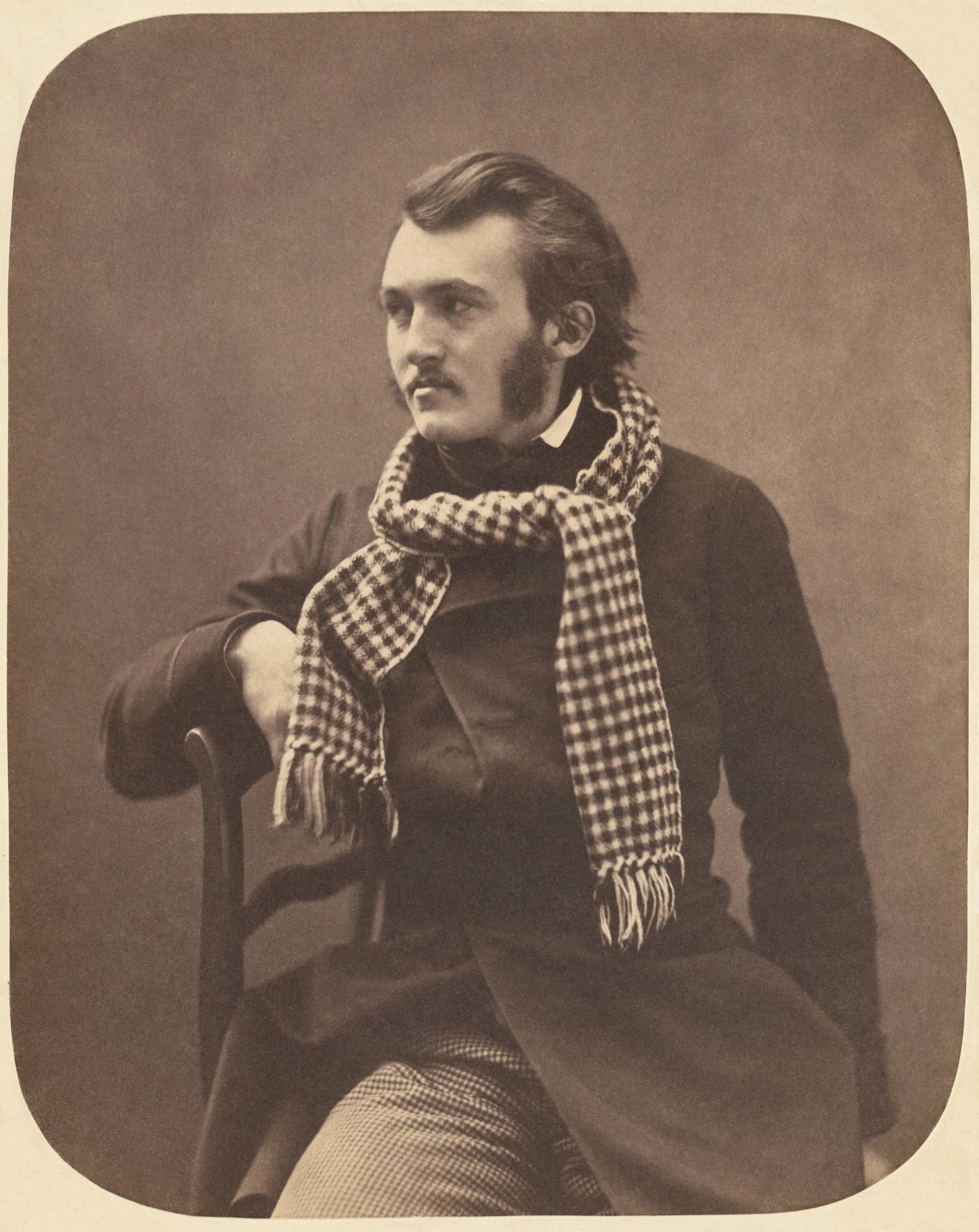
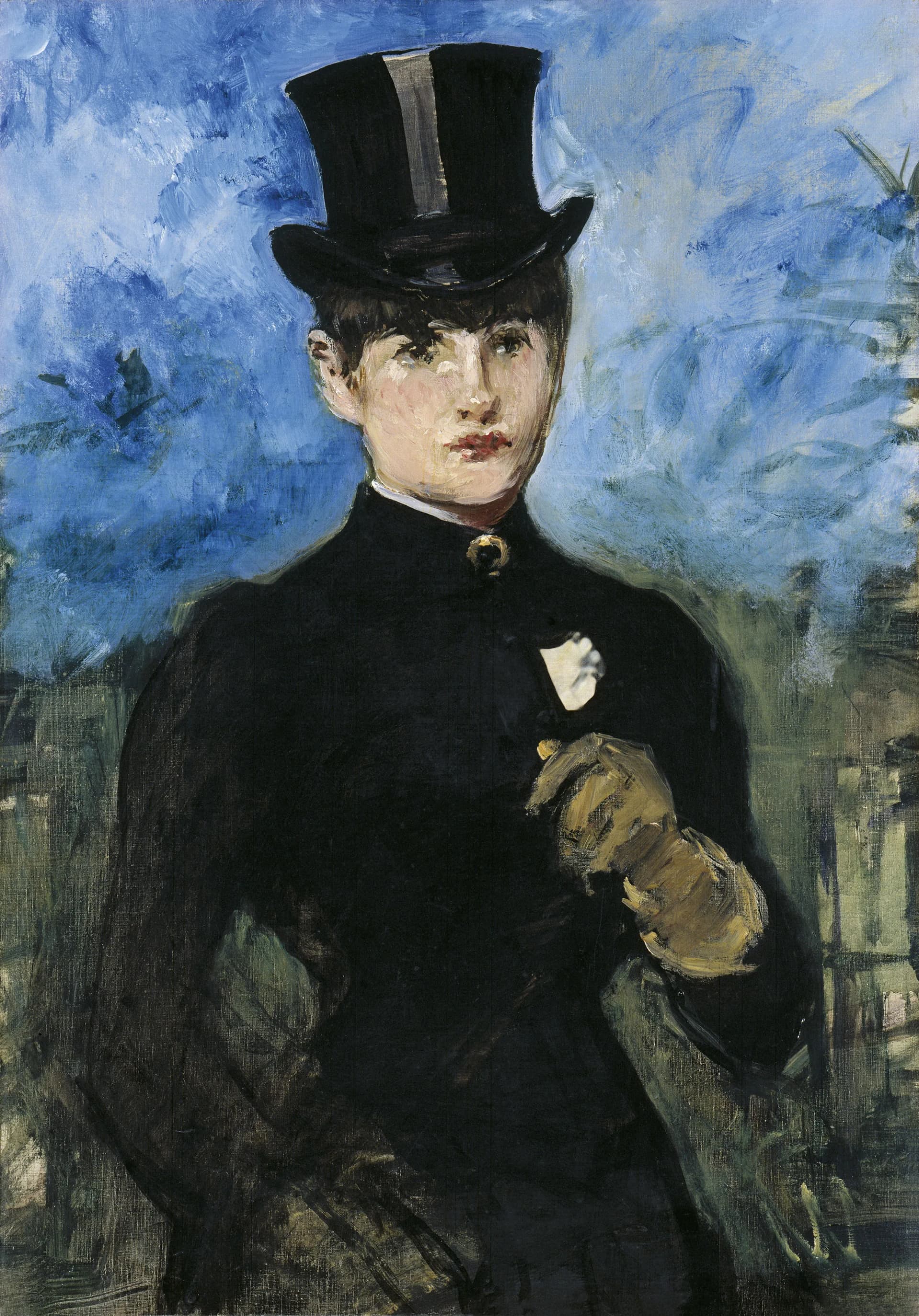
Édouard Manet (January 23, 1832 – April 30, 1883) was a French painter. He was a modernist who was among the first 19th-century artists to paint modern life. Manet was a significant figure in the shift from Realism to Impressionism, leaving a lasting impact on art.
ជីវិតក្នុងពេលវេលា
ពេលវេលាដែលបានបង្កើតជីវិត
ជំពូកទី
ជំពូកជីវិត
ជំពូកទី 1 · 1832· ជំពូកទី 1 នៃ 7
Early Life and Origins
Édouard Manet was born on January 23, 1832, in the historically rich environment of Paris, France, specifically within what was then the city's former 10th arrondissement. This bustling Parisian setting, known for its vibrant cultural and intellectual scene, undoubtedly provided fertile ground for the development of his artistic sensibilities. His upbringing in the French capital was instrumental in shaping an artist who would later challenge and redefine established art conventions.
ជំពូកទី 2· ជំពូកទី 2 នៃ 7
Career Beginnings
Manet embarked on a diverse and distinguished artistic career, utilizing a wide array of mediums and professional roles. His talents encompassed being a dedicated artist, a skilled illustrator, and a compelling visual artist, showcasing his innate ability to communicate through various forms of imagery. These early roles established his broad engagement with the creative world.
Beyond traditional painting, Manet was also a proficient architectural draftsperson and a general draftsperson, demonstrating a meticulous eye for detail and structure. Furthermore, his expertise extended to lithography, a printing method that allowed him to explore broader dissemination of his artistic concepts.
ជំពូកទី 3· ជំពូកទី 3 នៃ 7
Major Achievements and Career Highlights
Manet's career was marked by significant achievements that redefined artistic expression in the 19th century. He earned distinction as one of the very first artists of his era to commit to portraying modern life, moving away from historical or mythological subjects that previously dominated art. His bold choice to capture everyday scenes and contemporary figures injected a fresh, immediate relevance into his art, making his work profoundly innovative. This focus on the present moment, on the rapidly changing Parisian world around him, positioned Manet at the vanguard of a new artistic movement.
Crucially, Manet acted as a pivotal bridge in the evolving art historical landscape, facilitating the transition from the detailed precision of Realism to the subjective, light-focused sensibilities of Impressionism. His stylistic innovations, characterized by broad brushstrokes and a stark, flat application of color, served as a crucial catalyst for this artistic shift. Manet's unique approach to composition and his daring subject matter challenged academic conventions, thus paving the way for the radical changes that Impressionism would bring.
His canvases often sparked controversy, but their enduring impact on how artists perceived and represented their world was undeniable. Manet's unwavering commitment to his unique vision, despite criticism, solidified his status as a truly transformative figure in French painting. His influential works encouraged other artists to look to their immediate surroundings for inspiration, fundamentally altering the artistic dialogue of his time.
ជំពូកទី 4 · 1829· ជំពូកទី 4 នៃ 7
Personal Life
While detailed accounts of Édouard Manet's personal relationships remain largely private, his art occasionally offered glimpses into his inner circle. A tender example is his painting Madame Manet (Suzanne Leenhoff, 1829–1906) at Bellevue, created in 1880. This artwork portrays his wife, Suzanne Leenhoff, providing a rare and intimate connection between his personal life and his esteemed artistic output.
ជំពូកទី 5 · 1829· ជំពូកទី 5 នៃ 7
Notable Works or Contributions
Édouard Manet's lasting legacy is profoundly visible through his extensive collection of influential artworks, many of which are celebrated in major museums worldwide. The Metropolitan Museum of Art in New York proudly displays several of his masterworks, offering a comprehensive view of his stylistic evolution. Among these treasured pieces is Madame Manet (Suzanne Leenhoff, 1829–1906) at Bellevue from 1880, alongside the striking A Matador, painted between 1866 and 1867.
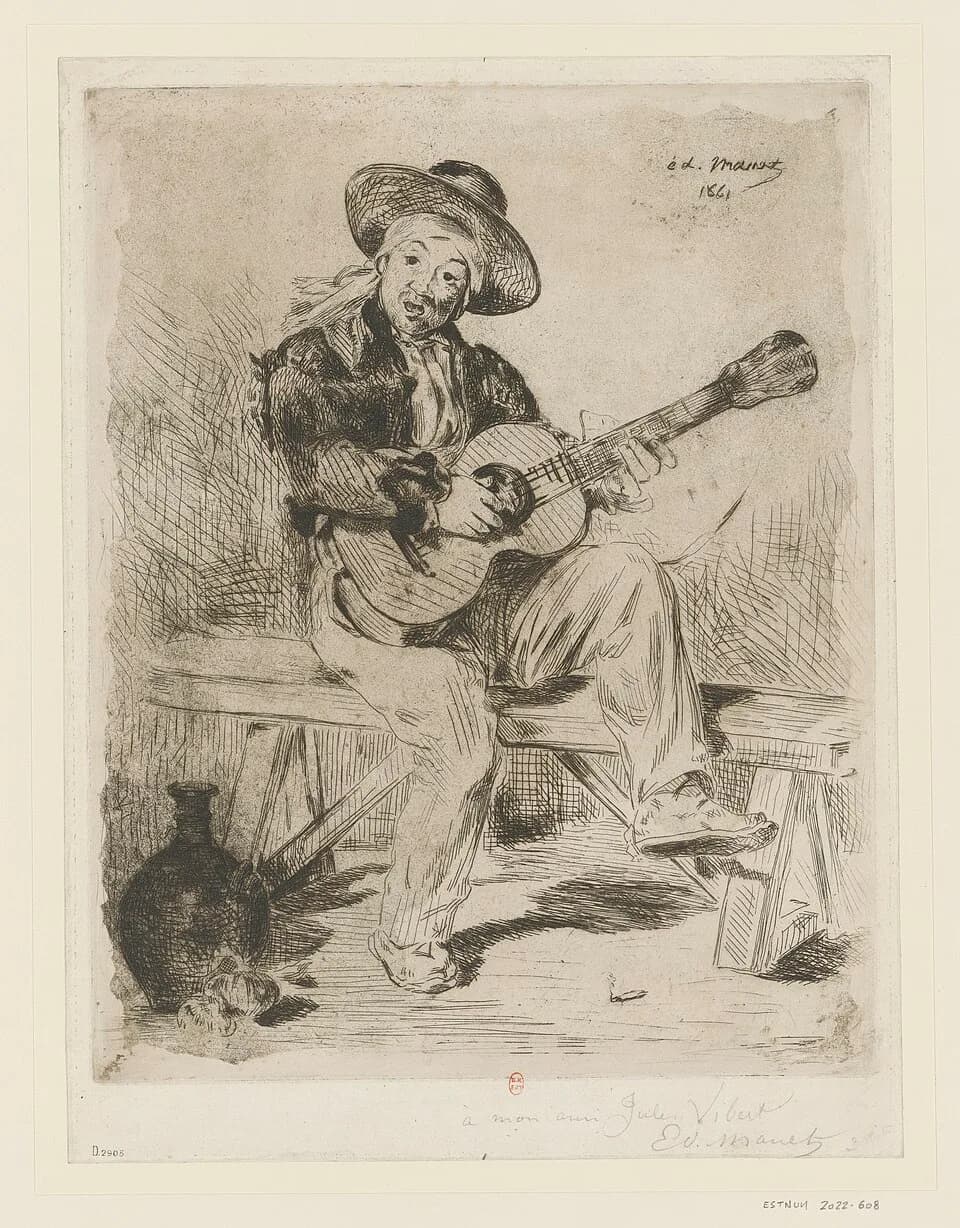
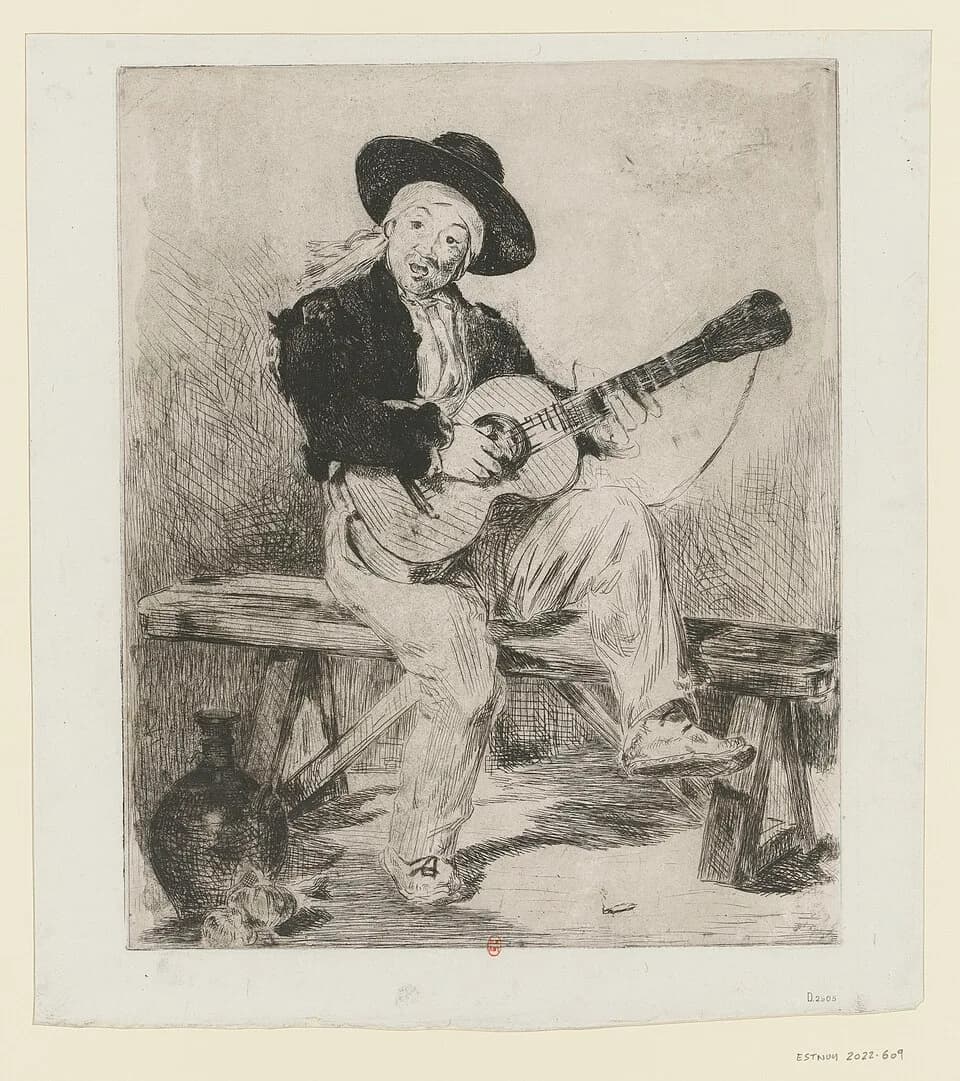
The Met's collection also features the emotionally charged The Dead Christ with Angels from 1864, demonstrating his capacity for dramatic composition. His work The Spanish Singer, completed in 1860, highlights his early fascination with Spanish themes and figures. Additionally, the museum houses his compelling portrait of George Moore (1852–1933), executed in 1879, showcasing his skill in capturing individual character.
Further expanding his reach, The Art Institute of Chicago holds an impressive array of Manet's significant contributions to art. These include the captivating The Tragic Actor (Rouvière in the role of Hamlet) from 1865–66, which captures the theatrical intensity of its subject. Another dynamic work, The Races at Longchamp, painted in 1866, perfectly embodies his interest in modern Parisian life and leisure activities.
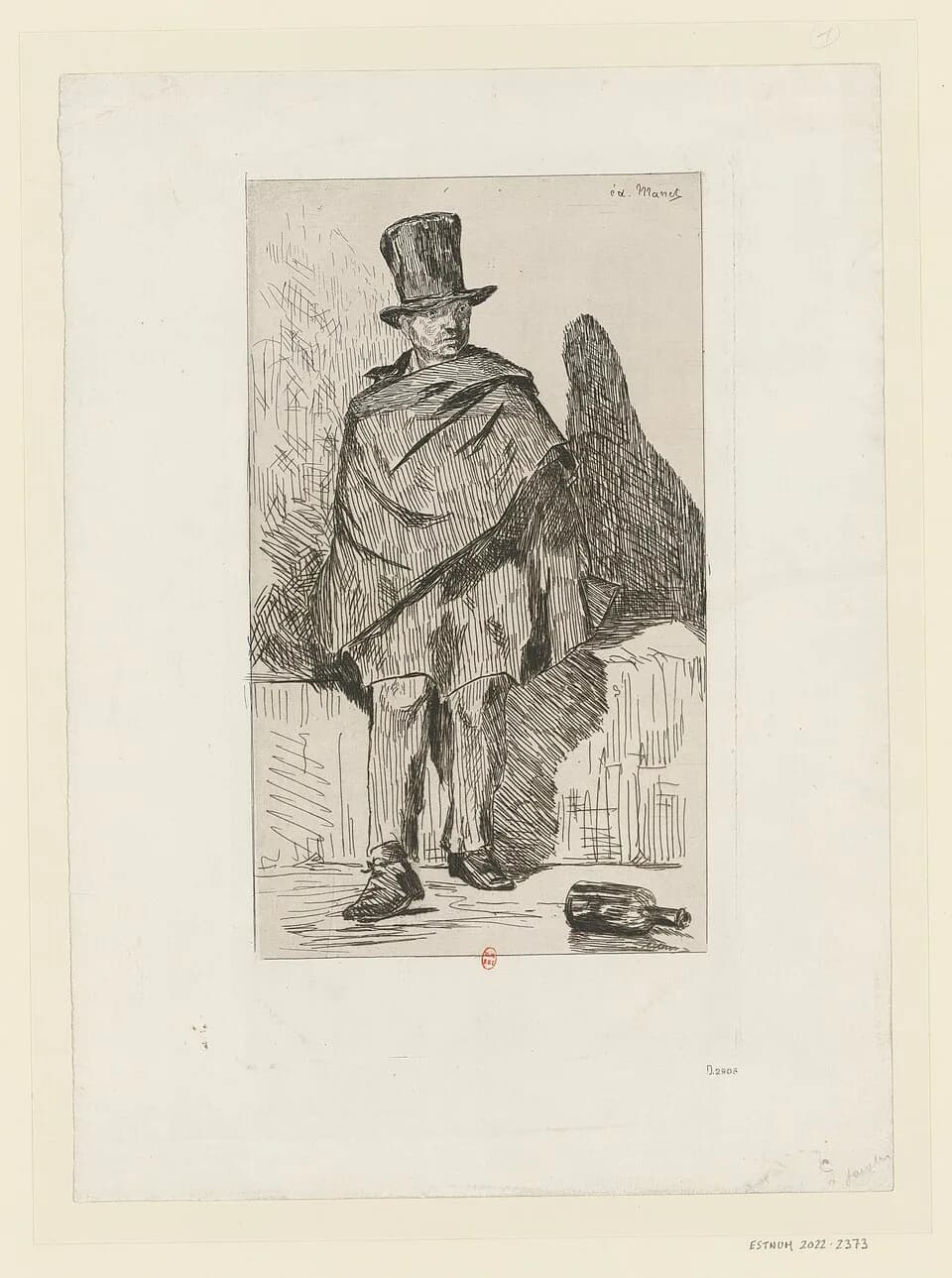
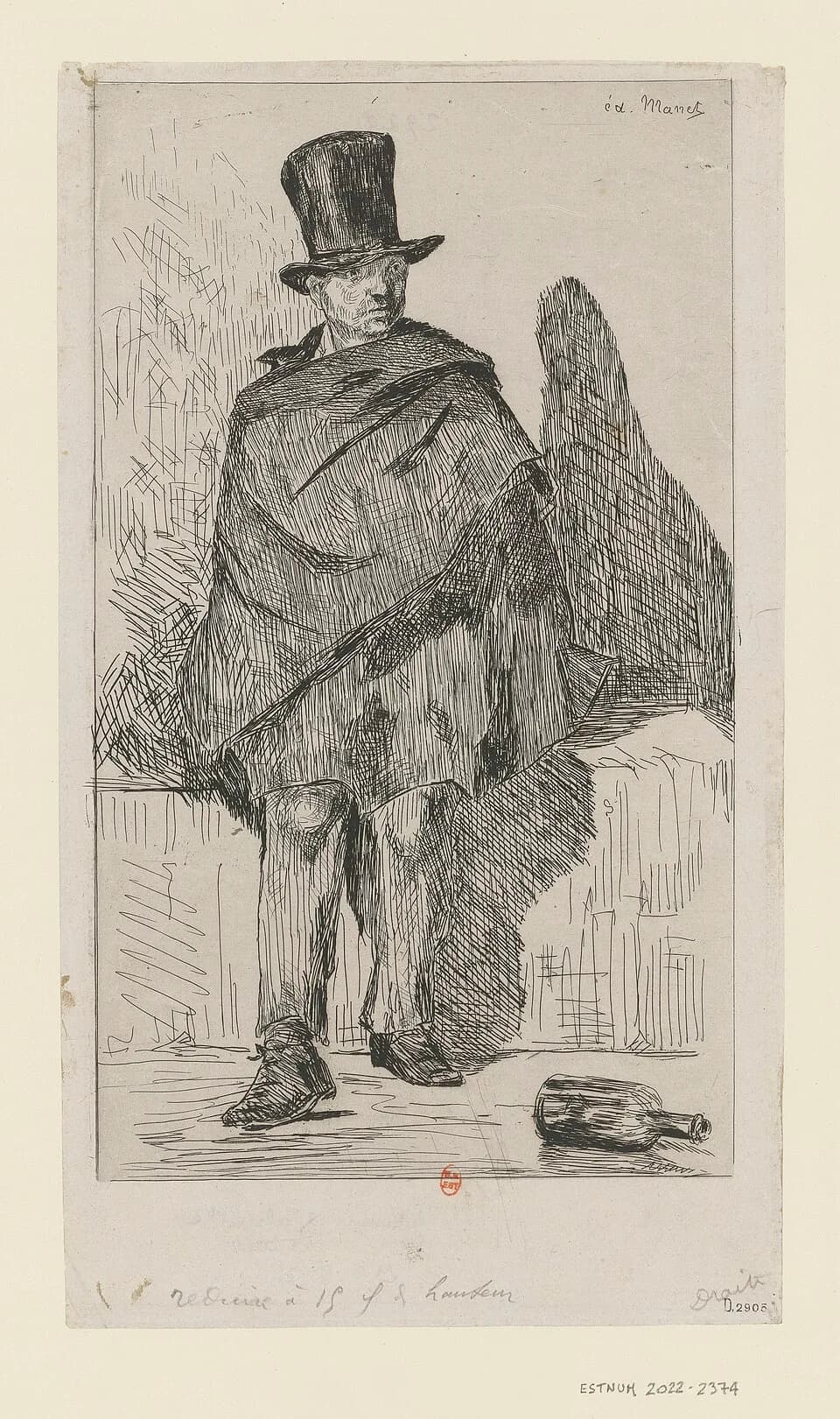
The Chicago collection also features the contemplative Jesus Mocked by the Soldiers from 1865, a piece that reflects his engagement with religious narratives in his distinctive style. His masterful still life, Fish, created in 1864, exemplifies his ability to imbue everyday objects with profound artistic presence. Additionally, the museum exhibits Woman Reading (1880–82) and the delicate Berthe Morisot in Silhouette (1872–74, printed 1884). Two thought-provoking works from 1865–67, Beggar with a Duffle Coat (Philosopher) and Beggar with Oysters (Philosopher), underscore his empathetic portrayals of societal figures. Finally, his evocative Bullfight from 1865–66 further illustrates his recurring engagement with Spanish cultural themes.
ជំពូកទី 6 · 1883· ជំពូកទី 6 នៃ 7
Later Years
Édouard Manet remained dedicated to his artistic vision throughout his life, continuing to create compelling works that sustained his influence until his final days. His later period saw the sustained exploration of themes and techniques that he had pioneered earlier in his career, enriching his already substantial body of work. Manet passed away on April 30, 1883, in the 8th arrondissement of Paris, France, leaving behind a profound and lasting artistic legacy.
ជំពូកទី 7· ជំពូកទី 7 នៃ 7
Legacy and Impact
The legacy of Édouard Manet as a French modernist painter is both enduring and monumental, having irrevocably reshaped the course of art history. He is revered as a seminal figure who possessed the courage and innovation to break away from the academic traditions that had long constrained artistic expression. By focusing on the portrayal of modern existence, he brought a new vitality and realism to the canvas, mirroring the changing world around him.
Manet's unique vision and stylistic breakthroughs undeniably helped to lay the groundwork for the Impressionist movement and subsequent artistic developments. His innovative use of color, light, and composition continues to be studied and admired by artists and scholars alike. The enduring impact of his distinctive subject matter and revolutionary techniques ensures his esteemed place among the most influential and celebrated artists in history.
សំណួរញឹកញាប់
សំណួរញឹកញាប់
Édouard Manet បានទទួលមរណភាពនៅពេលណា?
Édouard Manet បានទទួលមរណភាពនៅថ្ងៃទី 30 មេសា 1883 នៅ 8th arrondissement of Paris, France, ក្នុងវ័យ 51 ឆ្នាំ។
Édouard Manet បានកើតនៅឯណា?
Édouard Manet បានកើតនៅ former 10th arrondissement of Paris, France នៅថ្ងៃទី 23 មករា 1832។
Édouard Manet ត្រូវបានគេស្គាល់ច្រើនបំផុតពីអ្វី?
Édouard Manet ត្រូវបានគេស្គាល់ច្រើនបំផុតពី French painter។
Édouard Manet មានអាយុប៉ុន្មាននៅពេលស្លាប់?
Édouard Manet មានអាយុ 51 ឆ្នាំនៅពេលស្លាប់។
Édouard Manet មានសញ្ជាតិអ្វី?
Édouard Manet មកពី France។
បន្ទាត់ពេលវេលា
ជីវិតមួយពេលតែម្តង
វិចិត្រសាលរូបថត
ជីវិតក្នុងរូបភាព
ចុចលើ polaroid ណាមួយដើម្បីពង្រីក · 50 រូបថត
កូដ QR
ចែករំលែកជីវប្រវត្តិនេះ
បោះពុម្ព និងចែករំលែក
ស្កេនដើម្បីចូលមើលទំព័រជីវប្រវត្តិនេះ។ បោះពុម្ពសម្រាប់ព្រឹត្តិការណ៍ ការតាំងបង្ហាញ ឬឯកសារអប់រំ។