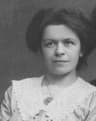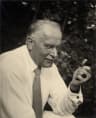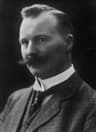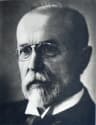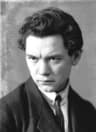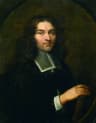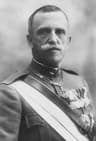
Туылды
March 7, 1875
Ciboure, France
Қайтыс болды
December 28, 1937
Paris, France
Несімен танымал
French composer
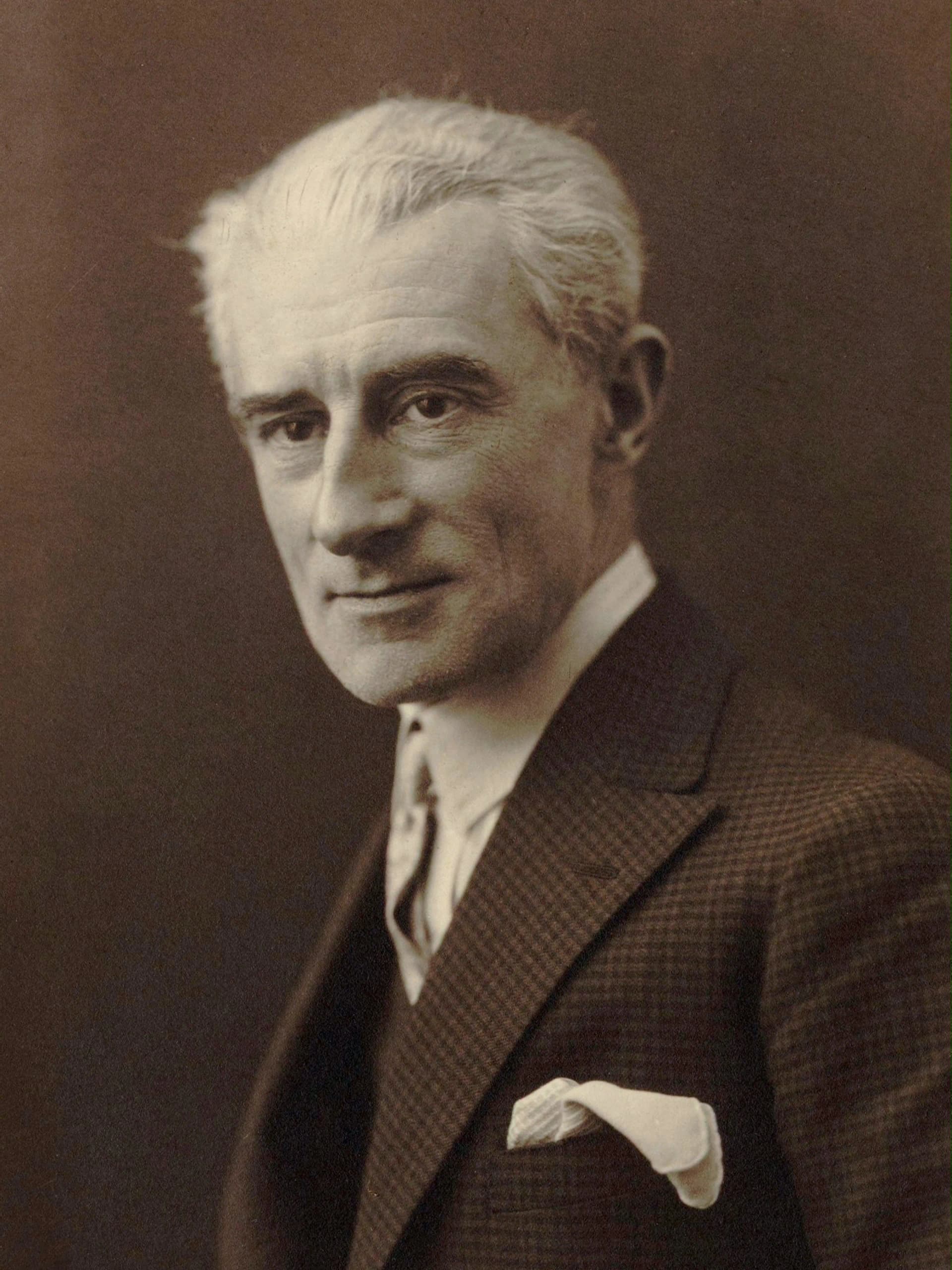
Maurice Ravel (1875–1937) was France best known for French composer.
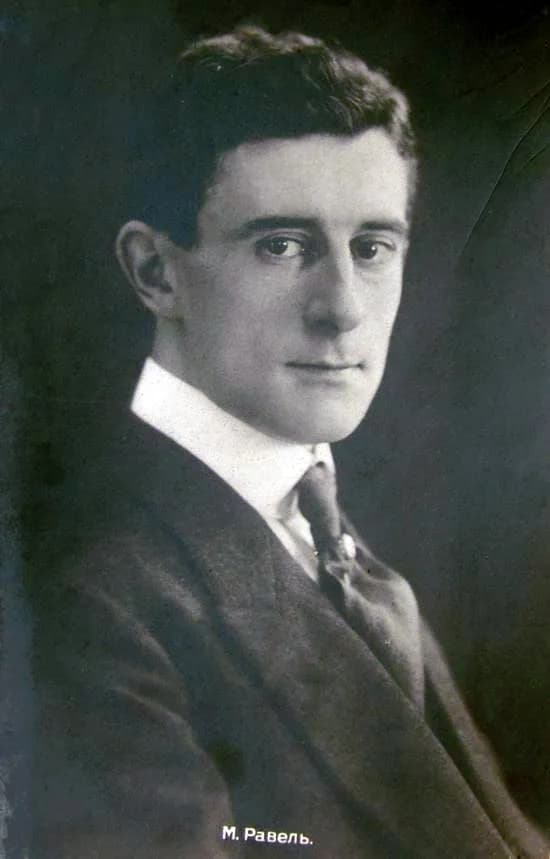
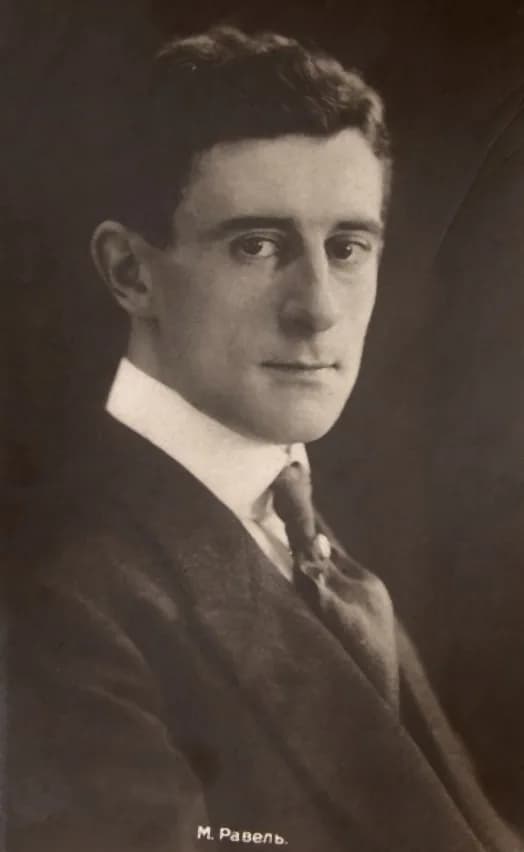
Joseph Maurice Ravel (1875-1937) was a French composer, pianist, and conductor from Ciboure, France. He created masterful works like "Boléro" and "Daphnis et Chloé" that bridged Impressionism and modernism. By the 1920s, he was internationally regarded as France's greatest living composer.
Бөлім
Өмір тараулары
Бөлім 1 · 1875· Бөлім 1 / 7
Early Life and Origins
Maurice Ravel was born on March 7, 1875, in Ciboure, a small port town in the French Basque country near the Spanish border. This location would prove significant in shaping his musical sensibilities, as the region's rich folk traditions and proximity to Spain influenced many of his later compositions. His family moved to Paris when he was still an infant, where he would spend most of his formative years.
Growing up in the cultural heart of France, Ravel was exposed to the vibrant artistic scene of late 19th-century Paris. His early musical education began in childhood, and he showed exceptional promise as both a pianist and composer. The cosmopolitan atmosphere of Paris, combined with his Basque heritage, created a unique cultural foundation that would later emerge in his sophisticated yet emotionally resonant compositions.
Бөлім 2· Бөлім 2 / 7
Career Beginnings
Ravel's formal musical training took place at the Paris Conservatory, where he studied composition and piano. His early works showed remarkable technical skill and an already distinctive harmonic language that set him apart from his contemporaries. During this period, he began developing the meticulous attention to orchestration and form that would become hallmarks of his mature style.
As a young composer, Ravel was often grouped with the Impressionist movement alongside Claude Debussy, though both composers rejected this label. His early compositions demonstrated a more structured approach than typical Impressionist works, showing influences from classical forms while incorporating modern harmonic innovations. This unique synthesis would become a defining characteristic of his musical identity.
Бөлім 3· Бөлім 3 / 7
Major Achievements and Career Highlights
By the 1920s and 1930s, Ravel had achieved international recognition as France's greatest living composer. His reputation was built on a series of masterworks that showcased his exceptional gift for orchestration and his ability to blend traditional forms with contemporary harmonic language. His compositions were performed by leading orchestras and conductors throughout Europe and America.
Ravel's dual role as composer and conductor allowed him to shape the interpretation of his works directly. He frequently conducted premieres of his own compositions and made recordings that preserved his intentions for future generations. His skills as a pianist also informed his compositional process, particularly in his piano concertos and solo piano works, which demonstrate an intimate understanding of the instrument's capabilities.
Бөлім 4 · 1912· Бөлім 4 / 7
Notable Works and Contributions
Among Ravel's most celebrated compositions, "Daphnis et Chloé" stands as perhaps his greatest orchestral achievement. This complete ballet, first performed in 1912, showcases his mastery of large-scale orchestral writing and his ability to create vivid musical landscapes. The work exists both as a complete ballet and as orchestral suites, allowing audiences to experience Ravel's rich harmonic palette and innovative orchestration techniques.
His piano concertos represent another pinnacle of his creative output. The Piano Concerto for the Left Hand, commissioned by pianist Paul Wittgenstein, demonstrates Ravel's ingenuity in creating a full orchestral sound while accommodating the technical limitations imposed by the single-handed performance requirement. His Concerto in G major showcases a different aspect of his style, incorporating jazz influences that reflect the cosmopolitan musical culture of 1920s Paris.
Ravel's chamber music, including his String Quartet in F major, reveals his ability to work effectively in intimate forms. These works display the same attention to harmonic detail and formal structure that characterizes his larger compositions, while allowing for greater exploration of subtle musical relationships. His song cycles and vocal works further demonstrate his sensitivity to text and his ability to create musical settings that enhance poetic meaning.
Бөлім 5· Бөлім 5 / 7
Personal Life and Character
Despite his public success, Ravel maintained a relatively private personal life. He was known for his meticulous attention to detail, both in his compositions and in his personal appearance. Colleagues and friends described him as a perfectionist who would spend considerable time refining even the smallest musical details. This careful approach to his craft contributed to the polished, crystalline quality that characterizes his mature works.
Ravel's Basque heritage remained important to him throughout his life, and elements of Spanish and Basque folk music appear in many of his compositions. His "Rapsodie Espagnole" and other works with Spanish themes reflect this ongoing connection to his cultural roots. He never married and lived a relatively solitary life, dedicating himself primarily to his musical pursuits and maintaining a small circle of close artistic friends.
Бөлім 6· Бөлім 6 / 7
Later Years and Final Works
Ravel's later career was marked by continued innovation and refinement of his compositional technique. His final major works, including his piano concertos, represent the culmination of decades of musical development. These pieces demonstrate his ongoing ability to incorporate new influences while maintaining his distinctive musical voice.
The composer's health began to decline in his final years, and he found it increasingly difficult to compose. Despite these challenges, he continued to conduct and supervise performances of his works, ensuring that his musical legacy would be preserved according to his artistic vision. His dedication to his craft remained unwavering even as his physical capabilities diminished.
Бөлім 7 · 1937· Бөлім 7 / 7
Legacy and Lasting Impact
Maurice Ravel's death in Paris on December 28, 1937, marked the end of an era in French music. His influence on subsequent generations of composers has been profound, with his approach to orchestration and harmonic innovation serving as models for countless musicians. His works remain central to the classical repertoire, performed regularly by orchestras, chamber ensembles, and soloists worldwide.
The recordings of Ravel's works, many made during his lifetime or shortly after his death, preserve not only his compositions but also performance traditions that reflect his artistic intentions. These historical documents continue to inform modern interpretations of his music. His contribution to the development of 20th-century classical music cannot be overstated, as he successfully bridged the gap between 19th-century Romanticism and modern musical expression.
Today, Ravel's music continues to inspire new generations of musicians and listeners. His technical innovations in orchestration are still studied in conservatories, while his melodic gifts and harmonic sophistication ensure that his works remain emotionally compelling to contemporary audiences. His legacy as one of France's greatest composers is secure, supported by a body of work that combines intellectual rigor with profound musical beauty.
Өмір сәттері
Өмірді қалыптастырған сәттер
ЖҚС
Жиі қойылатын сұрақтар
Maurice Ravel қашан қайтыс болды?
Maurice Ravel 1937 ж. 28 желтоқсан күні Paris, France-да, 62 жасында қайтыс болды.
Maurice Ravel қайда дүниеге келді?
Maurice Ravel Ciboure, France-да 1875 ж. 7 наурыз күні дүниеге келді.
Maurice Ravel немен танымал?
Maurice Ravel көбінесе French composer арқылы танымал.
Maurice Ravel қайтыс болған кезде неше жаста еді?
Maurice Ravel қайтыс болған кезде 62 жаста еді.
Maurice Ravel-нің ұлты қандай еді?
Maurice Ravel France-нан болған.
Хронология
Өмірге шолу
Фотогалерея
Суреттердегі өмір
Кеңейту үшін кез келген суретті басыңыз · 47 фотосурет
QR коды
Бұл өмірбаянмен бөлісу
Басып шығару және бөлісу
Бұл өмірбаян парағына өту үшін сканерлеңіз. Іс-шаралар, көрмелер немесе білім беру материалдары үшін басып шығарыңыз.