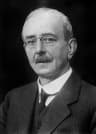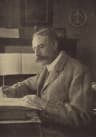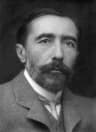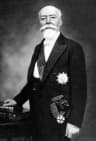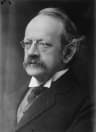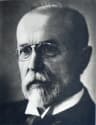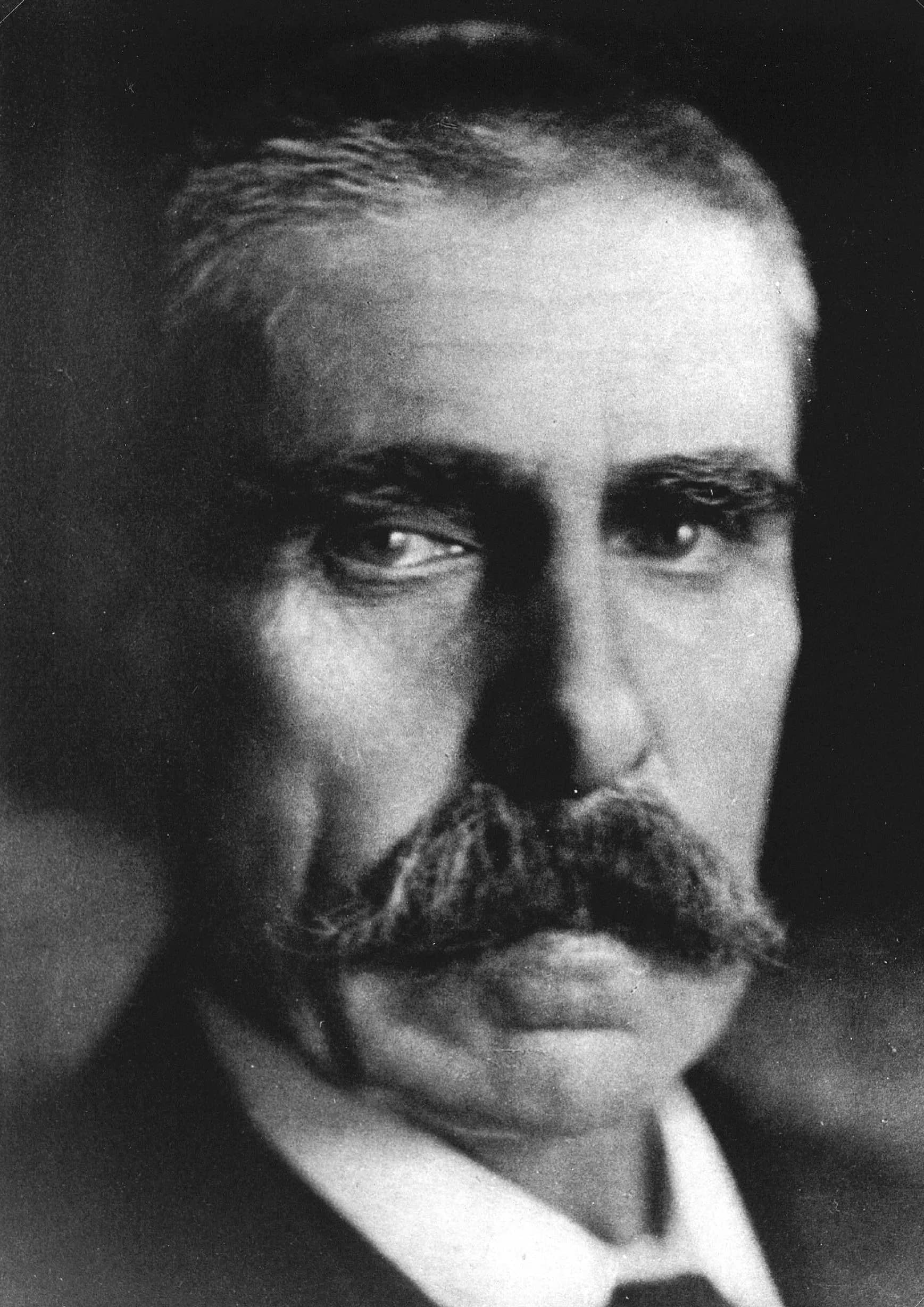
Туылды
March 7, 1857
Wels, Austria
Қайтыс болды
September 27, 1940
Vienna, Austria
Несімен танымал
Austrian doctor, Nobel prize laureate and psychiatrist
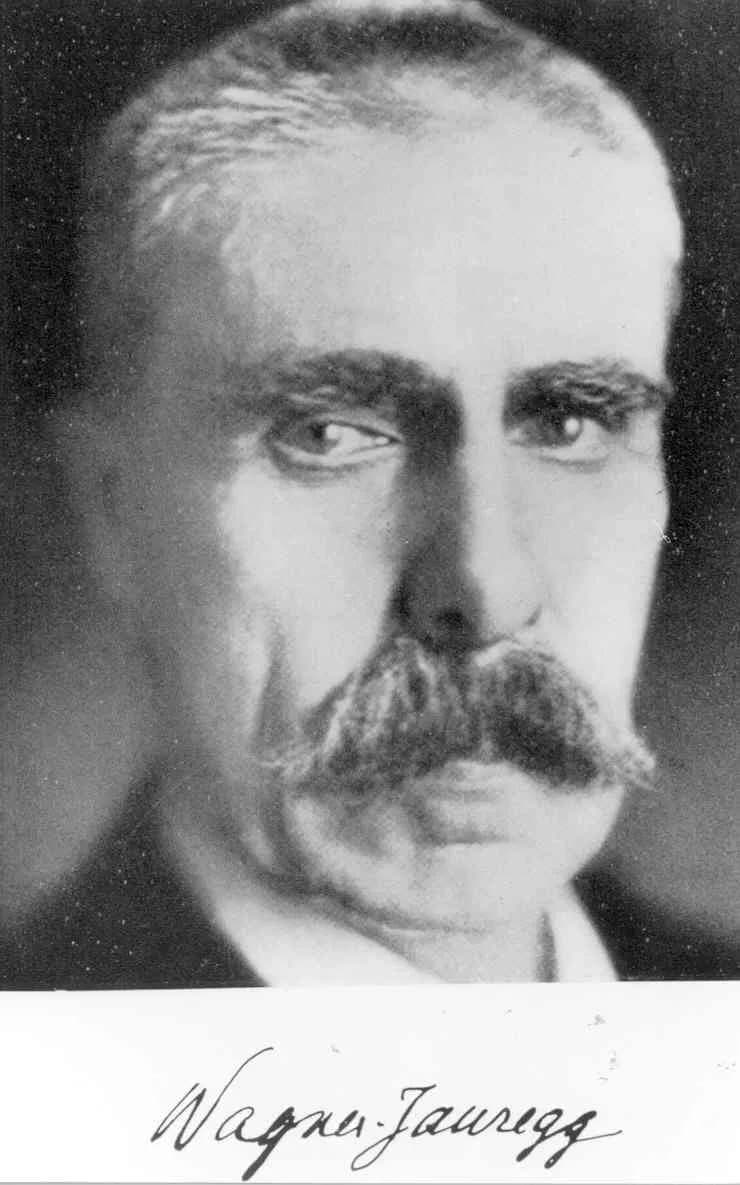
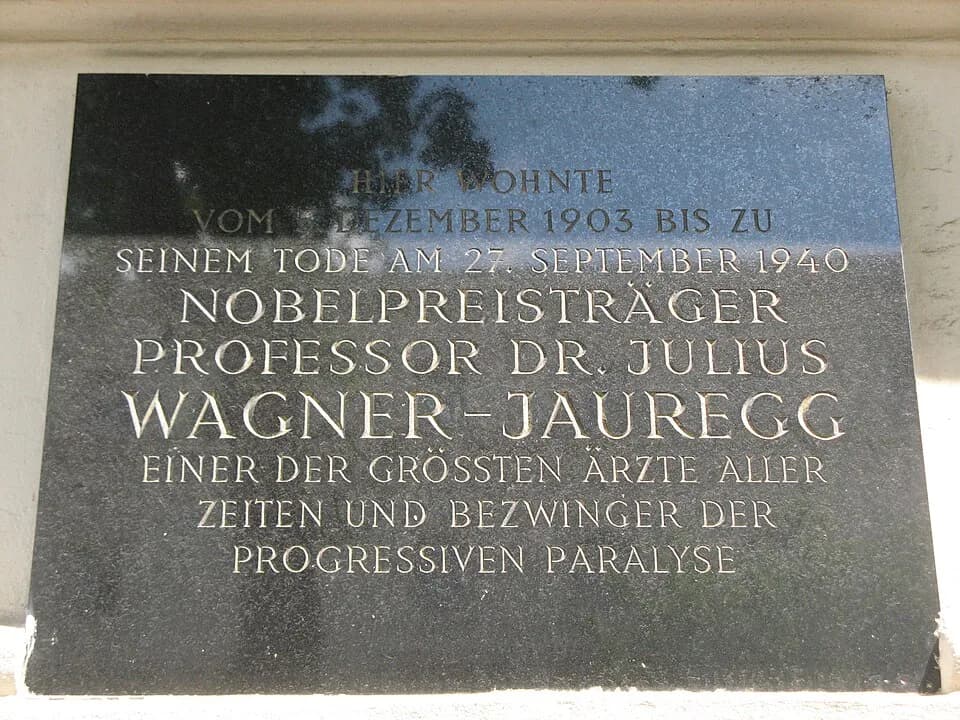
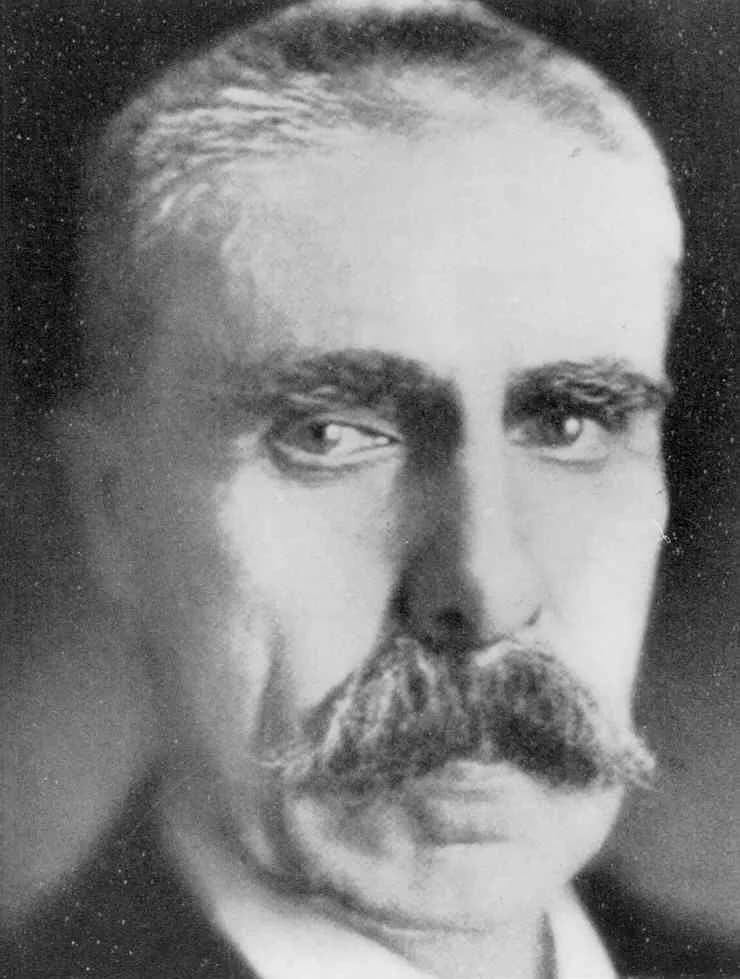
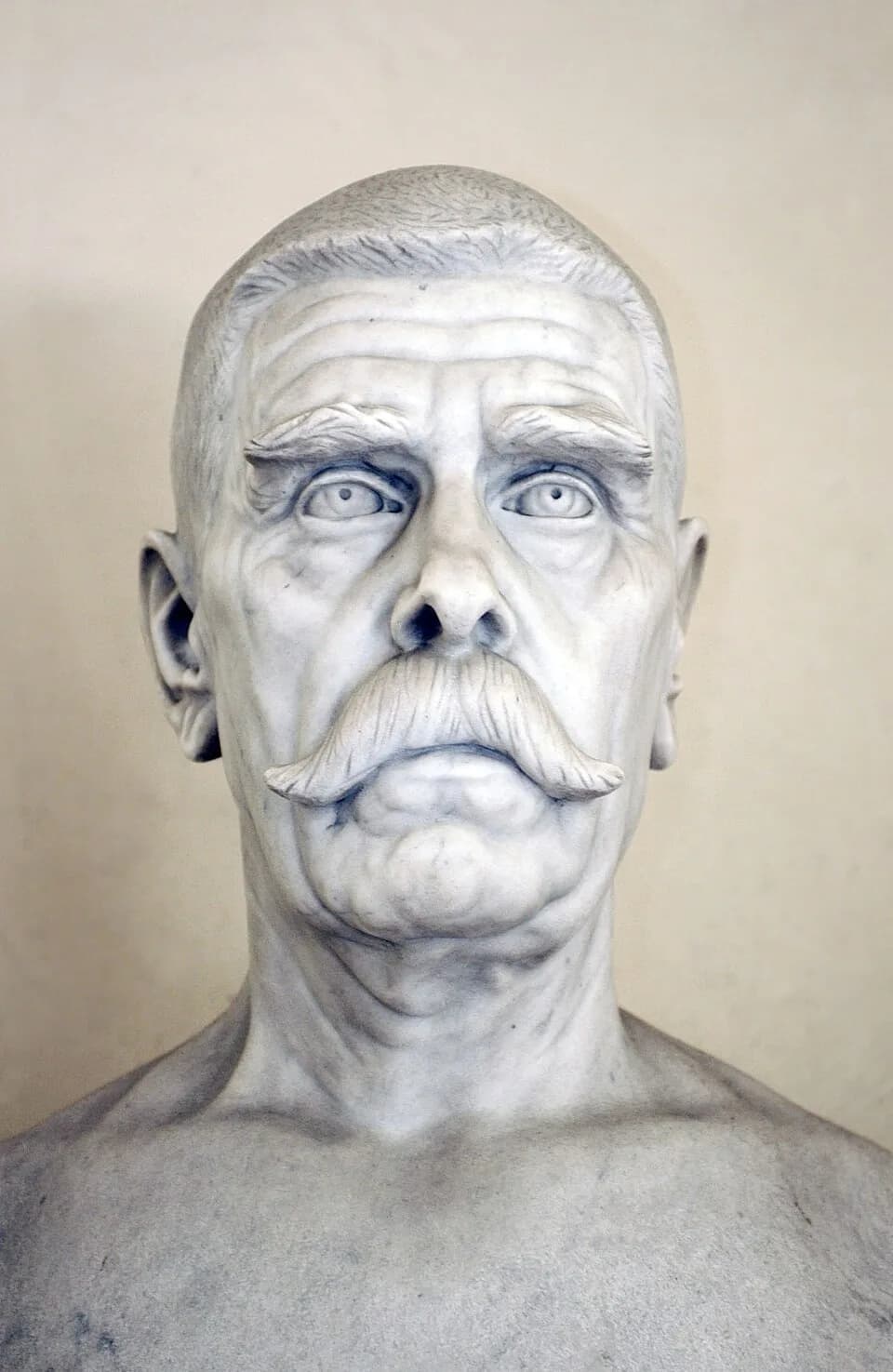
Julius Wagner-Jauregg (1857–1940) was Austria best known for Austrian doctor, Nobel prize laureate and psychiatrist.
Julius Wagner-Jauregg (March 7, 1857 – September 27, 1940) was an Austrian physician, psychiatrist, university teacher, and neurologist. He won the Nobel Prize in Physiology or Medicine in 1927 for discovering malaria inoculation's therapeutic value in treating dementia paralytica. His work made him the first psychiatrist to receive this honor.
Бөлім
Өмір тараулары
Бөлім 1 · 1857· Бөлім 1 / 7
Early Life and Origins
Born on March 7, 1857, in Wels, Austria, Julius Wagner-Jauregg spent his formative years in his home country. This early environment likely influenced his intellectual development and his eventual dedication to a medical career. While specific details about his family and upbringing are not extensively documented, his birthplace provided the foundational setting for his future scientific endeavors and education.
Бөлім 2· Бөлім 2 / 7
Career Beginnings
Wagner-Jauregg embarked on his medical journey with a focus on the challenging fields of neurology and psychiatry. He pursued his education and initial professional experiences within Austria, steadily building a reputation for meticulous research and observation. His early work as a physician and neurologist laid crucial groundwork for the specialized investigations that would later define his career.
Бөлім 3· Бөлім 3 / 7
Major Achievements and Career Highlights
A defining moment in Wagner-Jauregg's career was his innovative research into dementia paralytica, a severe neurosyphilitic condition that had previously defied effective treatment. This disease presented a significant challenge to medical science, and he sought a novel therapeutic approach. His breakthrough came with the discovery of the therapeutic value of malaria inoculation in treating this devastating condition.
This pioneering method, known as malariotherapy, earned him the Nobel Prize in Physiology or Medicine in 1927. The Nobel award recognized his "discovery of the therapeutic value of malaria inoculation in the treatment of dementia paralytica," solidifying his place among the most influential medical figures of his era. This prestigious recognition also made him the first psychiatrist to ever receive such an honor, marking a significant milestone for the field of psychiatry itself.
Бөлім 4· Бөлім 4 / 7
Personal Life
The available information does not extensively detail Julius Wagner-Jauregg's personal life, including his family or specific interests outside of his professional sphere. His dedication to his medical and scientific pursuits was clearly central to his identity and consumed much of his time. While specific personal anecdotes remain unstated, his professional contributions undeniably shaped his public persona and legacy.
Бөлім 5· Бөлім 5 / 7
Notable Works or Contributions
Wagner-Jauregg's most significant contribution to medicine was the development of malariotherapy. He observed that patients with fever often showed improvements in certain psychiatric conditions, leading him to explore fever-inducing agents as a treatment. His method involved intentionally infecting patients with a mild form of malaria, leveraging the high fever produced by the parasitic infection to combat the syphilis spirochetes affecting the brain and nervous system.
This revolutionary treatment offered a ray of hope for countless individuals suffering from dementia paralytica, a previously incurable illness with dire prognoses. By intentionally introducing a pathogen to fight another, Wagner-Jauregg introduced a paradigm shift in therapeutic approaches for neuro-psychiatric conditions. His work demonstrated a courageous and innovative spirit in medicine.
Бөлім 6 · 1940· Бөлім 6 / 7
Later Years
Julius Wagner-Jauregg continued his valuable work and lived a full life dedicated to scientific inquiry and education. He passed away on September 27, 1940, in Vienna, Austria, the city where much of his impactful career unfolded. His death marked the end of a prolific period that deeply impacted the course of modern psychiatry and neurology, leaving behind a rich body of work and influence.
Бөлім 7· Бөлім 7 / 7
Legacy and Impact
Julius Wagner-Jauregg's legacy extends far beyond the immediate success of malariotherapy. He demonstrated that even severe psychiatric and neurological conditions could be approached with innovative biological and physical treatments. His pioneering work paved the way for future explorations into psychopharmacology, immunotherapies, and fever therapy within mental health research.
As the first psychiatrist to win a Nobel Prize, he significantly elevated the scientific standing of psychiatry, inspiring generations of researchers and clinicians to pursue biological interventions for mental illness. His courage and scientific ingenuity transformed the understanding and treatment of neurological diseases, leaving an enduring imprint on medical history.
Өмір сәттері
Өмірді қалыптастырған сәттер
ЖҚС
Жиі қойылатын сұрақтар
Julius Wagner-Jauregg қашан қайтыс болды?
Julius Wagner-Jauregg 1940 ж. 27 қыркүйек күні Vienna, Austria-да, 83 жасында қайтыс болды.
Julius Wagner-Jauregg қайда дүниеге келді?
Julius Wagner-Jauregg Wels, Austria-да 1857 ж. 7 наурыз күні дүниеге келді.
Julius Wagner-Jauregg немен танымал?
Julius Wagner-Jauregg көбінесе Austrian doctor, Nobel prize laureate and psychiatrist арқылы танымал.
Julius Wagner-Jauregg қайтыс болған кезде неше жаста еді?
Julius Wagner-Jauregg қайтыс болған кезде 83 жаста еді.
Julius Wagner-Jauregg-нің ұлты қандай еді?
Julius Wagner-Jauregg Austria-нан болған.
Хронология
Өмірге шолу
Фотогалерея
Суреттердегі өмір
Кеңейту үшін кез келген суретті басыңыз · 16 фотосурет
QR коды
Бұл өмірбаянмен бөлісу
Басып шығару және бөлісу
Бұл өмірбаян парағына өту үшін сканерлеңіз. Іс-шаралар, көрмелер немесе білім беру материалдары үшін басып шығарыңыз.