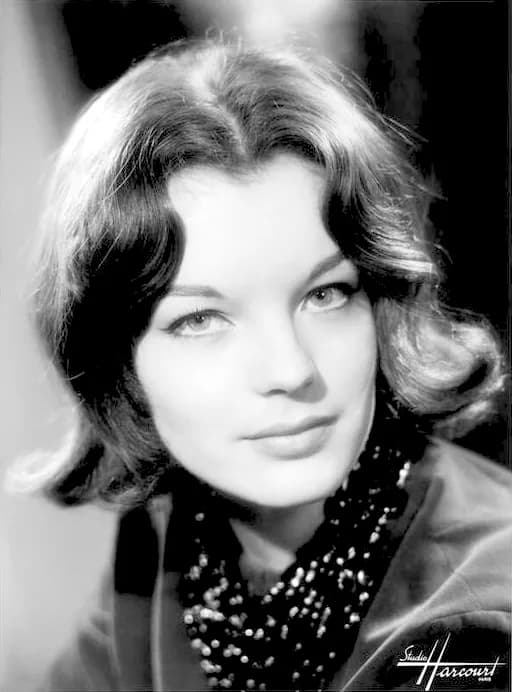
დაბადებული
September 23, 1938
Vienna, Austria
გარდაცვლილი
May 29, 1982
7th arrondissement of Paris, France
ცნობილია როგორც
German-French actress
Romy Schneider (1938–1982) was Austria best known for German-French actress.
Romy Schneider (September 23, 1938 – May 29, 1982) was a German and French actress from Vienna, Austria. She became a cult figure as Empress Elisabeth in the Sissi trilogy and later reprised the role in Ludwig (1973). Schneider is regarded as one of the greatest screen actresses of all time, leaving a lasting impact on cinema.
თავი
ცხოვრების თავები
თავი 1 · 1938· თავი 1 7-დან
Remembering Romy Schneider
Romy Schneider, born Rosemarie Magdalena Albach on September 23, 1938, was a distinguished German and French actress whose extraordinary talent captivated audiences worldwide. She tragically passed away on May 29, 1982, in the 7th arrondissement of Paris, France, leaving behind an indelible legacy. Schneider is widely regarded as one of the greatest screen actresses of all time, her performances continuing to resonate with critics and admirers.
Her career was marked by significant evolution, transitioning from an adored ingénue to a respected dramatic artist. From her early breakthrough as Empress Elisabeth of Austria in the Sissi trilogy, she cultivated a unique presence on screen. Later in her career, she reprised this iconic role in a more mature and complex interpretation for Luchino Visconti's 1973 film, Ludwig, showcasing her remarkable versatility and depth as an actress.
თავი 2 · 1938· თავი 2 7-დან
Early Life and Origins
Rosemarie Magdalena Albach, who would later be known professionally as Romy Schneider, was born in the historic city of Vienna, Austria, on September 23, 1938. Her origins in a family connected to the arts perhaps hinted at her future path. Vienna's rich cultural heritage provided a backdrop for her formative years before her entry into the cinematic world.
თავი 3· თავი 3 7-დან
Career Beginnings
Romy Schneider embarked on her professional acting journey at a remarkably young age, beginning her career in the early 1950s when she was just 15 years old. Her initial foray into cinema was within the German Heimatfilm genre, a popular style of film at the time that often depicted rural life and traditional values. These early roles quickly established her as a rising star within the German-speaking world.
As her career progressed, Schneider made a pivotal decision to move to France, a move that would significantly reshape her artistic trajectory. In France, she found new opportunities and collaborated with some of the most notable film directors of that era. This transition allowed her to explore a broader range of characters and genres, leading to a period of highly successful and critically acclaimed films that further solidified her reputation as a formidable actress.
თავი 4· თავი 4 7-დან
Major Achievements and Career Highlights
A cornerstone of Romy Schneider's early fame was her captivating portrayal of Empress Elisabeth of Austria in the beloved Sissi trilogy during the mid-1950s. This series transformed her into a cult figure, making her a household name across Europe and beyond. Her enchanting performance brought the historical figure to life, endearing her to millions and becoming a defining aspect of her public image.
Demonstrating her growth and artistic ambition, Schneider revisited the character of Empress Elisabeth in Luchino Visconti's 1973 historical drama, Ludwig. This reprisal offered a more nuanced and mature interpretation of the Empress, showcasing her profound evolution as a dramatic actress. The film received critical acclaim, highlighting her ability to delve deeper into complex roles.
Throughout her career, Romy Schneider collaborated with some of the most distinguished film directors, resulting in a series of successful and critically acclaimed productions. Her ability to deliver powerful and authentic performances earned her widespread admiration from her peers and industry legends. Iconic fashion designer Coco Chanel once described Romy as "the ultimate incarnation of the ideal woman," underscoring her unique allure and cultural impact. Filmmaker Bertrand Tavernier also praised her artistry, remarking: "Sautet is talking about Mozart with regard to Romy. Me, I want to talk of Verdi, Mahler..." These accolades speak to the profound respect she commanded in the artistic community.
თავი 5 · 1973· თავი 5 7-დან
Notable Works or Contributions
Romy Schneider's filmography is punctuated by memorable performances that have left a lasting mark on cinema. Beyond the iconic Sissi trilogy, her work in films like Luchino Visconti's Ludwig (1973) stands out as a testament to her dramatic range and intellectual approach to acting. Her nuanced portrayal in Ludwig earned her significant critical praise.
In her later career, Schneider continued to deliver compelling performances in a variety of films. These include Bloodline (1981), where she once again demonstrated her capacity for intense characterizations. The year 1982 saw her in multiple significant releases such as Mado, The Inquisitor, Fantasma d'amore, and The Passerby, each showcasing her versatile talents shortly before her untimely passing. Even after her death, her work continued to reach audiences, with Womanlight being released in 1983.
თავი 6 · 1981· თავი 6 7-დან
Later Years
Romy Schneider continued to work actively in cinema throughout her final years, delivering powerful performances that further cemented her status as an acting force. Her commitment to her craft remained evident in her late works, including Bloodline (1981) and several films released in 1982: Mado, The Inquisitor, Fantasma d'amore, and The Passerby. These roles showcased her enduring ability to engage with challenging material.
Her life came to an end on May 29, 1982, in the 7th arrondissement of Paris, France. Despite her passing at a relatively young age, the volume and quality of her work in the years leading up to 1982 underscored her dedication and passion for acting, leaving a rich body of work for future generations to appreciate.
თავი 7· თავი 7 7-დან
Legacy and Impact
Romy Schneider’s legacy as a German and French actress endures, firmly establishing her as a true icon of the screen. Her journey from a child star in the Heimatfilm genre to an internationally acclaimed dramatic actress with celebrated directors illustrates her profound impact on the cinematic world. She transformed the perception of her early, lighter roles into a reputation for serious artistry.
Recognized as one of the greatest screen actresses of all time, Schneider's influence extends beyond her performances. She created a unique cult following, particularly through her unforgettable depiction of Empress Elisabeth in the Sissi trilogy and its more mature revisit in Ludwig. Her contributions continue to inspire actors and filmmakers, celebrating a life dedicated to the art of film and theater.
ცხოვრება მომენტებში
მომენტები, რომლებმაც ცხოვრება განსაზღვრა
ხშირად დასმული კითხვები
ხშირად დასმული კითხვები
როდის გარდაიცვალა Romy Schneider?
Romy Schneider გარდაიცვალა 29 მაისი, 1982 7th arrondissement of Paris, France-ში, 43 წლის ასაკში.
სად დაიბადა Romy Schneider?
Romy Schneider დაიბადა Vienna, Austria-ში 23 სექტემბერი, 1938.
რითია ცნობილი Romy Schneider?
Romy Schneider ცნობილია German-French actress-ით.
რამდენი წლის იყო Romy Schneider გარდაცვალებისას?
Romy Schneider გარდაცვალებისას 43 წლის იყო.
რა ეროვნების იყო Romy Schneider?
Romy Schneider იყო Austria-დან.
ქრონოლოგია
ცხოვრება ერთი შეხედვით
ფოტო გალერეა
ცხოვრება ფოტოებში
გადიდებისთვის დააჭირეთ ნებისმიერ პოლაროიდს · 48 ფოტო
QR კოდი
გააზიარეთ ეს ბიოგრაფია
ბეჭდვა და გაზიარება
დაასკანირეთ ამ ბიოგრაფიის გვერდის მოსანახულებლად. დაბეჭდეთ ღონისძიებებისთვის, გამოფენებისთვის ან საგანმანათლებლო მასალებისთვის.