დაბადებული
November 20, 1886
Vienna, Austria
გარდაცვლილი
June 12, 1982
Munich, Germany
ცნობილია როგორც
German-Austrian ethologist
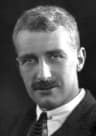
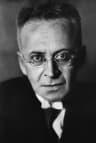
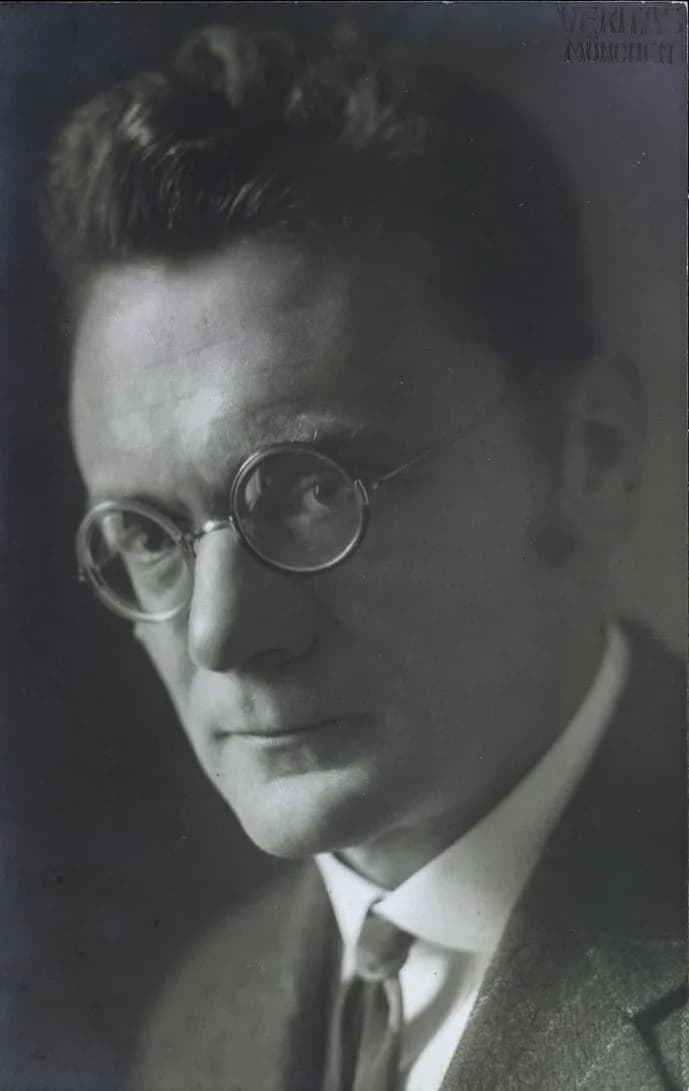
Karl von Frisch (1886–1982) was Austria best known for German-Austrian ethologist.
Karl von Frisch (November 20, 1886 – June 12, 1982) was a German-Austrian ethologist from Vienna, Austria. He received the Nobel Prize in Physiology or Medicine in 1973 for his discoveries concerning social behavior patterns, especially decoding the waggle dance of honeybees. His work revolutionized the understanding of animal communication.
თავი
ცხოვრების თავები
თავი 1 · 1886· თავი 1 6-დან
Early Life and Origins
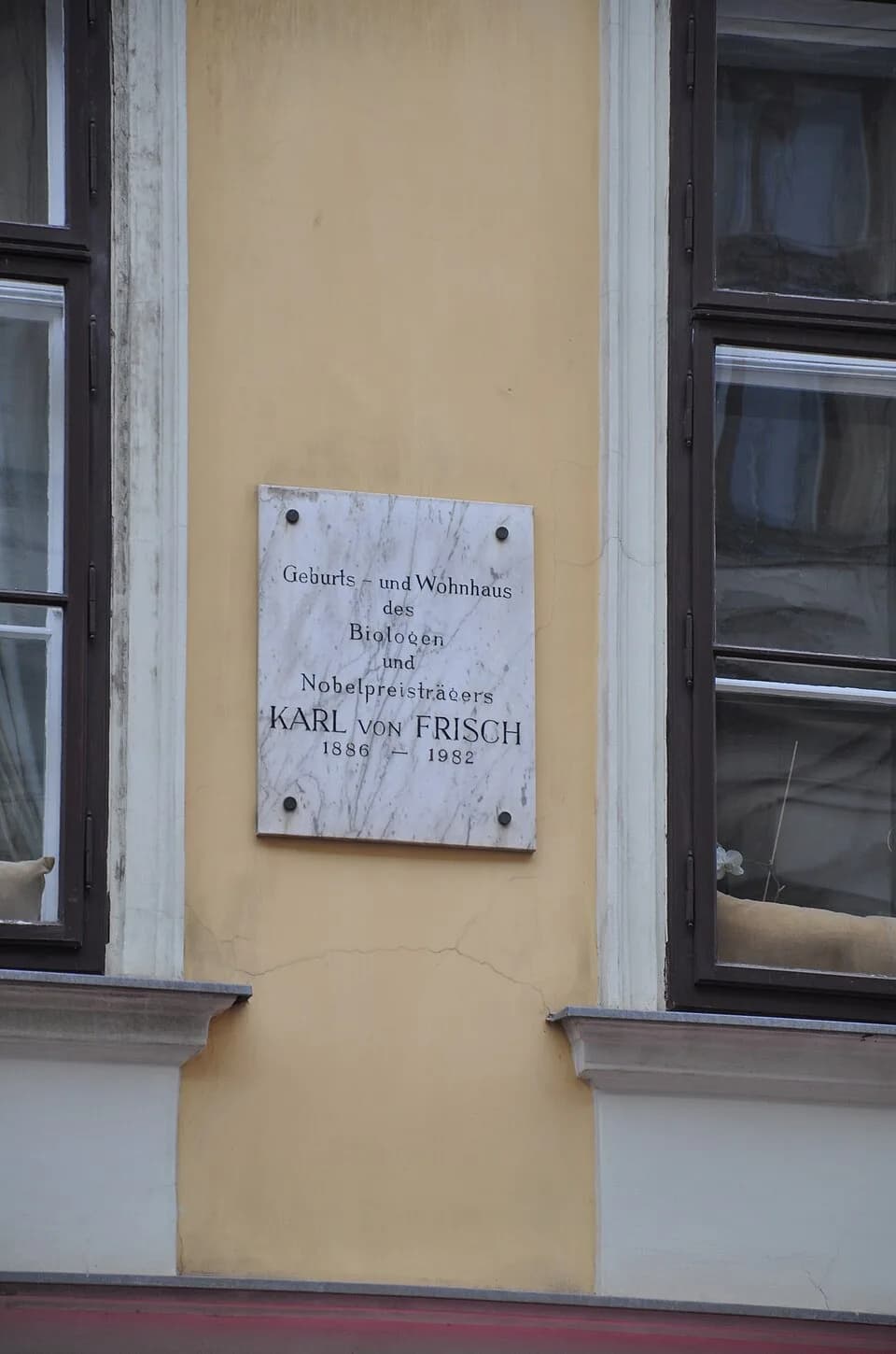
Karl Ritter von Frisch was born on November 20, 1886, in the vibrant city of Vienna, Austria. His early environment in a cultured European capital undoubtedly contributed to his intellectual development and scientific curiosity. While specific details of his upbringing are not extensively documented, his later career path indicates a deep, early-formed interest in the natural sciences and biology.
თავი 2· თავი 2 6-დან
Career Beginnings
Frisch embarked on his scientific career, soon establishing himself as a keen observer and dedicated researcher. His initial roles included that of a beekeeper, providing him with firsthand, practical knowledge of his future research subjects. He also served as a university teacher, sharing his growing expertise and fostering new generations of scientists, while simultaneously pursuing studies as an entomologist.
თავი 3 · 1973· თავი 3 6-დან
Major Achievements and Career Highlights
A defining moment in Karl von Frisch's illustrious career was the receipt of the Nobel Prize in Physiology or Medicine in 1973. He shared this esteemed award with fellow ethologists Nikolaas Tinbergen and Konrad Lorenz. The Nobel Committee recognized their collective "discoveries concerning organization and elicitation of individual and social behaviour patterns," highlighting the foundational importance of their work to understanding complex animal behaviors. Frisch's particular contributions centered on elucidating the sophisticated communication mechanisms employed by honeybees.
თავი 4· თავი 4 6-დან
Notable Works or Contributions
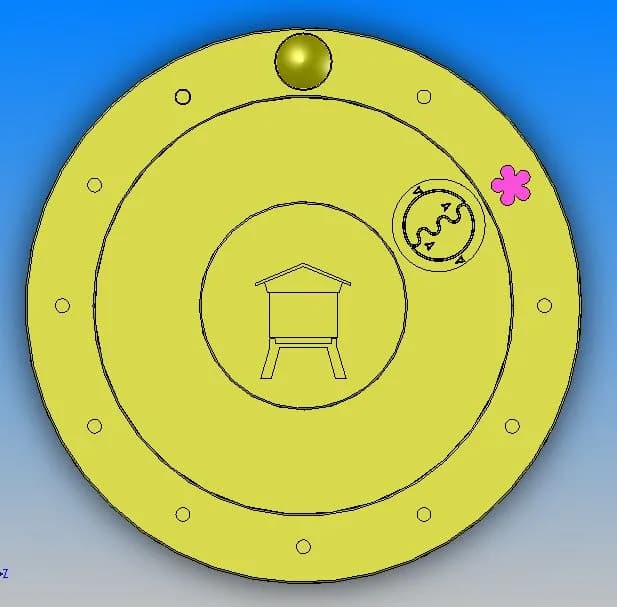
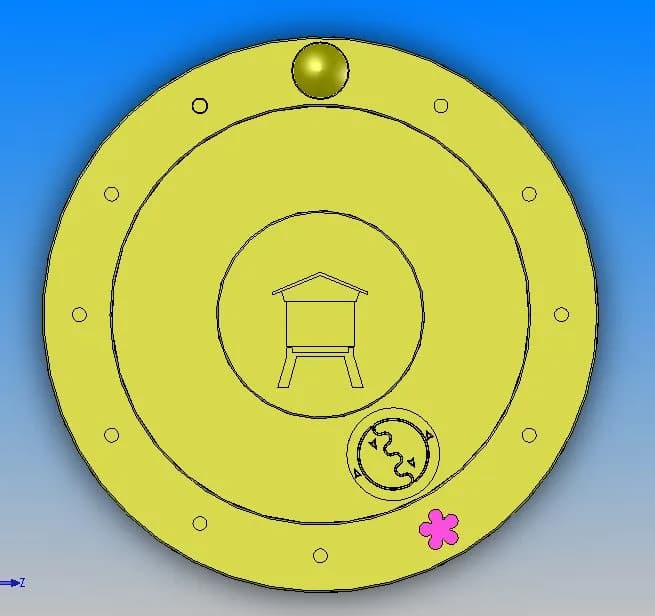
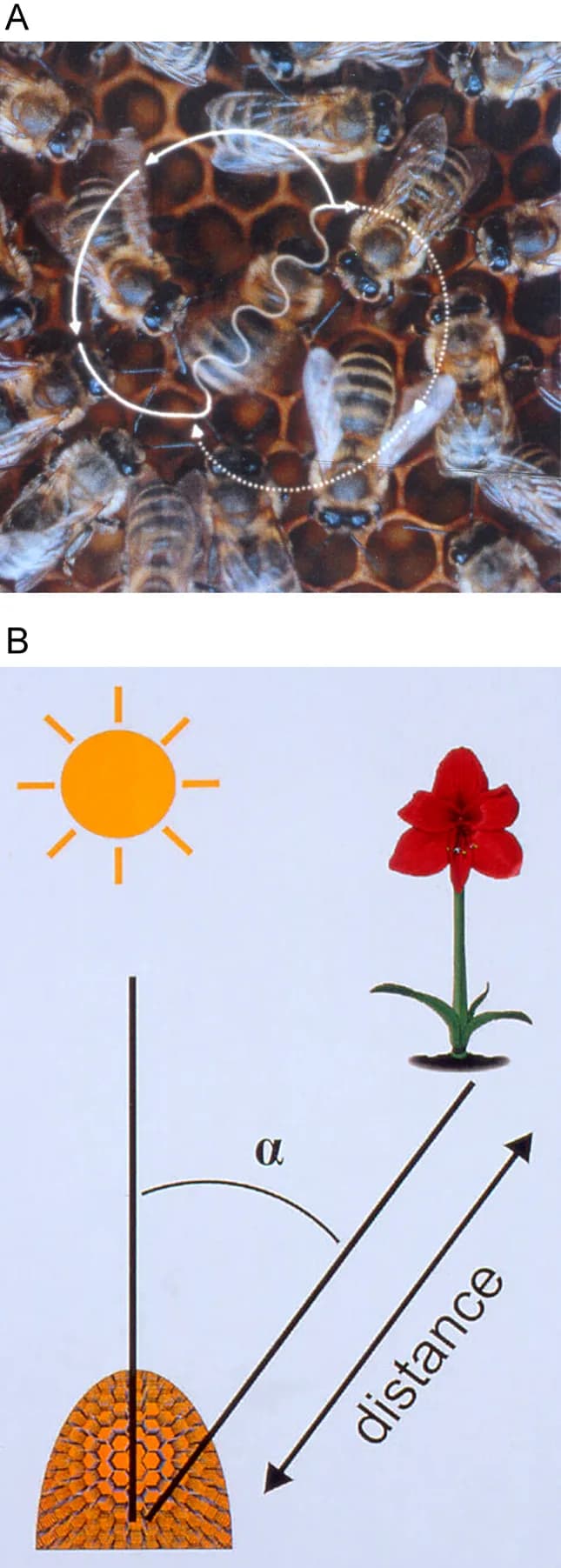
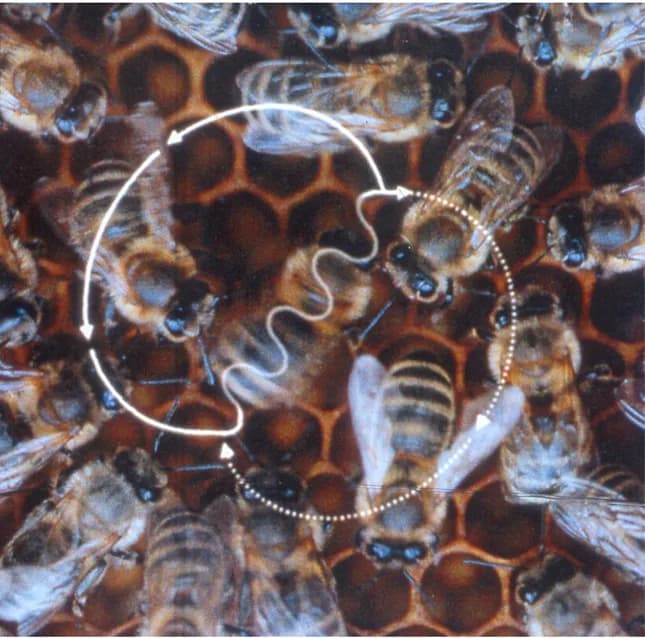
Karl von Frisch's most renowned scientific achievement was his meticulous decoding of the "waggle dance" performed by honeybees. Through years of careful experimentation and observation, he demonstrated that this intricate dance serves as a precise method for scout bees to communicate the direction and distance of food sources to other members of the hive. This revelation shattered previous assumptions about insect intelligence and provided undeniable evidence of a highly organized, symbolic language within the animal kingdom. His work fundamentally reshaped the fields of ethology and animal psychology.
თავი 5 · 1982· თავი 5 6-დან
Later Years
Throughout his extensive career, Karl von Frisch remained an active and influential figure in scientific research. Even in his later years, his insights continued to inform and inspire new studies in ethology. He passed away on June 12, 1982, in Munich, Germany, at the age of 95, leaving behind a profound and lasting academic legacy.
თავი 6· თავი 6 6-დან
Legacy and Impact
The scientific contributions of Karl von Frisch transformed our understanding of animal behavior and communication, particularly in social insects. His empirical approach to studying the waggle dance provided a rigorous model for future ethological research, emphasizing observation and controlled experimentation. His discoveries not only revealed the astonishing complexity of bee societies but also offered critical insights into the evolution of communication across species. Frisch's work continues to be a cornerstone of animal behavior studies, inspiring ongoing research into the hidden lives of creatures around us.
ცხოვრება მომენტებში
მომენტები, რომლებმაც ცხოვრება განსაზღვრა

ხშირად დასმული კითხვები
ხშირად დასმული კითხვები
როდის გარდაიცვალა Karl von Frisch?
Karl von Frisch გარდაიცვალა 12 ივნისი, 1982 Munich, Germany-ში, 95 წლის ასაკში.
სად დაიბადა Karl von Frisch?
Karl von Frisch დაიბადა Vienna, Austria-ში 20 ნოემბერი, 1886.
რითია ცნობილი Karl von Frisch?
Karl von Frisch ცნობილია German-Austrian ethologist-ით.
რამდენი წლის იყო Karl von Frisch გარდაცვალებისას?
Karl von Frisch გარდაცვალებისას 95 წლის იყო.
რა ეროვნების იყო Karl von Frisch?
Karl von Frisch იყო Austria-დან.
ქრონოლოგია
ცხოვრება ერთი შეხედვით
ფოტო გალერეა
ცხოვრება ფოტოებში
გადიდებისთვის დააჭირეთ ნებისმიერ პოლაროიდს · 42 ფოტო
QR კოდი
გააზიარეთ ეს ბიოგრაფია
ბეჭდვა და გაზიარება
დაასკანირეთ ამ ბიოგრაფიის გვერდის მოსანახულებლად. დაბეჭდეთ ღონისძიებებისთვის, გამოფენებისთვის ან საგანმანათლებლო მასალებისთვის.