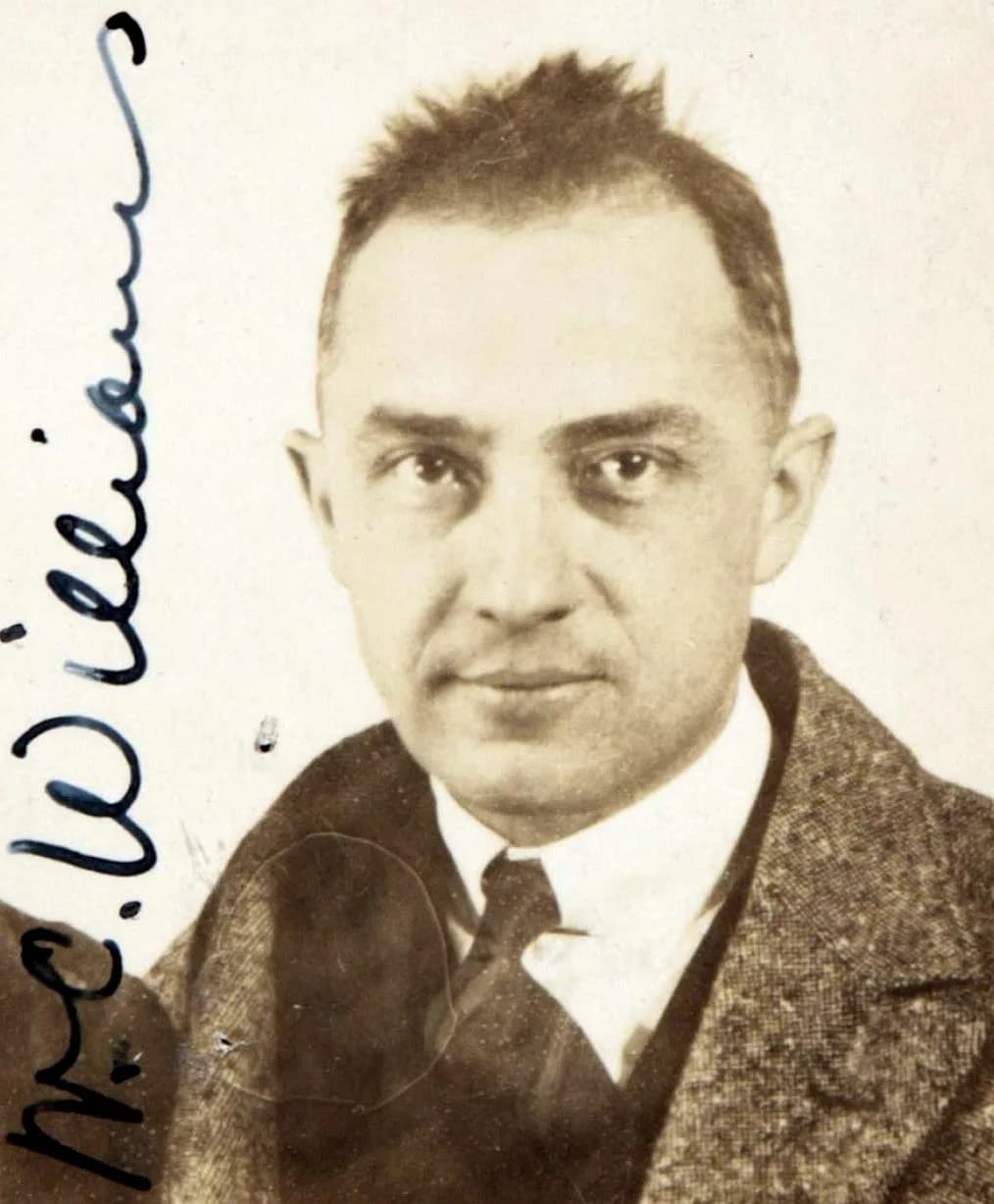
誕生
September 17, 1883
Rutherford, United States
永眠
March 4, 1963
Rutherford, United States
知られていること
American poet
William Carlos Williams (1883–1963) was United States best known for American poet.
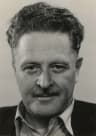
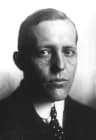
William Carlos Williams (September 17, 1883 – March 4, 1963) was an American-Puerto Rican poet and physician. He passionately sought to capture the rhythm of everyday American life in his poetry, focusing on the local and concrete. His work continues to shape how we see the ordinary.
第0章
人生の章
第1章· 全3章中第1章
A Doctor's Eye, A Poet's Voice
Williams's upbringing in a Spanish-speaking household, with parents from Puerto Rico and the Dominican Republic, shaped his unique perspective. English wasn't his primary language until his teens. This rich cultural foundation gave him an ear for the varied cadences of American speech and a deep appreciation for the specific texture of his surroundings.
His medical practice was not merely a job; it was a wellspring for his art. He found "inarticulate poems" in the stories of his patients. This deep engagement with the everyday extended to the visual arts, too. His mother was a painter, and Williams himself loved painting and wrote art criticism throughout his life. His poem “The Great Figure” even inspired Charles Demuth's striking painting, I Saw the Figure 5 in Gold, showing the powerful cross-pollination between his art and that of his friends in the New York avant-garde.
第2章· 全3章中第2章
Finding America's Rhythm
In the 1920s, a literary sensation arrived: T. S. Eliot’s The Waste Land. Williams famously described it as “the great catastrophe to our letters.” While he respected Eliot's work, he found its intellectual, European-leaning style a detour from what he felt American poetry needed. He championed colloquial American English, a poetry "rooted in the locality."
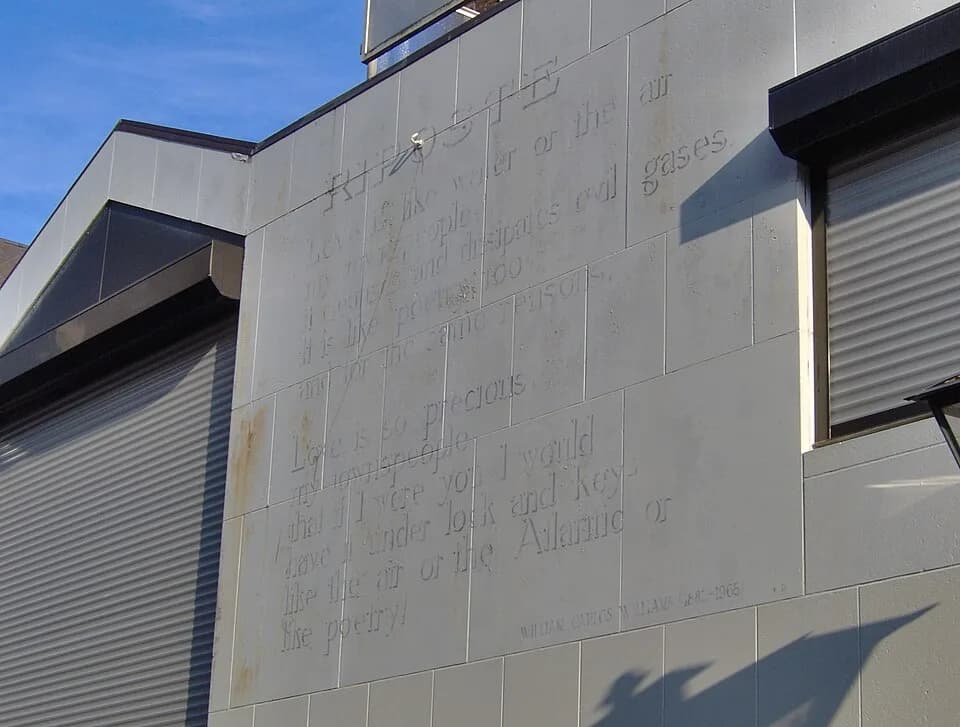
This conviction led him to his sprawling, five-volume epic, Paterson, published between 1946 and 1958. He took Paterson, New Jersey, as his “case,” exploring its history, people, and essence, striving to create a poetry that mirrored the lived experience of his nation. He summarized this poetic method simply: “No ideas but in things.”
第3章· 全3章中第3章
Mentoring New Voices
In his later years, even as he contended with heart attacks and strokes, Williams remained a vibrant force. He generously mentored a new generation of poets, including Allen Ginsberg, whose early work, Howl and Other Poems, received a warm introduction from Williams. He served as a bridge between literary eras, influencing movements like the Beats and the Black Mountain school.
Williams believed poetry was “equipment for living, a necessary guide amid the bewilderments of life.” He died in Rutherford in 1963, having shown us that the most extraordinary art can be found in the familiar, and that dignity resides in the meticulously observed details of our own, imperfect, beautiful world.
瞬間の中の人生
人生を形作った瞬間
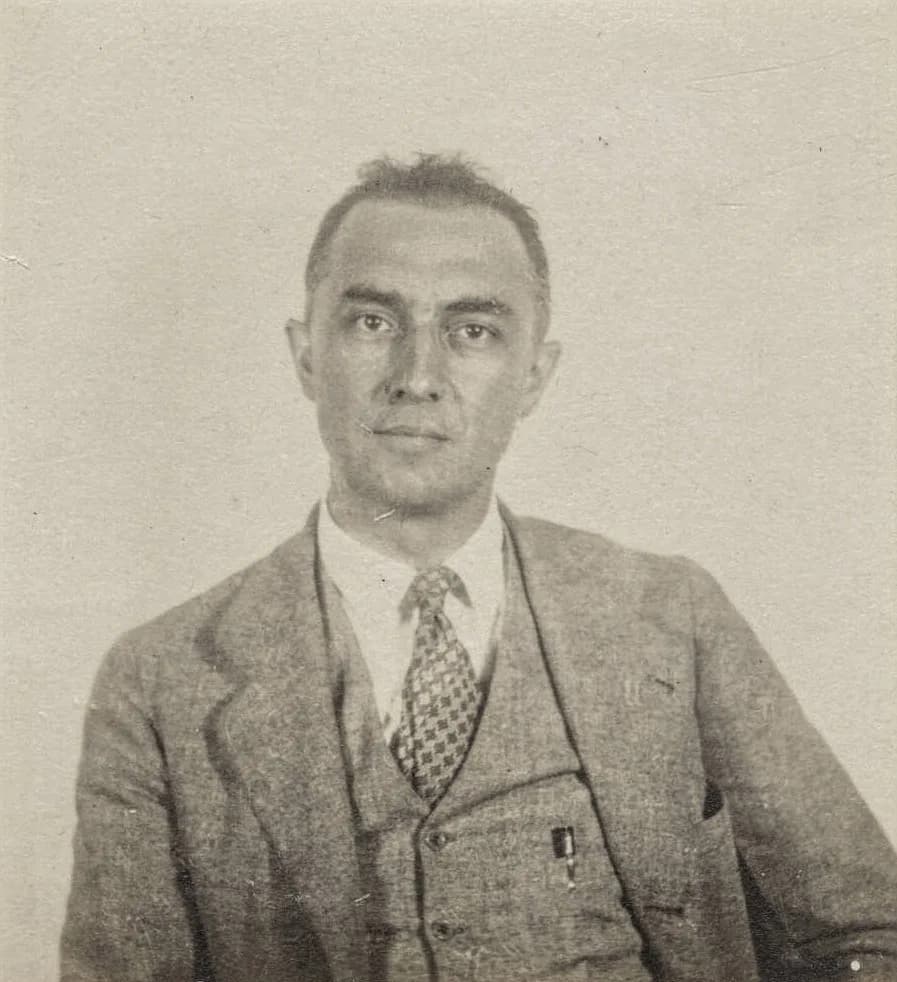
![William Carlos Williams - Passport photograph of American poet and medical doctor William Carlos Williams. Image courtesy of the Beinecke Rare Book & Manuscript Library, Yale University.[1]](/_next/image?url=https%3A%2F%2Fcdn.whowasthisguy.com%2Fgallery_wikimedia_commons_1785177750784_1_8fdc814ab5.webp&w=1920&q=75)
FAQ
よくある質問
William Carlos Williamsはいつ亡くなりましたか?
William Carlos Williamsは1963年3月4日にRutherford, United Statesで亡くなりました(享年79歳)。
William Carlos Williamsはどこで生まれましたか?
William Carlos Williamsは1883年9月17日にRutherford, United Statesで生まれました。
William Carlos Williamsは何で最もよく知られていますか?
William Carlos WilliamsはAmerican poetで最もよく知られています。
William Carlos Williamsは何歳で亡くなりましたか?
William Carlos Williamsは亡くなった時79歳でした。
William Carlos Williamsの国籍はどこですか?
William Carlos WilliamsはUnited Statesの出身です。
写真ギャラリー
写真の中の人生
ポラロイドをクリックして拡大 · 20枚の写真
QRコード
この経歴を共有
印刷して共有
スキャンしてこの経歴ページを訪問。イベント、展示会、教育資料に印刷してご利用ください。