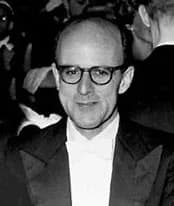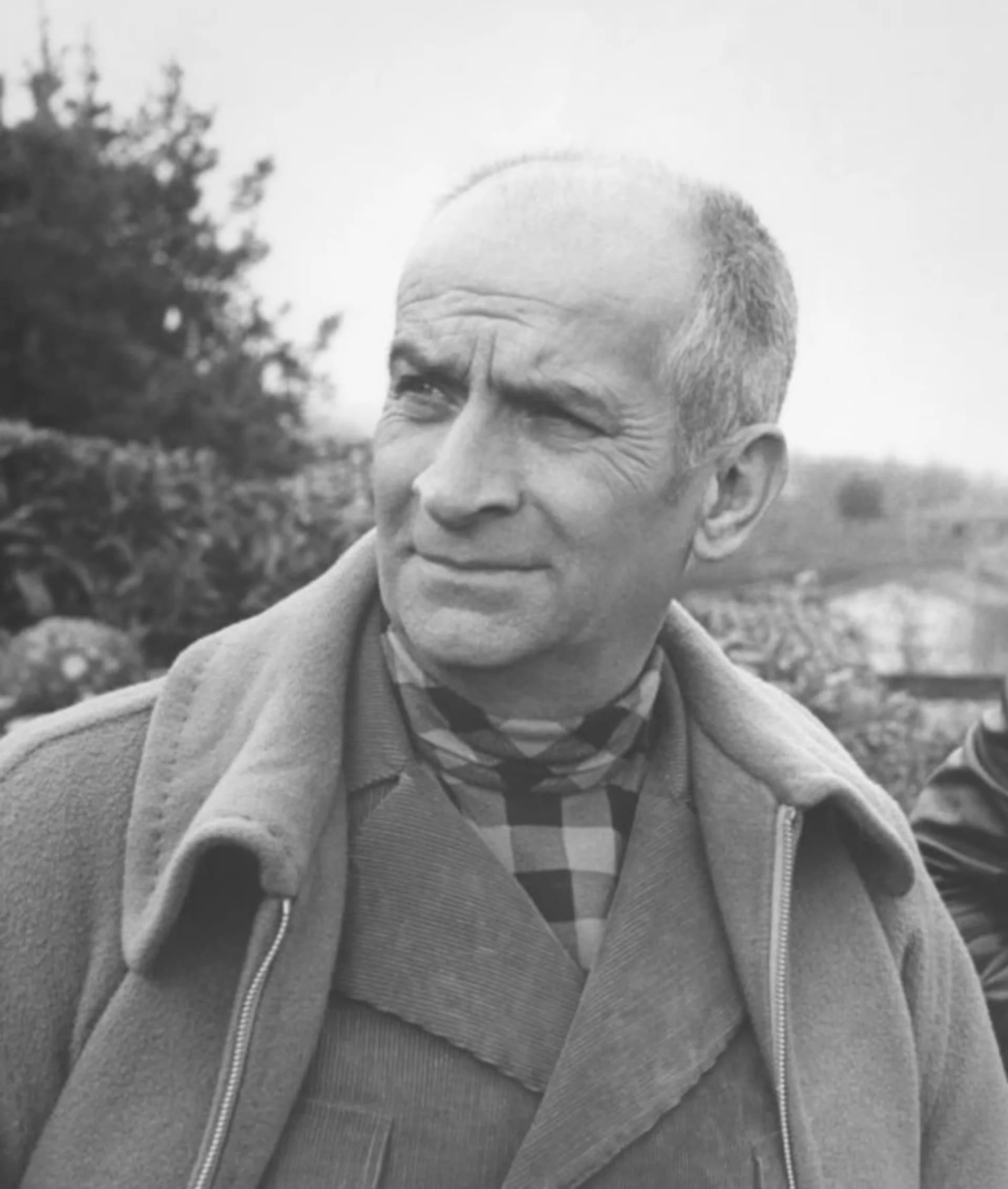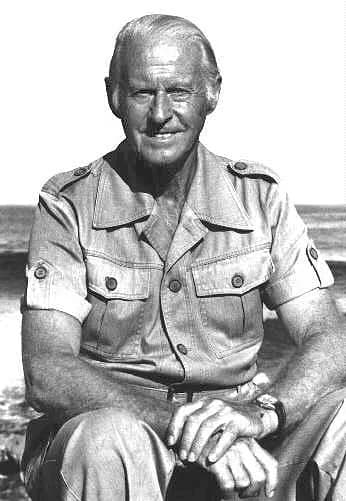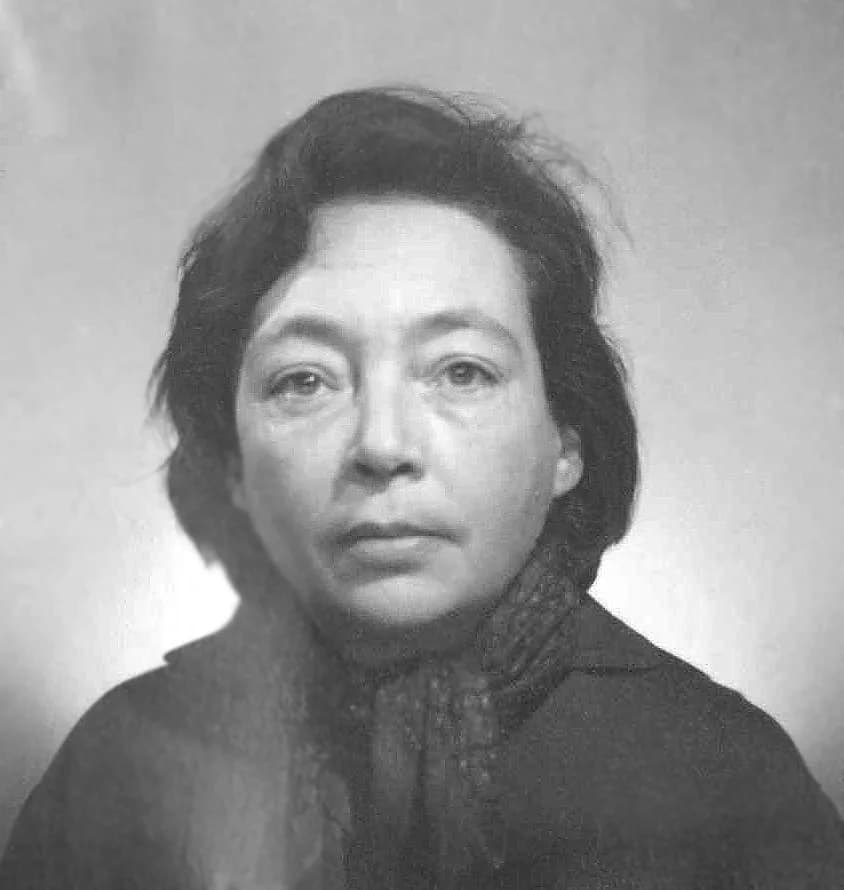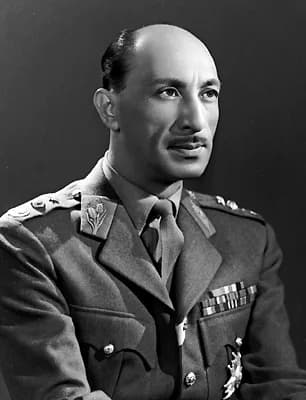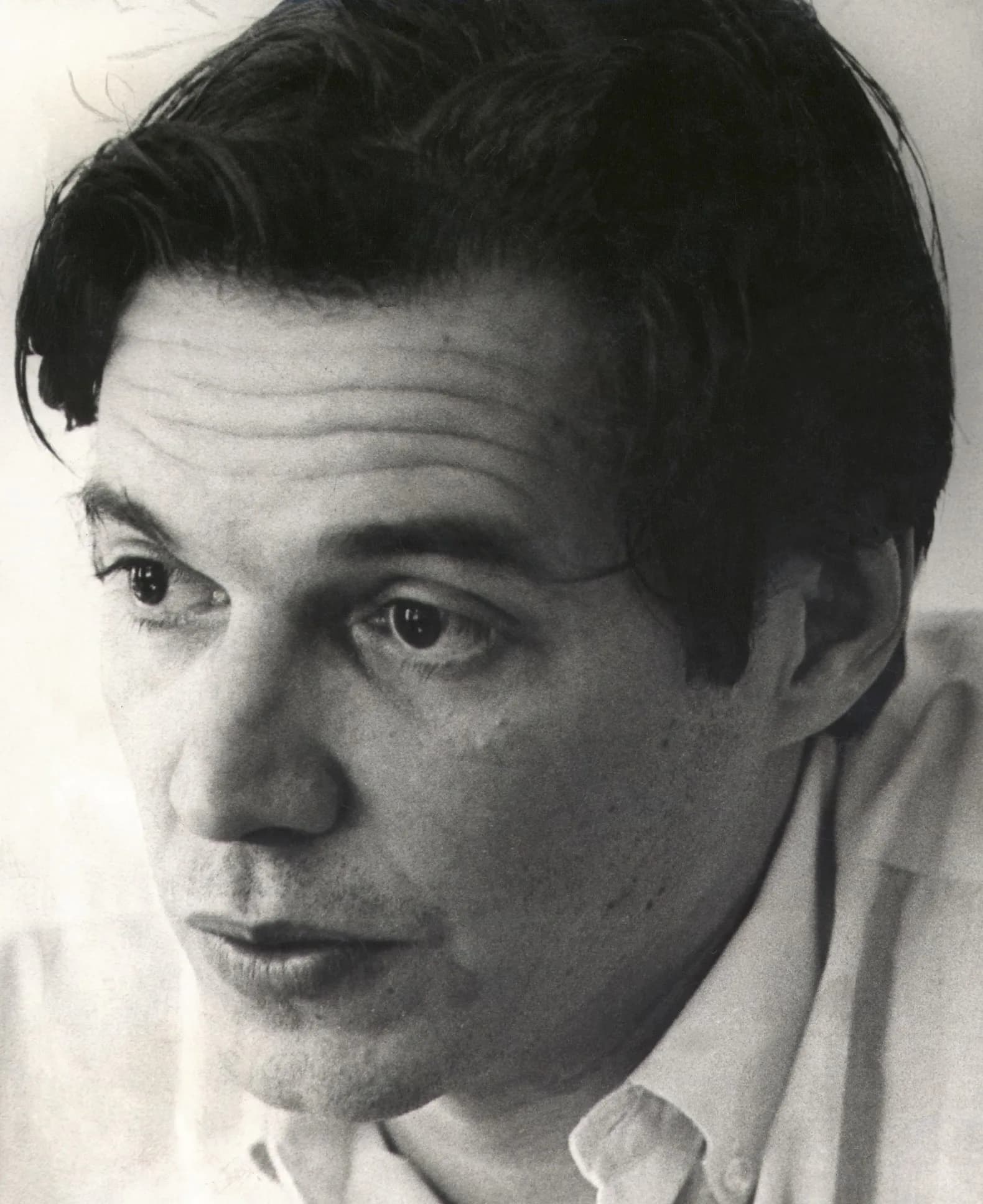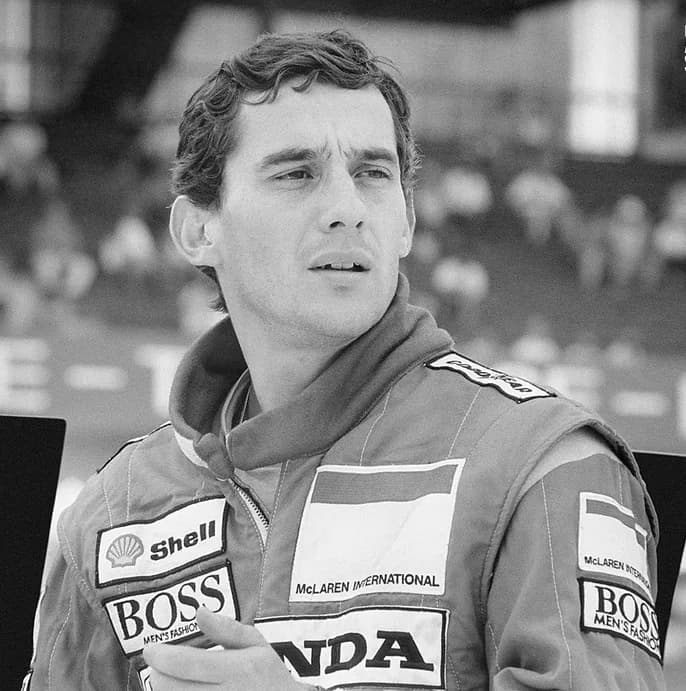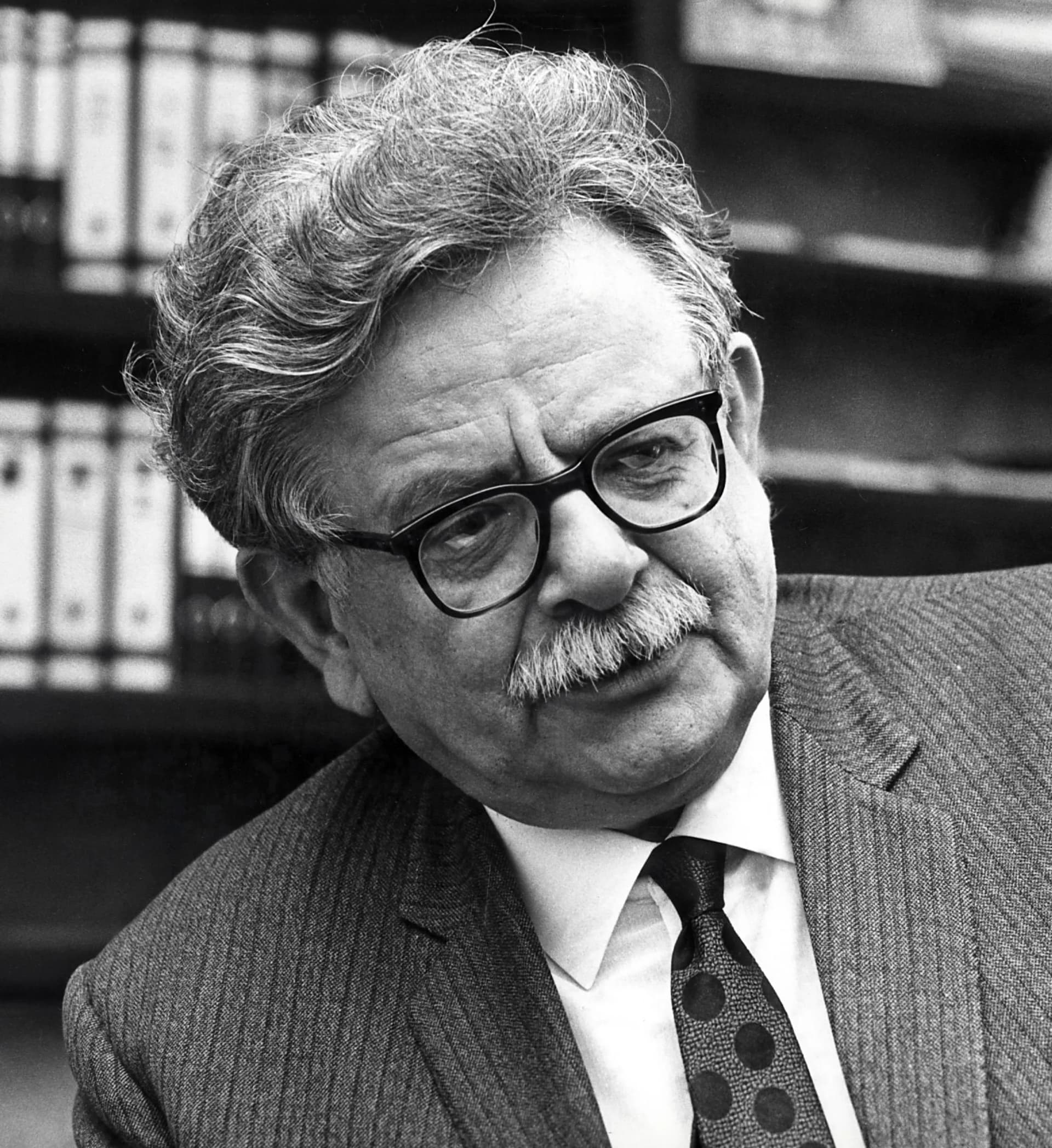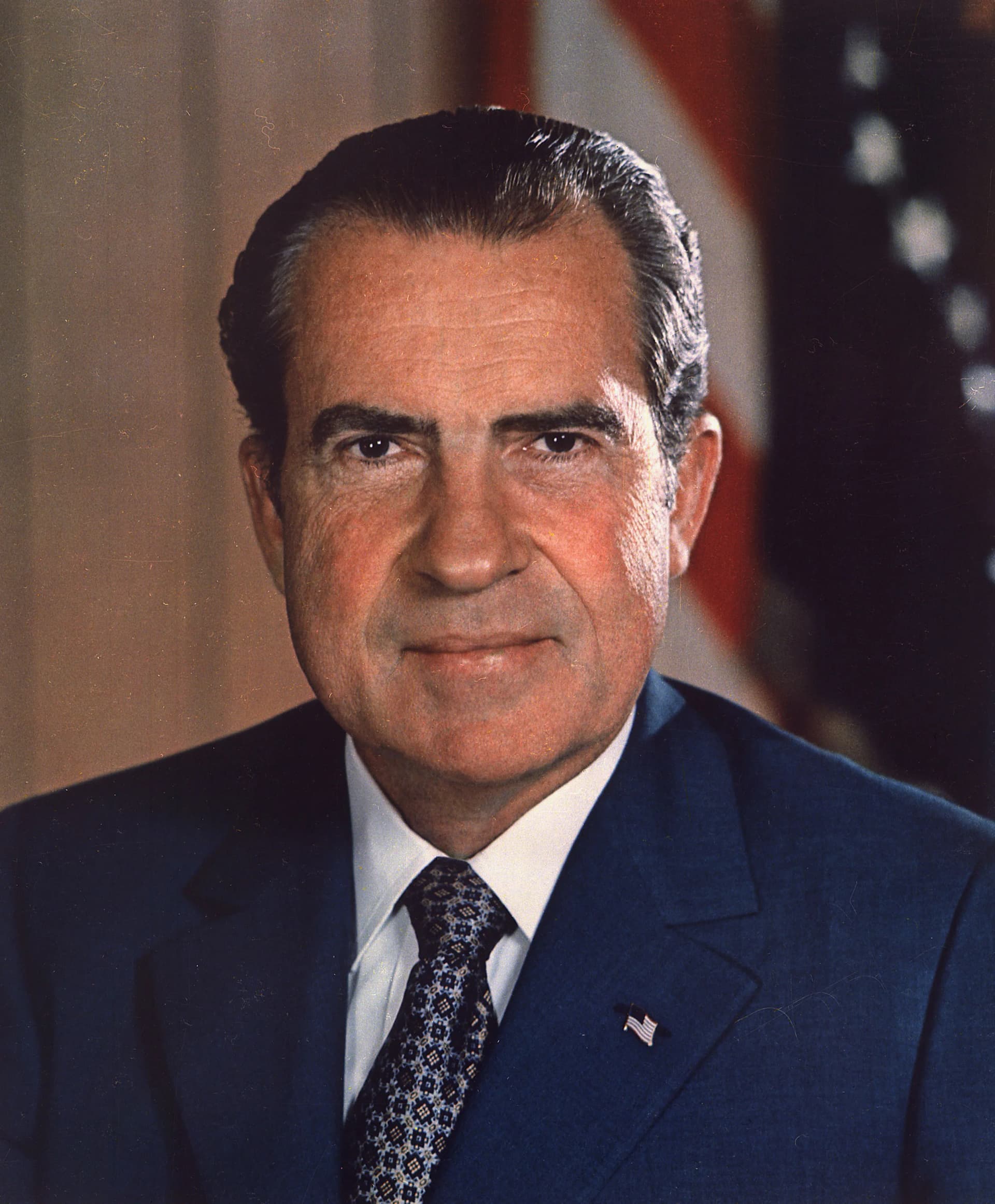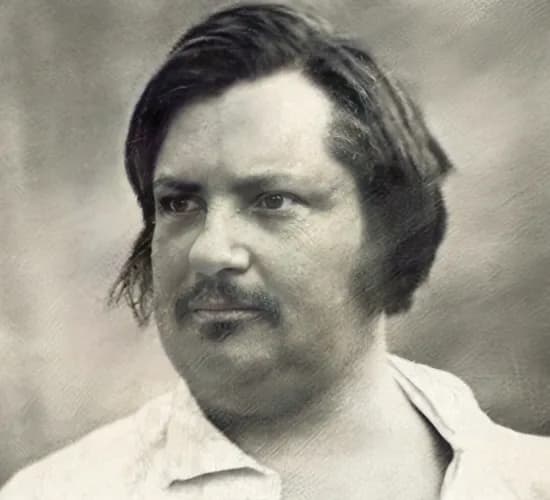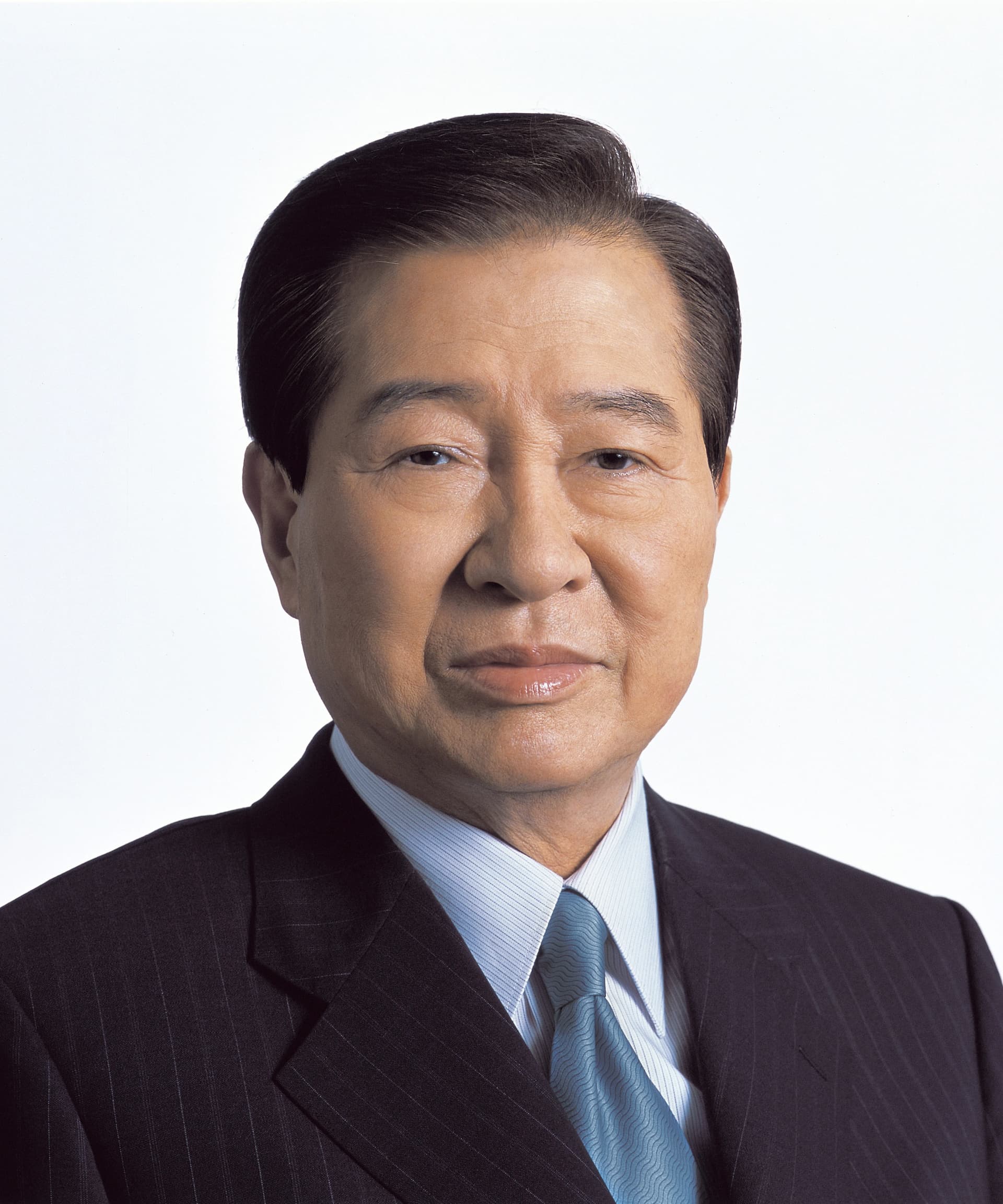
誕生
October 28, 1914
Liverpool, United Kingdom
永眠
August 18, 1994
Norwich, United Kingdom
知られていること
British biochemist
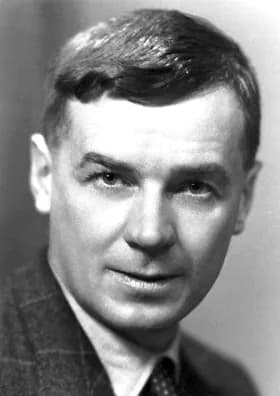
Richard Laurence Millington Synge (1914–1994) was United Kingdom best known for British biochemist.
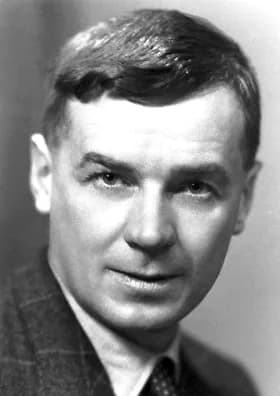
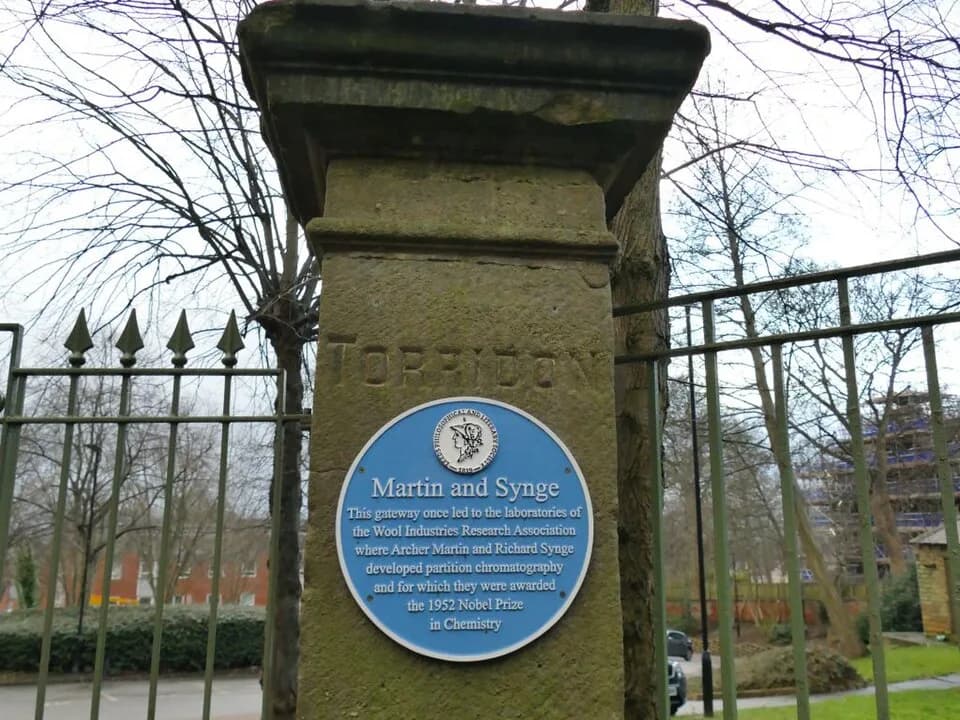
Richard Laurence Millington Synge (October 28, 1914 – August 18, 1994) was a British biochemist from Liverpool, United Kingdom. He shared the 1952 Nobel Prize in Chemistry for his invention of partition chromatography with Archer Martin. His work revolutionized analytical separation techniques across various scientific fields.
瞬間の中の人生
人生を形作った瞬間
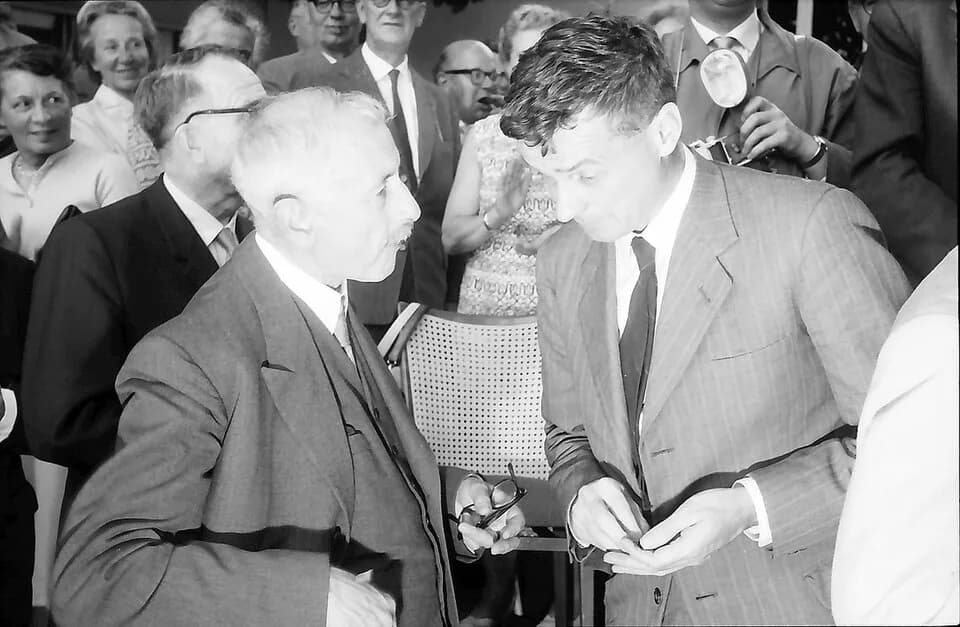
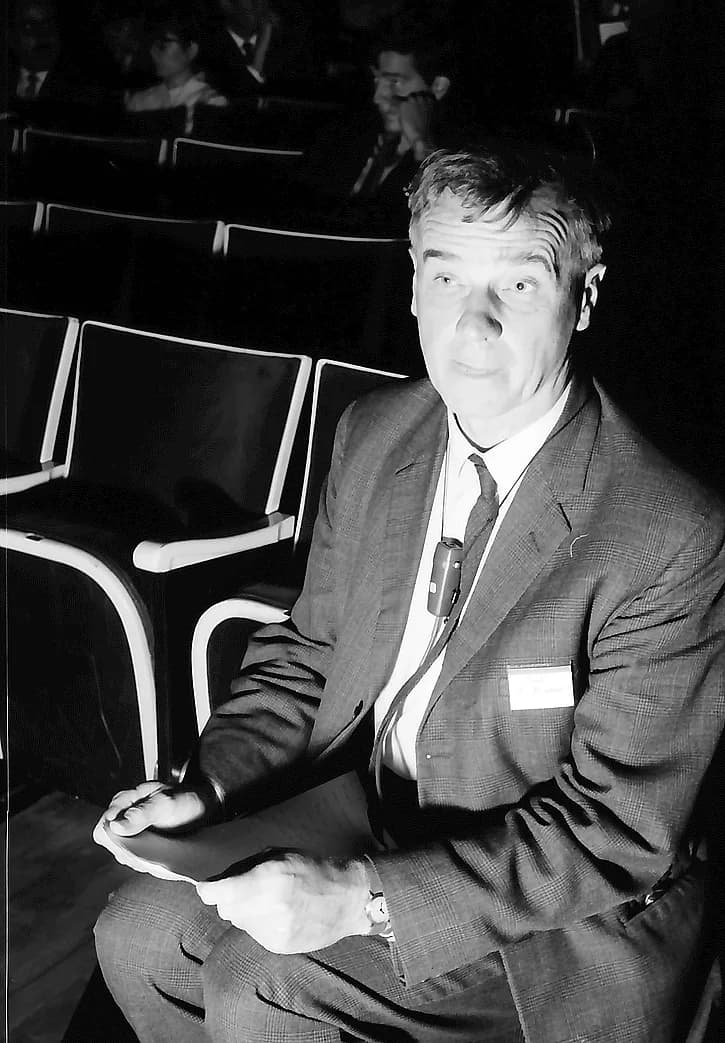
第0章
人生の章
第1章· 全7章中第1章
Early Life and Origins
Richard Laurence Millington Synge began his life in Liverpool, United Kingdom. Details about his family and early education are not extensively provided, but his later academic and professional pursuits suggest a foundation in rigorous scientific inquiry. His formative years in the UK likely laid the groundwork for his future contributions to biochemistry and his methodical approach to scientific challenges.
第2章· 全7章中第2章
Career Beginnings
Synge established himself as both a university teacher and a biochemist, roles that allowed him to both educate future scientists and conduct his own vital research. It was in his capacity as a biochemist that he pursued methods for separating complex chemical mixtures. This early dedication to analytical challenges set the stage for his most famous invention.
第3章 · 1952年· 全7章中第3章
Major Achievements and Career Highlights
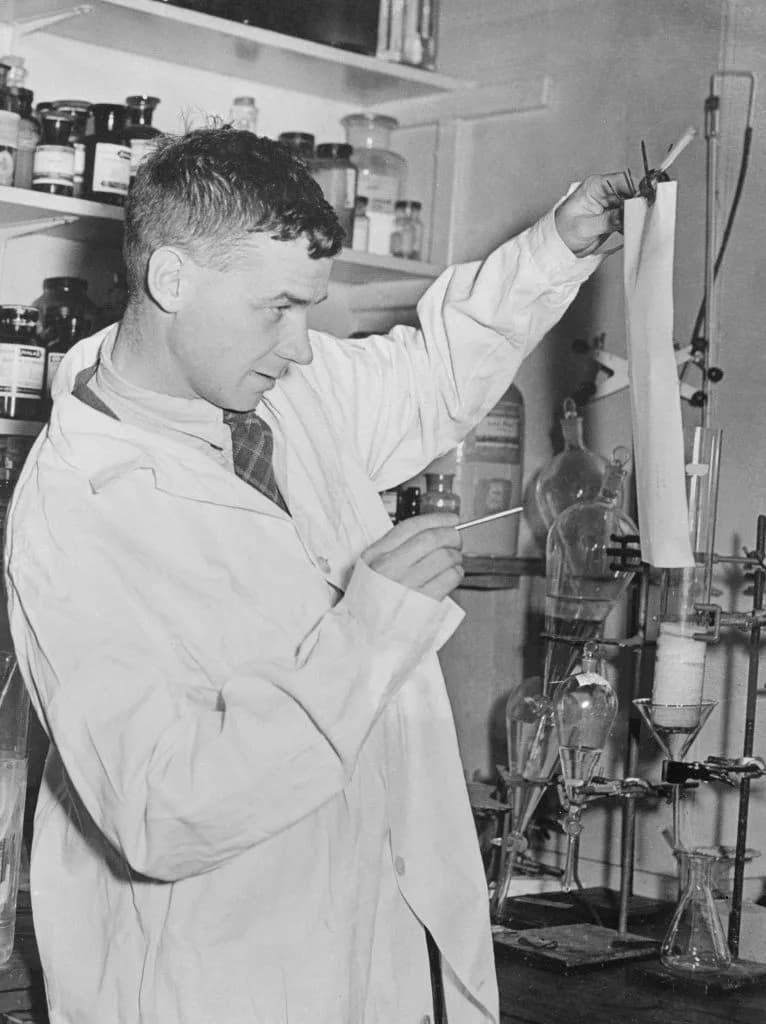
The apex of Richard Synge's career arrived in 1952 when he was awarded the Nobel Prize in Chemistry. He shared this esteemed honor with Archer Martin for their invention of partition chromatography, a revolutionary analytical technique. This method allowed for the efficient separation of closely related chemical substances, proving invaluable across numerous scientific disciplines, from biochemistry to pharmaceutical research.
The elegance and effectiveness of partition chromatography quickly made it a standard tool in laboratories around the globe. Its ability to resolve complex mixtures into their individual components transformed the study of biological molecules. This recognition by the Nobel Committee solidified Synge's place among the most influential scientists of his era.
第4章· 全7章中第4章
Personal Life
While specific details regarding Richard Synge's personal life, family, and leisure interests are not extensively documented in the provided information, his dedication to science is clear. His professional life as a biochemist and educator undoubtedly consumed much of his time and passion. He was known through his work as a committed and meticulous researcher.
第5章 · 1992年· 全7章中第5章
Notable Works or Contributions
Beyond his Nobel-winning invention, Richard Synge was a prolific academic, evidenced by an h-index of 22 and 112 published papers throughout his career. His intellectual curiosity spanned a variety of subjects, reflected in the diverse nature of his attributed works. Among his significant academic publications is "Mozambique: UN Peacekeeping in Action, 1992-94," published in 1997 and cited 39 times, indicating a broader engagement with international affairs.
Other notable contributions include "Issues in African development: essays in honour of Adebayo Adedeji at 65.," from 1995, which garnered 9 citations, and a biographical piece titled "Albert Charles Chibnall, 28 January 1894— 10 January 1988," published in 1990 with 3 citations. He also authored "Operation Idris: Inside the British Administration of Cyrenaica and Libya, 1942-52" (2015, 2 citations) and a paper directly relevant to his Nobel work, "How the Robinsons nearly invented partition chromatography in 1934" (1992, 2 citations), which offered historical context to his field. These diverse publications highlight a scientist with wide-ranging interests and a commitment to academic discourse.
第6章 · 1994年· 全7章中第6章
Later Years
Richard Laurence Millington Synge continued his work until his passing on August 18, 1994, in Norwich, United Kingdom. Even in his later years, his scientific legacy continued to influence new generations of researchers and practitioners. His life concluded in the same country where he was born, leaving behind a rich history of scientific contribution and intellectual engagement.
第7章· 全7章中第7章
Legacy and Impact
The invention of partition chromatography by Richard Synge and Archer Martin had a lasting influence on analytical chemistry and biochemistry. This versatile technique quickly became an indispensable tool, enabling scientists to isolate and analyze components of mixtures with unprecedented precision. From the study of proteins and amino acids to the development of new drugs, its applications are widespread and fundamental.
Synge's methodological innovation fundamentally changed how researchers approached chemical analysis, paving the way for further advancements in separation science. His contributions continue to be taught and applied in scientific laboratories worldwide, ensuring his place as a pioneer whose work continues to inform and facilitate discovery in the chemical and biological sciences. His intellectual legacy remains a cornerstone of modern biochemical analysis.
FAQ
よくある質問
Richard Laurence Millington Syngeはいつ亡くなりましたか?
Richard Laurence Millington Syngeは1994年8月18日にNorwich, United Kingdomで亡くなりました(享年79歳)。
Richard Laurence Millington Syngeはどこで生まれましたか?
Richard Laurence Millington Syngeは1914年10月28日にLiverpool, United Kingdomで生まれました。
Richard Laurence Millington Syngeは何で最もよく知られていますか?
Richard Laurence Millington SyngeはBritish biochemistで最もよく知られています。
Richard Laurence Millington Syngeは何歳で亡くなりましたか?
Richard Laurence Millington Syngeは亡くなった時79歳でした。
Richard Laurence Millington Syngeの国籍はどこですか?
Richard Laurence Millington SyngeはUnited Kingdomの出身です。
写真ギャラリー
写真の中の人生
ポラロイドをクリックして拡大 · 16枚の写真
QRコード
この経歴を共有
印刷して共有
スキャンしてこの経歴ページを訪問。イベント、展示会、教育資料に印刷してご利用ください。