誕生
November 14, 1917
Gumi, South Korea
永眠
October 26, 1979
Jongno District, South Korea
知られていること
3rd President of the Republic of Korea
Park Chung-hee (1917–1979) was South Korea best known for 3rd President of the Republic of Korea.
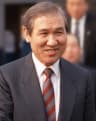
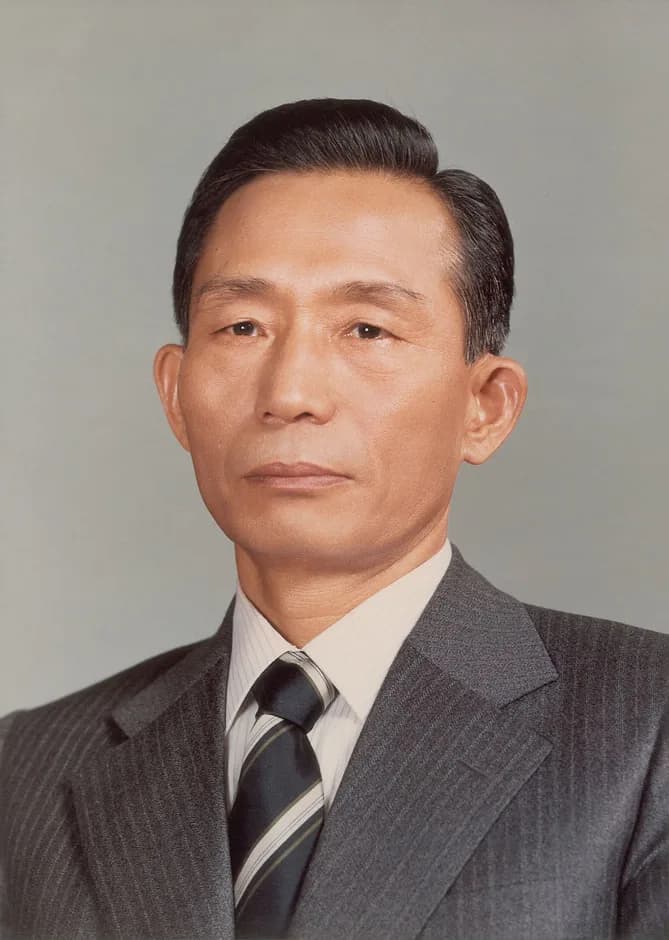
Park Chung-hee (November 14, 1917 – October 26, 1979) was an army officer and politician from South Korea. He served as the third President of the Republic of Korea from 1962 to 1979, overseeing a period of intense economic growth. His leadership remains a significant and debated subject in Korean history.
第0章
人生の章
第1章 · 1917年· 全7章中第1章
Opening
Park Chung-hee (November 14, 1917 – October 26, 1979) was a distinguished South Korean army officer and politician who served as the third President of the Republic of Korea. His tenure as president, spanning from 1962 until his assassination in 1979, marked a period of profound transformation for the nation. He remains a pivotal and often debated figure in the history of modern South Korea, remembered for both significant achievements and controversial aspects of his rule.
第2章 · 1917年· 全7章中第2章
Early Life and Origins
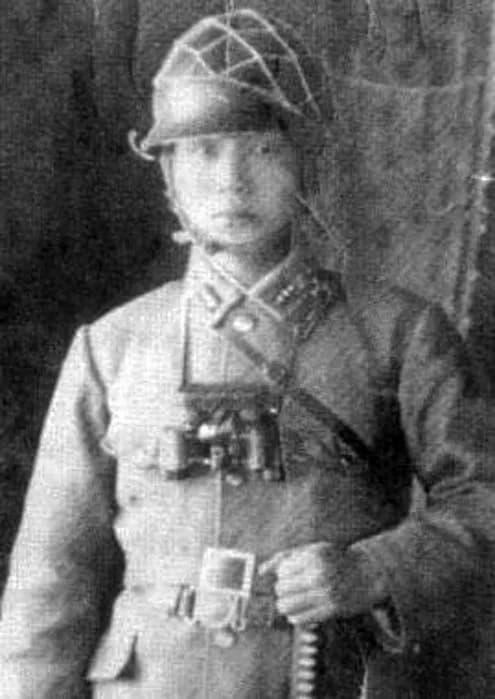
Born on November 14, 1917, Park Chung-hee began his life in Gumi, South Korea. This rural upbringing in the early 20th century, amidst colonial rule, undoubtedly influenced his worldview and future ambitions for his homeland. His early experiences shaped a leader determined to see his country rise.
第3章· 全7章中第3章
Career Beginnings
Park Chung-hee embarked on his professional path as an army officer. His military career provided him with a disciplined foundation and an understanding of power structures. This early experience in the armed forces would prove instrumental in his ascent to national leadership.
第4章 · 1961年· 全7章中第4章
Major Achievements and Career Highlights
Park Chung-hee seized power in the May 16 coup of 1961, which fundamentally reshaped the political landscape of South Korea. Following this military takeover, he officially assumed the presidency in 1962, becoming the third President of the Republic of Korea. This moment marked the beginning of a significant era in the nation's development.
During his presidency, Park Chung-hee oversaw a period characterized by intense economic growth and transformation. His policies laid the groundwork for South Korea's rapid industrialization, often referred to as the "Miracle on the Han River." This era propelled the country from post-war poverty to an emerging industrial power on the global stage.
His leadership fostered significant changes across various sectors, driving economic development and modernization efforts throughout the nation. He is widely recognized for guiding South Korea through this critical phase of economic expansion, establishing many of the institutions and industries that would underpin its future prosperity.
第5章· 全7章中第5章
Notable Works or Contributions
While Park Chung-hee's contributions are not framed as "works" in the artistic or scientific sense, his entire presidential period can be considered a singular, sustained contribution to national development. His administration implemented a series of ambitious Five-Year Economic Development Plans. These plans systematically aimed at industrial growth, export promotion, and infrastructure development across South Korea.
These strategic initiatives transformed South Korea's economic structure, shifting it from an agrarian society to an industrial one. Key sectors like steel, shipbuilding, and automotive manufacturing saw massive investment and growth under his direct guidance. His vision for economic self-sufficiency and strength significantly altered the nation's economic trajectory.
第6章 · 1979年· 全7章中第6章
Later Years
Park Chung-hee continued to serve as president until his tragic assassination on October 26, 1979. This event brought an abrupt end to his long and impactful leadership. His death occurred in the Jongno District of South Korea, closing a chapter in the nation's history.
第7章· 全7章中第7章
Legacy and Impact
Park Chung-hee is undeniably one of the most consequential leaders in Korean history, primarily due to the intense economic growth and transformation achieved during his regime. His policies are credited with lifting millions out of poverty and setting South Korea on a path to becoming a developed nation. The economic structures and industrial capabilities he fostered continue to influence the country today.
However, his legacy is complex and remains a bitter subject for many, particularly concerning his methods of governance. As a military dictator, his rule was marked by authoritarianism, suppression of political dissent, and human rights abuses. This dual nature of his legacy—economic prosperity alongside political repression—continues to spark debate and differing perspectives within South Korea.
His impact on the Republic of Korea is undeniable, having profoundly shaped its modern identity. He left a lasting imprint on both the economic landscape and the political consciousness of the nation, prompting ongoing discussions about the balance between national development and democratic values.
瞬間の中の人生
人生を形作った瞬間
FAQ
よくある質問
Park Chung-heeはいつ亡くなりましたか?
Park Chung-heeは1979年10月26日にJongno District, South Koreaで亡くなりました(享年61歳)。
Park Chung-heeはどこで生まれましたか?
Park Chung-heeは1917年11月14日にGumi, South Koreaで生まれました。
Park Chung-heeは何で最もよく知られていますか?
Park Chung-heeは3rd President of the Republic of Koreaで最もよく知られています。
Park Chung-heeは何歳で亡くなりましたか?
Park Chung-heeは亡くなった時61歳でした。
Park Chung-heeの国籍はどこですか?
Park Chung-heeはSouth Koreaの出身です。
年表
人生の概要
写真ギャラリー
写真の中の人生
ポラロイドをクリックして拡大 · 48枚の写真
QRコード
この経歴を共有
印刷して共有
スキャンしてこの経歴ページを訪問。イベント、展示会、教育資料に印刷してご利用ください。