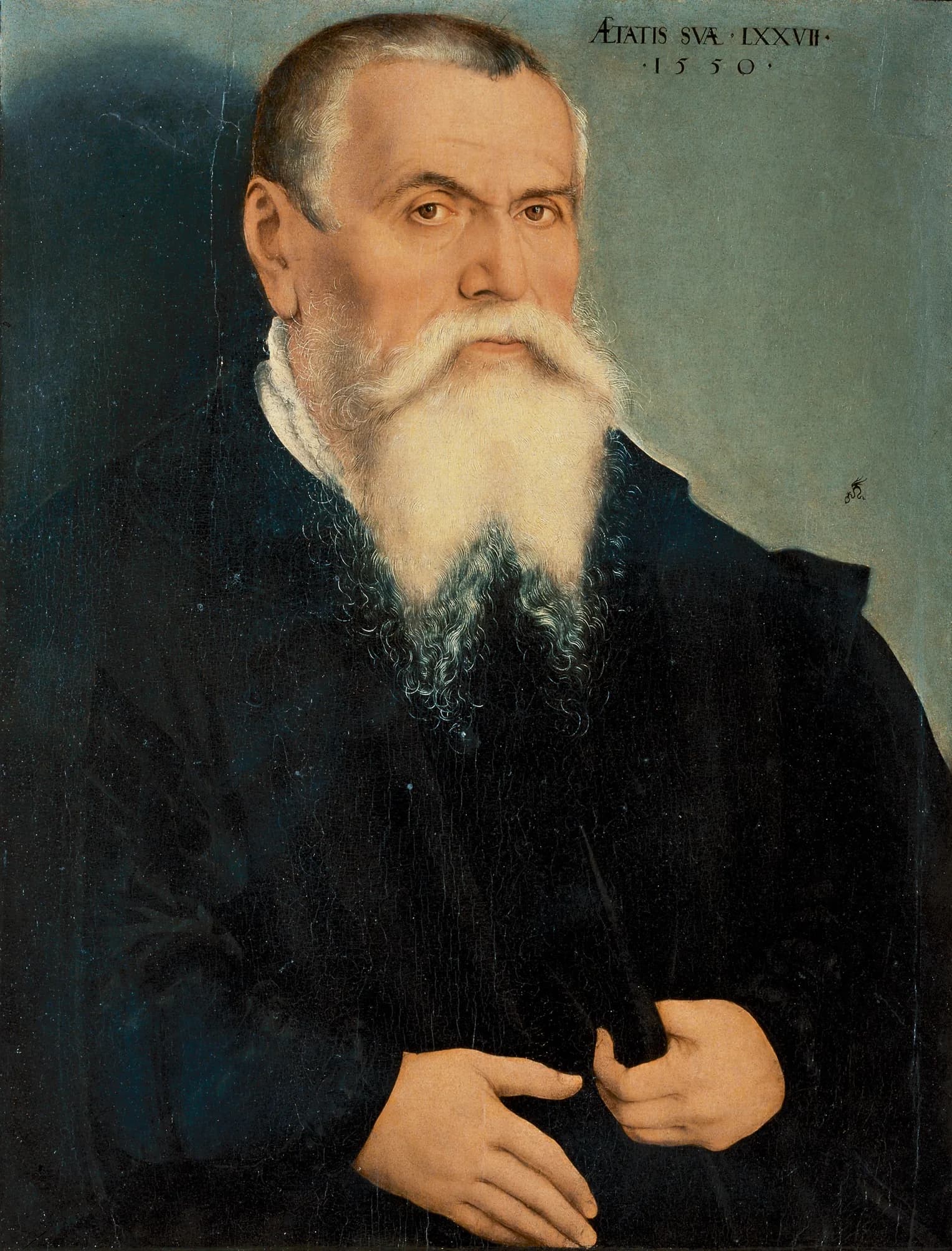
誕生
October 13, 1472
Kronach, Germany
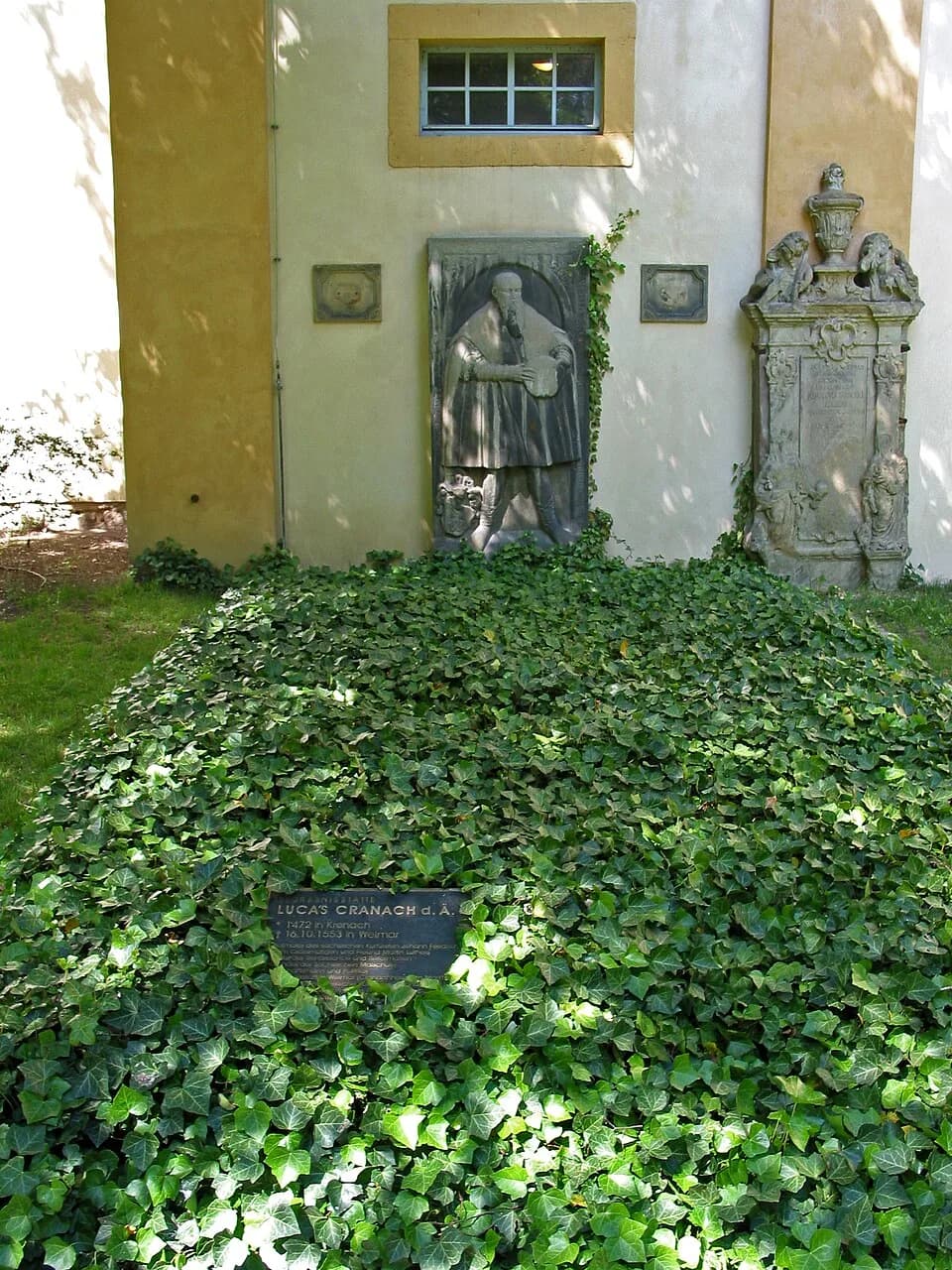
永眠
October 26, 1553
Weimar, Germany
知られていること
German painter and printmaker
Lucas Cranach the Elder (1472–1553) was Germany best known for German painter and printmaker.
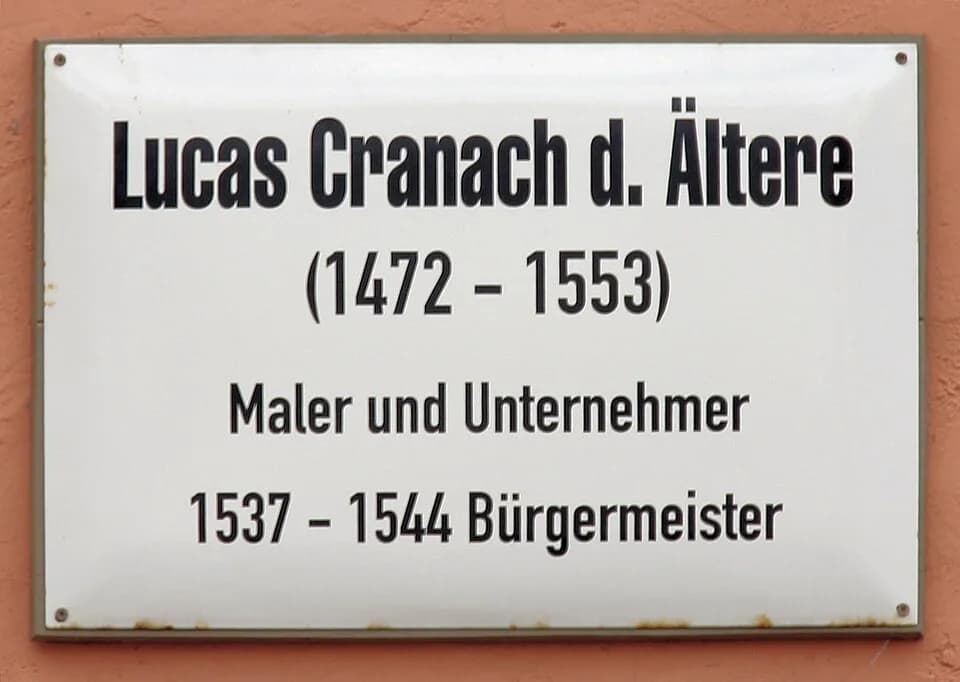
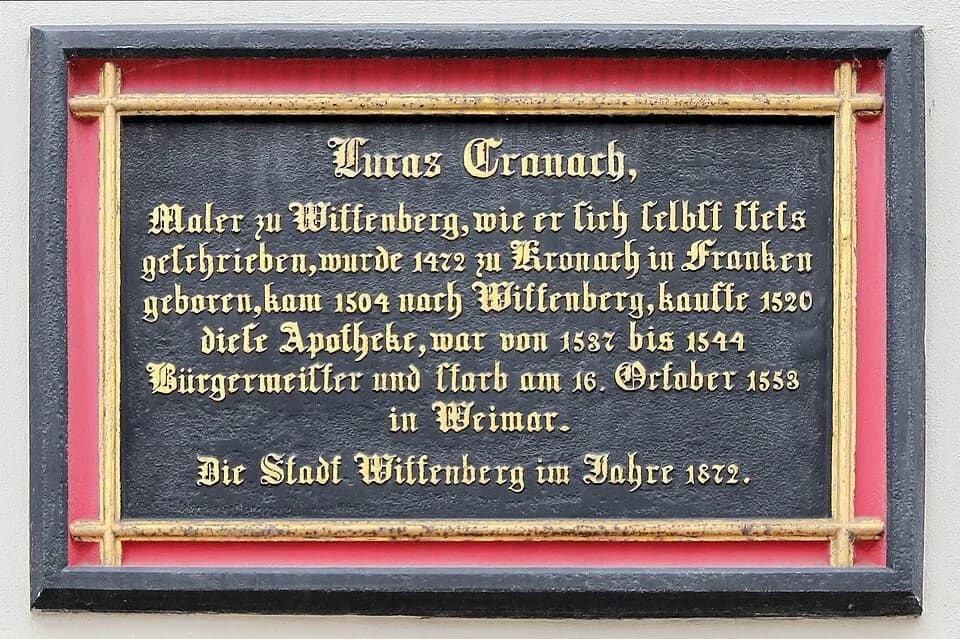
Lucas Cranach the Elder (October 13, 1472 – October 26, 1553) was a German painter and printmaker from Kronach, Germany. He served as court painter to the Electors of Saxony and was a close friend of Martin Luther, known for his Reformation portraits. His diverse art includes religious subjects and mythological nudes.
第0章
人生の章
第1章 · 1472年· 全8章中第1章
Opening
Lucas Cranach the Elder (October 13, 1472 – October 26, 1553) was a truly influential German painter and printmaker, whose artistic vision helped define the Northern Renaissance. His work spanned an era of immense religious and cultural change, leaving an enduring mark on art history. He skillfully navigated the complexities of court life and the Protestant Reformation, becoming a significant figure in both artistic and historical contexts. Cranach's diverse talents as a painter, graphic artist, and publisher solidified his position as a master of his craft.
第2章 · 1472年· 全8章中第2章
Early Life and Origins
Born in Kronach, Germany, in 1472, Lucas Cranach the Elder's early life laid the foundation for his artistic journey. His father, Hans Maler, was also an artist, likely providing young Lucas with his initial artistic training. The exact details of his early education remain somewhat scarce, but it is clear his talents developed in the rich artistic environment of late 15th-century Germany. This formative period in Kronach undoubtedly shaped his understanding of traditional German artistic styles and techniques.
第3章 · 1504年· 全8章中第3章
Career Beginnings
Cranach's career truly began to flourish around 1504 when he was appointed court painter to Frederick the Wise, Elector of Saxony, marking a pivotal moment in his professional life. This prestigious position offered him stability and significant artistic freedom within the court at Wittenberg. His early work for the Elector included a range of commissions, establishing his reputation for skill and versatility. He quickly became a prominent artist, deeply involved in the cultural life of the Saxon court.
第4章· 全8章中第4章
Major Achievements and Career Highlights
Throughout his long career, Lucas Cranach the Elder served the Electors of Saxony, a position that allowed him to create an extensive body of work. He became particularly renowned for his portraits, depicting both German princes and the key figures of the Protestant Reformation. His enthusiastic embrace of the Reformation's cause led to a close friendship with Martin Luther, resulting in at least eleven surviving portraits of the reformer by Cranach. Beyond portraits, Cranach explored diverse subjects, initially within the Catholic tradition before innovatively addressing Lutheran religious concerns through his art, while also continuing to paint compelling nude mythological and religious figures.
第5章· 全8章中第5章
Personal Life
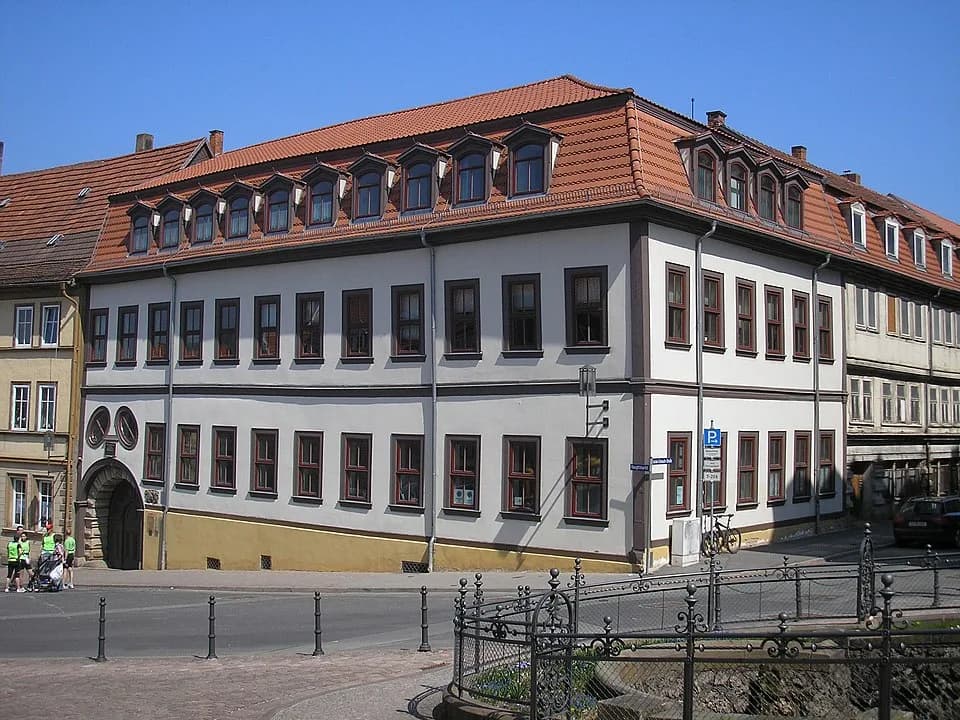
While many details of Lucas Cranach the Elder's personal life are not extensively documented, his close friendship with Martin Luther stands out as a significant personal relationship. This bond transcended professional collaboration, deeply influencing Cranach's artistic output and his alignment with the Reformation. He was a respected figure within the Wittenberg community, balancing his artistic pursuits with his roles as a pharmacist, publisher, and prominent citizen. These various endeavors suggest a man of considerable business acumen and social standing.
第6章 · 1510年· 全8章中第6章
Notable Works or Contributions
Lucas Cranach the Elder's artistic legacy is rich with iconic pieces that showcase his unique style and versatility. Among his early masterpieces is "The Martyrdom of Saint Barbara" (ca. 1510) at the Met Museum, demonstrating his command of religious narrative. He also captivated audiences with mythological scenes like "Venus and Cupid" (ca. 1525–27) and "The Judgment of Paris" (ca. 1528), both also held by the Met Museum. These works highlight his early mastery of diverse subject matter.
Cranach's exploration of biblical stories included "Samson and Delilah" (ca. 1528–30) and "Judith with the Head of Holofernes" (ca. 1530), further examples of his dramatic flair, also found at the Met Museum. His compelling series on Adam and Eve, featuring "Eve" (1533–37) and "Adam" (1533–37) at the Art Institute of Chicago (AIC), exemplifies his innovative approach to the nude figure. These pieces are central to understanding his artistic development during the Reformation period.
Other significant works include "The Crucifixion" (1538) and "The Penitence of Saint John Chrysostom" (1509) at the AIC. His printmaking achievements, like "Saint Christopher" (1506, published 1509) and the "Wittenberg Reliquary Book" (1510), underscore his mastery of graphic arts. His portraits, such as "Portrait of Magdalena of Saxony, Wife of Elector Joachim II of Brandenburg" (c. 1529), along with "The Virgin and Child with Saint Anne" (1510/15) and "The Third Tournament, with Knights Breaking Lances" (1509), complete his diverse artistic output, all reflecting his enduring skill and creativity.
第7章 · 1553年· 全8章中第7章
Later Years
Lucas Cranach the Elder continued to paint and manage his workshop actively into his later years, maintaining his position as a prolific and respected artist. Even in advanced age, his artistic output remained significant, demonstrating his sustained creative energy and commitment to his craft. He passed away in Weimar, Germany, on October 26, 1553, at the age of 81, leaving behind a vast and influential body of work. His final years were spent solidifying his reputation as one of the most important German artists of his time.
第8章· 全8章中第8章
Legacy and Impact
The legacy of Lucas Cranach the Elder is profound, having significantly shaped the artistic direction of the German Renaissance and the Reformation. His ability to adapt traditional artistic forms to new religious doctrines provided a visual language for Lutheranism, influencing countless artists who followed. Cranach's works are celebrated for their distinctive style, characterized by elegant lines, vibrant colors, and often a subtle yet expressive realism. His extensive output as a painter, printmaker, and publisher ensured his artistic concepts and images reached a wide audience, securing his lasting influence on art and culture.
瞬間の中の人生
人生を形作った瞬間
FAQ
よくある質問
Lucas Cranach the Elderはいつ亡くなりましたか?
Lucas Cranach the Elderは1553年10月26日にWeimar, Germanyで亡くなりました(享年81歳)。
Lucas Cranach the Elderはどこで生まれましたか?
Lucas Cranach the Elderは1472年10月13日にKronach, Germanyで生まれました。
Lucas Cranach the Elderは何で最もよく知られていますか?
Lucas Cranach the ElderはGerman painter and printmakerで最もよく知られています。
Lucas Cranach the Elderは何歳で亡くなりましたか?
Lucas Cranach the Elderは亡くなった時81歳でした。
Lucas Cranach the Elderの国籍はどこですか?
Lucas Cranach the ElderはGermanyの出身です。
年表
人生の概要
写真ギャラリー
写真の中の人生
ポラロイドをクリックして拡大 · 23枚の写真
QRコード
この経歴を共有
印刷して共有
スキャンしてこの経歴ページを訪問。イベント、展示会、教育資料に印刷してご利用ください。