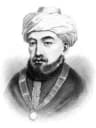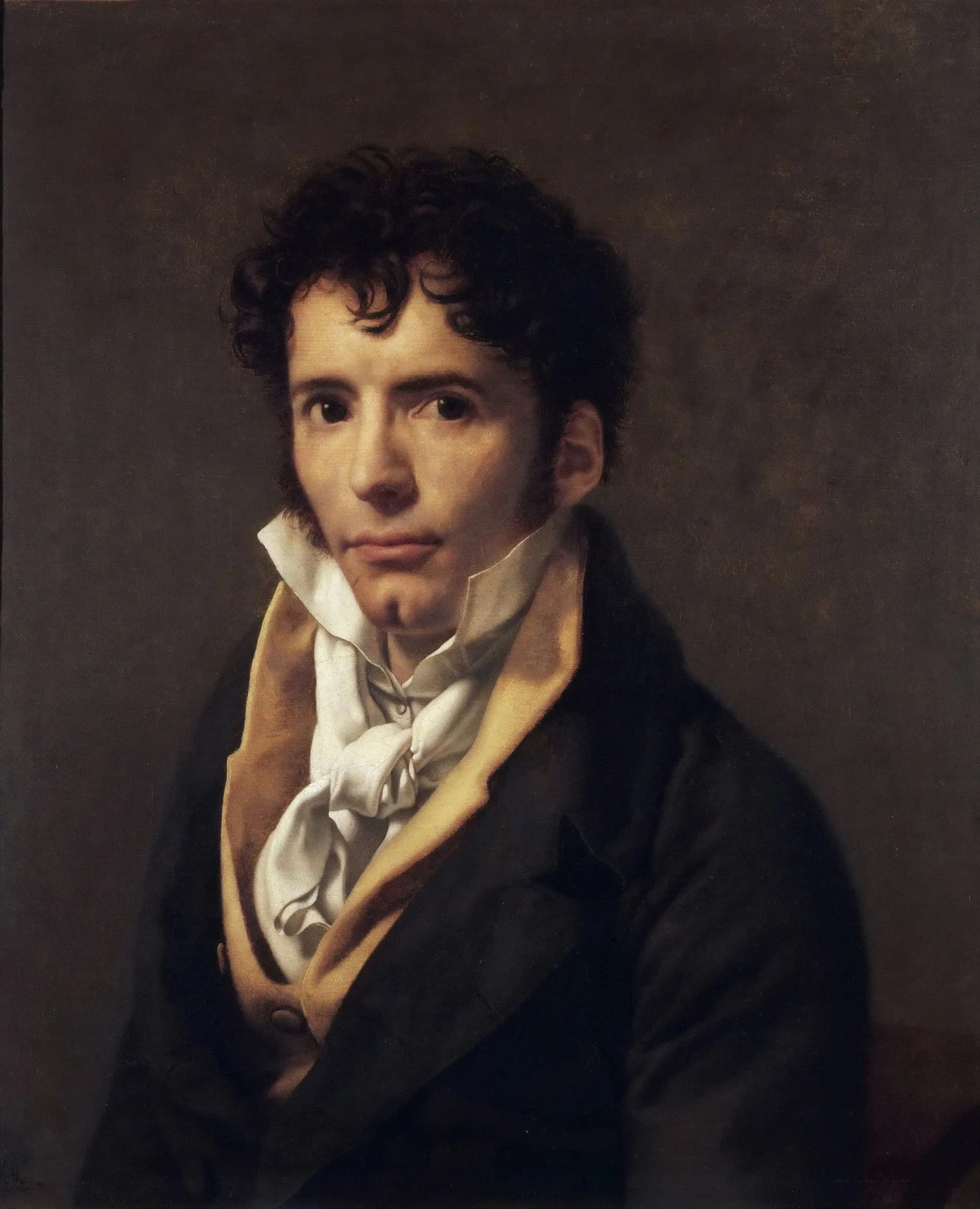
誕生
April 6, 1740
Clermont, France
永眠
April 13, 1794
Paris, France
知られていること
French journalist and moralistic author
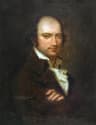
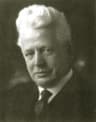
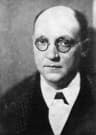
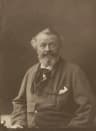
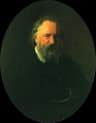
Nicolas Chamfort (1740–1794) was France best known for French journalist and moralistic author.
Nicolas Chamfort (April 6, 1740 – April 13, 1794) was a French writer and moralistic author known for his incisive epigrams and aphorisms. He served as secretary to Madame Élisabeth, King Louis XVI's sister, and later to the Jacobin club. His works offer timeless observations on society and human nature.
第0章
人生の章
第1章 · 1740年· 全7章中第1章
Early Life and Origins
Nicolas Chamfort began his life in Clermont, France, where he was born on April 6, 1740. While the specifics of his early family life remain largely unchronicled in our records, his origins in Clermont provided the backdrop for his formative years. It was during this period that the individual known initially as Sébastien-Roch Nicolas developed the intellectual curiosity and foundation that would later define his literary and philosophical pursuits.
He later adopted the more recognized name, Nicolas Chamfort, which became synonymous with his public and professional identity. This transformation from Sébastien-Roch Nicolas to Nicolas Chamfort marked a significant step in his journey to becoming a notable figure in French letters. His intellectual development in France's cultural heartland would serve as a powerful influence on his later moralistic writings.
第2章· 全7章中第2章
Career Beginnings
Chamfort embarked on a diverse professional journey, commencing his career as a writer and teacher. His early literary endeavors saw him explore various forms, including poetry and dramatic works, laying the groundwork for his future accomplishments. These initial contributions allowed him to establish his presence within the vibrant intellectual landscape of 18th-century France.
Through these varied roles, he cultivated the sharp wit and moralistic perspective that would eventually characterize his most celebrated writings. His early dedication to teaching and writing helped refine his observational skills and his ability to articulate complex ideas with clarity and precision. This foundational period was essential in shaping the unique literary voice that would later gain widespread acclaim.
第3章· 全7章中第3章
Major Achievements and Career Highlights
Nicolas Chamfort garnered recognition primarily for his distinctive moralistic writings, particularly his celebrated epigrams and aphorisms. These concise, often poignant, observations reflected his deep understanding of human character and societal complexities. His literary prowess led to significant appointments, including serving as secretary to Madame Élisabeth, the esteemed sister of King Louis XVI.
This prominent position underscored his intellectual standing and his connections within the royal court, showcasing the respect he commanded among the era's elite. His involvement extended beyond literary circles into the burgeoning political arena of the time. Chamfort became the secretary of the influential Jacobin club, a pivotal organization during the French Revolution, further highlighting his engagement with the profound political transformations sweeping France. These varied and significant roles demonstrate Chamfort’s adaptability and his intellectual influence across different spheres of public life.
第4章· 全7章中第4章
Personal Life
While detailed accounts of Nicolas Chamfort's personal and familial relationships are not extensively documented in available records, his professional life reveals a significant engagement with prominent figures and political movements. His service as secretary to Madame Élisabeth connected him directly to the French royal family, offering a glimpse into the inner workings of the monarchy. This role placed him in close proximity to power during a time of great tension leading up to the revolution.
Subsequently, his involvement with the Jacobin club as its secretary illustrated a clear shift in his political allegiances and an embrace of revolutionary ideals. These roles, though public, speak to his personal convictions and the choices he made regarding his associations and contributions during a tumultuous historical period. His commitments to both royalist and revolutionary causes show a complex intellectual journey reflecting the era's profound changes.
第5章· 全7章中第5章
Notable Works or Contributions
Nicolas Chamfort's enduring legacy is enshrined in his diverse and impactful body of work. Among his most famous contributions are his "Pensées, maximes, anecdotes, dialogues," a collection that perfectly encapsulates his skill in crafting insightful, often biting, observations on life and morality. This particular work showcases the epigrammatic style for which he is most remembered.
He also distinguished himself as a playwright, with dramatic works such as "Mustapha et Zéangir" and "Chefs-d'oeuvre dramatiques de Champfort et Sedaine." These plays reflect his command of theatrical form and his ability to engage with complex human narratives. His literary talent was recognized early, as evidenced by his "Discours qui a remporté le prix a l'Académie de Marseille," an academic achievement that marked him as a promising intellectual.
Other notable publications include "Les fables," exploring moral lessons through narrative, and "Aphorismen und Anekdoten," further solidifying his reputation as a master of concise wisdom. Collections like "Die französischen Moralisten," "Œuvres choisies," and "Oeuvres Completes de Chamfort; Volume 2" attest to the breadth and depth of his collected works, ensuring his continued study and appreciation. His writings provided a critical mirror to the society he observed.
第6章· 全7章中第6章
Later Years
As the French Revolution intensified, Nicolas Chamfort's later years were marked by his close association with the Jacobin club in Paris. His role as secretary positioned him at the center of the revolutionary fervor that gripped the city. These were years of profound political and social upheaval, and Chamfort found himself immersed in the intellectual and practical challenges of a changing nation.
He continued to observe and comment on the world around him, even as the political climate grew increasingly volatile. His experience within the Jacobin club provided him with a unique vantage point on the unfolding events. Chamfort’s life came to an end in Paris, France, on April 13, 1794, shortly after his 54th birthday, concluding a life deeply entwined with the intellectual and political transformations of his time.
第7章· 全7章中第7章
Legacy and Impact
Nicolas Chamfort is remembered not only for his literary accomplishments but also for his insightful commentary on the human condition. His legacy is primarily defined by his sharp intellect and his contributions as a moralistic author, particularly through his celebrated epigrams and aphorisms. These succinct statements continue to resonate, offering timeless reflections on society, human behavior, and the intricacies of power.
As a writer, journalist, philosopher, and political figure, Chamfort played a distinct role in shaping the intellectual discourse of his era. His work provides valuable insight into the mindset of a significant period in French history, ensuring his place among the notable figures of the Enlightenment and the Revolution. His observations on morality and politics remain subjects of study and appreciation, cementing his influence on succeeding generations of thinkers.
瞬間の中の人生
人生を形作った瞬間
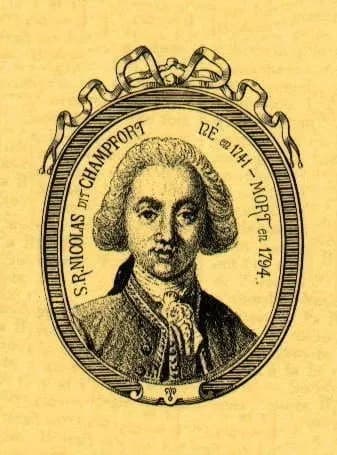
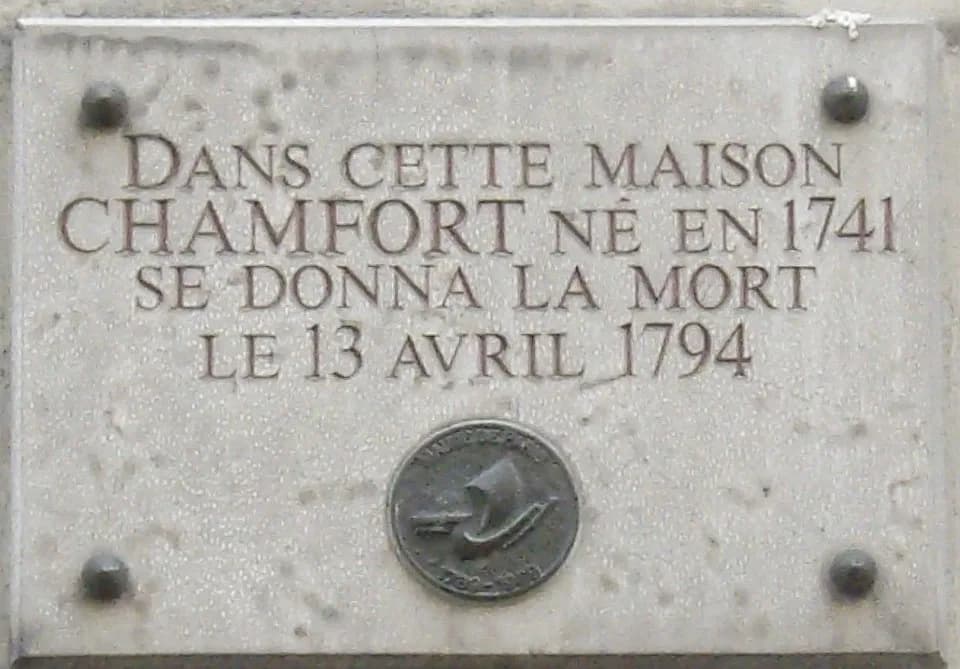
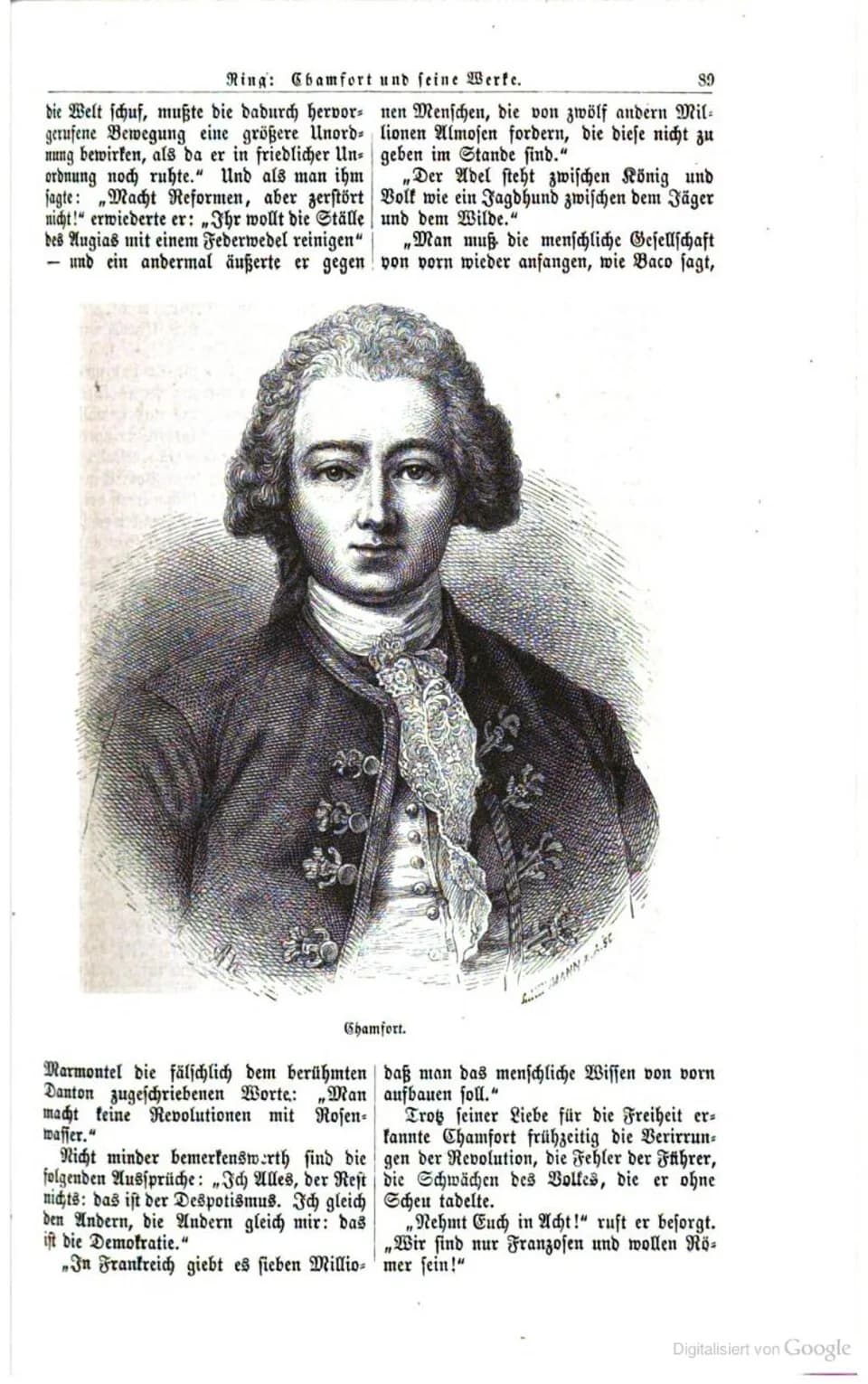
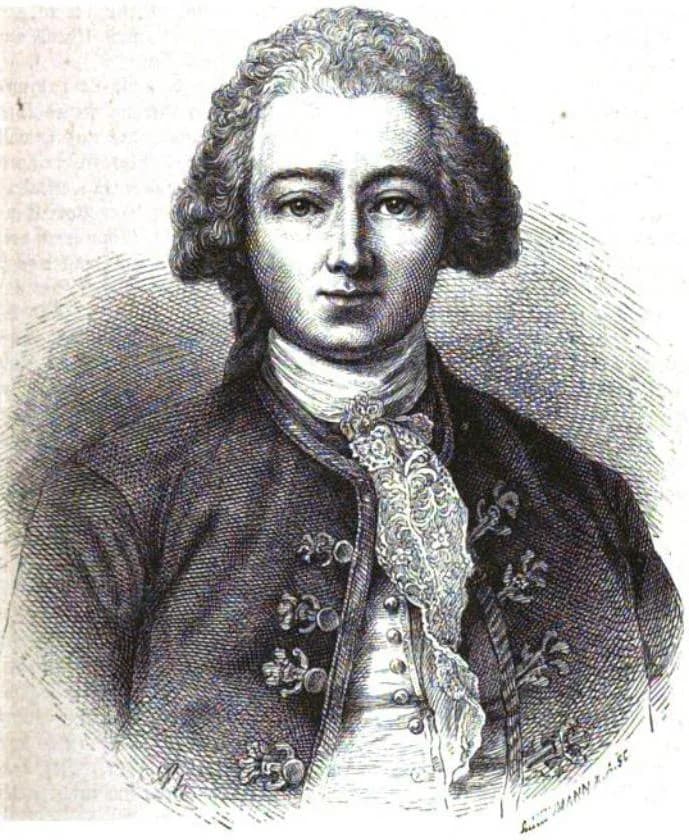
FAQ
よくある質問
Nicolas Chamfortはいつ亡くなりましたか?
Nicolas Chamfortは1794年4月13日にParis, Franceで亡くなりました(享年54歳)。
Nicolas Chamfortはどこで生まれましたか?
Nicolas Chamfortは1740年4月6日にClermont, Franceで生まれました。
Nicolas Chamfortは何で最もよく知られていますか?
Nicolas ChamfortはFrench journalist and moralistic authorで最もよく知られています。
Nicolas Chamfortは何歳で亡くなりましたか?
Nicolas Chamfortは亡くなった時54歳でした。
Nicolas Chamfortの国籍はどこですか?
Nicolas ChamfortはFranceの出身です。
年表
人生の概要
写真ギャラリー
写真の中の人生
ポラロイドをクリックして拡大 · 34枚の写真
QRコード
この経歴を共有
印刷して共有
スキャンしてこの経歴ページを訪問。イベント、展示会、教育資料に印刷してご利用ください。