誕生
April 6, 1826
Paris, France
永眠
April 18, 1898
Rennes, France
知られていること
19th century French Symbolist painter
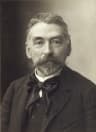
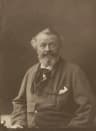
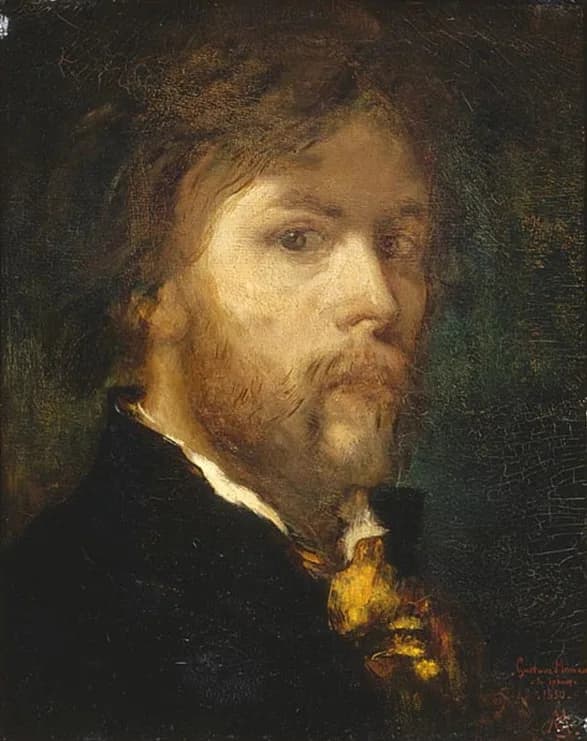
Gustave Moreau (1826–1898) was France best known for 19th century French Symbolist painter.
Gustave Moreau (April 6, 1826 – April 18, 1898) was a French Symbolist painter and sculptor. He was a significant figure in the Symbolist movement, reinterpreting mythological subjects with a unique artistic vision. His prolific output and distinctive style solidified his legacy as a paramount Symbolist painter.
第0章
人生の章
第1章 · 1826年· 全8章中第1章
Opening Tribute
Gustave Moreau (April 6, 1826 – April 18, 1898) was a prominent French artist, celebrated as a leading figure in the Symbolist movement. Born in Paris, France, and passing away in Rennes, France, he dedicated his life to art as an artist, painter, and sculptor. Moreau's unique vision and artistic contributions left a distinct mark on 19th-century French art, solidifying his reputation as a master of Symbolism.
第2章 · 1826年· 全8章中第2章
Early Life and Origins
Gustave Moreau was born in the culturally rich city of Paris, France, on April 6, 1826. Growing up in this vibrant environment likely shaped his artistic sensibilities from an early age. While specific details about his family and upbringing are not extensively documented, his Parisian origins provided a fertile ground for artistic development.
第3章· 全8章中第3章
Career Beginnings
Moreau emerged as an influential forerunner of Symbolism in the visual arts during the 1860s. He embarked on his career as a painter, sculptor, and artist, steadily developing a unique style that set him apart. His early works foreshadowed the distinctive aesthetic and thematic concerns that would define his later, more celebrated pieces.
第4章· 全8章中第4章
Major Achievements and Career Highlights
Jean Cassou lauded Gustave Moreau as "the Symbolist painter par excellence," recognizing his profound influence on the movement. During the 1890s, when Symbolism reached its zenith, Moreau was counted among the most significant painters of his era. Art historian Robert Delevoy noted that Moreau elevated "symbolist polyvalence to its highest point in Jupiter and Semele," showcasing his depth and artistic complexity.
Moreau was an exceptionally prolific artist, creating an extensive body of work that included over 15,000 paintings, watercolors, and drawings. He often explored allegories and traditional biblical and mythological subjects, themes favored by the fine art academies of his time. J. K. Huysmans praised Moreau for imbuing "new freshness to dreary old subjects by a talent both subtle and ample." Huysmans further observed that Moreau "has taken myths worn out by the repetitions of centuries and expressed them in a language that is persuasive and lofty, mysterious and new."
第5章· 全8章中第5章
Personal Life
The available information does not provide specific details about Gustave Moreau's personal life, including family relationships or private interests beyond his artistic devotion. His commitment to his extensive artistic output appears to have been a central aspect of his existence.
第6章 · 1864年· 全8章中第6章
Notable Works or Contributions
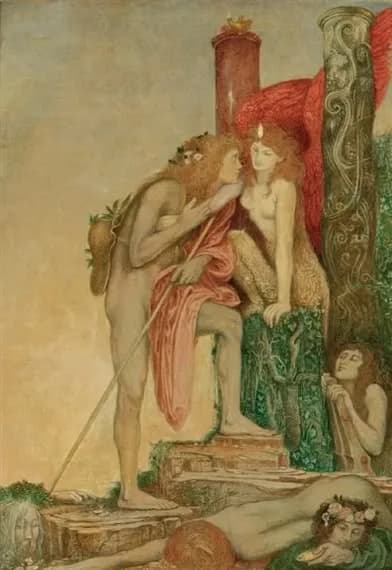
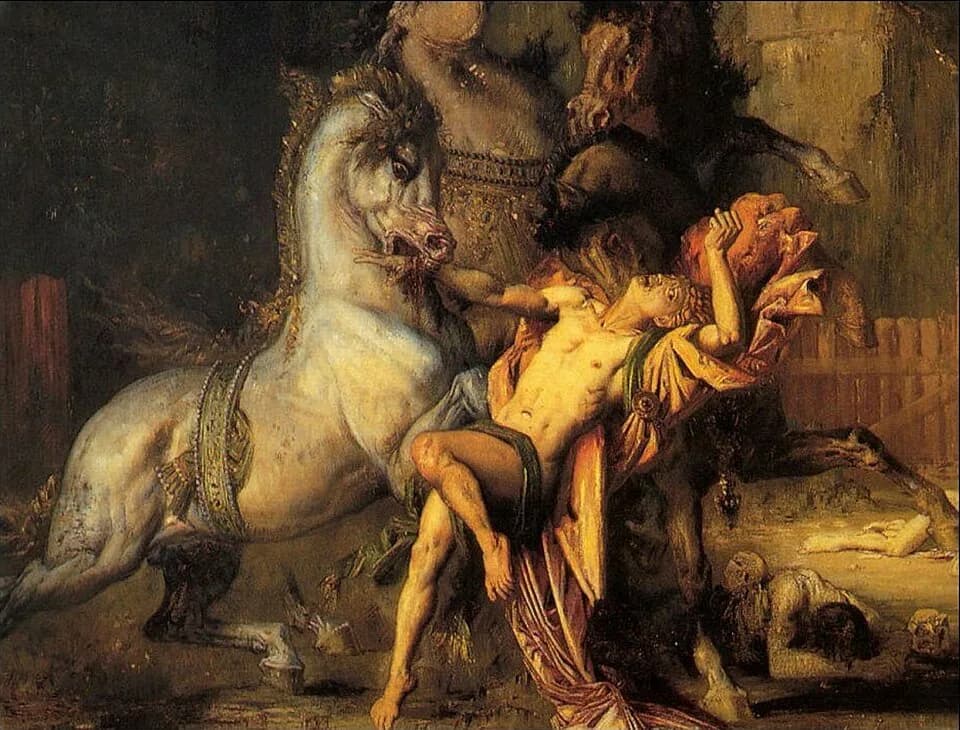
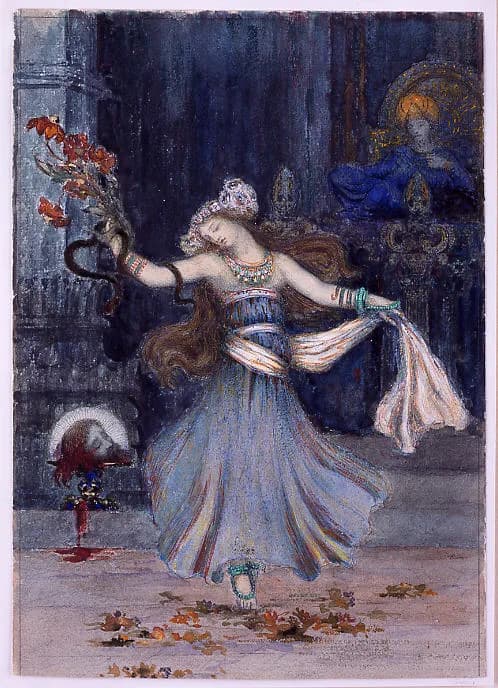
Gustave Moreau is renowned for a collection of iconic artworks that exemplify his unique vision. Among these are "Oedipus and the Sphinx" (1864), and "Salome with the Head of John the Baptist" (ca. 1876), both housed at the Metropolitan Museum of Art. The Met also features "Salomé Dancing Before the Head of St. John the Baptist" (mid to late 19th century) and "Sphinx in a Grotto (Poet, King and Warrior)" (1887–1888).
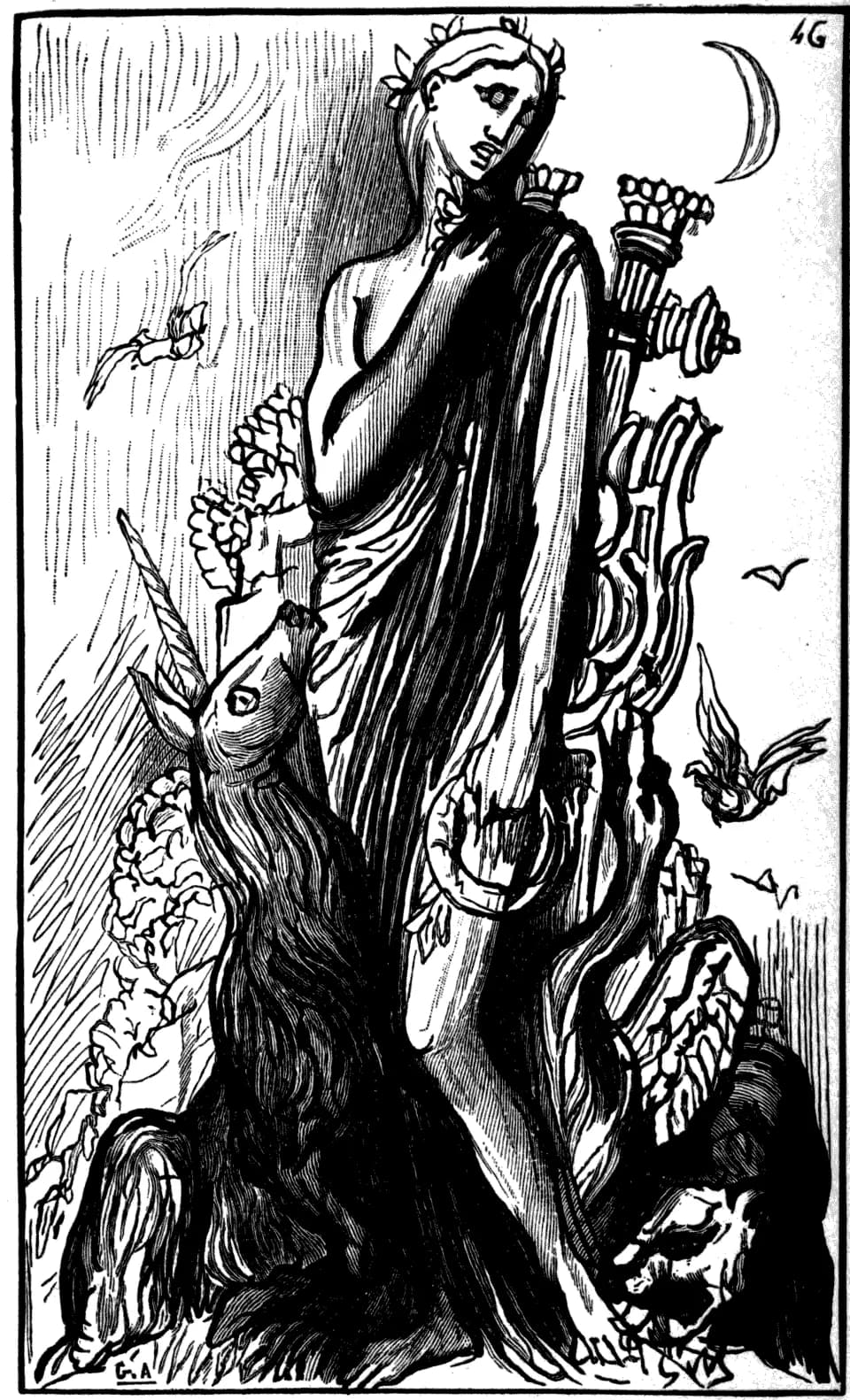
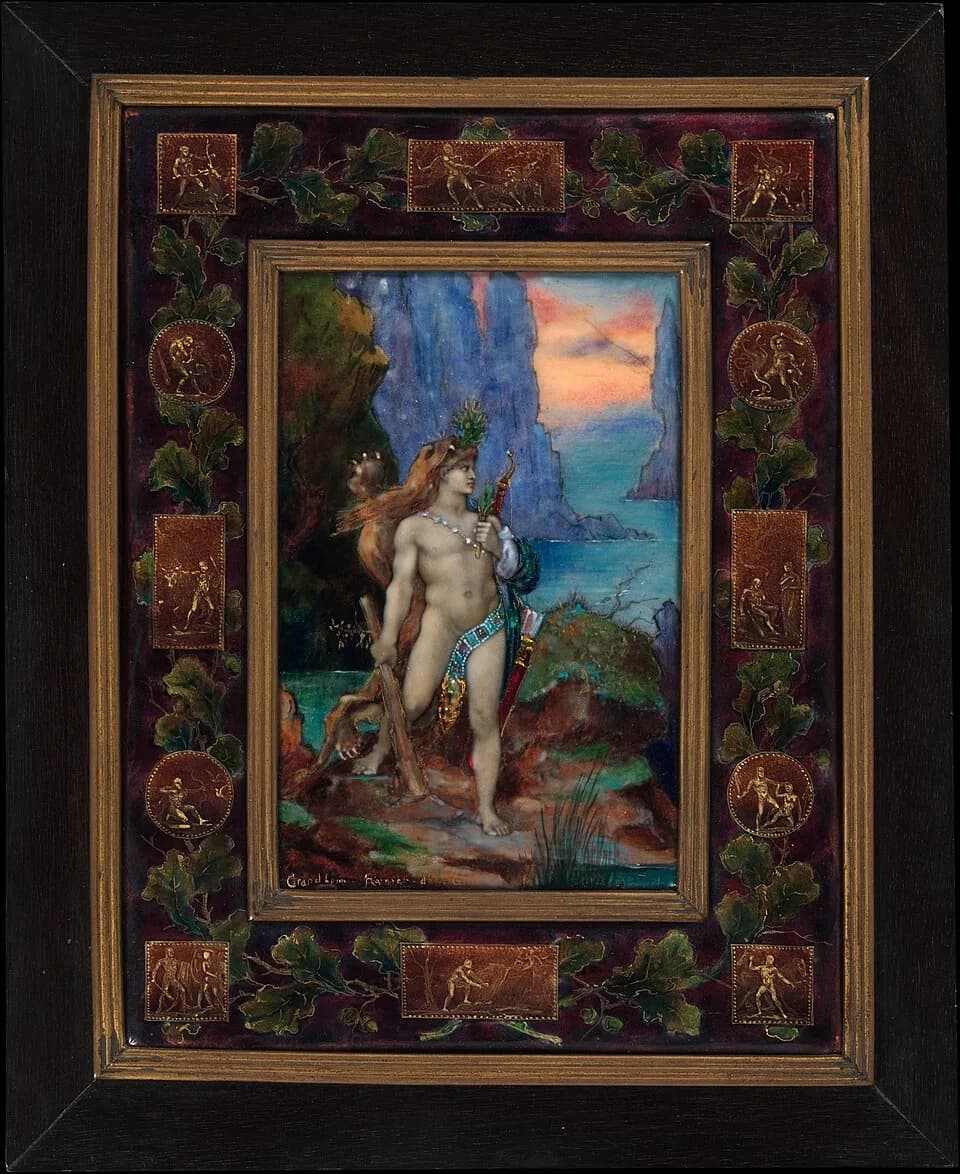
The Art Institute of Chicago holds other significant pieces, including "Hercules and the Lernaean Hydra" (1875–76) and "Hercules and the Hydra of Lerna" (c. 1876). Additional works at the AIC include "Inspiration" (c. 1893), "La Peri (Mythological Subject)" (1865), "Portrait of Eugène Lacheurié" (1852), and "Chimera" (1869). His frequent depictions of powerful female characters from the Bible and mythology became archetypical representations of the symbolist woman.
第7章 · 1898年· 全8章中第7章
Later Years
Gustave Moreau passed away in Rennes, France, on April 18, 1898. Following his death, his art experienced a period of diminished attention in the early 20th century. However, this period of oversight would eventually give way to a renewed appreciation for his profound contributions.
第8章· 全8章中第8章
Legacy and Impact
Beginning in the 1960s and 70s, Gustave Moreau's work began to receive renewed interest and scholarly attention. He has since been recognized as one of the most paramount symbolist painters, with his distinctive style continuing to captivate audiences. His reinterpretation of classical myths and allegories continues to be studied and admired by art historians and enthusiasts alike.
Moreau's contributions solidified his enduring place in art history as a master of allegorical and mythological themes. His vast body of work, comprising over 15,000 pieces, serves as a testament to his dedication and visionary artistry. His art significantly shaped the Symbolist movement, and his influence remains relevant in contemporary discussions of 19th-century European art.
瞬間の中の人生
人生を形作った瞬間
FAQ
よくある質問
Gustave Moreauはいつ亡くなりましたか?
Gustave Moreauは1898年4月18日にRennes, Franceで亡くなりました(享年72歳)。
Gustave Moreauはどこで生まれましたか?
Gustave Moreauは1826年4月6日にParis, Franceで生まれました。
Gustave Moreauは何で最もよく知られていますか?
Gustave Moreauは19th century French Symbolist painterで最もよく知られています。
Gustave Moreauは何歳で亡くなりましたか?
Gustave Moreauは亡くなった時72歳でした。
Gustave Moreauの国籍はどこですか?
Gustave MoreauはFranceの出身です。
年表
人生の概要
写真ギャラリー
写真の中の人生
ポラロイドをクリックして拡大 · 25枚の写真
QRコード
この経歴を共有
印刷して共有
スキャンしてこの経歴ページを訪問。イベント、展示会、教育資料に印刷してご利用ください。