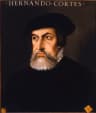
誕生
January 1, 1960
Khakrez District, Afghanistan
永眠
April 23, 2013
Zabul Province, Afghanistan
知られていること
Afghan cleric who founded the Taliban
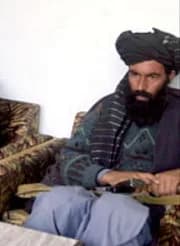
Mohammed Omar (1960–2013) was Afghanistan best known for Afghan cleric who founded the Taliban.
Mohammed Omar (January 1, 1960 – April 23, 2013) was an Afghan cleric and politician. He founded the Taliban in 1994 and served as Afghanistan's first supreme leader from 1996 to 2001. Omar established the First Islamic Emirate before his death in hiding.
第0章
人生の章
第1章 · 1960年· 全7章中第1章
Early Life and Origins
Mohammed Omar was born on January 1, 1960, in the Khakrez District of Afghanistan. His formative years were spent in a nation frequently experiencing periods of conflict and change. While specific details about his family and early education are not extensively documented in the provided information, his background as an Afghan cleric suggests a foundation in religious studies and traditional community life.
第2章 · 1994年· 全7章中第2章
Career Beginnings and the Founding of the Taliban
Omar's public life began with the founding of the Taliban movement in 1994. This initiative marked his entry onto the national stage, establishing a new political and religious force in Afghanistan. Under his guidance, the Taliban quickly gained prominence, indicating his early organizational and leadership capabilities within the complex Afghan environment.
第3章 · 1996年· 全7章中第3章
Major Achievements and Leadership of the Islamic Emirate
As the first supreme leader of the Taliban, Mohammed Omar presided over a significant period of Afghan history. From 1996 to 2001, he served as the supreme leader of Afghanistan, following the Taliban's successful military campaigns. During the Third Afghan Civil War, the Taliban fought against the Northern Alliance, ultimately taking control of most of the country. This consolidation of power led to the establishment of the First Islamic Emirate of Afghanistan, with Omar at its helm, marking a profound shift in the nation's governance.
第4章· 全7章中第4章
Personal Life
Information regarding Mohammed Omar's personal life, including details about his family, relationships, or personal interests, is not provided in the available records. His public identity was primarily defined by his religious and political leadership and his role in the establishment of the Taliban.
第5章· 全7章中第5章
Notable Contributions to Afghan Governance
Omar's primary contribution was the establishment and leadership of the Taliban movement, which fundamentally altered Afghanistan's political structure. He was instrumental in forming the First Islamic Emirate, governing a significant portion of the country for five years. His decisions and leadership during this period had widespread effects on the population and the international community, reshaping the country's trajectory.
第6章 · 2013年· 全7章中第6章
Later Years and Final Days
Following the September 11 attacks, the Taliban government, led by Omar, was toppled by an American invasion of Afghanistan. This event prompted him to go into hiding, successfully evading capture by the American-led coalition for many years. Mohammed Omar ultimately died on April 23, 2013, in Zabul Province, Afghanistan, from tuberculosis, bringing an end to his long period of elusiveness.
第7章· 全7章中第7章
Legacy and Enduring Impact
The legacy of Mohammed Omar is deeply intertwined with the history of modern Afghanistan. As the founder and first supreme leader of the Taliban, his influence on the country's political and religious trajectory is undeniable. His actions and leadership established a movement that would continue to play a central role in Afghanistan's affairs long after his death, shaping ongoing national and international dynamics.
瞬間の中の人生
人生を形作った瞬間
FAQ
よくある質問
Mohammed Omarはいつ亡くなりましたか?
Mohammed Omarは2013年4月23日にZabul Province, Afghanistanで亡くなりました(享年53歳)。
Mohammed Omarはどこで生まれましたか?
Mohammed Omarは1960年1月1日にKhakrez District, Afghanistanで生まれました。
Mohammed Omarは何で最もよく知られていますか?
Mohammed OmarはAfghan cleric who founded the Talibanで最もよく知られています。
Mohammed Omarは何歳で亡くなりましたか?
Mohammed Omarは亡くなった時53歳でした。
Mohammed Omarの国籍はどこですか?
Mohammed OmarはAfghanistanの出身です。
写真ギャラリー
写真の中の人生
ポラロイドをクリックして拡大 · 27枚の写真
QRコード
この経歴を共有
印刷して共有
スキャンしてこの経歴ページを訪問。イベント、展示会、教育資料に印刷してご利用ください。