経歴 · South Korean film director

4 min read · 730 words

Kim Ki-duk

1960 · 2020

享年
59
写真
14
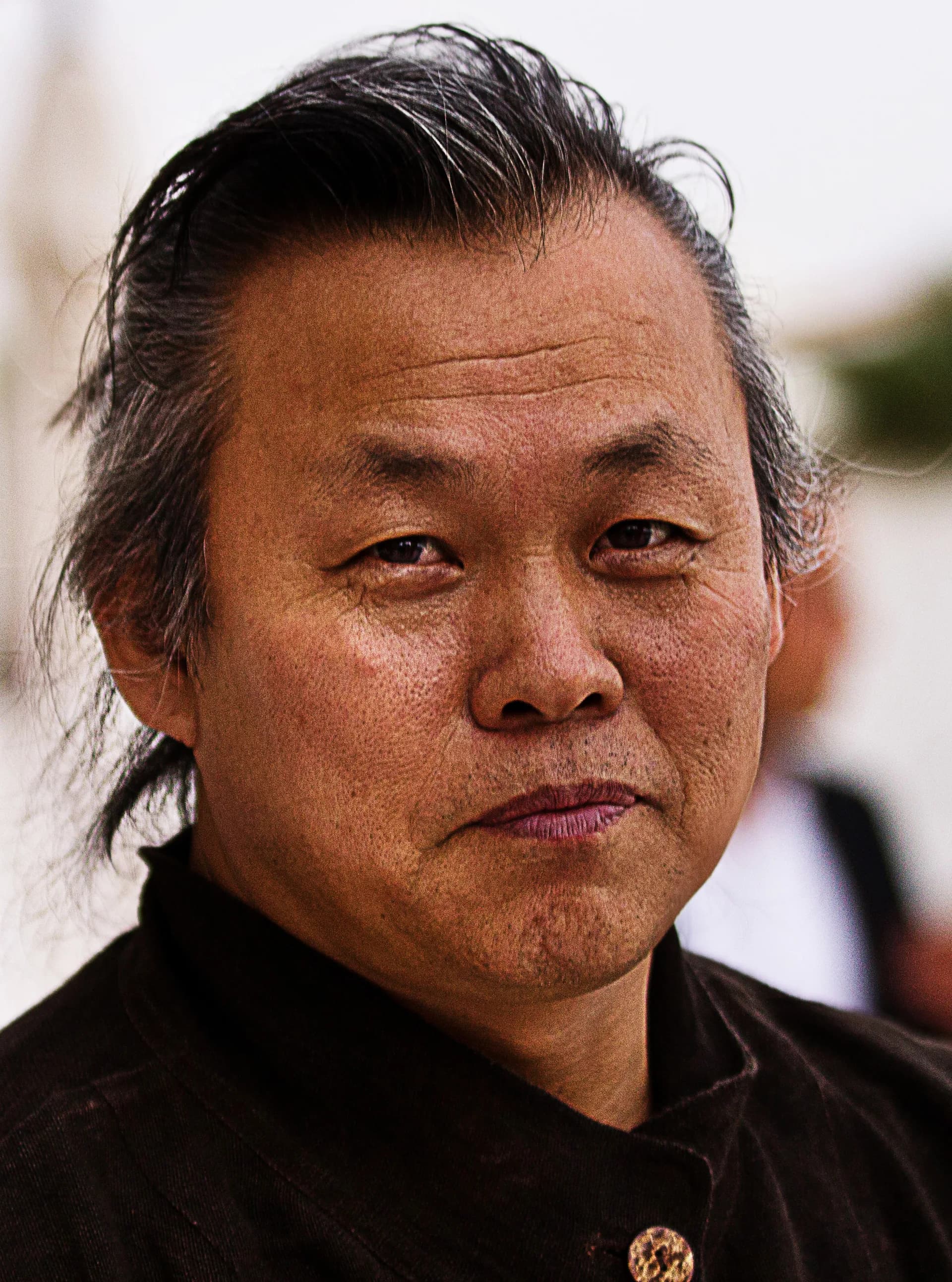
Kim Ki-duk portrait

誕生

December 20, 1960

Bonghwa County, South Korea

永眠

December 11, 2020

Riga, Latvia

知られていること

South Korean film director

Kim Ki-duk (1960–2020) was a South Korean filmmaker noted for his idiosyncratic art-house cinematic works. His films received many distinctions on the international festival circuit, making him one of the most important contemporary Asian film directors.

瞬間の中の人生

人生を形作った瞬間

Englishで書かれています

第0章

人生の章

第1章 · 1960年· 全7章中第1章

Early Life and Origins

Kim Ki-duk was born in Bonghwa County, a rural area in North Gyeongsang Province, South Korea, on December 20, 1960. Growing up in this mountainous region during South Korea's period of rapid industrialization, Kim witnessed firsthand the tensions between traditional Korean life and modernization. The rural landscape and cultural shifts of his childhood would later influence the themes and settings of many of his films, where nature and human struggle often intersect in profound ways.

第2章· 全7章中第2章

Career Beginnings

Kim Ki-duk's entry into filmmaking was unconventional, reflecting the independent spirit that would characterize his entire career. He began his artistic journey as a painter before transitioning to screenwriting and eventually directing. His early experiences in the arts provided him with a visual sensibility that distinguished his later cinematic work. Kim's background as a screenwriter gave him complete creative control over his narratives, allowing him to develop the unique storytelling style that would become his trademark.

第3章· 全7章中第3章

Major Achievements and Career Highlights

Throughout his career, Kim Ki-duk's films received numerous distinctions on the international festival circuit, cementing his reputation as a master of art-house cinema. His works were regularly selected for prestigious film festivals worldwide, where they garnered critical acclaim and awards. Kim's ability to create visually striking and emotionally complex films without relying on conventional narrative structures set him apart from his contemporaries. His films often explored themes of human nature, violence, redemption, and the relationship between civilization and the natural world.

As a filmmaker who wore multiple hats, Kim served not only as director but also as screenwriter, producer, editor, and occasional actor in his projects. This comprehensive involvement in every aspect of filmmaking allowed him to maintain his artistic vision throughout the production process. His dedication to creative independence meant that his films bore his unmistakable signature, making him one of the most recognizable auteurs in contemporary Asian cinema.

第4章· 全7章中第4章

Personal Life

Kim Ki-duk maintained a relatively private personal life, focusing primarily on his artistic pursuits. His commitment to his craft was evident in his prolific output and his willingness to explore challenging and controversial themes in his work. Kim's artistic philosophy emphasized raw human emotion and the exploration of fundamental aspects of human nature, often through minimalist dialogue and powerful visual storytelling.

第5章· 全7章中第5章

Notable Works and Contributions

Kim Ki-duk's filmography represents a significant contribution to world cinema, particularly in the realm of art-house and independent film. His works were characterized by their unflinching examination of human behavior, often set against stark natural backdrops. Kim's films frequently featured minimal dialogue, instead relying on visual composition, symbolism, and atmospheric elements to convey meaning. This approach created a unique cinematic language that resonated with international audiences and critics.

His influence extended beyond individual films to impact the broader landscape of Asian cinema. Kim's success on the international festival circuit helped bring greater attention to South Korean filmmaking during a period of significant growth for the country's film industry. His willingness to tackle difficult subjects and his uncompromising artistic vision inspired a generation of filmmakers both in Korea and internationally.

第6章 · 2020年· 全7章中第6章

Later Years

In his later years, Kim Ki-duk continued to create films while also dealing with various controversies that arose around his work and personal conduct. Despite these challenges, he remained committed to his artistic vision and continued to produce films that challenged audiences and critics alike. His final years saw him spending time outside of South Korea, including in Latvia, where he ultimately passed away on December 11, 2020.

第7章· 全7章中第7章

Legacy and Impact

Kim Ki-duk's death in Riga, Latvia, marked the end of a career that had profoundly influenced contemporary cinema. His legacy lies in his fearless approach to filmmaking and his ability to create deeply personal artistic statements within the medium of film. Kim's work demonstrated that art-house cinema could achieve international recognition while maintaining uncompromising artistic integrity.

The impact of Kim Ki-duk's work continues to be felt in film circles around the world. His films remain subjects of academic study and continue to influence emerging filmmakers who admire his bold visual style and willingness to explore difficult themes. Kim's career serves as a testament to the power of independent filmmaking and the importance of maintaining artistic vision in an increasingly commercial film landscape. His contribution to South Korean cinema and world cinema more broadly ensures his place among the most significant filmmakers of the late 20th and early 21st centuries.

年表

人生の概要

  1. 1960

    Early Life and Origins

  2. 2020

    Later Years

写真ギャラリー

写真の中の人生

ポラロイドをクリックして拡大 · 13枚の写真

QRコード

この経歴を共有

印刷して共有

スキャンしてこの経歴ページを訪問。イベント、展示会、教育資料に印刷してご利用ください。

誰だった Kim Ki-duk? (1960-2020) | WhoWasThisGuy.com