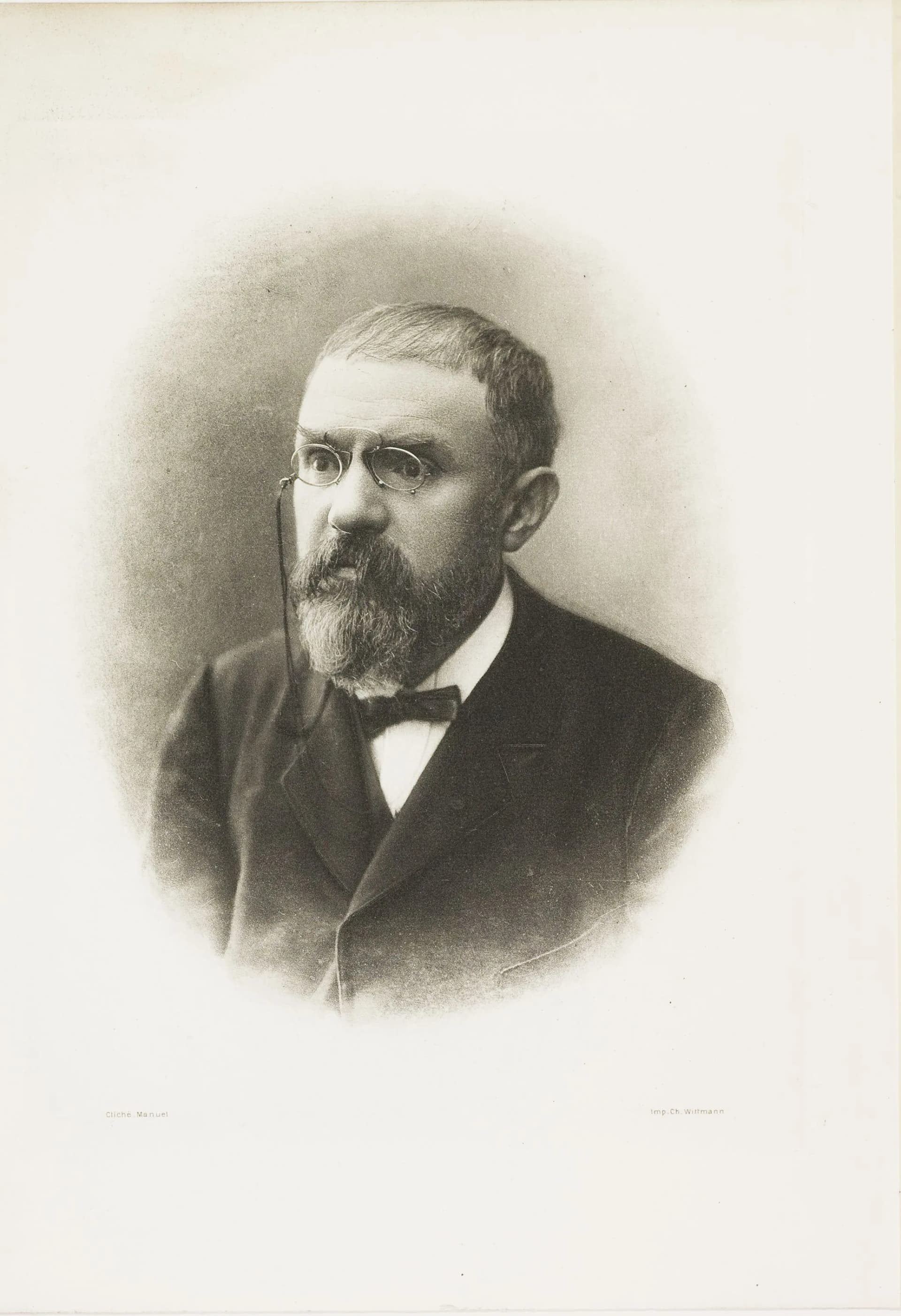
誕生
April 29, 1854
Nancy, Duchy of Lorraine
永眠
July 17, 1912
Paris, France
知られていること
French mathematician, physicist and engineer
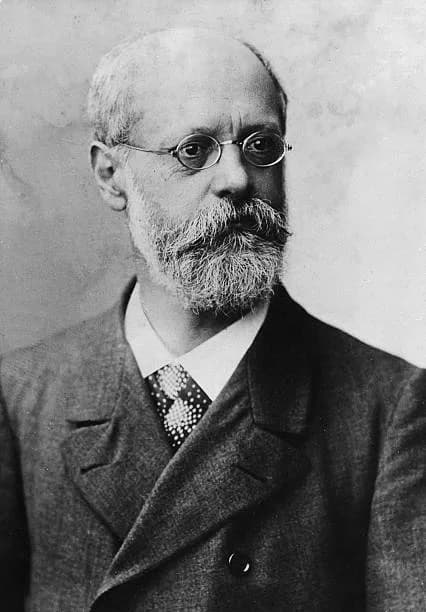
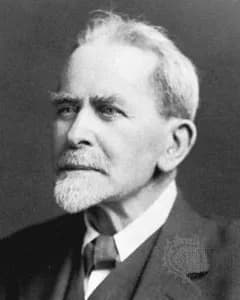
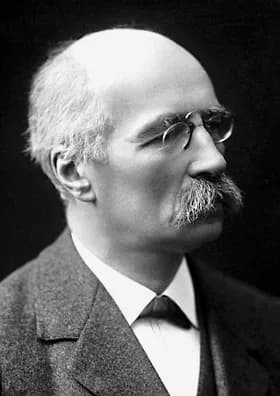
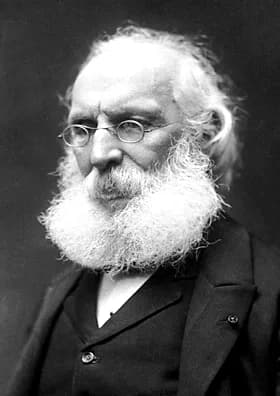
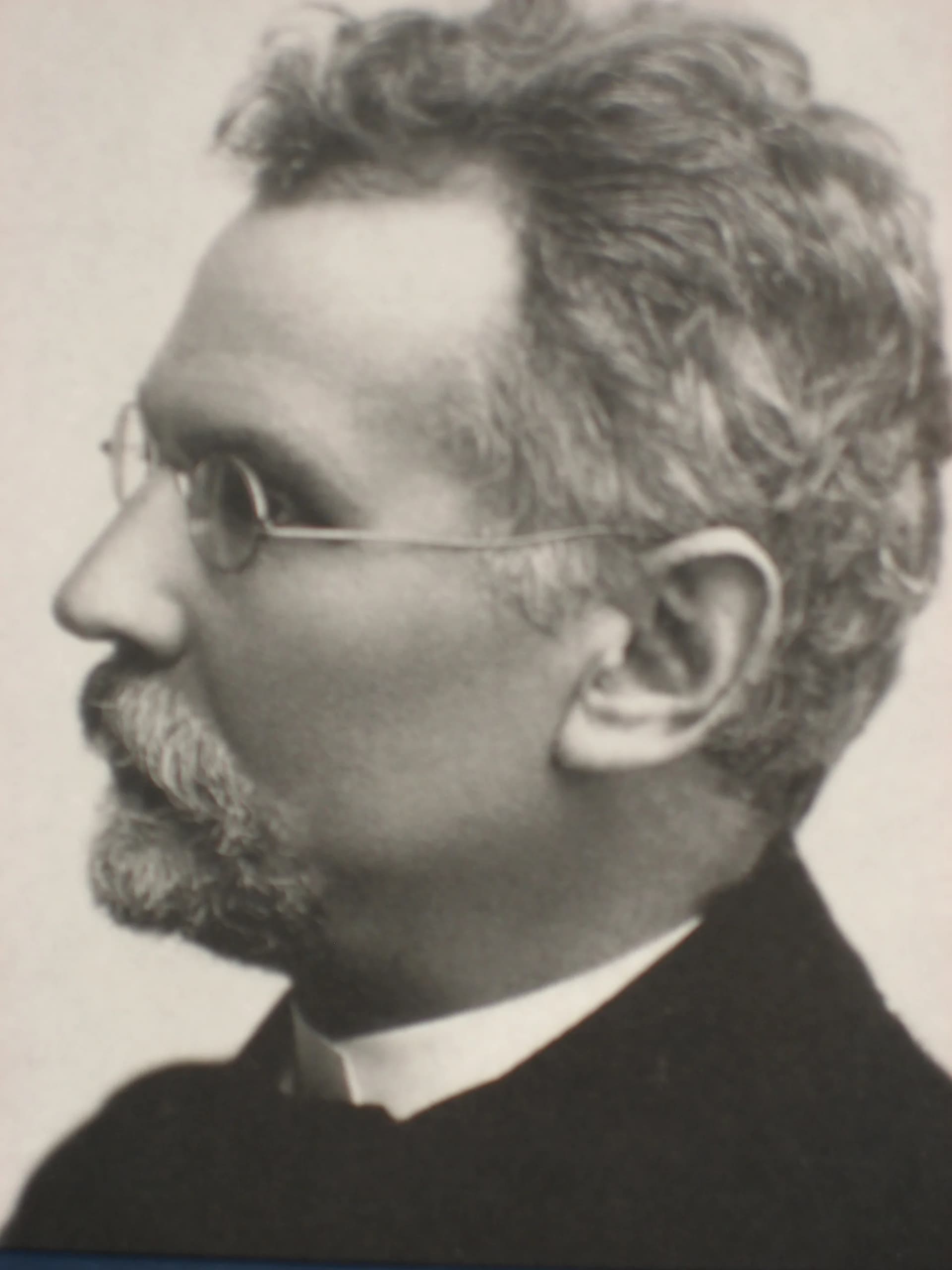
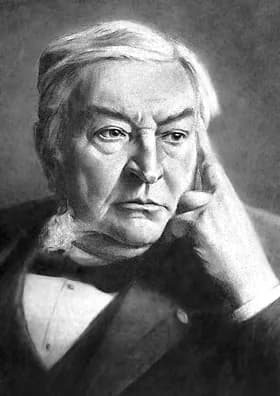
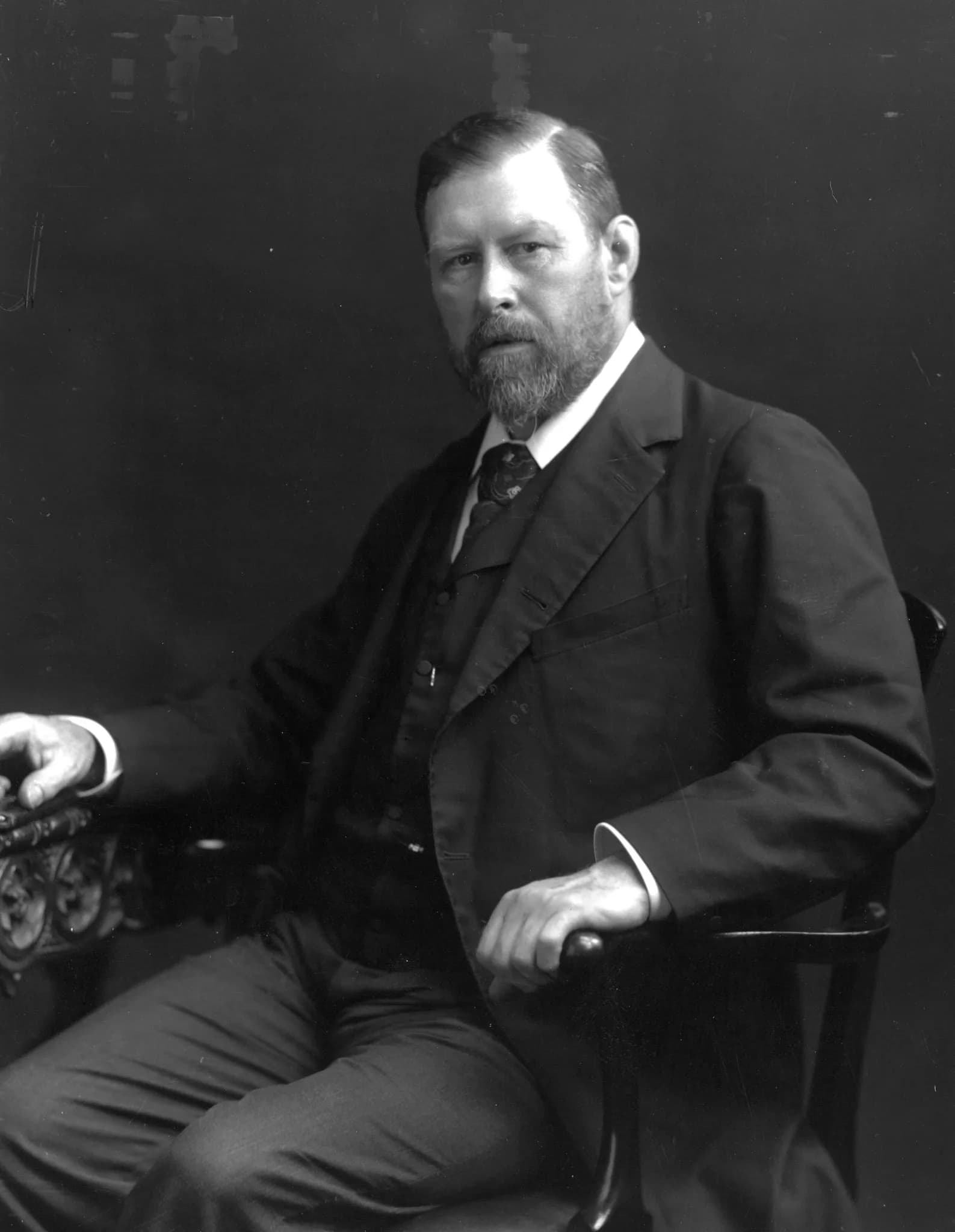
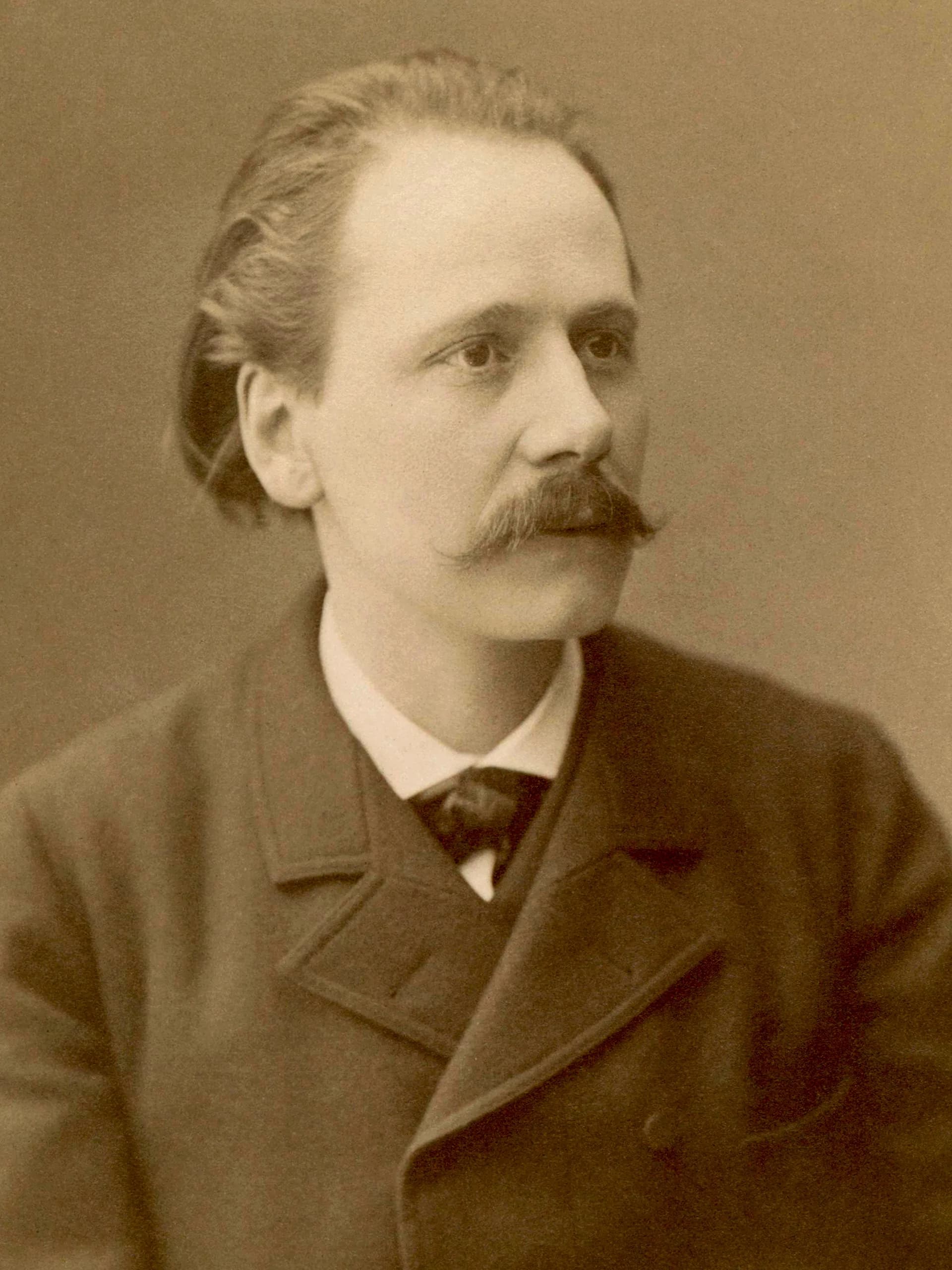
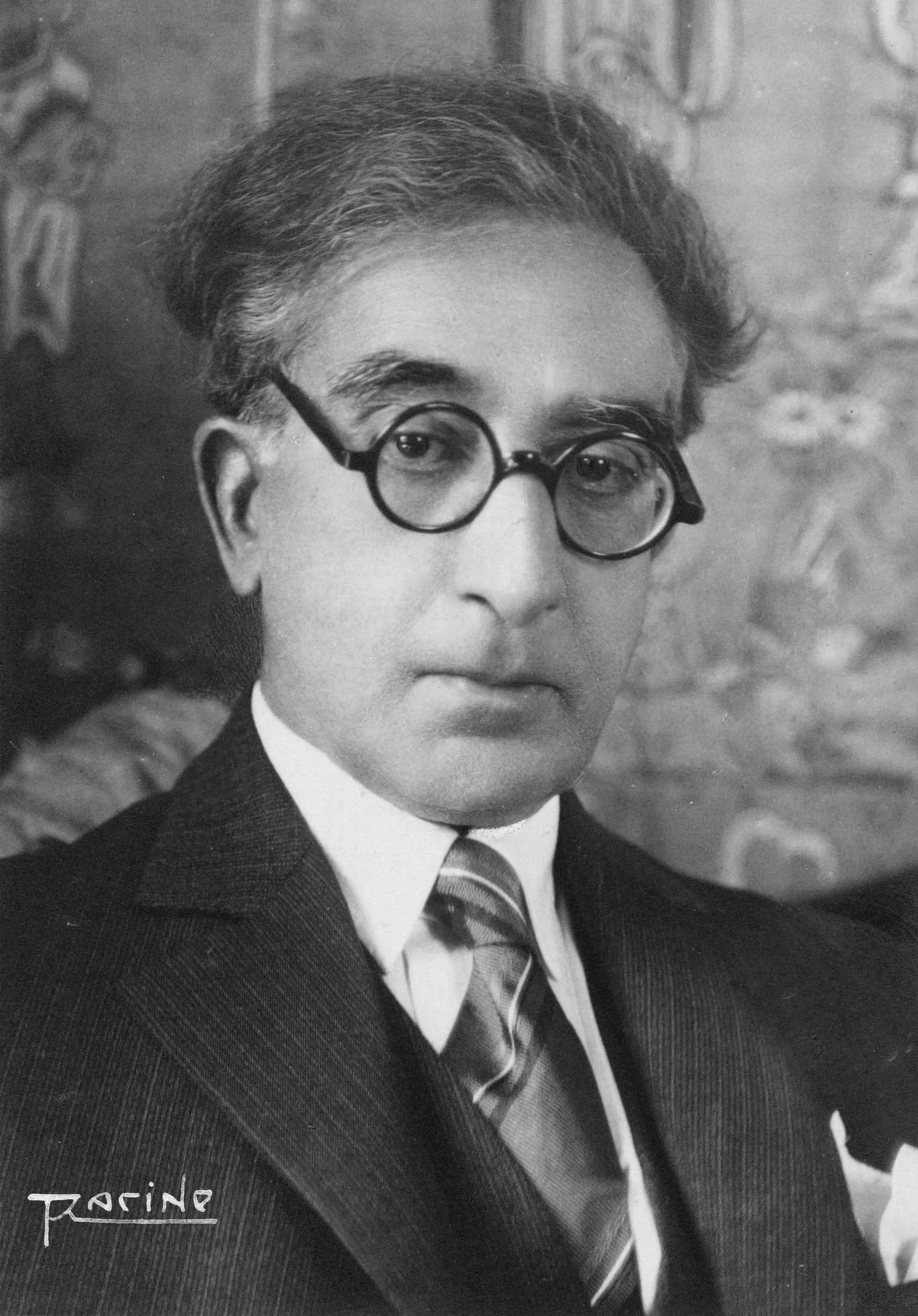
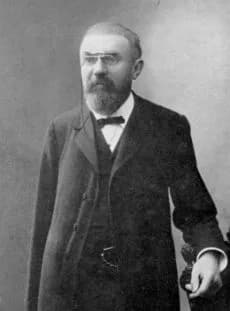
Henri Poincaré (1854–1912) was Duchy of Lorraine best known for French mathematician, physicist and engineer.
Jules Henri Poincaré (April 29, 1854 – July 17, 1912) was a French mathematician, physicist, and engineer from Nancy, Duchy of Lorraine. He was known as "The Last Universalist" in mathematics, excelling in all fields of the discipline. Poincaré's contributions spanned science and philosophy, earning him the title "the Gauss of modern mathematics."
瞬間の中の人生
人生を形作った瞬間
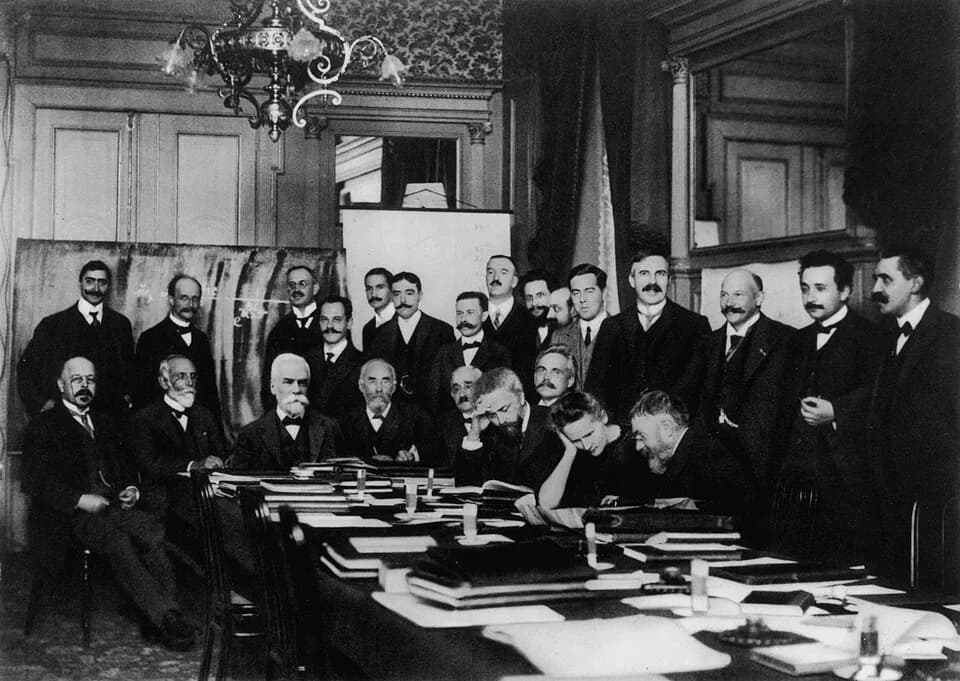
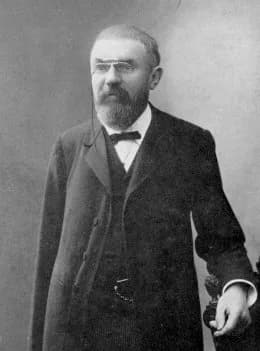

第0章
人生の章
第1章 · 1854年· 全7章中第1章
Early Life and Origins
Born on April 29, 1854, in Nancy, which was then part of the Duchy of Lorraine, Henri Poincaré grew up in an environment steeped in intellectual tradition. His birthplace, a city with a rich academic history, likely played a role in fostering his early intellectual development. This early setting set the stage for a life dedicated to scientific and philosophical inquiry.
第2章· 全7章中第2章
Career Beginnings
While specific details about the very start of his professional career are not extensively documented, Poincaré quickly established himself as a prominent figure in French academia and beyond. His initial engagements, likely in engineering and various scientific research capacities, laid the foundation for his expansive contributions. He swiftly demonstrated his remarkable abilities, which propelled him into a position of significant influence across multiple scientific domains.
第3章· 全7章中第3章
Major Achievements and Career Highlights
Poincaré’s career was marked by an unparalleled breadth and depth of knowledge, allowing him to excel in virtually all areas of mathematics then known. This exceptional mastery cemented his reputation as "The Last Universalist," a distinction rarely, if ever, achieved by subsequent scholars. His expertise was not limited to mathematics; he was also a highly accomplished theoretical physicist and a skilled engineer.
His scientific acumen earned him the moniker "the Gauss of modern mathematics," drawing a parallel to one of history's greatest mathematicians. Furthermore, his philosophical insights and the way he approached scientific problems made him a leading figure in the philosophy of science. His work influenced not just scientific discovery but also the very way science was understood and conducted, establishing him as "the philosopher par excellence of modern science."
第4章· 全7章中第4章
Personal Life
The information provided focuses primarily on Henri Poincaré's professional and academic achievements, not detailing aspects of his personal life, family, or private interests. His enduring legacy is thus predominantly defined by his extensive scholarly output and the far-reaching impact of his scientific and philosophical thought. His life was evidently dedicated to the pursuit and advancement of knowledge.
第5章· 全7章中第5章
Notable Works or Contributions
Henri Poincaré authored numerous influential works that spanned various scientific and philosophical fields. Among his significant publications is `Calcul des probabilités`, a seminal text on probability theory. He also delved into celestial mechanics with `Sur le problème des trois corps et les équations de la dynamique`.
His contributions to the philosophy of science are exemplified by `La science et l'hypothése` and `Science et méthode`, works that explored the nature of scientific inquiry and discovery. Poincaré also made important advancements in physics with `La dynamique de l'éclectron`, and contributed to continuum mechanics through `Leçons sur la théorie de l'élasticité`. His expertise extended to pure mathematical physics, evident in `Sur les équations de la physique mathématique`.
Several of Poincaré’s key texts found a global audience through translation, such as `La science et l'hypothése` which appeared in English as `Science and hypothesis`, in German as `Der wert der wissenschaft`, and in Chinese as `科學之價值`. His academic publications include `Wissenschaft und Methode` (1915), which garnered 38 citations, and `Über das Dreikörperproblem und die Gleichungen der Dynamik` (1970). These works continue to be referenced and studied by scholars worldwide.
第6章 · 1912年· 全7章中第6章
Later Years
Henri Poincaré continued his intensive intellectual work throughout his life, making significant contributions right up until his death. He passed away on July 17, 1912, in Paris, France, bringing an end to the career of one of the most versatile minds of his era. His passing left a considerable void in the scientific and philosophical communities, as his unique capacity to bridge disparate fields was unmatched.
第7章· 全7章中第7章
Legacy and Impact
The legacy of Henri Poincaré is immense and enduring, truly embodying his title as "The Last Universalist." His command over every branch of mathematics during his lifetime established a benchmark for intellectual versatility and scientific rigor. His analytical methods and intuitive breakthroughs continue to shape mathematical and scientific thought.
Poincaré's influence extended far beyond the confines of mathematics and physics, deeply affecting the philosophy of science. His writings and theories challenged prevailing scientific paradigms and fostered new ways of thinking about the universe and its underlying principles. He remains a towering figure, remembered as "the Gauss of modern mathematics" and a guiding intellect whose work continues to inspire new generations of scientists and philosophers.
FAQ
よくある質問
Henri Poincaréはいつ亡くなりましたか?
Henri Poincaréは1912年7月17日にParis, Franceで亡くなりました(享年58歳)。
Henri Poincaréはどこで生まれましたか?
Henri Poincaréは1854年4月29日にNancy, Duchy of Lorraineで生まれました。
Henri Poincaréは何で最もよく知られていますか?
Henri PoincaréはFrench mathematician, physicist and engineerで最もよく知られています。
Henri Poincaréは何歳で亡くなりましたか?
Henri Poincaréは亡くなった時58歳でした。
Henri Poincaréの国籍はどこですか?
Henri PoincaréはDuchy of Lorraineの出身です。
年表
人生の概要
写真ギャラリー
写真の中の人生
ポラロイドをクリックして拡大 · 45枚の写真
QRコード
この経歴を共有
印刷して共有
スキャンしてこの経歴ページを訪問。イベント、展示会、教育資料に印刷してご利用ください。