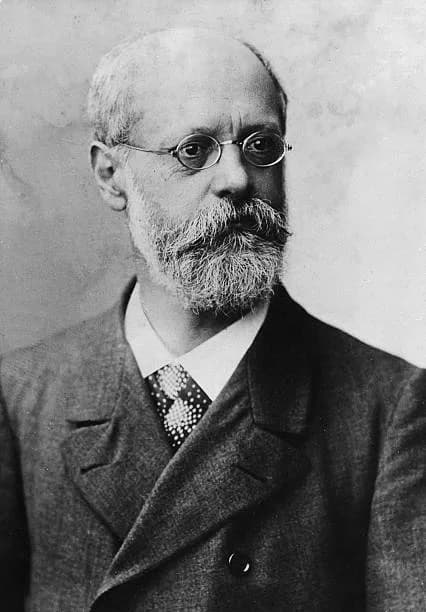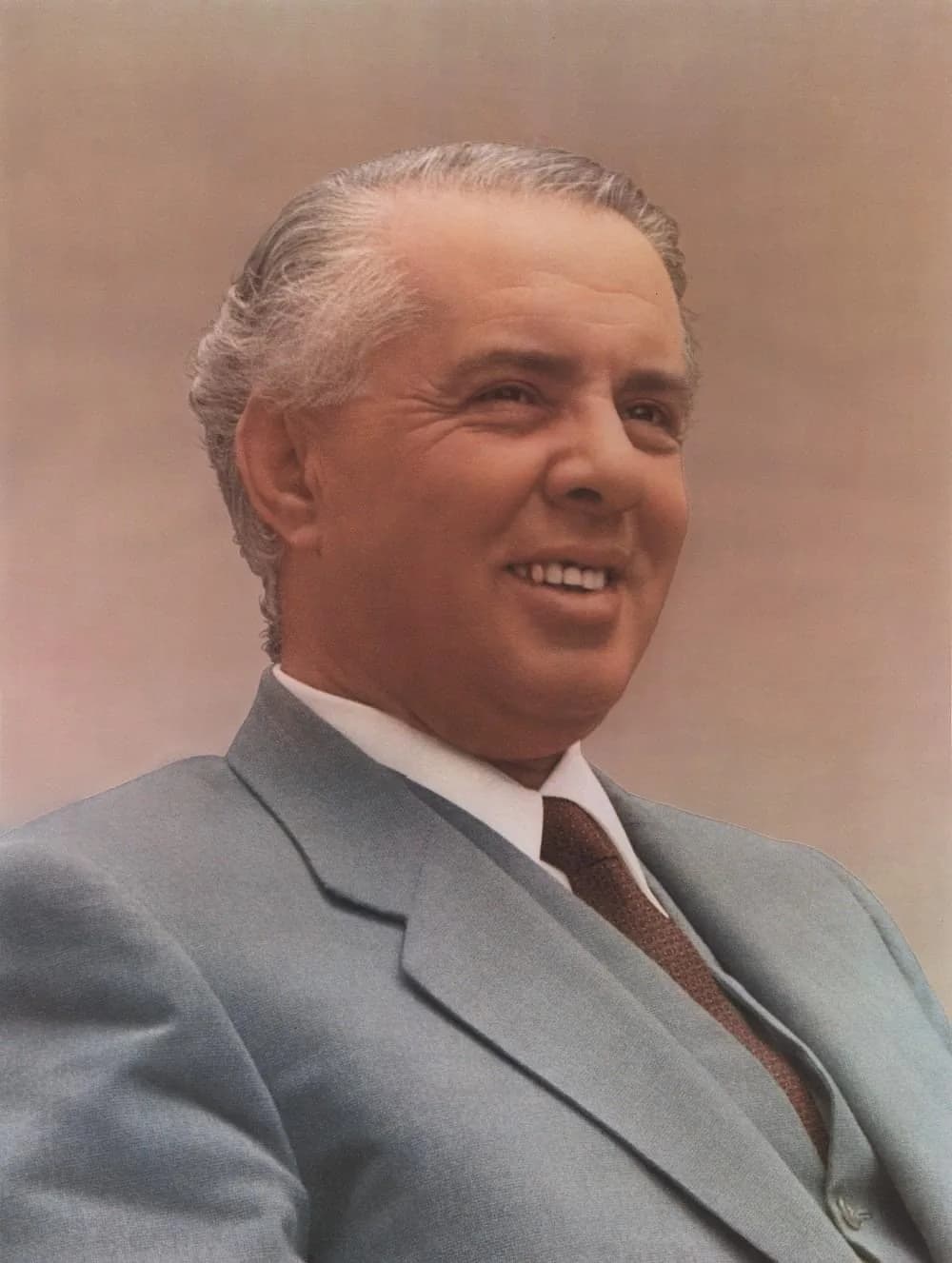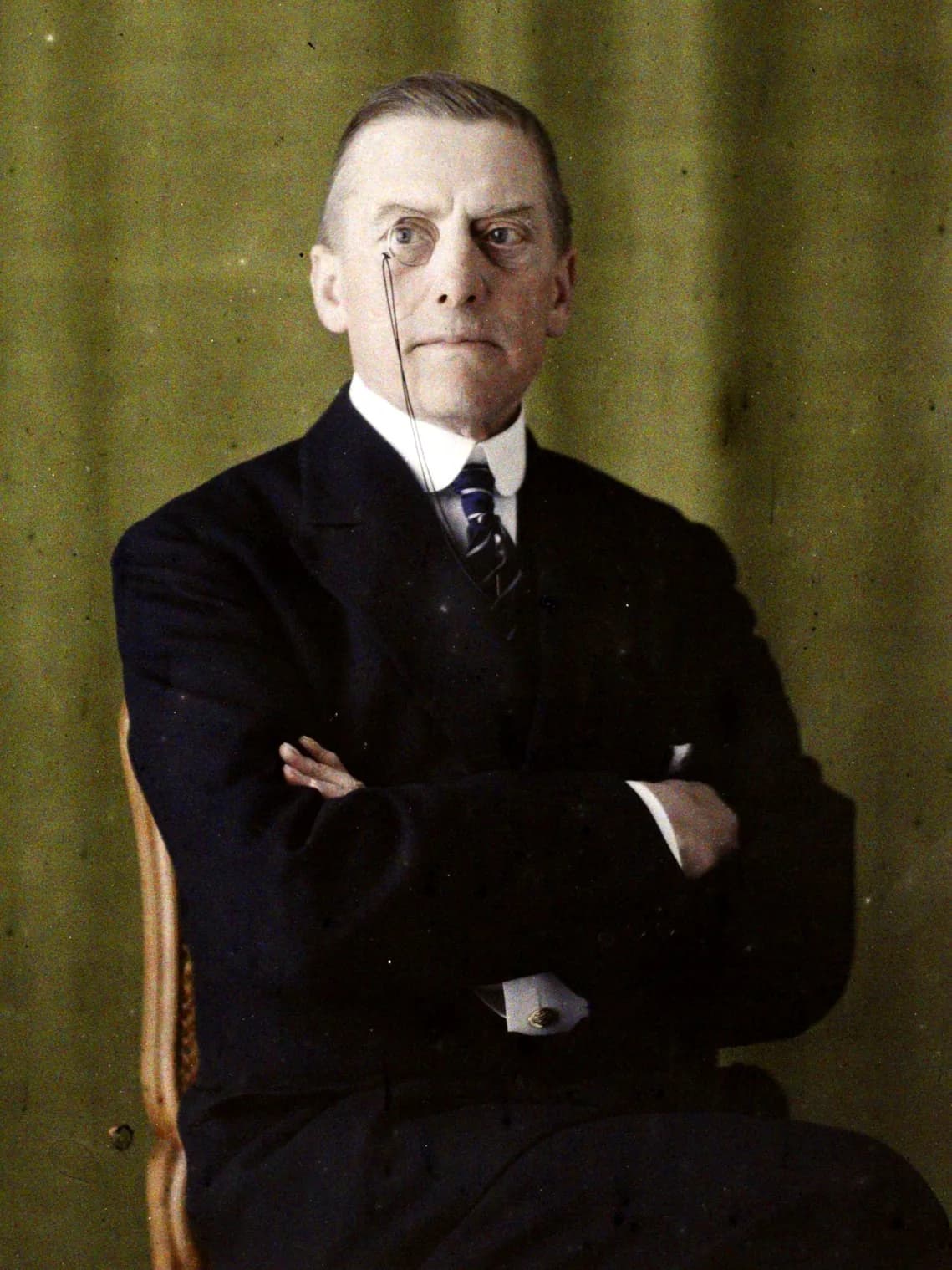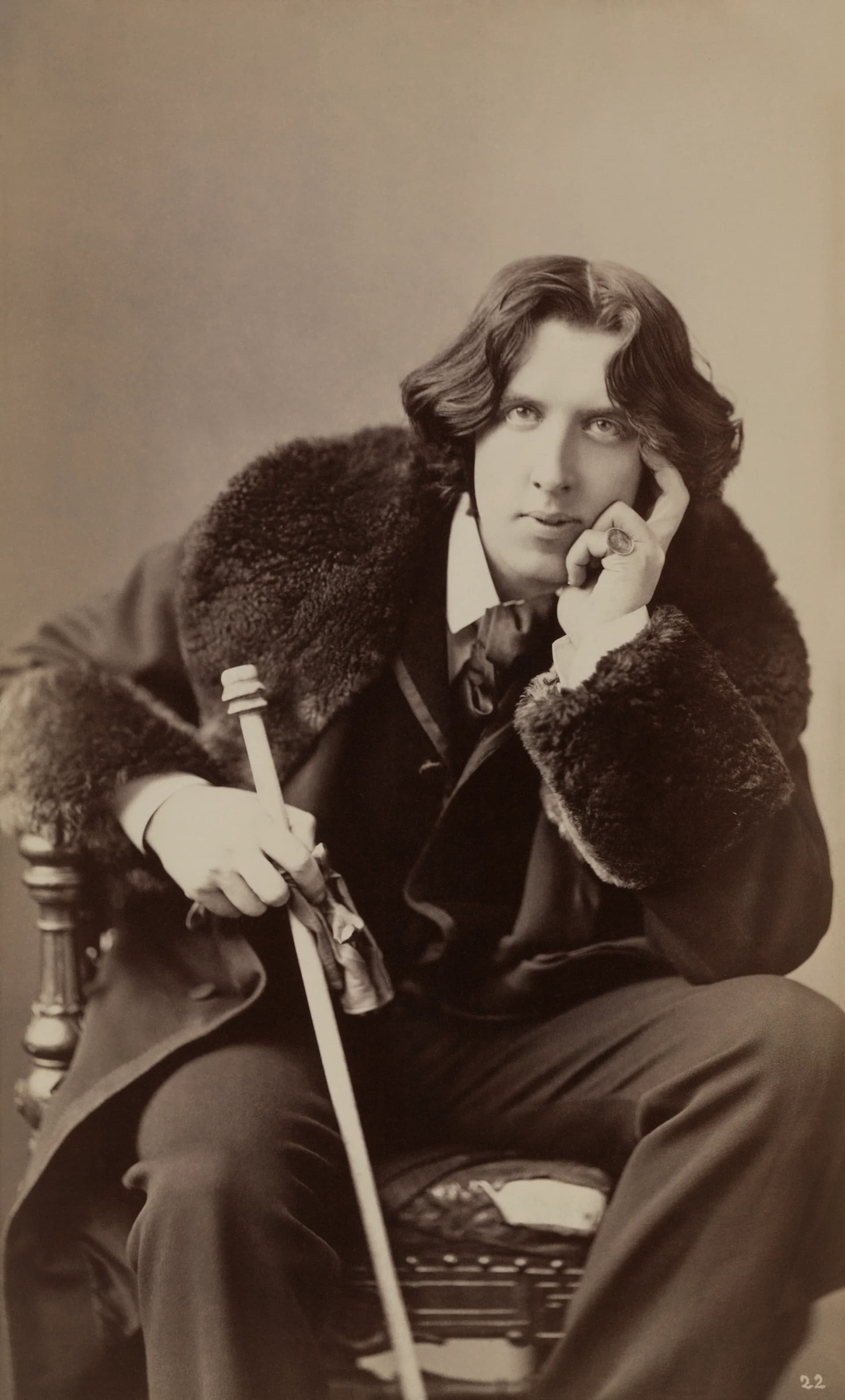
誕生
October 16, 1905
N’Gokro, Ivory Coast
永眠
December 7, 1993
Yamoussoukro, Ivory Coast
知られていること
First President of Ivory Coast, from 1960 to 1993
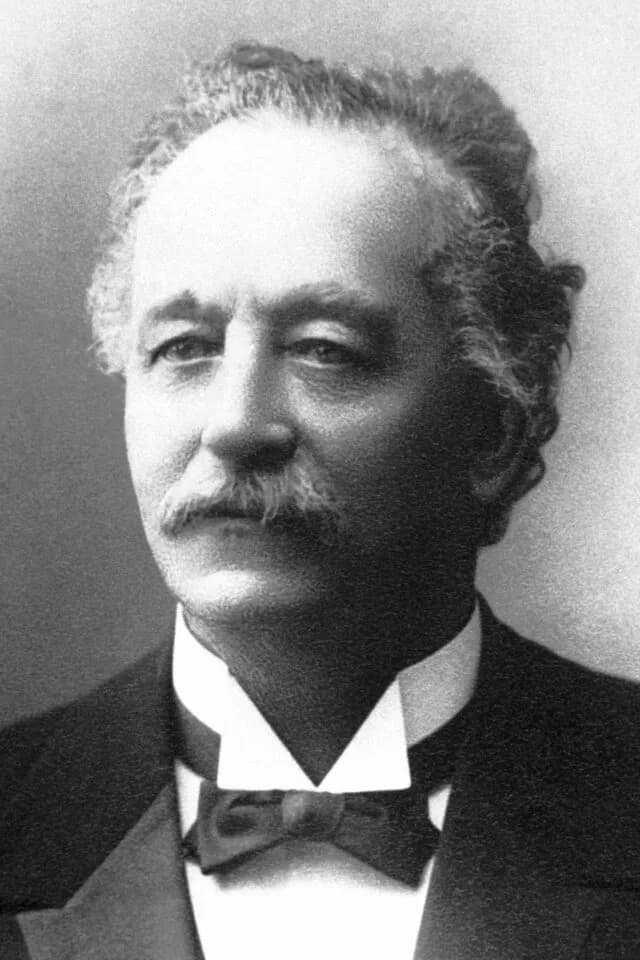
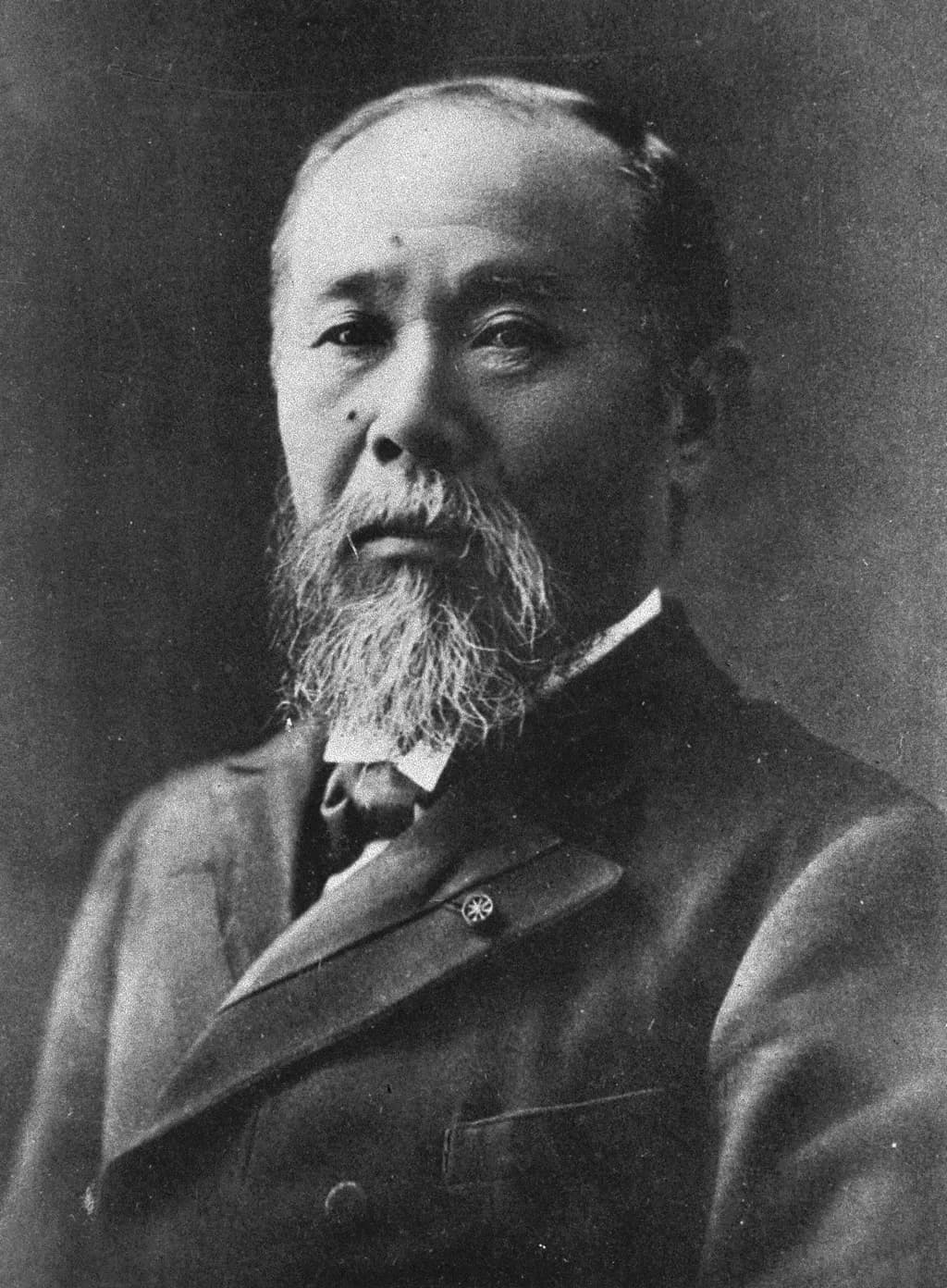
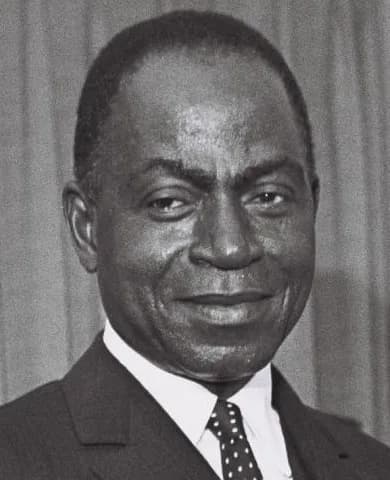
Félix Houphouët-Boigny (1905–1993) was Ivory Coast best known for First President of Ivory Coast, from 1960 to 1993.
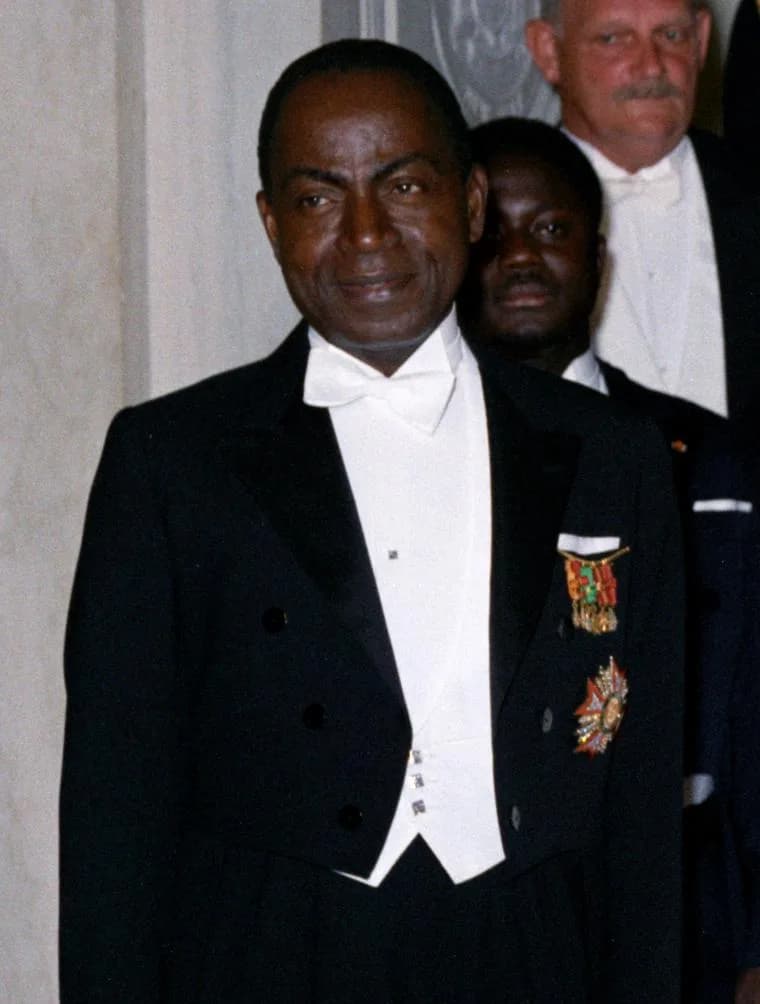
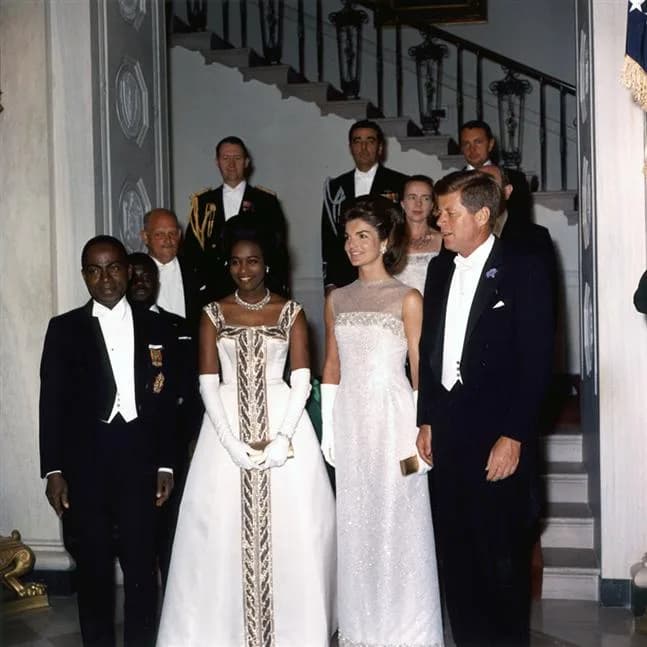
Félix Houphouët-Boigny (October 16, 1905 – December 7, 1993) was a politician from Ivory Coast. He served as the nation's first president from 1960 until his death. A crucial figure in African decolonization, his leadership shaped the country's early years.
瞬間の中の人生
人生を形作った瞬間
第0章
人生の章
第1章 · 1905年· 全8章中第1章
Opening Tribute
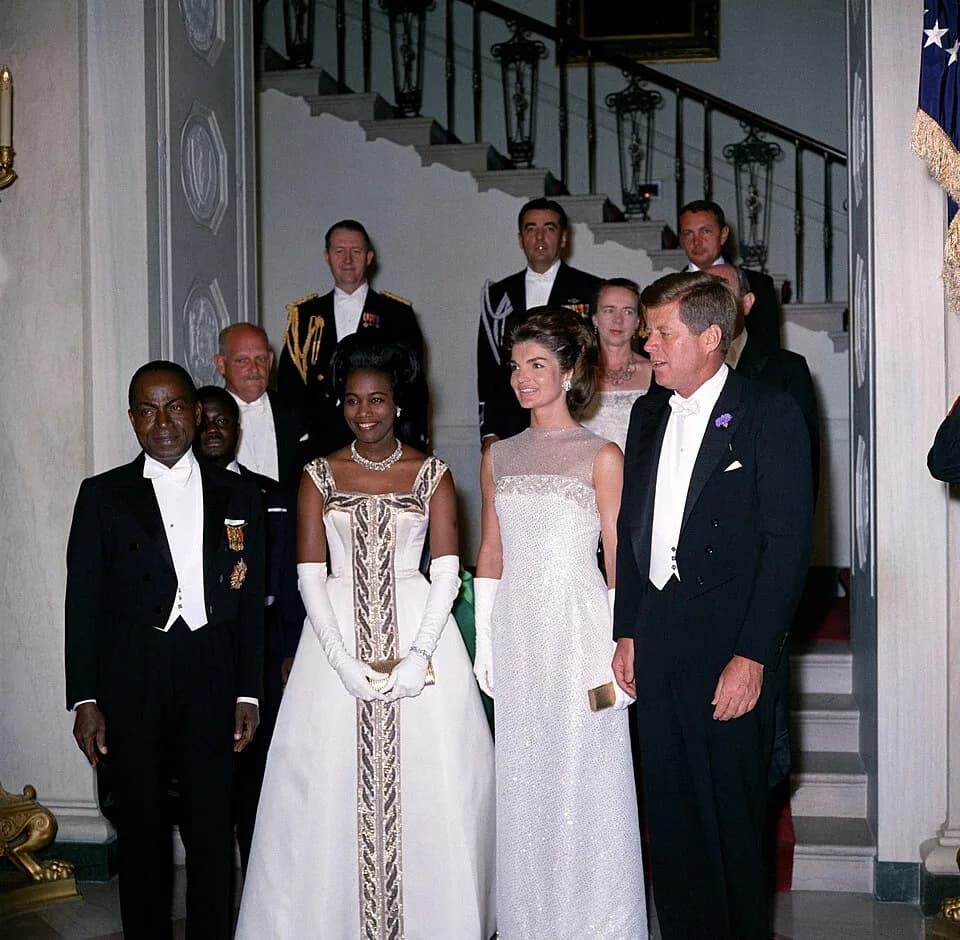
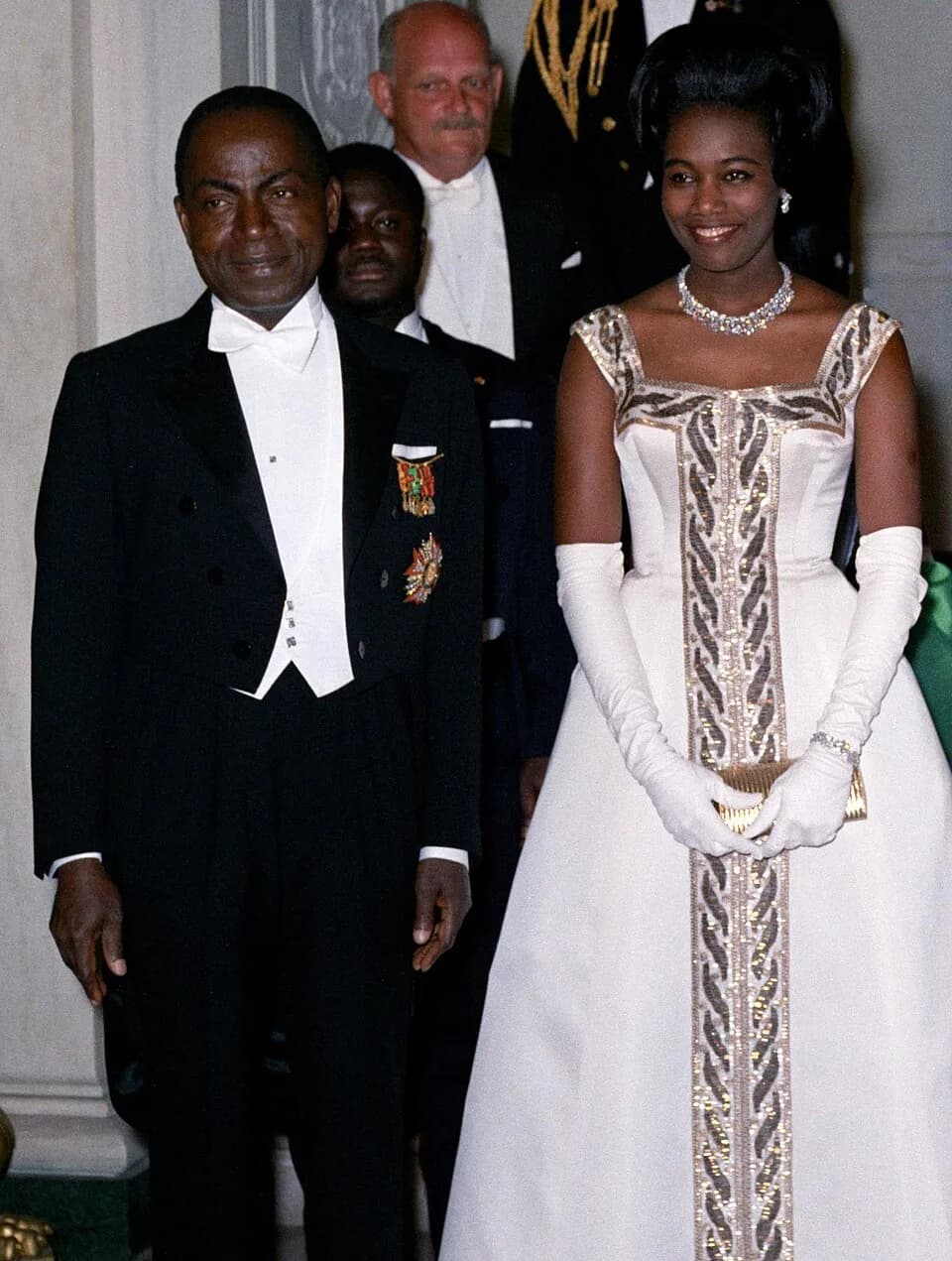
Félix Houphouët-Boigny, born on October 16, 1905, and passing on December 7, 1993, was a prominent politician whose life was dedicated to public service. He is remembered primarily as the first President of Ivory Coast, a role he held from the nation's independence in 1960 until his death. Affectionately known as Papa Houphouët or Le Vieux, he played a central role in both the politics of his nascent nation and the broader decolonization of Africa. His leadership spanned over three decades, shaping the course of Ivory Coast's early history profoundly.
第2章· 全8章中第2章
Early Life and Origins
Félix Houphouët-Boigny began his life in N’Gokro, a town within the region that would become modern-day Ivory Coast. Born into a tribal chieftaincy, his early experiences grounded him deeply in the local culture and societal structures. Though specific details of his early education are not provided, his later career as a physician indicates a significant academic pursuit.
第3章· 全8章中第3章
Career Beginnings
Before stepping onto the national and international political stage, Houphouët-Boigny embarked on a diverse professional path. He initially worked as a medical aide, a profession that reflected his background as a physician. His commitment to social causes also led him to become a union leader, advocating for workers' rights and conditions. Additionally, he was involved in agriculture as a planter, a common and important occupation in the region.
His political career began in earnest when he was elected to the French Parliament in 1945, marking his entry into colonial legislative affairs. This significant step allowed him to represent the interests of his homeland on a much larger platform. Following his parliamentary election, he further distinguished himself by serving in several ministerial positions within the Government of France, gaining valuable experience in governance and administration.
第4章 · 1960年· 全8章中第4章
Major Achievements and Career Highlights
The crowning achievement of Félix Houphouët-Boigny’s career was his leadership of Ivory Coast to independence in 1960. He then became the nation’s first President, a position he held continuously until his passing in 1993. This long tenure is a testament to his enduring influence and the stability he brought to the young republic.
His journey from a tribal chief and medical aide to a national leader underscored his unique path. His time in the French Parliament and various ministerial roles provided a solid foundation for his eventual presidency. These experiences were crucial in navigating the complexities of post-colonial state-building.
第5章· 全8章中第5章
Personal Life
While specific details about Félix Houphouët-Boigny's family, personal relationships, or hobbies are not extensively documented in the provided information, his popular nicknames, Papa Houphouët and Le Vieux, speak volumes. These terms of endearment highlight the paternalistic and revered image he held among the Ivorian people. Such affectionate titles reflect the deep personal connection he forged with the populace throughout his long public life.
第6章· 全8章中第6章
Notable Contributions
Félix Houphouët-Boigny's most significant contributions lie in his dedication to the decolonization of Africa and the establishment of an independent, stable Ivory Coast. His work as a union leader and his representation in the French Parliament laid groundwork for these broader movements. He played a direct and decisive role in shaping the political destiny of his nation.
As President, his policies and leadership guided Ivory Coast through its formative years. His long tenure from 1960 to 1993 allowed for consistent governance and the implementation of his vision for the country. His contributions were not merely administrative but were foundational to the identity and structure of the independent Ivorian state.
第7章 · 1993年· 全8章中第7章
Later Years
Félix Houphouët-Boigny continued to serve as President of Ivory Coast until the very end of his life. He passed away on December 7, 1993, in Yamoussoukro, Ivory Coast, the city that also became the nation's political capital during his presidency. His death marked the conclusion of an era, signifying the end of his continuous leadership since independence.
第8章· 全8章中第8章
Legacy and Impact
The legacy of Félix Houphouët-Boigny is inextricably linked to the history of Ivory Coast and the wider African decolonization movement. He is remembered as a statesman who skillfully navigated the transition from colonial rule to independence. His extended presidency provided a period of relative stability, which was crucial for the young nation's development.
His political journey, from a local chief to a respected international figure, symbolizes the aspirations of a continent emerging from colonial domination. Houphouët-Boigny’s actions and leadership established a blueprint for Ivorian governance for decades to come. His vision and dedication continue to be studied as key elements in the story of African independence.
FAQ
よくある質問
Félix Houphouët-Boignyはいつ亡くなりましたか?
Félix Houphouët-Boignyは1993年12月7日にYamoussoukro, Ivory Coastで亡くなりました(享年88歳)。
Félix Houphouët-Boignyはどこで生まれましたか?
Félix Houphouët-Boignyは1905年10月16日にN’Gokro, Ivory Coastで生まれました。
Félix Houphouët-Boignyは何で最もよく知られていますか?
Félix Houphouët-BoignyはFirst President of Ivory Coast, from 1960 to 1993で最もよく知られています。
Félix Houphouët-Boignyは何歳で亡くなりましたか?
Félix Houphouët-Boignyは亡くなった時88歳でした。
Félix Houphouët-Boignyの国籍はどこですか?
Félix Houphouët-BoignyはIvory Coastの出身です。
年表
人生の概要
写真ギャラリー
写真の中の人生
ポラロイドをクリックして拡大 · 48枚の写真
QRコード
この経歴を共有
印刷して共有
スキャンしてこの経歴ページを訪問。イベント、展示会、教育資料に印刷してご利用ください。