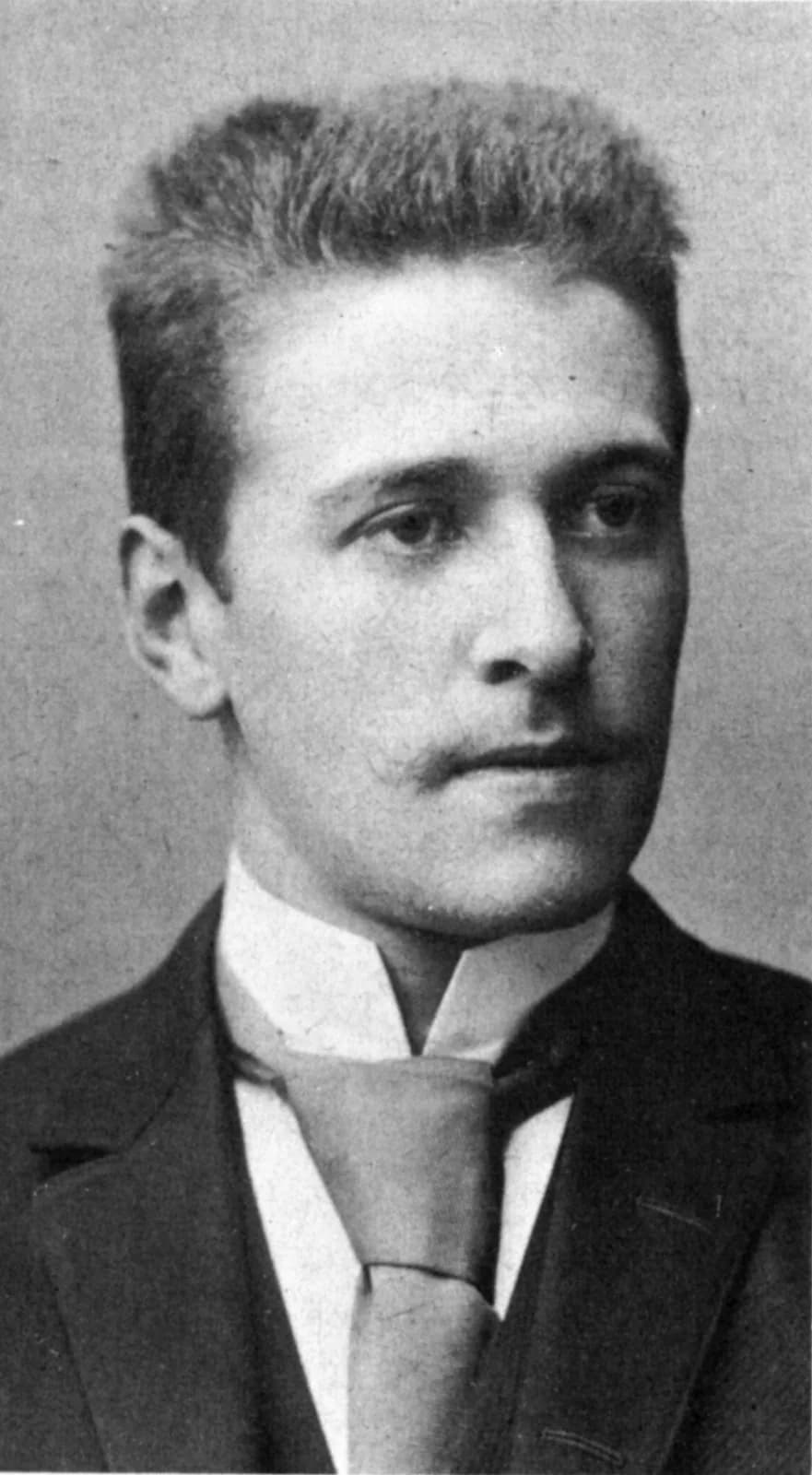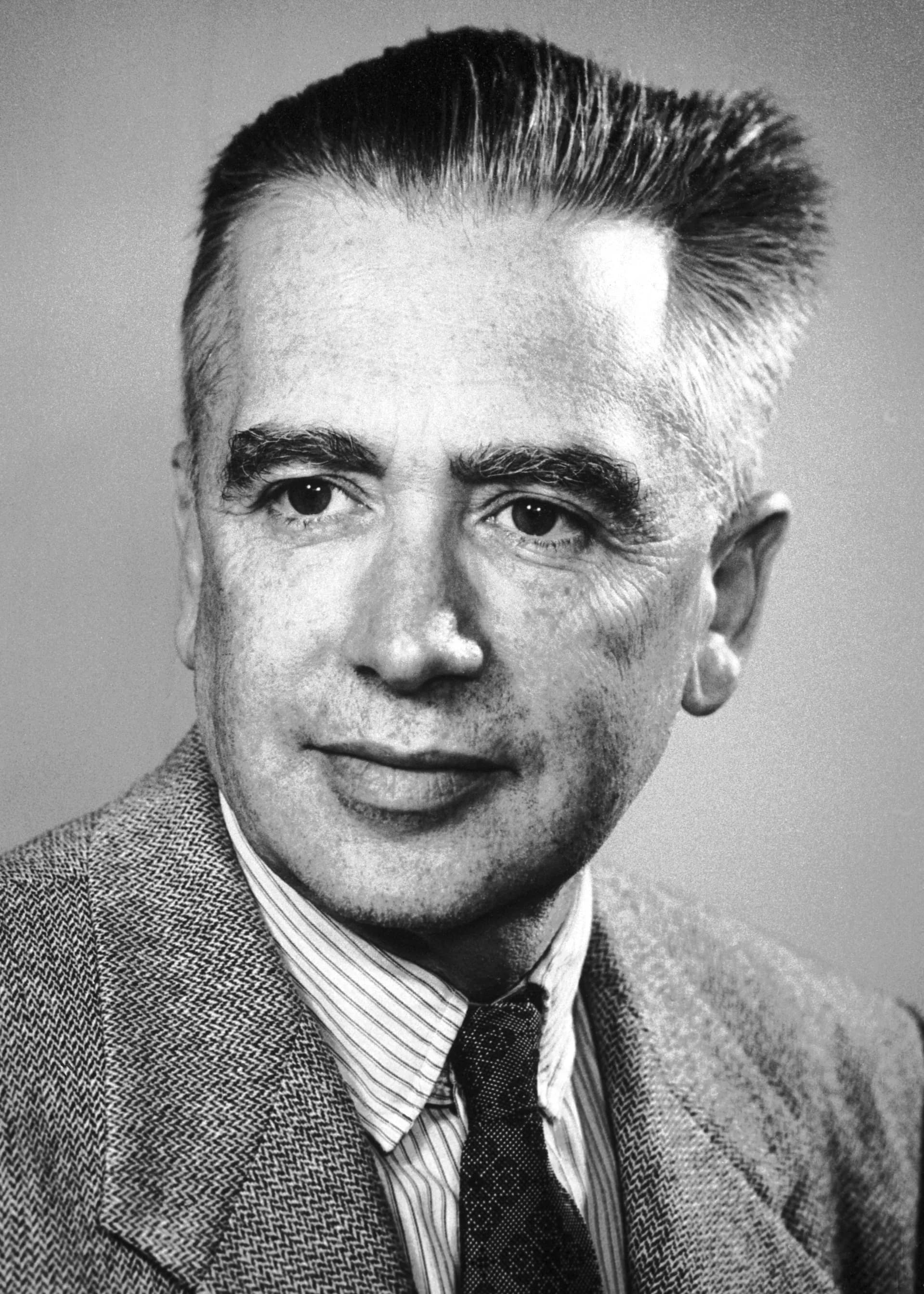
誕生
February 1, 1905
Tivoli, Italy
永眠
April 22, 1989
Lafayette, United States
知られていること
Italian physicist and Nobel laureate
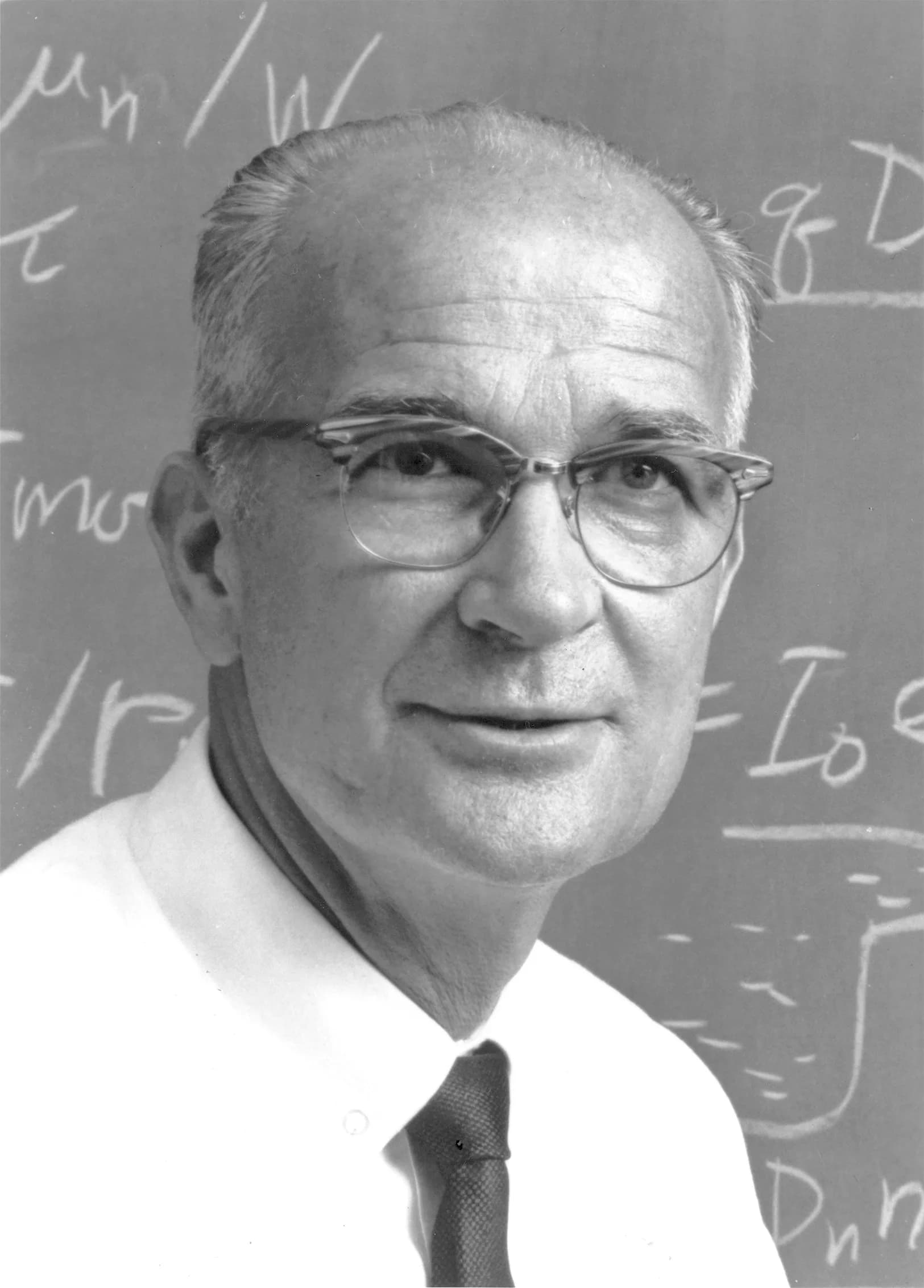
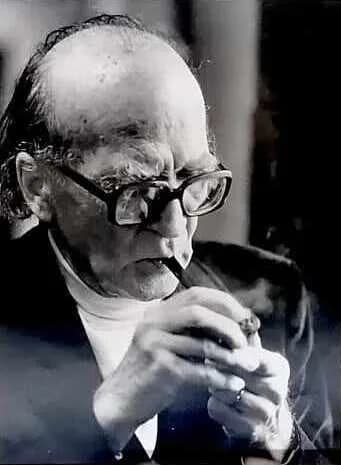
Emilio G. Segrè (1905–1989) was Italy best known for Italian physicist and Nobel laureate.
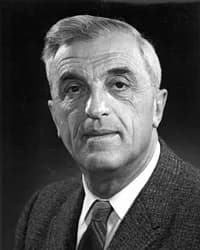
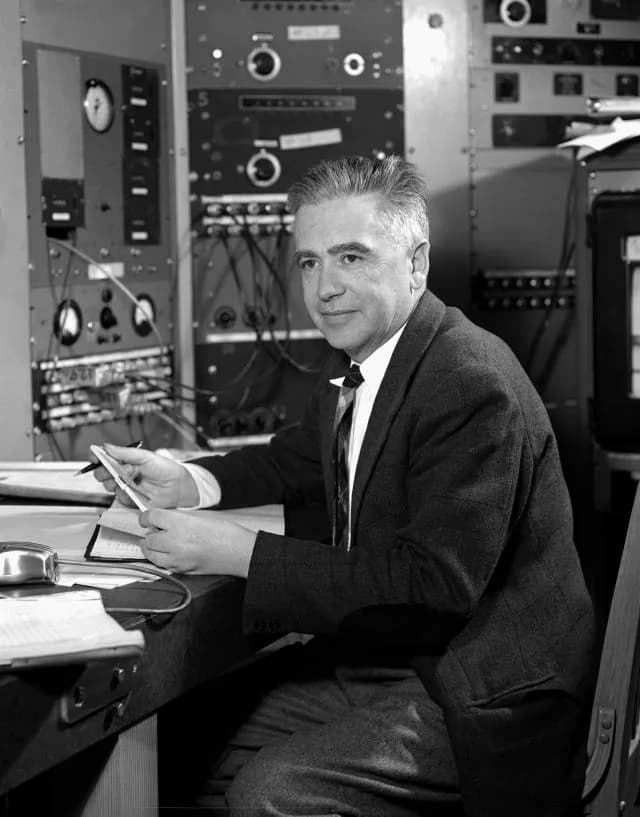
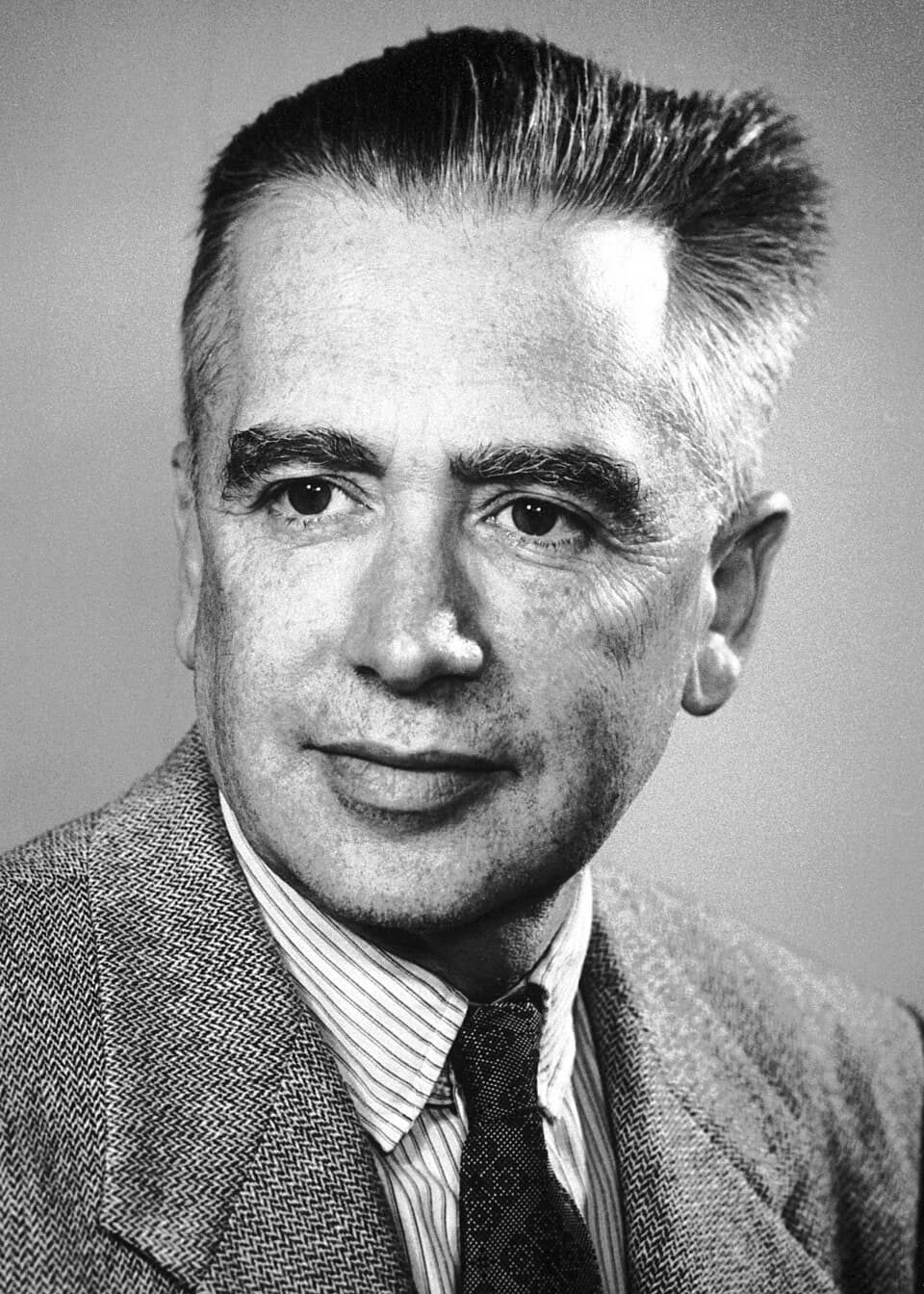
Emilio G. Segrè (February 1, 1905 – April 22, 1989) was an Italian-American nuclear physicist. He co-discovered the elements technetium and astatine, and the antiproton, earning the Nobel Prize in Physics in 1959. His work expanded the understanding of subatomic particles.
瞬間の中の人生
人生を形作った瞬間
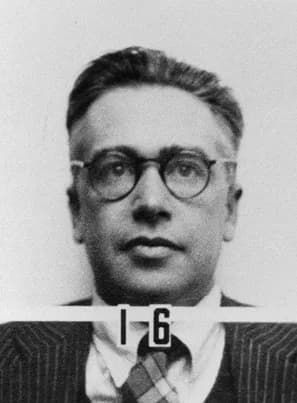
第0章
人生の章
第1章 · 1905年· 全6章中第1章
Early Life and Origins
Emilio G. Segrè was born on February 1, 1905, in Tivoli, Italy. His early years in Italy set the foundation for a life dedicated to scientific exploration and discovery. The academic environment of his native land undoubtedly influenced his formative education and intellectual development.
Segrè pursued his studies with dedication, demonstrating an early aptitude for physics. This keen interest would eventually lead him to become a prominent figure in the international scientific community. His Italian heritage remained an important part of his identity throughout his career, even as he later became an Italian-American.
第2章· 全6章中第2章
Career Beginnings
Segrè embarked on his scientific career as a physicist, soon making his mark through diligent research and collaboration. His early work involved rigorous experimentation and theoretical exploration, laying the groundwork for his later, more celebrated discoveries. He established himself as a keen observer and a meticulous researcher.
His foundational studies and positions as a university teacher allowed him to engage with the scientific challenges of his era. These early experiences provided the essential skills and knowledge that propelled him into the forefront of nuclear physics and radiochemistry. His dedication to teaching ran parallel to his research efforts, shaping future generations of scientists.
第3章· 全6章中第3章
Major Achievements and Career Highlights
Emilio Segrè's career was marked by several critical scientific breakthroughs that earned him international recognition. Among his most significant achievements was the discovery of the element technetium, a synthetic element that filled a gap in the periodic table. This discovery opened new avenues in chemistry and nuclear medicine.
He also contributed to the discovery of the element astatine, another important addition to our understanding of the elements. However, it was his work on the antiproton, a subatomic antiparticle, that garnered the highest acclaim. This discovery provided experimental verification of antimatter, a concept previously confined to theoretical physics.
For his critical discovery of the antiproton, Emilio G. Segrè was jointly awarded the Nobel Prize in Physics in 1959 with Owen Chamberlain. This honor acknowledged the great significance of their work in expanding the frontiers of particle physics. His role as an Italian-American nuclear physicist and radiochemist was thus globally celebrated.
第4章· 全6章中第4章
Notable Works and Contributions
Beyond his experimental discoveries, Emilio G. Segrè was a prolific writer, sharing his knowledge and insights through numerous publications. His bibliography includes a range of influential books and papers that covered various aspects of physics. Titles such as "Nuclei and particles" became essential texts for students and researchers alike.
He also authored "Personaggi e scoperte della fisica" and "Les physiciens classiques et leurs découvertes," showcasing his interest in the history of science and the figures who shaped it. Other significant contributions include "Technetium in chemistry and nuclear medicine," reflecting his direct involvement in the field. His writings, like "Notes on Thermodynamics and Statistics" and "Radio-activity," demonstrated his broad expertise across different areas of physics, including the important works "Otto Stern" and "Die großen Physiker und ihre Entdeckungen," the latter appearing twice in the list provided, underscoring its relevance.
第5章· 全6章中第5章
Later Years
In his later years, Emilio G. Segrè continued to contribute to the scientific community as a writer and university teacher. His experience and wisdom offered invaluable guidance to younger physicists. He maintained his active engagement with physics, reflecting a lifelong passion for scientific inquiry and education.
Segrè passed away on April 22, 1989, in Lafayette, United States, leaving behind a rich legacy of discovery and intellectual pursuit. His long career spanned many decades, witnessing and participating in some of the most exciting developments in modern physics. His contributions endured through his written works and the continued impact of his scientific findings.
第6章· 全6章中第6章
Legacy and Impact
The legacy of Emilio G. Segrè is etched into the foundations of modern physics and chemistry. His discoveries of technetium and astatine expanded the periodic table and our understanding of elemental properties. The experimental verification of the antiproton provided crucial evidence for the existence of antimatter, opening an entirely new field of study.
His work fundamentally altered how physicists viewed the basic constituents of the universe. The Nobel Prize recognized not just a single achievement but a career dedicated to pushing the boundaries of knowledge. Emilio G. Segrè's influence continues to inspire scientists, demonstrating the power of persistent inquiry and the pursuit of scientific truth.
FAQ
よくある質問
Emilio G. Segrèはいつ亡くなりましたか?
Emilio G. Segrèは1989年4月22日にLafayette, United Statesで亡くなりました(享年84歳)。
Emilio G. Segrèはどこで生まれましたか?
Emilio G. Segrèは1905年2月1日にTivoli, Italyで生まれました。
Emilio G. Segrèは何で最もよく知られていますか?
Emilio G. SegrèはItalian physicist and Nobel laureateで最もよく知られています。
Emilio G. Segrèは何歳で亡くなりましたか?
Emilio G. Segrèは亡くなった時84歳でした。
Emilio G. Segrèの国籍はどこですか?
Emilio G. SegrèはItalyの出身です。
年表
人生の概要
写真ギャラリー
写真の中の人生
ポラロイドをクリックして拡大 · 22枚の写真
QRコード
この経歴を共有
印刷して共有
スキャンしてこの経歴ページを訪問。イベント、展示会、教育資料に印刷してご利用ください。