Fædd/ur
March 27, 1537
Nakamura-ku, Japan
Lést
September 18, 1598
Fushimi Castle, Japan
Þekkt/ur fyrir
Japanese samurai and daimyo
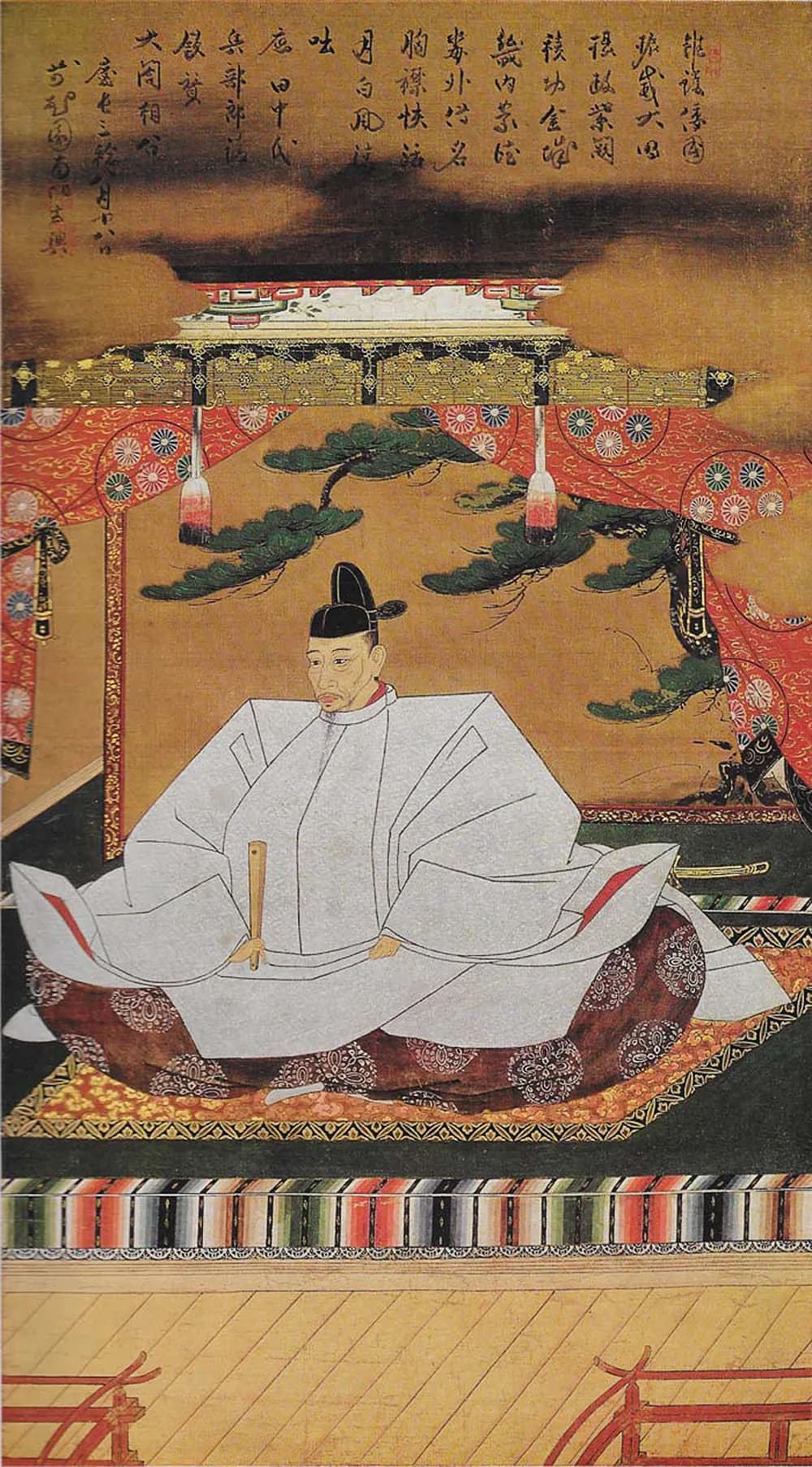
Toyotomi Hideyoshi (1537–1598) was Japan best known for Japanese samurai and daimyo.
Toyotomi Hideyoshi (March 27, 1537 – September 18, 1598) was a Japanese samurai and daimyo. Rising from a peasant background, he became the second "Great Unifier" of Japan. He earned the titles Kampaku and Taikō, becoming the most powerful man in his era.
Kafli
Kaflar lífs
Kafli 1 · 1537· Kafli 1 af 7
Early Life and Origins
Born on March 27, 1537, in Nakamura-ku, Japan, Toyotomi Hideyoshi's early life contrasted sharply with the privileged upbringings of the noble elite who typically dominated feudal Japan. His origins traced back to a peasant background, a social stratum that offered few pathways to the halls of power. This humble start meant that Hideyoshi's path to prominence would be built entirely on his own merits, strategic thinking, and unwavering resolve rather than inherited status or connections. These formative years, marked by the realities of common life, undoubtedly shaped his pragmatic approach to governance and his deep understanding of society's foundations.
Kafli 2· Kafli 2 af 7
Career Beginnings
Hideyoshi embarked on his remarkable career as an ashigaru, a foot soldier, which was one of the few avenues available for individuals of non-noble birth to enter military service and potentially ascend the social ladder. This initial role provided him with invaluable practical experience in military strategy, logistics, and the realities of warfare on the ground. His dedication and exceptional capabilities quickly distinguished him from his peers, allowing him to rise through the ranks based on his performance and strategic insights. It was within these early military experiences that he honed the leadership skills and tactical acumen that would eventually define his legendary status as a military commander.
Kafli 3· Kafli 3 af 7
Major Achievements and Career Highlights
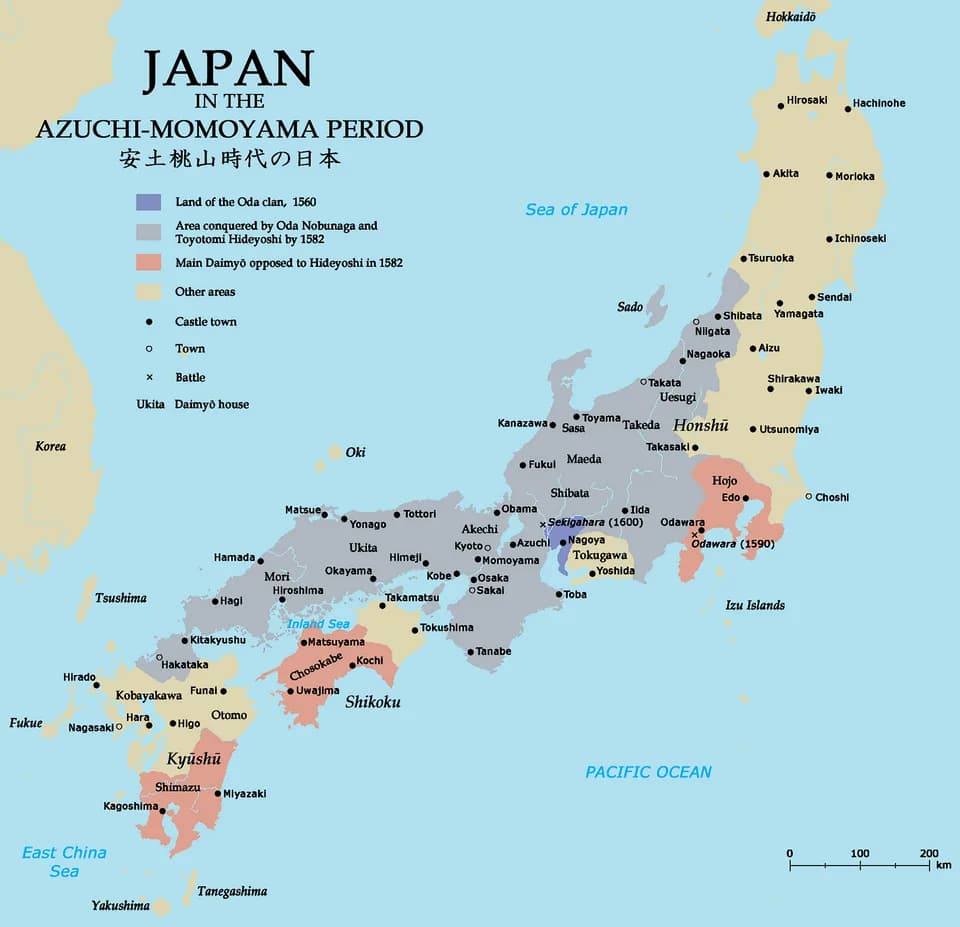
Toyotomi Hideyoshi's illustrious career is replete with significant accomplishments, most notably his recognition as the second "Great Unifier" of Japan. During a period characterized by widespread conflict and fragmentation among numerous daimyō, Hideyoshi demonstrated extraordinary military and political genius to consolidate control over the nation. He systematically brought disparate territories under a single authority, effectively ending an era of incessant civil war and laying the groundwork for a unified state. His campaigns were marked by both decisive victories on the battlefield and astute diplomatic maneuvers, showcasing his comprehensive understanding of power dynamics.
Beyond his military prowess, Hideyoshi's political ascent was equally unprecedented, as he attained the highest official positions and titles within the Japanese nobility despite his non-noble birth. He earned the prestigious rank and title of Kampaku, or Regent, a role traditionally reserved exclusively for members of the ancient aristocratic Fujiwara clan. Breaking centuries of tradition, Hideyoshi became the first person in history to achieve the position of Kampaku without being born a noble, a monumental feat that redefined the possibilities of social mobility in Japan. Furthermore, he was granted the title of Daijō-daijin, the Chancellor of the Realm, solidifying his supreme authority over the entire government and confirming his status as the most powerful man in Japan.
Kafli 4· Kafli 4 af 7
Personal Life
While explicit details regarding Toyotomi Hideyoshi's personal life, such as specific family members beyond his nephew Toyotomi Hidetsugu, or individual hobbies, are not extensively documented in the provided information, his life story offers insights into his character. His extraordinary trajectory from a peasant background to the pinnacle of political power suggests a life driven by deep ambition, sharp intellect, and relentless hard work. His dedication to the unification of Japan implies a singular focus on national stability and governance, overshadowing more conventional personal pursuits.
Kafli 5· Kafli 5 af 7
Notable Works or Contributions
Toyotomi Hideyoshi's "works" were manifested primarily through his transformative leadership and governance, profoundly impacting the structure and future of Japan. His most significant contribution was the successful unification of Japan, a monumental task that concluded the turbulent Sengoku period and ushered in an era of relative peace. He was instrumental in establishing policies and administrative reforms aimed at centralizing authority, which included measures to control the daimyō and regulate land ownership. These initiatives were crucial in shaping a more cohesive national identity and government, demonstrating his vision not just as a conqueror but as a foundational politician.
Kafli 6 · 1598· Kafli 6 af 7
Later Years
As Toyotomi Hideyoshi entered his later years, his strategic mind continued to guide the destiny of Japan. He made the significant decision to pass the prestigious position and title of Kampaku to his nephew, Toyotomi Hidetsugu. However, Hideyoshi did not relinquish his influence entirely; he adopted the new title of Taikō, which refers to a retired Kampaku, effectively allowing him to maintain ultimate power and serve as the guiding force behind the scenes. He continued to wield significant authority in this capacity until his death on September 18, 1598, which occurred at Fushimi Castle in Japan. His careful management of succession, even while retired, speaks to his enduring commitment to the stability of his unified Japan.
Kafli 7· Kafli 7 af 7
Legacy and Impact
The legacy of Toyotomi Hideyoshi is inextricably linked to the very foundation of modern Japan, solidifying his status as the second "Great Unifier" of the nation. He successfully brought an end to an age of civil war, establishing a centralized power structure that significantly influenced subsequent Japanese history. His ascent from a humble peasant background to the highest offices of power serves as an unparalleled historical example of merit overcoming strict social stratification. Hideyoshi’s strategic acumen as a military commander and his far-reaching political reforms as a daimyō and politician cemented his lasting impact on Japan, ensuring his memory as one of its most pivotal figures.
Líf í augnablikum
Augnablikin sem mótuðu líf

Algengar spurningar
Algengar spurningar
Hvenær lést Toyotomi Hideyoshi?
Toyotomi Hideyoshi lést 18. september 1598 í Fushimi Castle, Japan, 61 ára gamall(ll).
Hvar fæddist Toyotomi Hideyoshi?
Toyotomi Hideyoshi fæddist í Nakamura-ku, Japan 27. mars 1537.
Fyrir hvað er Toyotomi Hideyoshi þekktastur/þekktust?
Toyotomi Hideyoshi er þekktastur/þekktust fyrir Japanese samurai and daimyo.
Hve gamall/gömul var Toyotomi Hideyoshi við andlátið?
Toyotomi Hideyoshi var 61 ára gamall/gömul við andlátið.
Af hvaða þjóðerni var Toyotomi Hideyoshi?
Toyotomi Hideyoshi var frá Japan.
Tímalína
Líf í hnotskurn
Myndasafn
Líf í myndum
Smelltu á hvaða Polaroid sem er til að stækka · 50 myndir
QR-kóði
Deila þessari ævisögu
Prenta og deila
Skannaðu til að heimsækja þessa ævisögu. Prentaðu fyrir viðburði, sýningar eða fræðsluefni.