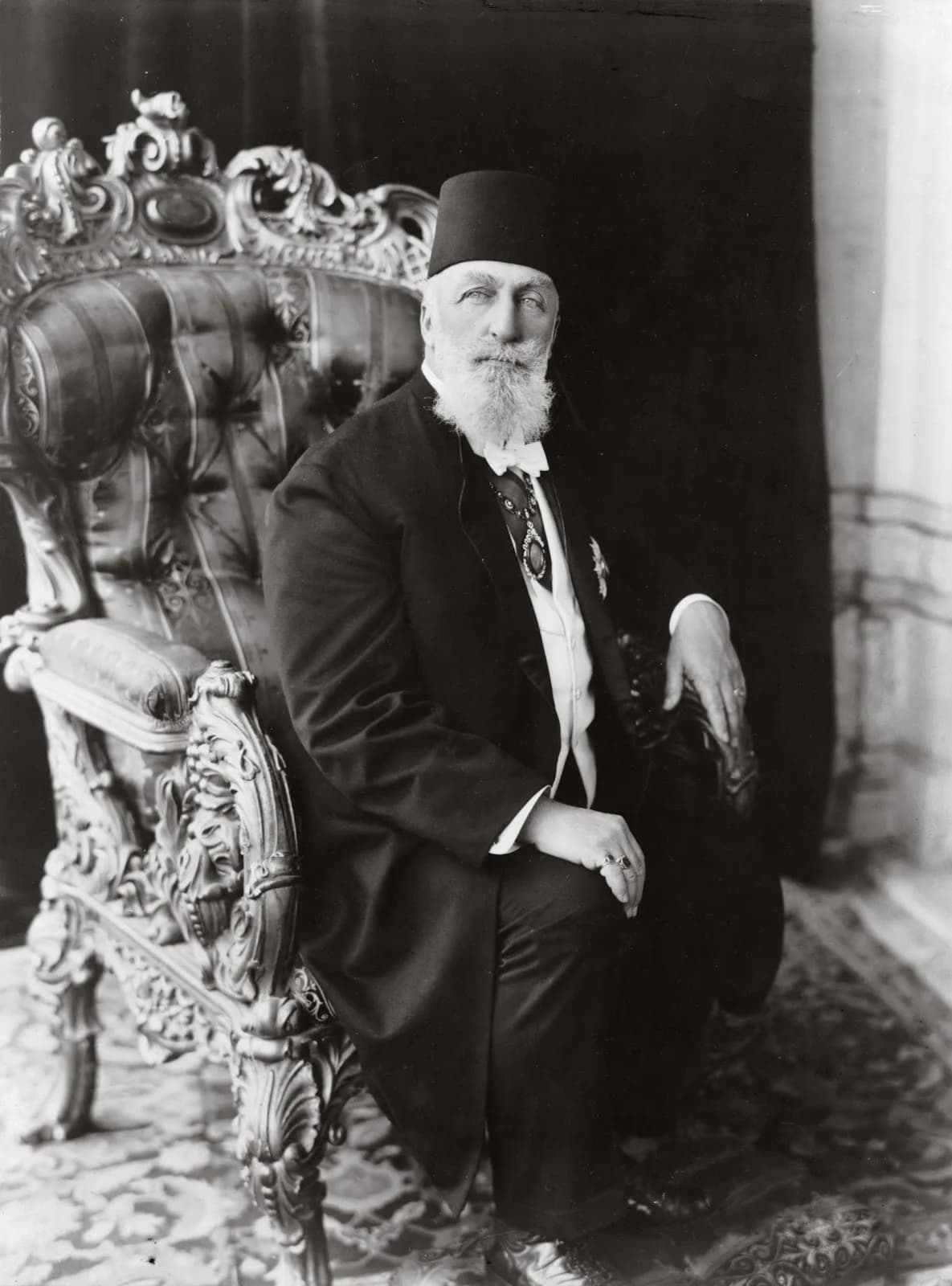
Lahir
May 29, 1868
Beşiktaş, Turkey
Meninggal
August 23, 1944
Paris, France
Dikenal karena
last caliph of the Ottoman Dynasty
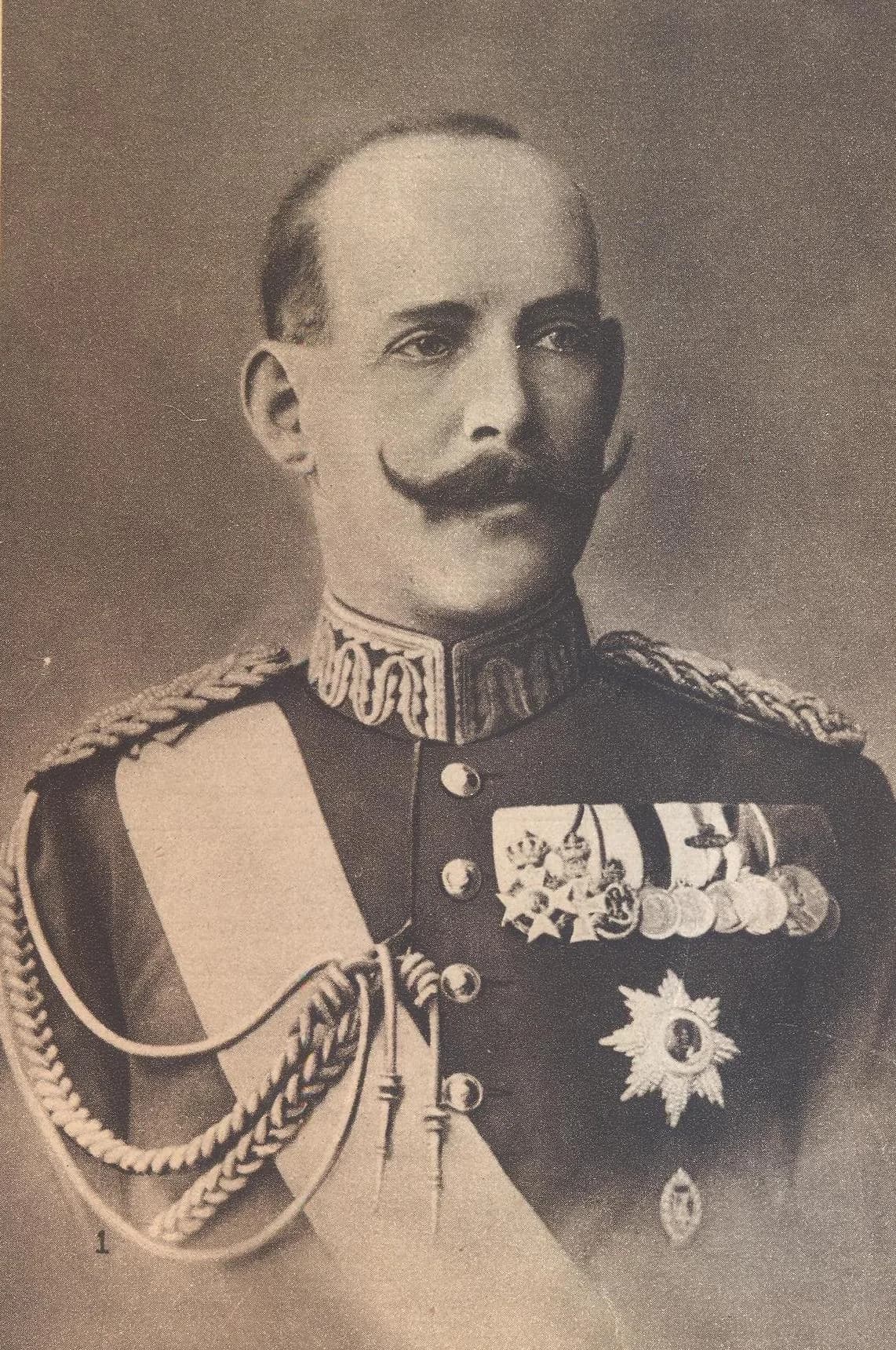
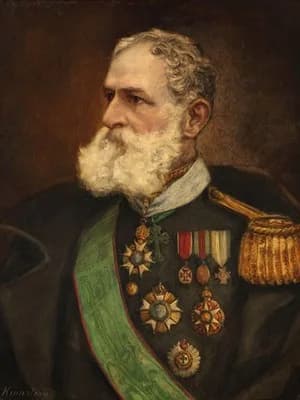
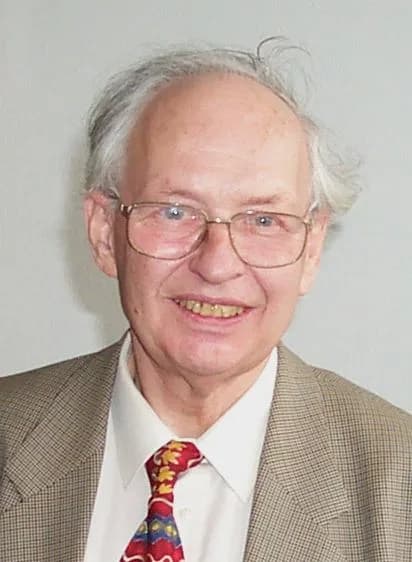
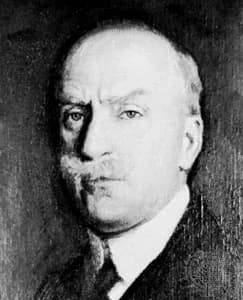
Abdülmecid II (1868–1944) was Turkey best known for last caliph of the Ottoman Dynasty.
Abdülmecid II (May 29, 1868 – August 23, 1944) was a painter and the last Ottoman caliph from Beşiktaş, Turkey. He was the only caliph elected by the Grand National Assembly of Turkey. His life reflects a crucial transitional period, marking the end of a historic dynasty and the rise of new national identities.
Hidup dalam momen
Momen yang membentuk sebuah kehidupan
Bab
Bab kehidupan
Bab 1 · 1868· Bab 1 dari 6
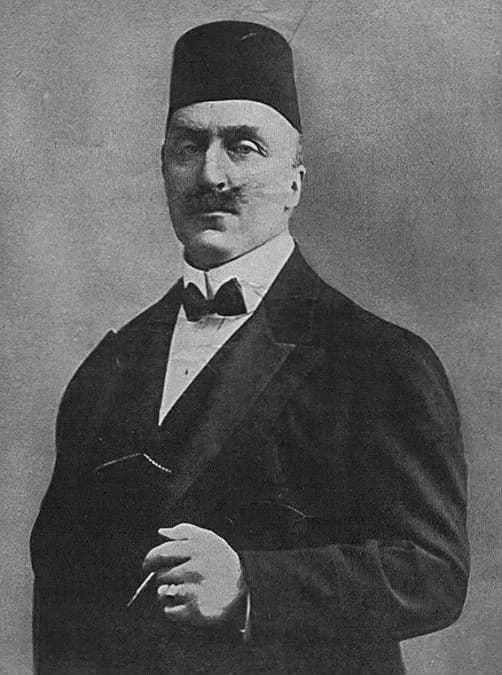
Early Life and Origins
Abdülmecid II was born on May 29, 1868, in Beşiktaş, a historic and prominent district within Istanbul, Turkey. His birth in the very heart of the Ottoman Empire placed him within a family intimately connected to imperial traditions and cultural legacies that had shaped the region for generations. Growing up, he would have been exposed to the intricate political dynamics, the rich artistic heritage, and the evolving social landscape that characterized the late Ottoman period. This formative environment undoubtedly shaped his perspectives and prepared him, in an unforeseen way, for the momentous role he would eventually play.
Bab 2 · 1922· Bab 2 dari 6
Career Beginnings and Ascent to Caliphate
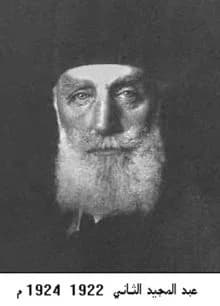
The path to Abdülmecid II's prominent public role began amidst the tumultuous years following World War I and the subsequent collapse of the Ottoman Empire. After the Ottoman Sultanate was abolished, a new political landscape emerged in Turkey, leading to a radical redefinition of leadership. On November 19, 1922, a historically significant event occurred when Abdülmecid Efendi was elected as Caliph by the Grand National Assembly of Turkey. This selection marked a profound departure from the traditional hereditary succession that had governed the Caliphate for centuries, ushering in a new era for the ancient title.
His election made him the only caliph in history to be chosen by a legislative body rather than through an inherited right. This act symbolized a final, albeit brief, attempt to maintain a spiritual and symbolic head for the Muslim world, even as the political structures that once supported it were dramatically altered. Abdülmecid II consciously adopted the distinctive title of Halîfe-i Müslimîn, or "Caliph of the Muslims," which thoughtfully distinguished his role from the traditional Emîrü'l-Mü'minîn, "Commander of the Faithful." This subtle yet significant shift underscored the changing nature of his authority and the context of his leadership.
Bab 3 · 1924· Bab 3 dari 6
Major Achievements and Career Highlights
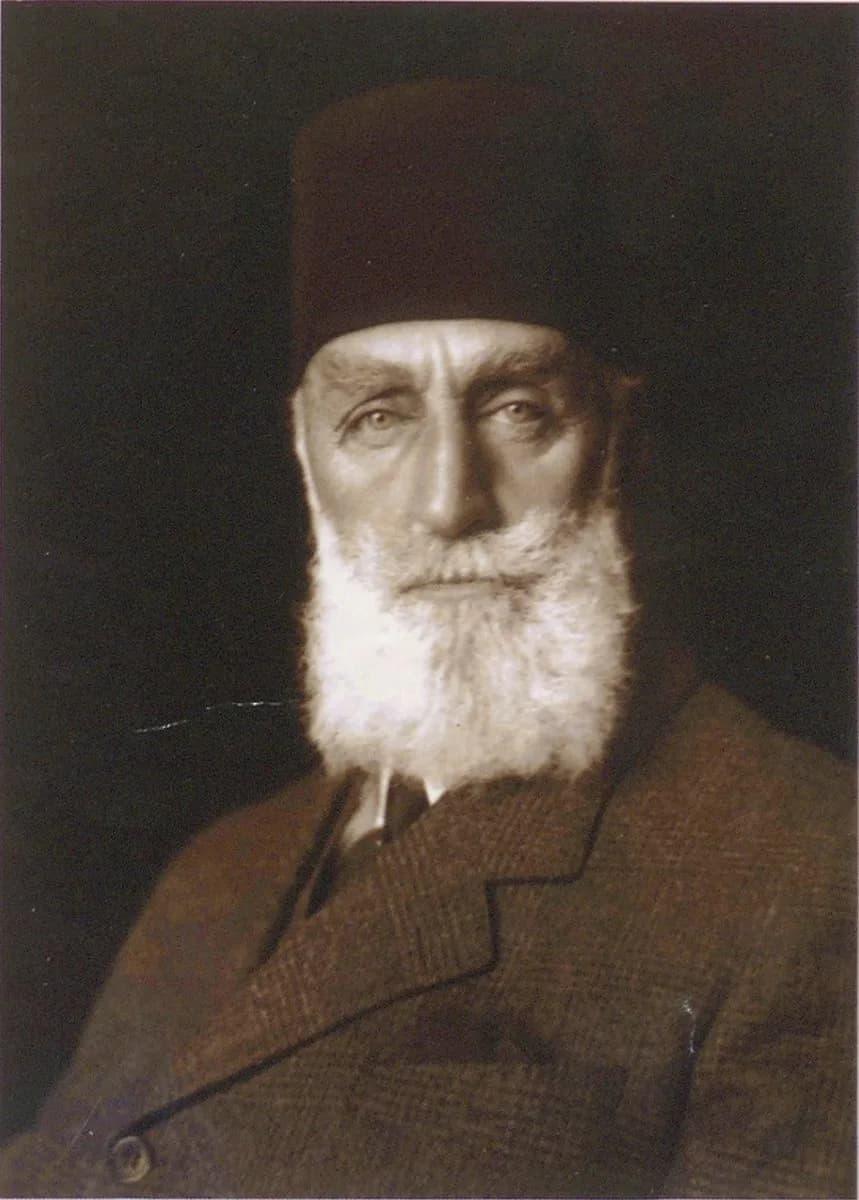
As caliph, Abdülmecid II served as the spiritual leader of Sunni Islam, a role that carried immense weight and symbolism across a global community of believers. His tenure, however, proved to be tragically brief, as the Caliphate itself was abolished on March 3, 1924, by the newly established Turkish Republic. Despite this short duration, his period as caliph represented a crucial transitional moment in Islamic history, bridging the historical Ottoman Caliphate with the emerging realities of a modern, secular state. His position underscored the challenges faced by traditional institutions in an age of nationalism and republicanism.
Beyond his religious leadership, Abdülmecid II also took on the significant responsibility as the head of the Osmanoğlu family, a role he held from 1926 until his passing in 1944. In this capacity, he became the symbolic patriarch of the former imperial dynasty, navigating a new existence in exile. He worked to preserve the heritage and dignity of his ancestral line amidst dramatic changes. His leadership offered a vital focal point for the exiled family members during a period of profound dislocation, cultural adaptation, and the redefinition of their identity outside of imperial power.
Bab 4· Bab 4 dari 6
Personal Life and Artistic Pursuits
Outside of his significant political and religious responsibilities, Abdülmecid II cultivated a deep passion and demonstrated considerable talent as a painter. He pursued art with dedication, producing works that reflected his unique artistic sensibilities and his engagement with both traditional Ottoman and European artistic styles. This artistic pursuit offered him a profound personal outlet and a vital means of expression, allowing him to distinguish himself as more than just a historical or political figure.
His commitment to painting showcased a cultured and contemplative side of his personality, a valuable contrast to the weighty political tides he navigated throughout his life. While specific named artworks are not widely available in public records specifically associated with his unique identity, his well-documented recognition as a painter highlights a significant aspect of his personal identity and intellectual life. This artistic inclination reflected a broader appreciation for the arts and culture often found within his esteemed family lineage.
Bab 5· Bab 5 dari 6
Later Years and Final Chapter
After the momentous abolition of the Caliphate, Abdülmecid II, along with other members of the Ottoman dynasty, went into exile. He eventually found a new home and settled in the vibrant city of Paris, France. His later years were thus spent away from the immediate political center of his birth, yet he continued to hold the important titular headship of the Osmanoğlu family. He lived out his remaining decades in Paris, a city renowned globally for its artistic and cultural vibrancy, providing a fitting environment for a man of his profound artistic inclinations and deep cultural background.
Abdülmecid II passed away peacefully on August 23, 1944, in Paris, France. His death marked the definitive end of an era, not only for his immediate family but also for the broader historical narrative of the Ottoman Caliphate and the Ottoman Empire. His life, tracing a path from his birth in the historic district of Beşiktaş to his final resting place in the cultural heart of Paris, encapsulates a remarkable journey of immense historical change, personal resilience, and enduring artistic spirit.
Bab 6· Bab 6 dari 6
Legacy and Impact
Abdülmecid II's legacy is most significantly defined by his unique and challenging position as the last Ottoman Caliph, a profound spiritual role he held during a period of unprecedented global transformation. His election by the Grand National Assembly underscored the drastically shifting power dynamics of the early 20th century, where ancient institutions confronted modern political ideologies. He represented the final embodiment of a title that had endured for more than a thousand years, symbolizing a continuity that eventually yielded to the rise of modern nation-states and secular governance.
Beyond his caliphal responsibilities, his acknowledged artistic talents as a painter also contribute substantially to his lasting memory, portraying him as a figure of significant cultural refinement and intellectual depth. Abdülmecid II's life therefore provides a crucial and multifaceted perspective on the dissolution of vast empires and the subsequent birth of new national identities. He remains a significant historical figure whose influence, though largely symbolic in his final role, resonated deeply within the annals of both political and cultural history.
FAQ
Sering ditanyakan
Kapan Abdülmecid II meninggal?
Abdülmecid II meninggal pada 23 Agustus 1944 di Paris, France, pada usia 76 tahun.
Di mana Abdülmecid II dilahirkan?
Abdülmecid II lahir di Beşiktaş, Turkey pada 29 Mei 1868.
Abdülmecid II paling dikenal karena apa?
Abdülmecid II paling dikenal karena last caliph of the Ottoman Dynasty.
Berapa usia Abdülmecid II saat meninggal?
Abdülmecid II berusia 76 tahun saat meninggal.
Apa kewarganegaraan Abdülmecid II?
Abdülmecid II berasal dari Turkey.
Garis waktu
Sekilas tentang kehidupan
Galeri foto
Hidup dalam gambar
Klik polaroid mana saja untuk memperbesar · 22 foto
Kode QR
Bagikan Biografi Ini
Cetak & Bagikan
Pindai untuk mengunjungi halaman biografi ini. Cetak untuk acara, pameran, atau materi pendidikan.