Lahir
April 1, 1868
Marseille, France
Meninggal
December 2, 1918
Paris, France
Dikenal karena
French poet and dramatist
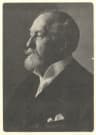
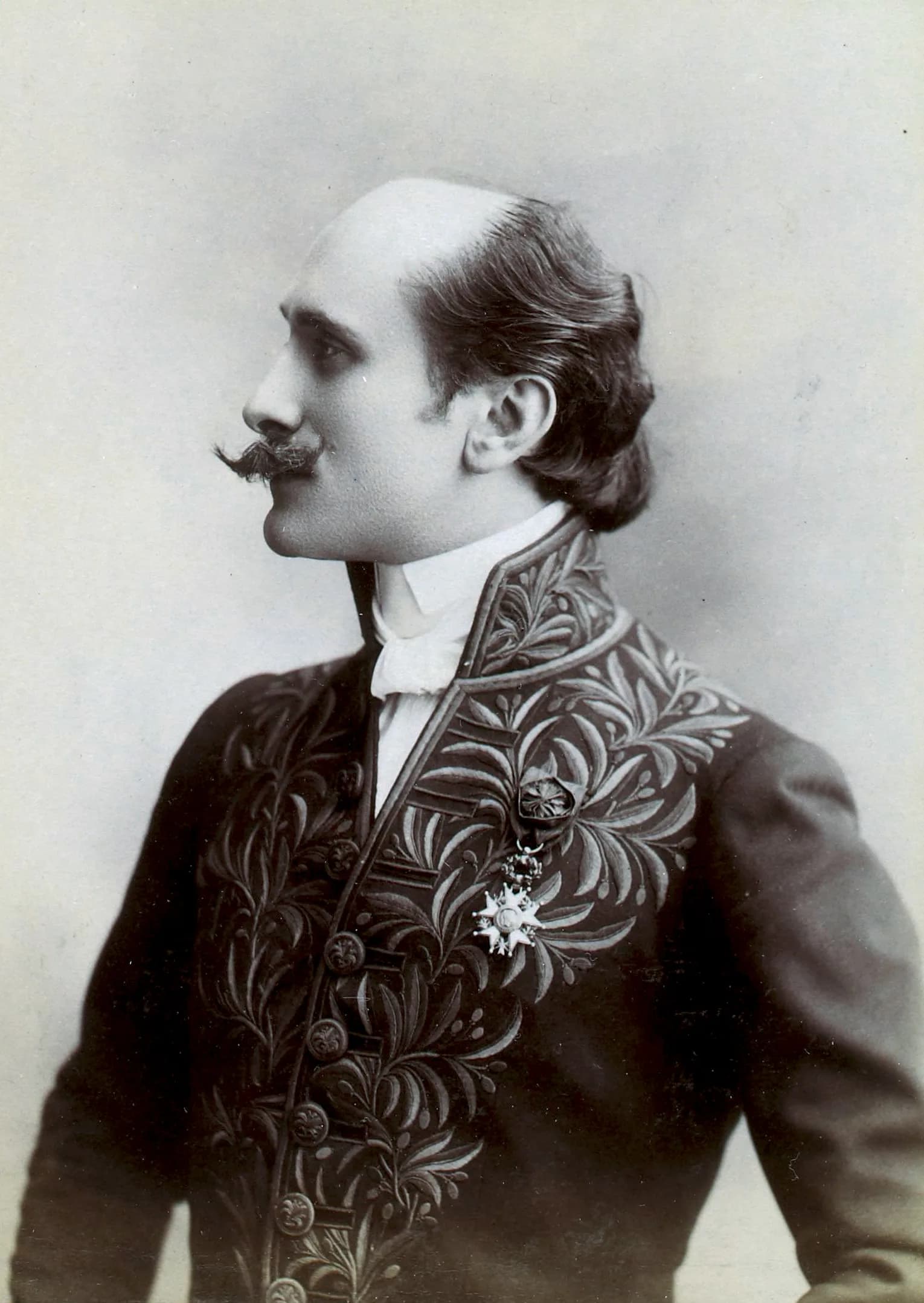
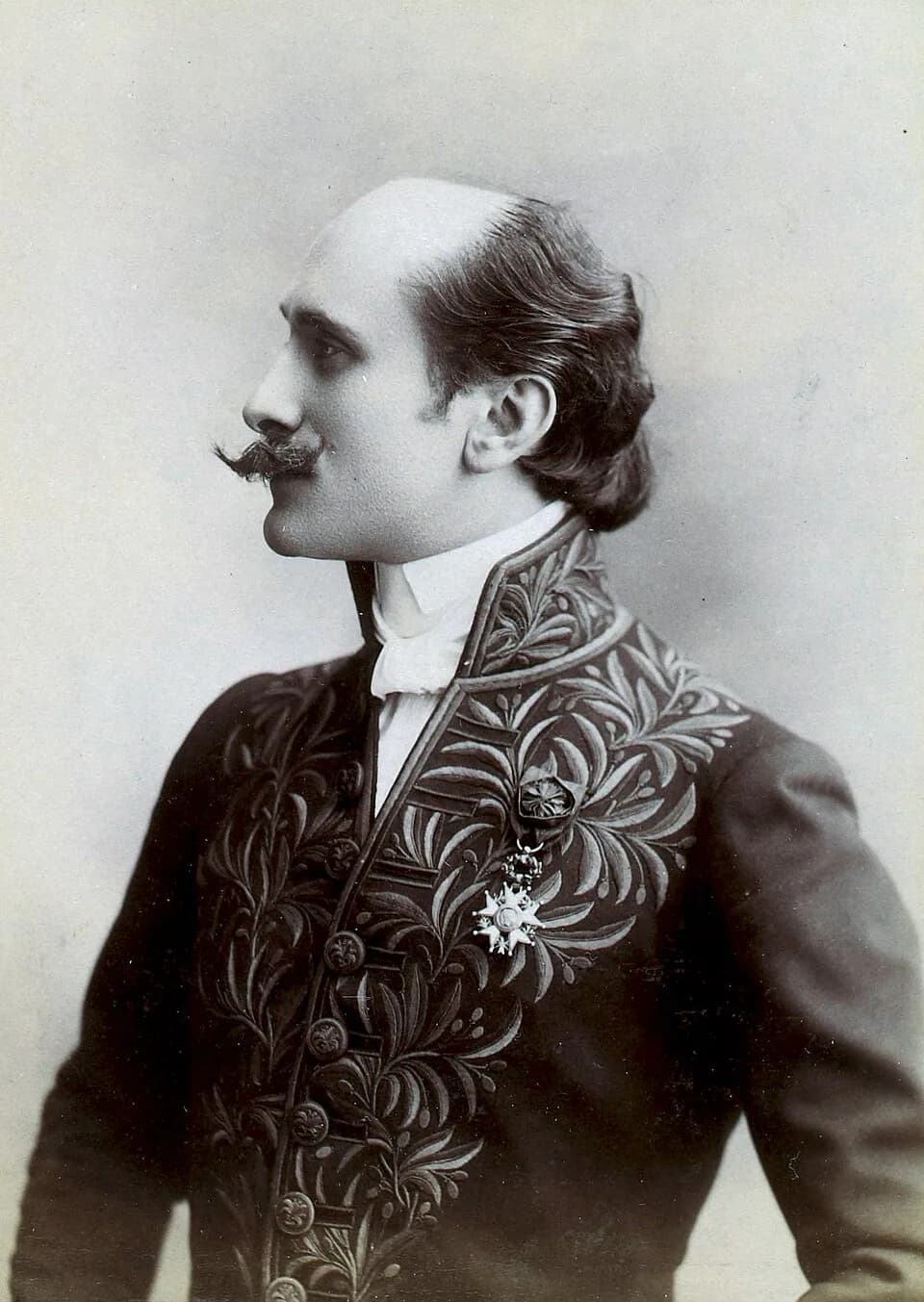
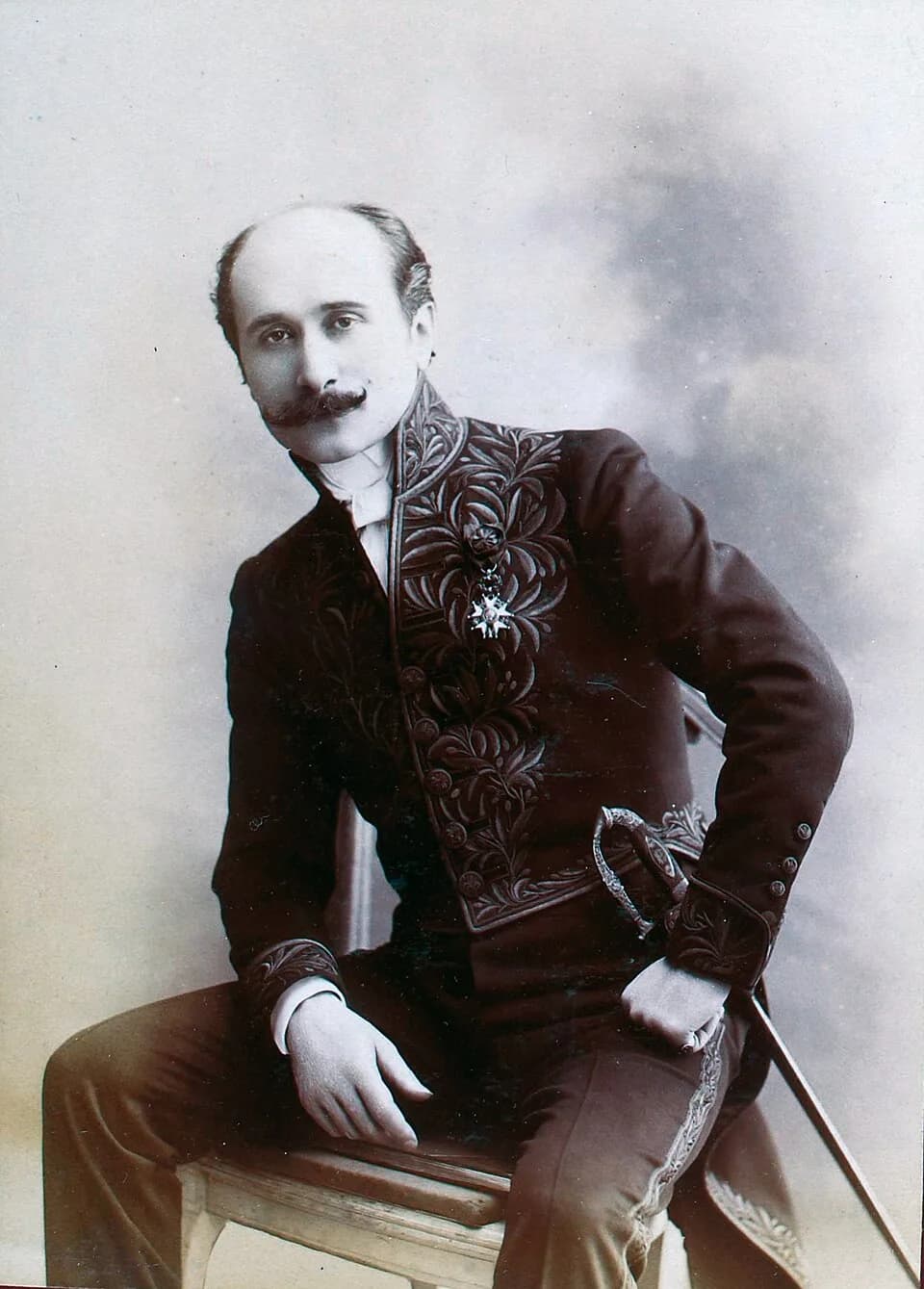
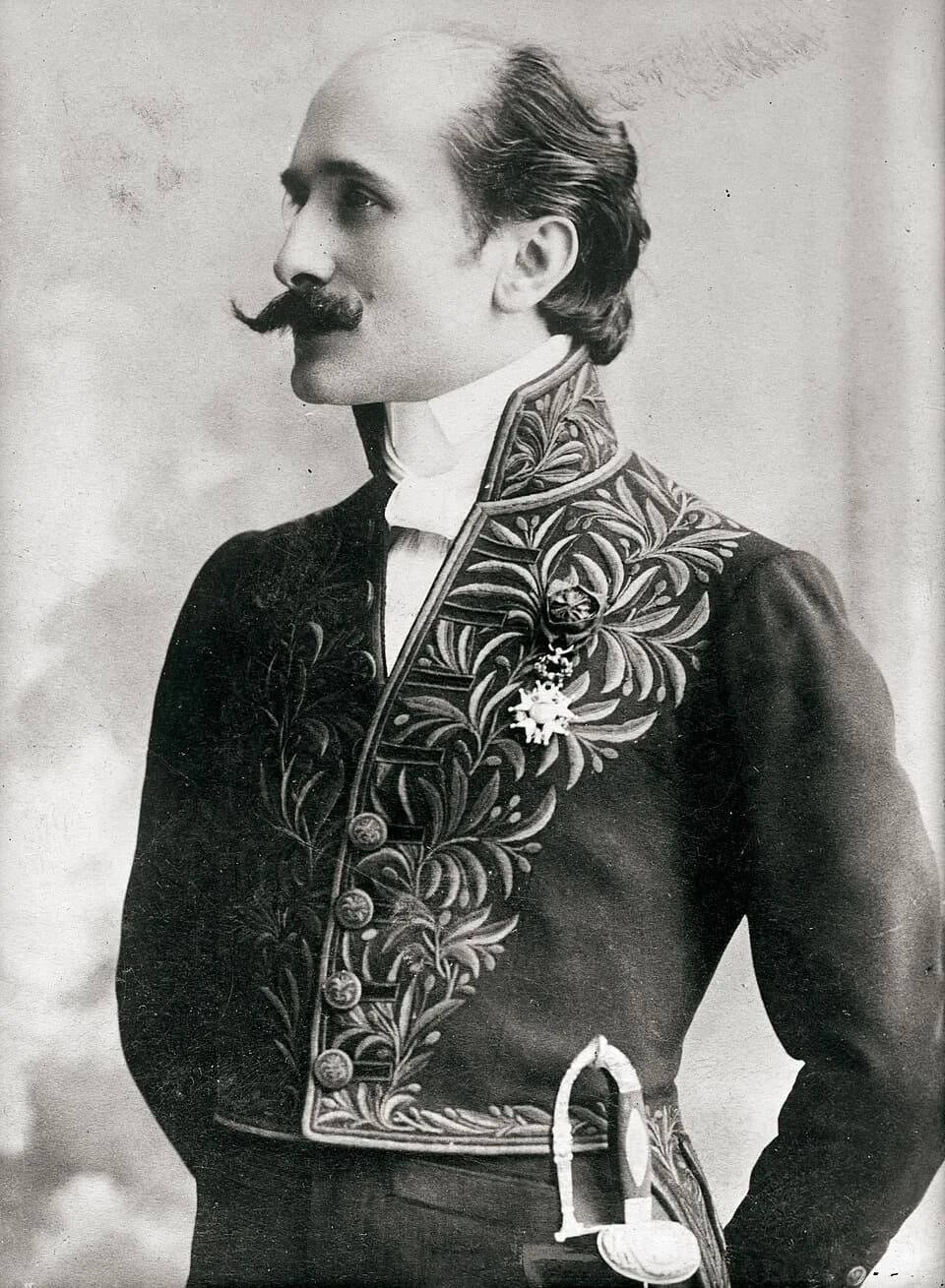
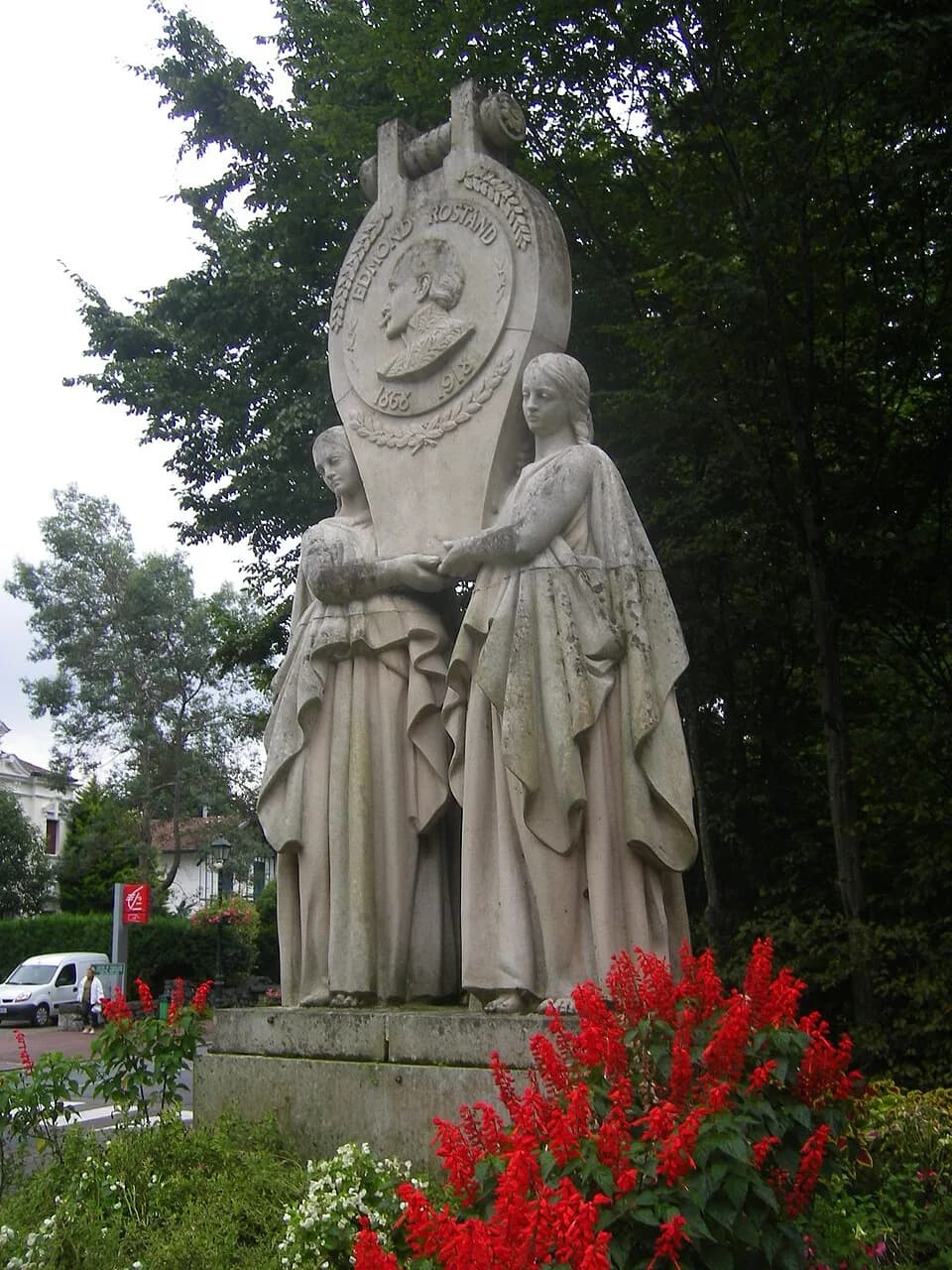
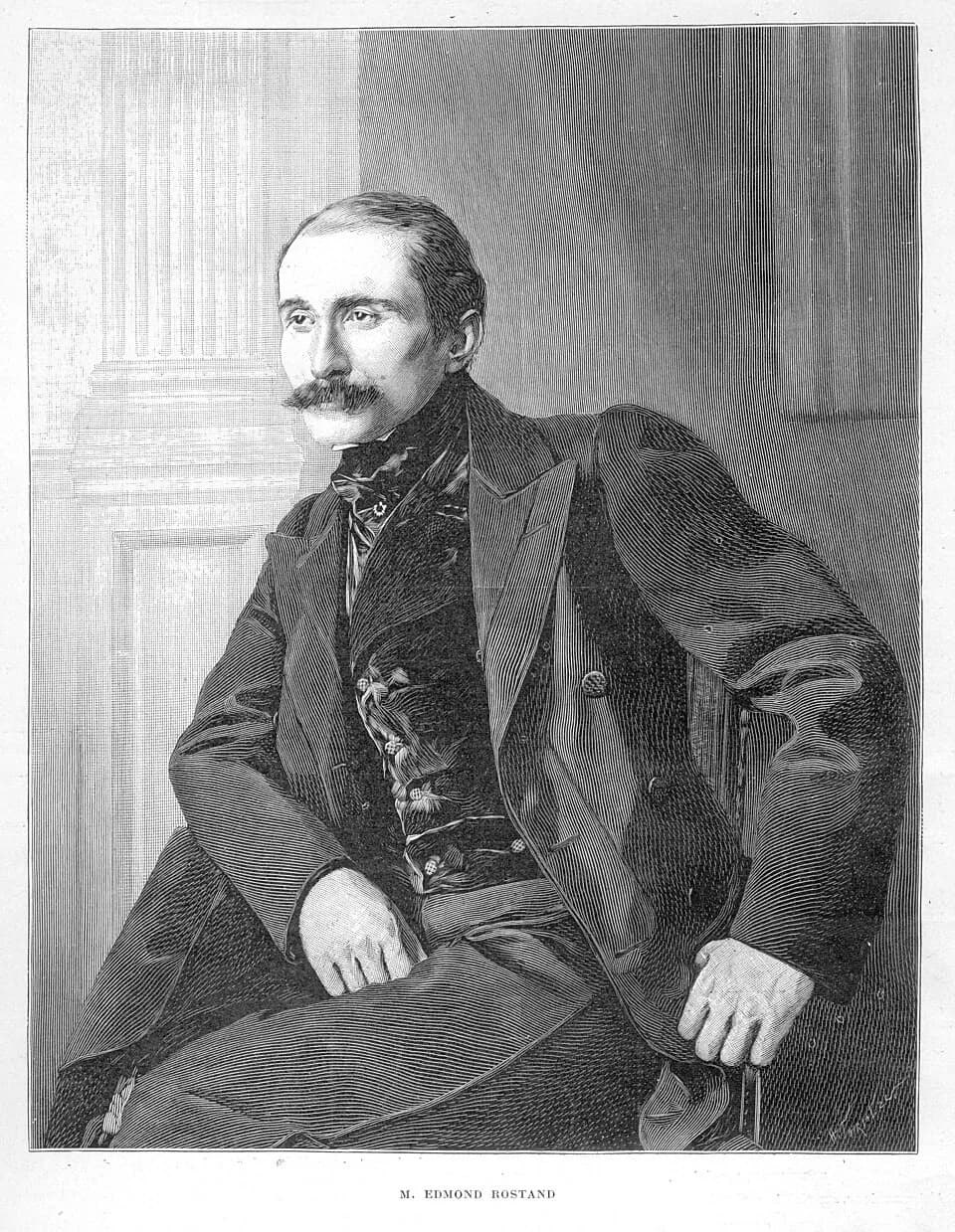
Edmond Rostand (1868–1918) was France best known for French poet and dramatist.
Edmond Rostand (April 1, 1868 – December 2, 1918) was a French poet and dramatist from Marseille. He is best known for his 1897 play <em>Cyrano de Bergerac</em>, a seminal work of neo-romanticism. His romantic style offered a distinct contrast to the prevailing naturalistic theatre of his era.
Bab
Bab kehidupan
Bab 1 · 1868· Bab 1 dari 7
Opening Paragraph
Edmond Eugène Alexis Rostand (April 1, 1868 – December 2, 1918) was a celebrated French poet and dramatist, whose creative genius profoundly shaped the theatre of his time. Born in Marseille, France, Rostand became a writer, poet, playwright, and essayist known for his distinctive neo-romantic style. His works offered a vibrant alternative to the prevailing naturalistic trends in late nineteenth-century theatre, captivating audiences with their poetic language and heroic themes.
Bab 2 · 1868· Bab 2 dari 7
Early Life and Origins
Edmond Rostand began his life on April 1, 1868, in the vibrant port city of Marseille, France. This early environment in France undoubtedly played a role in shaping his artistic sensibilities and his future as a renowned writer. Details of his family life and upbringing are not extensively provided, yet his birthplace fostered the rich cultural foundation that would later manifest in his dramatic works.
Bab 3 · 1894· Bab 3 dari 7
Career Beginnings
Rostand started his literary career, establishing himself early as a writer of considerable talent. His initial forays into playwriting quickly gained attention for their fresh perspective. One of his early notable works, Les Romanesques, first appeared in 1894, showcasing his emerging romantic style and poetic voice. This early play laid groundwork for his distinctive approach in a theatrical world increasingly leaning towards different aesthetics.
Bab 4 · 1897· Bab 4 dari 7
Major Achievements and Career Highlights
Edmond Rostand's career reached its zenith with the triumphant premiere of his play Cyrano de Bergerac in 1897. This masterpiece solidified his reputation as a leading figure in French drama and became his most enduring work, revered for its wit, poetry, and emotional depth. Cyrano de Bergerac is closely associated with neo-romanticism, a literary movement that Rostand championed through his work. His unique romantic plays offered a stark and intentional contrast to the naturalistic theatre that was popular during the late nineteenth century, providing a refreshing theatrical experience for audiences.
Bab 5 · 1960· Bab 5 dari 7
Notable Works or Contributions
Beyond Cyrano de Bergerac, Rostand's body of work includes several other significant contributions to literature and theatre. His play La Samaritaine is another example of his versatile dramatic writing, exploring themes with a distinct poetic sensibility. Chantecler; pièce en quatre actes, en vers further showcases his poetic prowess and theatrical vision, presenting a unique allegorical drama. Les Romanesques, also known as "Romantiki"(les romanesques), proved to be a lasting creation, so much so that it was later adapted into the widely acclaimed 1960 musical comedy The Fantasticks. Other works like Romantychni, Die romanse oor die muur, and La maison des amants further demonstrate the breadth of his creative output, alongside titles such as Fifteen famous European plays, Edmondou Rostan and Pour la Grèce.
Bab 6 · 1918· Bab 6 dari 7
Later Years
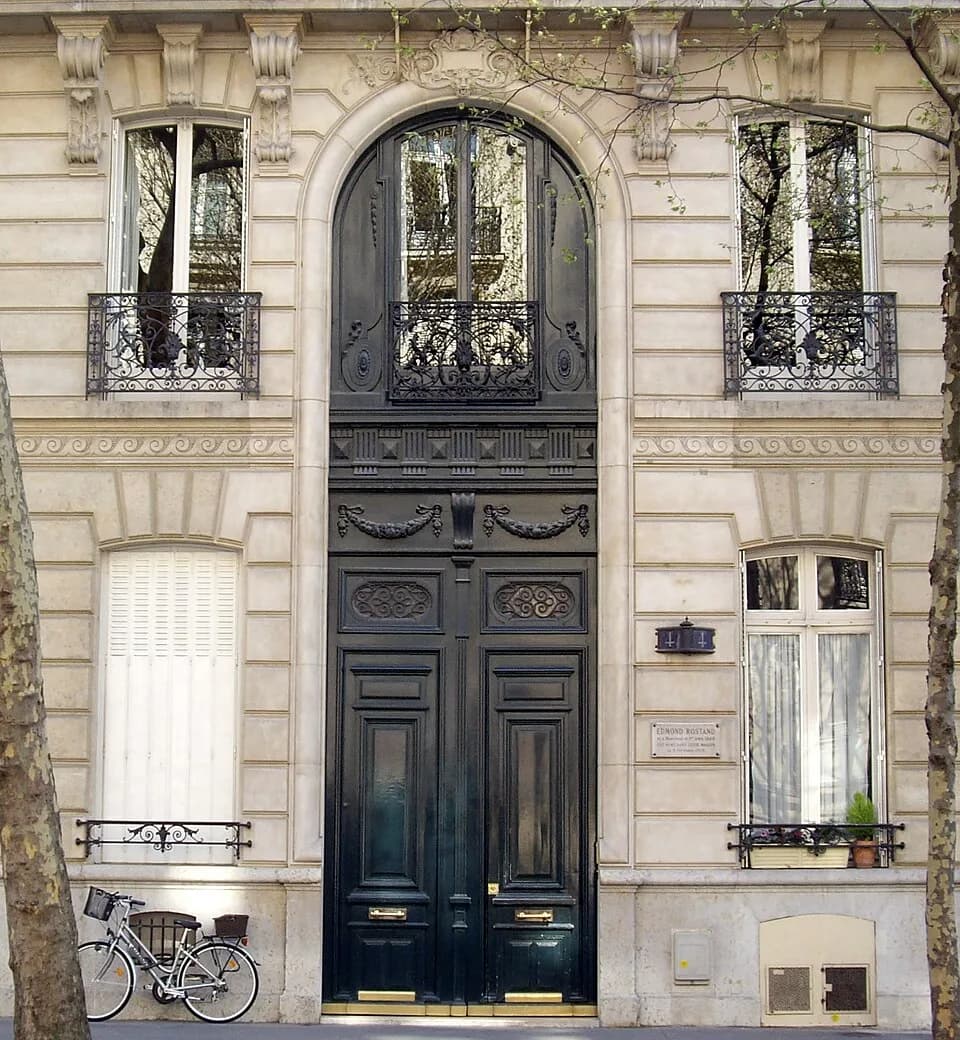
Edmond Rostand's life concluded on December 2, 1918, in Paris, France. His final years were spent in the cultural heart of France, a city that had witnessed many of his theatrical successes and continued to inspire his creative spirit. Though his life was cut short at the age of fifty, his significant impact on French literature and theatre was already firmly established, cementing his place in history.
Bab 7· Bab 7 dari 7
Legacy and Impact
The legacy of Edmond Rostand is primarily defined by his unwavering commitment to neo-romanticism in an era dominated by naturalism. He did not merely write plays; he crafted immersive poetic experiences that celebrated heroism, love, and honor, directly challenging the prevailing gritty realism. His influence persists through Cyrano de Bergerac, a play that remains a staple of world theatre, continually performed and adapted across generations. Rostand’s ability to create vivid characters and memorable verse ensured his lasting place among France's most cherished dramatists, demonstrating that romantic idealism still held immense power on the stage.
Hidup dalam momen
Momen yang membentuk sebuah kehidupan
FAQ
Sering ditanyakan
Kapan Edmond Rostand meninggal?
Edmond Rostand meninggal pada 2 Desember 1918 di Paris, France, pada usia 50 tahun.
Di mana Edmond Rostand dilahirkan?
Edmond Rostand lahir di Marseille, France pada 1 April 1868.
Edmond Rostand paling dikenal karena apa?
Edmond Rostand paling dikenal karena French poet and dramatist.
Berapa usia Edmond Rostand saat meninggal?
Edmond Rostand berusia 50 tahun saat meninggal.
Apa kewarganegaraan Edmond Rostand?
Edmond Rostand berasal dari France.
Garis waktu
Sekilas tentang kehidupan
Galeri foto
Hidup dalam gambar
Klik polaroid mana saja untuk memperbesar · 48 foto
Kode QR
Bagikan Biografi Ini
Cetak & Bagikan
Pindai untuk mengunjungi halaman biografi ini. Cetak untuk acara, pameran, atau materi pendidikan.