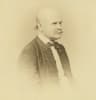
Született
January 15, 1809
Besançon, France
Elhunyt
January 19, 1865
Passy, France
Ismert mint
French politician, philosopher, anarchist and socialist
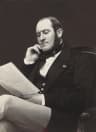
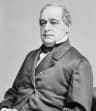
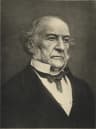
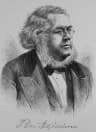
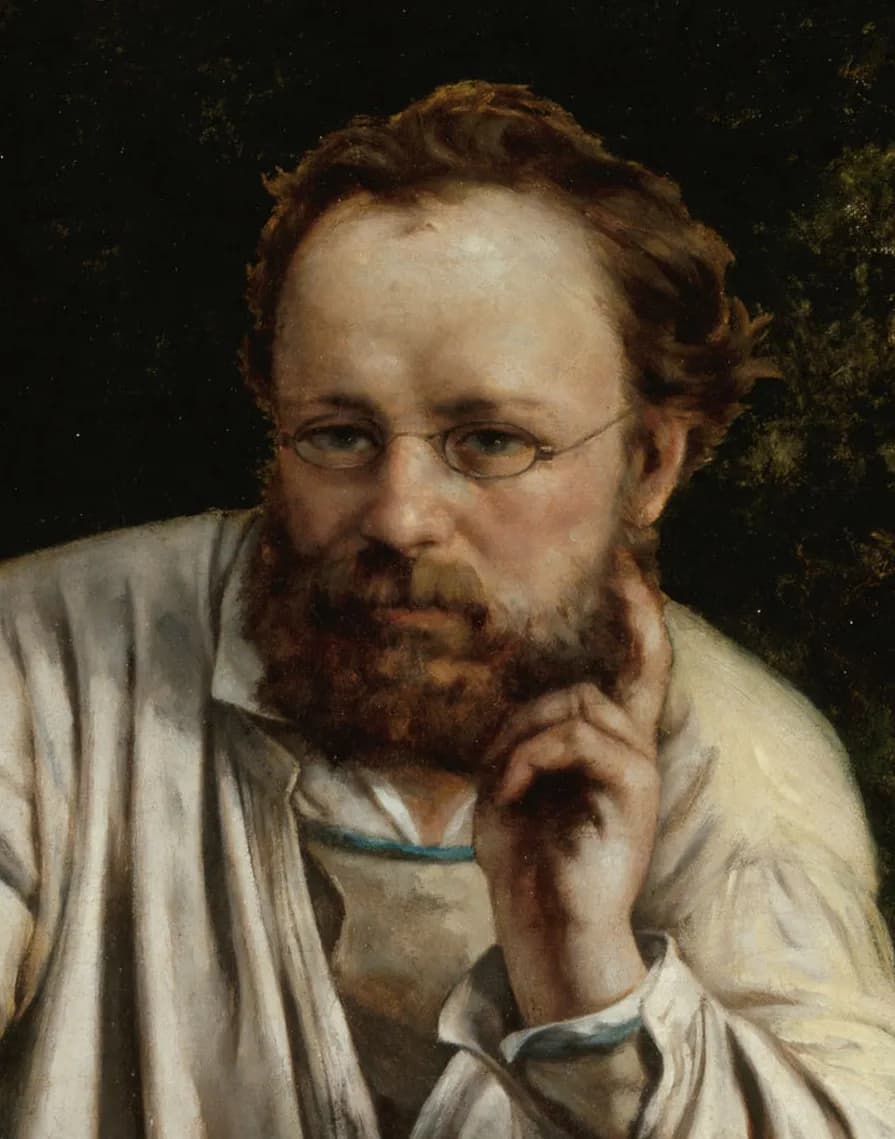
Pierre-Joseph Proudhon (1809–1865) was France best known for French politician, philosopher, anarchist and socialist.
Pierre-Joseph Proudhon (January 15, 1809 – January 19, 1865) was a French politician, philosopher, and economist. He founded mutualist philosophy and is widely considered the "father of anarchism" for being the first to call himself an anarchist. His ideas profoundly shaped anarchist and socialist movements.
0. fejezet
Élet fejezetei
1. fejezet · 1809· 1. fejezet a(z) 7-ből
Early Life and Origins
Pierre-Joseph Proudhon entered the world in Besançon, France, on January 15, 1809. His birthplace, a city with a rich history, served as the backdrop for his formative years. Though detailed accounts of his early family life are not readily available in public records, his origins are firmly rooted in this specific French locality.
His early experiences and education, though not explicitly detailed in the provided information, must have contributed to his intellectual curiosity and eventual engagement with profound societal questions. The milieu of early 19th-century France, marked by political and social upheaval, likely informed his developing perspectives on justice, equality, and social order.
2. fejezet· 2. fejezet a(z) 7-ből
Career Beginnings
Proudhon's career began with a diverse range of professions, reflecting his broad intellectual interests and practical engagement with the world. He worked as a writer, printer, and journalist, roles that provided him with direct experience in the dissemination of ideas and public discourse. These early occupations were instrumental in shaping his articulate and persuasive writing style, which would become a hallmark of his philosophical contributions.
Beyond these, he also engaged with the fields of economics, political economy, and sociology, indicating a keen analytical mind focused on the mechanics of society. His experience as a printer, in particular, gave him a practical understanding of production and labor, which was central to his later economic theories. This hands-on experience offered a practical foundation to his theoretical work as a revolutionary and philosopher.
3. fejezet· 3. fejezet a(z) 7-ből
Major Achievements and Career Highlights
A defining achievement for Pierre-Joseph Proudhon was his pioneering self-identification as an "anarchist," a term he introduced into the political lexicon. This act not only named a philosophical current but also positioned him as its foundational figure. His articulation of mutualist philosophy provided a coherent framework for a society based on voluntary association and decentralized economic organization.
Proudhon’s influence grew significantly, leading to his election as a member of the French Parliament following the Revolution of 1848. During his time in parliament, he began to refer to himself as a federalist, indicating a natural progression in his thought towards decentralized governance. He famously described the liberty he pursued not as absolute autonomy but as a delicate synthesis of community and individualism, striving for a balance that respected both collective well-being and personal freedom.
4. fejezet· 4. fejezet a(z) 7-ből
Personal Life
Information regarding Pierre-Joseph Proudhon's personal life, including details about family, relationships, or hobbies outside of his intellectual pursuits, is not extensively detailed in the provided biographical summary. His public persona and legacy are primarily defined by his philosophical and political contributions. While his private life remains largely out of the public record, his dedicated focus on societal transformation suggests a life deeply interwoven with his intellectual endeavors.
5. fejezet· 5. fejezet a(z) 7-ből
Notable Works or Contributions
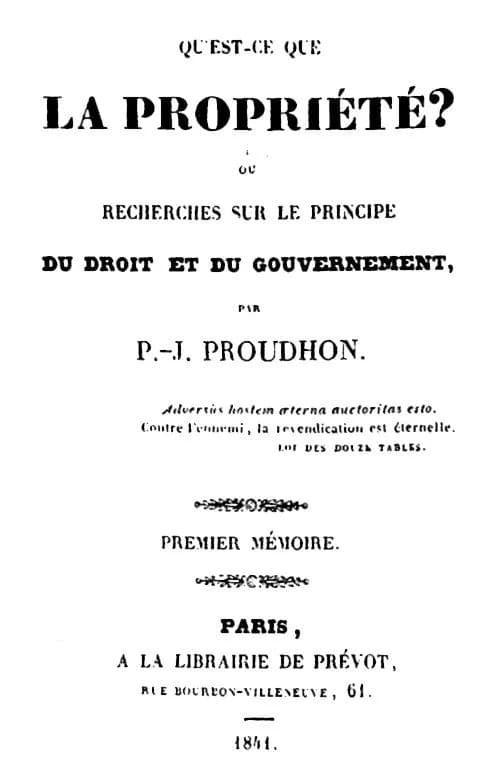
Pierre-Joseph Proudhon left behind a substantial body of work that continues to be studied and debated. Among his notable publications is "De la Création de l'Ordre Dans L'Humanité," a key text that explores his ideas on social organization and human order. This work stands as a testament to his intellectual ambition and systematic approach to societal problems.
His academic contributions are also significant, evidenced by an h-index of 13 across 87 papers. Prominent among these works are those collected under the title "Solution du problème social et autres textes (mars-juillet 1848)." This collection includes specific essays like "Banque du Peuple" and the main "Solution du problème social," which outline his proposals for economic reform. Further appendices in this collection offer analyses of contemporary figures such as Walras and Charles Fourier, alongside discussions of the press and journals cited by Proudhon, showcasing the breadth of his engagement with 19th-century thought.
6. fejezet · 1865· 6. fejezet a(z) 7-ből
Later Years
Pierre-Joseph Proudhon’s life concluded on January 19, 1865, in Passy, France, bringing to an end decades of intense intellectual and political engagement. Despite the challenges and controversies that often accompanied his radical ideas, he remained committed to his vision of social justice and individual liberty. His final years were undoubtedly spent continuing to refine and articulate his philosophies, even as he faced the realities of political opposition and exile.
His enduring dedication to his principles, from his early writings to his parliamentary service and later works, cemented his place as a persistent voice for social change. The circumstances of his death in Passy marked the closing chapter of a life defined by relentless inquiry and advocacy for a different kind of social order.
7. fejezet· 7. fejezet a(z) 7-ből
Legacy and Impact
The legacy of Pierre-Joseph Proudhon is immense, establishing him as one of anarchism's most influential theorists. His foundational work in mutualism continues to inspire discussions and movements focused on economic justice and decentralized power. The debate over whether his mutualism aligns more with individualist anarchism or social anarchism itself speaks to the complex and enduring relevance of his thought.
Proudhon's concepts of liberty as a synthesis of community and individualism, and his embrace of federalism, offer lasting frameworks for considering alternative political and economic structures. His insistence on property as theft, yet also as a necessary component of liberty, highlights the challenging and provocative nature of his contributions. Generations of activists, philosophers, and economists have grappled with and built upon his ideas, securing his position as a central figure in the history of radical thought.
Egy élet pillanatokban
A pillanatok, amelyek egy életet alakítottak
GYIK
Gyakran kérdezett
Mikor halt meg Pierre-Joseph Proudhon?
Pierre-Joseph Proudhon 1865. január 19. Passy, France-ban halt meg, 56 éves korában.
Hol született Pierre-Joseph Proudhon?
Pierre-Joseph Proudhon Besançon, France-ban született, 1809. január 15..
Miről ismert leginkább Pierre-Joseph Proudhon?
Pierre-Joseph Proudhon leginkább arról ismert, hogy French politician, philosopher, anarchist and socialist.
Hány éves volt Pierre-Joseph Proudhon, amikor meghalt?
Pierre-Joseph Proudhon 56 éves volt halálakor.
Milyen nemzetiségű volt Pierre-Joseph Proudhon?
Pierre-Joseph Proudhon France származású volt.
Idővonal
Élet egy pillantásra
Fotógaléria
Egy élet képekben
Kattintson bármely polaroidra a kibontáshoz · 49 fénykép
QR-kód
Életrajz megosztása
Nyomtatás és megosztás
Olvassa be az életrajz oldalának megnyitásához. Nyomtassa ki rendezvényekre, kiállításokra vagy oktatási anyagokhoz.