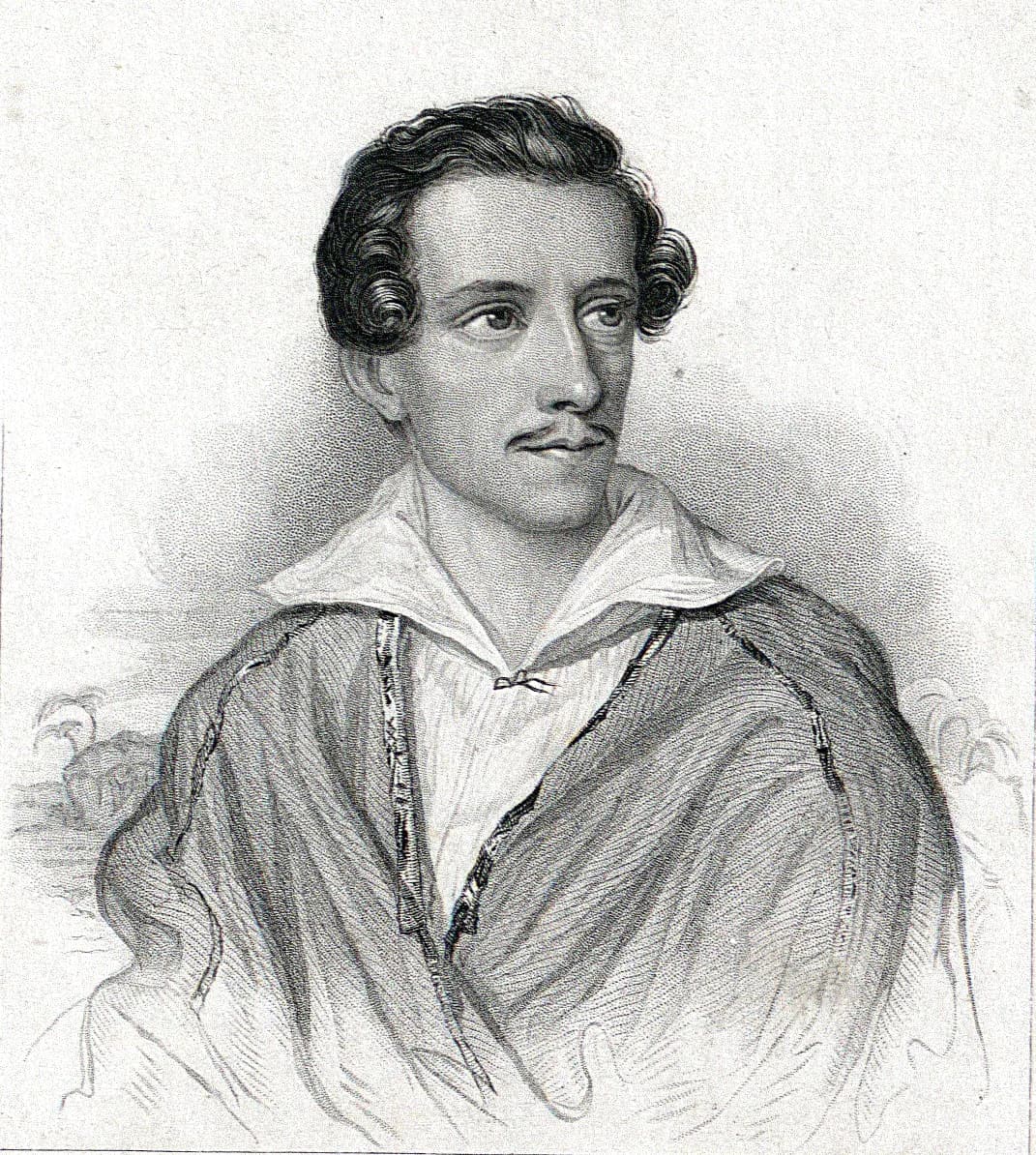
Született
September 4, 1809
Kremenets, Ukraine
Elhunyt
April 3, 1849
Paris, France
Ismert mint
Polish Romantic poet
Juliusz Słowacki (1809–1849) was Ukraine best known for Polish Romantic poet.
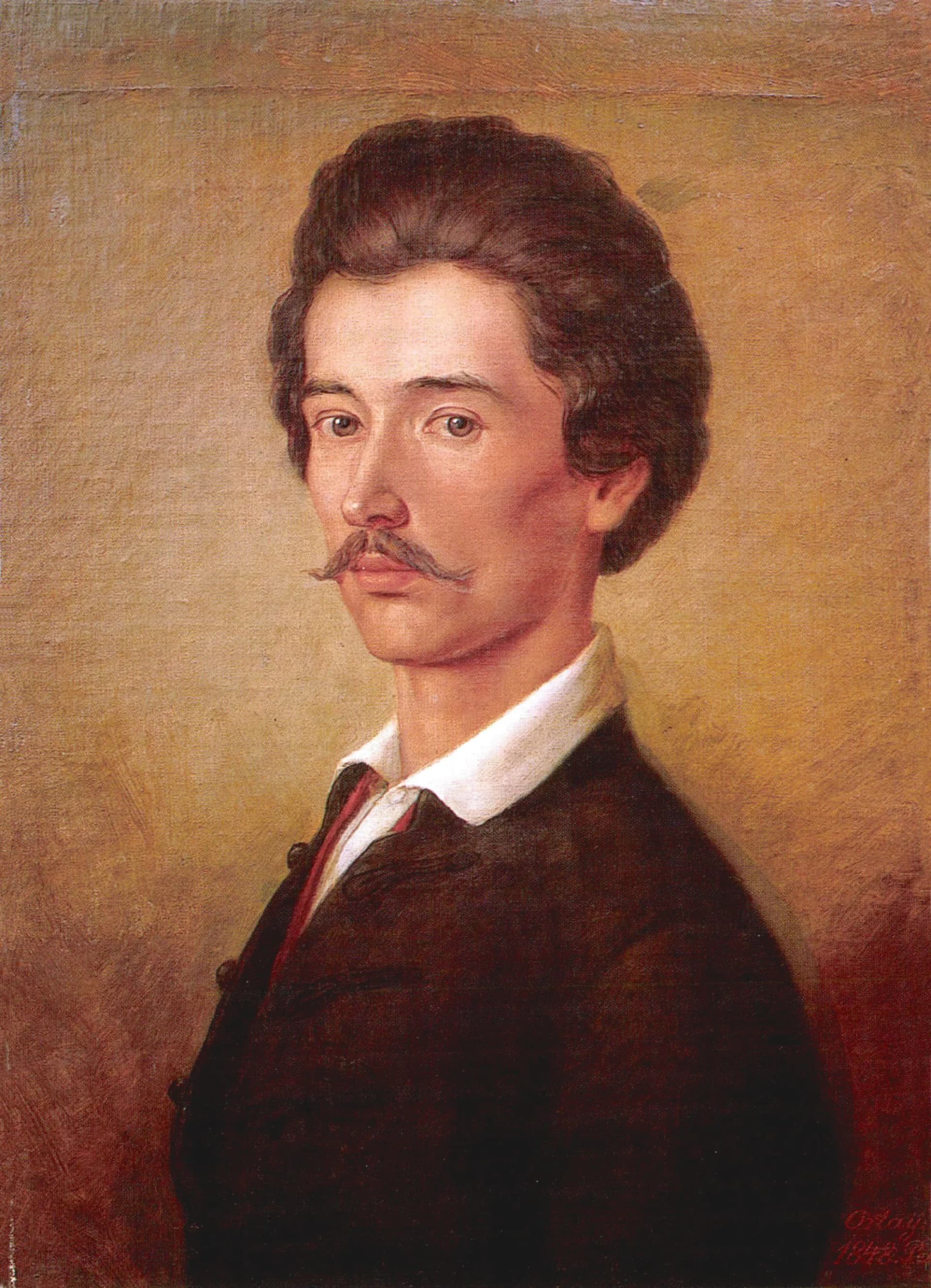
Juliusz Słowacki (September 4, 1809 – April 3, 1849) was a Polish Romantic poet and playwright from Ukraine. He is celebrated as one of the "Three Bards" and the father of modern Polish drama. His works masterfully blended Slavic paganism, Polish history, and mysticism, leaving an enduring legacy.
Egy élet pillanatokban
A pillanatok, amelyek egy életet alakítottak
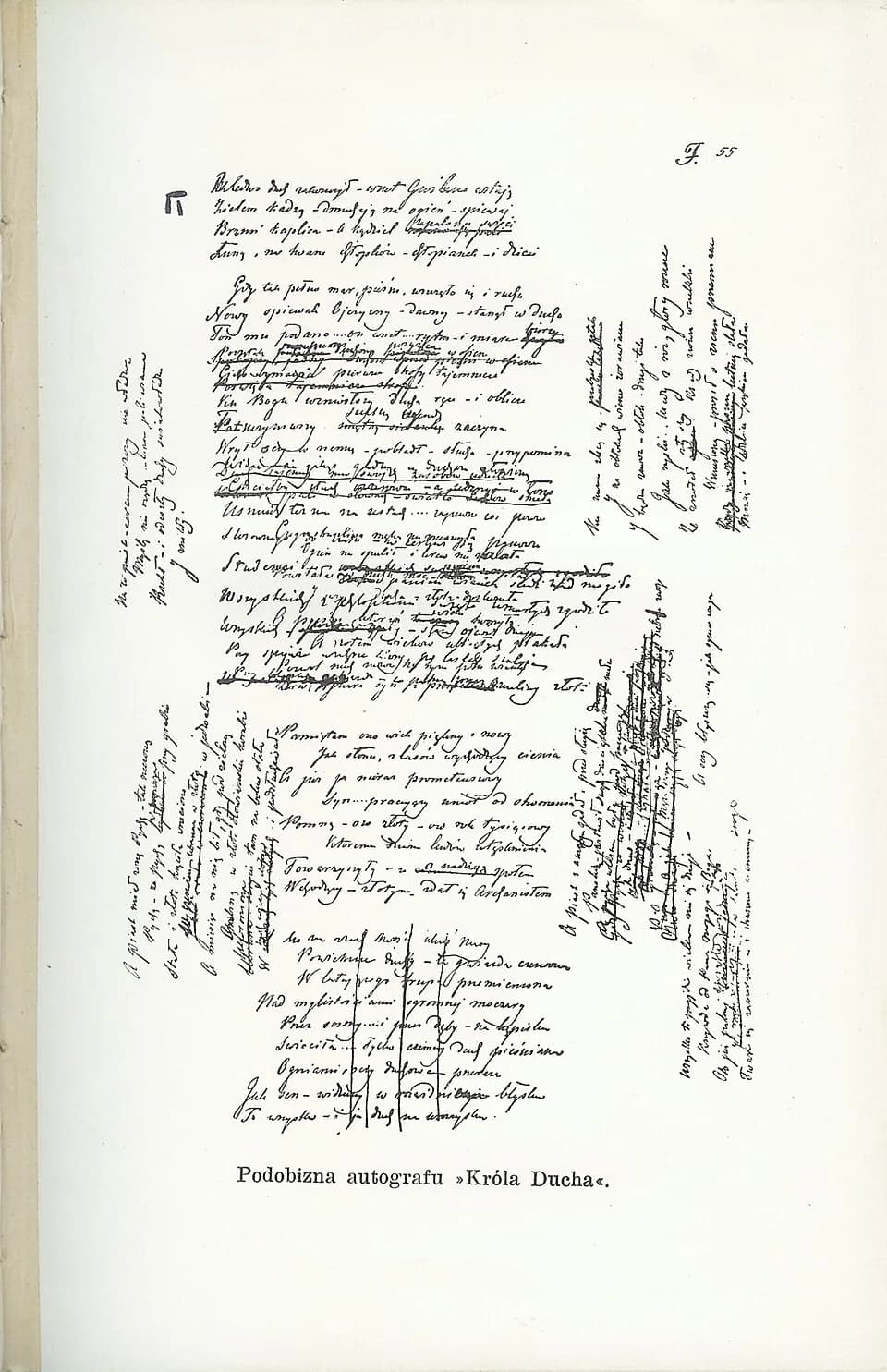
![Juliusz Słowacki - Autograph of Juliusz Słowacki's Grób Agamemnona from the 1909 edition of his complete works. Scan downloaded from [1].](/_next/image?url=https%3A%2F%2Fcdn.whowasthisguy.com%2Fgallery_wikimedia_commons_1778035028573_1_8053dafdde.webp&w=1920&q=75)
0. fejezet
Élet fejezetei
1. fejezet · 1809· 1. fejezet a(z) 6-ből
Early Life and Origins
Juliusz Słowacki was born on September 4, 1809, in Kremenets, Ukraine, a town that would later feature in his literary imagination. His early life unfolded against the backdrop of partitioned Poland, a formative experience that would deeply influence his patriotic and mystical themes. Although specific details of his upbringing are limited, his environment undoubtedly fostered a keen intellect and a burgeoning artistic sensibility. The cultural and historical landscape of his birthplace provided fertile ground for the imaginative flights that would characterize his later works.
2. fejezet· 2. fejezet a(z) 6-ből
Literary Beginnings and Poetic Vision
Słowacki's journey into the literary world began with a passionate dedication to writing, quickly establishing him as a significant new voice. His early career also included a period serving as a diplomat, an experience that broadened his perspective and exposed him to various European cultures. This blend of political engagement and artistic pursuit enriched his thematic range. He began to develop a distinctive style, incorporating elements of Slavic paganism, intricate Polish history, profound mysticism, and exotic orientalism into his narratives and verses.
3. fejezet· 3. fejezet a(z) 6-ből
Mastery of Drama and Poetry
As his career advanced, Juliusz Słowacki proved himself a master across multiple genres, though drama became his primary artistic vehicle. He crafted intricate plays that explored complex philosophical questions and national destiny, employing neologisms and sharp irony to enhance their impact. Alongside his dramatic achievements, Słowacki also penned a significant body of lyric poetry, showcasing his versatility and emotional depth. His ability to blend historical narrative with mystical elements set his work apart, making him a unique voice in the Romantic era.
4. fejezet· 4. fejezet a(z) 6-ből
Life Abroad and Creative Flourishing
Much of Słowacki's creative life unfolded during his time spent living abroad, notably culminating in Paris, France. This period allowed him to engage with broader European intellectual currents while maintaining a deep connection to his Polish heritage. Living away from his homeland often intensified his focus on Polish national identity, history, and the dream of independence. His prolific output during these years solidified his reputation as a major literary figure, whose ideas resonated far beyond Polish borders.
5. fejezet· 5. fejezet a(z) 6-ből
Notable Works and Contributions
Juliusz Słowacki's bibliography is rich with celebrated works that continue to be studied and performed. Among his most popular and influential dramas are Kordian, a powerful exploration of Polish messianism, and Balladyna, a tragic tale rooted in Polish folklore. His lyrical genius shines in poems such as Beniowski, a sprawling epic, and the deeply personal Testament mój, which serves as his poetic last will. Other significant contributions include the allegorical poem Anhelli, the early collection Trzy poemata, and the comprehensive Dzieła wybrane.
His broader collection of works also features Ja Orfeusz, Pisma prozą, and the dramatic masterpiece Lilla Weneda. Słowacki's literary legacy is further enriched by specialized publications like Der foṭer fun farpesṭiḳṭe, Krzemieniec Juliusza Słowackiego, and his insightful Listy do krewnych, przyjaciół i znajomych, 1820-1849. These diverse works highlight his range as a writer, encompassing poetic novels like Powieści poetyckie and critical examinations such as O Juljuszu Słowackim w sześciu publicznych posiedzeniach, which includes a detailed analysis of Balladyna.
6. fejezet · 1849· 6. fejezet a(z) 6-ből
Enduring Legacy as a Bard
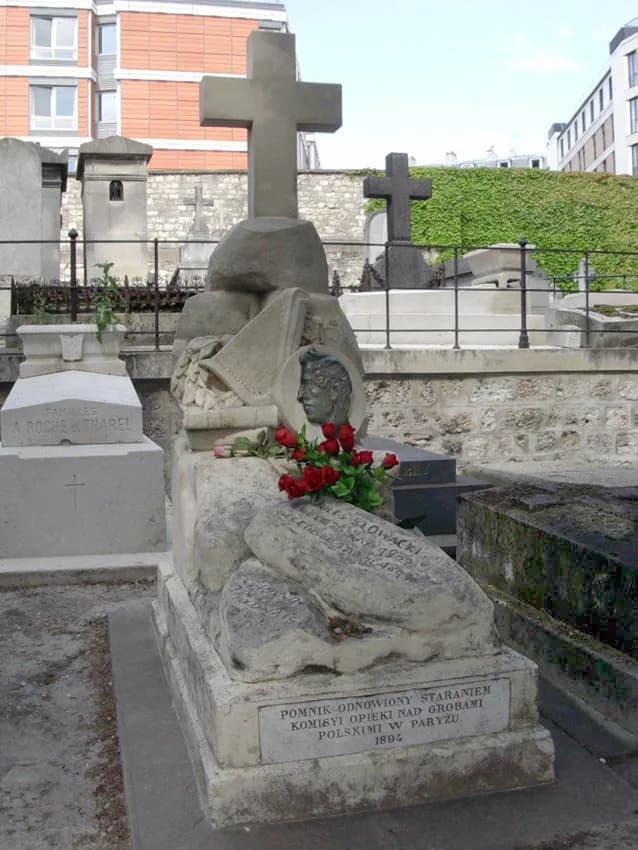
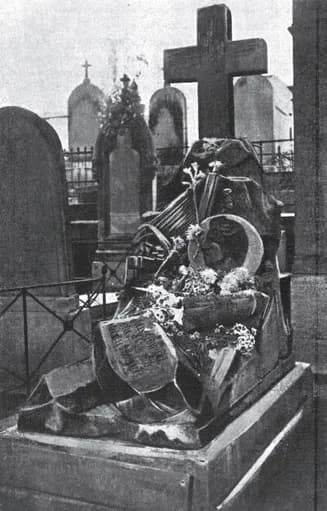
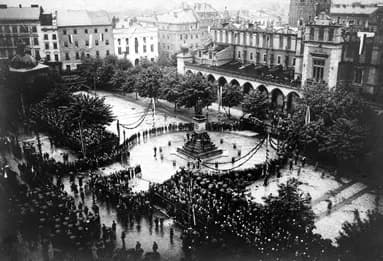
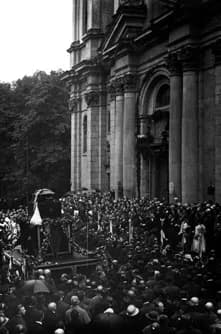
Juliusz Słowacki passed away on April 3, 1849, in Paris, France, but his influence continues to reverberate through Polish and European literature. His inclusion among the "Three Bards"—alongside Adam Mickiewicz and Zygmunt Krasiński—underscores his central role in the Polish Romantic movement. Słowacki's pioneering spirit in drama, coupled with his innovative use of language and themes, established him as the undisputed father of modern Polish drama. His exploration of national identity, spiritual longing, and historical myth provides an enduring source of inspiration and study.
Through his lyrical poetry and profound dramatic works, Słowacki bequeathed a rich cultural inheritance. He is remembered not only for his artistic brilliance but also for his unwavering commitment to his nation's spirit during a time of great adversity. His unique voice, characterized by its philosophical depth and poetic grandeur, ensures that Juliusz Słowacki remains a vital and celebrated figure in the annals of world literature, captivating new generations with the power and beauty of his words.
GYIK
Gyakran kérdezett
Mikor halt meg Juliusz Słowacki?
Juliusz Słowacki 1849. április 3. Paris, France-ban halt meg, 39 éves korában.
Hol született Juliusz Słowacki?
Juliusz Słowacki Kremenets, Ukraine-ban született, 1809. szeptember 4..
Miről ismert leginkább Juliusz Słowacki?
Juliusz Słowacki leginkább arról ismert, hogy Polish Romantic poet.
Hány éves volt Juliusz Słowacki, amikor meghalt?
Juliusz Słowacki 39 éves volt halálakor.
Milyen nemzetiségű volt Juliusz Słowacki?
Juliusz Słowacki Ukraine származású volt.
Idővonal
Élet egy pillantásra
Fotógaléria
Egy élet képekben
Kattintson bármely polaroidra a kibontáshoz · 49 fénykép
QR-kód
Életrajz megosztása
Nyomtatás és megosztás
Olvassa be az életrajz oldalának megnyitásához. Nyomtassa ki rendezvényekre, kiállításokra vagy oktatási anyagokhoz.