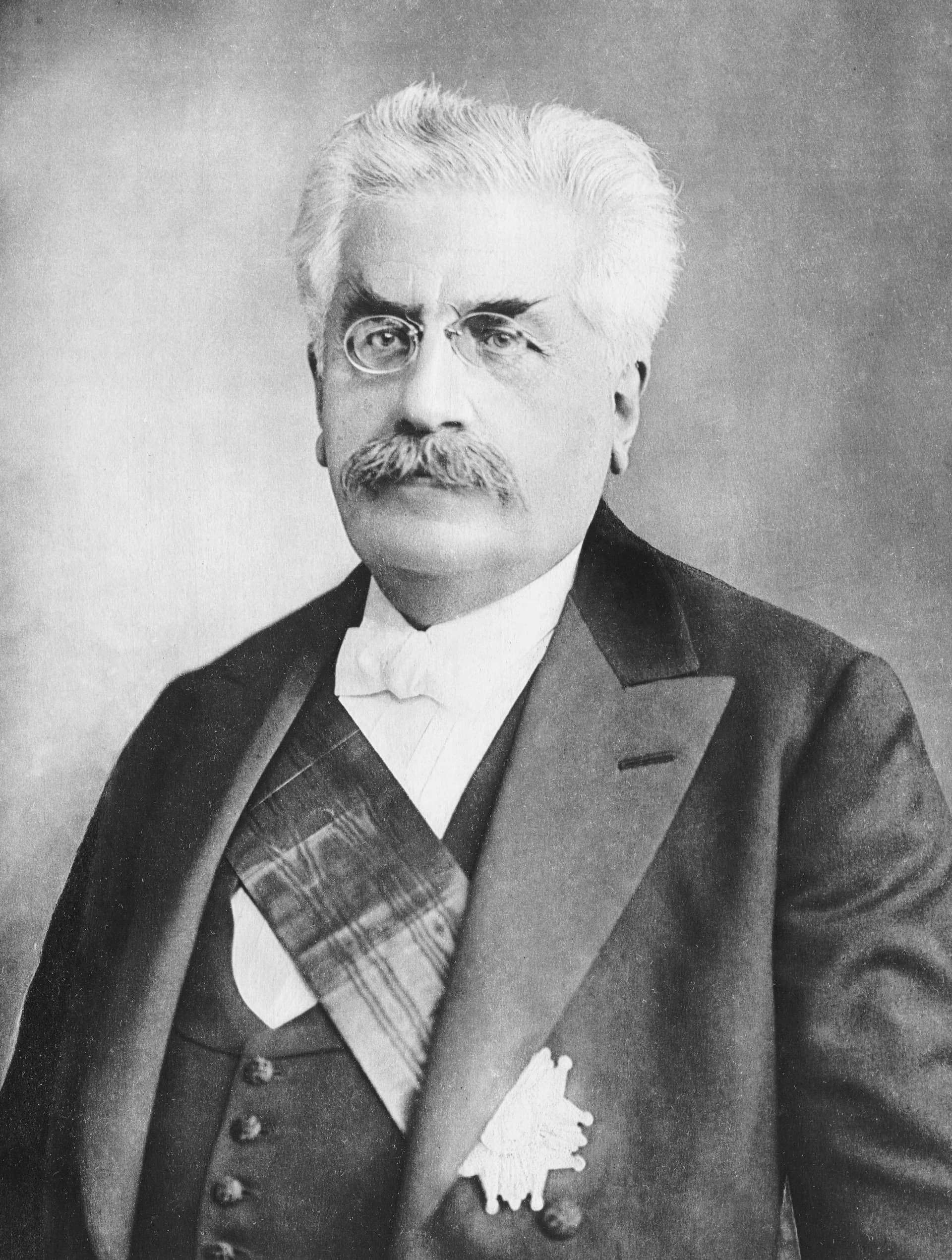
Született
September 3, 1859
Castres, France
Elhunyt
July 31, 1914
Paris, France
Ismert mint
French / Occitan Socialist leader
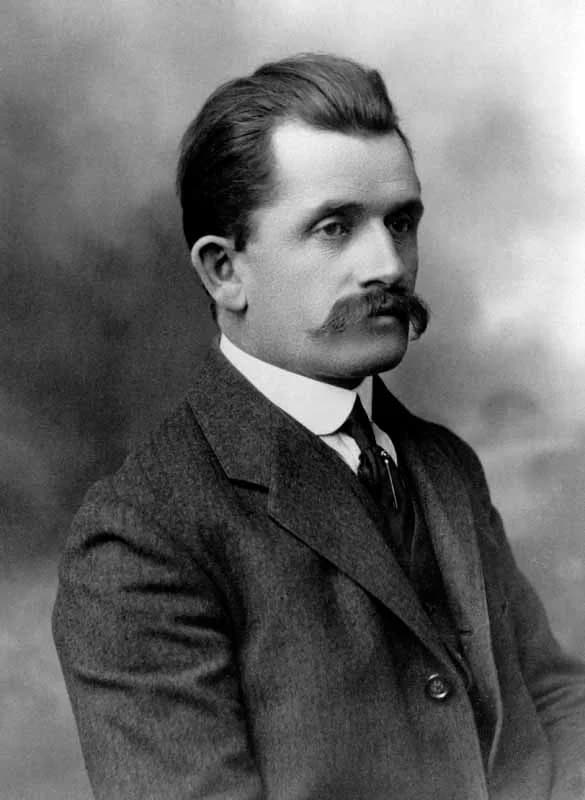
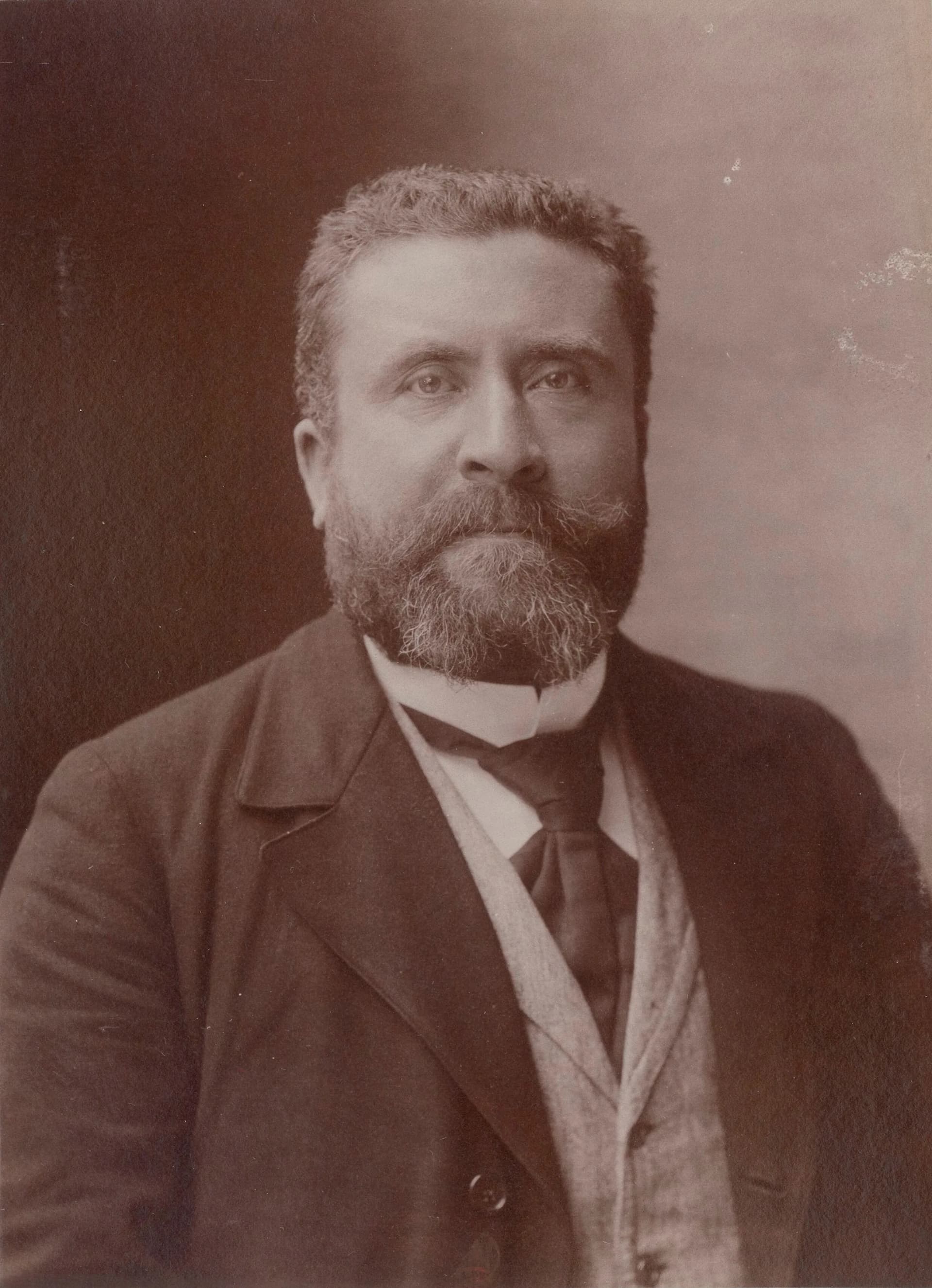
Jean Jaurès (1859–1914) was France best known for French / Occitan Socialist leader.
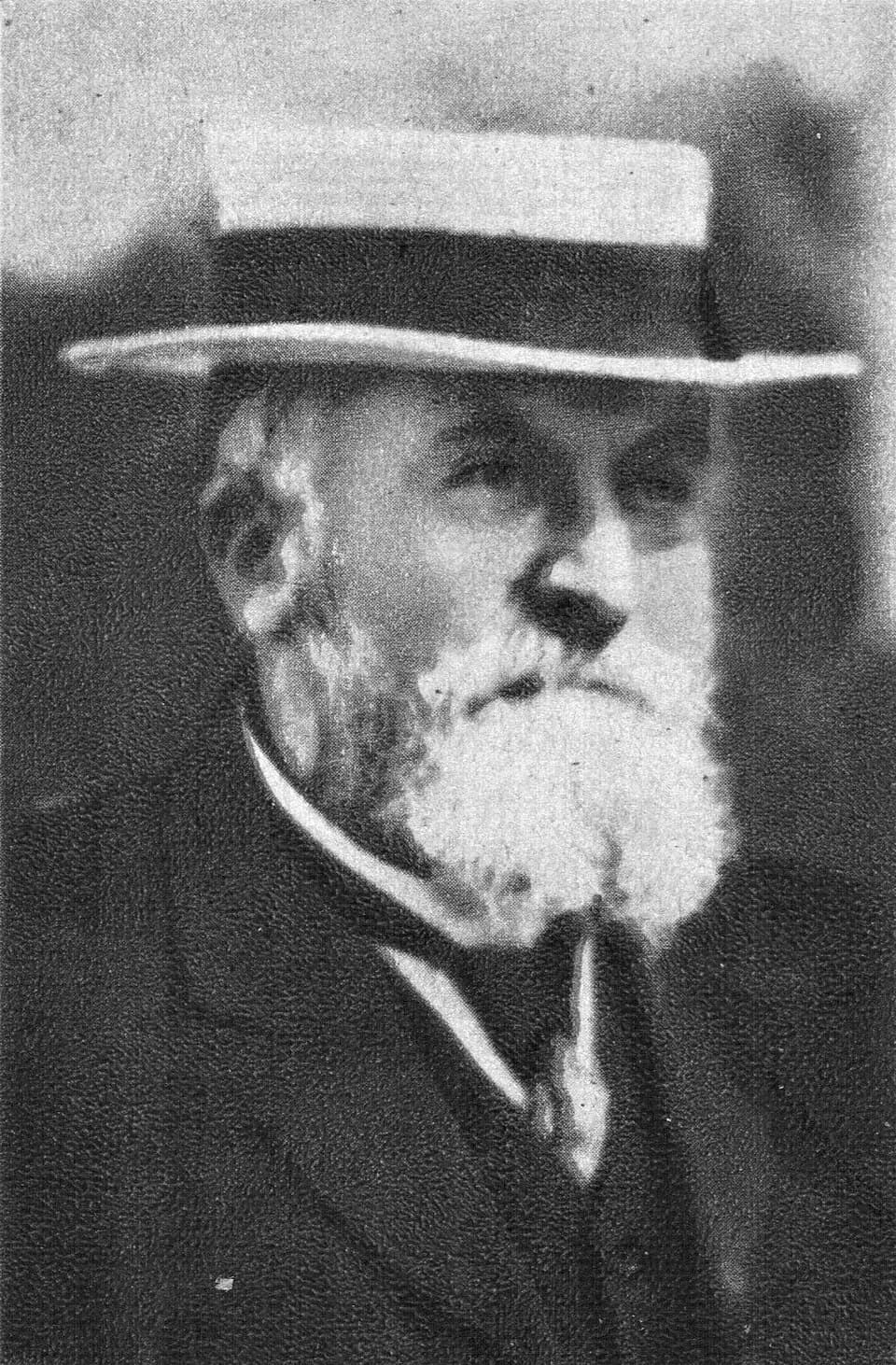
Auguste Marie Joseph Jean Léon Jaurès (September 3, 1859 – July 31, 1914) was a French / Occitan Socialist leader, writer, and politician. He led the French Socialist Party, unified socialist factions, and was a prominent antimilitarist. Jaurès remains a key historical figure of the French Left, known for his unique socialist philosophy.
Egy élet pillanatokban
A pillanatok, amelyek egy életet alakítottak
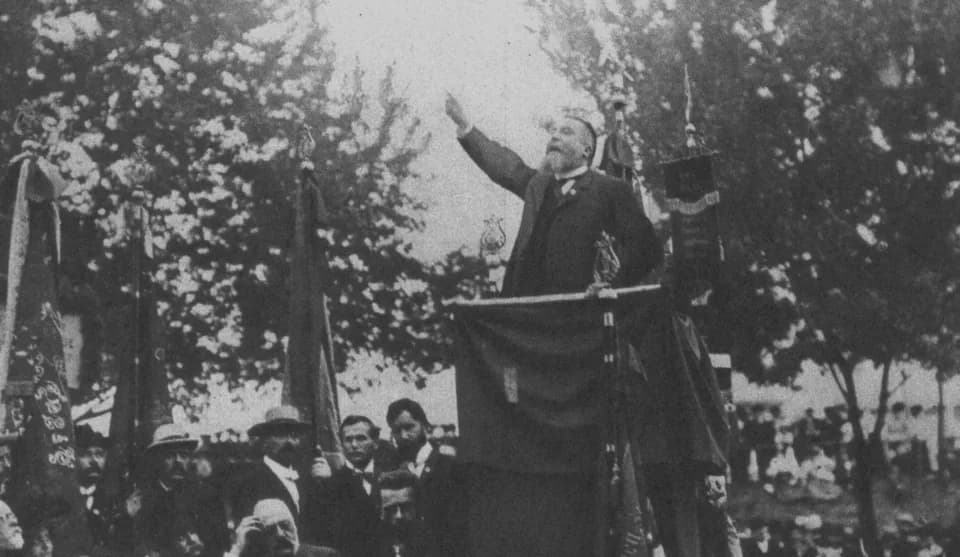
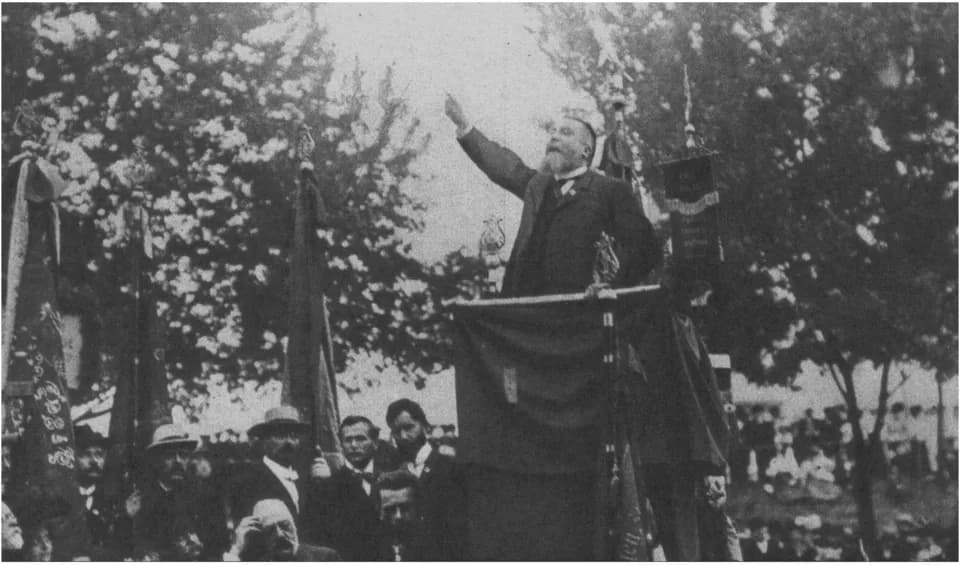
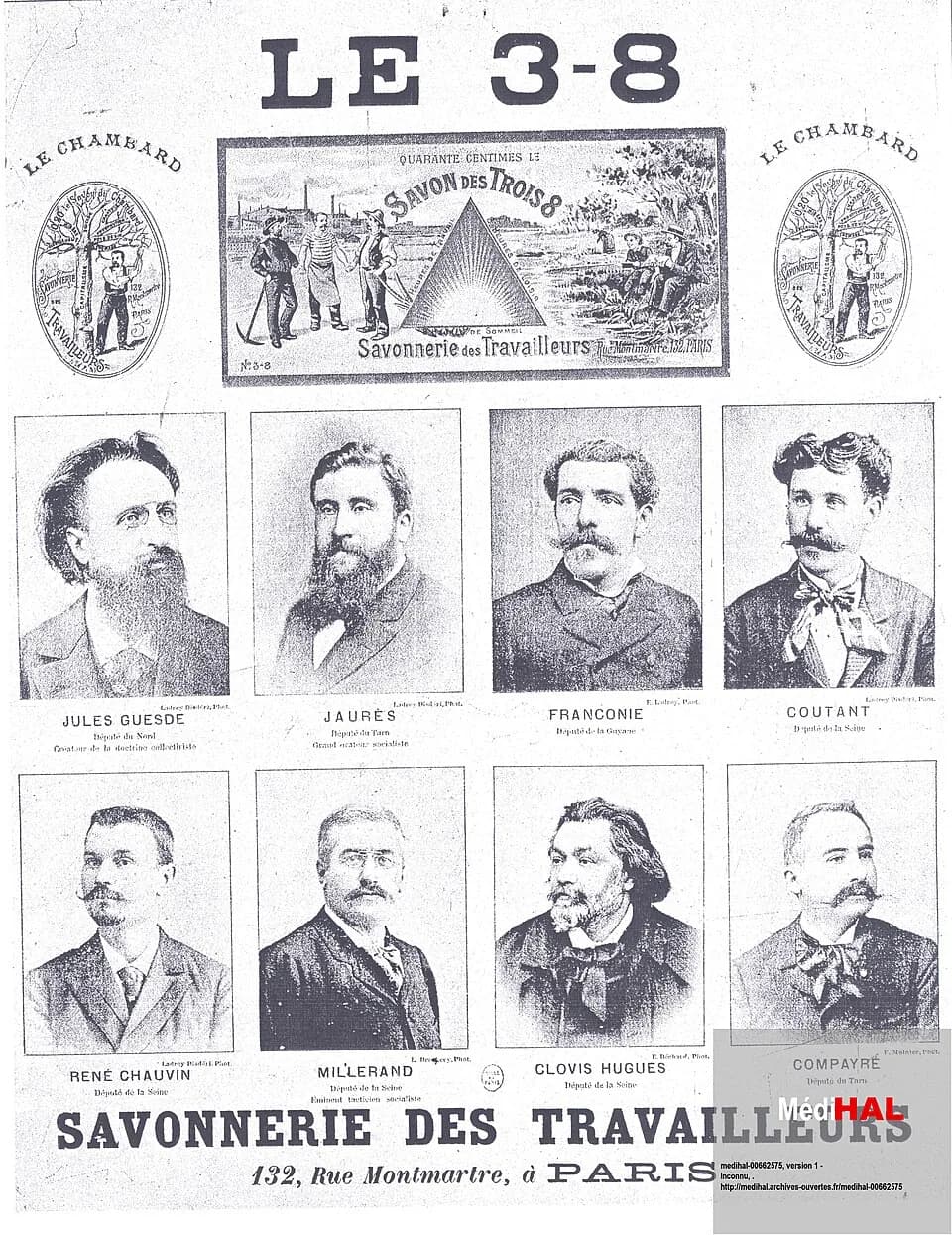
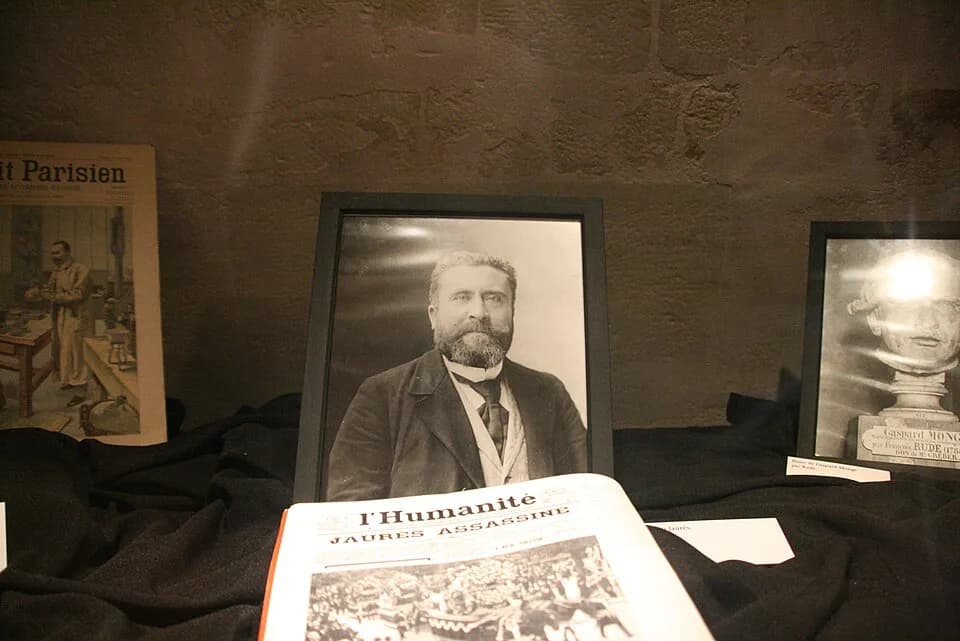
0. fejezet
Élet fejezetei
1. fejezet · 1859· 1. fejezet a(z) 6-ből
Early Life and Origins
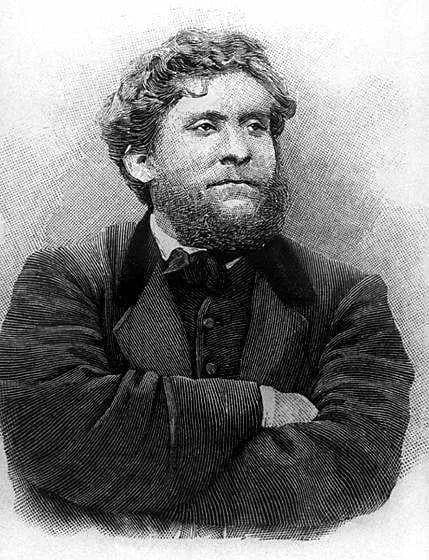
Jean Jaurès was born on September 3, 1859, in Castres, France. This birthplace in the Occitan region of France was integral to his identity. His early life cultivated the intellect and passion that would later define his public career.
2. fejezet· 2. fejezet a(z) 6-ből
Career Beginnings
Jaurès began his professional journey in academia, serving as a professor and historian. He first entered the political arena as a Moderate Republican. This initial political phase evolved as he deepened his understanding of societal structures and injustices.
3. fejezet · 1902· 3. fejezet a(z) 6-ből
Major Achievements and Career Highlights
Jaurès soon transitioned to become a social democrat, recognized as one of the first possibilists advocating for pragmatic reforms. In 1902, he assumed leadership of the French Socialist Party, which stood in contrast to Jules Guesde's more revolutionary Socialist Party of France. A significant moment occurred in 1905 when these two parties merged to form the French Section of the Workers' International (SFIO), with Jaurès playing a central role. He was a vocal antimilitarist, passionately opposing war and advocating for international cooperation. Philosophically, Jaurès was a heterodox Marxist, who notably rejected the concept of the dictatorship of the proletariat. He diligently sought to conciliate idealism and materialism, individualism and collectivism, democracy and class struggle, alongside patriotism and internationalism, within his comprehensive socialist vision.
4. fejezet · 1792· 4. fejezet a(z) 6-ből
Notable Works or Contributions
Throughout his prolific career, Jean Jaurès authored numerous influential works that shaped socialist thought and public discourse. His historical analysis was evident in "La République, 1792." Jaurès's direct engagement with contemporary politics was reflected in "Le manuscrit de 1908" and "Action socialiste." He tackled complex philosophical themes in "Idéalisme et matérialisme dans la conception de lh̓istoire" and "Contraddittorio sulla concezione idealistica e materialistica della storia." His unwavering commitment to peace was passionately articulated in "Contre la guerre au Maroc." Furthermore, he championed secularism in his writings such as "Pour la laïque, 20 et 24 janvier 1910." Jaurès also compiled "Discours à la jeunesse et portraits historiques" and analyzed governmental structures in "Le gouvernement révolutionnaire," showcasing his breadth of intellectual interest and significant influence.
5. fejezet · 1914· 5. fejezet a(z) 6-ből
Later Years
Jaurès remained a dynamic force in French politics, with his antimilitarist convictions growing increasingly urgent as the specter of war loomed over Europe. His final years were marked by intense efforts to avert the impending conflict. Tragically, Jean Jaurès was assassinated in Paris, France, on July 31, 1914, on the eve of World War I. His death removed a powerful voice for peace and reason from the international stage during a critical historical moment.
6. fejezet· 6. fejezet a(z) 6-ből
Legacy and Impact
Jean Jaurès's legacy endures as a main historical figure of the French Left. His intellectual framework, which harmonized diverse political and philosophical currents, continues to significantly influence modern socialist thought. He is remembered for his central role in unifying French socialist parties and for his courageous advocacy for peace and social justice. Jaurès's vision for a democratic, inclusive, and peaceful society remains an inspiration for activists and thinkers worldwide.
GYIK
Gyakran kérdezett
Mikor halt meg Jean Jaurès?
Jean Jaurès 1914. július 31. Paris, France-ban halt meg, 54 éves korában.
Hol született Jean Jaurès?
Jean Jaurès Castres, France-ban született, 1859. szeptember 3..
Miről ismert leginkább Jean Jaurès?
Jean Jaurès leginkább arról ismert, hogy French / Occitan Socialist leader.
Hány éves volt Jean Jaurès, amikor meghalt?
Jean Jaurès 54 éves volt halálakor.
Milyen nemzetiségű volt Jean Jaurès?
Jean Jaurès France származású volt.
Idővonal
Élet egy pillantásra
Fotógaléria
Egy élet képekben
Kattintson bármely polaroidra a kibontáshoz · 48 fénykép
QR-kód
Életrajz megosztása
Nyomtatás és megosztás
Olvassa be az életrajz oldalának megnyitásához. Nyomtassa ki rendezvényekre, kiállításokra vagy oktatási anyagokhoz.