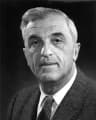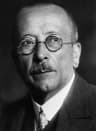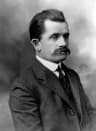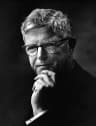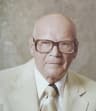
Született
September 3, 1905
New York City, United States
Elhunyt
January 11, 1991
San Marino, United States
Ismert mint
American physicist
Carl David Anderson (1905–1991) was United States best known for American physicist.
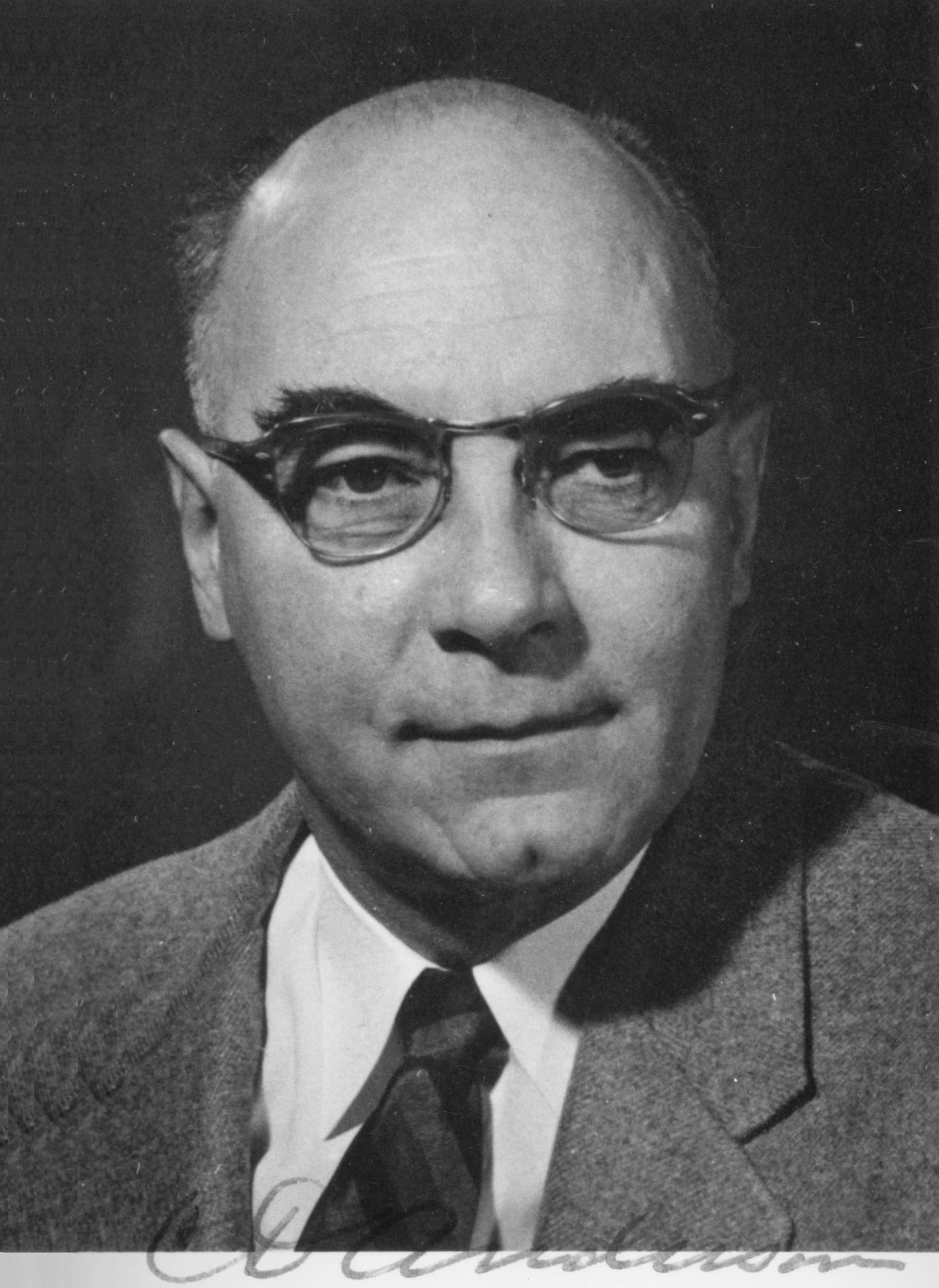
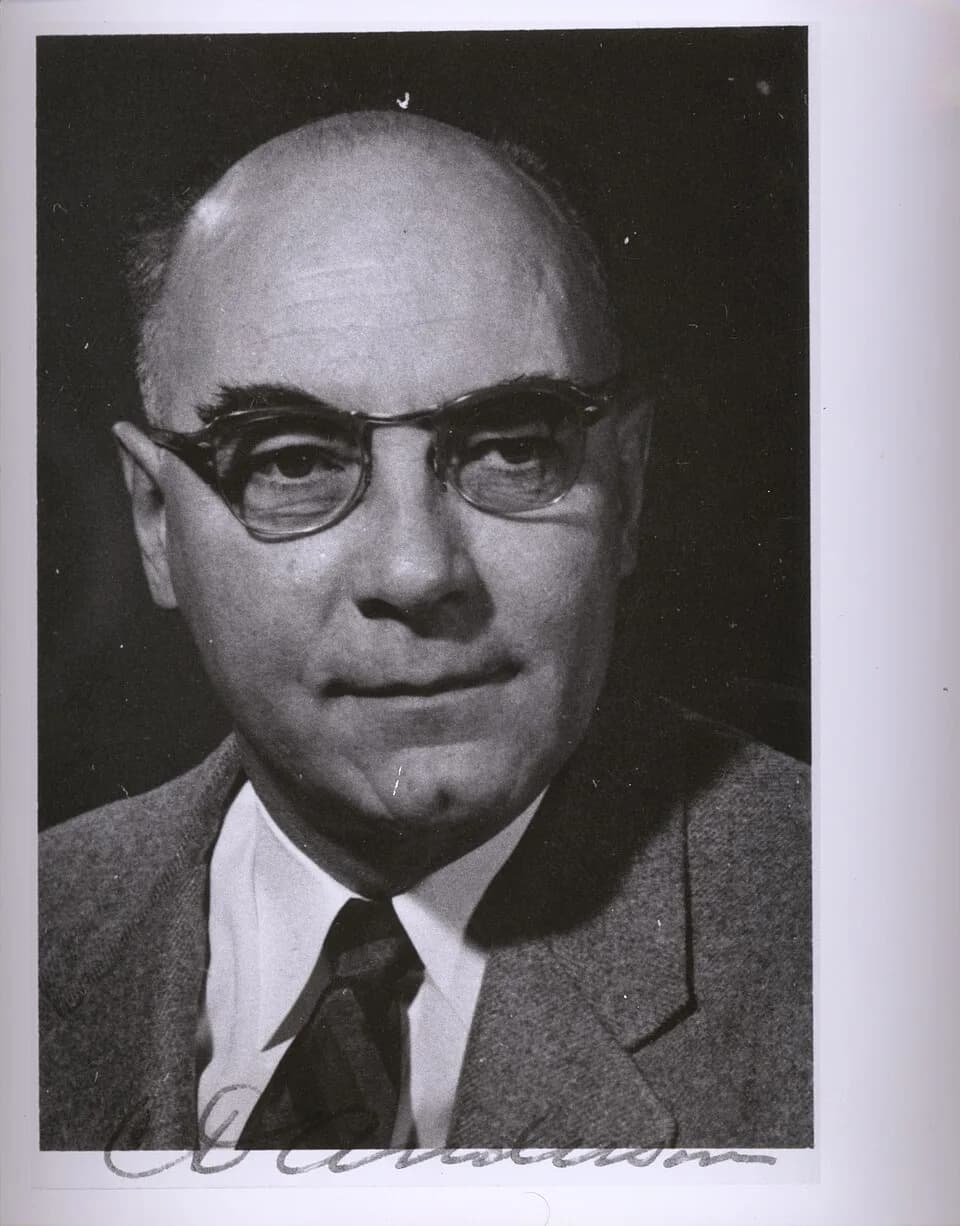
Carl David Anderson (September 3, 1905 – January 11, 1991) was an American physicist. He shared the 1936 Nobel Prize in Physics for his discovery of the positron, which confirmed the existence of antimatter. His work significantly advanced our understanding of fundamental particles.
0. fejezet
Élet fejezetei
1. fejezet · 1905· 1. fejezet a(z) 7-ből
Early Life and Origins
Carl David Anderson was born on September 3, 1905, in the vibrant metropolis of New York City, United States. Details of his early family life and upbringing are not widely documented, but his foundational years in one of America's major cities likely provided a stimulating environment for intellectual growth. His early education set the stage for a remarkable career dedicated to unraveling the mysteries of fundamental particles.
2. fejezet· 2. fejezet a(z) 7-ből
Career Beginnings
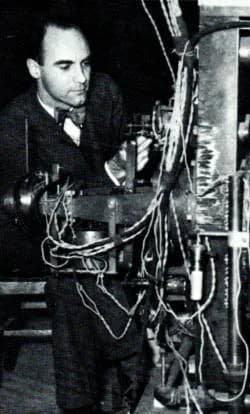
Anderson embarked on his professional journey as a physicist, a field where his observational skills and analytical mind would soon yield extraordinary results. Although specific details about his earliest professional roles are not extensively provided, his dedication to experimental physics was evident from the outset. This early period of his career was marked by rigorous study and a commitment to pushing the boundaries of scientific inquiry.
3. fejezet · 1932· 3. fejezet a(z) 7-ből
Major Achievements and Career Highlights
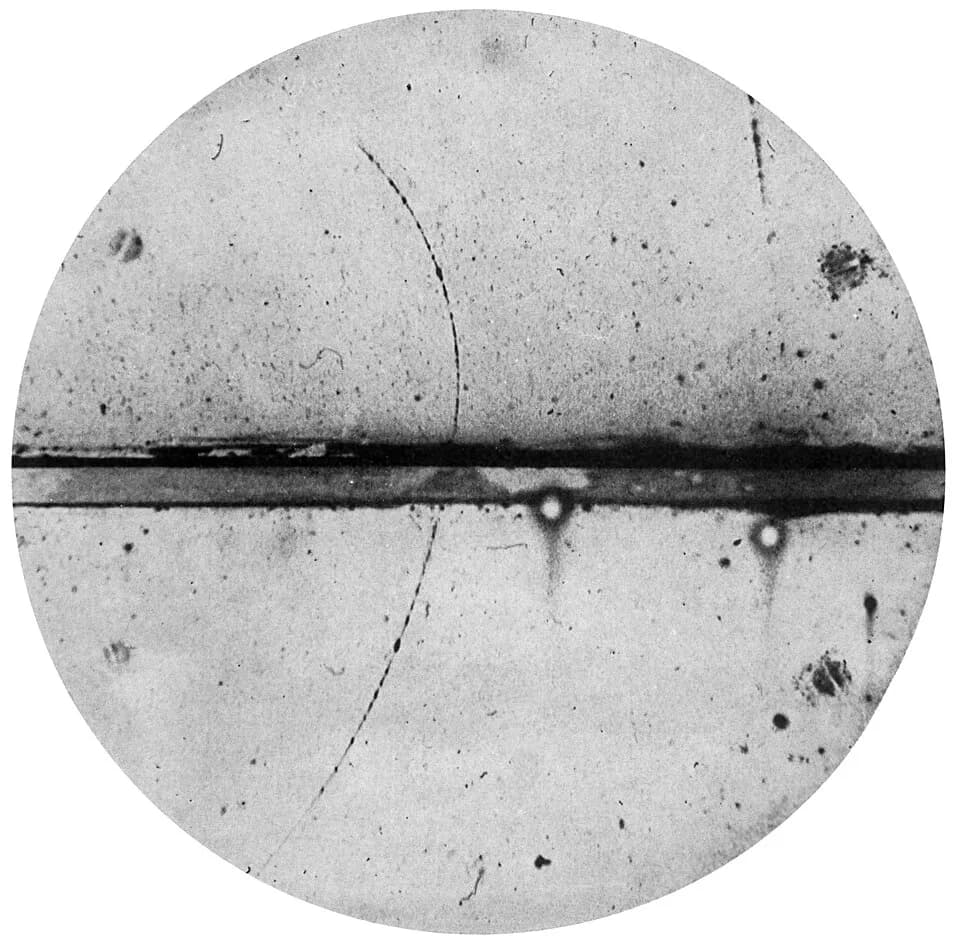
Anderson's career was defined by a truly significant discovery that reshaped modern physics: the positron. In 1932, while observing cosmic rays in a cloud chamber, he identified particles with the same mass as an electron but with a positive electric charge. This experimental observation provided the first concrete evidence for the existence of antimatter, a concept previously theorized by Paul Dirac.
His careful analysis of photographic tracks left by these cosmic ray particles allowed him to definitively conclude the presence of these positively charged electrons. This discovery not only confirmed theoretical predictions but also opened up entirely new avenues for research in particle physics. It was a profound moment that expanded our understanding of matter and antimatter symmetry in the universe.
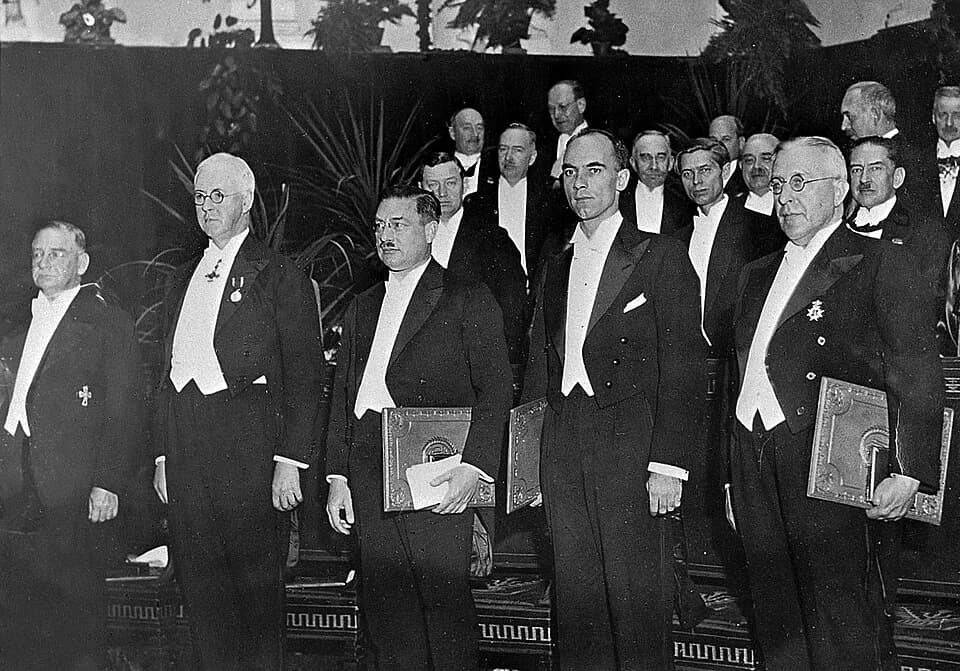
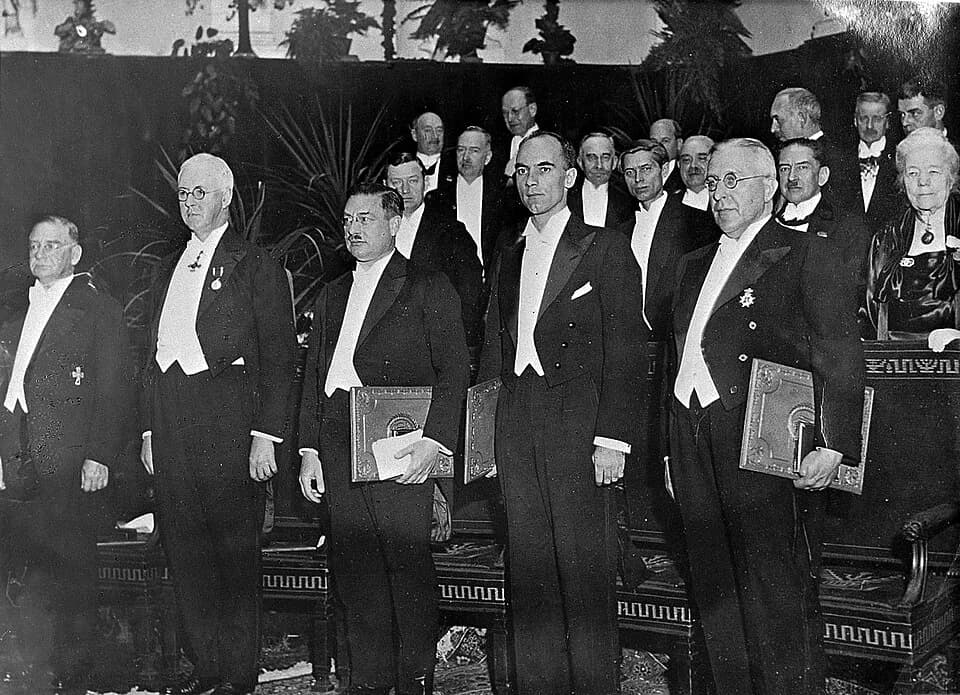
For his discovery of the positron, Carl David Anderson was honored with the 1936 Nobel Prize in Physics. He shared this prestigious award with Victor Hess, who was recognized for his discovery of cosmic radiation. This joint recognition underscored the deep impact of their work on the scientific community and their contributions to fundamental physics.
4. fejezet· 4. fejezet a(z) 7-ből
Personal Life
While Carl David Anderson's professional achievements are well-documented, specific details regarding his personal life, family, relationships, or recreational interests are not extensively provided in the available records. His life appears to have been largely centered around his dedicated work as a physicist and university teacher. He maintained a focused commitment to his scientific pursuits throughout his career.
5. fejezet· 5. fejezet a(z) 7-ből
Notable Works or Contributions
The discovery of the positron remains Carl David Anderson's most celebrated contribution to science. This work, published in the early 1930s, solidified his reputation as a keen experimentalist and a visionary physicist. It provided tangible proof for a new type of particle and validated complex quantum mechanical theories.
Beyond his Nobel-winning work, his academic record, as provided, includes a selection of papers. These include "Closing the gap: A workstation-mainframe connection" (1986, with 7 citations), "Deciding the Future of the Catalog in Small Libraries" (1980, with 1 citation), and "ABSTRACTS OF PAPERS PRESENTED AT THE CONFERENCE AND NOT APPEARING IN THIS VOLUME" (1981, with 0 citations). Another listed work is "Factors contributing to the success of small service-type businesses" (1970, with 0 citations).
6. fejezet· 6. fejezet a(z) 7-ből
Later Years
Carl David Anderson continued his work as a physicist and university teacher for many years following his Nobel recognition. He remained engaged in the scientific community, contributing to the ongoing advancement of physics. His influence extended through his teaching, mentoring future generations of scientists.
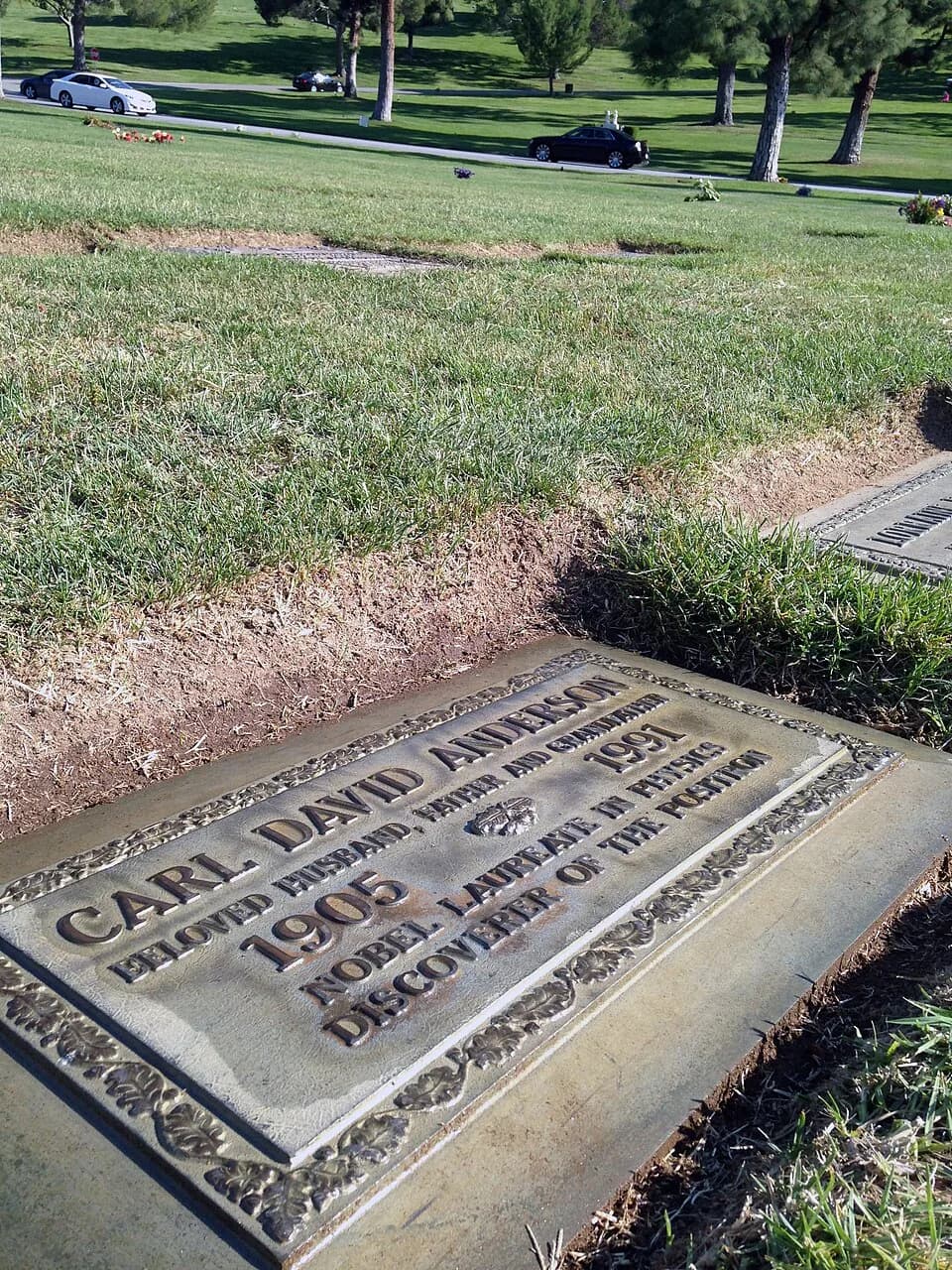
He passed away on January 11, 1991, in San Marino, United States, at the age of 85. His passing marked the end of a long and impactful life dedicated to scientific exploration and discovery. Anderson's contributions continued to inspire researchers long after his most famous discovery.
7. fejezet· 7. fejezet a(z) 7-ből
Legacy and Impact
Carl David Anderson's legacy is firmly rooted in his discovery of the positron, which provided the first empirical confirmation of antimatter. This finding was a cornerstone in the development of particle physics and quantum field theory. It spurred further research into exotic particles and the fundamental forces governing the universe.
His work fundamentally changed how physicists viewed matter and energy, proving that particles could exist with identical properties but opposite charges. The positron's discovery also paved the way for future technological applications, such as Positron Emission Tomography (PET) scans in medicine. Anderson's profound insights and meticulous experimental methods continue to influence scientific thought and innovation to this day.
Egy élet pillanatokban
A pillanatok, amelyek egy életet alakítottak
GYIK
Gyakran kérdezett
Mikor halt meg Carl David Anderson?
Carl David Anderson 1991. január 11. San Marino, United States-ban halt meg, 85 éves korában.
Hol született Carl David Anderson?
Carl David Anderson New York City, United States-ban született, 1905. szeptember 3..
Miről ismert leginkább Carl David Anderson?
Carl David Anderson leginkább arról ismert, hogy American physicist.
Hány éves volt Carl David Anderson, amikor meghalt?
Carl David Anderson 85 éves volt halálakor.
Milyen nemzetiségű volt Carl David Anderson?
Carl David Anderson United States származású volt.
Idővonal
Élet egy pillantásra
Fotógaléria
Egy élet képekben
Kattintson bármely polaroidra a kibontáshoz · 20 fénykép
QR-kód
Életrajz megosztása
Nyomtatás és megosztás
Olvassa be az életrajz oldalának megnyitásához. Nyomtassa ki rendezvényekre, kiállításokra vagy oktatási anyagokhoz.