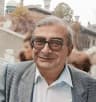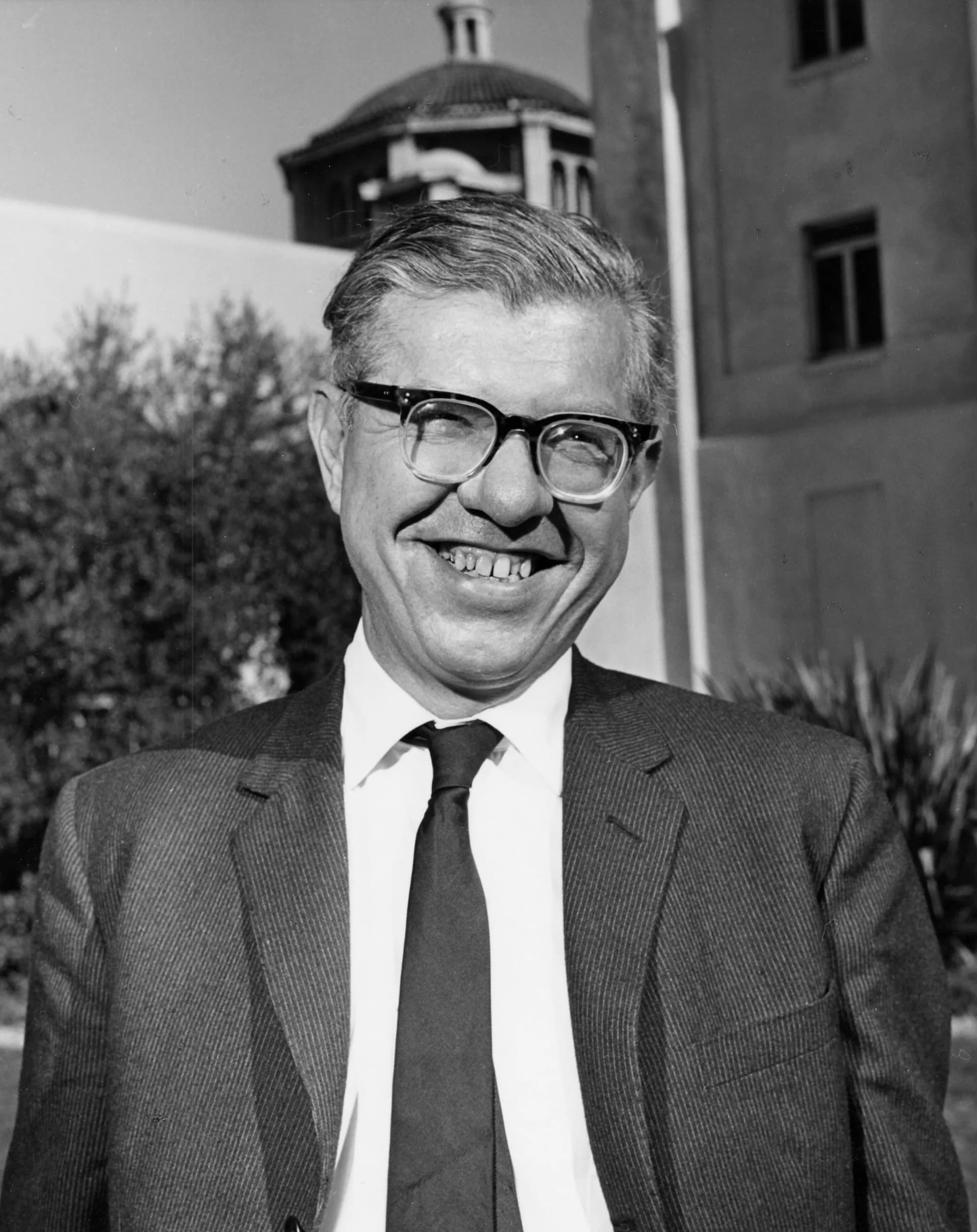
Született
June 24, 1915
Bingley, United Kingdom
Elhunyt
August 20, 2001
Bournemouth, United Kingdom
Ismert mint
British astronomer
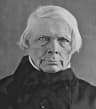
Fred Hoyle (1915–2001) was United Kingdom best known for British astronomer.
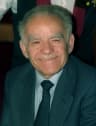
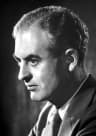
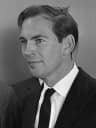
Fred Hoyle (June 24, 1915 – August 20, 2001) was a British astronomer from Bingley, United Kingdom. He co-formulated the theory of stellar nucleosynthesis, fundamentally changing our understanding of how elements are formed in stars. His extensive work spanned astrophysics, writing, and teaching, leaving an enduring scientific legacy.
0. fejezet
Élet fejezetei
1. fejezet · 1915· 1. fejezet a(z) 8-ből
Introduction
Sir Fred Hoyle (June 24, 1915 – August 20, 2001) was a distinguished British astronomer whose seminal work fundamentally reshaped our understanding of the universe. Born in Bingley, United Kingdom, he emerged as a central figure in 20th-century astrophysics, recognized for his contributions as a physicist, mathematician, and prolific writer. Hoyle is particularly celebrated for his collaborative formulation of the theory of stellar nucleosynthesis, explaining how chemical elements are forged within stars. His extensive career saw him serve as a dedicated researcher and university teacher, influencing generations of scientists and thinkers across multiple disciplines.
2. fejezet · 1915· 2. fejezet a(z) 8-ből
Early Life and Origins
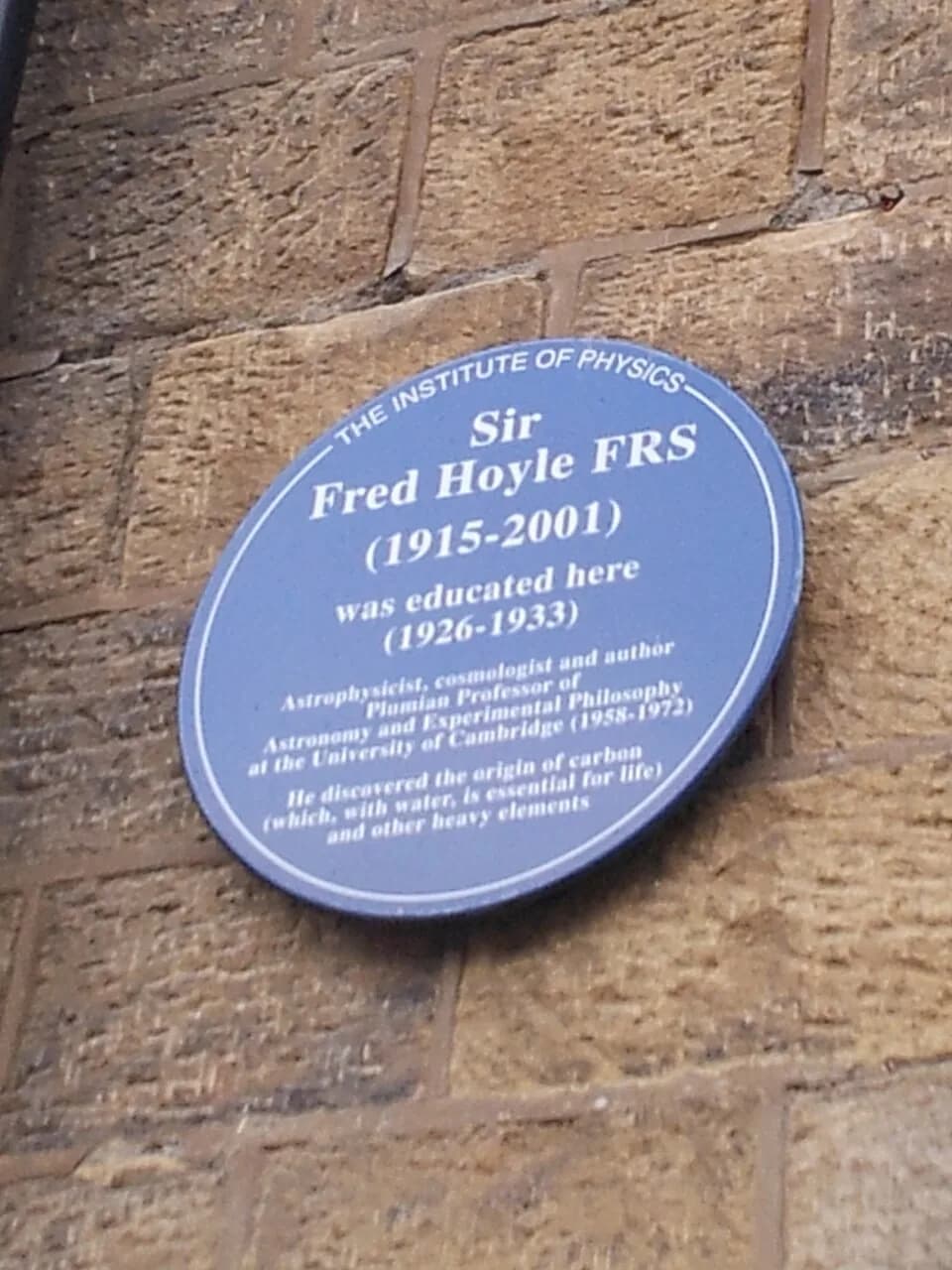
Fred Hoyle was born on June 24, 1915, in Bingley, a town nestled in the United Kingdom. His early life in rural Yorkshire provided a nurturing environment for his innate scientific curiosity and fostering independent thought. From a young age, Hoyle displayed an exceptional intellect that would eventually lead him to pursue a wide range of scientific disciplines. This formative period in Bingley laid the essential groundwork for his later impactful career in astronomy and physics.
3. fejezet· 3. fejezet a(z) 8-ből
Career Beginnings
Hoyle embarked on a professional path that saw him rapidly establish himself as an esteemed astronomer and astrophysicist. His early academic pursuits rigorously honed his skills as a mathematician and physicist, disciplines that proved crucial to his later theoretical work. These foundational years prepared him thoroughly for the complex research challenges he would bravely address throughout his career. His relentless dedication positioned him to tackle fundamental questions about the cosmos.
4. fejezet· 4. fejezet a(z) 8-ből
Major Achievements and Career Highlights
A cornerstone of Fred Hoyle's scientific achievements was his collaborative work on the theory of stellar nucleosynthesis. He co-formulated this immensely influential theory alongside Margaret Burbidge, Geoffrey Burbidge, and William Alfred Fowler. Its specifics were meticulously detailed in the seminal B2FH paper, which became a landmark publication in astrophysics. This work provided a detailed and coherent mechanism for how elements heavier than helium are synthesized in the hot, dense cores of stars, thereby revolutionizing astronomy.
Beyond this pivotal theoretical contribution, Hoyle's expertise extended to a diverse array of professional roles and responsibilities. He served as a dedicated researcher, tirelessly advancing the frontiers of scientific knowledge through persistent inquiry. Furthermore, his capacity as a respected university teacher allowed him to effectively mentor and inspire countless students, actively shaping scientific thought across multiple generations.
5. fejezet· 5. fejezet a(z) 8-ből
Personal Life
While Sir Fred Hoyle’s professional life was extensively documented through his significant scientific contributions and numerous publications, specific details regarding his private family life or personal interests beyond his scientific endeavors are not widely available in the provided information. His deep dedication to science and his prolific writing career appear to have been central and consuming focuses throughout his distinguished life.
6. fejezet· 6. fejezet a(z) 8-ből
Notable Works or Contributions
Fred Hoyle was an extraordinarily prolific writer, making significant and lasting contributions to both scientific literature and popular culture. Among his most important scientific works were "Neutrino processes and pair formation in massive stars and supernovae" and "Astronomical origins of life," both of which explored fundamental cosmic phenomena with rigorous scientific insight. He also authored several influential non-fiction books, including "The Frontiers of Knowledge," "Of men and galaxies," and "Man in the universe," through which he successfully communicated complex scientific ideas to a broader public audience.
Hoyle's intellectual curiosity also led him to engage deeply with societal and economic theories, as evidenced by his insightful essay "A contradiction in the argument of Malthus." This piece showcased his willingness to apply rigorous analytical thought across a wide spectrum of academic inquiry. His ability to articulate sophisticated concepts made his writings accessible and thought-provoking.
In addition, Hoyle also ventured successfully into the realm of science fiction, demonstrating his diverse intellectual range and creative talents. He penned compelling narratives such as "Laughing Space," "Great Science Fiction," "Space travellers," and "Andromeda Breakthough." These works allowed him to explore imaginative scenarios and communicate scientific concepts through engaging storytelling, enriching the popular understanding of space and science.
7. fejezet · 2001· 7. fejezet a(z) 8-ből
Later Years
In his later years, Sir Fred Hoyle continued to vigorously engage with scientific inquiry, robustly developing new ideas and contributing actively to ongoing scientific debates. He remained an influential and often challenging voice within the scientific community, always pushing the boundaries of conventional thought. Hoyle passed away on August 20, 2001, in Bournemouth, United Kingdom, concluding a life exceptionally dedicated to unraveling the great mysteries of the cosmos.
8. fejezet· 8. fejezet a(z) 8-ből
Legacy and Impact
The enduring legacy of Fred Hoyle resides primarily in the theory of stellar nucleosynthesis, which remains a fundamental and widely accepted concept in modern astrophysics. His collaborative work with Margaret Burbidge, Geoffrey Burbidge, and William Alfred Fowler provided an indispensable and robust framework for understanding the origin of all chemical elements, solidifying his permanent place as a giant in scientific history. This theory continues to inform our understanding of stars and galactic evolution.
Beyond his core scientific contributions, Hoyle's prolific output as a writer and dedicated educator ensured that his significant ideas reached an exceptionally wide audience, inspiring future generations of astronomers, physicists, and science enthusiasts alike. His diverse array of professions, spanning from a renowned astronomer to a captivating science fiction writer, eloquently reflects a deep, expansive, and truly multidisciplinary intellect that left an indelible imprint on both scientific thought and public imagination.
Egy élet pillanatokban
A pillanatok, amelyek egy életet alakítottak

GYIK
Gyakran kérdezett
Mikor halt meg Fred Hoyle?
Fred Hoyle 2001. augusztus 20. Bournemouth, United Kingdom-ban halt meg, 86 éves korában.
Hol született Fred Hoyle?
Fred Hoyle Bingley, United Kingdom-ban született, 1915. június 24..
Miről ismert leginkább Fred Hoyle?
Fred Hoyle leginkább arról ismert, hogy British astronomer.
Hány éves volt Fred Hoyle, amikor meghalt?
Fred Hoyle 86 éves volt halálakor.
Milyen nemzetiségű volt Fred Hoyle?
Fred Hoyle United Kingdom származású volt.
Idővonal
Élet egy pillantásra
- 1915
Introduction
- 1915
Early Life and Origins
- 2001
Later Years
Fotógaléria
Egy élet képekben
Kattintson bármely polaroidra a kibontáshoz · 35 fénykép
QR-kód
Életrajz megosztása
Nyomtatás és megosztás
Olvassa be az életrajz oldalának megnyitásához. Nyomtassa ki rendezvényekre, kiállításokra vagy oktatási anyagokhoz.