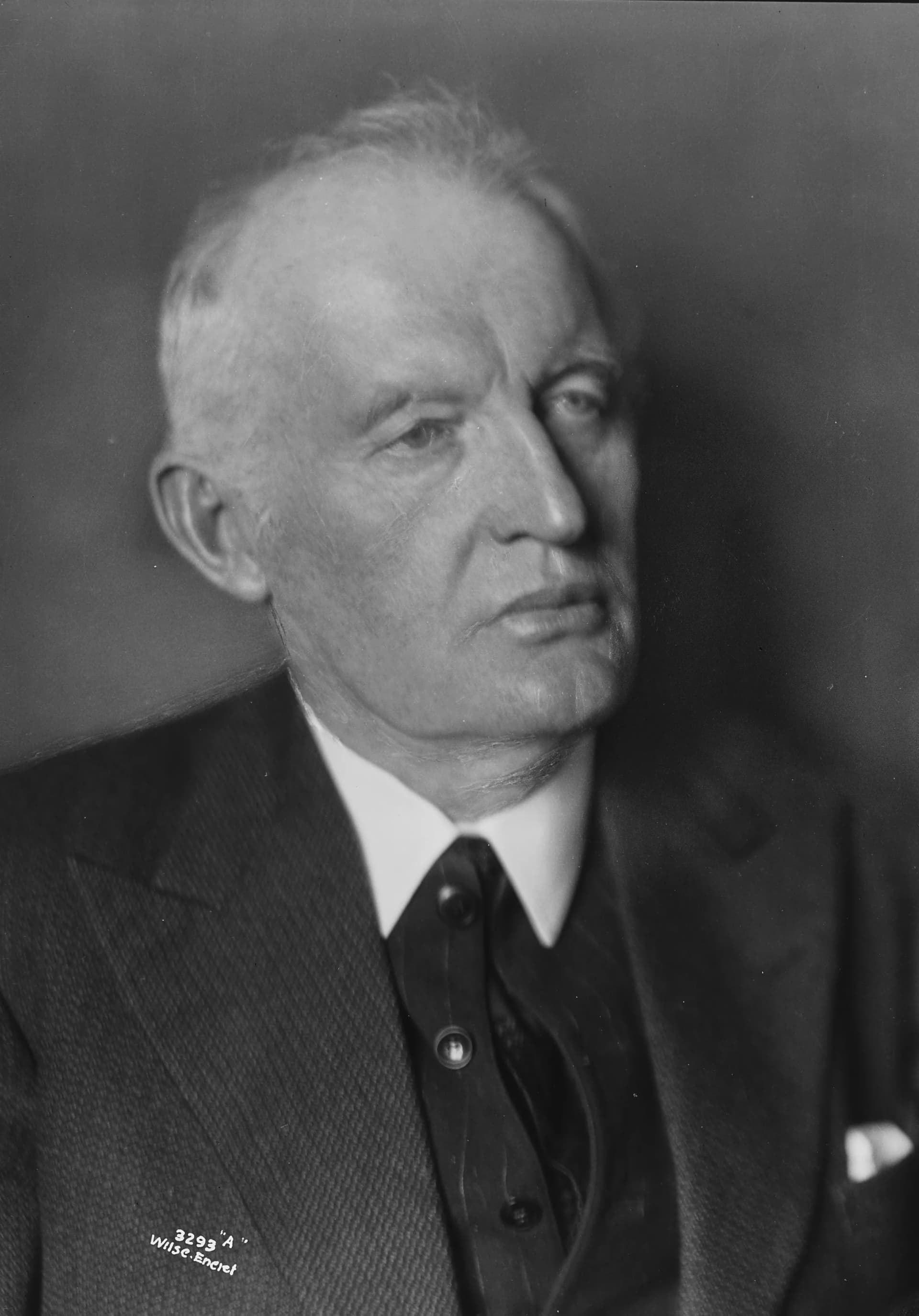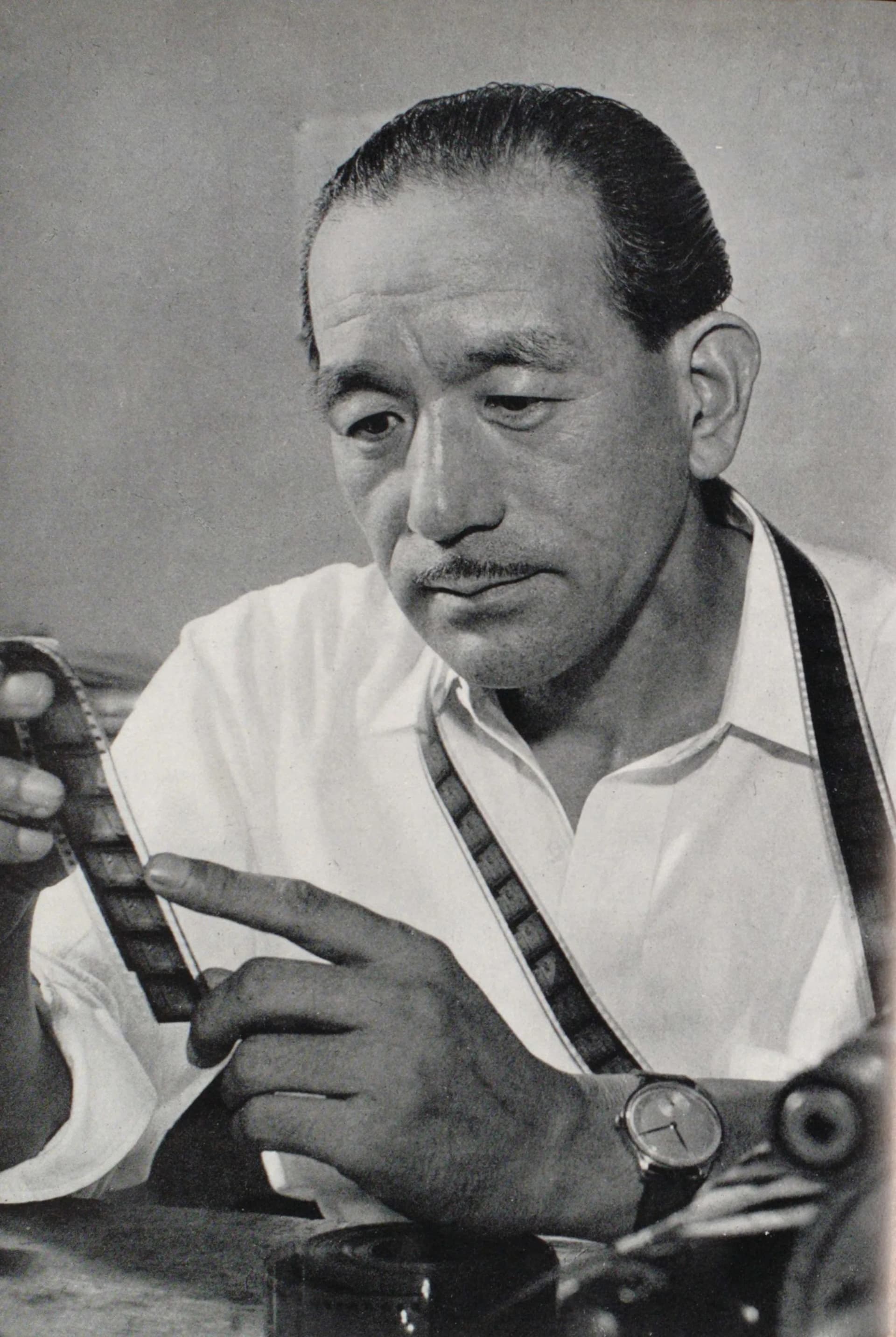
Rođen/a
December 12, 1903
Fukagawa-ku, Japan
Preminuo/la
December 12, 1963
Institute of Science Tokyo Hospital, Japan
Poznat/a po
Japanese film director, screenwriter
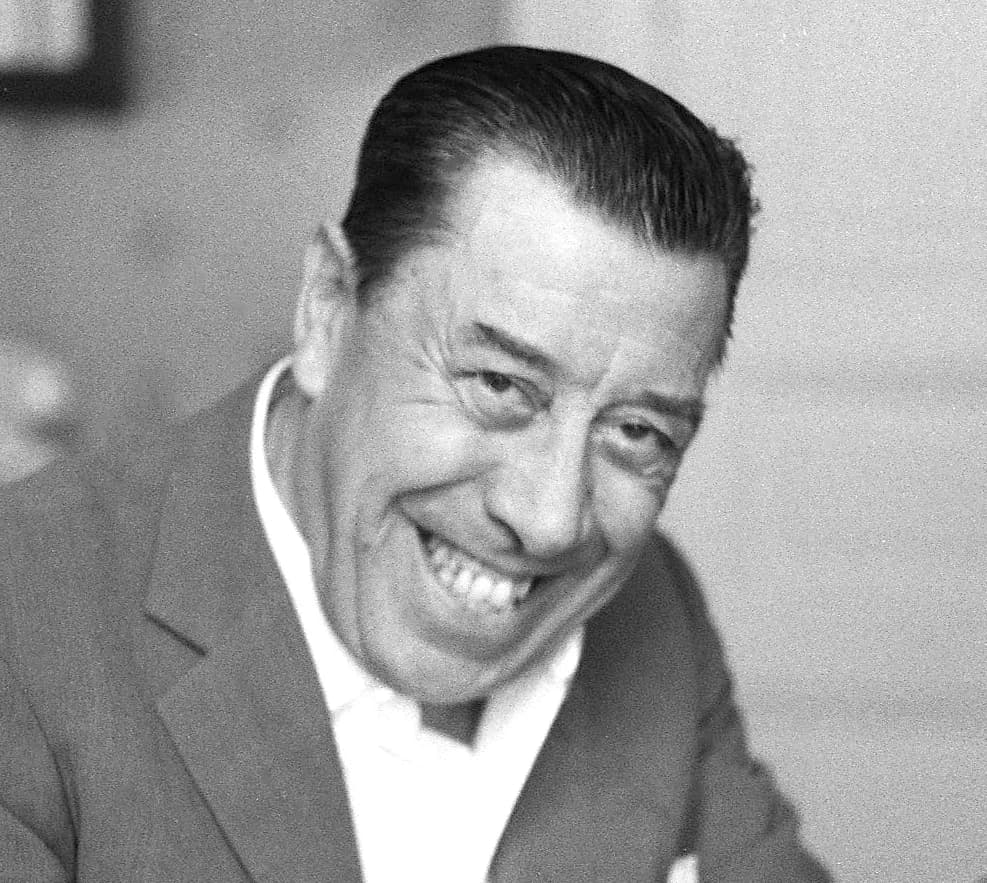
Yasujirō Ozu (1903–1963) was Japan best known for Japanese film director, screenwriter.
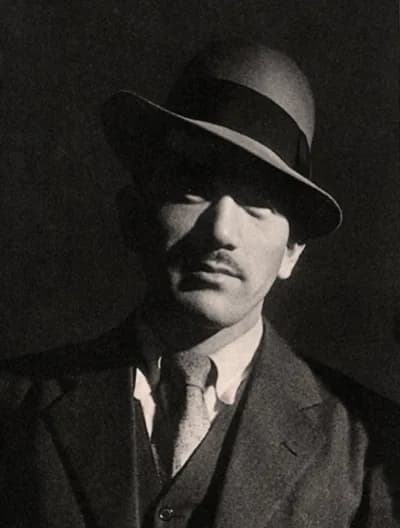
Yasujirō Ozu (December 12, 1903 – December 12, 1963) was a Japanese film director and screenwriter from Fukagawa-ku, Japan. He is celebrated for his deeply human films exploring family and intergenerational relationships, including "Tokyo Story." His distinctive style left a lasting impact on world cinema.
Život u trenucima
Trenuci koji su oblikovali život
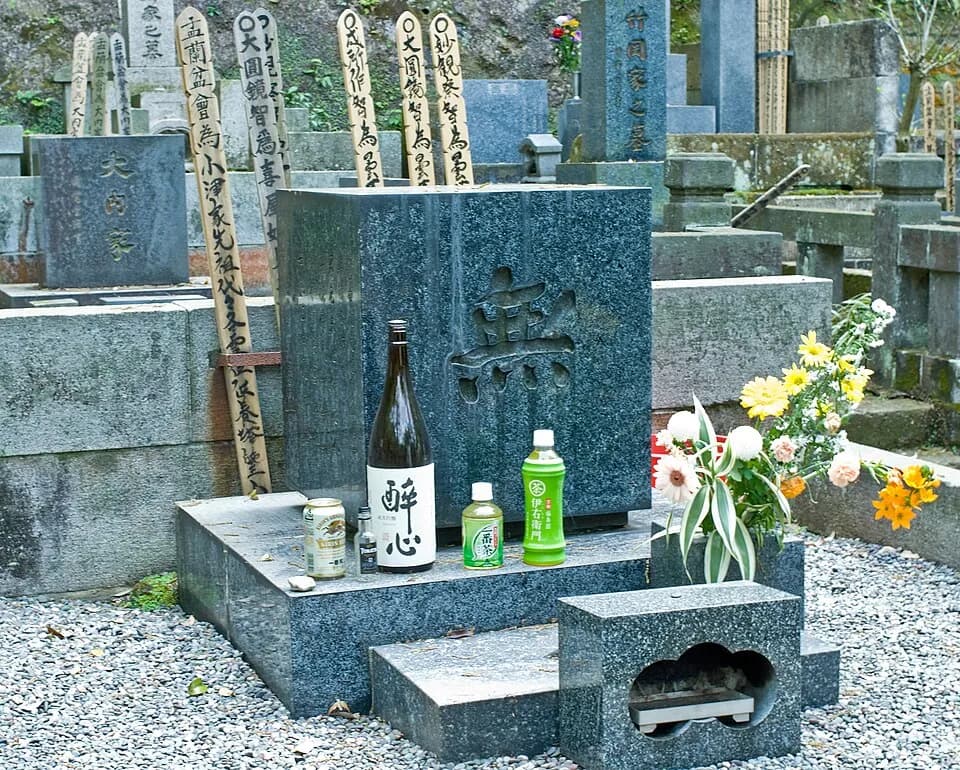
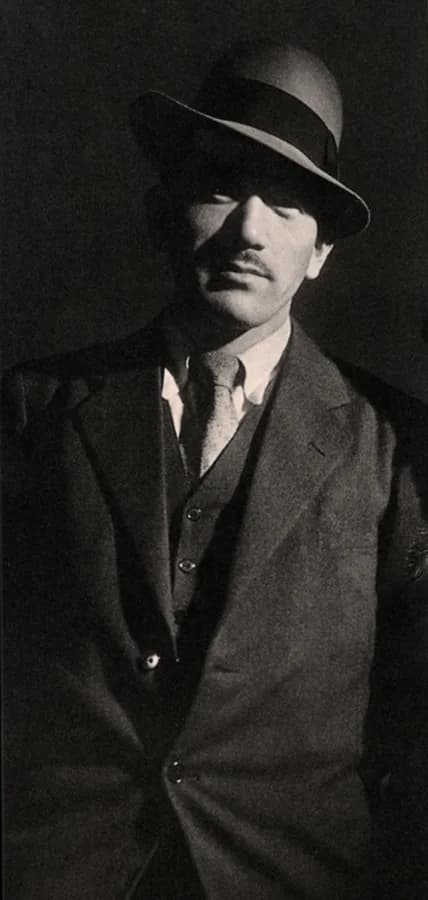
Poglavlje
Poglavlja života
Poglavlje 1 · 1903· Poglavlje 1 od 8
Remembering Yasujirō Ozu
Yasujirō Ozu (December 12, 1903 – December 12, 1963) was a revered Japanese film director and screenwriter. He left an enduring mark on cinema, crafting films that explored the intricacies of family life and generational relationships. His work continues to resonate with audiences globally, establishing him as one of the most significant figures in Japanese film history.
Poglavlje 2 · 1903· Poglavlje 2 od 8
Early Life and Origins
Born on December 12, 1903, in Fukagawa-ku, Japan, Yasujirō Ozu's early life laid the foundation for his distinct cinematic perspective. While specific details of his upbringing are not extensively provided in available records, his geographical origin firmly roots his identity within Japanese culture. This background became central to his artistic output, shaping his keen observations of everyday life.
Poglavlje 3· Poglavlje 3 od 8
Career Beginnings
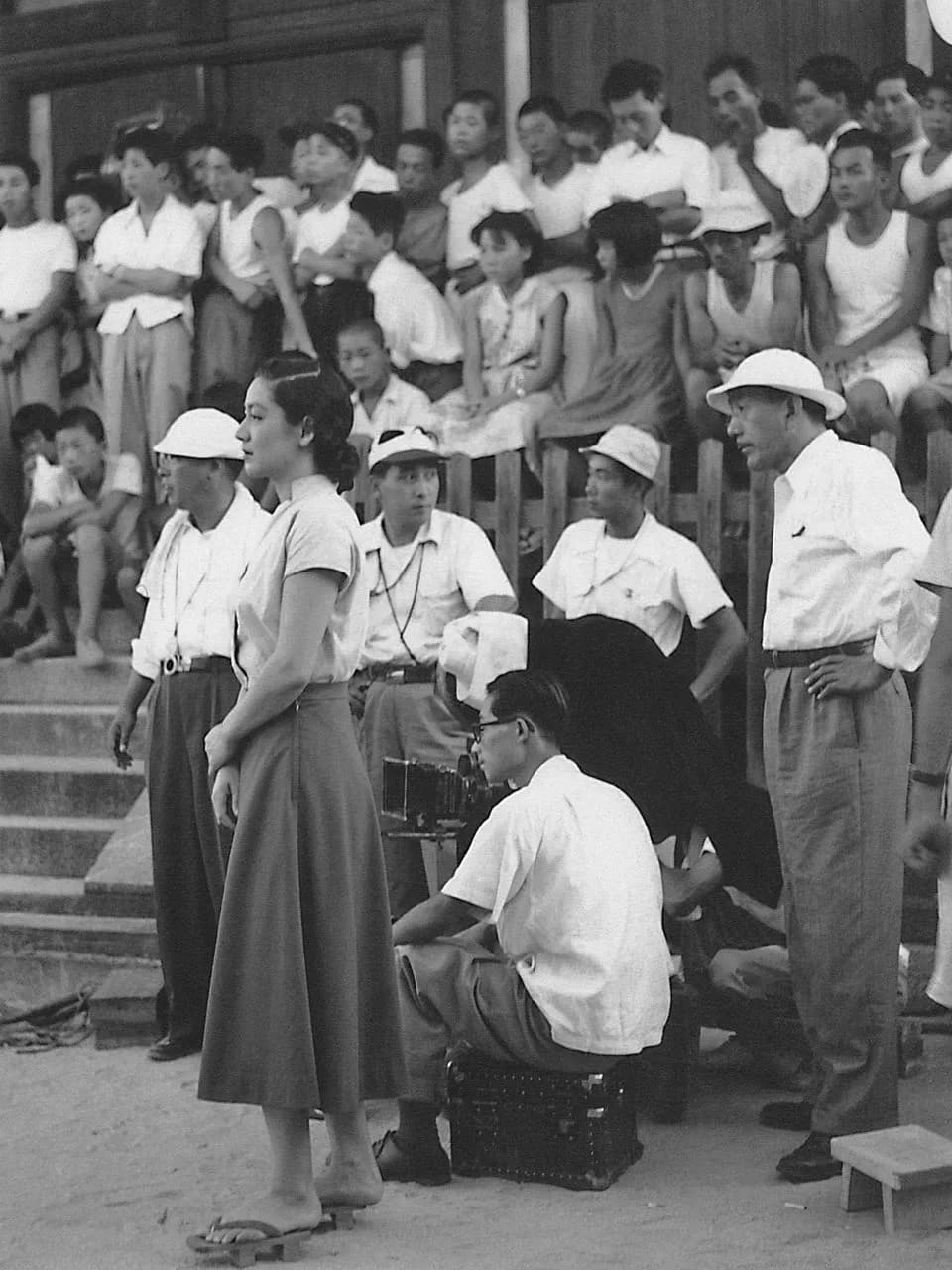
Yasujirō Ozu began his filmmaking career during the era of silent films, a dynamic period of experimentation in the nascent Japanese film industry. He initially directed a number of short comedies, showcasing an early aptitude for storytelling and visual composition. This foundational experience in silent cinema undoubtedly shaped his meticulous approach to framing and narrative, which became hallmarks of his later, more serious works.
Poglavlje 4· Poglavlje 4 od 8
Major Achievements and Career Highlights
By the 1930s, Ozu transitioned from comedies to more serious themes, particularly focusing on family and marriage. He masterfully explored the complex dynamics between generations, a motif that became his signature cinematic interest. His final films, made in colour in the early 1960s, demonstrated his adaptability and continued artistic evolution, maintaining his unique style across changing technological landscapes.
Poglavlje 5· Poglavlje 5 od 8
Personal Life
Details regarding Yasujirō Ozu's personal life, beyond his professional endeavors, are not extensively documented in available summaries. His profound focus on family dynamics within his films, however, suggests a deep personal interest or observation of these universal themes. He remained dedicated to his craft throughout his life, with his professional achievements forming the primary record of his existence.
Poglavlje 6 · 1949· Poglavlje 6 od 8
Notable Works or Contributions
Among Yasujirō Ozu's most widely beloved films are Late Spring (1949), a poignant exploration of a daughter's impending marriage and her father's evolving relationship. Tokyo Story (1953) is often cited as his masterpiece, depicting the generational divide and the challenges faced by elderly parents in modern society. His later work, such as An Autumn Afternoon (1962), continued to refine these themes, offering a reflective look at aging and the passage of time with his characteristic sensitivity.
Other significant works attributed to his bibliography or critical study include titles like 映画の傳統 (The Tradition of Cinema), Ozu Yasujirō's two post-war films, and Higanbana. His comprehensive output also encompassed works such as Shū, Toda-ke no kyōdai, Ozu Yasujirō's The only son, and Ozu Yasujirō kantoku to Noda. These titles underscore his consistent artistic vision and critical importance.
Poglavlje 7 · 1963· Poglavlje 7 od 8
Later Years
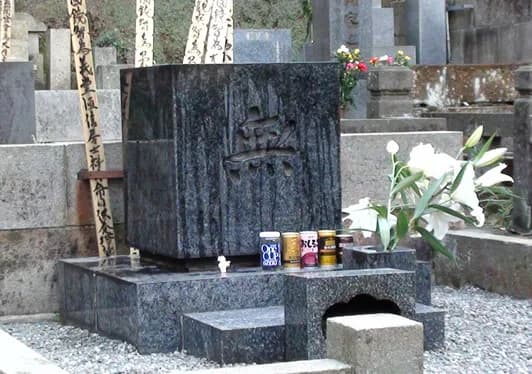
Yasujirō Ozu continued to direct films into the early 1960s, adapting to new technologies like color film while retaining his distinctive artistic voice. His career spanned from the silent era to color filmmaking, demonstrating remarkable longevity and artistic consistency in an ever-changing industry. He passed away on his 60th birthday, December 12, 1963, at the Institute of Science Tokyo Hospital in Japan.
Poglavlje 8· Poglavlje 8 od 8
Legacy and Impact
Yasujirō Ozu's cinematic legacy is defined by his distinctive style and profound thematic explorations of ordinary life. He is celebrated for his subtle storytelling, low camera angles, and deliberate pacing, which created a unique contemplative atmosphere. His influence extends globally, shaping generations of filmmakers who admire his nuanced character studies and universal themes of family, change, and the passage of time. His work remains a cornerstone of Japanese and world cinema, frequently appearing on 'greatest films' lists and continuing to be studied for its enduring human insight.
ČPP
Često postavljana
Kada je umro/la Yasujirō Ozu?
Yasujirō Ozu je umro/la 12. prosinca 1963. u Institute of Science Tokyo Hospital, Japan u dobi od 60 godina.
Gdje je rođen/a Yasujirō Ozu?
Yasujirō Ozu je rođen/a u Fukagawa-ku, Japan 12. prosinca 1903..
Po čemu je Yasujirō Ozu najpoznatiji/a?
Yasujirō Ozu je najpoznatiji/a po Japanese film director, screenwriter.
Koliko je godina imao/la Yasujirō Ozu u trenutku smrti?
Yasujirō Ozu je imao/la 60 godina u trenutku smrti.
Koje nacionalnosti je bio/la Yasujirō Ozu?
Yasujirō Ozu je bio/la iz Japan.
Vremenski slijed
Život u kratkim crtama
Galerija fotografija
Život u slikama
Kliknite bilo koji polaroid za povećanje · 25 fotografija
QR kod
Podijelite ovu biografiju
Ispis i dijeljenje
Skenirajte za posjet ovoj stranici biografije. Ispišite za događaje, izložbe ili obrazovne materijale.