Rođen/a
February 27, 1902
Salinas, United States
Preminuo/la
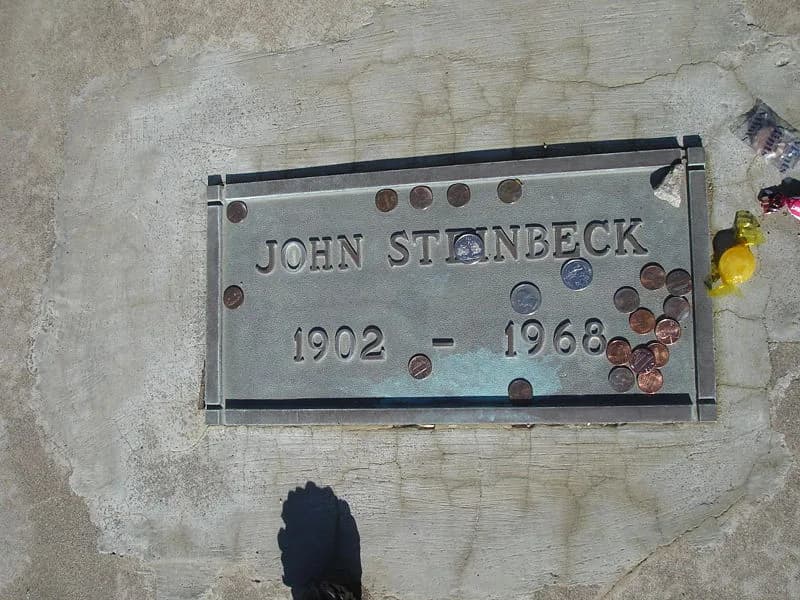
December 20, 1968
United States
Poznat/a po
American writer
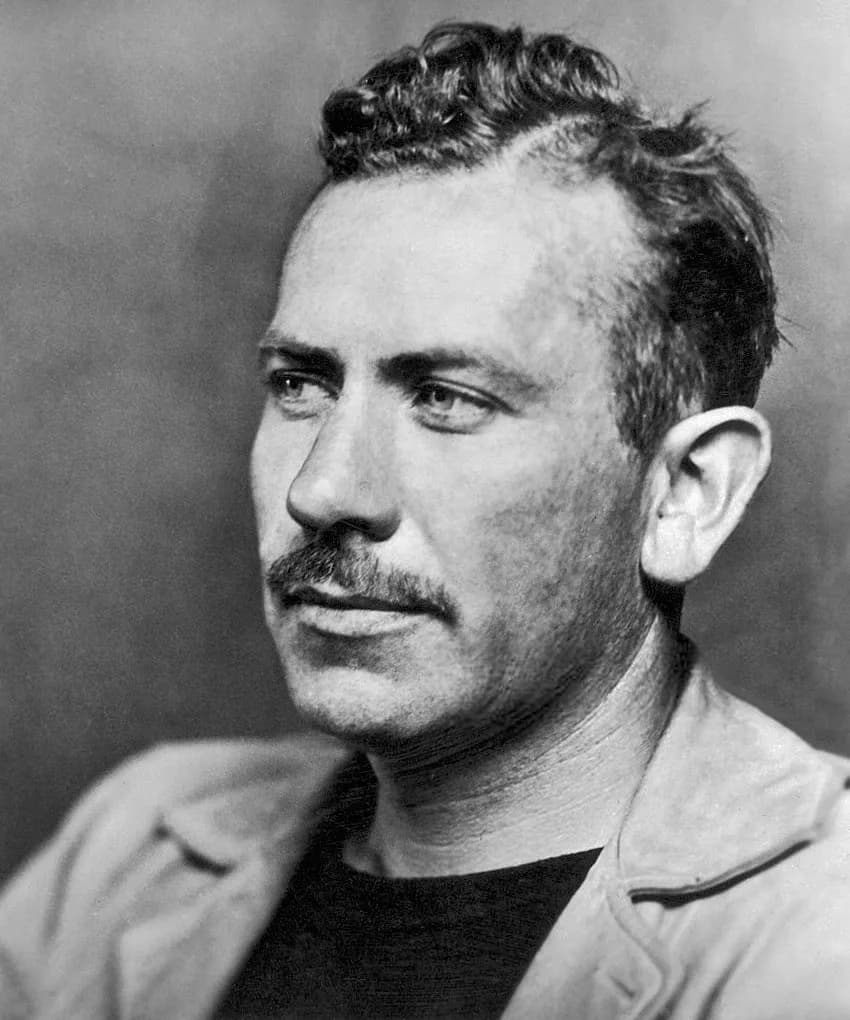
John Steinbeck (1902–1968) was United States best known for American writer.
John Steinbeck (February 27, 1902 – December 20, 1968) was an American writer and novelist from Salinas, United States. He won the 1962 Nobel Prize in Literature for his realistic and imaginative writings. His works showed keen social perception, establishing him as a giant of American letters.
Poglavlje
Poglavlja života
Poglavlje 1 · 1902· Poglavlje 1 od 6
Early Life and Origins
John Steinbeck began his life in Salinas, United States, where he was born on February 27, 1902. This Central California setting played a formative role in shaping his perspective and often appeared as a backdrop in his subsequent literary creations. The agricultural landscapes and the diverse population of his birth region provided rich material for his developing narrative voice.
His upbringing in Salinas allowed him direct exposure to the themes and social conditions that would later define much of his work. These early experiences nurtured an keen observational skill, a trait that would become a hallmark of his writing. The foundational years spent in Salinas were crucial to developing the unique blend of realism and empathy found throughout his novels and stories.
Poglavlje 2· Poglavlje 2 od 6
Career Beginnings
Steinbeck's professional journey was dedicated primarily to the craft of writing, with an early focus on establishing himself as a novelist. He dedicated himself to developing a distinctive literary style, one that would eventually resonate deeply with a broad international readership. This initial period of his career was essential for honing the narrative and character development skills for which he would later be lauded.
As he refined his approach, Steinbeck explored various themes, often centering on the lives of ordinary people and their struggles. His early works laid the groundwork for the compassionate yet unvarnished portrayal of society that would characterize his major achievements. This foundational era of his career cemented his commitment to realistic and imaginative storytelling.
Poglavlje 3 · 1962· Poglavlje 3 od 6
Major Achievements and Career Highlights
A crowning moment in John Steinbeck's distinguished career arrived in 1962 when he was awarded the Nobel Prize in Literature. This significant international honor acknowledged his powerful and empathetic contributions to global storytelling. The Nobel Committee specifically praised him "for his realistic and imaginative writings, combining as they do sympathetic humor and keen social perception."
Beyond his celebrated fiction, Steinbeck also contributed significantly to journalism as a war correspondent. He reported from critical global events during World War II, bringing firsthand accounts of the conflict to the public. Later in his life, he continued this vital work, serving as a war correspondent during the Vietnam War, demonstrating a consistent dedication to chronicling history through direct observation and reporting.
Poglavlje 4· Poglavlje 4 od 6
Notable Works or Contributions
John Steinbeck's extensive bibliography includes many works that explored enduring themes of social justice, the inherent dignity of the working class, and the resilience of the human spirit. Among his prominent literary titles are "In dubious battle," a compelling narrative that delves into labor struggles, and "The long valley," a collection of short stories showcasing his profound understanding of human nature. These works exemplify his narrative artistry and his commitment to portraying complex social realities.
His influence reached diverse audiences, as seen through his inclusion in "Reader's Digest best loved books for young readers--Volume Thirteen" and "Prentice Hall Literature -- Platinum." These collections demonstrate the wide appreciation for his stories across various educational and popular platforms. His narratives were accessible and relevant to both young readers and academic audiences, underscoring their universal appeal.
The global impact of his writing is further evidenced by the numerous international editions and translations of his works, such as "From Their blood is strong," "Their blood is strong," "Mer hogseri dzmeṛě," "Mutiara," and "月落烏啼霜滿天," alongside "Simṭat ha-shimurim." These titles reflect how his stories transcended cultural and linguistic barriers, resonating with readers worldwide. His ability to capture the human condition ensured his stories found homes in many different languages and societies.
Poglavlje 5· Poglavlje 5 od 6
Later Years
In his later life, John Steinbeck maintained an active engagement with the world around him, notably through his continued work as a journalist and war correspondent. His reporting from the front lines during both World War II and the Vietnam War showcased a consistent dedication to documenting history as it unfolded. This later period of his career saw him applying his keen observational skills to non-fiction, providing valuable insights into contemporary events.
He continued to write and reflect on society's complexities up until his passing on December 20, 1968. His final years were marked by a sustained commitment to his craft and to understanding the human experience in its many forms. Steinbeck's enduring intellectual curiosity and his dedication to storytelling remained central to his life's purpose.
Poglavlje 6· Poglavlje 6 od 6
Legacy and Impact
John Steinbeck's legacy endures as that of a "giant of American letters," a designation that speaks to his lasting influence on literature and culture. His realistic and imaginative writings, which were specifically praised by the Nobel committee, continue to offer keen social perception and sympathetic humor to generations of readers. His distinct voice and storytelling prowess firmly established his place in the literary pantheon.
As one of the most widely read authors of the 20th century, his works remain a vital part of the literary canon, shaping understandings of American history, society, and the human spirit. Steinbeck had a unique ability to give voice to the experiences and aspirations of ordinary people, often those on the margins of society. This perspective allowed his stories to resonate deeply with readers from all walks of life.
His narratives continue to be studied, discussed, and adapted, cementing his role as a foundational figure in American literature. The truths embedded in his stories, characterized by their blend of compassion and realism, ensure that John Steinbeck's work remains relevant and powerful today. He continues to invite readers to confront societal issues while fostering a deeper understanding of humanity's shared experiences.
Život u trenucima
Trenuci koji su oblikovali život
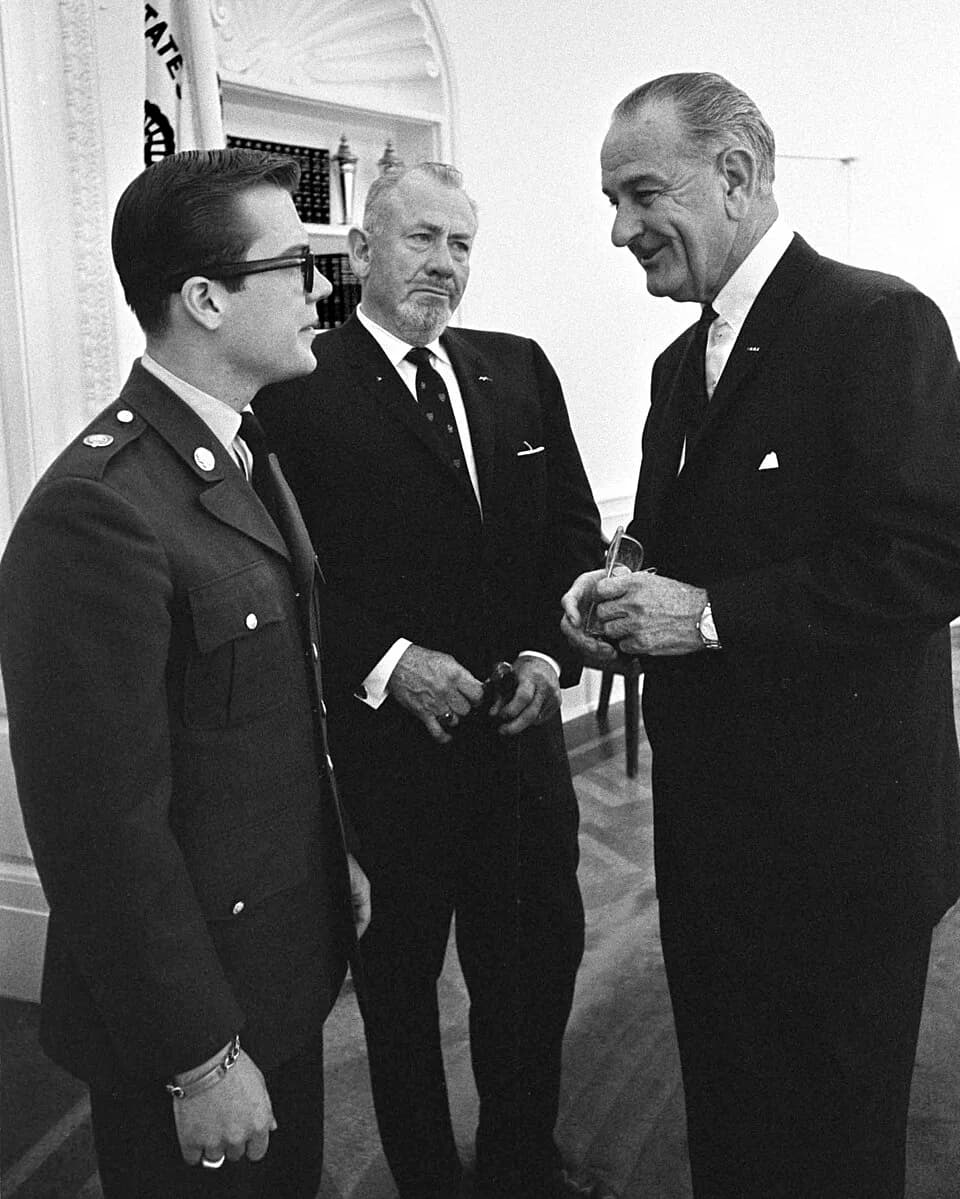

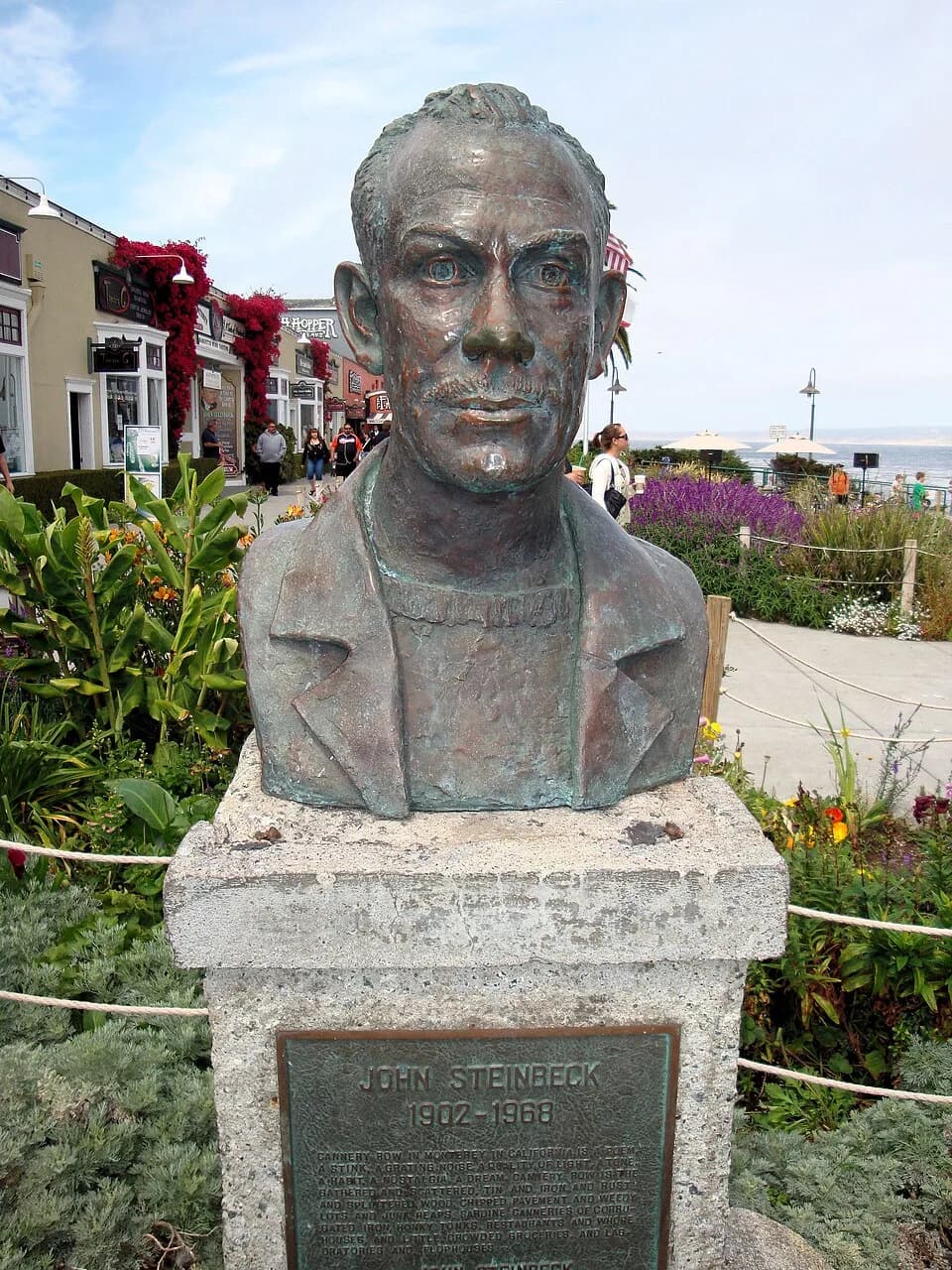
ČPP
Često postavljana
Kada je umro/la John Steinbeck?
John Steinbeck je umro/la 20. prosinca 1968. u United States u dobi od 66 godina.
Gdje je rođen/a John Steinbeck?
John Steinbeck je rođen/a u Salinas, United States 27. veljače 1902..
Po čemu je John Steinbeck najpoznatiji/a?
John Steinbeck je najpoznatiji/a po American writer.
Koliko je godina imao/la John Steinbeck u trenutku smrti?
John Steinbeck je imao/la 66 godina u trenutku smrti.
Koje nacionalnosti je bio/la John Steinbeck?
John Steinbeck je bio/la iz United States.
Vremenski slijed
Život u kratkim crtama
Galerija fotografija
Život u slikama
Kliknite bilo koji polaroid za povećanje · 24 fotografija
QR kod
Podijelite ovu biografiju
Ispis i dijeljenje
Skenirajte za posjet ovoj stranici biografije. Ispišite za događaje, izložbe ili obrazovne materijale.