Rođen/a
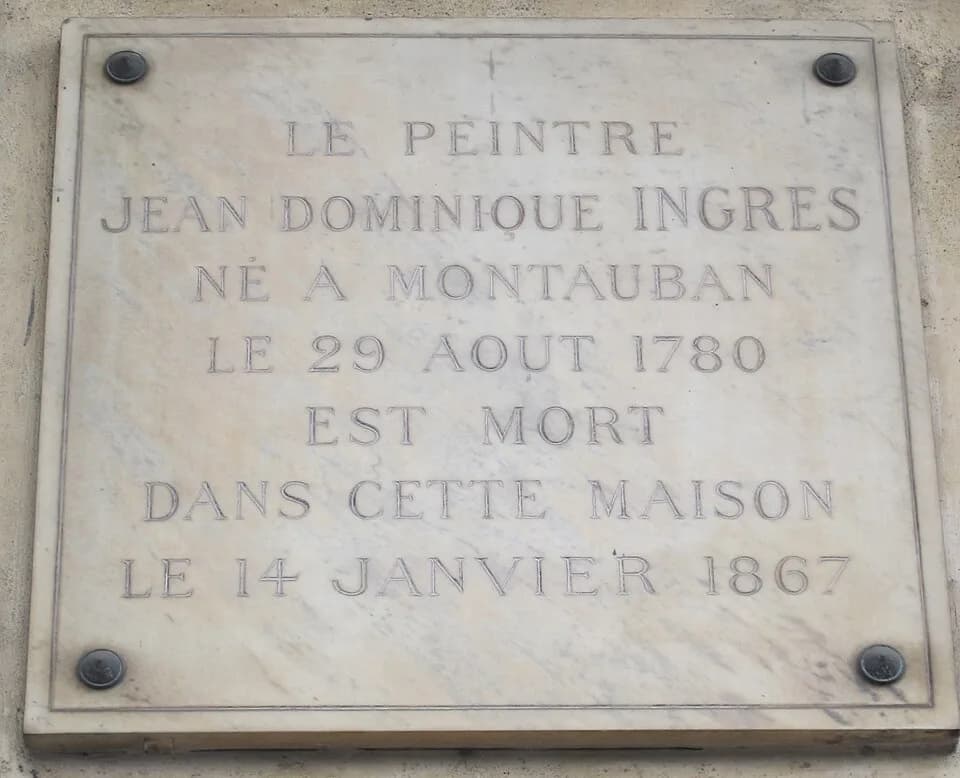
August 29, 1780
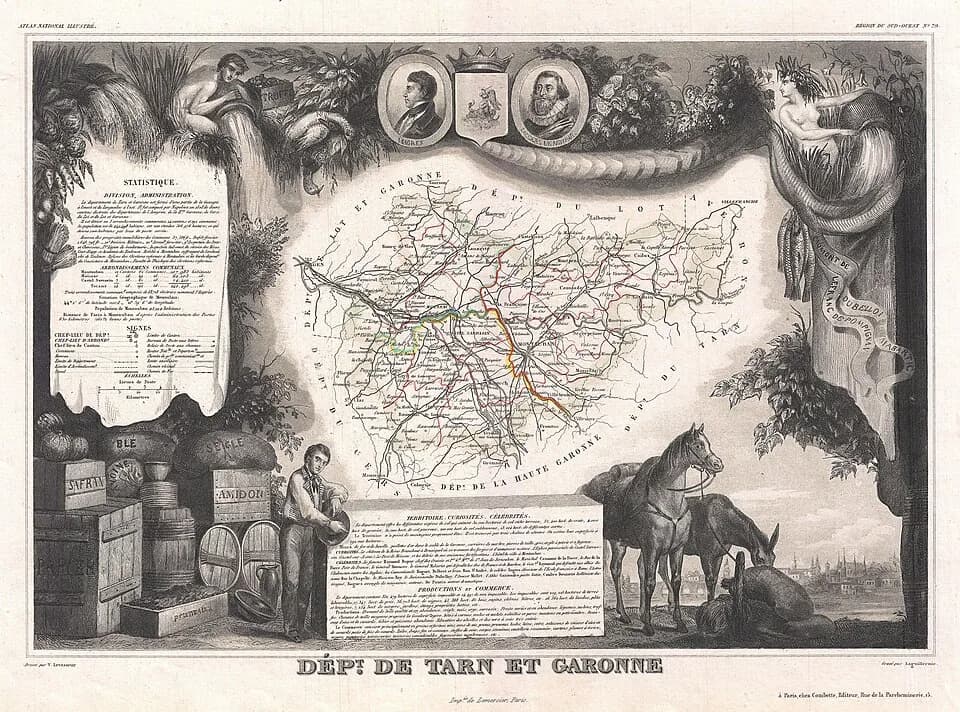
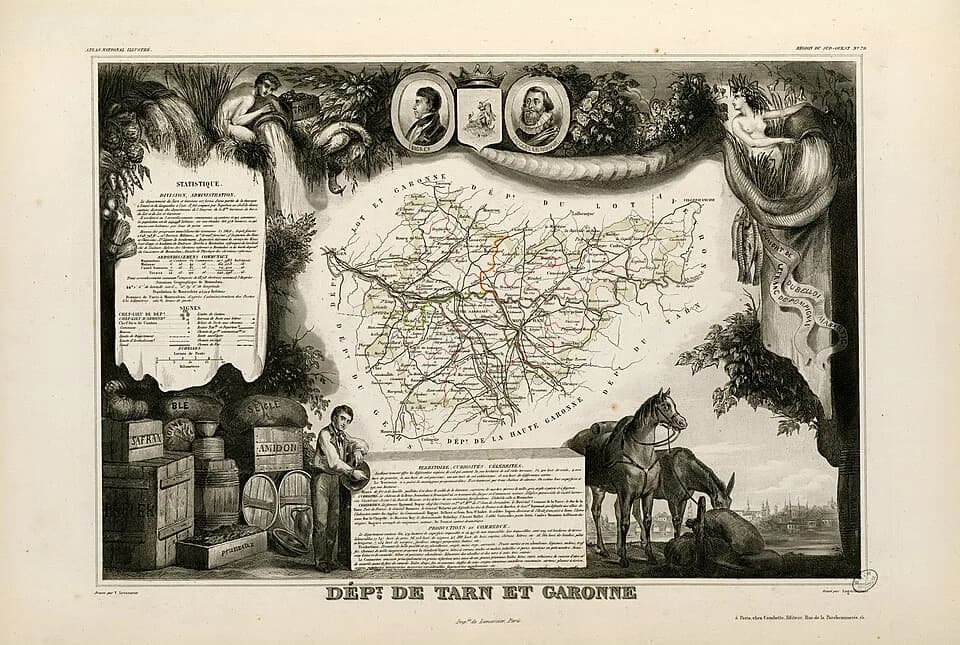
Montauban, France
Preminuo/la
January 14, 1867
Paris, France
Poznat/a po
French painter
Jean-Auguste-Dominique Ingres (1780–1867) was France best known for French painter.
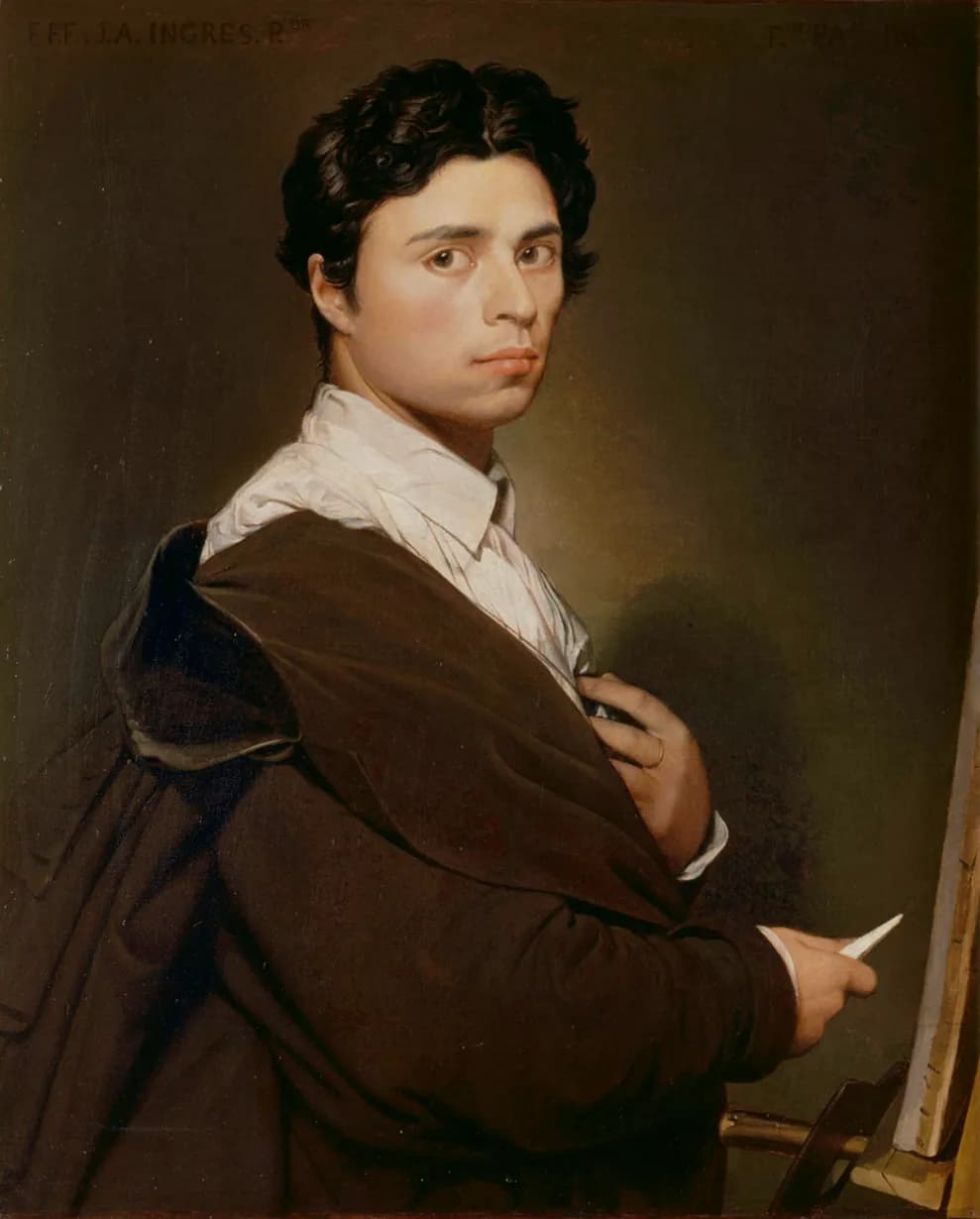
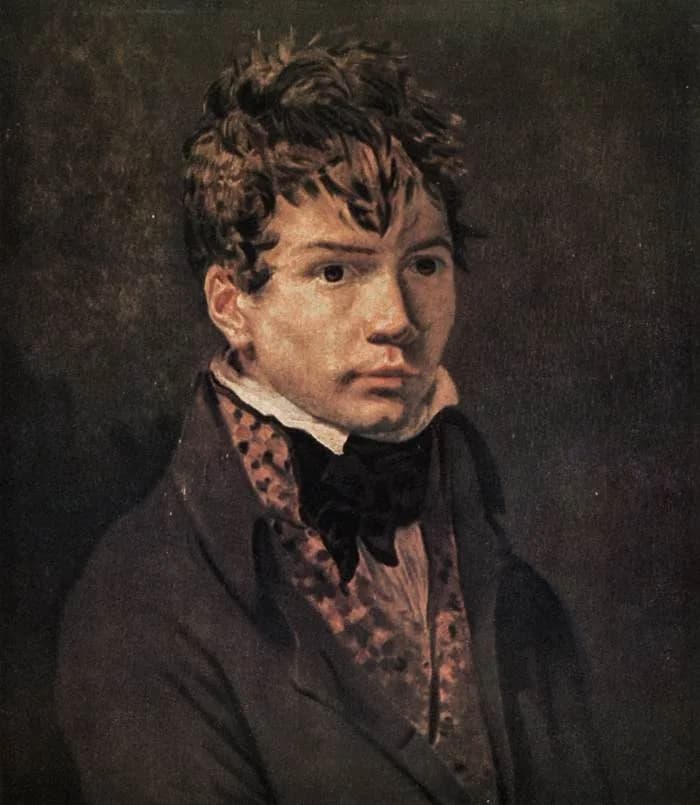
Jean-Auguste-Dominique Ingres (August 29, 1780 – January 14, 1867) was a French Neoclassical painter from Montauban. He was known for his dedication to academic orthodoxy, and his portraits are considered his greatest legacy. His expressive forms influenced modern artists like Henri Matisse and Pablo Picasso.
Poglavlje
Poglavlja života
Poglavlje 1 · 1780· Poglavlje 1 od 7
Early Life and Origins
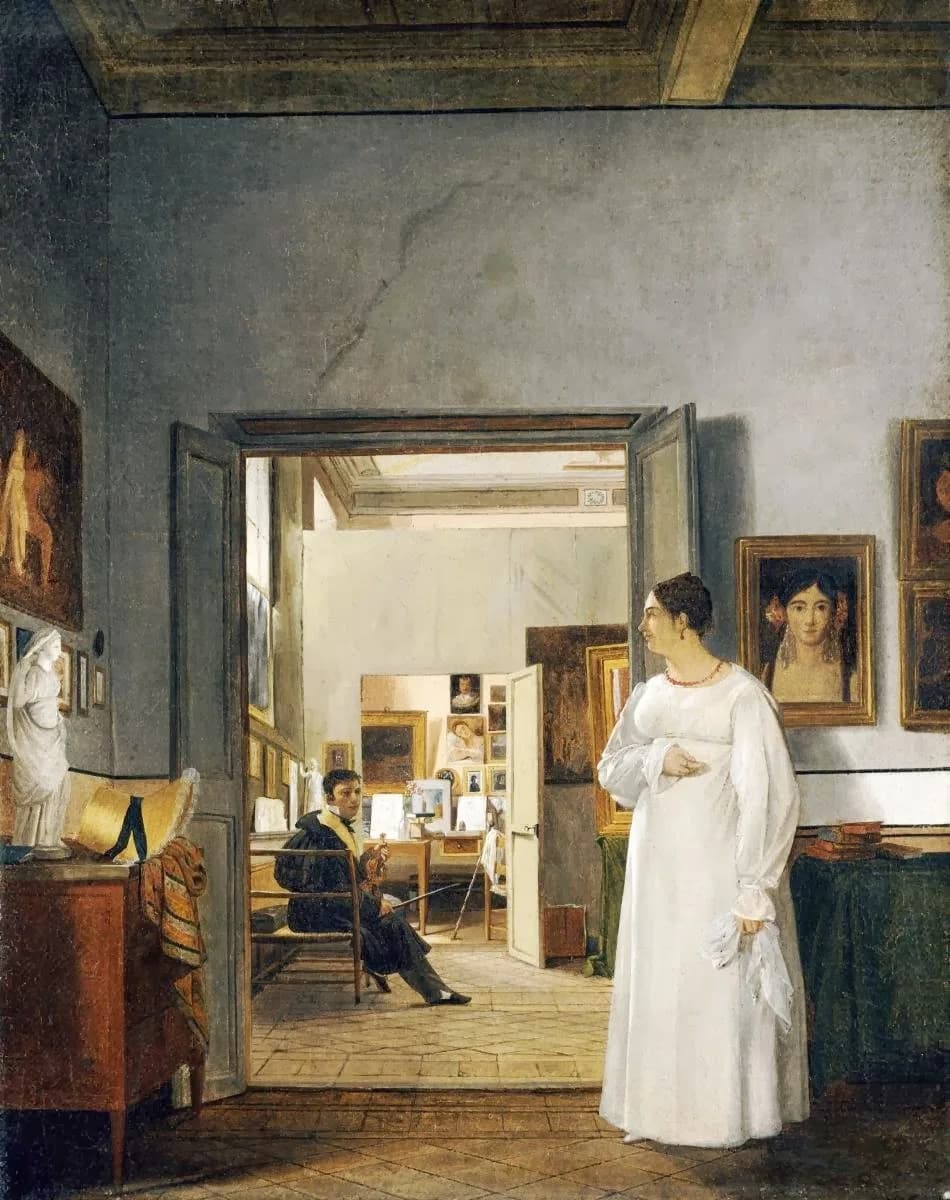
Jean-Auguste-Dominique Ingres was born on August 29, 1780, in the city of Montauban, France. His early exposure to the arts likely set the stage for his expansive creative pursuits, including an interest in architecture and music. He later became known for his proficiency as a violinist and architectural draftsperson, skills that complemented his primary vocation as a visual artist.
Poglavlje 2· Poglavlje 2 od 7
Career Beginnings
Ingres began his artistic journey with a deep reverence for the artistic traditions of the past, seeking to become a guardian of academic orthodoxy. He considered himself primarily a painter of history, following in the grand tradition of masters such as Nicolas Poussin and Jacques-Louis David. This ambition positioned him in contrast to the rising Romantic style that began to gain prominence during his career.
Poglavlje 3· Poglavlje 3 od 7
Major Achievements and Career Highlights
Despite his ambition to be a history painter, Jean-Auguste-Dominique Ingres's most celebrated achievements lie in his portraits, both painted and drawn. These works are widely recognized as his greatest legacy, capturing the essence and individuality of his subjects with meticulous detail. Ingres's commitment to Neoclassical principles ensured his place as a leading figure in French art during the 19th century.
His distinctive approach to form and space, often characterized by expressive distortions, marked him as an important precursor to modern art movements. This innovative element of his style would later influence prominent modernists such as Henri Matisse and Pablo Picasso. Ingres’s work exemplified a dedication to draftsmanship and classical ideals throughout his long and productive career.
Poglavlje 4· Poglavlje 4 od 7
Personal Life
While Jean-Auguste-Dominique Ingres was a prolific artist, specific details regarding his personal life, family, and relationships are not extensively documented within the provided information. His artistic output, however, speaks volumes about his focus and dedication to his craft, embodying a singular pursuit of his artistic vision. He lived in a period of significant cultural and political change, yet his art remained steadfastly rooted in the classical tradition.
Poglavlje 5 · 1775· Poglavlje 5 od 7
Notable Works and Contributions
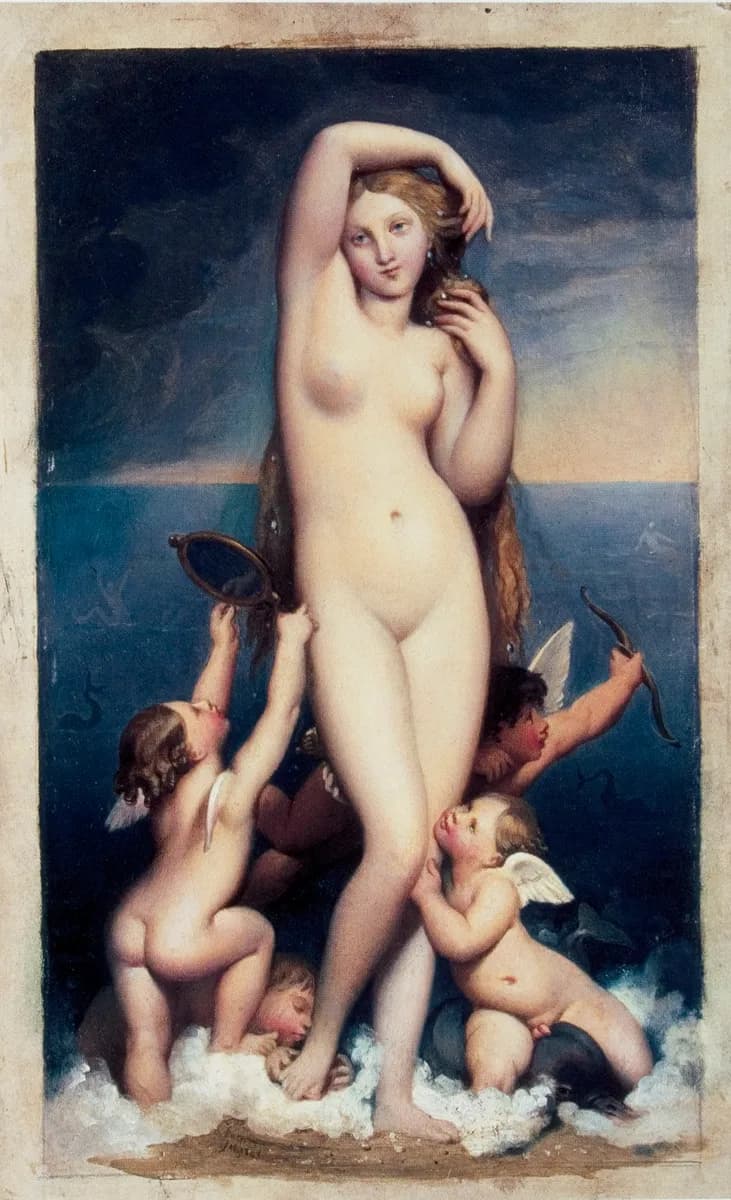
Jean-Auguste-Dominique Ingres created a wealth of significant artworks throughout his career, many of which are now held in prestigious collections. Among his notable portraits at the Metropolitan Museum of Art are Joseph-Antoine Moltedo (born 1775) (ca. 1810), Madame Jacques-Louis Leblanc (Françoise Poncelle, 1788–1839) (1823), and the striking Joséphine-Éléonore-Marie-Pauline de Galard de Brassac de Béarn (1825–1860), Princesse de Broglie (1851–53). Another masterpiece, Madame Félix Gallois (1852), also resides in this collection, alongside the evocative Odalisque in Grisaille (ca. 1824–34).
The Art Institute of Chicago also houses a remarkable selection of his works, showcasing his range and skill. These include the portraits Amédée-David, the Comte de Pastoret (1823–26) and Charles François Mallet, Civil Engineer (1809), along with the iconic Charles X in his Coronation Robes (c. 1828). Other notable pieces at the AIC are View of Saint Peter's in Rome (n.d.), the portrait of composer Charles Gounod (1841), and Madame Charles Gounod (1859).
Ingres’s talent for detailed studies and preparatory drawings is evident in works such as Study (c. 1842) and Sheet of Studies with the Head of the Fornarina and Hands of Madame de Senonnes (1814/16) at the AIC. These diverse artworks highlight his consistent command of form, line, and composition, whether in grand historical paintings or intimate portraits. His early portrait of Jean-Louis Robin (c. 1810) further demonstrates his skill from the beginning of his career.
Poglavlje 6 · 1867· Poglavlje 6 od 7
Later Years
Jean-Auguste-Dominique Ingres continued his artistic work and influence through his later years, remaining a figurehead for Neoclassical principles. He maintained his residence and studio in Paris, France, where he consistently produced work that reflected his unwavering commitment to academic ideals. His death on January 14, 1867, in Paris marked the end of a long and impactful career.
Poglavlje 7· Poglavlje 7 od 7
Legacy and Impact
Jean-Auguste-Dominique Ingres's legacy extends far beyond his lifetime, solidifying his position as a central figure in 19th-century French art. His dedication to academic orthodoxy helped preserve traditional artistic values against the tide of Romanticism. Though he aspired to be a history painter, his portraits ultimately became his most recognized and celebrated contribution, admired for their exquisite detail and psychological depth.
Crucially, Ingres's distinctive use of expressive distortions of form and space proved to be a significant influence on future generations of artists. His innovative approach can be seen as a direct precursor to modern art, inspiring figures such as Henri Matisse and Pablo Picasso. Through his powerful portraits and steadfast artistic vision, Ingres continues to shape our understanding of artistic tradition and modernity.
Život u trenucima
Trenuci koji su oblikovali život
ČPP
Često postavljana
Kada je umro/la Jean-Auguste-Dominique Ingres?
Jean-Auguste-Dominique Ingres je umro/la 14. siječnja 1867. u Paris, France u dobi od 86 godina.
Gdje je rođen/a Jean-Auguste-Dominique Ingres?
Jean-Auguste-Dominique Ingres je rođen/a u Montauban, France 29. kolovoza 1780..
Po čemu je Jean-Auguste-Dominique Ingres najpoznatiji/a?
Jean-Auguste-Dominique Ingres je najpoznatiji/a po French painter.
Koliko je godina imao/la Jean-Auguste-Dominique Ingres u trenutku smrti?
Jean-Auguste-Dominique Ingres je imao/la 86 godina u trenutku smrti.
Koje nacionalnosti je bio/la Jean-Auguste-Dominique Ingres?
Jean-Auguste-Dominique Ingres je bio/la iz France.
Vremenski slijed
Život u kratkim crtama
Galerija fotografija
Život u slikama
Kliknite bilo koji polaroid za povećanje · 50 fotografija
QR kod
Podijelite ovu biografiju
Ispis i dijeljenje
Skenirajte za posjet ovoj stranici biografije. Ispišite za događaje, izložbe ili obrazovne materijale.