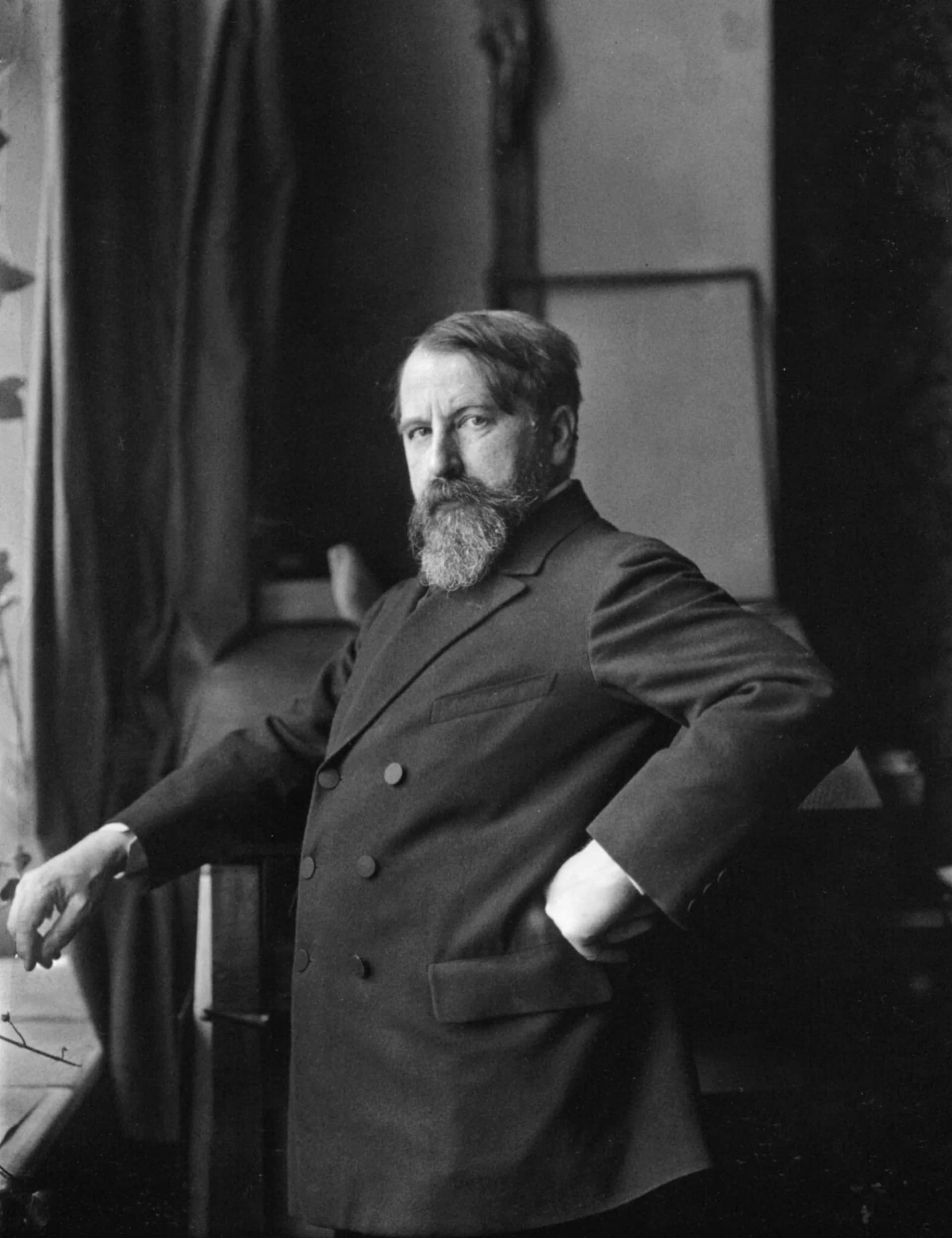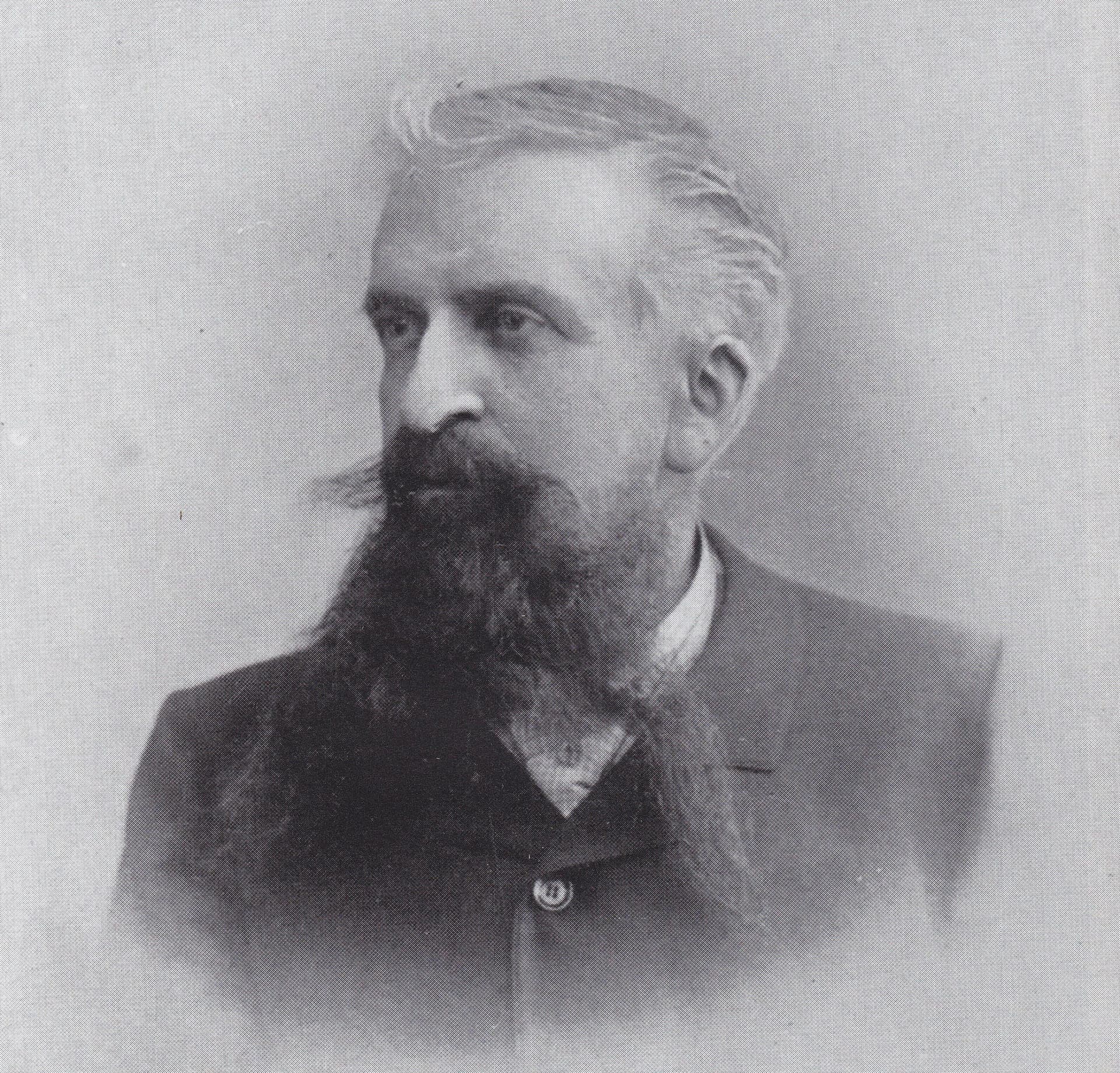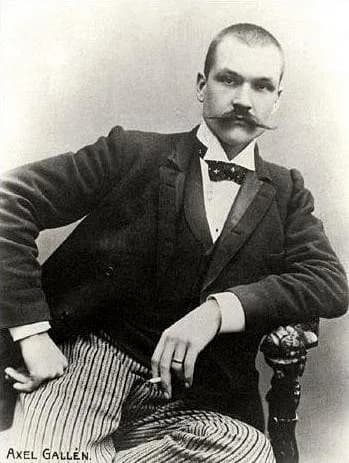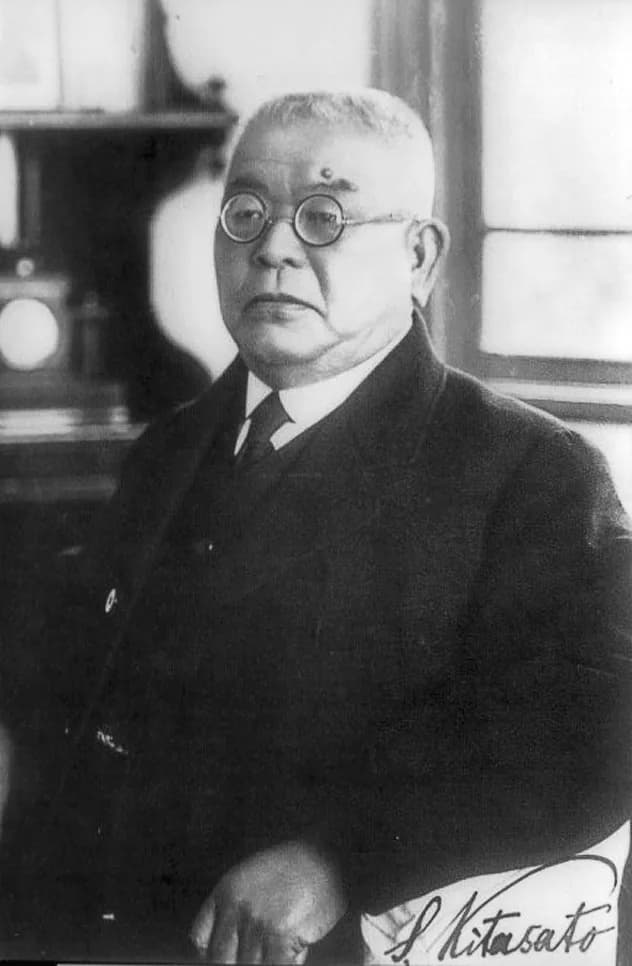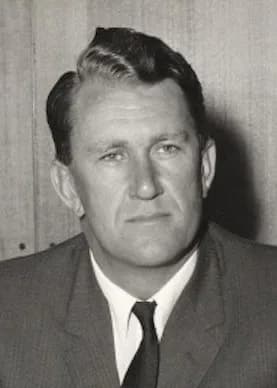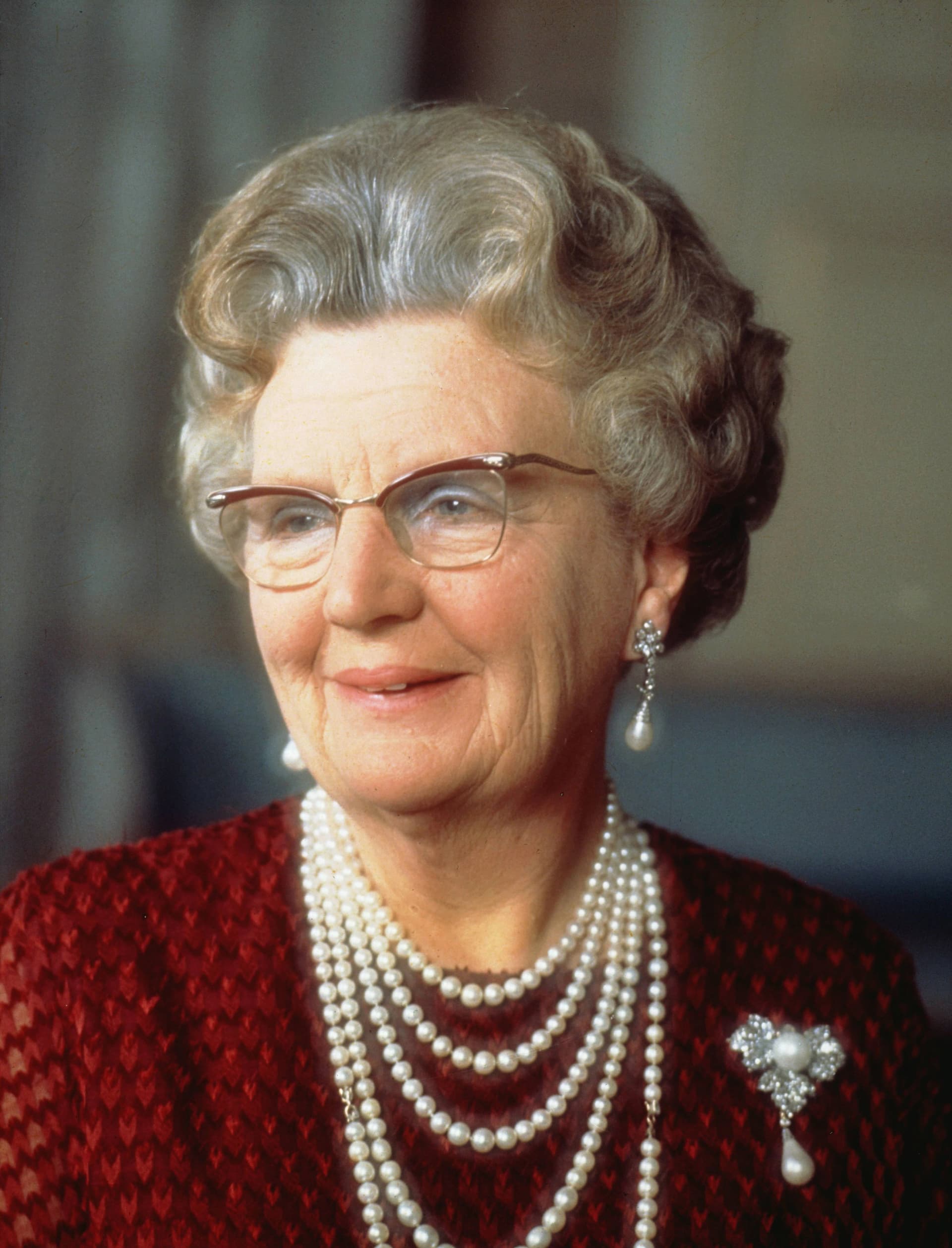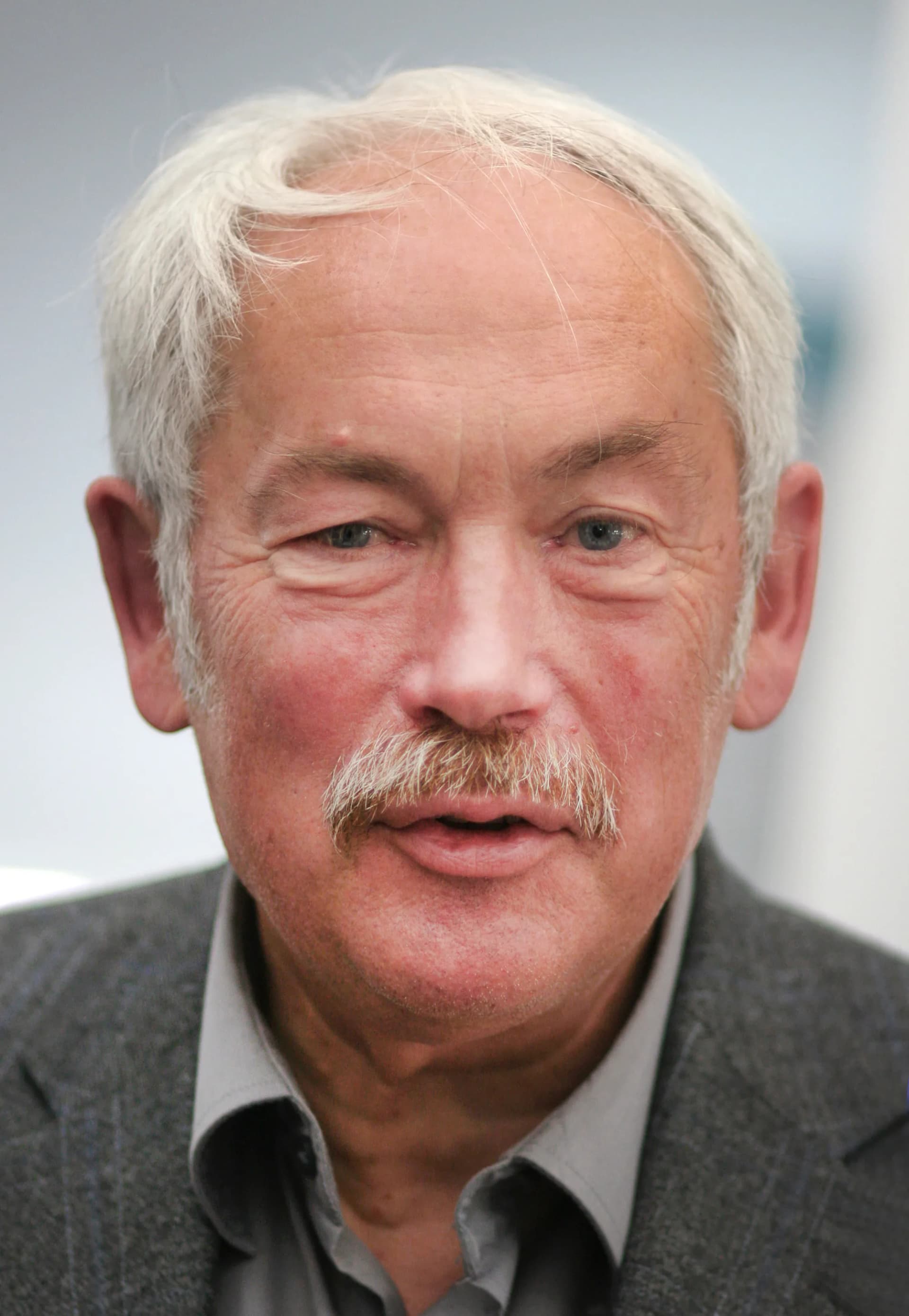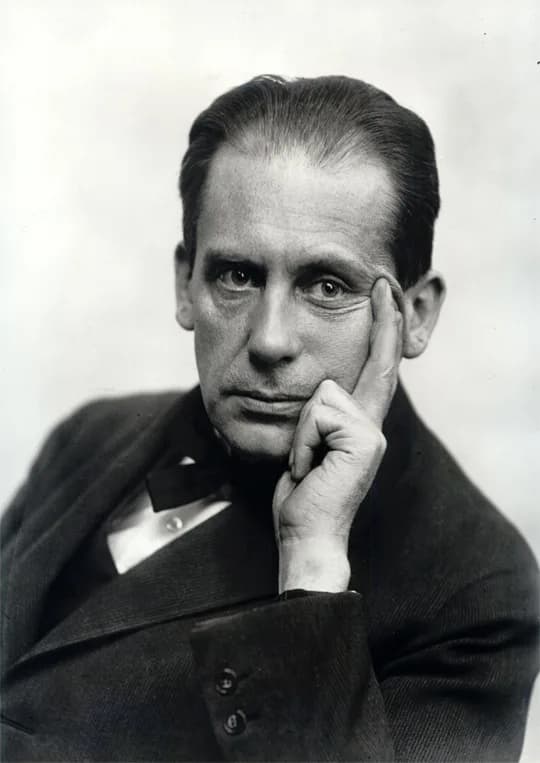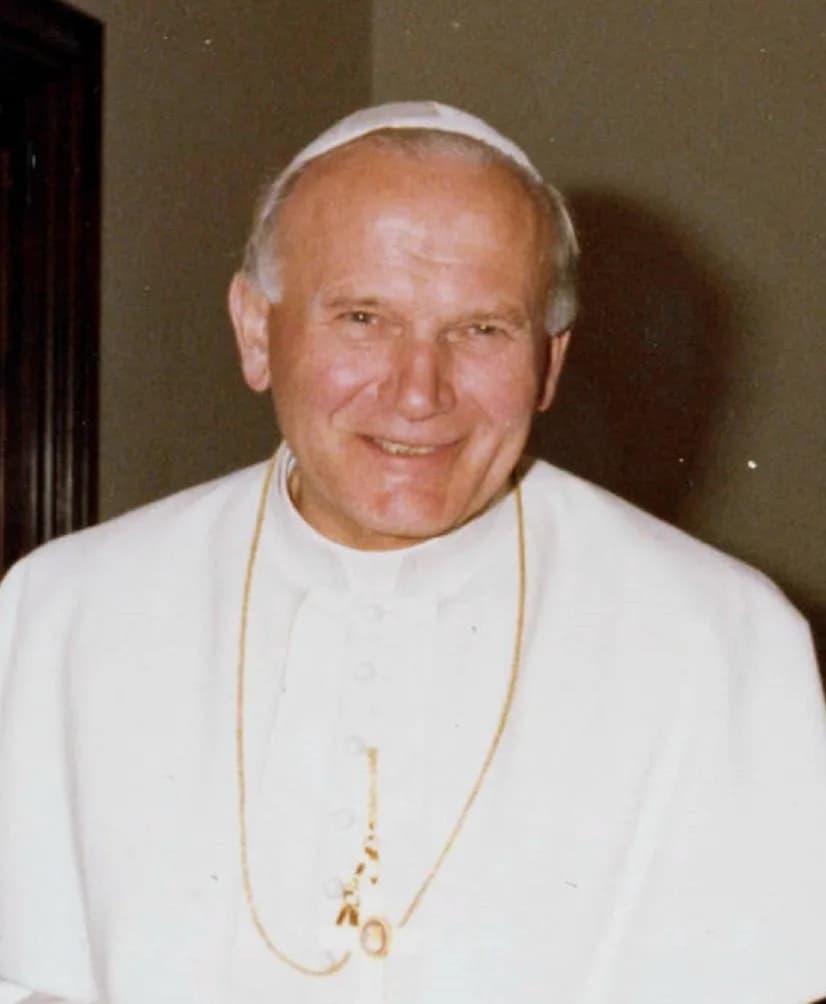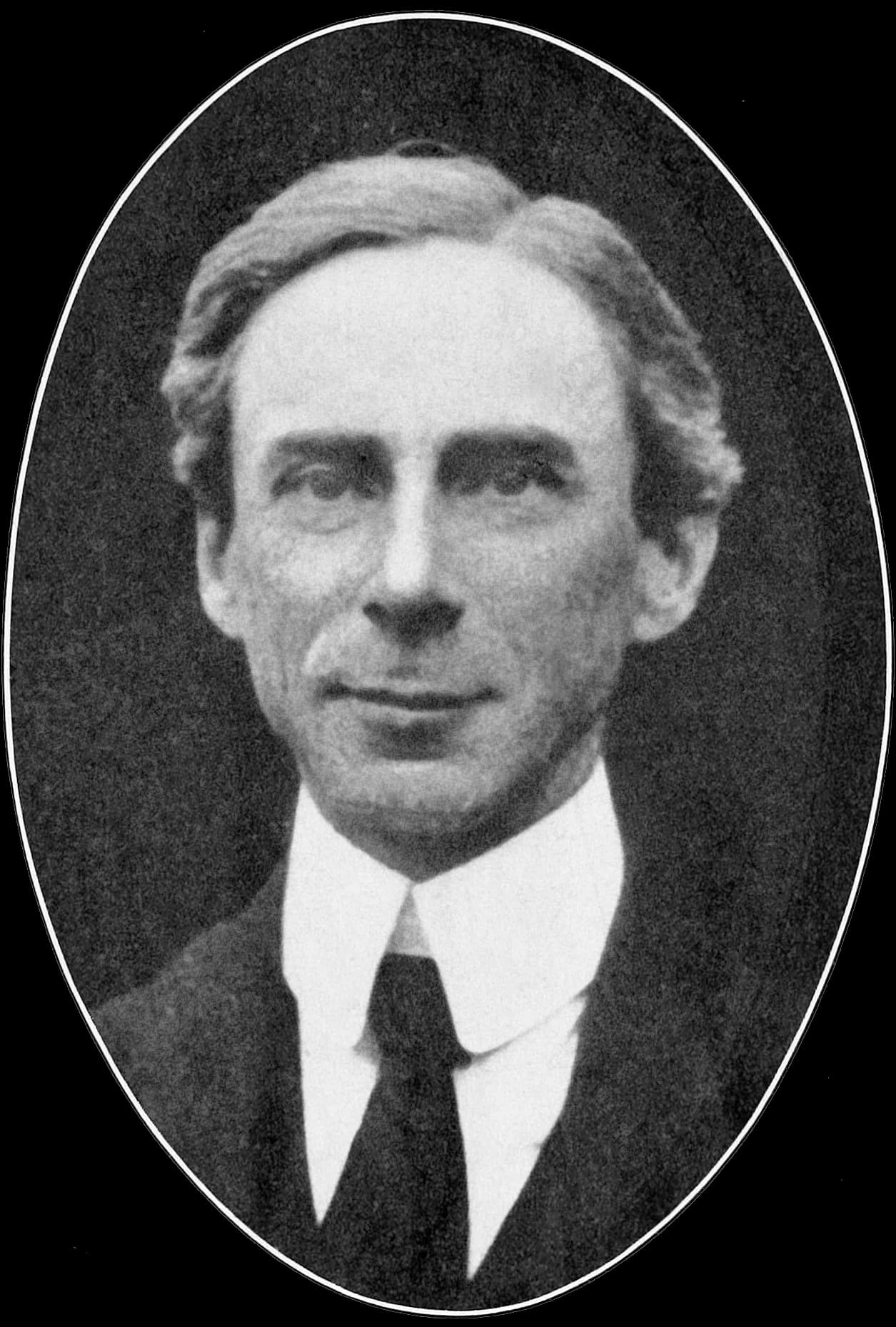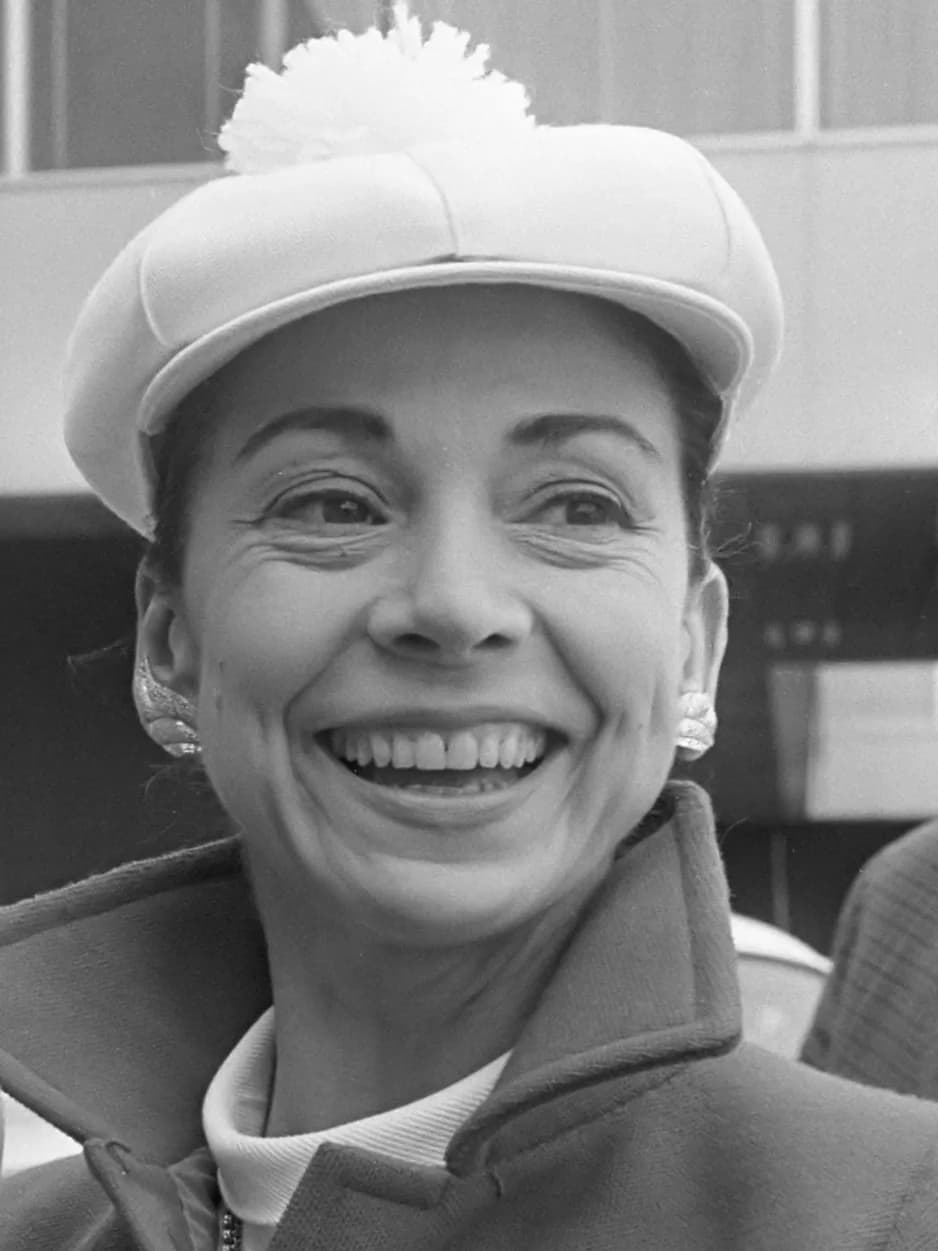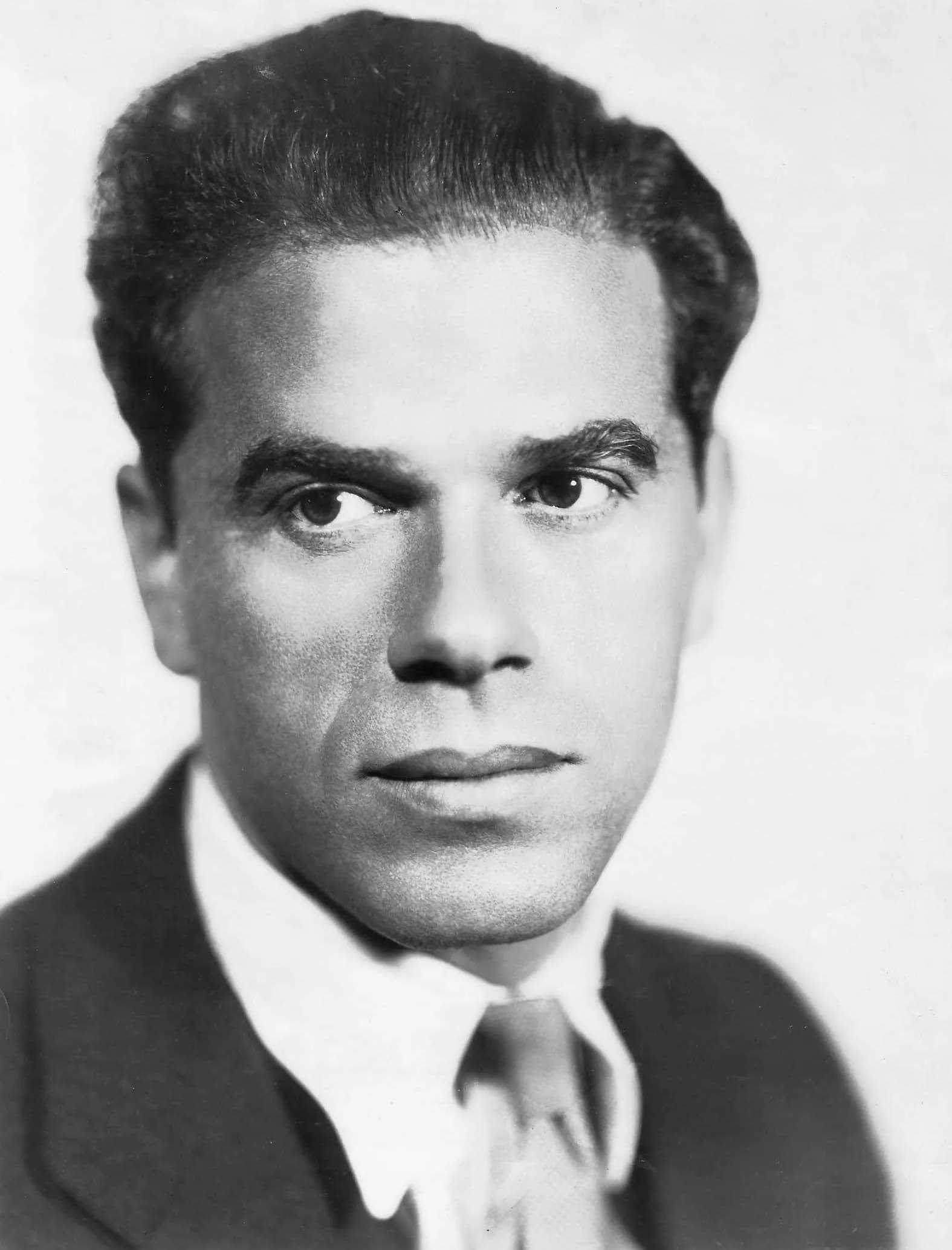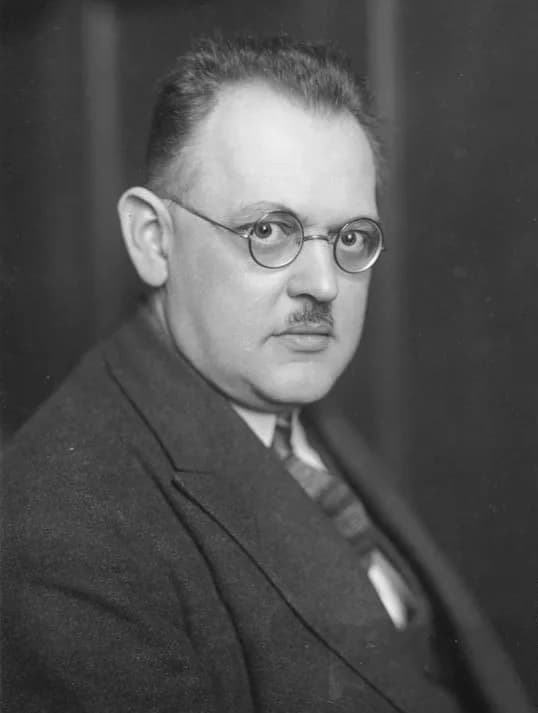
Rođen/a
May 18, 1876
Mannheim, Germany
Preminuo/la
March 20, 1931
Berlin, Margraviate of Brandenburg
Poznat/a po
German politician
Hermann Müller (1876–1931) was Germany best known for German politician.
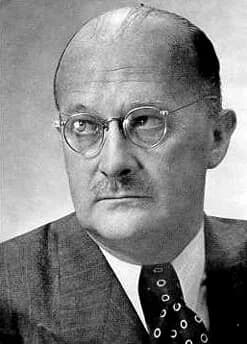
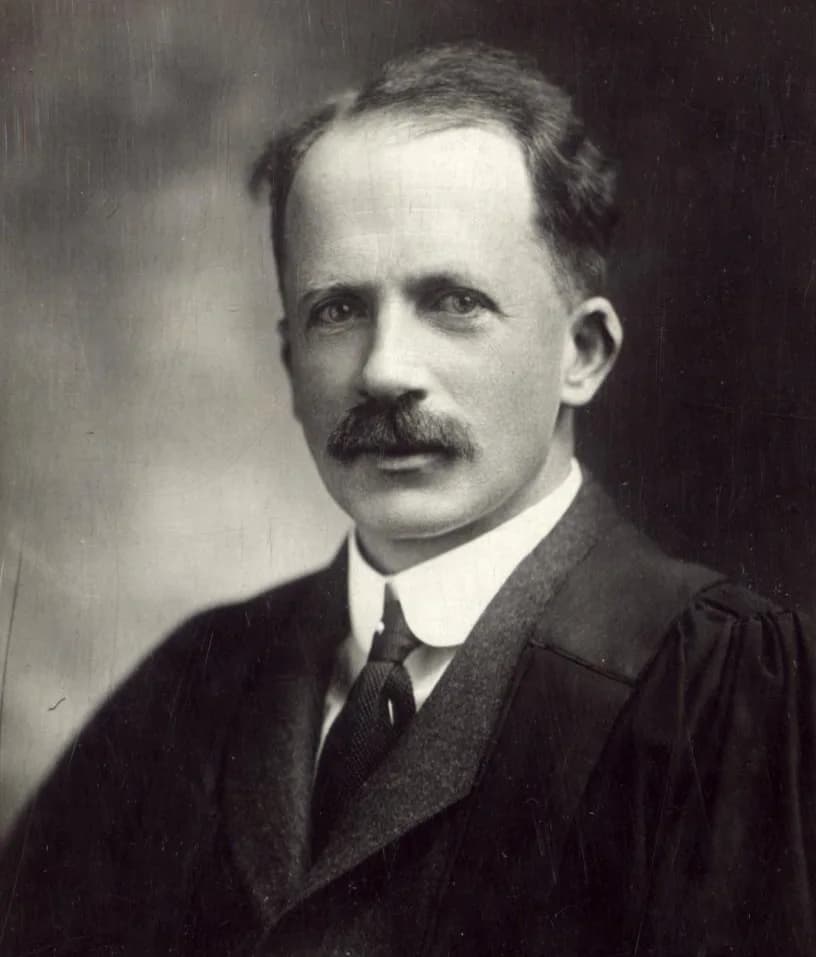
Hermann Müller (May 18, 1876 – March 20, 1931) was a German politician from Mannheim, Germany. He served as foreign minister and twice as chancellor during the challenging years of the Weimar Republic. His leadership was crucial in navigating early German democracy.
Život u trenucima
Trenuci koji su oblikovali život
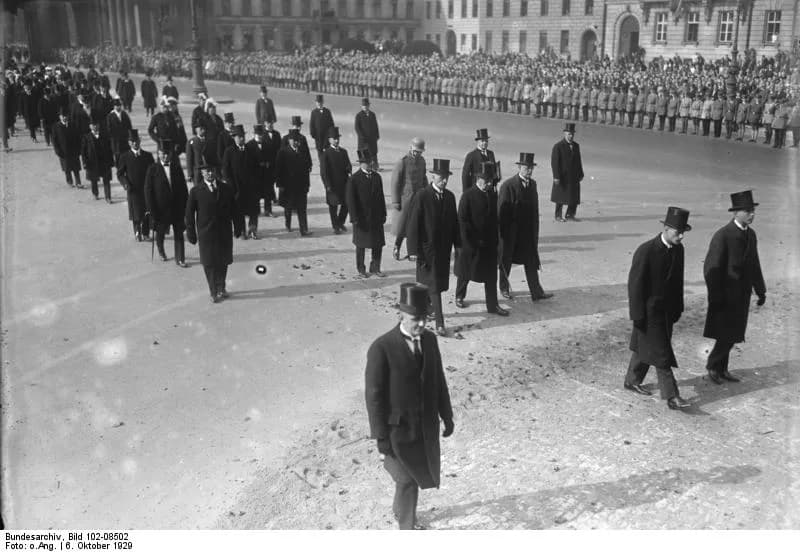
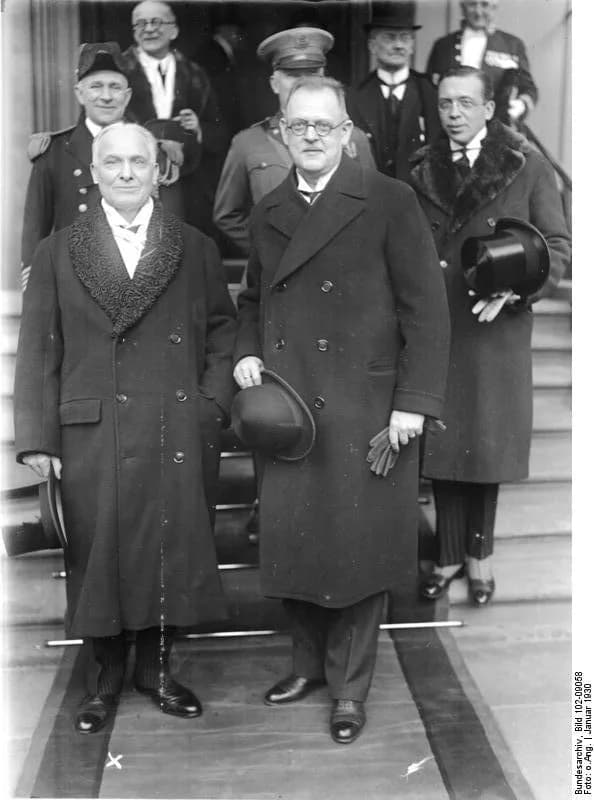
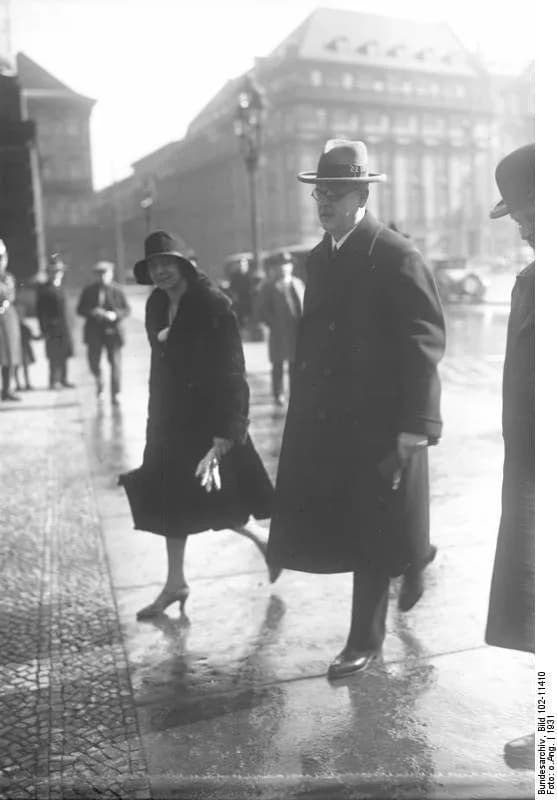
Poglavlje
Poglavlja života
Poglavlje 1 · 1876· Poglavlje 1 od 6
Early Life and Origins
Hermann Müller’s journey began in Mannheim, Germany, where he was born in the spring of 1876. Unlike many of his political contemporaries, his early career path was rooted in practical experience, starting as a shop assistant. This formative period undoubtedly provided him with a direct understanding of the economic realities faced by ordinary working people across Germany.
Poglavlje 2· Poglavlje 2 od 6
Career Beginnings
Müller soon transitioned from retail to the dynamic world of journalism, a move that refined his communication skills and broadened his perspective on public affairs. Through his journalistic endeavors, he became increasingly involved with the Social Democratic movement. This political engagement ultimately led him to a career in national politics, where his commitment to democratic ideals would soon take center stage within the Weimar Republic.
Poglavlje 3 · 1919· Poglavlje 3 od 6
Major Achievements and Career Highlights
Hermann Müller's political career was defined by his ascent to some of the highest offices in Germany during a period fraught with challenges after the First World War. He served with distinction as Germany's foreign minister from 1919 to 1920, playing a vital role in post-war diplomacy and attempting to normalize international relations for the fledgling Weimar Republic. His time in this office involved intricate negotiations and the foundational work of a new German foreign policy.
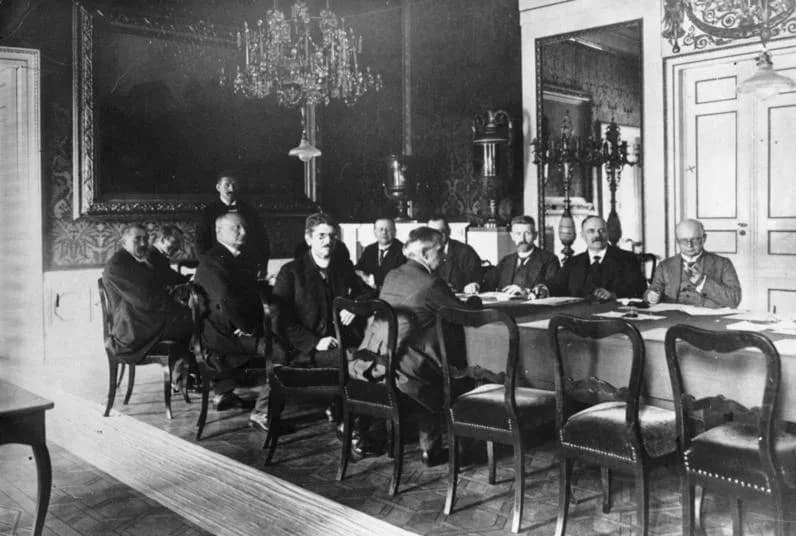
His leadership reached its zenith when he served twice as chancellor of Germany, first from 1920 to 1920 and again from 1928 to 1930. In these roles, Müller navigated the complex political and economic currents of the nascent Weimar Republic, addressing issues ranging from economic stabilization to the ongoing political factionalism. His repeated tenures as the nation's leader underscored the trust placed in his ability to guide Germany through its formative and often turbulent years.
Poglavlje 4· Poglavlje 4 od 6
Notable Contributions and Political Service
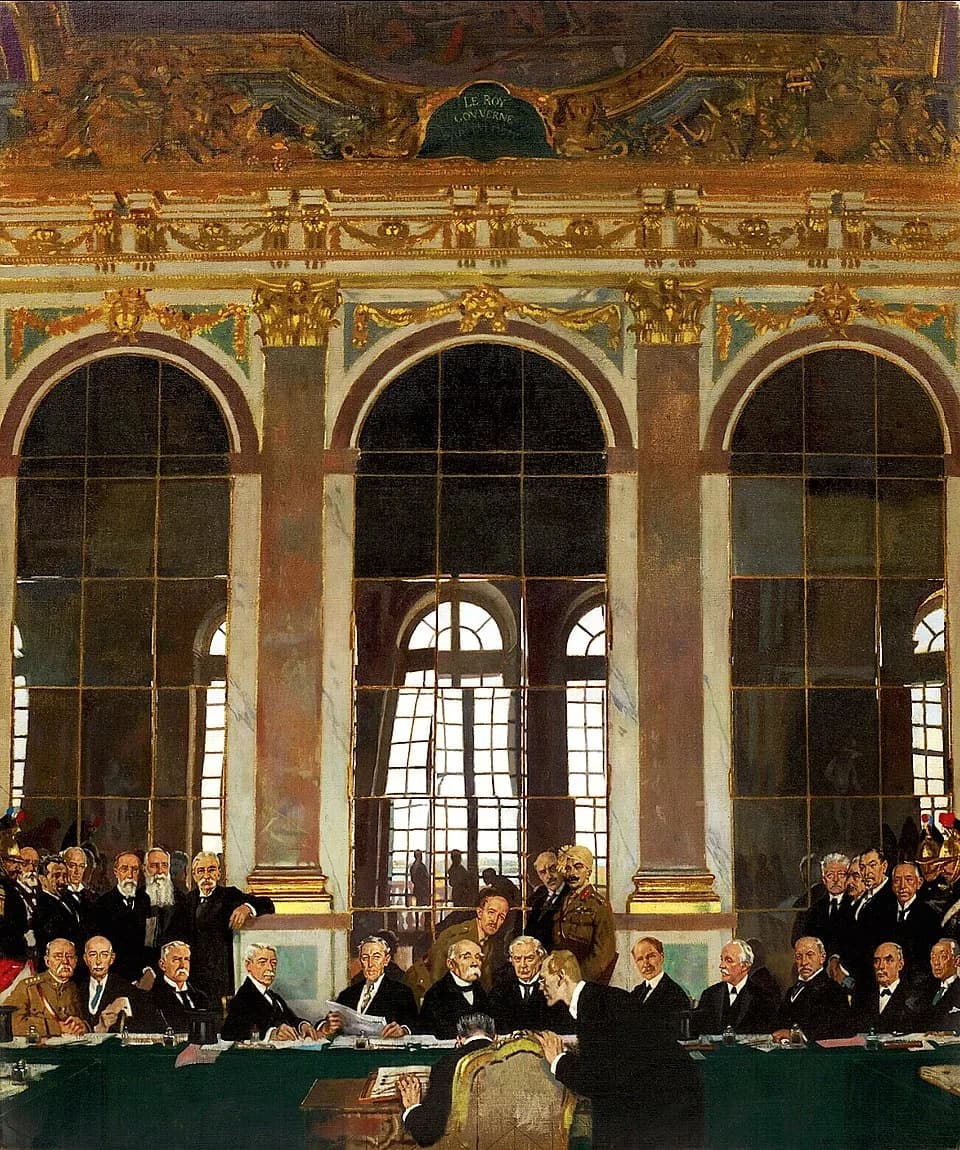
Throughout his time in public office, Hermann Müller made substantial contributions to the stability and development of the Weimar Republic. As foreign minister, he was instrumental in shaping Germany's initial re-engagement with the international community following the Treaty of Versailles. His two terms as chancellor saw him grappling with hyperinflation, political extremism, and the foundational issues of a new democratic state, embodying a steadfast commitment to parliamentary governance.
Poglavlje 5 · 1930· Poglavlje 5 od 6
Later Years and Final Chapter
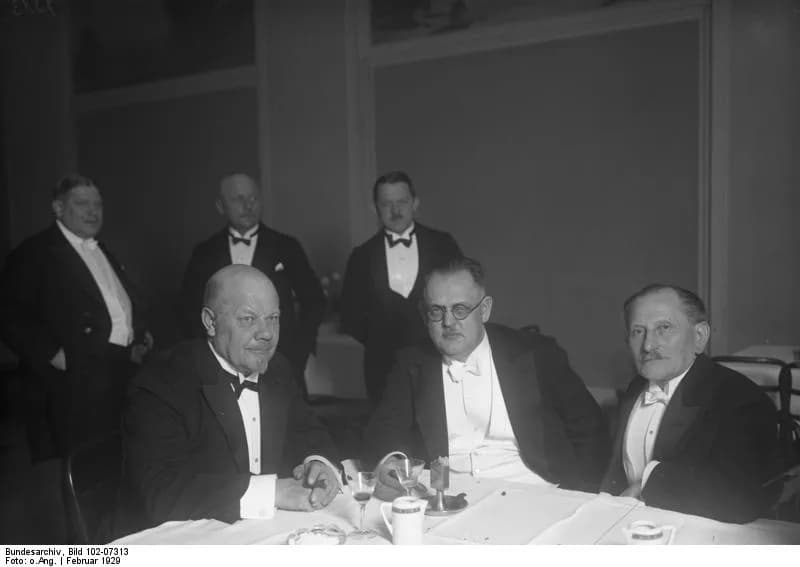
Hermann Müller's second chancellorship, which concluded in 1930, demonstrated his enduring dedication despite the growing political pressures of the late Weimar era. He remained an influential figure, committed to the democratic process he had helped to establish. His passing on March 20, 1931, in Berlin, Margraviate of Brandenburg, marked the loss of a seasoned statesman whose efforts were crucial in Germany's journey toward parliamentary democracy.
Poglavlje 6· Poglavlje 6 od 6
Legacy and Impact
The legacy of Hermann Müller is inextricably linked with the challenging yet hopeful beginnings of the Weimar Republic. As a leading Social Democratic politician, he advocated for social justice and political stability, working diligently to bridge divides in a fractured post-war society. His leadership as foreign minister and two-time chancellor solidified his place as a key architect of Germany’s first democratic experiment, leaving a lasting influence on its political landscape.
ČPP
Često postavljana
Kada je umro/la Hermann Müller?
Hermann Müller je umro/la 20. ožujka 1931. u Berlin, Margraviate of Brandenburg u dobi od 54 godina.
Gdje je rođen/a Hermann Müller?
Hermann Müller je rođen/a u Mannheim, Germany 18. svibnja 1876..
Po čemu je Hermann Müller najpoznatiji/a?
Hermann Müller je najpoznatiji/a po German politician.
Koliko je godina imao/la Hermann Müller u trenutku smrti?
Hermann Müller je imao/la 54 godina u trenutku smrti.
Koje nacionalnosti je bio/la Hermann Müller?
Hermann Müller je bio/la iz Germany.
Vremenski slijed
Život u kratkim crtama
Galerija fotografija
Život u slikama
Kliknite bilo koji polaroid za povećanje · 25 fotografija
QR kod
Podijelite ovu biografiju
Ispis i dijeljenje
Skenirajte za posjet ovoj stranici biografije. Ispišite za događaje, izložbe ili obrazovne materijale.