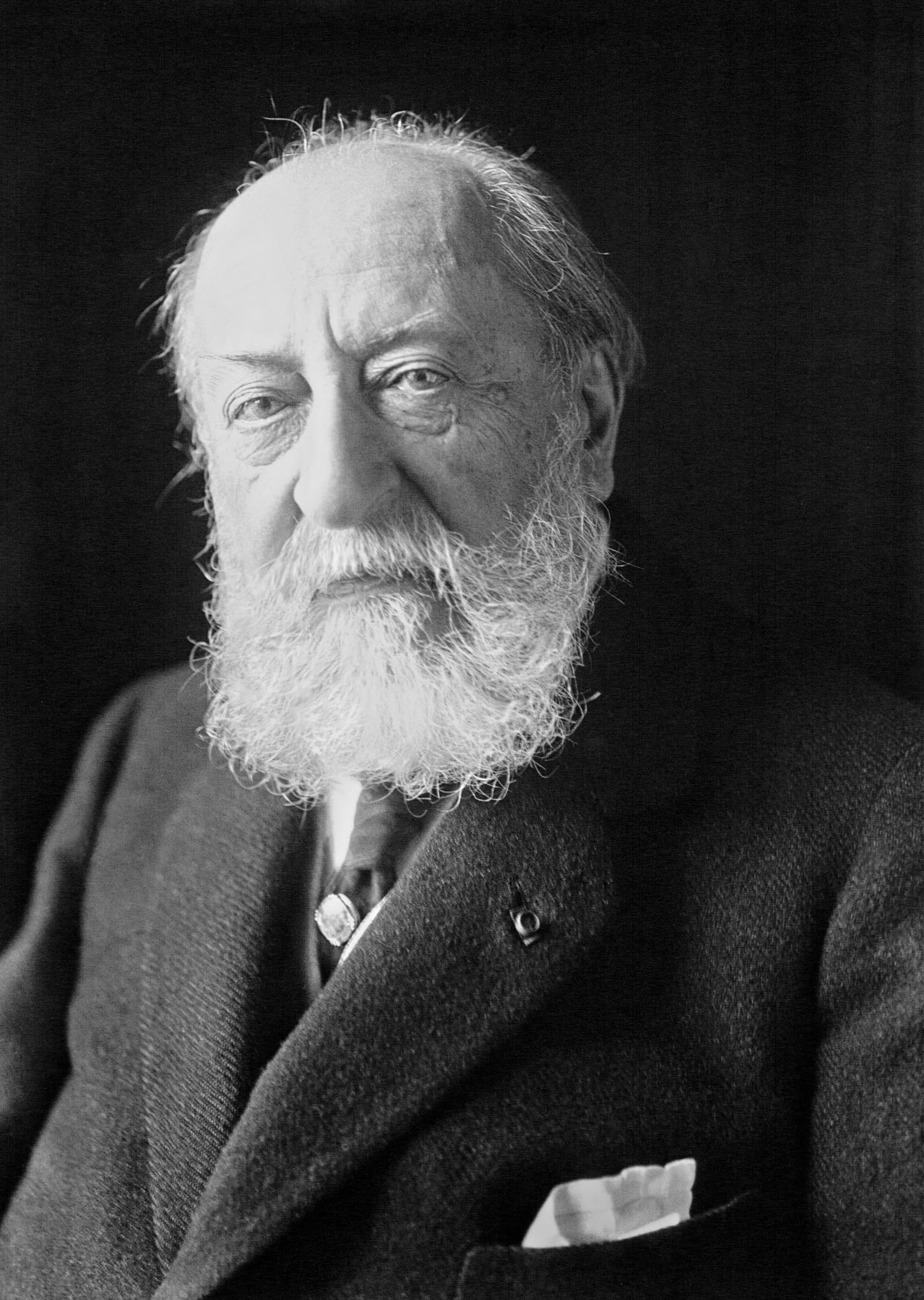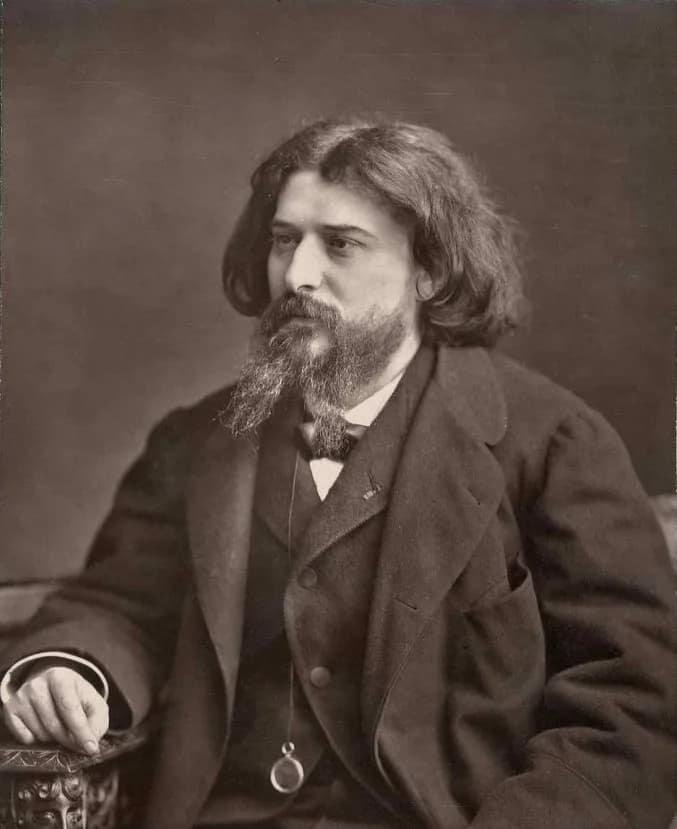
Rođen/a
June 4, 1694
Méré, France
Preminuo/la
December 16, 1774
France, France
Poznat/a po
French economist
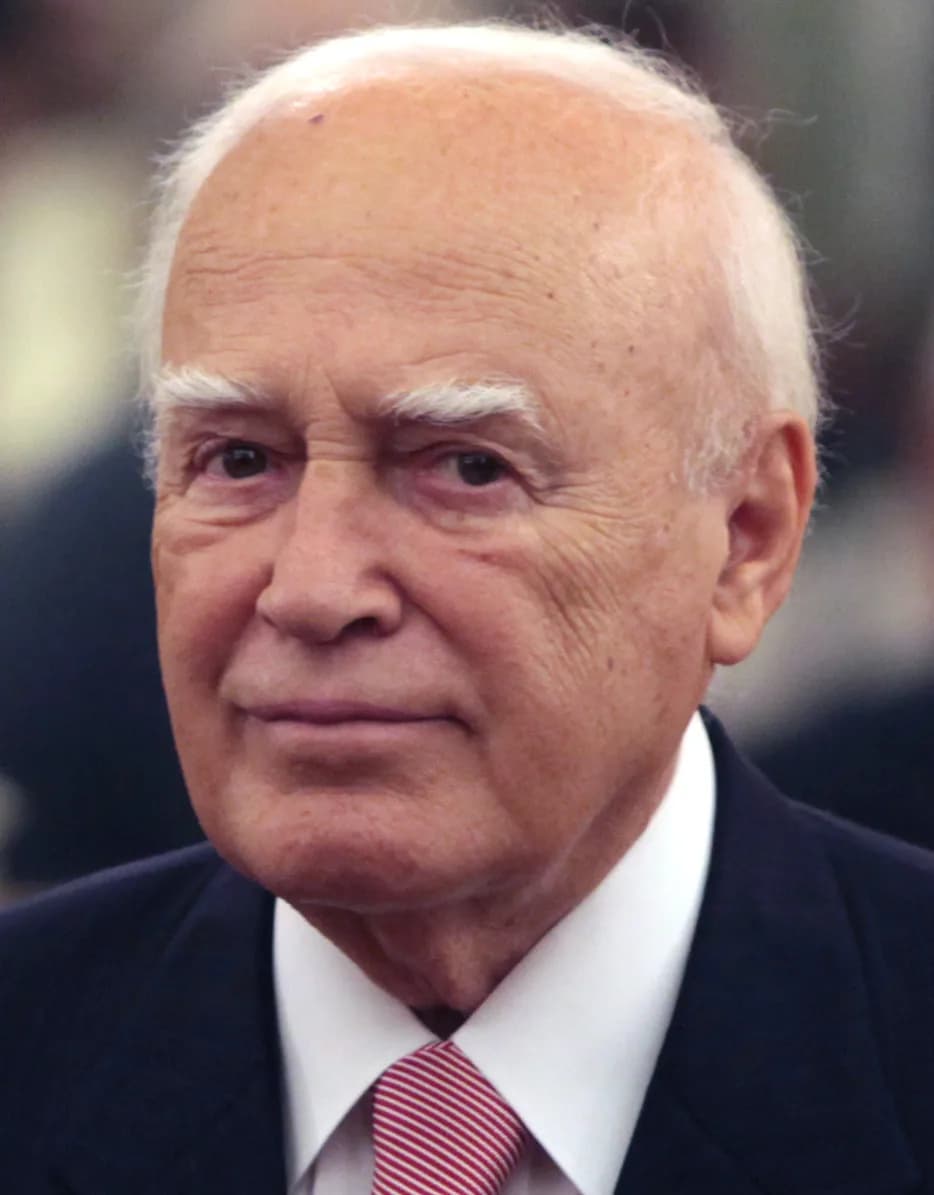
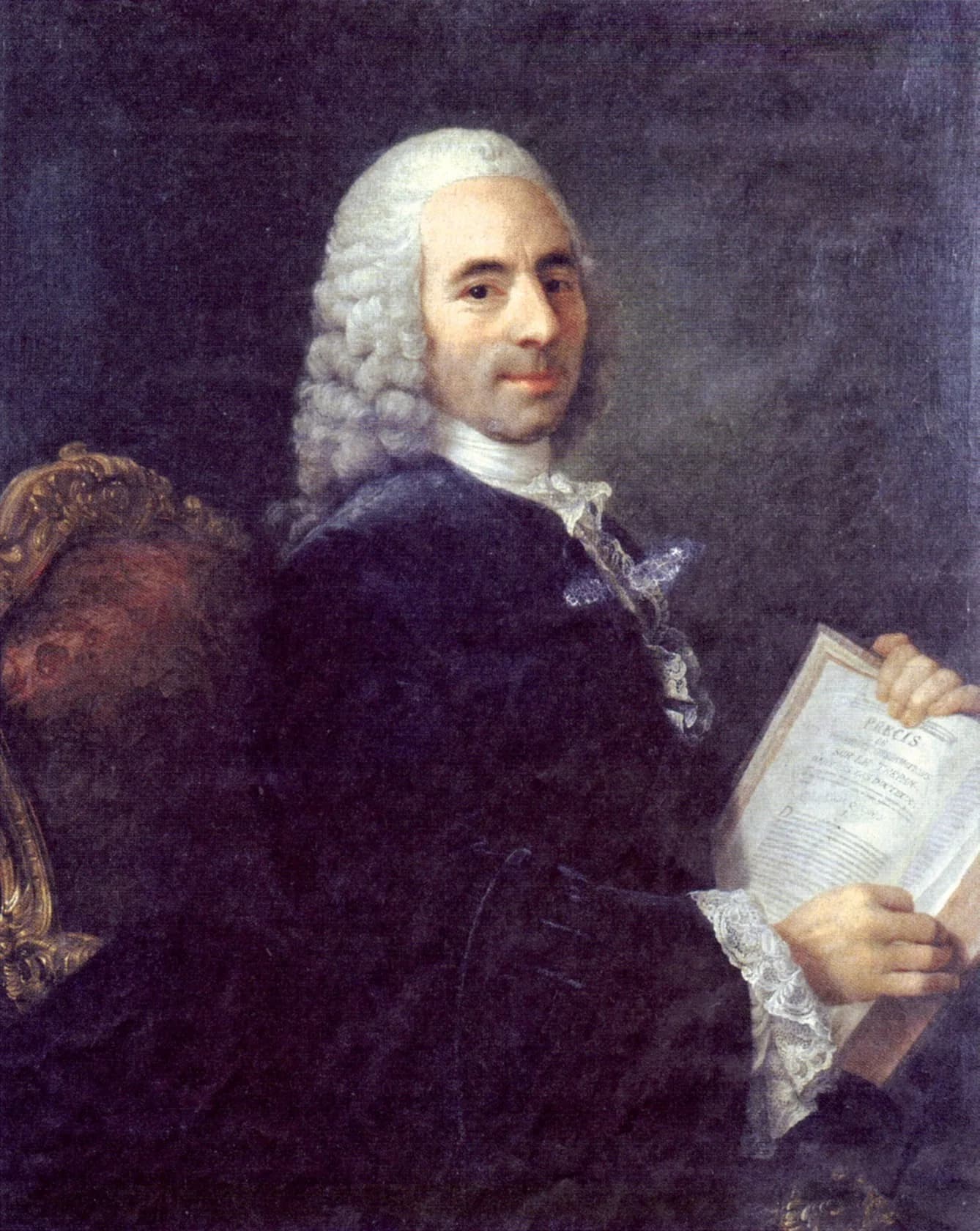
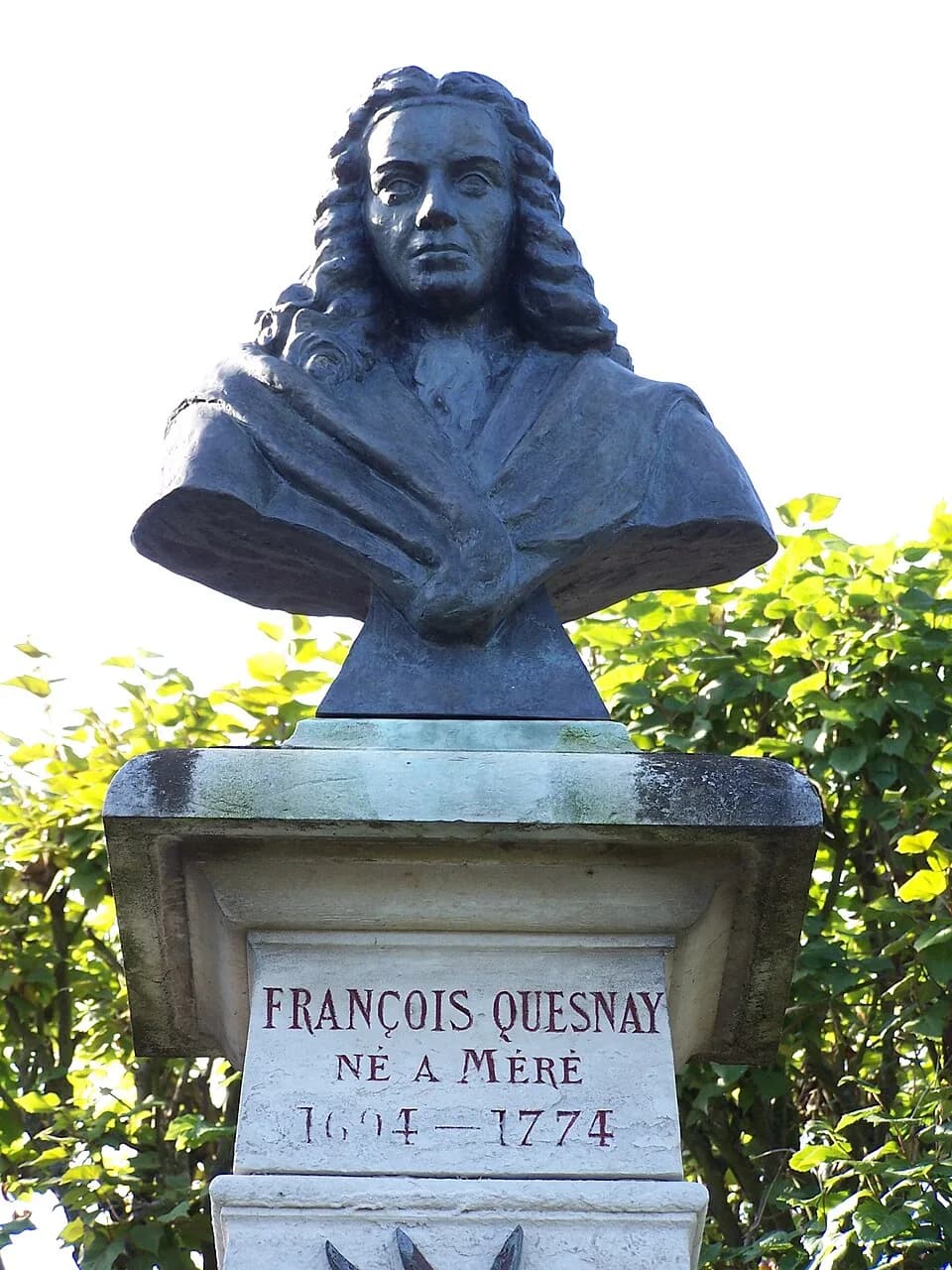
François Quesnay (1694–1774) was France best known for French economist.
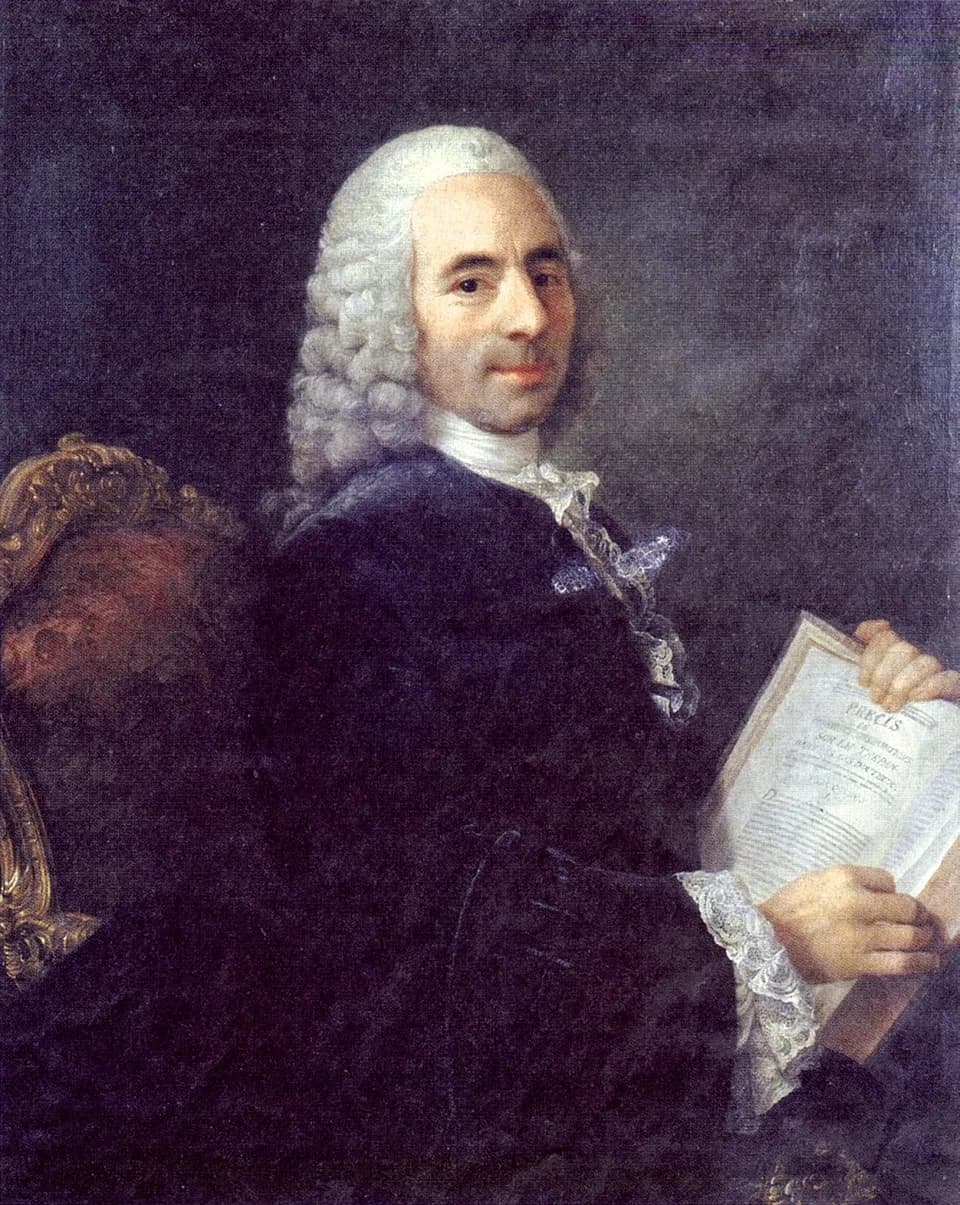
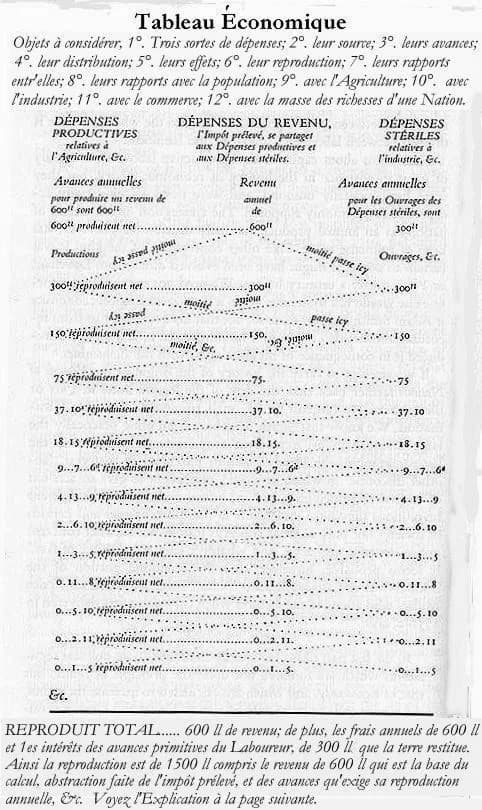
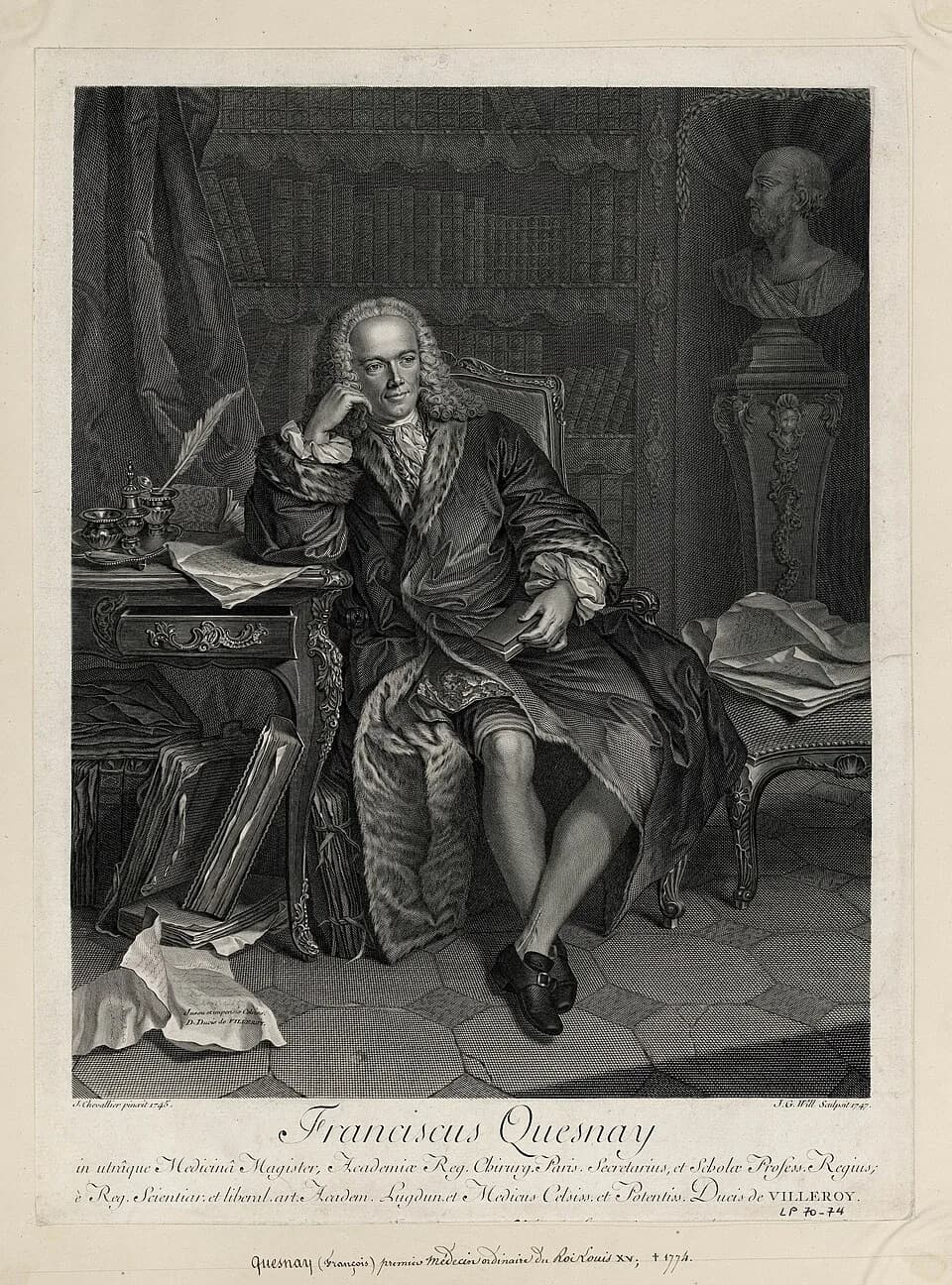
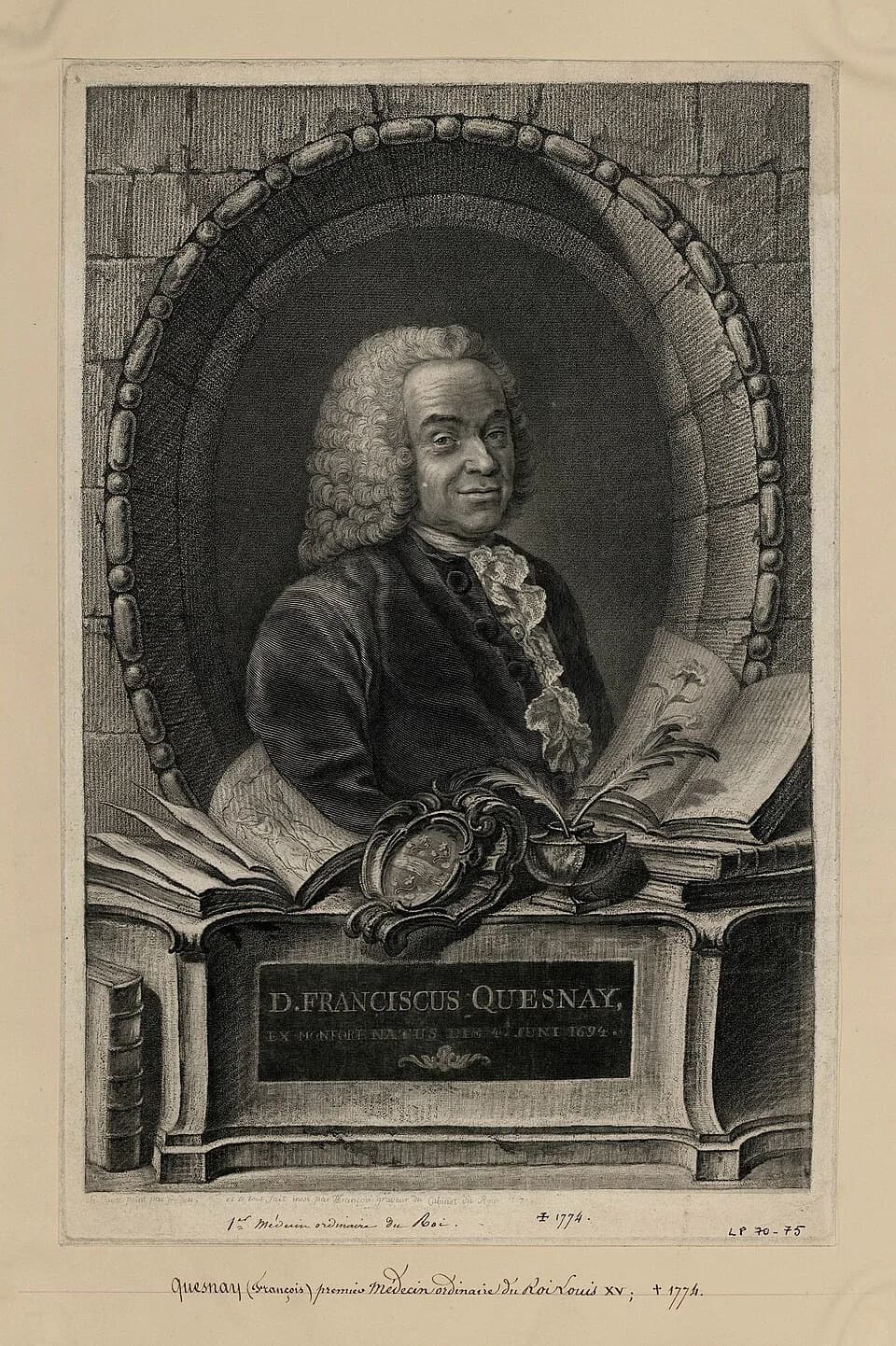
François Quesnay (June 4, 1694 – December 16, 1774) was a French economist and physician from Méré, France. He is best known for publishing the "Tableau économique" in 1758, a foundational work for the Physiocratic school of economic thought. His analytical approach significantly shaped early economic theory.
Život u trenucima
Trenuci koji su oblikovali život
Poglavlje
Poglavlja života
Poglavlje 1 · 1694· Poglavlje 1 od 7
Early Life and Origins
François Quesnay was born on June 4, 1694, in the small village of Méré, located in France. His early life, though not extensively documented, laid the groundwork for his future intellectual pursuits and diverse professional path. Despite coming from a modest background, he developed a profound dedication to learning and inquiry, which shaped his entire career. This early dedication to self-improvement would eventually lead him to influential positions and pioneering scientific contributions.
Poglavlje 2· Poglavlje 2 od 7
Career Beginnings
Quesnay initiated his professional journey as a skilled surgeon, mastering a discipline that demanded both meticulous attention and practical expertise. His deep understanding of anatomy and physiology from this early career later informed his rigorous, systemic approach to economics. He subsequently advanced to become a highly respected physician, serving at the royal court and expanding his influence among the era's intellectual elite. These foundational experiences in medicine provided him with an unparalleled analytical lens through which he would later examine the intricate workings of society and wealth.
Poglavlje 3 · 1758· Poglavlje 3 od 7
Major Achievements and Career Highlights
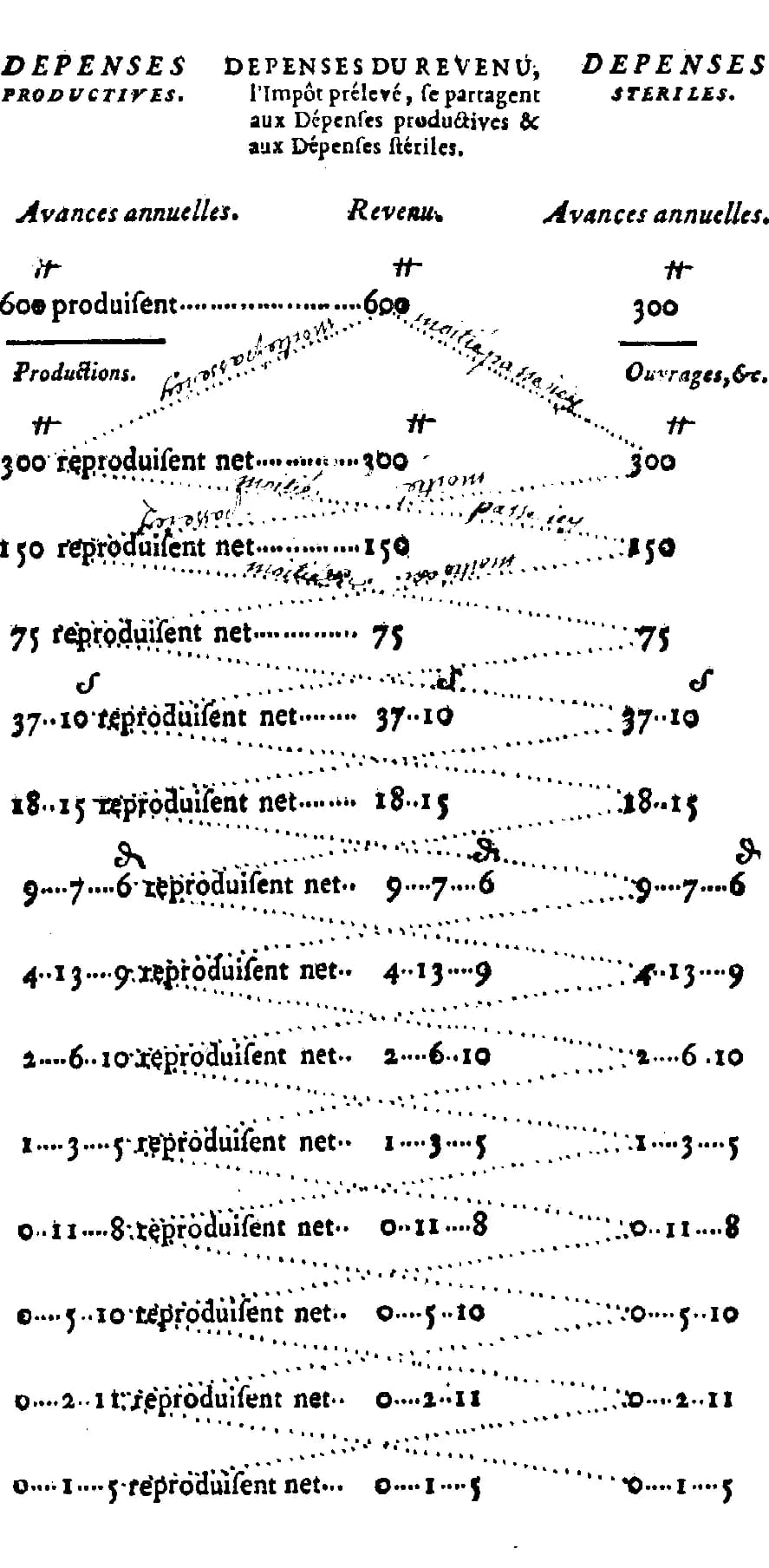
A defining achievement in François Quesnay's distinguished career was the publication of his monumental "Tableau économique" in 1758. This work represented a revolutionary attempt to analytically model the circulation of wealth within an economy, an unprecedented feat for its time. It provided the intellectual bedrock for the Physiocratic school of economic thought, a movement that championed agriculture as the true source of all national wealth. The "Tableau économique" quickly became one of the most important early contributions to economic theory, laying out a systematic framework for understanding economic processes.
Quesnay's innovative approach in the "Tableau économique" presented the economy not as a collection of isolated transactions but as an interconnected system, much like the human body he understood so well. This analytical perspective profoundly influenced subsequent economic thinking, including that of Adam Smith. Beyond his economic prowess, Quesnay's position as a physician to King Louis XV granted him direct access to the highest echelons of French society, providing a unique platform for disseminating his ideas. His multifaceted career as a naturalist, writer, and philosopher underscores his broad intellectual curiosity and his central role in the Enlightenment.
Poglavlje 4· Poglavlje 4 od 7
Personal Life
While comprehensive details about François Quesnay's personal relationships or family life are not widely preserved, his extensive professional life suggests a profound dedication to his various fields of study. His roles as a naturalist and philosopher indicate a deep-seated curiosity about the natural world and human society. He was known to actively engage with leading thinkers of the Enlightenment, participating in intellectual discussions that fostered a vibrant exchange of ideas. Quesnay's life was evidently one driven by intellectual exploration and the pursuit of knowledge across diverse disciplines.
Poglavlje 5 · 1767· Poglavlje 5 od 7
Notable Works or Contributions
Beyond the transformative "Tableau économique", François Quesnay authored numerous significant publications across economics, medicine, and political philosophy. His 1767 treatise, "Le Despotisme de la Chine", offered a detailed analysis of Chinese politics and society, reflecting his nuanced political support for enlightened despotism. This work highlighted his capacity for comparative political analysis and his broad intellectual scope. He also contributed to debates on public policy with "On the corn laws", advocating for policies that supported agricultural prosperity.
Quesnay's deep medical expertise is evident in his foundational texts such as "Traité de la gangrene", "Précis sur la suppuration putride", and "Traité de la suppuration". These works reflect his contributions to surgical and medical practices, cementing his reputation as a leading physician of his era. His economic theories were further expounded in "Philosophie rurale, ou, Économie générale et politique de l'agriculture", a text that rigorously argued for the primacy of agriculture in national wealth creation. Other works like "Traité des effets et de l'usage de la saignée" and "L'amico degli uomini, ovvero, Trattato della popolazione" further illustrate his extensive range of interests and scholarly output.
Poglavlje 6· Poglavlje 6 od 7
Later Years
In the concluding phase of his life, François Quesnay remained intensely engaged in intellectual endeavors, continuously refining and expanding his pioneering economic theories. He continued to be a highly respected figure among the intellectual circles of the Enlightenment, participating in critical scholarly discourse. His sustained work in these years ensured that his ideas on wealth and governance continued to evolve and gain wider recognition. Quesnay's later contributions reinforced his unwavering commitment to a scientific understanding of economic principles and societal organization.
François Quesnay passed away on December 16, 1774, in France, bringing to a close a life defined by extraordinary intellectual pursuits and scientific innovation. His influence persisted far beyond his lifetime, shaping the trajectory of economic thought for subsequent generations of scholars and policymakers. His passing marked the end of an era for a truly original mind who profoundly advanced the understanding of human economies and societies. Quesnay's final years were a continuation of his lifelong mission to bring clarity and analytical rigor to complex subjects.
Poglavlje 7· Poglavlje 7 od 7
Legacy and Impact
The enduring legacy of François Quesnay is anchored by his pivotal role as the architect of Physiocracy, an early and influential school of economic thought. His seminal "Tableau économique" fundamentally transformed how scholars approached the study of national economies, introducing a systematic and analytical methodology. He is revered as one of the first thinkers to conceptualize the economy not merely as a collection of activities but as an integrated, circulating system. This innovative approach paved the way for modern macroeconomic analysis and systemic economic modeling.
Quesnay's staunch advocacy for land as the ultimate source of wealth and his espousal of laissez-faire principles profoundly influenced the burgeoning field of classical economics. His ideas served as a crucial intellectual precursor to foundational works by later figures, including Adam Smith. Beyond his contributions to economic theory, his extensive writings on governance and society, particularly his insightful examination of China, demonstrated his commitment to informed public policy and the advancement of social welfare. François Quesnay remains a towering figure whose intellectual courage and analytical rigor continue to inspire scholars across disciplines.
ČPP
Često postavljana
Kada je umro/la François Quesnay?
François Quesnay je umro/la 16. prosinca 1774. u France, France u dobi od 80 godina.
Gdje je rođen/a François Quesnay?
François Quesnay je rođen/a u Méré, France 4. lipnja 1694..
Po čemu je François Quesnay najpoznatiji/a?
François Quesnay je najpoznatiji/a po French economist.
Koliko je godina imao/la François Quesnay u trenutku smrti?
François Quesnay je imao/la 80 godina u trenutku smrti.
Koje nacionalnosti je bio/la François Quesnay?
François Quesnay je bio/la iz France.
Vremenski slijed
Život u kratkim crtama
Galerija fotografija
Život u slikama
Kliknite bilo koji polaroid za povećanje · 48 fotografija
QR kod
Podijelite ovu biografiju
Ispis i dijeljenje
Skenirajte za posjet ovoj stranici biografije. Ispišite za događaje, izložbe ili obrazovne materijale.