जन्म
April 2, 1891
Brühl, Germany
मृत्यु
April 1, 1976
Paris, France
किसके लिए जाने जाते हैं
German artist
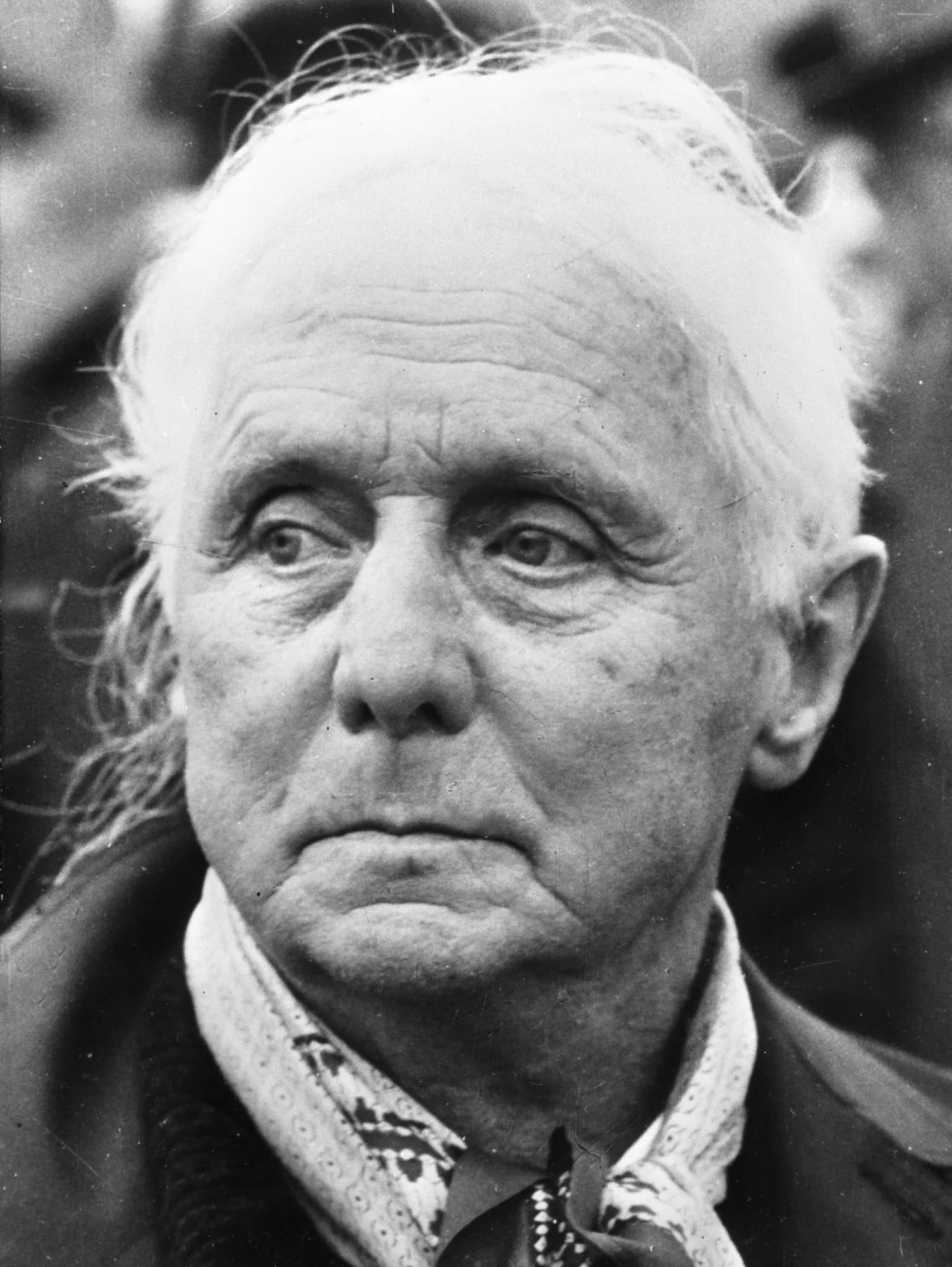
Max Ernst (1891–1976) was a German-born painter, sculptor, and poet who pioneered the Dada movement and Surrealism in Europe. He invented innovative techniques like frottage and grattage, revolutionizing artistic expression through experimental methods. His interdisciplinary work continues to influence contemporary art.
अध्याय
जीवन के अध्याय
अध्याय 1 · 1891· अध्याय 1 में से 7
Early Life and Origins
Max Ernst was born on April 2, 1891, in Brühl, Germany, a small town near Cologne. Growing up in this traditional German setting, Ernst would later rebel against conventional artistic training, choosing instead to forge his own path in the art world. His formative years in Germany provided the foundation for what would become a lifelong questioning of established norms and traditions. The cultural atmosphere of his birthplace would later contrast sharply with the avant-garde movements he would help create.
अध्याय 2· अध्याय 2 में से 7
Career Beginnings
Ernst's entry into the art world was unconventional, as he had no formal artistic training. This lack of traditional instruction became one of his greatest strengths, allowing him to approach art-making with fresh eyes and an experimental attitude. His early work began to challenge conventional methods of creating art, setting the stage for the revolutionary techniques he would later develop. This experimental mindset would prove crucial as he began to establish himself within the emerging avant-garde circles of early 20th-century Europe.
अध्याय 3· अध्याय 3 में से 7
Major Achievements and Career Highlights
Ernst became a primary pioneer of both the Dada movement and Surrealism in Europe, fundamentally changing how artists approached their craft. His most significant contributions include the invention of frottage, a technique using pencil rubbings of textured objects and relief surfaces to create images, and grattage, where paint is scraped across canvas to reveal imprints of objects placed beneath. These innovative methods demonstrated his ability to find new ways of creating art that had never been explored before.
As a prolific artist, Ernst worked across multiple mediums, establishing himself as a photographer, poet, engraver, translator, illustrator, sculptor, art historian, jewelry designer, etcher, architectural draftsperson, printmaker, lithographer, watercolorist, and collagist. His versatility allowed him to push boundaries in each medium he explored. Ernst gained particular recognition for his unconventional drawing methods and for creating novels and pamphlets using collage techniques, bringing artistic innovation to literature and publishing.
अध्याय 4· अध्याय 4 में से 7
Personal Life and Wartime Experiences
Ernst's life was profoundly shaped by the tumultuous events of his era. He served as a soldier for four years during World War I, an experience that left him shocked, traumatized, and deeply critical of the modern world. This wartime experience influenced his artistic vision and contributed to his involvement with movements that challenged traditional values and institutions.
During World War II, while living in France, Ernst was designated an "undesirable foreigner" by authorities. This persecution forced him to navigate the dangerous political landscape of wartime Europe, experiences that further informed his artistic perspective and reinforced his position as an outsider challenging established systems.
अध्याय 5 · 1927· अध्याय 5 में से 7
Notable Works and Contributions
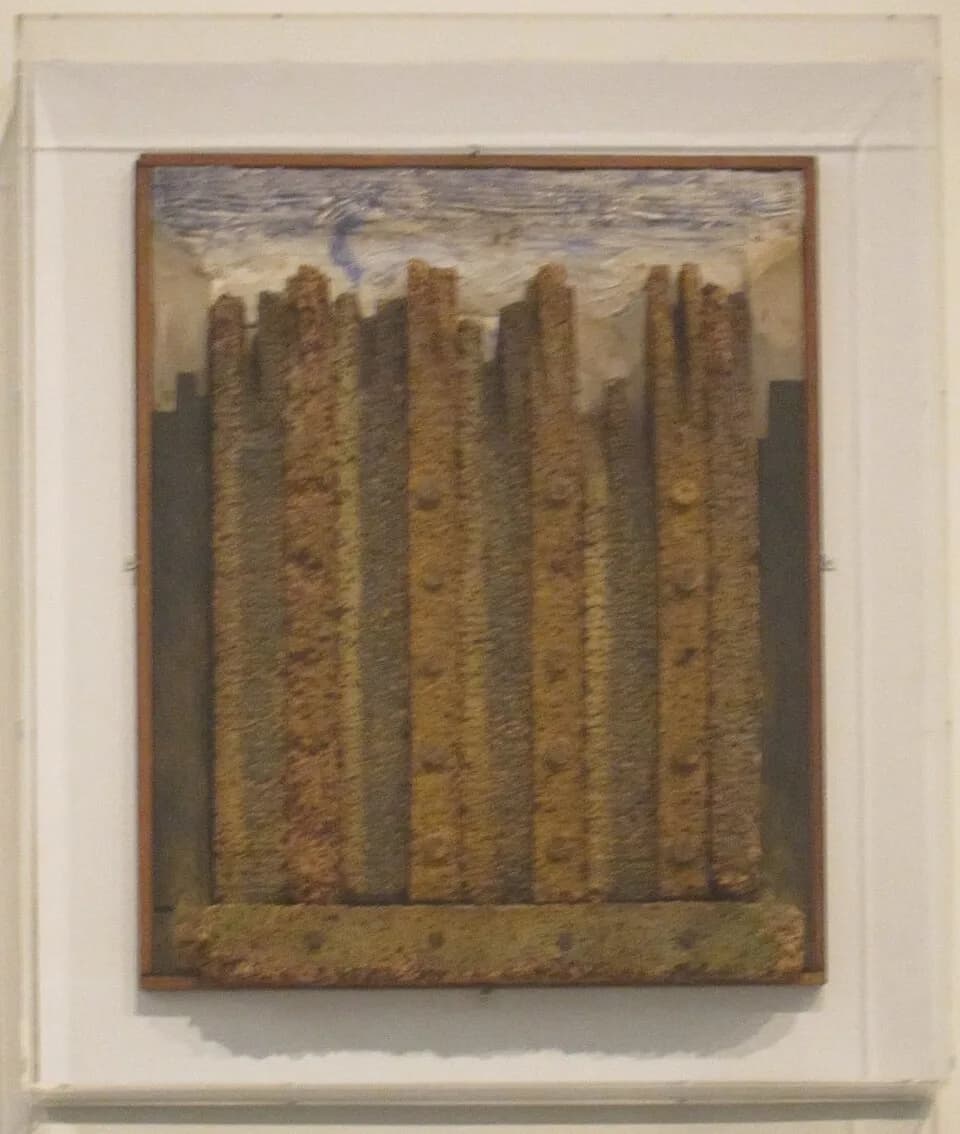
Ernst's artistic output includes numerous significant works housed in major museums worldwide. The Metropolitan Museum holds several of his pieces, including "Abstract Composition" (ca. 1927), "Untitled" (1921), "Gala Éluard" (1924), and "The Barbarians" (1937). The Art Institute of Chicago features an extensive collection including "Forest and Sun" (1927), "Spanish Physician" (1940), "Halleluiah" (1948), and "Garden Airplane-Trap" (1935).
His publications and collaborative works include "Max Ernst, lithographies 1966-1976," "24 Frottagen," "Clément, Le groupe surréaliste," and "Galapagos, les iles du bout du monde." These works demonstrate his continued innovation throughout his career, spanning from his early experimental period through his later mature works. Ernst's ability to work across different artistic mediums while maintaining his distinctive vision set him apart from his contemporaries.
अध्याय 6 · 1966· अध्याय 6 में से 7
Later Years
Ernst continued creating art well into his later years, with his lithographic work from 1966-1976 representing some of his final artistic statements. His move from Germany to Paris represented not just a geographical shift but an artistic one, as he found in France a more receptive environment for his experimental approaches. Living in Paris allowed him to collaborate with other Surrealist artists and writers, further developing the movement that would influence generations of artists.
His later works maintained the experimental spirit that had defined his career while showing a maturation of his distinctive techniques. Ernst's continued productivity in his final decades demonstrated his unwavering commitment to artistic innovation and his refusal to settle into predictable patterns.
अध्याय 7· अध्याय 7 में से 7
Legacy and Impact
Max Ernst's influence on modern art cannot be overstated. His invention of frottage and grattage techniques opened new possibilities for artistic expression, inspiring countless artists to experiment with unconventional methods. His role as a primary pioneer of both Dada and Surrealism helped establish these movements as major forces in 20th-century art, fundamentally changing how artists and audiences understand the possibilities of creative expression.
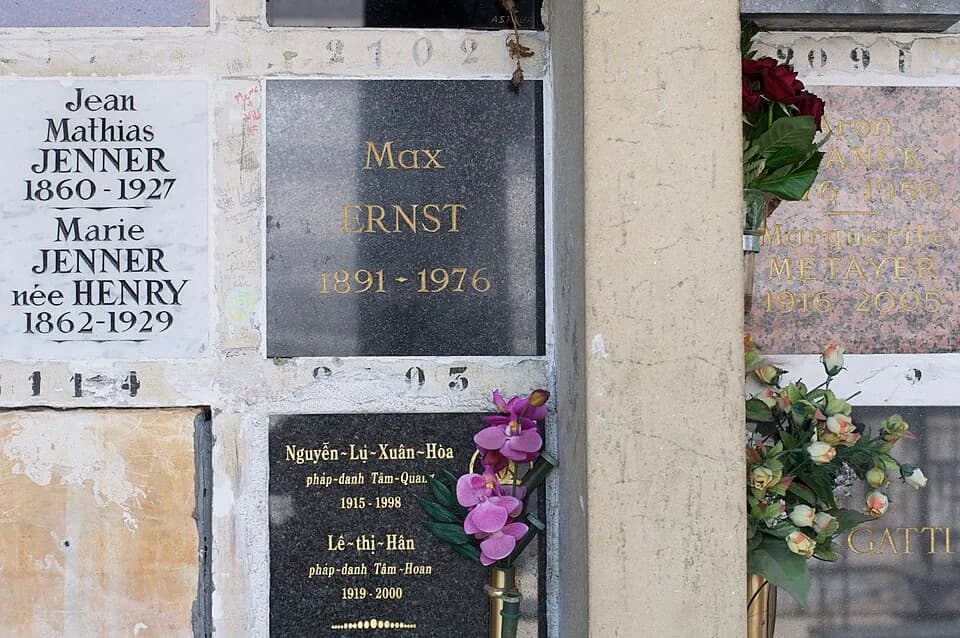
Ernst's interdisciplinary approach, working across painting, sculpture, printmaking, poetry, and design, demonstrated that artistic innovation could transcend traditional boundaries. His legacy lives on in museums worldwide, where his works continue to inspire new generations of artists and art lovers. Max Ernst passed away on April 1, 1976, in Paris, just one day before his 85th birthday, leaving behind a body of work that continues to challenge and inspire more than four decades after his death.
पलों में एक जीवन
वे पल जिन्होंने एक जीवन को आकार दिया
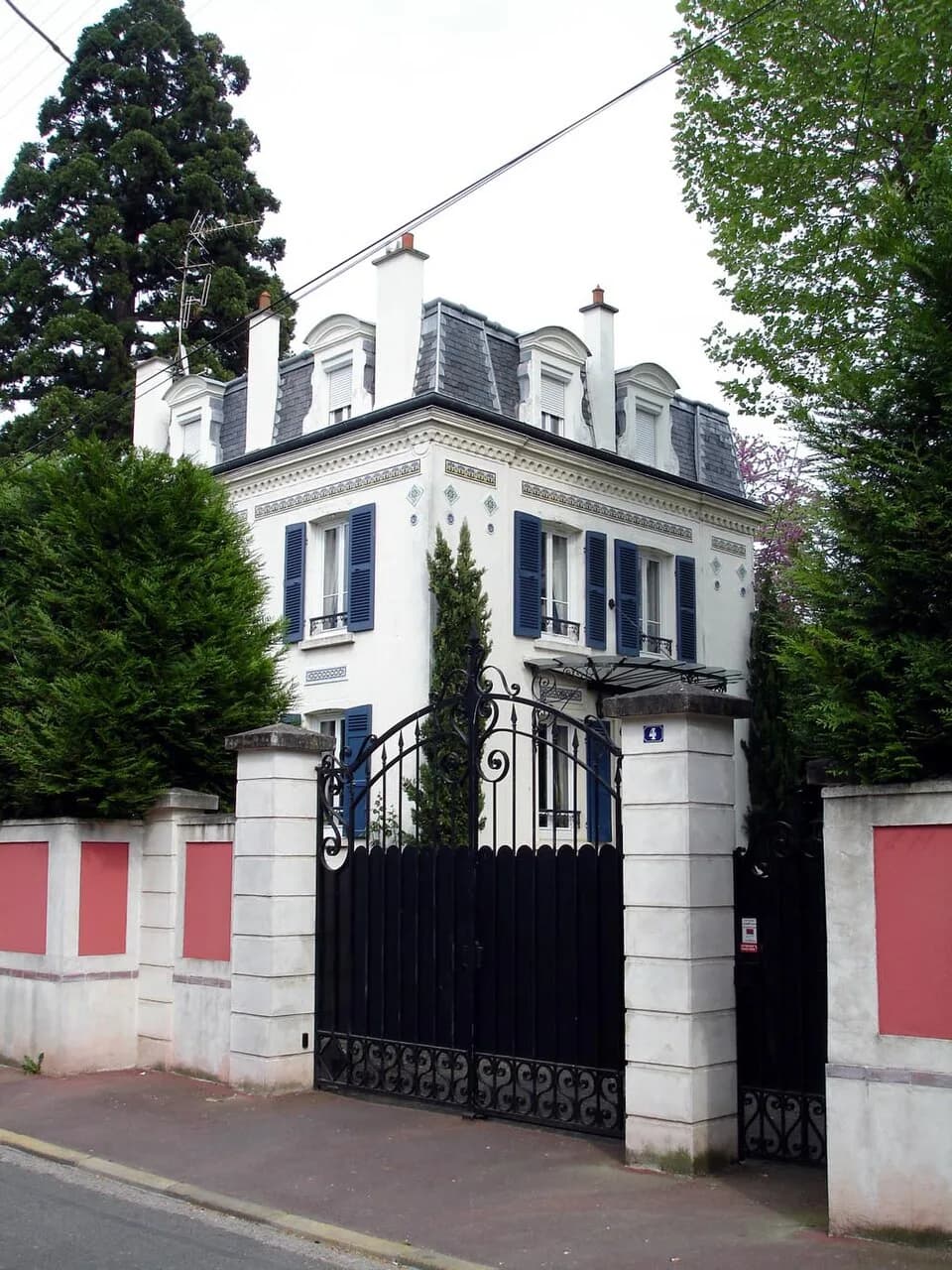
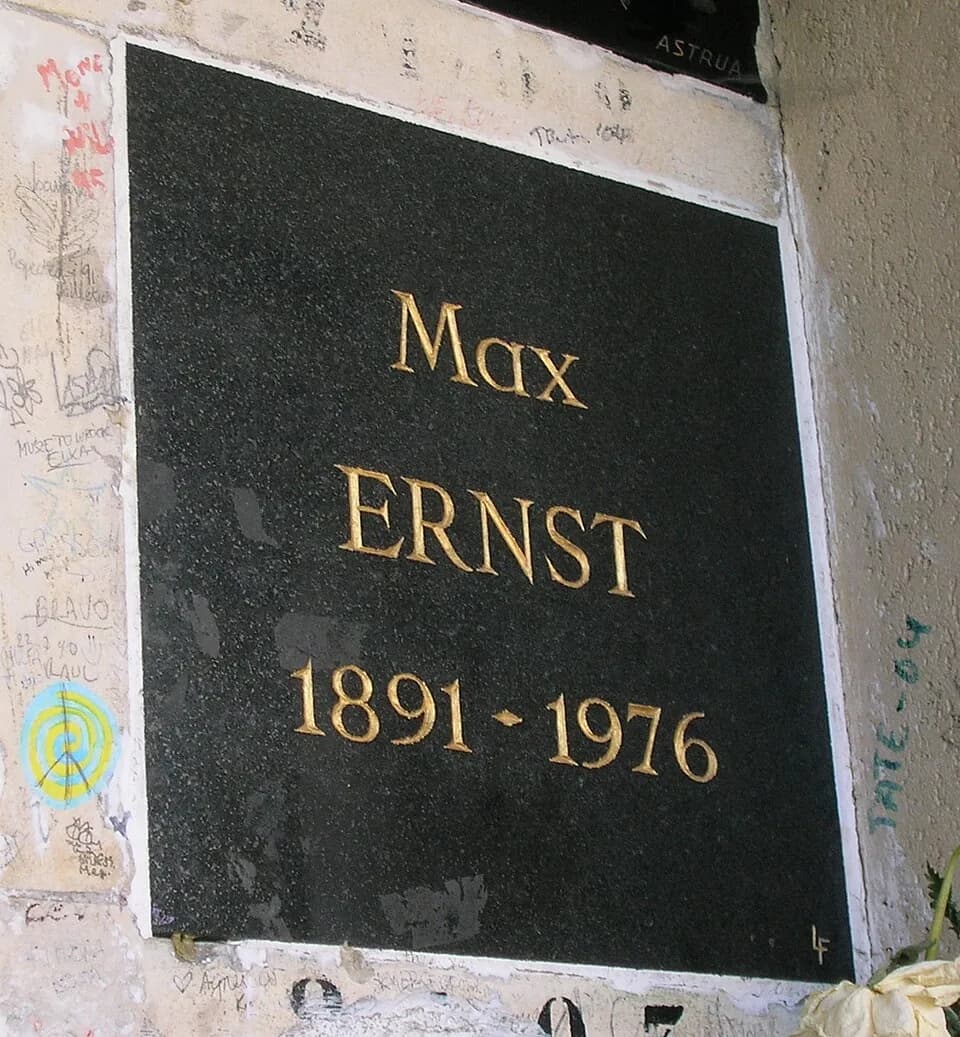
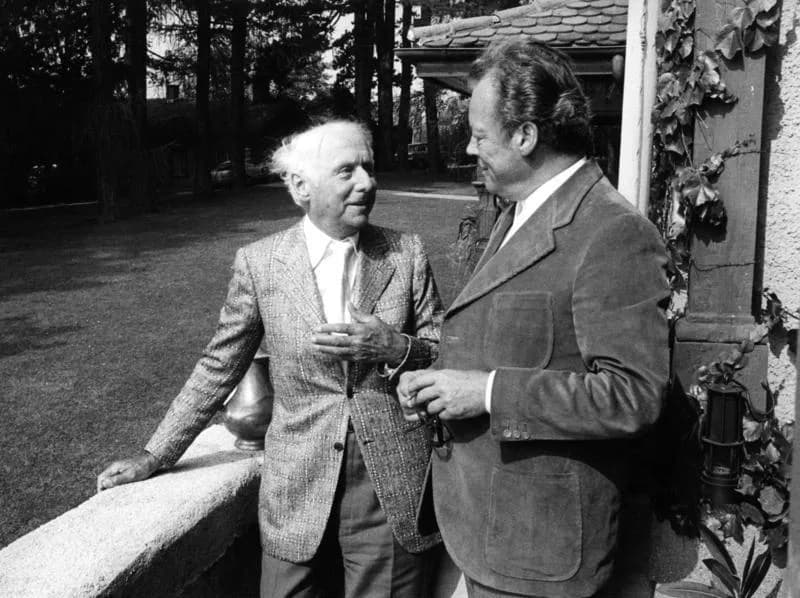
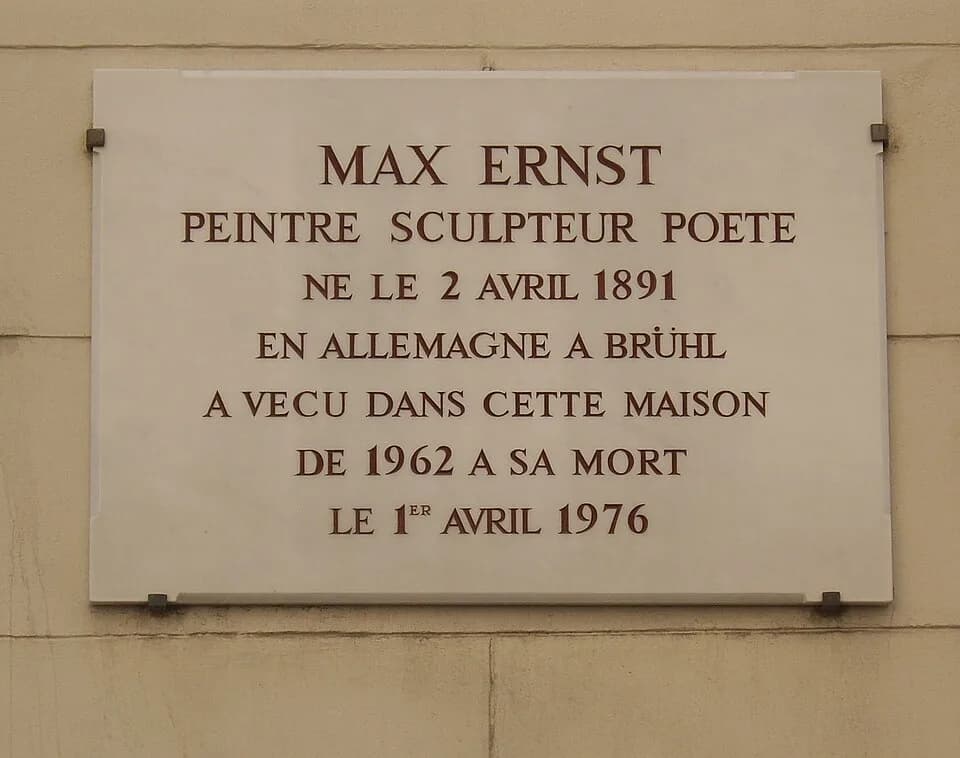
अक्सर पूछे जाने वाले प्रश्न
अक्सर पूछे जाने वाले
Max Ernst की मृत्यु कब हुई?
Max Ernst की मृत्यु 1 अप्रैल 1976 Paris, France में हुई, 84 वर्ष की आयु में।
Max Ernst का जन्म कहाँ हुआ था?
Max Ernst का जन्म Brühl, Germany में 2 अप्रैल 1891 को हुआ था।
Max Ernst किसके लिए सबसे अधिक प्रसिद्ध हैं?
Max Ernst German artist के लिए सबसे अधिक प्रसिद्ध हैं।
मृत्यु के समय Max Ernst की आयु कितनी थी?
मृत्यु के समय Max Ernst की आयु 84 वर्ष थी।
Max Ernst की राष्ट्रीयता क्या थी?
Max Ernst Germany के थे।
समयरेखा
एक नज़र में जीवन
फोटो गैलरी
तस्वीरों में एक जीवन
किसी भी पोलरॉइड पर क्लिक करें · 45 तस्वीरें
QR कोड
इस जीवनी को साझा करें
प्रिंट करें और साझा करें
इस जीवनी पृष्ठ पर जाने के लिए स्कैन करें। आयोजनों, प्रदर्शनियों, या शैक्षिक सामग्रियों के लिए प्रिंट करें।