जन्म
January 14, 1892
Lippstadt, Germany
मृत्यु
March 6, 1984
Wiesbaden, Germany
किसके लिए जाने जाते हैं
German theologian
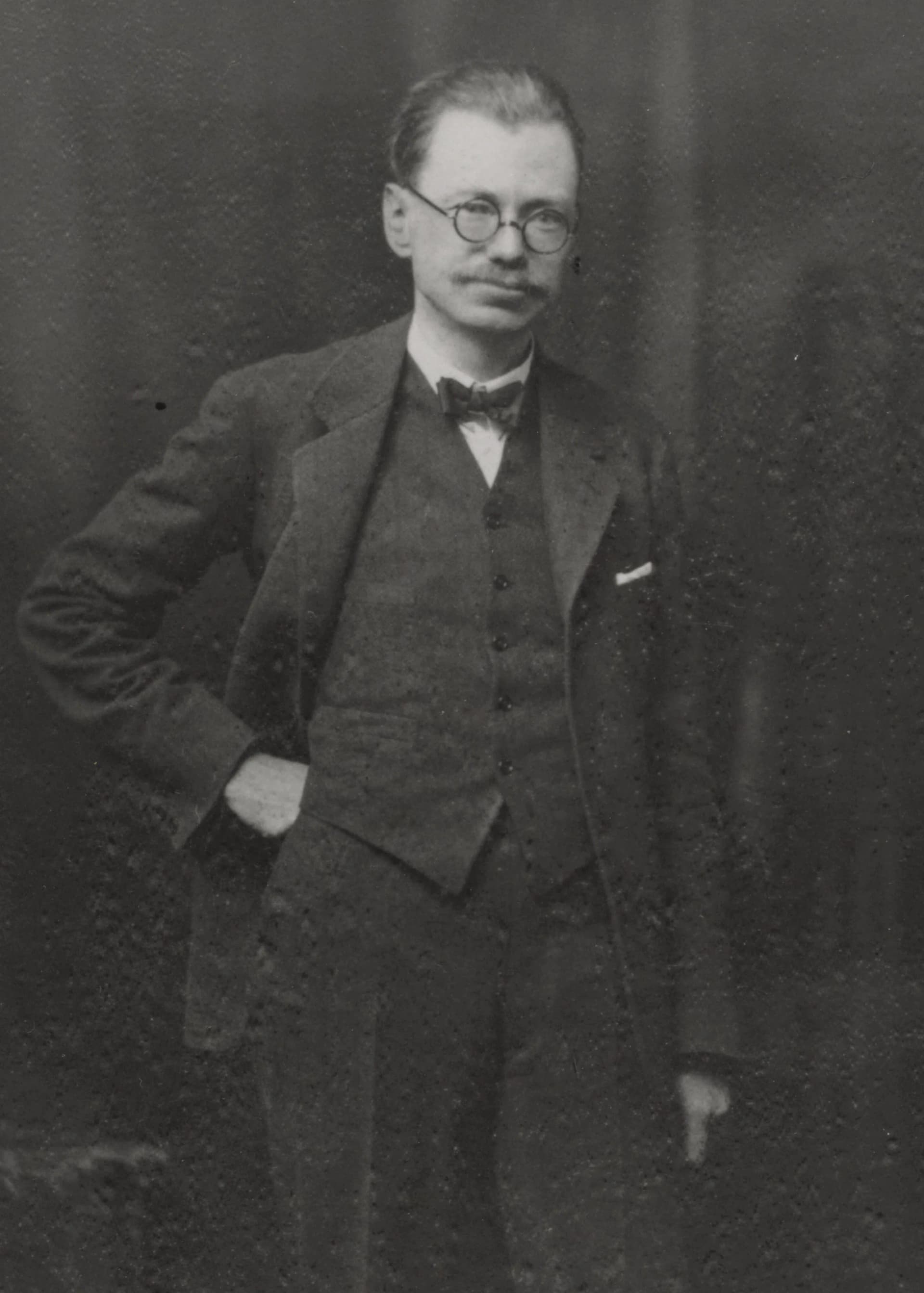
Martin Niemöller (1892–1984) was Germany best known for German theologian.
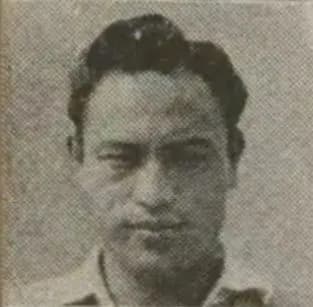
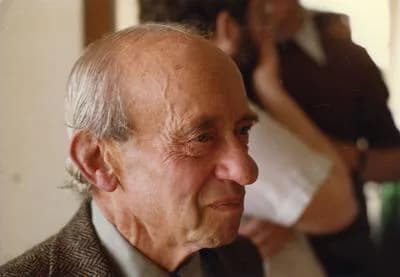
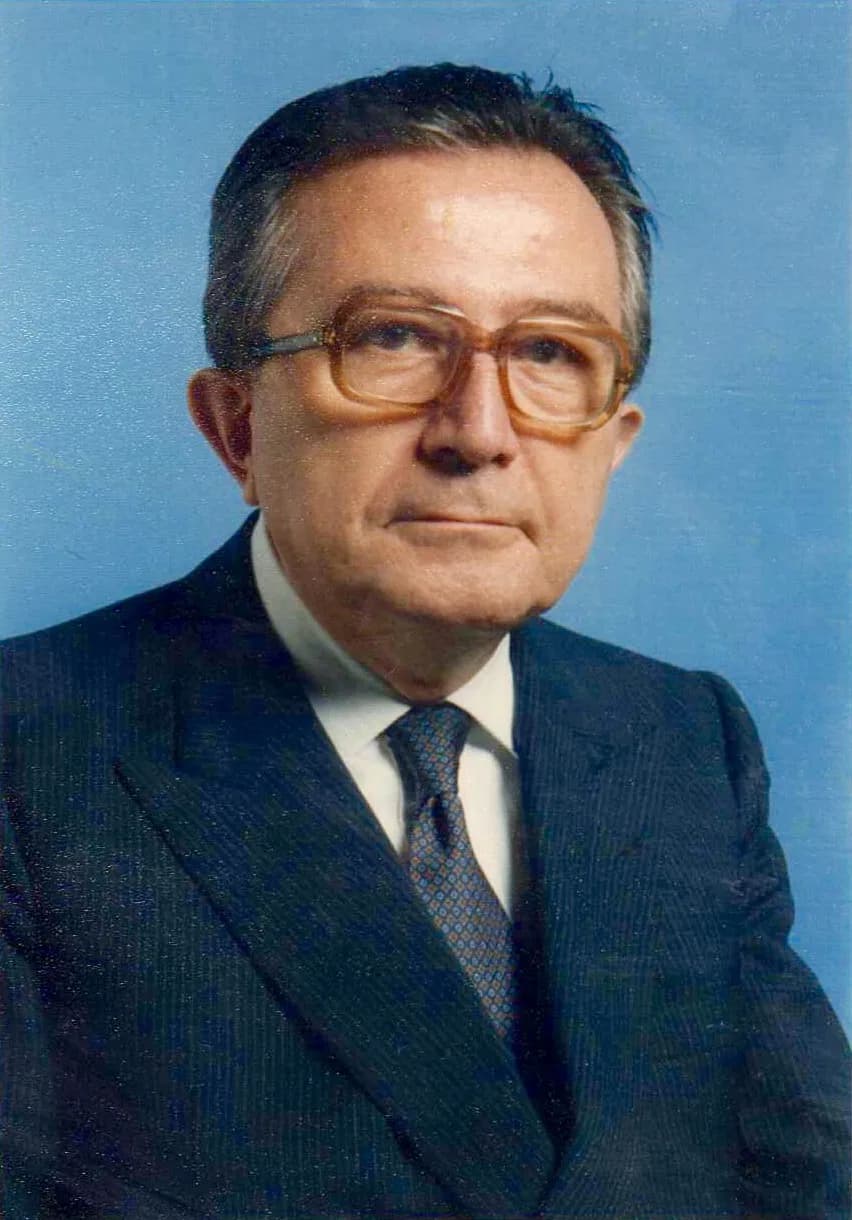
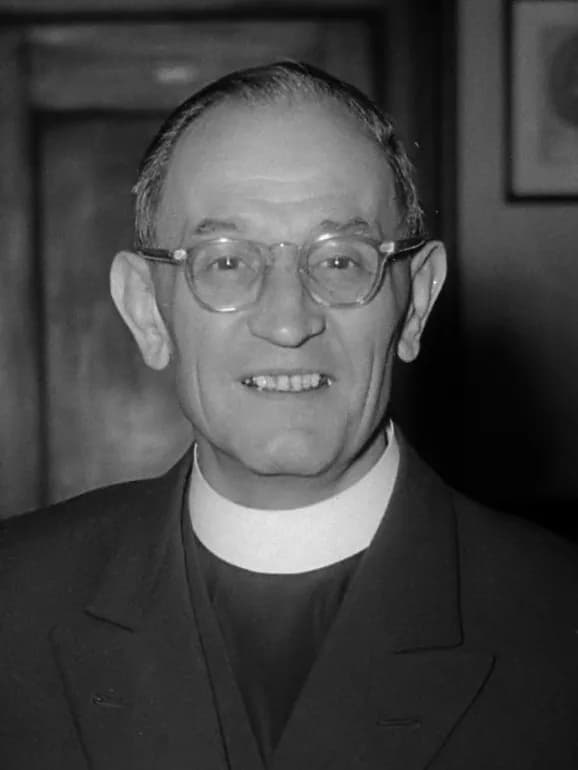
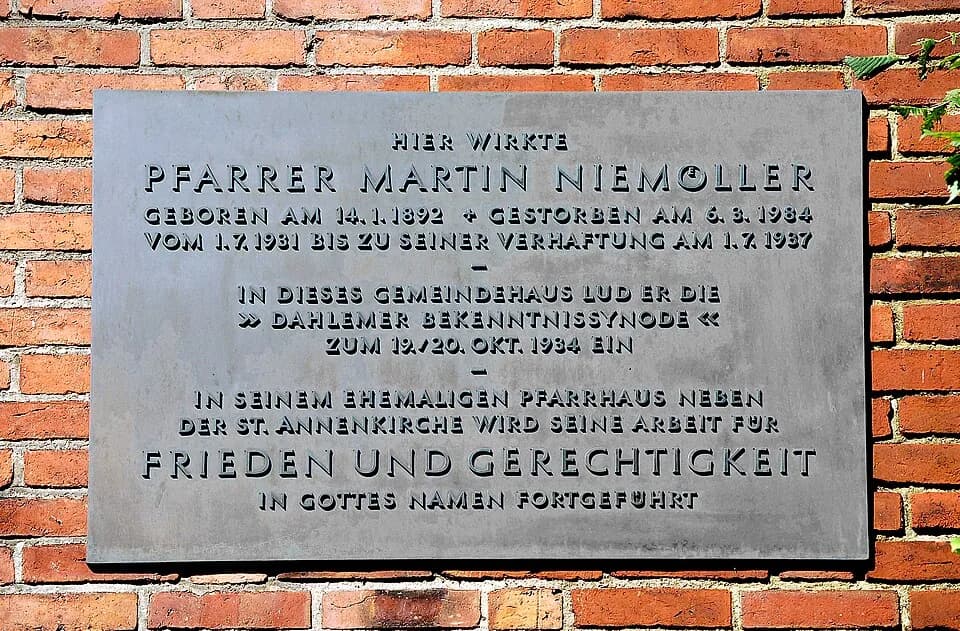
Friedrich Gustav Emil Martin Niemöller (January 14, 1892 – March 6, 1984) was a German theologian and Lutheran pastor. He famously opposed the Nazi regime, leading to his imprisonment in a concentration camp. After the war, he became a prominent peace activist, advocating for human rights globally.
पलों में एक जीवन
वे पल जिन्होंने एक जीवन को आकार दिया
अध्याय
जीवन के अध्याय
अध्याय 1 · 1892· अध्याय 1 में से 8
An Enduring Voice Against Indifference
Friedrich Gustav Emil Martin Niemöller (1892–1984) was a distinguished German theologian and Lutheran pastor. He is widely recognized for his steadfast opposition to the Nazi regime during the late 1930s. His principled stance led to his imprisonment in a concentration camp, solidifying his place as a resistance fighter.
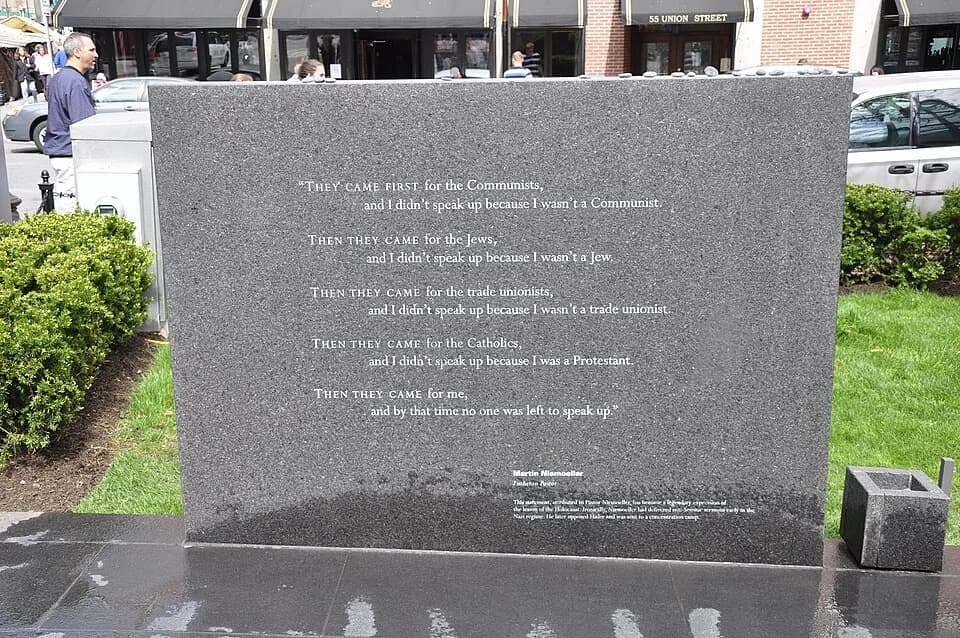
After World War II, Niemöller dedicated his life to advocating for human rights and condemning the atrocities of the Nazi cause. His profound confessional piece, "First They Came," published in 1946, stands as a powerful testament to the dangers of complicity. He became a global voice for peace and justice, traveling the world to share his experiences and insights.
अध्याय 2 · 1892· अध्याय 2 में से 8
Early Life and Origins
Martin Niemöller was born on January 14, 1892, in Lippstadt, Germany. His early years were shaped by a traditional German upbringing, leading him initially into a different path. Before embarking on his theological studies, Niemöller served as a submariner, a profession that reflects a period of military service in his youth.
This early experience in the German navy provided a unique background for the man who would later become a prominent spiritual leader. It shows a man of varied experiences before he dedicated his life to the church. His birth in Lippstadt provided the geographical roots for a life that would eventually span across continents in his later work.
अध्याय 3· अध्याय 3 में से 8
Career Beginnings and Resistance
Transitioning from his military career, Martin Niemöller pursued his calling to the church, becoming a Lutheran pastor. His theological work and pastoral duties began to establish him within the German religious community. However, the rise of the Nazi regime presented an immediate moral challenge to his faith and convictions.
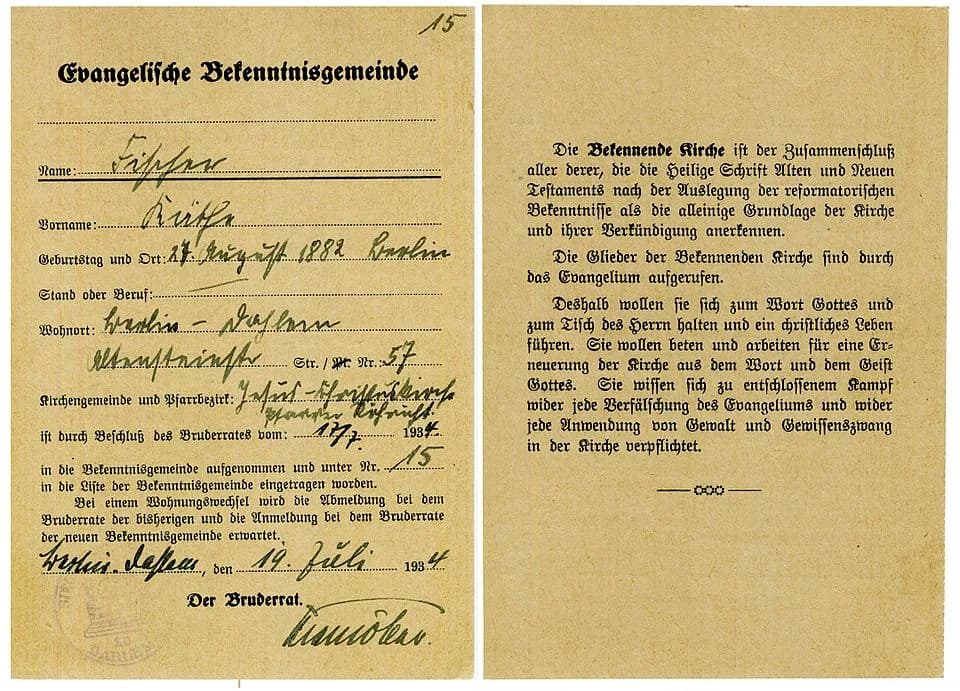
Niemöller soon emerged as a vocal opponent of the Nazi regime, particularly regarding state involvement in Church affairs. His courageous stance aligned him with the Confessing Church, a Protestant movement that resisted the Nazification of the German Protestant churches. This period in the late 1930s marked the beginning of his active resistance fighting.
अध्याय 4· अध्याय 4 में से 8
Major Achievements and Career Highlights
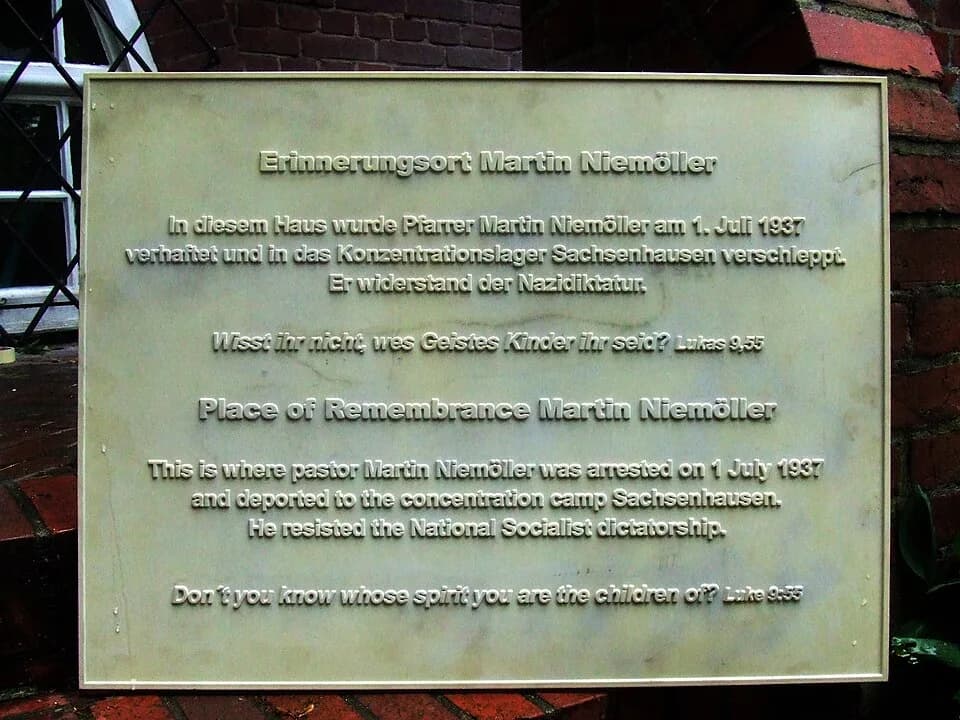
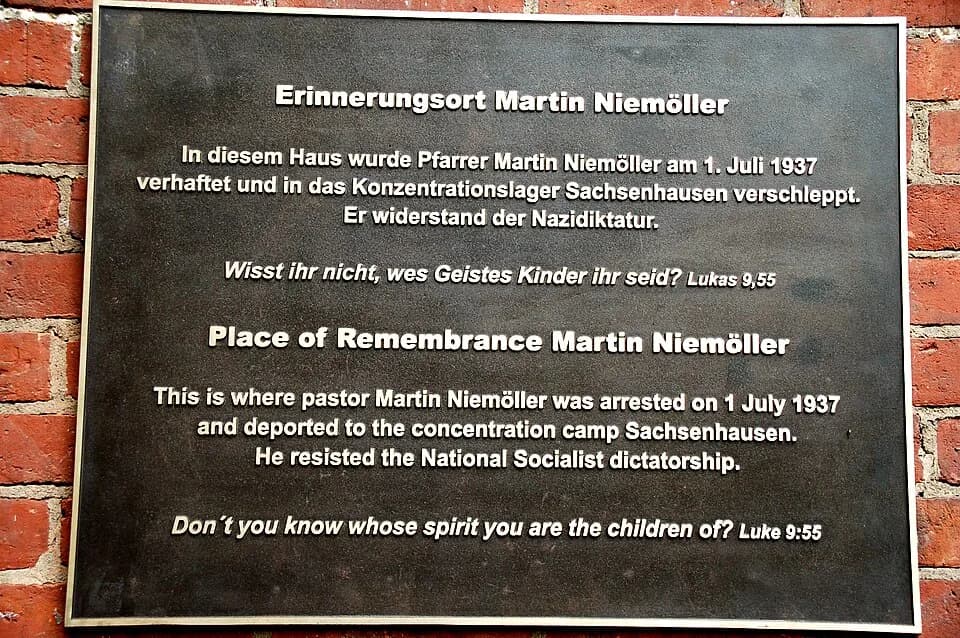
Martin Niemöller's unwavering opposition to the Nazi regime became a defining chapter of his life. His affiliation with the Confessing Church was not merely a theological position but an act of defiance against a tyrannical state. This principled stand ultimately led to his arrest and imprisonment in a concentration camp, a direct consequence of his activism.
Surviving the horrors of the concentration camp, Niemöller emerged from the war as a symbol of moral courage. Following 1945, he embarked on extensive tours around the world, using his platform to condemn the Nazi cause and educate people about the vital importance of human rights. These global journeys solidified his status as a dedicated peace activist and an international voice for justice.
अध्याय 5· अध्याय 5 में से 8
Personal Conviction and Guiding Principles
Martin Niemöller's life was profoundly shaped by his deeply held beliefs as a Lutheran pastor and theologian. His personal conviction fueled his transformation from a former submariner to a steadfast resistance fighter. He consistently demonstrated courage in the face of immense pressure, illustrating a commitment to justice that transcended personal risk.
His opposition to the Nazi regime was rooted in his moral and spiritual principles, guiding his actions during a dark period in history. Niemöller's identity as a peace activist further underscored his personal mission to advocate for human rights and foster reconciliation. This unwavering dedication to his principles defined his character and his life's work.
अध्याय 6 · 1946· अध्याय 6 में से 8
Notable Works and Contributions
Among Martin Niemöller's most widely recognized contributions is his confessional piece, "First They Came," which was published in 1946. This poignant reflection on the dangers of silence and inaction has resonated across generations. It serves as a powerful reminder of the importance of solidarity in the face of oppression, echoing his experiences under the Nazi regime.
Beyond this iconic work, Niemöller authored several significant theological and pastoral writings. His bibliography includes such titles as Dienst der Kirche am Volk and Christus 1963, which explore the role of the church in society. Other notable works include Das Bekenntnis der Väter und die bekennende Gemeinde, Kirchlichen Bruderschaft in Hessen und Nassau, and Das Christusbekenntnis der Kirche vor der Welt und die Bekenntnisse der Reformation, all reflecting his deep theological insights. Further contributions like Martin Niemöller, glauben und glaubwürdig handeln, Pfarrer Niemöller D.D. an die Göttinger Studenten, and 16 Predigten showcase his impactful preaching and intellectual engagement.
अध्याय 7· अध्याय 7 में से 8
Later Years and Final Impact
In his later years, Martin Niemöller continued his tireless work as a peace activist and educator. He remained an active voice on the global stage, steadfastly condemning the Nazi cause and tirelessly campaigning for human rights. His post-war life was marked by a commitment to ensuring that the lessons of history were not forgotten.
Martin Niemöller passed away on March 6, 1984, in Wiesbaden, Germany, at the age of 92. His passing marked the end of a long and impactful life dedicated to faith, resistance, and peace. He left behind a legacy that continues to inspire individuals to speak out against injustice.
अध्याय 8· अध्याय 8 में से 8
Legacy and Lasting Influence
The legacy of Martin Niemöller is deeply interwoven with his courageous resistance against the Nazi regime and his subsequent advocacy for human rights. His experiences in a concentration camp and his leadership within the Confessing Church cemented his status as a significant historical figure. He serves as an enduring symbol of conscience and moral fortitude.
Niemöller's powerful words in "First They Came" remain a globally recognized warning against persecution and indifference. His work as a theologian, Lutheran pastor, and peace activist continues to influence discussions on ethical leadership and the importance of active engagement for justice. His life stands as a testament to the power of one individual to challenge oppressive forces and champion human dignity.
अक्सर पूछे जाने वाले प्रश्न
अक्सर पूछे जाने वाले
Martin Niemöller की मृत्यु कब हुई?
Martin Niemöller की मृत्यु 6 मार्च 1984 Wiesbaden, Germany में हुई, 92 वर्ष की आयु में।
Martin Niemöller का जन्म कहाँ हुआ था?
Martin Niemöller का जन्म Lippstadt, Germany में 14 जनवरी 1892 को हुआ था।
Martin Niemöller किसके लिए सबसे अधिक प्रसिद्ध हैं?
Martin Niemöller German theologian के लिए सबसे अधिक प्रसिद्ध हैं।
मृत्यु के समय Martin Niemöller की आयु कितनी थी?
मृत्यु के समय Martin Niemöller की आयु 92 वर्ष थी।
Martin Niemöller की राष्ट्रीयता क्या थी?
Martin Niemöller Germany के थे।
समयरेखा
एक नज़र में जीवन
फोटो गैलरी
तस्वीरों में एक जीवन
किसी भी पोलरॉइड पर क्लिक करें · 36 तस्वीरें
QR कोड
इस जीवनी को साझा करें
प्रिंट करें और साझा करें
इस जीवनी पृष्ठ पर जाने के लिए स्कैन करें। आयोजनों, प्रदर्शनियों, या शैक्षिक सामग्रियों के लिए प्रिंट करें।