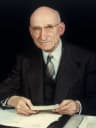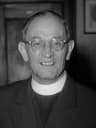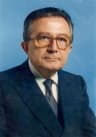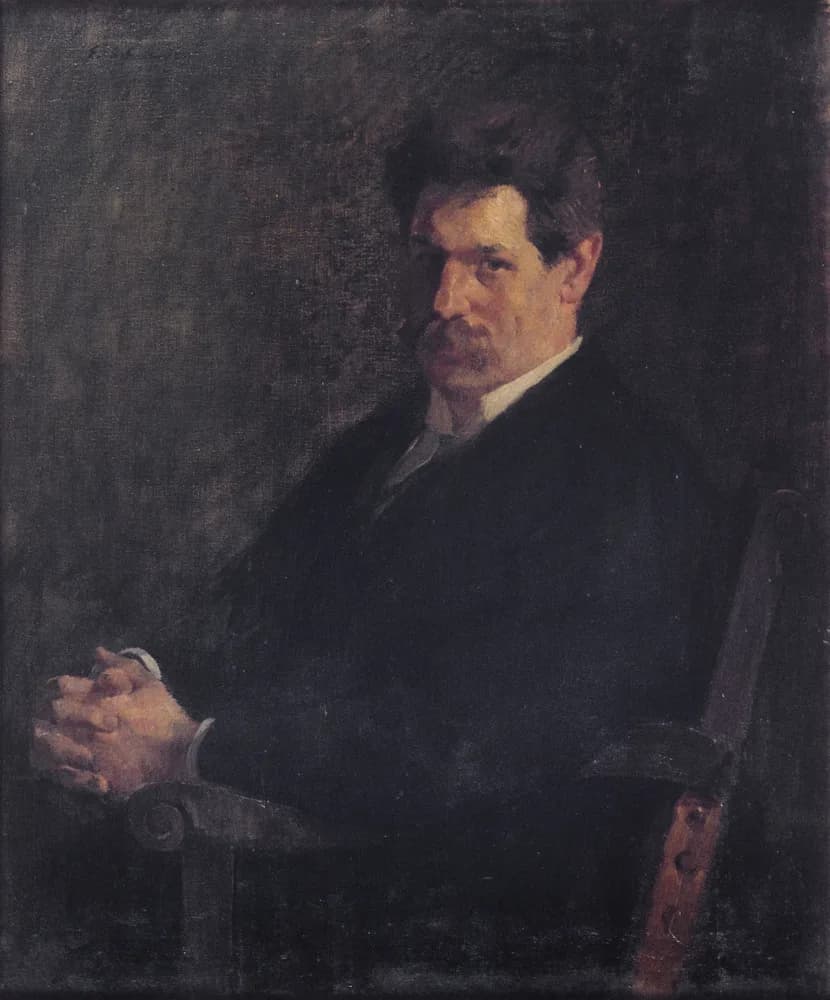
जन्म
January 14, 1875
Kaysersberg, France
मृत्यु
September 4, 1965
Lambaréné, Gabon
किसके लिए जाने जाते हैं
French-German physician, theologian, musician, and philosopher
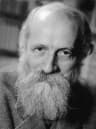
Albert Schweitzer (1875–1965) was France best known for French-German physician, theologian, musician, and philosopher.
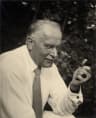
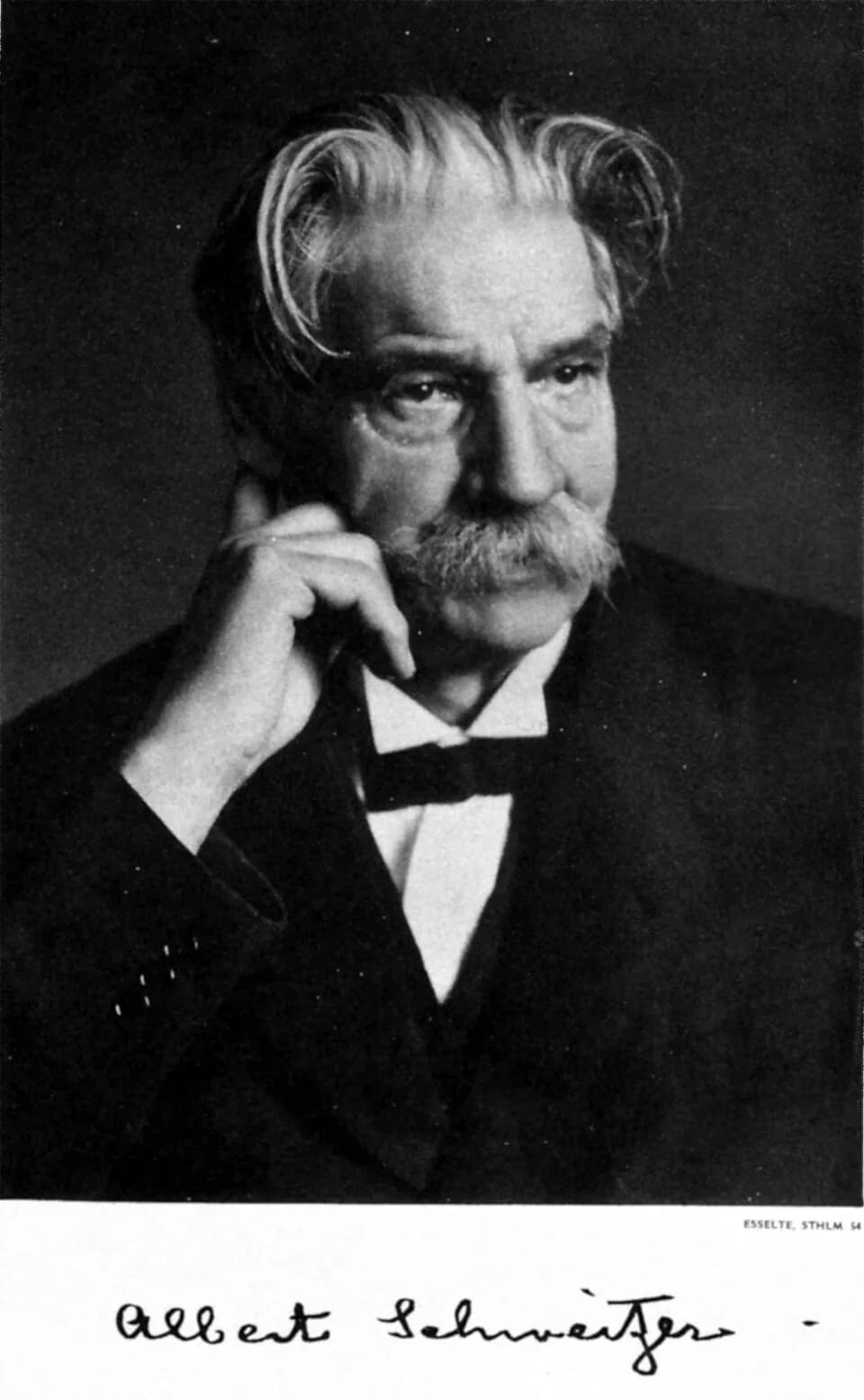
Albert Schweitzer (January 14, 1875 – September 4, 1965) was a French-German physician, theologian, musician, and philosopher. He was known for his humanitarian work in Lambaréné, Gabon, and his ethical principle of "reverence for life." Schweitzer received the Nobel Peace Prize in 1952 for his dedication to human brotherhood.
अध्याय
जीवन के अध्याय
अध्याय 1 · 1875· अध्याय 1 में से 6
Early Life and Origins
Ludwig Philipp Albert Schweitzer was born on January 14, 1875, in Kaysersberg, France, a town situated in the Alsace region. Growing up in this borderland, he experienced both French and German cultures, which likely contributed to his later French-German designation and polymathic outlook. His early life was marked by a broad intellectual curiosity, laying the foundation for his later pursuits in theology, music, and philosophy.
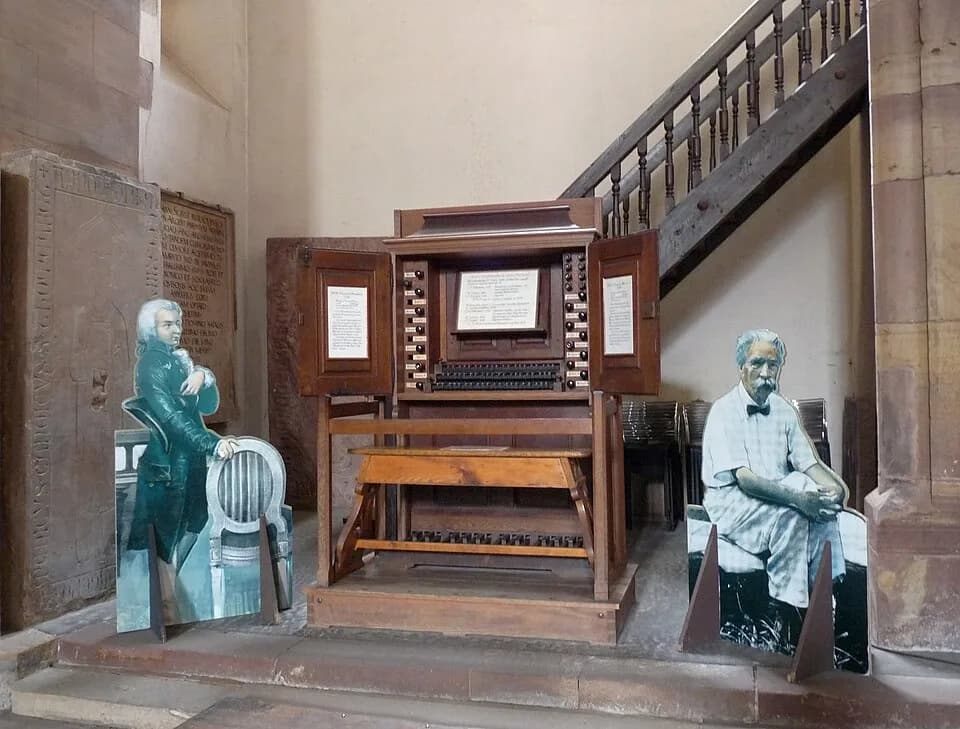
Schweitzer's formative years included a deep engagement with music, particularly the organ. He developed exceptional skill as an organist and musicologist, interests that he would cultivate throughout his entire life. These early experiences nurtured his intellectual growth and prepared him for a career that defied conventional boundaries.
अध्याय 2· अध्याय 2 में से 6
Career Beginnings
Beginning his public life as a Lutheran minister, Albert Schweitzer became a university teacher and theologian. He notably challenged both the secular view of the historical Jesus, prevalent through the historical-critical method of his era, and traditional Christian interpretations. His theological work focused on Pauline Christianity, emphasizing Paul's mysticism of "being in Christ" as central, rather than primarily the doctrine of justification by faith.
Despite his flourishing academic and musical career, Schweitzer felt a profound calling to direct humanitarian service. At the age of 30, he decided to pursue medicine to serve humanity directly, particularly in Africa. This decision led him to study medicine and eventually establish his hospital in Lambaréné, Gabon, a testament to his deeply held convictions.
अध्याय 3 · 1913· अध्याय 3 में से 6
Major Achievements and Career Highlights
Albert Schweitzer's most enduring achievement was the establishment and operation of his hospital in Lambaréné, Gabon, where he dedicated decades of his life as a missionary physician. His humanitarian work there began in 1913, providing medical care and challenging conventional approaches to healthcare in colonial settings. He tirelessly worked to improve health conditions and foster dignity among the local population.
His ethical principle, "reverence for life" (Elämän kunnioitus), guided his humanitarian efforts and philosophical writings. This concept advocated for an ethical responsibility towards all living beings. In recognition of his altruism, his "reverence for life," and his tireless humanitarian work in Lambaréné, Albert Schweitzer was awarded the Nobel Peace Prize in 1952, an honor that brought global attention to his dedication to human brotherhood.
अध्याय 4· अध्याय 4 में से 6
Notable Works or Contributions
Albert Schweitzer's intellectual output was as varied as his professional life, encompassing theology, philosophy, and musicology. Among his most influential theological works is The Quest of the Historical Jesus, which critically examined historical interpretations of Jesus. His philosophical ideas were explored in Kulturphilosophie and further elaborated in his concept of "reverence for life," which also titles his work Elämän kunnioitus.
He documented his experiences and thoughts in his autobiography, Aus meinem Leben und Denken (Out of My Life and Thought), offering insights into his motivations and life's journey. As a renowned organist, his discography includes significant recordings such as Albert Schweitzer Plays Bach, Volume I (1992) and Werke für Orgel (1993), preserving his interpretations of classical organ music for future generations.
अध्याय 5· अध्याय 5 में से 6
Later Years
Albert Schweitzer spent the majority of his later life continuing his work at the hospital in Lambaréné, Gabon, which grew from a simple clinic into a significant medical center under his guidance. He continued to write, play the organ, and engage with philosophical and ethical questions even as he oversaw the daily operations of the hospital. His unwavering commitment to direct service persisted for decades.
He remained active until his death on September 4, 1965, at the age of 90, in Lambaréné, Gabon, the place that had become synonymous with his humanitarian mission. His passing marked the end of a long and impactful life dedicated to healing and thoughtful reflection.
अध्याय 6· अध्याय 6 में से 6
Legacy and Impact
Albert Schweitzer's legacy endures through his ethical philosophy of "reverence for life," which continues to inspire discussions on environmental ethics and animal rights. His humanitarian model in Lambaréné, Gabon, served as an example of medical service rooted in deep respect for local cultures and individual dignity. His influence helped make the idea of brotherhood between men and nations a tangible aspiration.
As a theologian, philosopher, and musician, his contributions spanned multiple disciplines, offering fresh perspectives on the historical Jesus, Pauline mysticism, and the interpretation of Bach's organ works. The numerous academic publications, including his early electrophysiologic studies and later observational reports from Gabon, further demonstrate his comprehensive engagement with both science and humanity.
पलों में एक जीवन
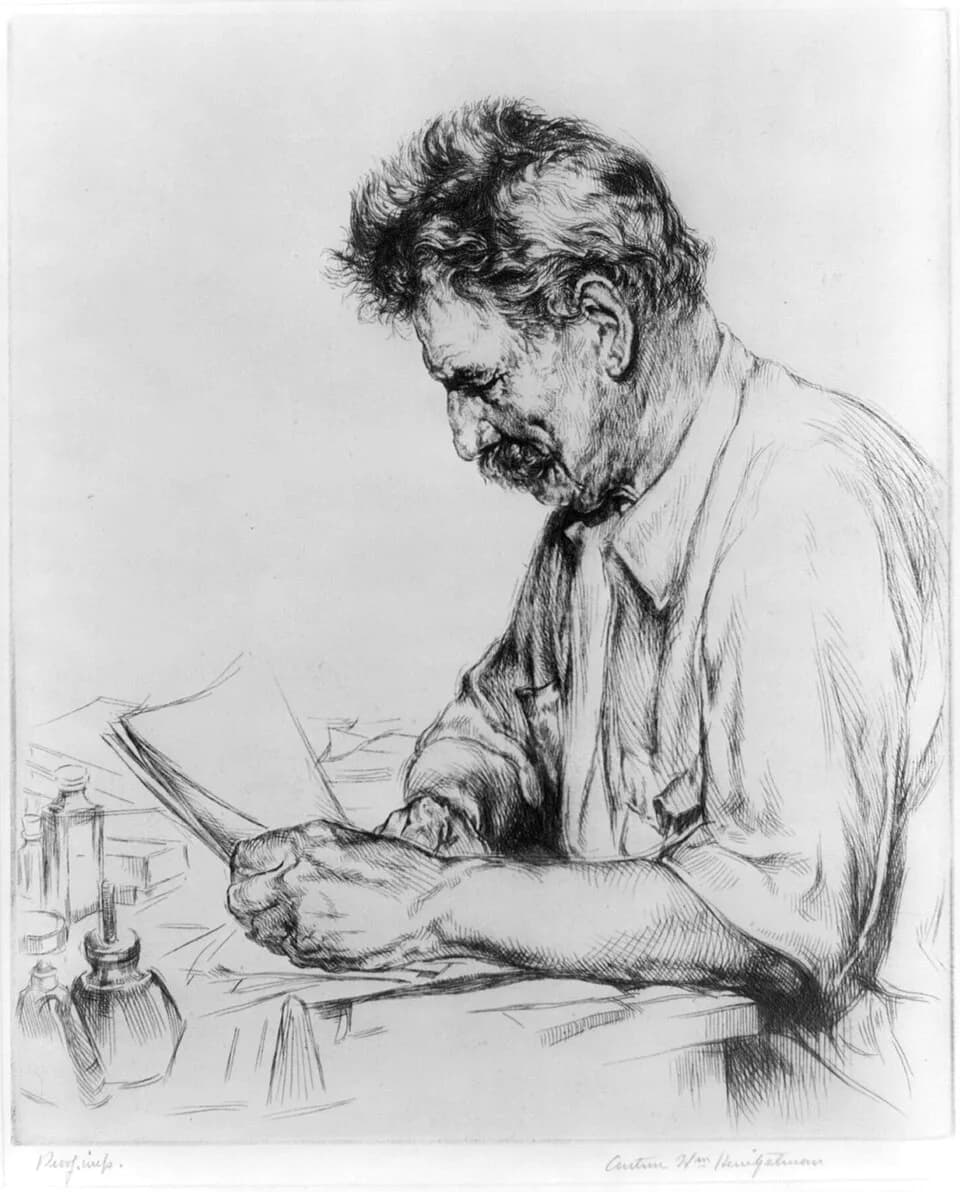
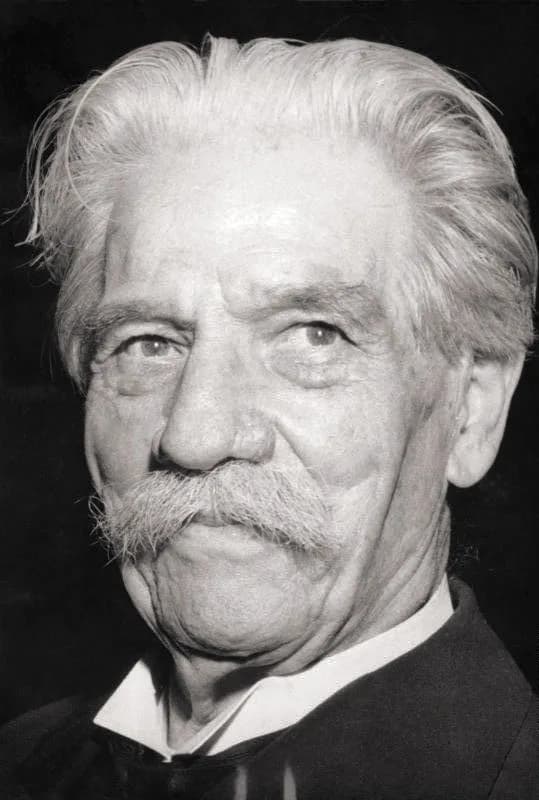
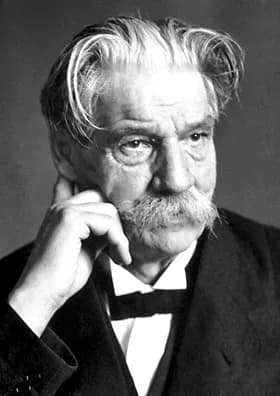
वे पल जिन्होंने एक जीवन को आकार दिया

अक्सर पूछे जाने वाले प्रश्न
अक्सर पूछे जाने वाले
Albert Schweitzer की मृत्यु कब हुई?
Albert Schweitzer की मृत्यु 4 सितंबर 1965 Lambaréné, Gabon में हुई, 90 वर्ष की आयु में।
Albert Schweitzer का जन्म कहाँ हुआ था?
Albert Schweitzer का जन्म Kaysersberg, France में 14 जनवरी 1875 को हुआ था।
Albert Schweitzer किसके लिए सबसे अधिक प्रसिद्ध हैं?
Albert Schweitzer French-German physician, theologian, musician, and philosopher के लिए सबसे अधिक प्रसिद्ध हैं।
मृत्यु के समय Albert Schweitzer की आयु कितनी थी?
मृत्यु के समय Albert Schweitzer की आयु 90 वर्ष थी।
Albert Schweitzer की राष्ट्रीयता क्या थी?
Albert Schweitzer France के थे।
समयरेखा
एक नज़र में जीवन
फोटो गैलरी
तस्वीरों में एक जीवन
किसी भी पोलरॉइड पर क्लिक करें · 46 तस्वीरें
QR कोड
इस जीवनी को साझा करें
प्रिंट करें और साझा करें
इस जीवनी पृष्ठ पर जाने के लिए स्कैन करें। आयोजनों, प्रदर्शनियों, या शैक्षिक सामग्रियों के लिए प्रिंट करें।