जन्म
February 11, 1898
Budapest, Hungary
मृत्यु
May 30, 1964
La Jolla, United States
किसके लिए जाने जाते हैं
Hungarian-American Jewish physicist and inventor
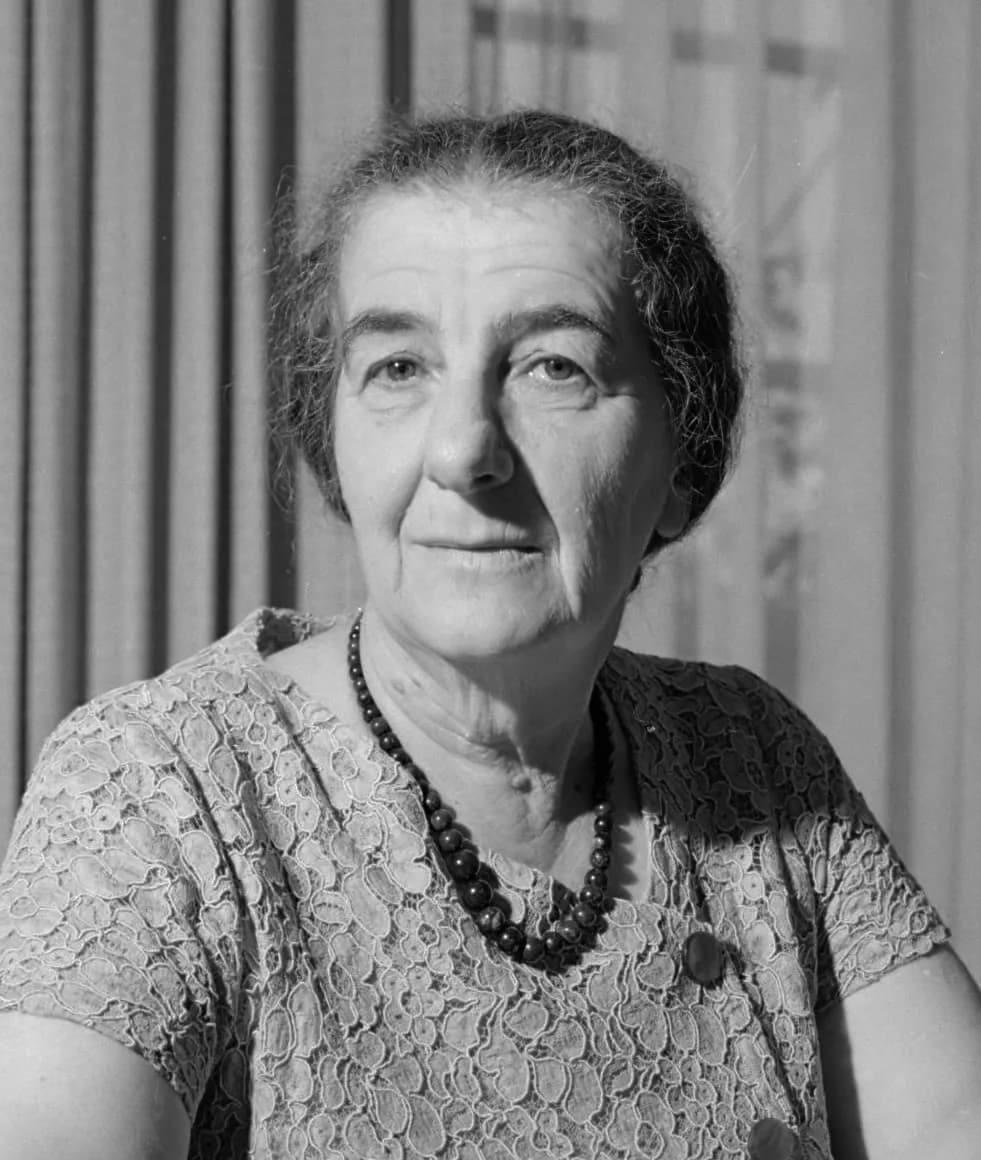
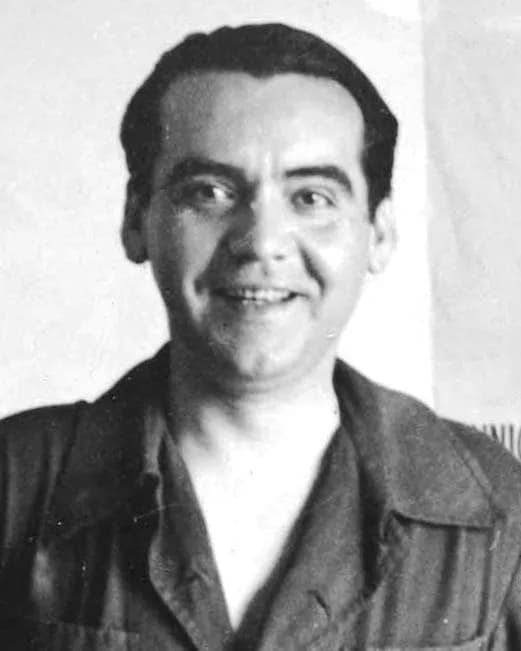
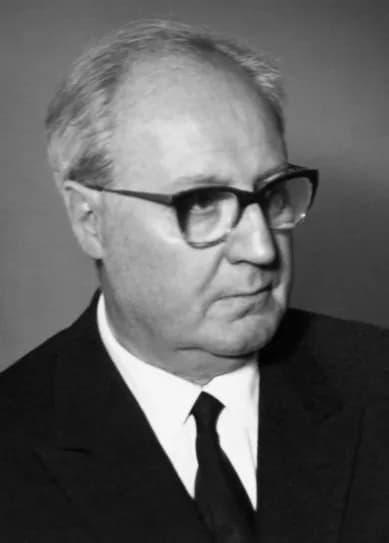
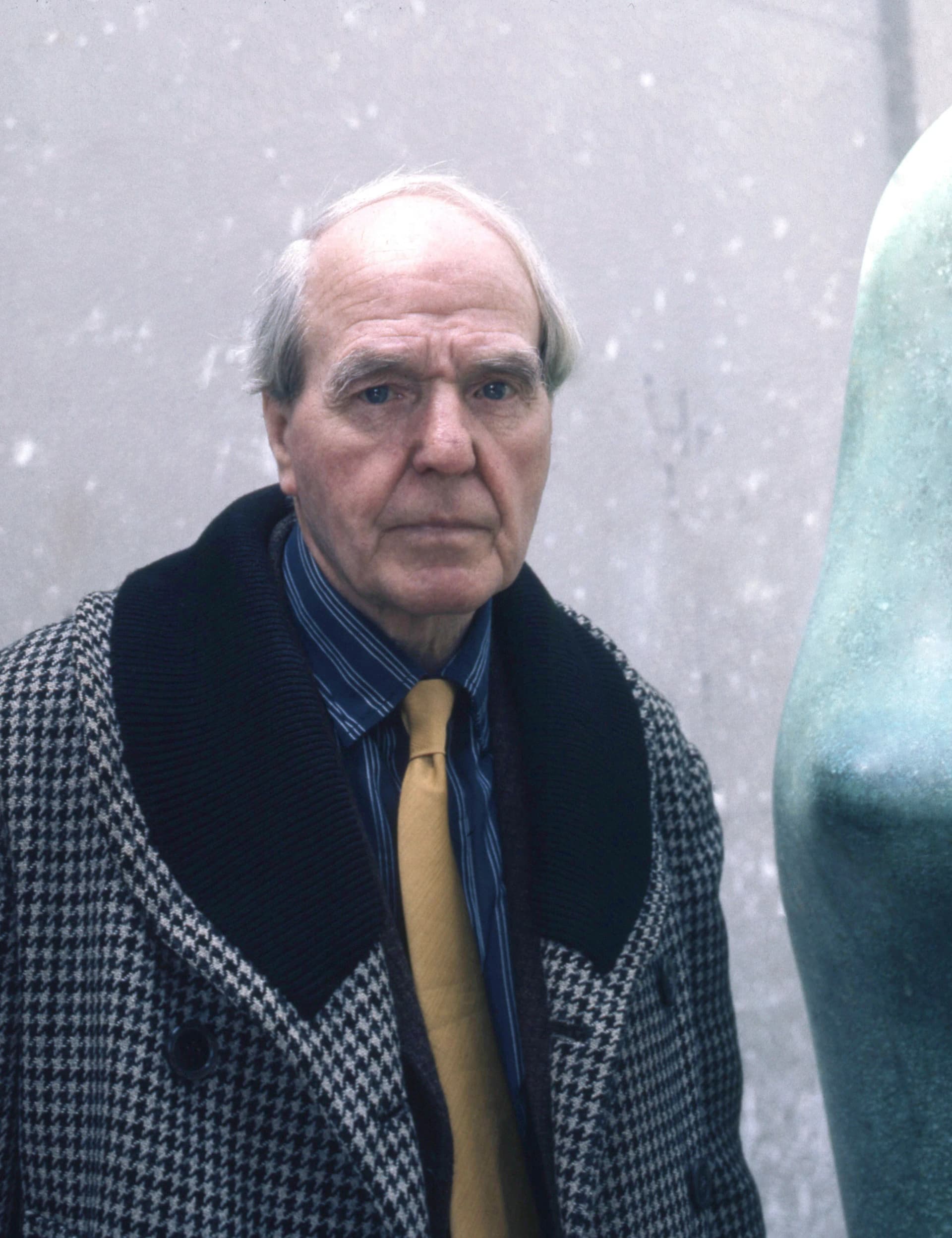
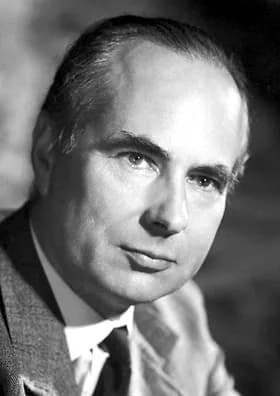
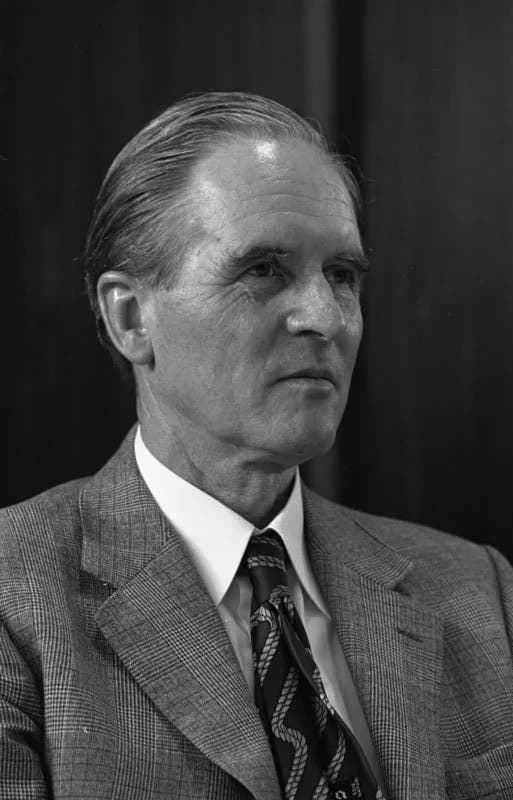
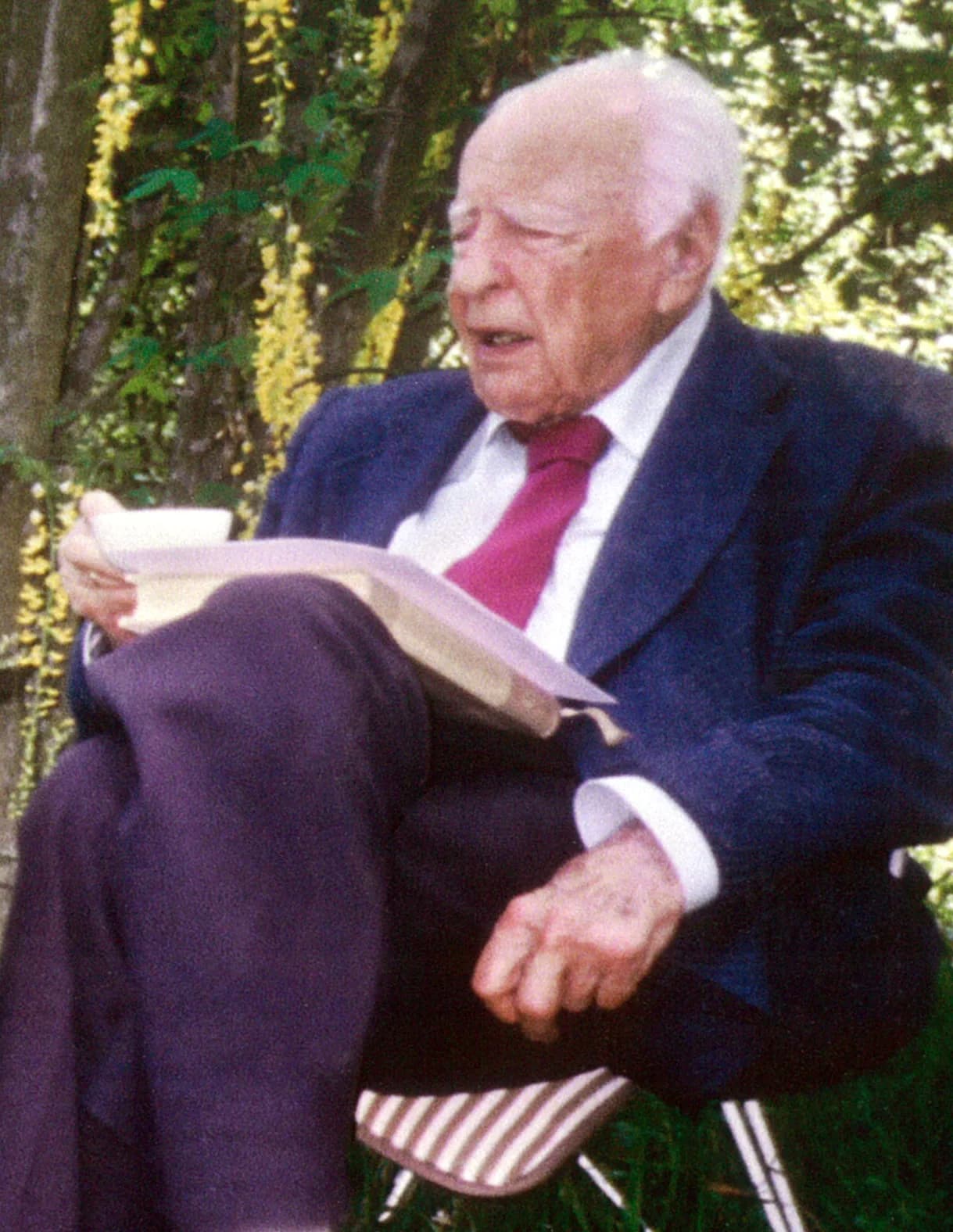
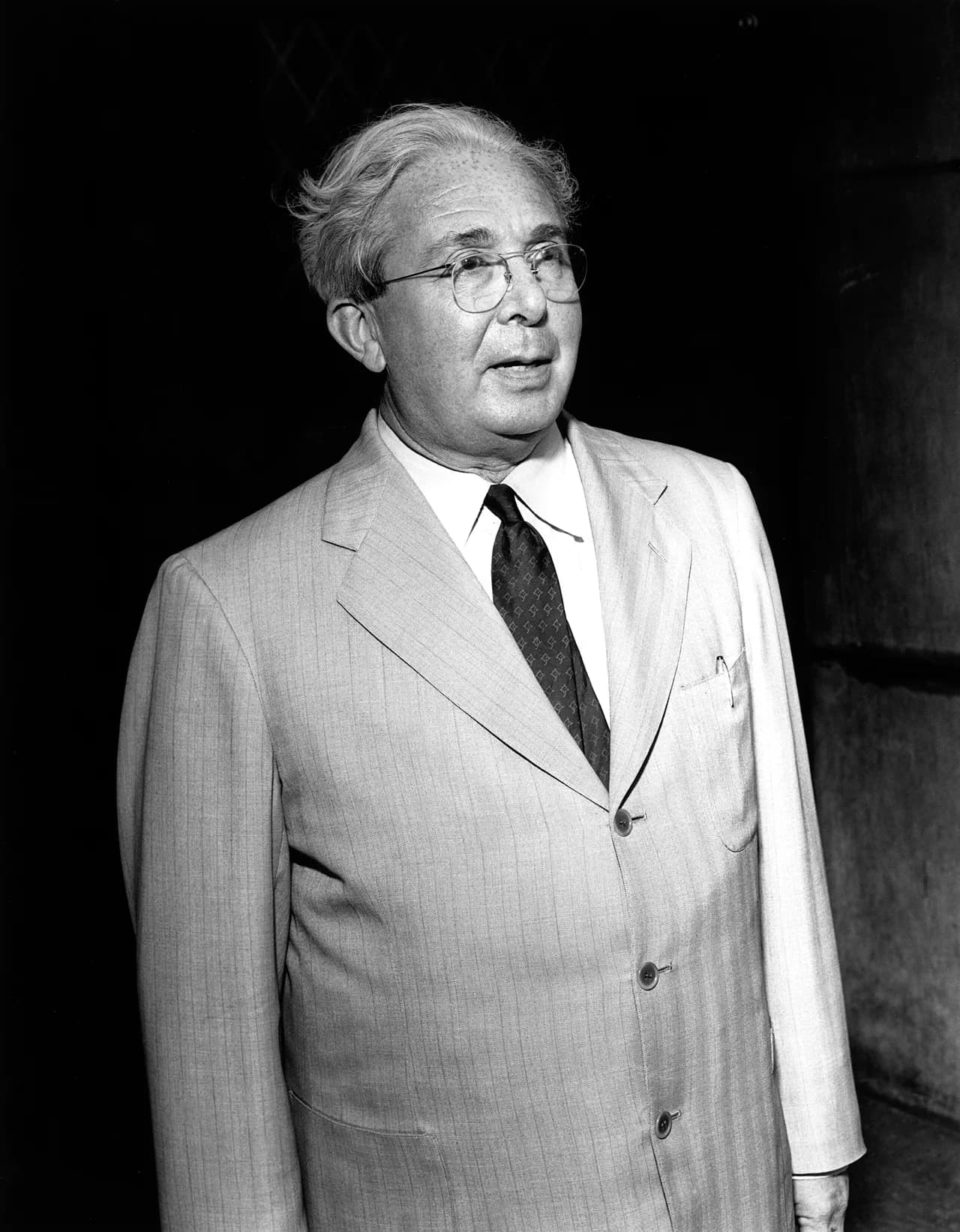
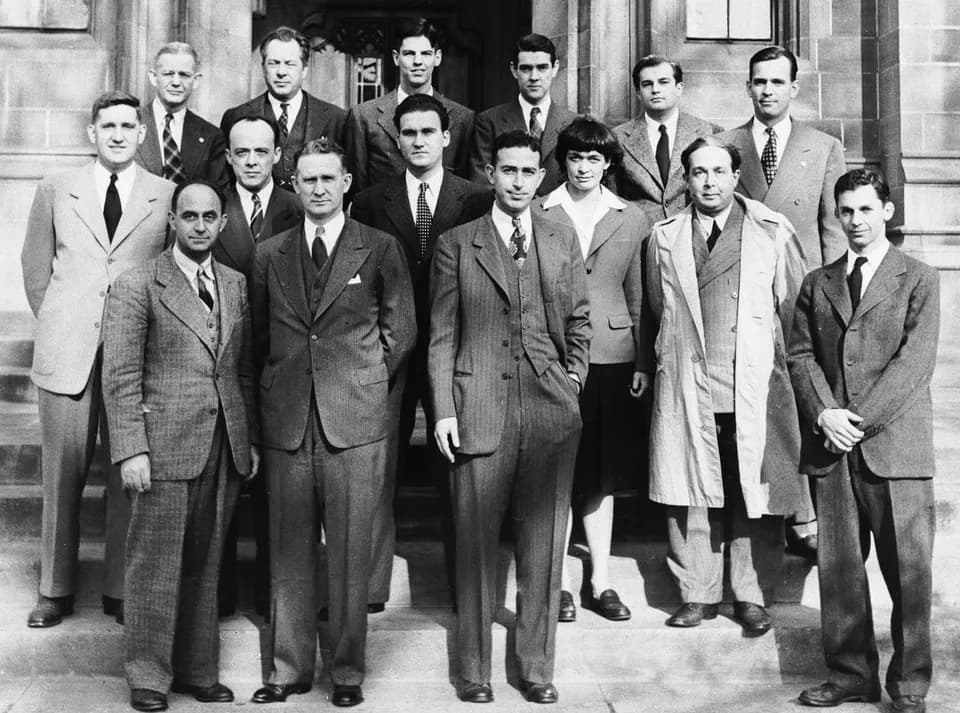
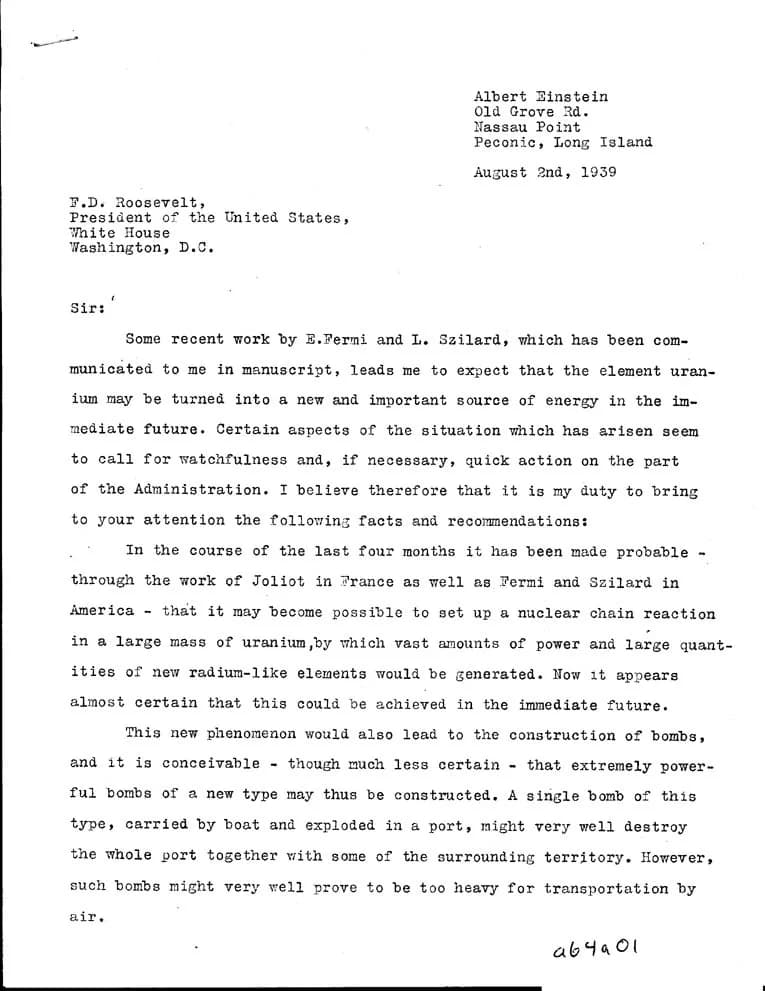
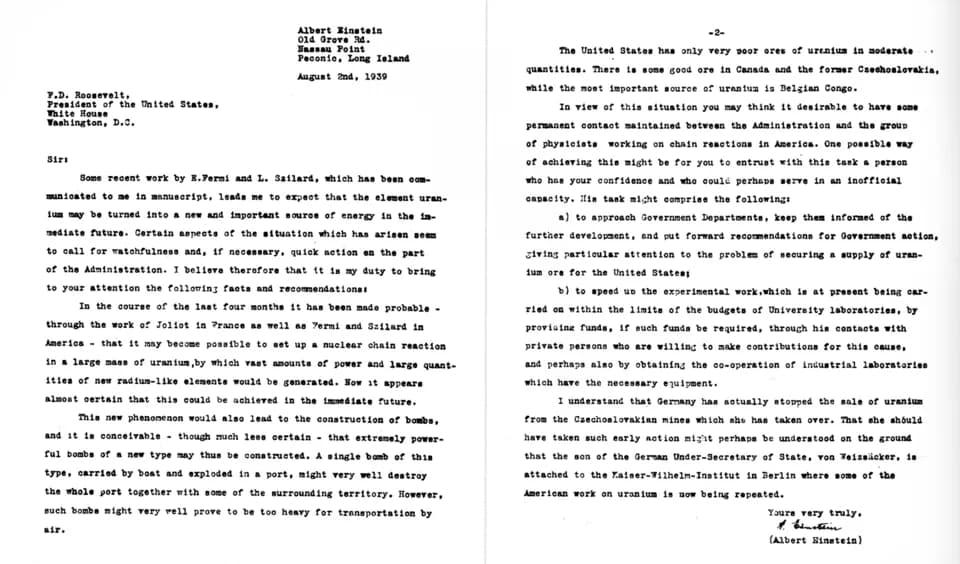
Leó Szilárd (1898-1964) was a Hungarian-American physicist, inventor, and biologist who conceived the nuclear chain reaction in 1933. He wrote the letter that Einstein signed to President Roosevelt, launching the Manhattan Project. His work fundamentally changed both nuclear science and scientific ethics.
पलों में एक जीवन
वे पल जिन्होंने एक जीवन को आकार दिया
अध्याय
जीवन के अध्याय
अध्याय 1 · 1898· अध्याय 1 में से 7
Early Life and Origins
Born on February 11, 1898, in Budapest, Hungary, Leó Szilárd grew up in a world on the brink of unprecedented scientific discovery. His Hungarian origins would later connect him to a remarkable group of scientists known as "The Martians" - brilliant Hungarian minds who would revolutionize physics and mathematics. Budapest during his youth was a center of intellectual activity, providing the foundation for his future scientific pursuits. His early education in Hungary prepared him for the academic journey that would take him across Europe and eventually to America.
अध्याय 2· अध्याय 2 में से 7
Career Beginnings
Szilárd's scientific career began in Europe, where he developed his understanding of physics and began forming the ideas that would later prove revolutionary. His early work focused on theoretical physics, but he possessed an unusual ability to see practical applications for abstract concepts. The political climate in Europe during the 1930s would eventually drive him, like many other Jewish scientists, to seek refuge in America. This migration proved fortunate for both Szilárd and his adopted country, as it placed his genius at the heart of American scientific advancement.
अध्याय 3 · 1933· अध्याय 3 में से 7
Major Achievements and Career Highlights
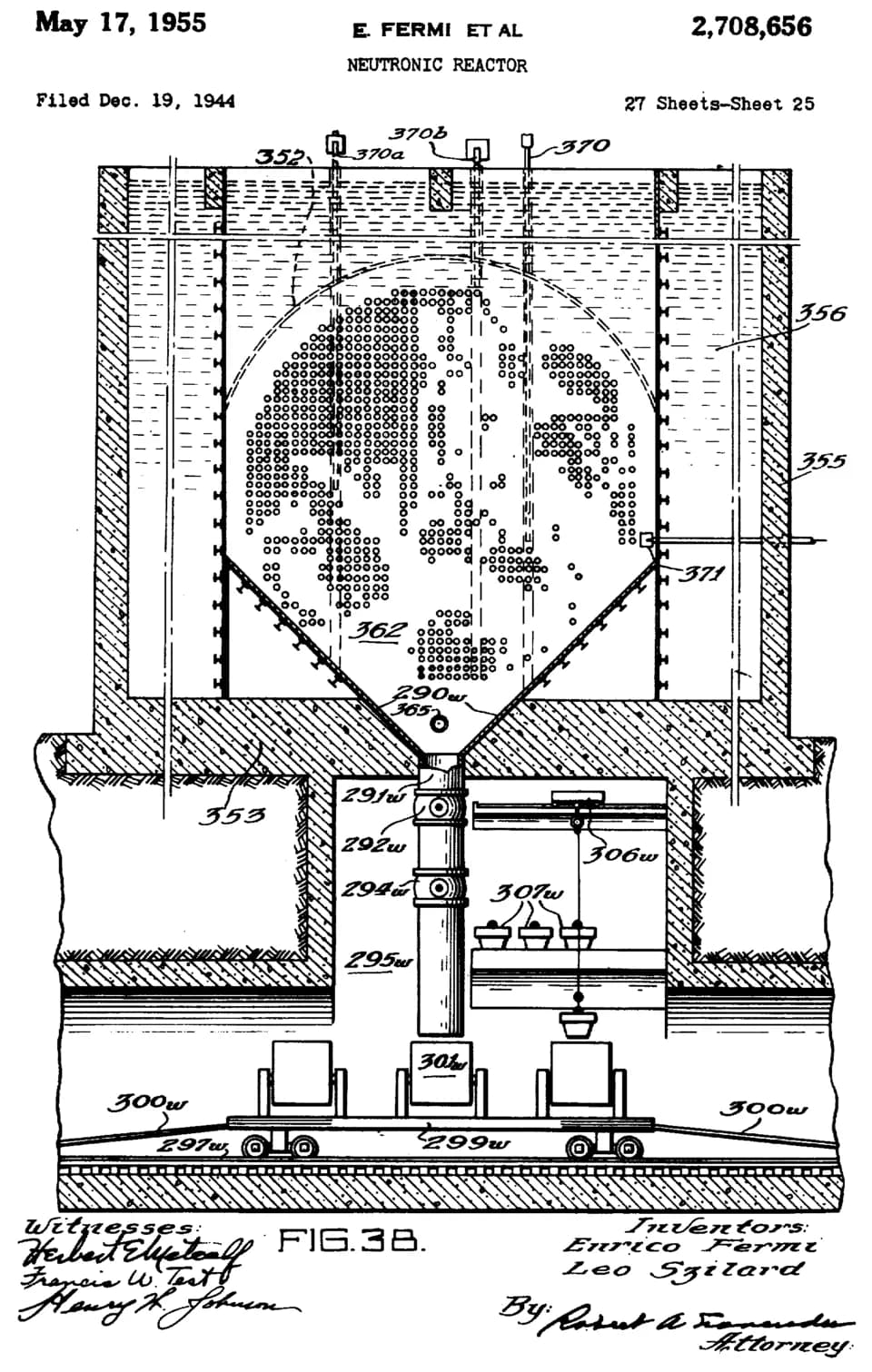
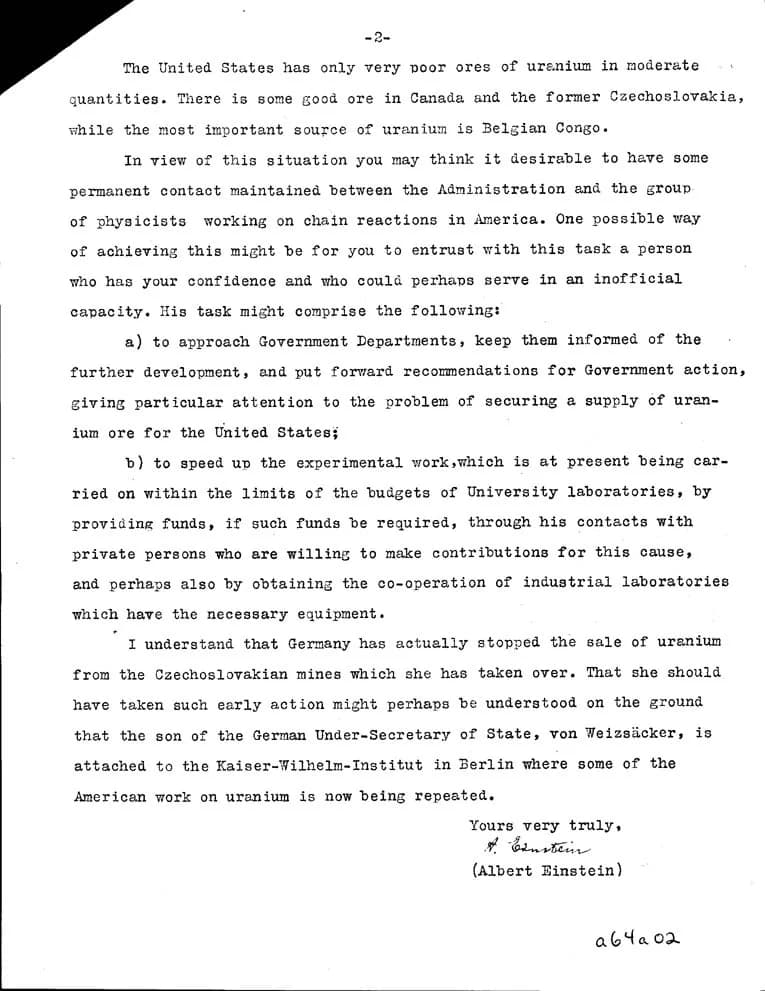
In 1933, Szilárd conceived the idea of the nuclear chain reaction, a concept that would become the foundation of nuclear power and nuclear weapons. He demonstrated remarkable foresight by patenting this idea in 1936, years before its practical application became reality. His understanding of the potential implications of nuclear fission led him to draft the famous letter that Albert Einstein signed in late 1939, addressed to President Franklin D. Roosevelt. This letter directly resulted in the creation of the Manhattan Project, the massive American effort to develop the atomic bomb during World War II.
Despite his role in initiating the bomb's development, Szilárd later became concerned about its use against civilian populations. In 1945, he wrote the Szilárd petition to President Harry S. Truman, urging that the atomic bomb be demonstrated rather than dropped on Japanese cities. This petition reflected his deep moral concern about the weapons his scientific work had made possible.
अध्याय 4· अध्याय 4 में से 7
Personal Life
Szilárd's personal life was deeply intertwined with his scientific pursuits and his status as an émigré scientist. As a Hungarian-born Jewish intellectual, he experienced firsthand the upheavals of 20th-century Europe. His move to the United States represented not just a career change but a fundamental shift in his life circumstances. Beyond his primary work in physics, Szilárd explored other intellectual interests, including molecular biology and even science fiction writing, demonstrating the breadth of his curious mind.
अध्याय 5· अध्याय 5 में से 7
Notable Works and Contributions
Szilárd's contributions extended far beyond his famous nuclear chain reaction concept. He worked as a university teacher, sharing his knowledge with the next generation of scientists. His research in molecular biology showed his ability to apply his analytical skills to entirely different scientific fields. His science fiction writing revealed his ability to imagine the long-term consequences of scientific discoveries, a skill that served him well in his advocacy work regarding nuclear weapons policy.
अध्याय 6 · 1964· अध्याय 6 में से 7
Later Years
In his later years, Szilárd continued his scientific work while also becoming increasingly involved in efforts to control nuclear weapons proliferation. He spent considerable time thinking about the social and political implications of scientific discoveries. His final years were spent in La Jolla, United States, where he continued his research and writing until his death on May 30, 1964. Even as his health declined, he remained committed to using science for the betterment of humanity.
अध्याय 7· अध्याय 7 में से 7
Legacy and Impact
Szilárd's legacy extends far beyond his specific scientific discoveries. He exemplified the scientist as both innovator and moral voice, someone who took responsibility for the implications of his work. His role in both initiating and then questioning the development of nuclear weapons established a model for scientific responsibility that continues to influence researchers today. As one of "The Martians," he helped establish the United States as a center of scientific excellence, contributing to America's emergence as a global leader in physics and technology.
His work in nuclear physics laid the foundation for both nuclear power generation and nuclear medicine, technologies that continue to benefit humanity decades after his death. His later work in molecular biology helped bridge the gap between physics and life sciences, contributing to the development of modern biotechnology. The moral questions he raised about the application of scientific knowledge remain relevant as new technologies continue to reshape our world.
अक्सर पूछे जाने वाले प्रश्न
अक्सर पूछे जाने वाले
Leó Szilárd की मृत्यु कब हुई?
Leó Szilárd की मृत्यु 30 मई 1964 La Jolla, United States में हुई, 66 वर्ष की आयु में।
Leó Szilárd का जन्म कहाँ हुआ था?
Leó Szilárd का जन्म Budapest, Hungary में 11 फ़रवरी 1898 को हुआ था।
Leó Szilárd किसके लिए सबसे अधिक प्रसिद्ध हैं?
Leó Szilárd Hungarian-American Jewish physicist and inventor के लिए सबसे अधिक प्रसिद्ध हैं।
मृत्यु के समय Leó Szilárd की आयु कितनी थी?
मृत्यु के समय Leó Szilárd की आयु 66 वर्ष थी।
Leó Szilárd की राष्ट्रीयता क्या थी?
Leó Szilárd Hungary के थे।
समयरेखा
एक नज़र में जीवन
फोटो गैलरी
तस्वीरों में एक जीवन
किसी भी पोलरॉइड पर क्लिक करें · 43 तस्वीरें
QR कोड
इस जीवनी को साझा करें
प्रिंट करें और साझा करें
इस जीवनी पृष्ठ पर जाने के लिए स्कैन करें। आयोजनों, प्रदर्शनियों, या शैक्षिक सामग्रियों के लिए प्रिंट करें।