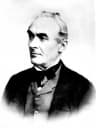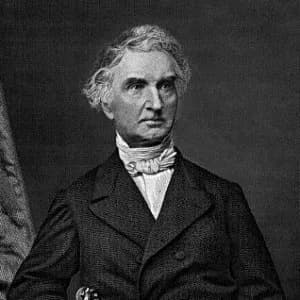
जन्म
May 12, 1803
Darmstadt, Germany
मृत्यु
April 18, 1873
Munich, Germany
किसके लिए जाने जाते हैं
German chemist
Justus von Liebig (1803–1873) was Germany best known for German chemist.
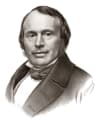
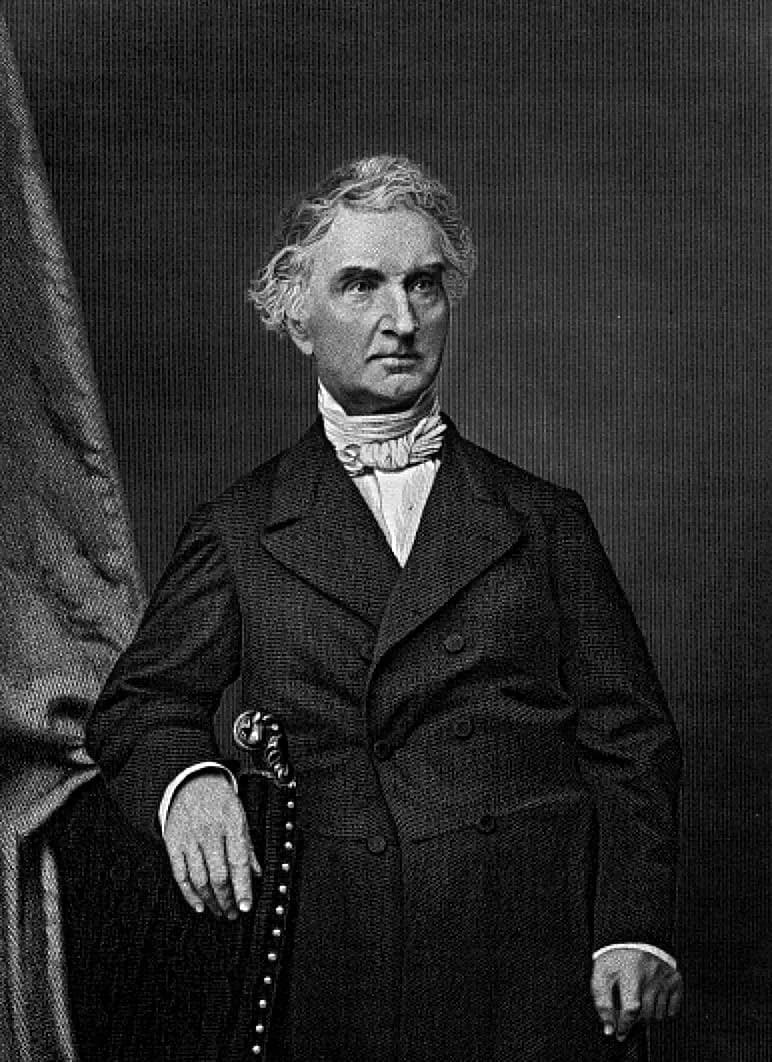
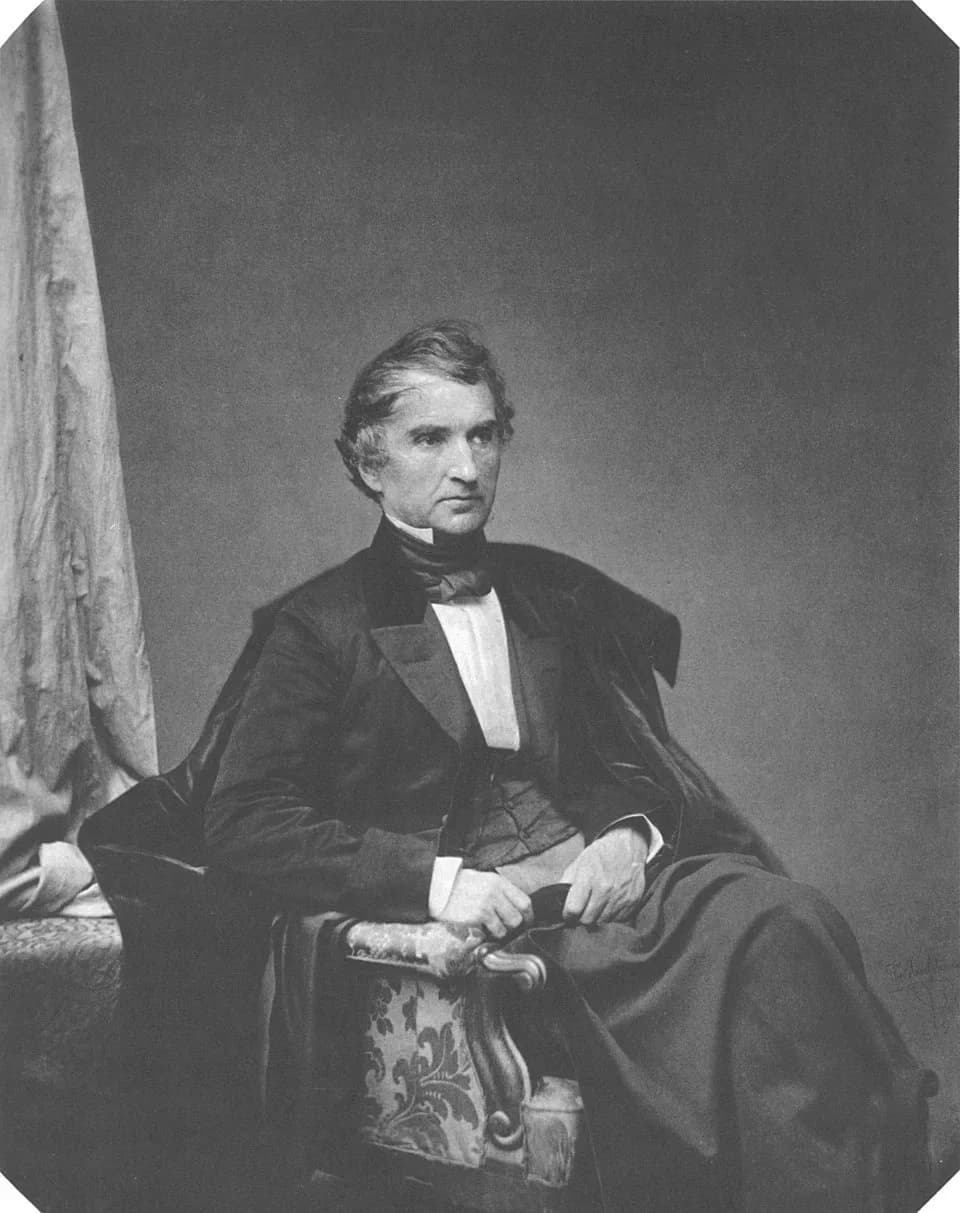
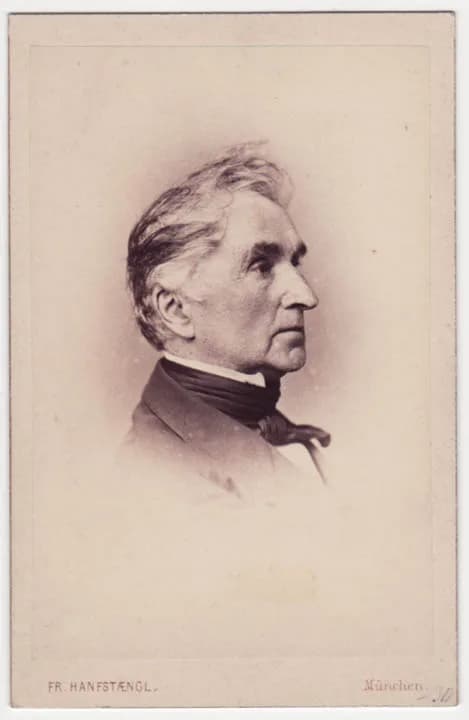
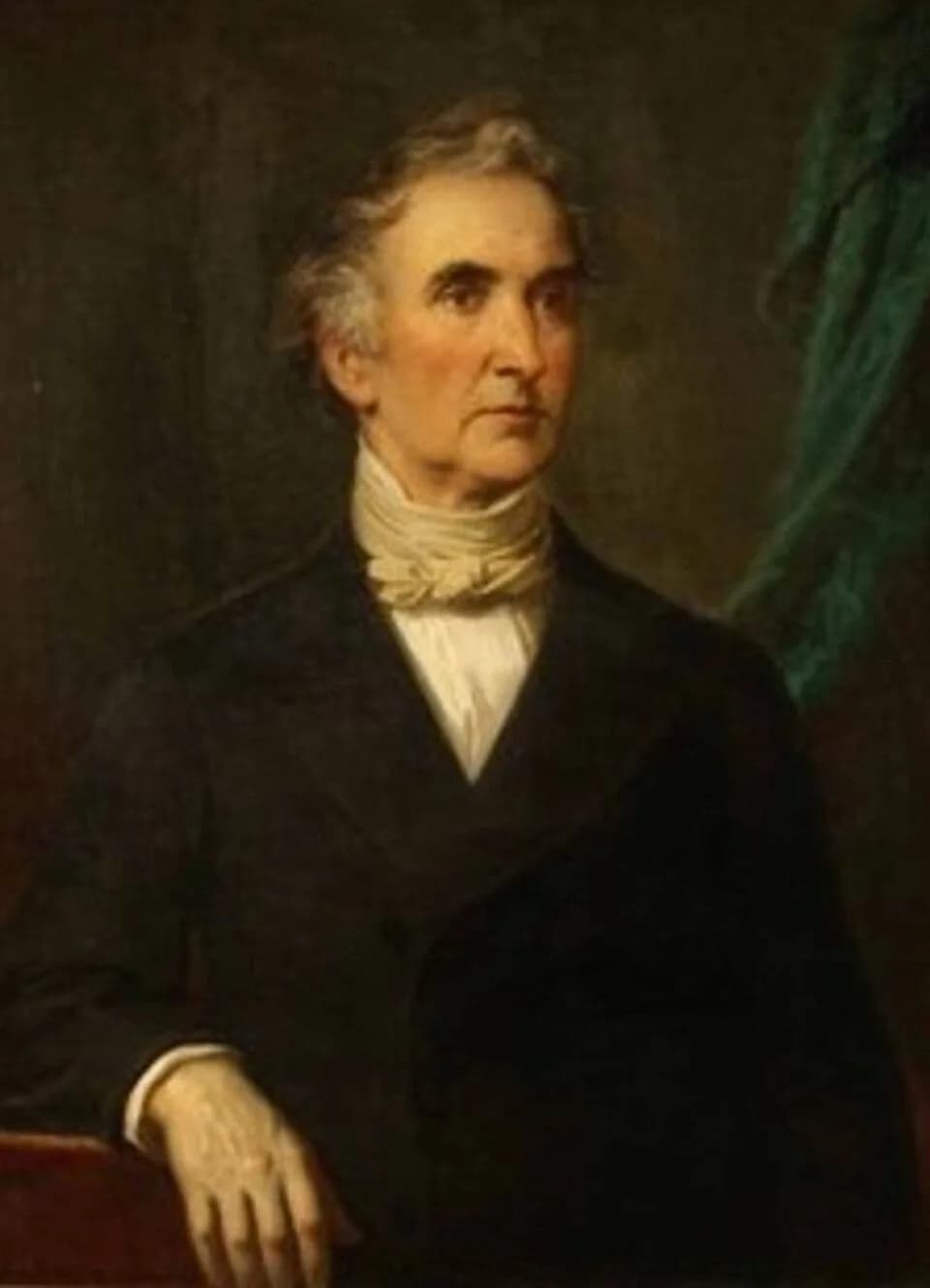
Justus Freiherr von Liebig (May 12, 1803 – April 18, 1873) was a German chemist from Darmstadt. He pioneered organic and agricultural chemistry, devising modern lab teaching methods and emphasizing essential plant nutrients. His work significantly influenced both science and industry.
अध्याय
जीवन के अध्याय
अध्याय 1 · 1803· अध्याय 1 में से 7
Early Life and Origins
Justus von Liebig was born in Darmstadt, Germany, on May 12, 1803. Details of his early childhood and family life beyond his birthplace are not widely documented in his public record. His formative years in Darmstadt laid the groundwork for a future dedicated to scientific exploration and discovery, though specific educational milestones prior to his professorship are not detailed.
His innate curiosity for chemistry must have been sparked during this period, propelling him towards the academic and practical pursuits that would define his career.
अध्याय 2· अध्याय 2 में से 7
Career Beginnings
Liebig began his illustrious career as a professor at the esteemed University of Giessen. It was here that he began to revolutionize chemical education, moving beyond traditional lecture-based methods.
He devised and championed a modern laboratory-oriented teaching approach, which became a standard for scientific instruction. For these groundbreaking innovations in pedagogy, Justus von Liebig is rightly regarded as one of the most outstanding chemistry teachers of all time.
अध्याय 3· अध्याय 3 में से 7
Major Achievements and Career Highlights
Justus von Liebig made significant contributions across the theory, practice, and pedagogy of chemistry. His work was fundamental in establishing organic chemistry as a distinct and vital field of study, earning him recognition as one of its principal founders.
He is also celebrated as the "father of the fertilizer industry" due to his profound emphasis on nitrogen and minerals as essential plant nutrients. Liebig popularized the crucial "law of the minimum," which asserts that plant growth is limited by the scarcest nutrient available, rather than the total quantity of resources. This principle fundamentally changed agricultural practices worldwide.
Beyond academia, Liebig applied his chemical acumen to practical inventions. He developed an efficient manufacturing process for beef extracts, leading to the formation of the Liebig Extract of Meat Company. This company later introduced the widely recognized Oxo brand beef bouillon cube, bringing his scientific insights into everyday households. Furthermore, he popularized an earlier invention for condensing vapors, which subsequently became known globally as the Liebig condenser, a standard piece of laboratory equipment.
अध्याय 4· अध्याय 4 में से 7
Personal Life
While Justus von Liebig's professional life was extensively documented through his numerous publications and educational reforms, details concerning his personal family life are less publicly available within the provided information. His focus appears to have been predominantly on his scientific research, teaching, and the practical application of chemical principles.
His legacy is primarily defined by his immense impact on chemistry and agriculture rather than his private relationships or hobbies, which are not elaborated upon in the given details.
अध्याय 5· अध्याय 5 में से 7
Notable Works or Contributions
Justus von Liebig's extensive bibliography reflects his broad scientific interests and prolific output. Among his many published works are influential texts such as "Sur un nouvel aliment pour nourrissons (la bouillie de Liebig), avec instructions pour sa préparation et son emploi," which focused on infant nutrition.
His foundational work in agricultural chemistry is evident in "Die Chemie in ihrer Anwending auf Agricultur und Physiologie in zwei Theilen," and his pedagogical influence through "Guide pour l'introduction a l'étude de chimie." Other notable contributions include "Complete works on chemistry," "Kleine Schriften," and "Letters on the subject of the utilization of the metropolitan sewage." Liebig also published "A new method of making bread" and significant organic chemistry treatises like "Traité de chimie organique" and "Animal chemistry or organic chemistry in its applications to physiology and pathology." His work "Chemistry, and its application to physiology, agriculture, and commerce" further showcases his dedication to applying chemistry to solve real-world problems. His academic contributions are reflected in his h-index of 2 from 7 papers, including top works like "Nouvelles lettres sur la chimie considérée dans ses applications a l'industrie, a la physiologie et a l'agriculture" and "Analyse des Atropins."
अध्याय 6 · 1873· अध्याय 6 में से 7
Later Years
Justus von Liebig continued his impactful work and research through his later years, solidifying his status as a titan of science. His career culminated in a lifetime of discovery and instruction, influencing generations of chemists and agriculturalists. He passed away in Munich, Germany, on April 18, 1873, leaving behind an unparalleled body of work and a revolutionized scientific landscape.
His final years were a testament to a life dedicated to rigorous scientific inquiry and the widespread dissemination of knowledge.
अध्याय 7· अध्याय 7 में से 7
Legacy and Impact
The legacy of Justus von Liebig is profound and far-reaching, fundamentally altering the course of chemistry and agriculture. He is remembered not only as a principal founder of organic chemistry but also for establishing the modern laboratory-oriented teaching method. This pedagogical innovation ensured that future scientists would be trained with practical, hands-on experience, a standard that persists in chemical education today.
His moniker as the "father of the fertilizer industry" highlights his crucial role in modern agriculture. Liebig's emphasis on specific plant nutrients and the popularization of the law of the minimum led to more efficient and productive farming practices, helping to feed a growing world population. Furthermore, his development of beef extracts and the subsequent formation of the Liebig Extract of Meat Company created a lasting commercial enterprise. Justus von Liebig's pioneering spirit and dedication to both theoretical and applied science continue to inspire researchers and educators worldwide, securing his place as one of history's most important scientific figures.
पलों में एक जीवन
वे पल जिन्होंने एक जीवन को आकार दिया
अक्सर पूछे जाने वाले प्रश्न
अक्सर पूछे जाने वाले
Justus von Liebig की मृत्यु कब हुई?
Justus von Liebig की मृत्यु 18 अप्रैल 1873 Munich, Germany में हुई, 69 वर्ष की आयु में।
Justus von Liebig का जन्म कहाँ हुआ था?
Justus von Liebig का जन्म Darmstadt, Germany में 12 मई 1803 को हुआ था।
Justus von Liebig किसके लिए सबसे अधिक प्रसिद्ध हैं?
Justus von Liebig German chemist के लिए सबसे अधिक प्रसिद्ध हैं।
मृत्यु के समय Justus von Liebig की आयु कितनी थी?
मृत्यु के समय Justus von Liebig की आयु 69 वर्ष थी।
Justus von Liebig की राष्ट्रीयता क्या थी?
Justus von Liebig Germany के थे।
समयरेखा
एक नज़र में जीवन
फोटो गैलरी
तस्वीरों में एक जीवन
किसी भी पोलरॉइड पर क्लिक करें · 25 तस्वीरें
QR कोड
इस जीवनी को साझा करें
प्रिंट करें और साझा करें
इस जीवनी पृष्ठ पर जाने के लिए स्कैन करें। आयोजनों, प्रदर्शनियों, या शैक्षिक सामग्रियों के लिए प्रिंट करें।