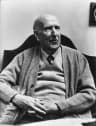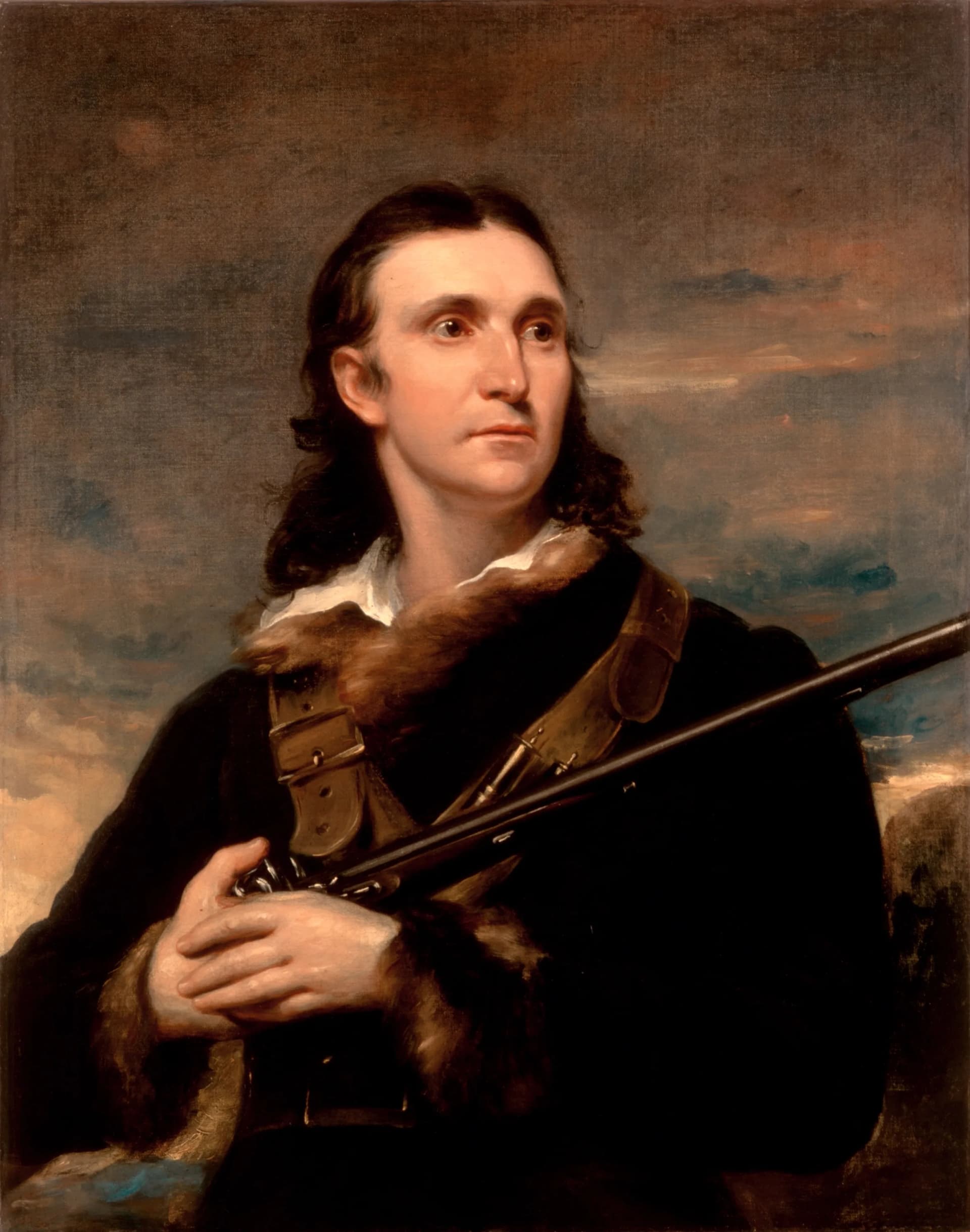
जन्म
April 26, 1785
Les Cayes, Haiti
मृत्यु
January 27, 1851
New York City, United States
किसके लिए जाने जाते हैं
French-American ornithologist, naturalist, and painter
John James Audubon (1785-1851) was a French-American ornithologist, naturalist, and painter born in Haiti. He created The Birds of America, a monumental work featuring 435 hand-colored engravings of North American bird species published between 1827-1838. His scientific illustrations and writings established new standards for natural history documentation.
अध्याय
जीवन के अध्याय
अध्याय 1 · 1785· अध्याय 1 में से 7
Early Life and Origins
John James Audubon entered the world on April 26, 1785, in Les Cayes, Haiti, during a time when the Caribbean colony buzzed with commercial activity. His birth in this tropical setting would later influence his keen eye for observing diverse wildlife in varied environments. The circumstances of his early childhood shaped his multicultural perspective, as he moved between different worlds and languages.
His formative years split between France and America provided Audubon with a unique educational foundation. This transatlantic upbringing exposed him to both European artistic traditions and the untamed wilderness of the New World. The contrast between Old World refinement and American frontier life would become central to his identity as both artist and naturalist.
अध्याय 2· अध्याय 2 में से 7
Career Beginnings
Audubon's professional journey began with his fascination for American birds, which he observed during his early years in the United States. Unlike many naturalists of his era who worked primarily from preserved specimens, he insisted on studying living birds in their natural habitats. This approach required extensive travel through American wilderness areas, often under challenging conditions.
His early career involved various business ventures, but his true passion remained focused on ornithological studies. He developed his distinctive method of positioning freshly killed birds with wires to create lifelike poses for his drawings. This technique allowed him to capture the dynamic movement and natural behavior of each species with unprecedented accuracy.
अध्याय 3 · 1827· अध्याय 3 में से 7
Major Achievements and Career Highlights
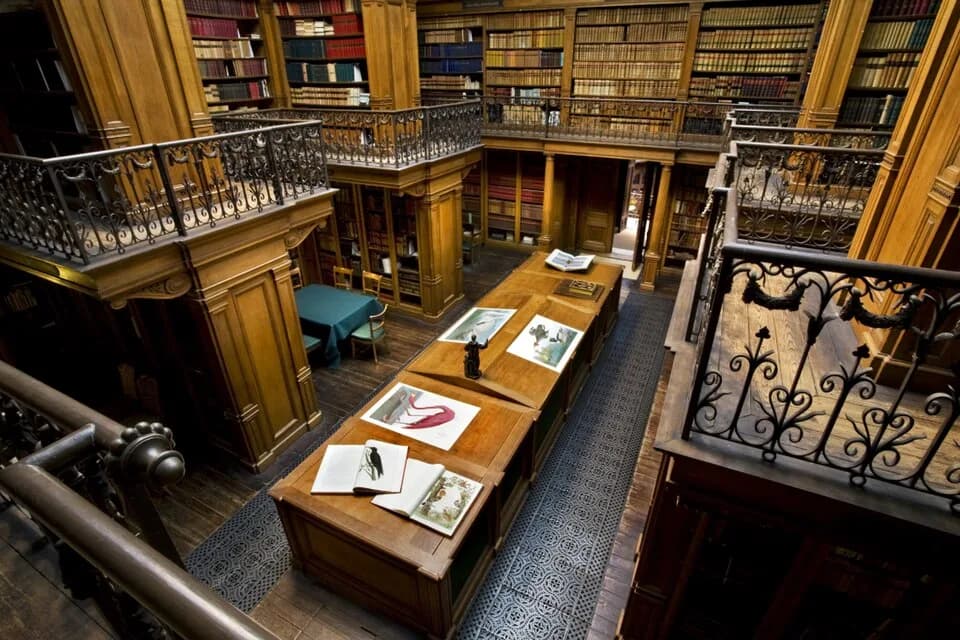
The Birds of America, published between 1827 and 1838, represents Audubon's greatest achievement and one of the most significant works in natural history publishing. This large-format color-plate book featured 435 hand-colored engravings, each depicting American bird species in actual size. The production required collaboration with skilled engravers in Scotland and England, making it an international artistic endeavor.
Accompanying this visual masterpiece, Audubon produced five volumes of Ornithological Biography between 1831 and 1839. These texts provided detailed scientific descriptions and behavioral observations for each illustrated species. His writing combined rigorous scientific methodology with engaging narrative, making ornithology accessible to both scholars and general readers.
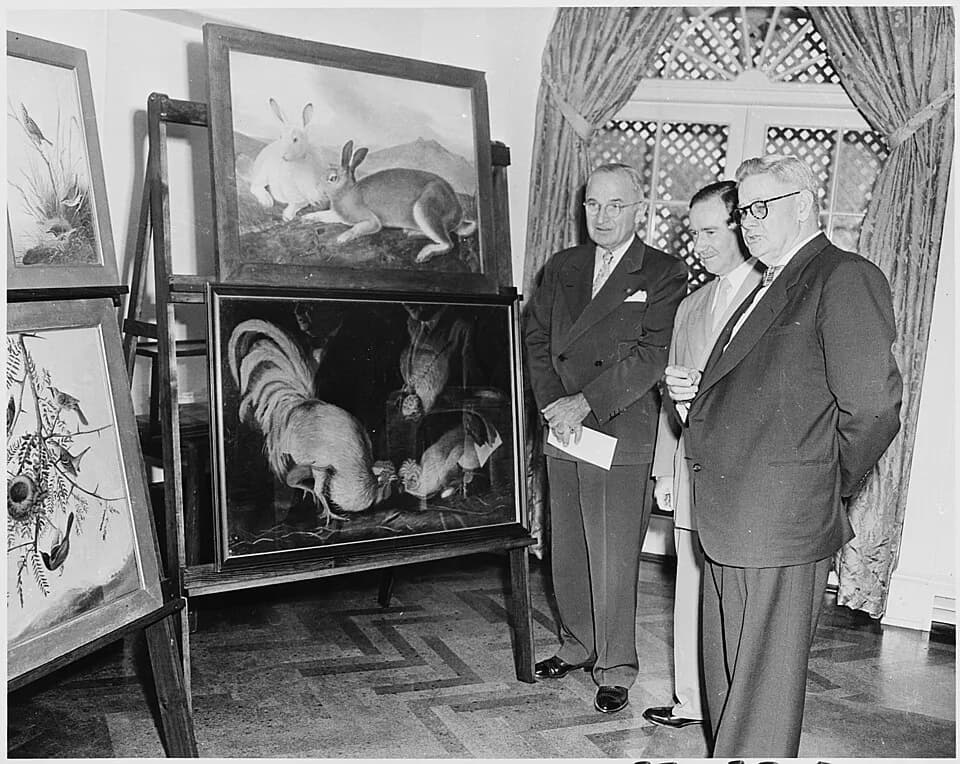
His artistic works gained recognition in major collections, with pieces like Harlequin Duck (1826/39), Black Backed Gull (1826/39), and Great American Shrike (1834) now housed in prestigious institutions. The Art Institute of Chicago holds several of his notable bird illustrations, including Male Bay Breasted Warbler (1829) and Florida Jay (1830).
अध्याय 4· अध्याय 4 में से 7
Personal Life
Audubon's personal life reflected his adventurous spirit and dedication to natural history. His family often accompanied him on expeditions, sharing in both the hardships of frontier travel and the excitement of scientific discovery. His wife Lucy played a crucial role in supporting his artistic ambitions, often managing household affairs while he pursued lengthy field studies.
The naturalist's journals reveal a man deeply connected to the American landscape and its wildlife. His personal writings document not only scientific observations but also his emotional responses to the natural world. These intimate records provide insight into the personality behind the scientific achievements.
अध्याय 5 · 1851· अध्याय 5 में से 7
Notable Works and Contributions
Beyond his famous bird illustrations, Audubon expanded his documentation to include North American mammals. His work on Viviparous Quadrupeds of North America resulted in multiple volumes, with the second published in 1851 and the third in 1854. These publications extended his scientific contributions beyond ornithology into broader zoological studies.
His artwork Cervus Virginianus (1848) demonstrates his skill in depicting mammalian subjects with the same precision he applied to bird illustration. Audubon and His Journals, published in two volumes, preserves his personal accounts of expeditions and discoveries. These writings offer invaluable historical perspective on early American natural history exploration.
The scope of his work encompassed multiple scientific disciplines, earning him recognition as naturalist, photographer, writer, zoologist, painter, ornithologist, botanical collector, botanist, printmaker, draftsperson, and scientific collector. This interdisciplinary approach set new standards for comprehensive natural history documentation.
अध्याय 6· अध्याय 6 में से 7
Later Years
Audubon's final years were spent in New York City, where he continued working on his mammal studies and overseeing the publication of his collected works. Despite advancing age, he remained active in scientific circles and continued to refine his artistic techniques. His later period saw increased recognition from both American and European scientific institutions.
The completion of his major publishing projects allowed Audubon to reflect on his contributions to natural history. His later writings reveal satisfaction with having achieved his ambitious goal of documenting American wildlife for future generations. He continued to receive visitors and correspondents seeking his expertise in ornithological matters.
अध्याय 7 · 1851· अध्याय 7 में से 7
Legacy and Impact
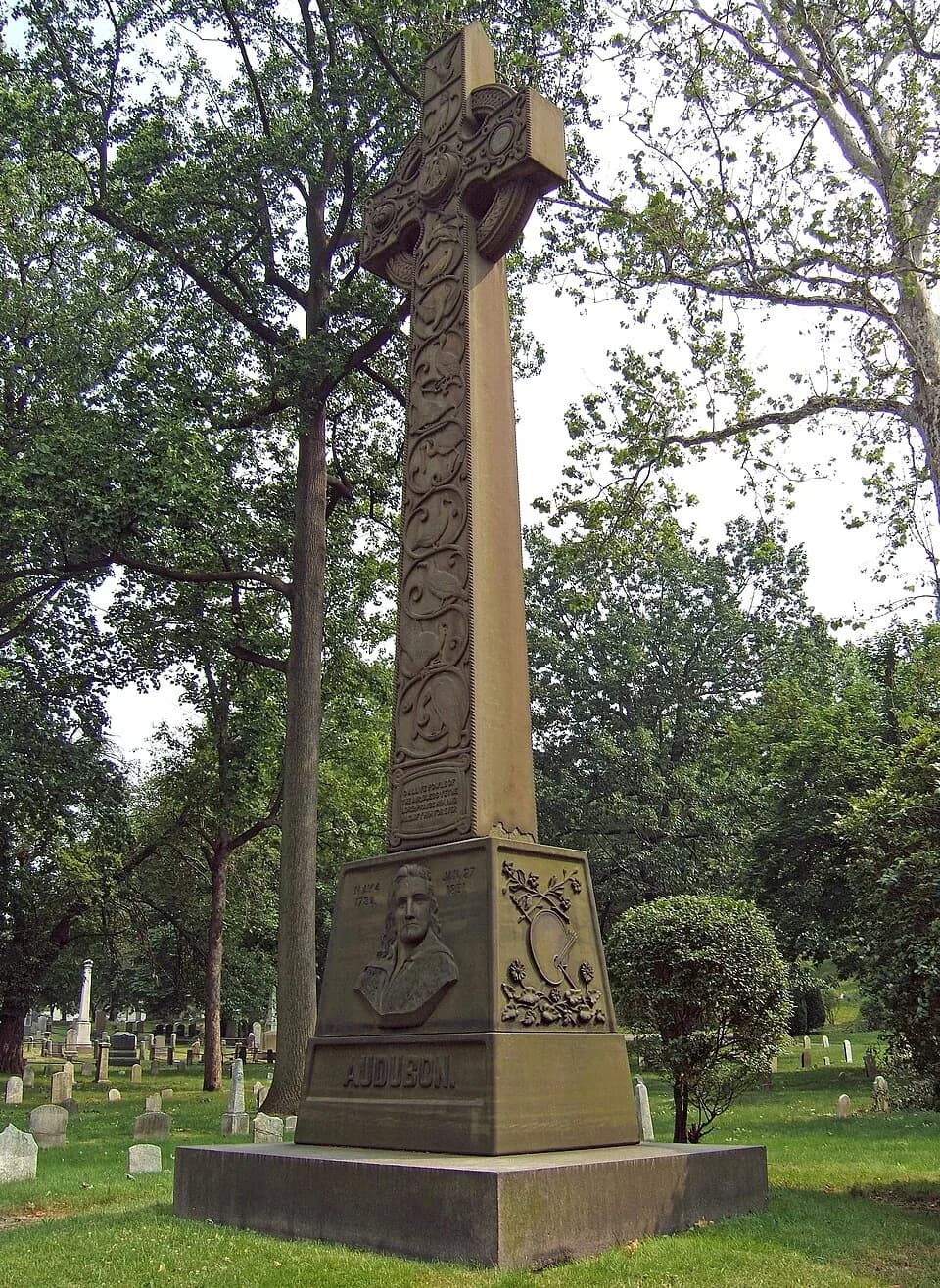
John James Audubon died on January 27, 1851, in New York City, leaving behind a scientific and artistic legacy that continues to influence naturalists and artists today. His name has become synonymous with bird conservation, with the National Audubon Society adopting his name to honor his contributions to ornithology and environmental awareness.
The Birds of America remains one of the most valuable and sought-after books in the world, with original editions commanding millions of dollars at auction. His artistic technique and scientific methodology established new standards for natural history illustration that influenced generations of wildlife artists. Modern bird field guides and scientific illustrations still reflect principles he pioneered.
Museums worldwide display his works, ensuring that new generations can appreciate his unique combination of scientific accuracy and artistic beauty. His documentation of North American wildlife provides an invaluable historical record of species distributions and behaviors from the early 19th century, making his work essential for contemporary conservation efforts.
पलों में एक जीवन
वे पल जिन्होंने एक जीवन को आकार दिया

अक्सर पूछे जाने वाले प्रश्न
अक्सर पूछे जाने वाले
John James Audubon की मृत्यु कब हुई?
John James Audubon की मृत्यु 27 जनवरी 1851 New York City, United States में हुई, 65 वर्ष की आयु में।
John James Audubon का जन्म कहाँ हुआ था?
John James Audubon का जन्म Les Cayes, Haiti में 26 अप्रैल 1785 को हुआ था।
John James Audubon किसके लिए सबसे अधिक प्रसिद्ध हैं?
John James Audubon French-American ornithologist, naturalist, and painter के लिए सबसे अधिक प्रसिद्ध हैं।
मृत्यु के समय John James Audubon की आयु कितनी थी?
मृत्यु के समय John James Audubon की आयु 65 वर्ष थी।
John James Audubon की राष्ट्रीयता क्या थी?
John James Audubon Haiti के थे।
समयरेखा
एक नज़र में जीवन
फोटो गैलरी
तस्वीरों में एक जीवन
किसी भी पोलरॉइड पर क्लिक करें · 49 तस्वीरें
QR कोड
इस जीवनी को साझा करें
प्रिंट करें और साझा करें
इस जीवनी पृष्ठ पर जाने के लिए स्कैन करें। आयोजनों, प्रदर्शनियों, या शैक्षिक सामग्रियों के लिए प्रिंट करें।